10 Easy Plants That Boost Backyard Landscaping In California
In California, a great backyard does not have to come with a long to do list.
Many homeowners want outdoor spaces that look polished without eating up every weekend.
That is where easy plants come into play.
With the right choices, a backyard can go from plain to pulled together without breaking a sweat.
These plants are the quiet workhorses of good landscaping.
They fill bare spots, soften hard edges, and bring color and texture where it matters most.
Once settled in, they hold their own through sun, dry spells, and changing seasons.
That kind of reliability is music to a gardener’s ears, especially in a state with so many different climates.
Easy plants also make landscaping feel less like a chore and more like a pleasure.
Instead of constant trimming and watering, they ask for just the basics and give plenty in return.
A few smart additions can boost curb appeal, create natural flow, and make backyards feel complete.
For Californians who want strong results without the runaround, these plants prove that simple choices can still pack a punch and turn outdoor spaces into places worth showing off.
1. California Poppy
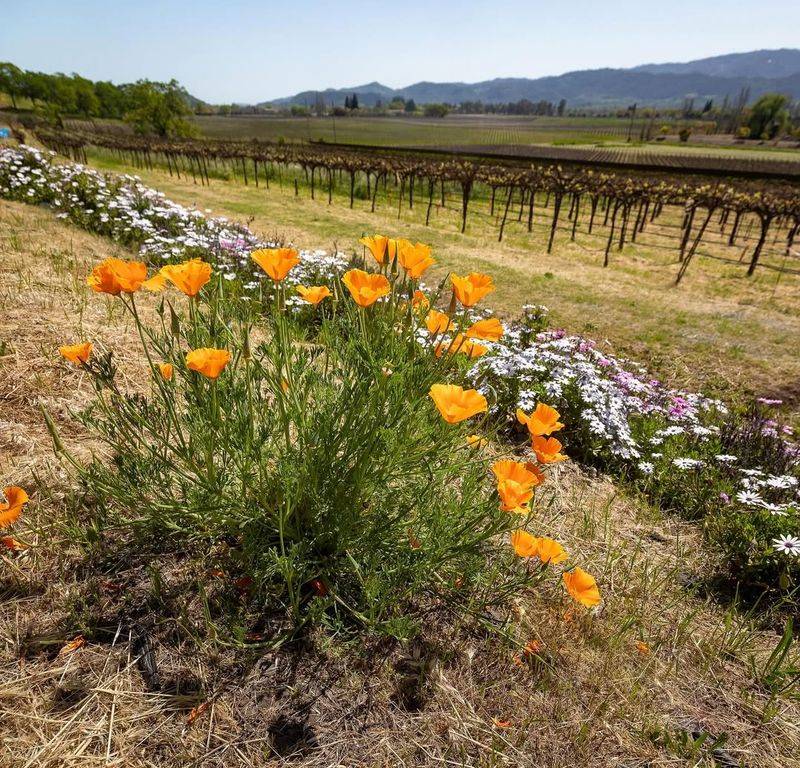
Bright orange blooms make the California poppy an instant favorite for adding cheerful color to any yard.
This wildflower is actually the state flower of California, so it feels right at home in local gardens from San Diego to Sacramento.
Once planted, these beauties reseed themselves year after year, creating natural drifts of color without any extra work from you.
California poppies love full sun and well-drained soil, making them perfect for areas that get plenty of sunshine throughout the day.
They’re incredibly drought-tolerant once established, which means less watering and lower water bills during those hot summer months.
You can scatter seeds directly in your garden beds in fall or early spring, and they’ll bloom from spring through early summer.
The delicate, papery petals close up at night and on cloudy days, then reopen when the sun returns.
This daily show adds an element of surprise and delight to your landscape.
These plants grow low to the ground, reaching about 12 inches tall, making them ideal for borders, rock gardens, or filling in bare spots.
Their silvery-green foliage provides a lovely contrast to the bright blooms, and deer usually leave them alone, which is a bonus in many California neighborhoods.
2. Lavender
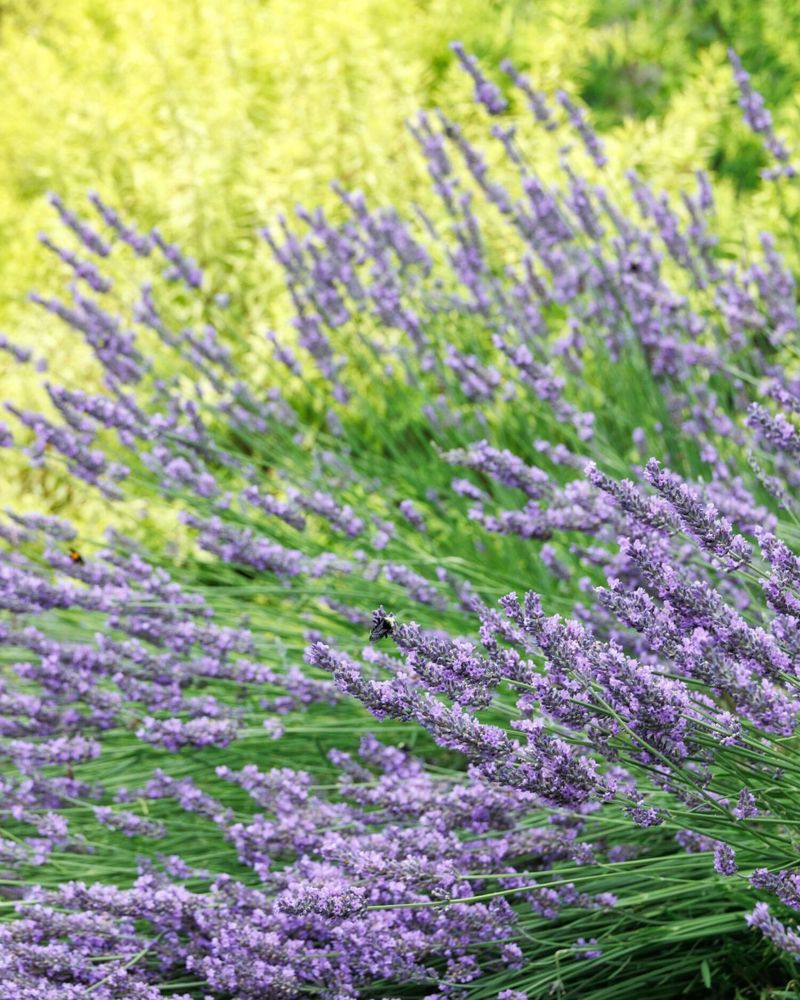
Few plants offer as much sensory pleasure as lavender, with its soothing fragrance and beautiful purple spikes that sway in the breeze.
Gardens throughout California benefit from this Mediterranean native, which thrives in the state’s similar climate conditions.
The scent alone can transform your backyard into a relaxing sanctuary where you’ll want to spend every free moment.
Lavender varieties like English lavender and Spanish lavender both perform excellently in California landscapes.
They need full sun and well-drained soil, but once settled in, they require very little water or maintenance.
Pruning back the stems after flowering keeps plants bushy and encourages more blooms the following season.
Butterflies and bees absolutely adore lavender, so planting it helps support local pollinators in your neighborhood.
The flowers can be harvested and dried for sachets, cooking, or homemade crafts, giving you even more reasons to grow this versatile plant.
Lavender works beautifully as a low hedge, in containers, or mixed into perennial borders.
Its silvery foliage looks attractive even when not in bloom, providing year-round interest.
Plus, deer and rabbits typically avoid it, which means your hard work stays intact and looking gorgeous throughout every season.
3. Rosemary
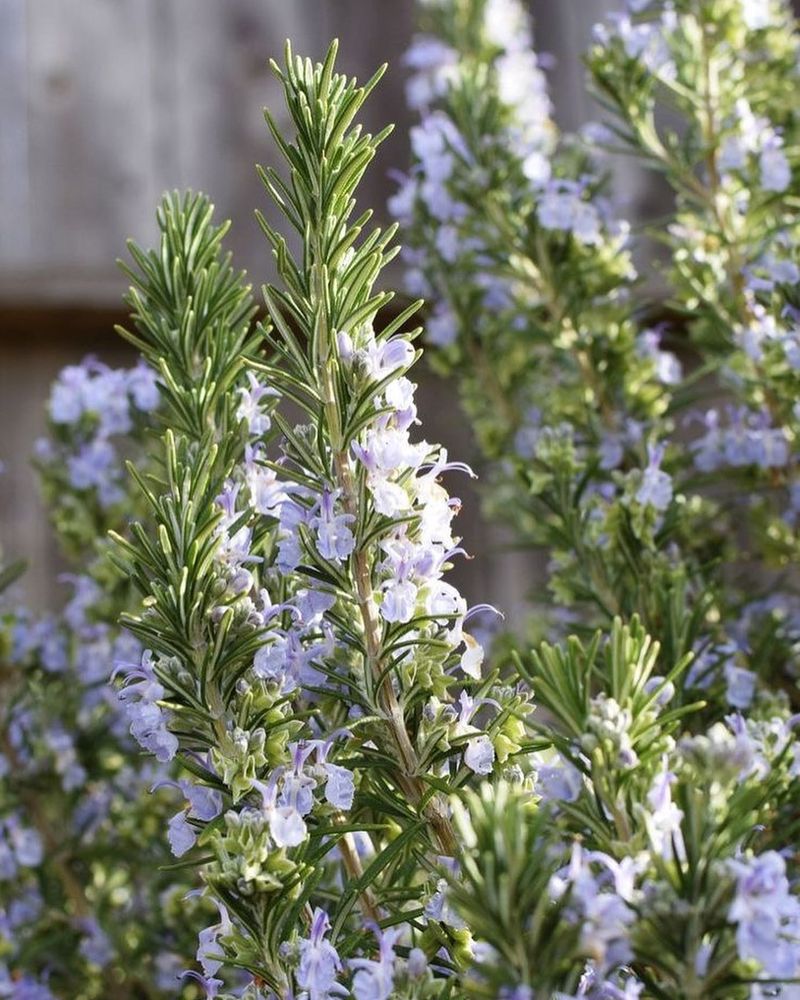
Imagine stepping into your backyard and brushing against a plant that releases an amazing herbal aroma instantly.
Rosemary does exactly that while also serving as an attractive evergreen shrub in California gardens.
This tough Mediterranean herb handles heat, drought, and poor soil with remarkable ease, making it a top choice for busy homeowners.
Both upright and trailing varieties of rosemary work wonderfully in different landscape situations across California.
Upright types can grow into substantial shrubs reaching four to six feet tall, perfect for hedges or foundation plantings.
Trailing rosemary cascades beautifully over walls, containers, or slopes, adding texture and fragrance to tricky spots.
The needle-like leaves stay green all year, and small blue, pink, or white flowers appear in winter and spring, attracting beneficial insects.
Beyond its landscape value, rosemary provides fresh herbs for your kitchen whenever you need them.
Simply snip a few stems for roasting vegetables, grilling meats, or flavoring bread.
Rosemary thrives in full sun with occasional deep watering once established.
It rarely needs fertilizer and tolerates pruning well, so you can shape it however you like.
This plant truly delivers multiple benefits while asking for almost nothing in return, making it ideal for California’s water-conscious gardening approach.
4. Salvia
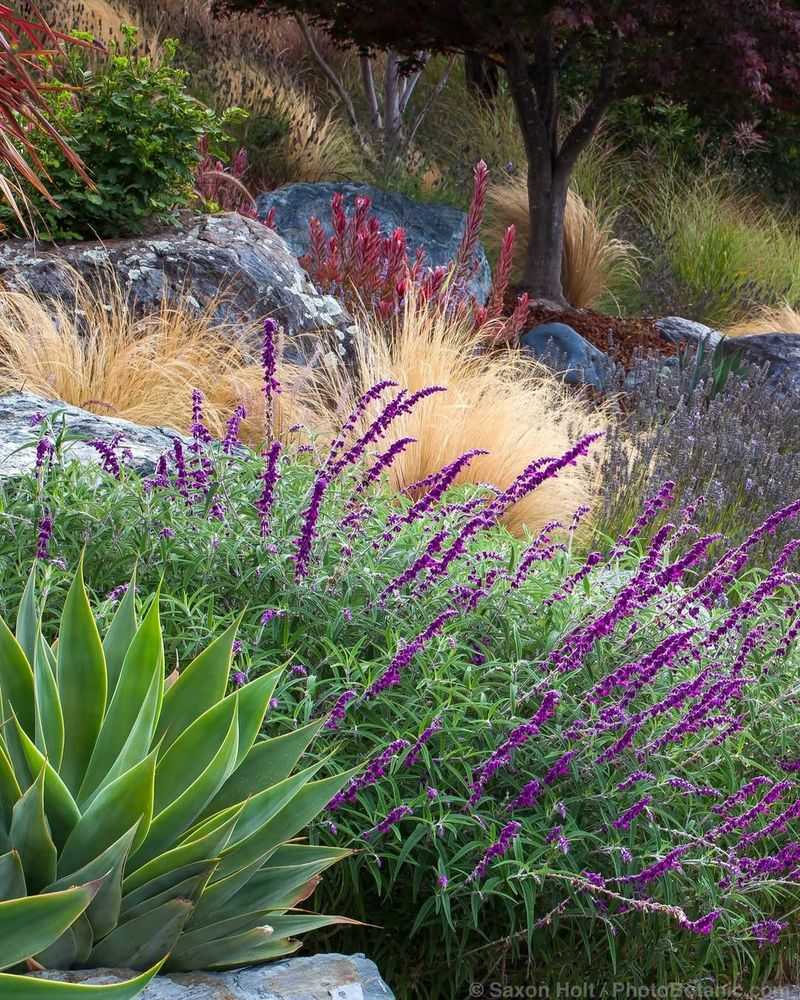
Hummingbirds will become regular visitors when you plant salvia in your California backyard.
These stunning perennials produce tall spikes covered in tubular flowers that birds simply cannot resist.
With dozens of species and cultivars available, you can find salvias in nearly every color imaginable, from deep purple to bright red to soft pink.
California native salvias like white sage and Cleveland sage are especially well-adapted to local conditions and need almost no supplemental water once established.
Other popular choices include Mexican bush sage, with its velvety purple blooms, and autumn sage, which flowers from spring through fall.
All salvias prefer full sun and good drainage, but they’re remarkably forgiving of different soil types.
The aromatic foliage smells wonderful when touched and helps deter deer from munching on your landscape.
Many salvias bloom for months, providing continuous color when other plants have finished their show.
They combine beautifully with grasses, lavender, and other drought-tolerant perennials in California gardens.
Cutting back spent flower stalks encourages more blooms and keeps plants looking tidy.
Salvias generally need very little fertilizer and actually perform better without rich soil.
Their long flowering season and pollinator appeal make them valuable additions that boost both beauty and ecological health in your outdoor space throughout the growing season.
5. Agave
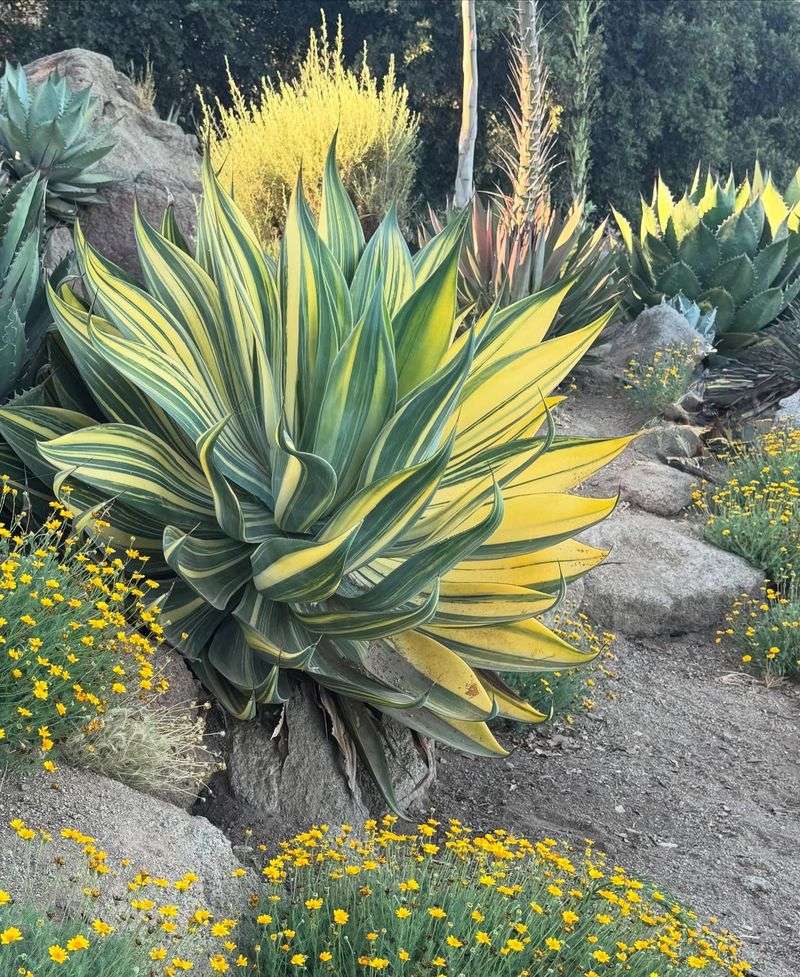
Bold architectural form makes agave a stunning focal point that immediately draws the eye in any California landscape.
These dramatic succulents feature rosettes of thick, pointed leaves that create living sculptures in your garden.
From small varieties perfect for containers to massive specimens that command attention, agaves offer options for every space and style preference.
Agaves are champions of water conservation, storing moisture in their fleshy leaves and thriving with minimal irrigation.
They’re perfect for California’s ongoing efforts to create sustainable, drought-resistant landscapes.
Many varieties display beautiful blue-gray, green, or variegated coloring that adds year-round visual interest without any seasonal decline.
These plants love full sun and well-drained soil, making them ideal for slopes, rock gardens, or areas where other plants struggle.
Once established, they need watering only occasionally during extended dry periods.
Agaves pair wonderfully with other succulents, ornamental grasses, and colorful perennials to create modern, low-maintenance designs.
Some varieties produce tall flower spikes after many years, creating a spectacular show before the main plant completes its lifecycle.
The surrounding smaller plants, called pups, continue the display.
Agaves require essentially no fertilizer or pruning, just occasional removal of damaged leaves.
Their striking appearance and minimal needs make them perfect for California homeowners who want maximum impact with minimum effort in their backyard landscapes.
6. California Lilac
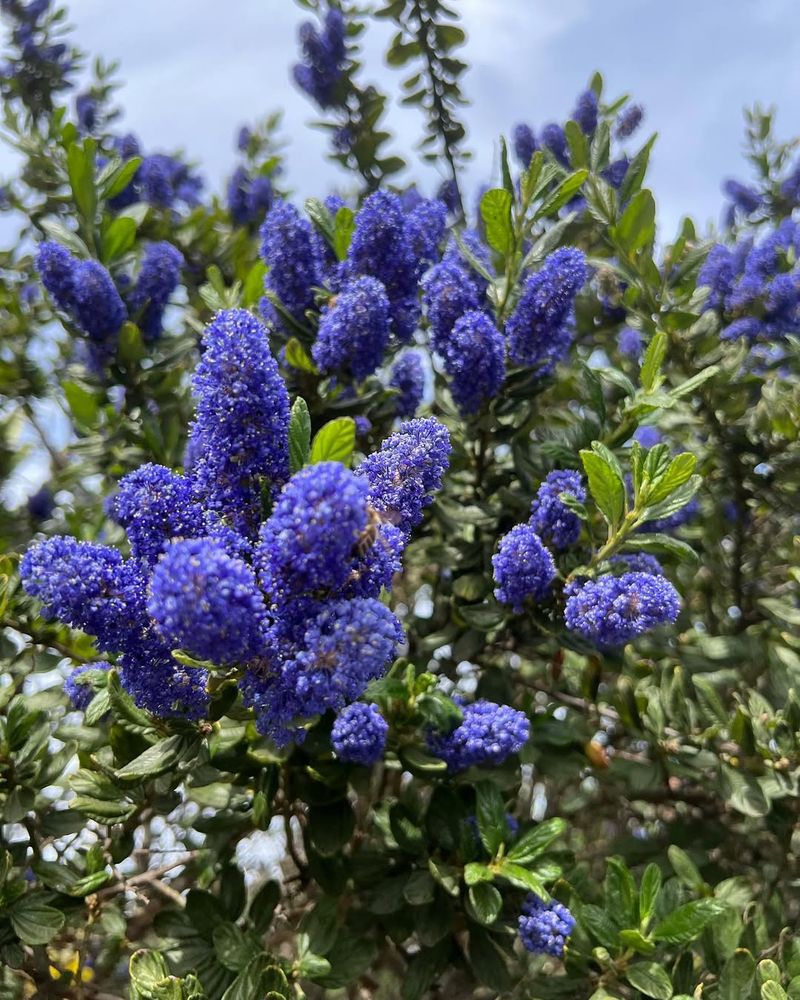
Clouds of blue flowers cover California lilac in spring, creating a breathtaking display that rivals any ornamental shrub.
Also known as ceanothus, this California native comes in many varieties ranging from low groundcovers to large shrubs.
The intense blue color is relatively rare in the plant world, making this shrub especially valuable for adding unique hues to your landscape palette.
California lilac is perfectly adapted to the state’s climate, thriving with little to no summer water once established.
It prefers full sun and excellent drainage, making it ideal for slopes and hillsides throughout California.
The dense evergreen foliage provides year-round structure and screening, while the spring blooms attract countless bees and butterflies to your yard.
Different varieties offer different growth habits and flower shades, from deep navy blue to powder blue to even white.
Some stay compact at three feet tall, while others can reach ten feet or more.
This versatility lets you choose the perfect size for your specific landscape needs.
California lilac rarely needs pruning except to shape or control size, and it requires no fertilizer to perform beautifully.
Avoid overwatering, especially in summer, as these plants prefer to stay on the dry side.
Their combination of stunning flowers, evergreen leaves, and extreme drought tolerance makes them outstanding choices for water-wise California gardens that still deliver spectacular seasonal color and wildlife benefits.
7. Ornamental Grasses
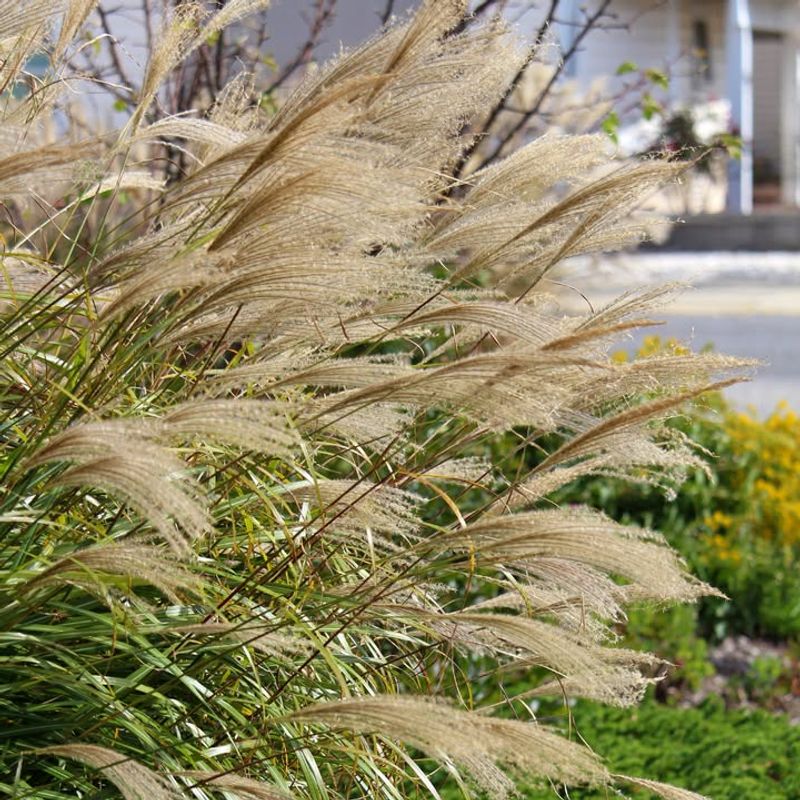
Movement and texture come alive when ornamental grasses dance in California breezes.
These graceful plants add a completely different element to landscapes, with their flowing forms and soft, feathery plumes.
From fine-textured fescues to dramatic pampas grass, ornamental grasses offer incredible variety for California gardens of every style.
Many grasses are extremely drought-tolerant once established, making them smart choices for water-conscious California homeowners.
Mexican feather grass, blue fescue, and deer grass are all excellent options that thrive with minimal care.
Most grasses prefer full sun and well-drained soil, though some tolerate partial shade and various soil conditions.
The real magic happens when grasses catch the light, creating a glowing effect that changes throughout the day.
Their seed heads provide food for birds, and their dense growth offers shelter for beneficial insects.
Grasses look stunning planted in masses, mixed with perennials, or used as soft borders along pathways.
Maintenance is remarkably simple, usually requiring just one annual cutting back in late winter before new growth emerges.
No deadheading, no staking, no fussing required.
Many ornamental grasses display beautiful fall colors ranging from gold to copper to burgundy, extending their seasonal interest.
Their ability to provide year-round structure, movement, and color while needing very little water makes them invaluable in California landscapes seeking both beauty and sustainability in equal measure.
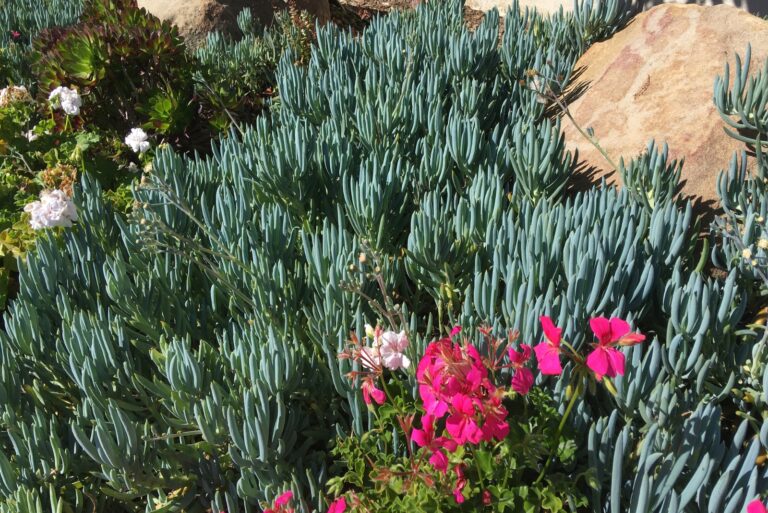
8. Succulents
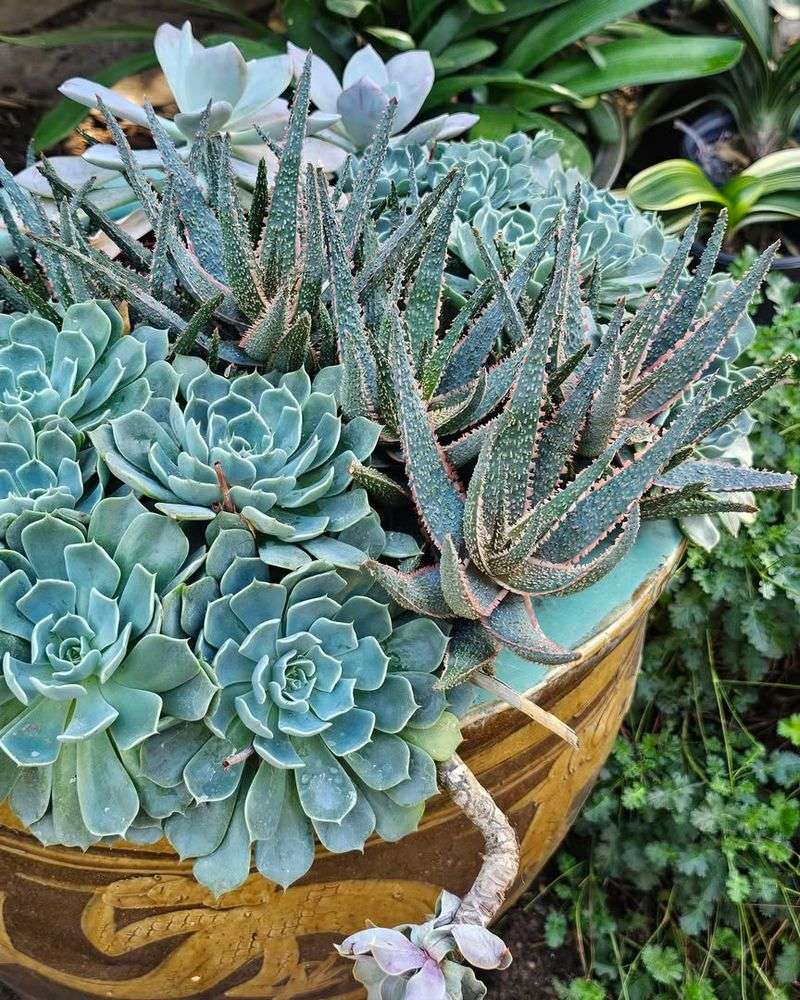
Endless variety meets ultimate drought tolerance in the wonderful world of succulents.
California gardeners have embraced these water-storing plants for their incredible diversity of shapes, colors, and textures.
From tiny sedums to large aloes, succulents offer something for every spot in your landscape, whether planted in the ground or displayed in creative containers.
Succulents store water in their leaves, stems, or roots, allowing them to survive with very little irrigation once established.
This makes them perfect for California’s climate and water conservation goals.
Many display stunning colors ranging from blue-gray to purple to bright green, often with contrasting edges or tips that add extra visual appeal.
These plants thrive in full sun to partial shade, depending on the variety, and require excellent drainage to prevent root problems.
They’re ideal for rock gardens, slopes, containers, living walls, or anywhere traditional plants struggle.
Mixing different succulent types creates living tapestries of color and form that change subtly through the seasons.
Most succulents need watering only every few weeks during the growing season and even less in winter.
They rarely require fertilizer and naturally stay compact without constant pruning.
Many produce surprising flowers in shades of red, orange, yellow, or pink, adding unexpected bursts of color.
Their low maintenance requirements and striking appearance make succulents perfect for California homeowners who want gorgeous landscapes without endless weekend chores or high water usage.
9. Bougainvillea
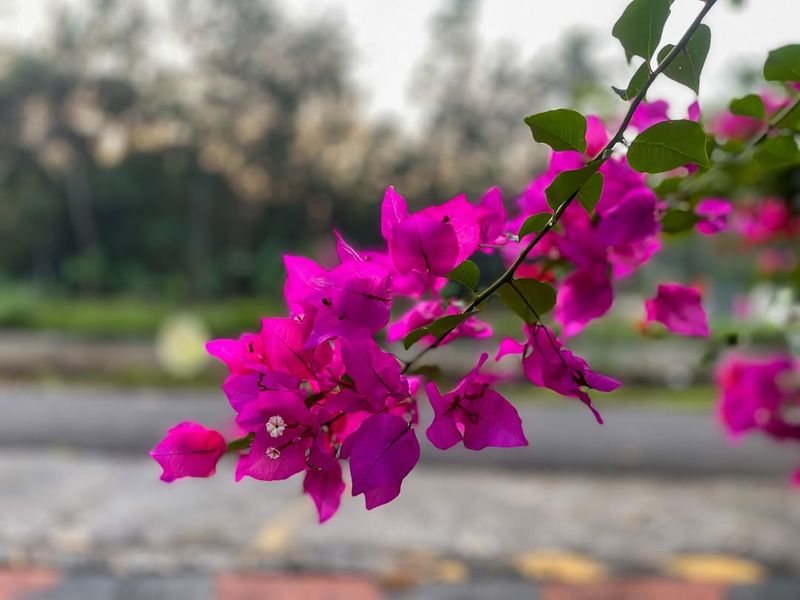
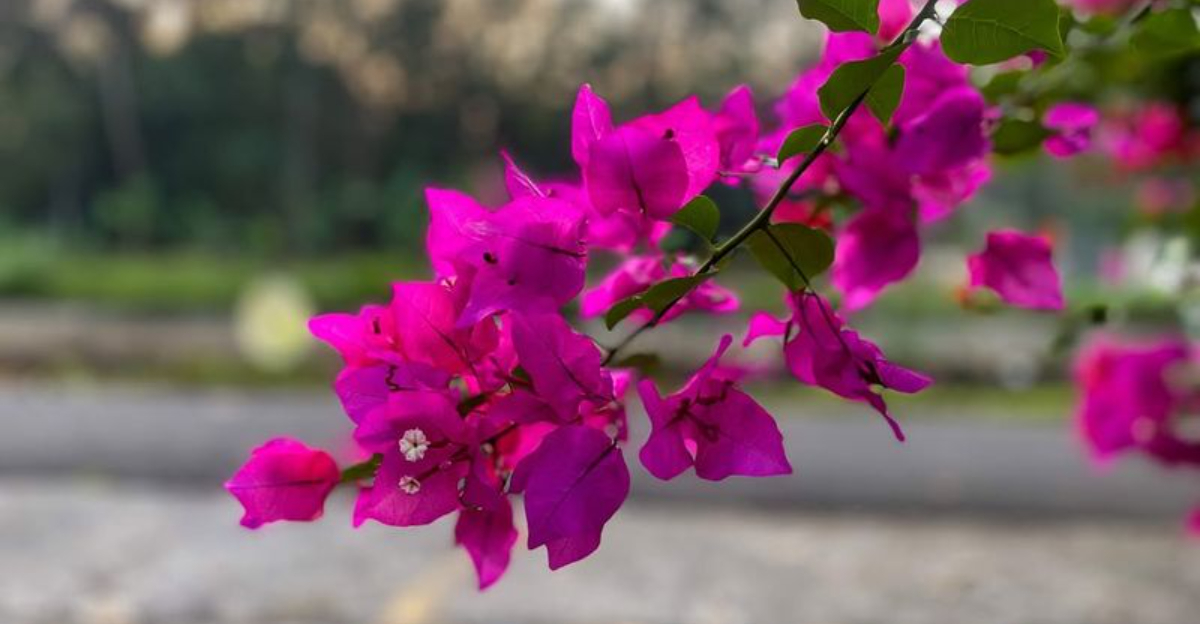
Explosive color defines bougainvillea, the show-stopping vine that drapes California homes, fences, and arbors in brilliant hues.
The vivid magenta, red, orange, pink, or white bracts (modified leaves) create stunning displays that last for months.
Southern California landscapes especially benefit from this tropical-looking plant that actually handles heat and drought remarkably well once established.
Bougainvillea loves full sun and warmth, producing the most prolific blooms when planted in the hottest, sunniest spots.
While it needs regular water during its first growing season, mature plants become quite drought-tolerant.
The vine can be trained up walls, over pergolas, along fences, or even pruned into shrub form for different landscape effects throughout California yards.
Thorny stems make bougainvillea useful for security plantings while also supporting its climbing habit.
The brilliant color comes from the papery bracts surrounding small, inconspicuous flowers.
These bracts persist for weeks, providing long-lasting color that outlasts most flowering plants.
Frost-tender in colder areas, bougainvillea thrives in coastal and inland valleys where temperatures stay mild.
It needs occasional pruning to control size and encourage bushier growth.
Avoid overwatering and overfertilizing, which produce leaves at the expense of colorful bracts.
When planted in the right California location, bougainvillea delivers unmatched drama and tropical flair with surprisingly little ongoing care or water consumption.
10. Lantana
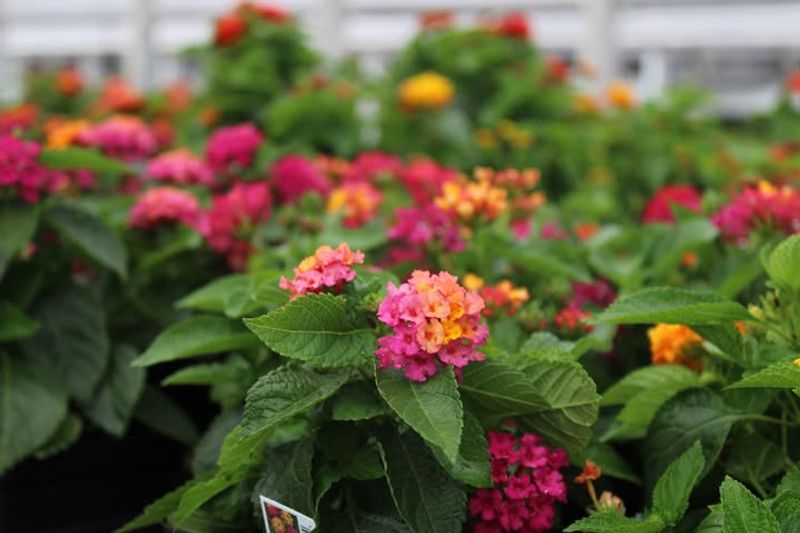
Butterflies flock to lantana like kids to ice cream trucks, making this colorful shrub a must-have for pollinator-friendly California gardens.
The clustered flowers change color as they age, creating multicolored displays in shades of yellow, orange, pink, red, purple, and white all on the same plant.
This color-changing trick adds fascinating visual interest that keeps your landscape looking fresh and dynamic.
Lantana thrives in California’s heat and sunshine, blooming continuously from spring through fall with very little care.
It’s extremely drought-tolerant once established, needing only occasional deep watering during extended dry spells.
The plant handles poor soil, coastal conditions, and inland heat equally well, making it versatile for gardens throughout the state.
Both trailing and upright varieties are available, offering options for groundcovers, borders, containers, or small hedges.
The trailing types cascade beautifully over walls and containers, while upright forms create colorful mounds in garden beds.
Lantana’s dense growth and continuous blooms provide reliable color when many other plants take summer breaks.
Deadheading spent flowers encourages even more blooms, though lantana continues flowering even without this attention.
The plant rarely suffers from pest problems and deer usually avoid it.
Lantana does produce berries that can spread in some areas, so check local recommendations before planting.
Its combination of nonstop color, butterfly appeal, and extreme heat tolerance makes it an excellent choice for easy California landscaping success.