9 Easy Self-Seeding Flowers For Oregon Gardens
Gardening in Oregon comes with its own kind of charm. Gentle rain, cozy summers, and rich soil create the perfect stage for flowers that love doing the work for you.
Plant them once and suddenly your garden starts throwing its own colorful encore year after year. Self seeding flowers are the easygoing stars of the show, happily popping up wherever they please and filling your space with relaxed cottage garden vibes.
Bees, butterflies, and curious neighbors will all come by to see what is blooming next. The best part is the surprise factor.
Each season brings a slightly different splash of color, like nature is rearranging the bouquet just for fun.
If you love a garden that feels lively, spontaneous, and a little bit magical, these cheerful bloomers are ready to turn your outdoor space into a constantly changing patchwork of color and personality.
1. Calendula (Pot Marigold)
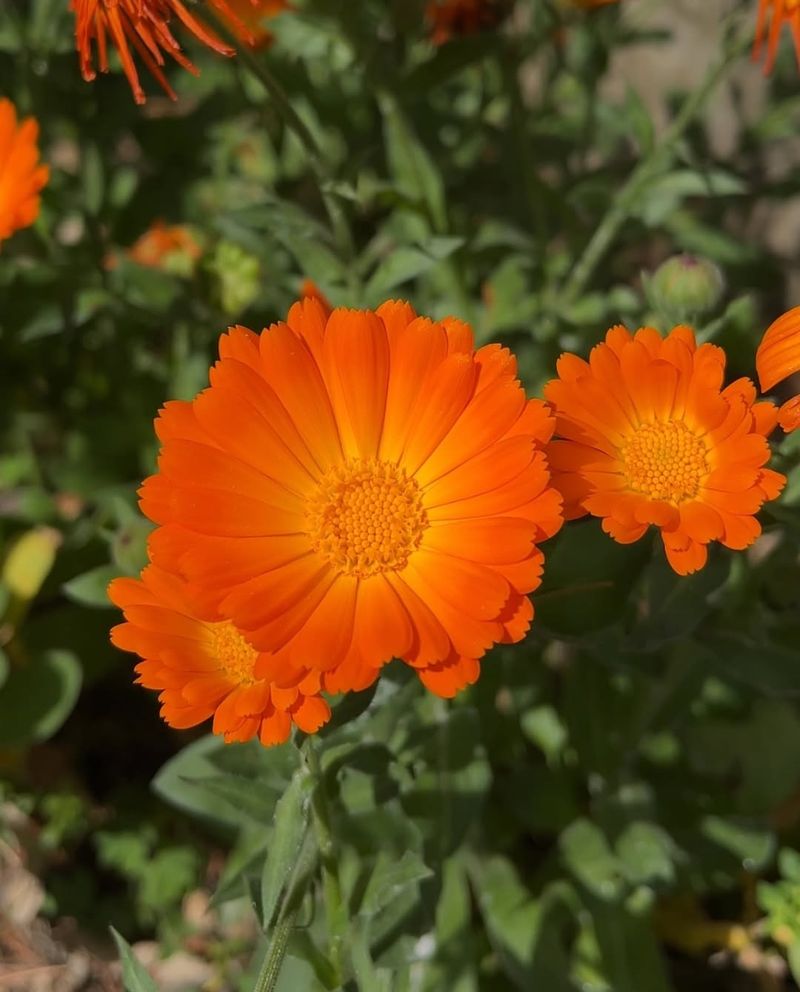
Walk through any established Oregon garden in early spring and you’ll likely spot cheerful orange faces pushing through damp soil before most annuals even think about germinating.
Calendula thrives in our cool, moist conditions, often blooming from March clear through November if you keep deadheading spent flowers.
What makes calendula exceptional for Oregon is its cold tolerance and willingness to reseed exactly where it’s happy. Once established, it drops seeds in late summer that overwinter beautifully in our mild climate.
By February, you’ll see tiny seedlings emerging without any effort on your part.
Many gardeners make the mistake of treating calendula like a delicate annual, but it’s actually quite tough. It handles our spring rains without rotting, doesn’t mind cloudy stretches, and even tolerates some shade.
The flowers are edible too, adding peppery color to salads.
Let a few flowers go to seed in August, and you’ll have volunteers the following spring. They might not appear in perfect rows, but that’s part of their charm.
Thin seedlings to six inches apart once they’re established, and you’ll have continuous blooms with zero replanting effort year after year.
2. Nigella (Love-in-a-Mist)
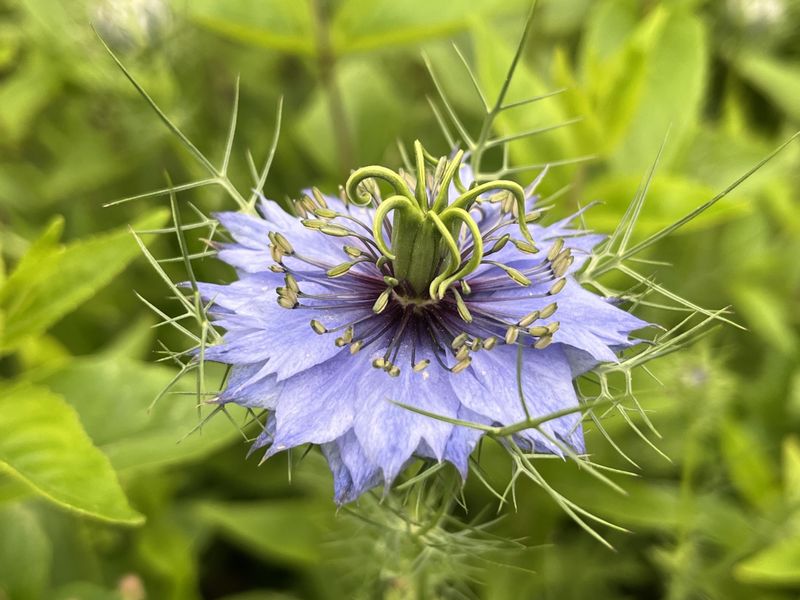
Something magical happens when nigella establishes itself in an Oregon garden bed. The delicate blue flowers appear floating above feathery green foliage like something from a fairy tale, yet this plant is far tougher than its appearance suggests.
Nigella actually prefers our cool springs over hot climates, germinating readily in March and April when soil temperatures are still chilly. The lacy foliage fills in quickly, creating textured green mounds that look intentional even before flowers appear.
By late May, the distinctive blooms open in shades of blue, white, and pink.
What surprises many gardeners is how reliably nigella reseeds without becoming invasive. After flowering, peculiar striped seed pods develop that are decorative in their own right.
These pods eventually split, scattering seeds that lie dormant through winter and sprout the following spring.
The key to success is letting those seed pods mature completely before tidying your beds in fall. Resist the urge to deadhead every flower.
Leave some to develop seeds, and you’ll be rewarded with a self-sustaining patch that returns reliably. Seedlings are easy to recognize by their thread-like foliage and simple to transplant if they pop up where you don’t want them.
3. Bachelor’s Buttons (Cornflower)
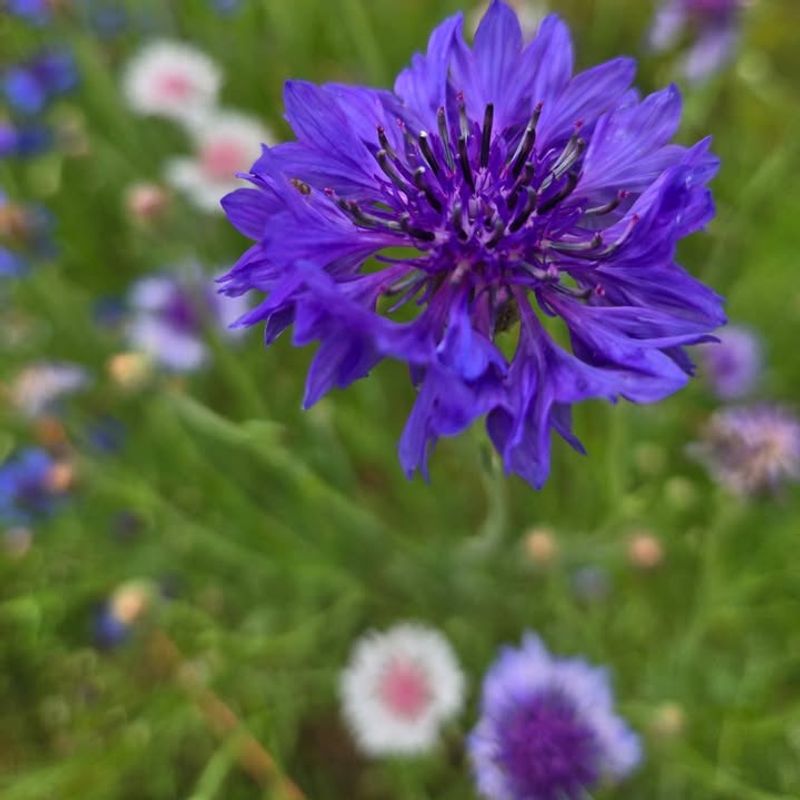
Few flowers handle Oregon’s unpredictable spring weather quite like bachelor’s buttons.
These cheerful blue blooms shrug off late frosts, don’t mind getting drenched by April showers, and keep producing flowers even during those gray stretches when sunshine feels like a distant memory.
Originally wildflowers from European grain fields, bachelor’s buttons have adapted beautifully to Pacific Northwest gardens. They germinate easily in cool soil, often sprouting in March when many annuals would sulk.
The gray-green foliage emerges first, followed by wiry stems topped with intensely blue flowers that attract every bee in the neighborhood.
One common mistake is planting bachelor’s buttons in rich, heavily amended soil. They actually prefer lean conditions and can get floppy in overfed beds.
Oregon’s naturally acidic soil suits them perfectly without additions. They also tolerate partial shade better than seed packets often suggest, making them useful for those tricky spots under deciduous trees.
Allow flowers to fade and form seed heads by midsummer. You’ll notice goldfinches visiting to eat the seeds, but plenty will drop to the ground and germinate the following spring.
Volunteers appear reliably but never aggressively, creating that effortless cottage garden look that’s hard to achieve through deliberate planting alone.
4. Sweet Alyssum
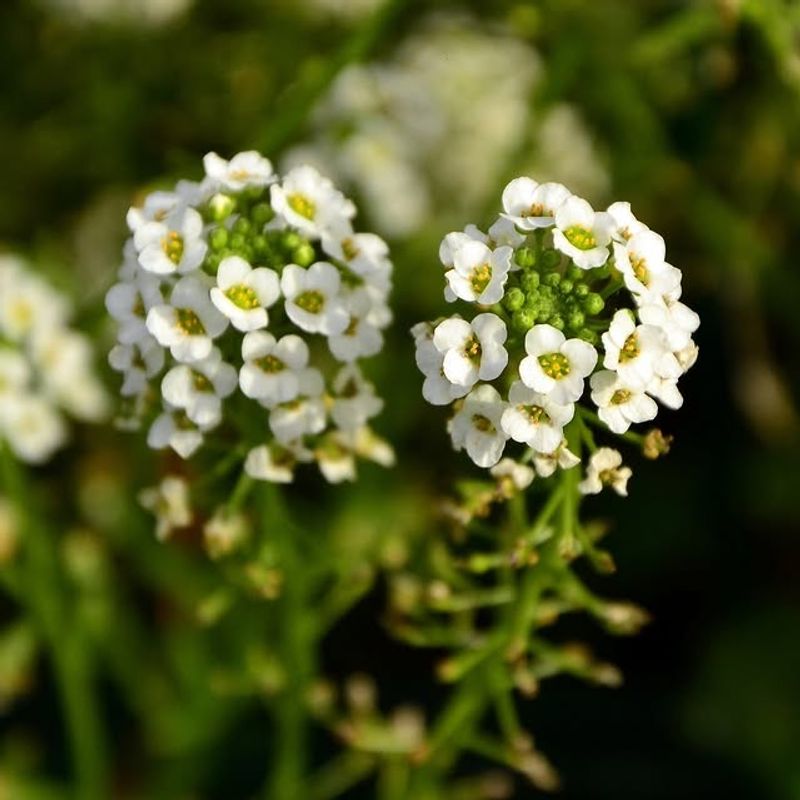
Notice those low clouds of tiny white or purple flowers edging pathways in established Oregon gardens? That’s sweet alyssum doing what it does best, filling spaces with honey-scented blooms that seem to appear magically each spring without replanting.
Sweet alyssum loves our climate more than almost anywhere else. It thrives in cool temperatures, blooms continuously through our mild summers, and often keeps flowering into December during gentle winters.
The fragrance is strongest on warm evenings, drawing beneficial insects and making garden walks especially pleasant.
What makes alyssum particularly valuable for Oregon gardeners is its ability to reseed without becoming weedy. Seeds scatter in late summer, overwinter in our mild climate, and germinate in early spring.
Seedlings are tiny at first but grow quickly once established. They’re also remarkably drought-tolerant once mature, helpful during our typically dry summers.
Many gardeners underestimate how well alyssum handles shade. While it blooms most prolifically in sun, it will flower respectably in partial shade and actually appreciates some afternoon protection during rare heat waves.
Let plants go to seed in at least one area of your garden, and you’ll have self-sowing patches that fill gaps between perennials and soften hard edges beautifully year after year.
5. Clarkia (Farewell-to-Spring)
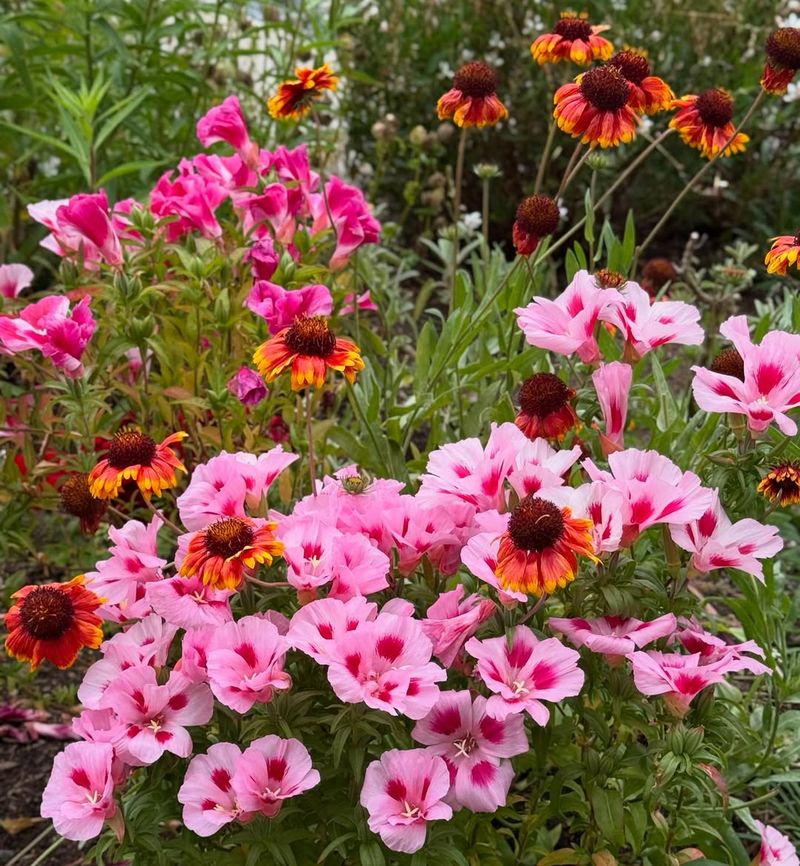
Oregon’s native wildflower meadows hold lessons for home gardeners, and clarkia is one of the best teachers.
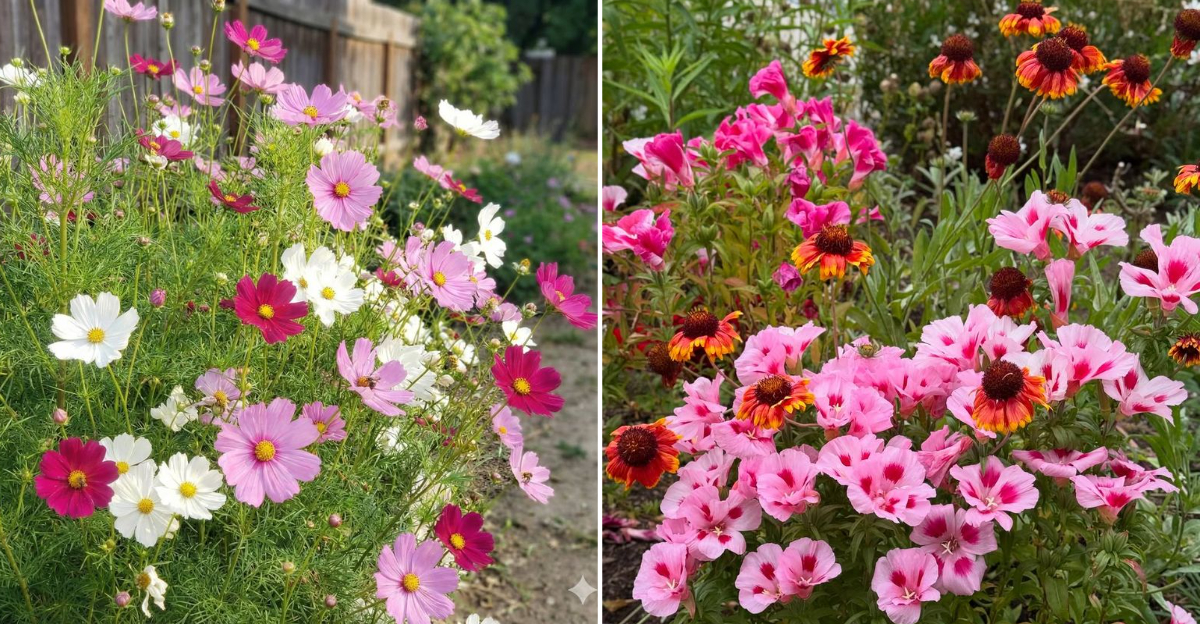
This Pacific Northwest native blooms in late spring with papery flowers in shades of pink, salmon, and magenta that look delicate but handle our weather with remarkable resilience.
Clarkia evolved in climates nearly identical to western Oregon, which means it’s perfectly adapted to cool, wet springs followed by dry summers. Seeds germinate readily in fall or early spring, developing into bushy plants that flower prolifically in May and June.
The blooms have a tissue-paper quality that catches light beautifully, especially on overcast days.
A mistake some gardeners make is treating clarkia like it needs pampering. It actually prefers to be left alone in average soil with decent drainage.
Overwatering or heavy fertilization can cause weak, floppy growth. Plant it once, let it reseed naturally, and you’ll have better results than fussing over it annually.
After flowering, distinctive elongated seed capsules form along the stems. These eventually dry and split, scattering seeds that remain dormant through summer and germinate with fall rains or the following spring.
Clarkia volunteers appear reliably in the same general area, creating drifts that look increasingly natural over time. It’s especially beautiful mixed with other self-seeders in cottage-style borders.
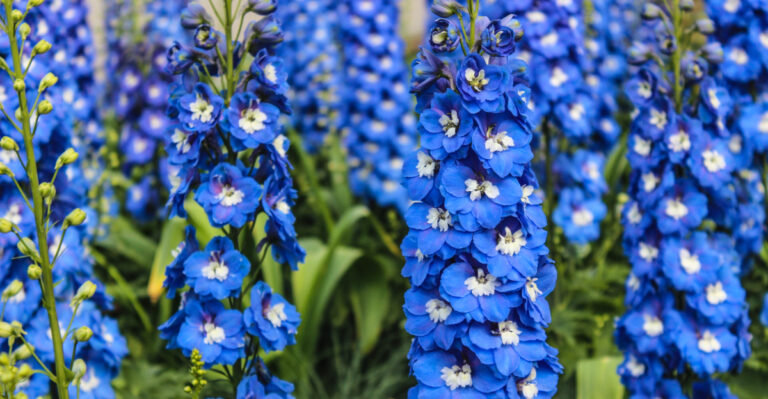
6. Larkspur (Annual Delphinium)
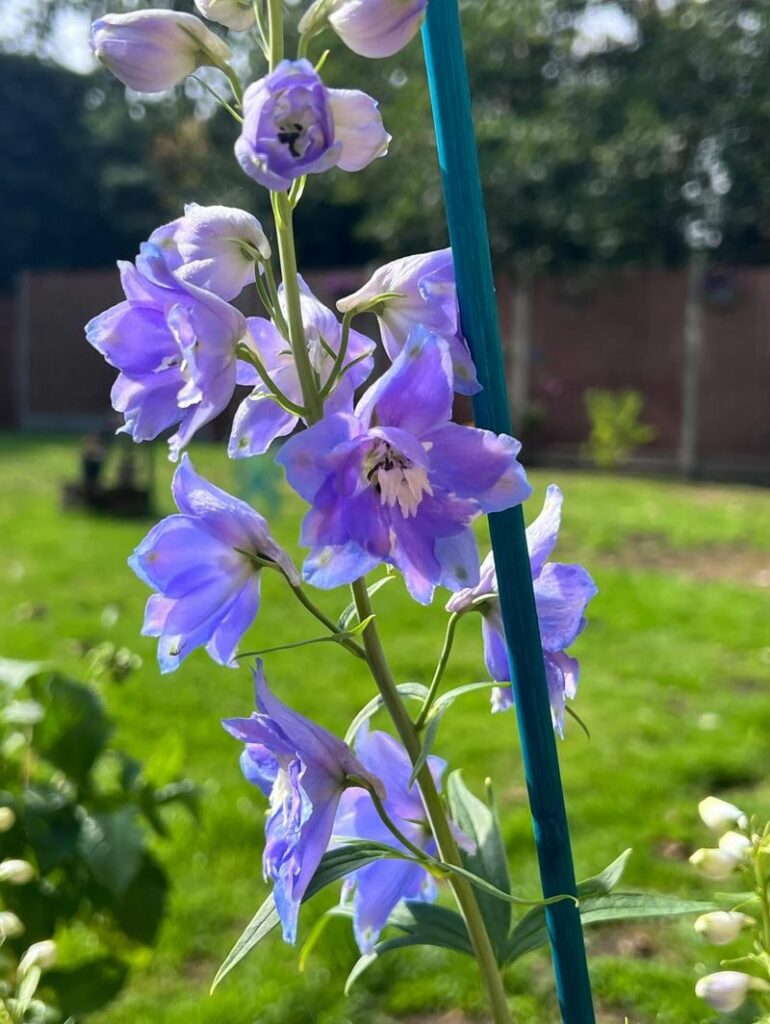
There’s something about tall flower spikes that makes a garden feel established and intentional, and larkspur delivers that effect year after year without replanting.
These vertical bloomers thrive in Oregon’s cool springs, shooting up quickly to produce spires of blue, purple, pink, or white flowers that butterflies and hummingbirds can’t resist.
Larkspur actually prefers being sown in fall or very early spring when soil is still cold. Seeds need a period of cold stratification to germinate well, which our winter weather provides naturally.
Once established, larkspur reseeds reliably, with volunteers appearing each spring in the same general area. The seedlings are recognizable by their deeply cut, ferny foliage.
What surprises many Oregon gardeners is how well larkspur handles our spring rains. Unlike some tall flowers that need staking, larkspur develops strong stems that stand up to wind and rain remarkably well.
It blooms from May through July, providing vertical interest when many perennials are still filling in.
The key to maintaining a self-sowing population is leaving spent flower spikes until seeds mature and drop. By late summer, you’ll notice dark seeds forming along the stems.
Once these scatter naturally, you can cut plants back. Seedlings emerge in fall or early spring depending on conditions, and they’re easy to thin or transplant if needed.
7. Coreopsis
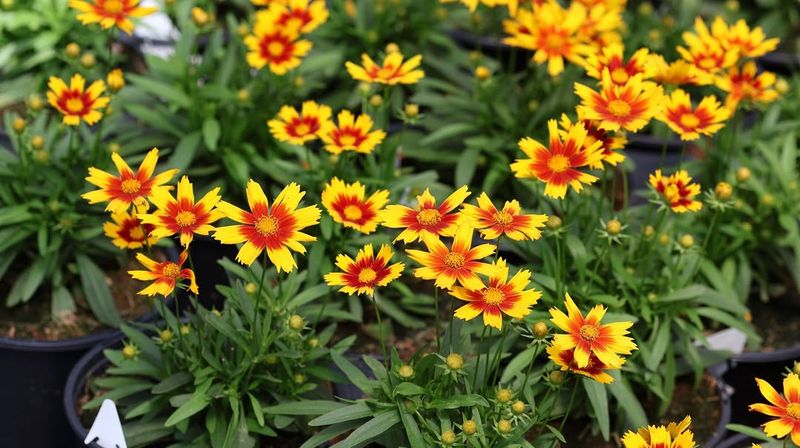
Sunshine-yellow flowers that bloom for months and return reliably without replanting sound too good to be true, but that’s exactly what coreopsis delivers in Oregon gardens.
These cheerful daisies start blooming in June and continue through September if you deadhead regularly, bringing consistent color through our variable summer weather.
Annual coreopsis varieties reseed much more reliably than perennial types in Oregon’s climate. The plants develop quickly from seed, forming bushy mounds covered in bright yellow or bicolor flowers that practically glow on cloudy days.
They’re remarkably unfussy, tolerating both our wet springs and dry summers without complaint.
One advantage coreopsis offers Oregon gardeners is its ability to thrive in less-than-perfect conditions. It handles clay soil better than many annuals, doesn’t require deadheading to keep blooming (though it helps), and tolerates partial shade reasonably well.
The flowers also make excellent cut flowers, lasting over a week in arrangements.
To encourage reseeding, stop deadheading by late August and let seed heads mature on the plants. Small, dark seeds will scatter naturally in fall.
These overwinter successfully in our mild climate and germinate the following spring. You’ll notice volunteers appearing around parent plants, creating increasingly full displays over successive years.
Thin seedlings to about eight inches apart for the best flowering performance.
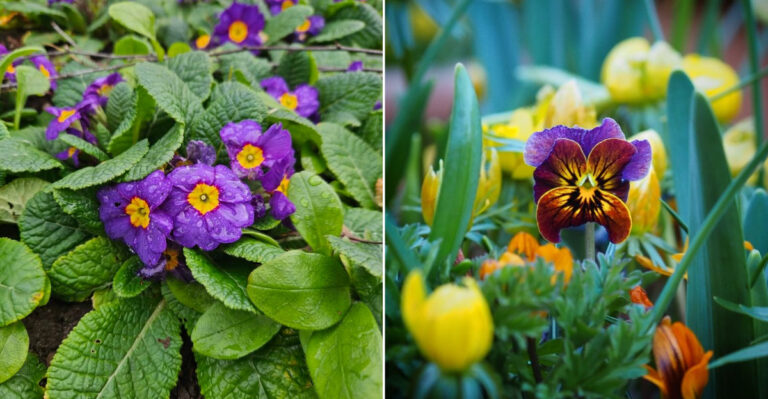
8. Johnny Jump-Up (Viola tricolor)
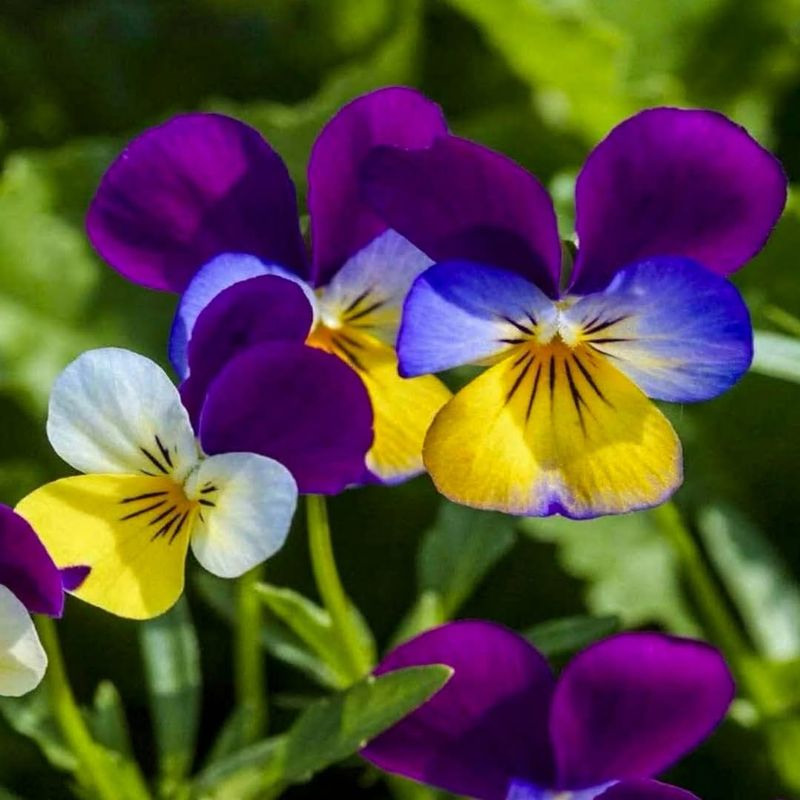
If you’ve ever wished for flowers that appear in unexpected places, delighting you with surprise blooms in gravel paths, between pavers, or at the base of shrubs, johnny jump-ups are exactly what you need.
These diminutive violas have charming faces marked with purple, yellow, and white, and they reseed with such enthusiasm that they’ll colonize any spot with decent light and drainage.
Johnny jump-ups are perfectly suited to Oregon’s climate. They bloom through winter in mild years, go dormant during hard freezes, then bounce back with the first warm spell.
By March, established patches are covered with flowers that continue through June. Unlike many annuals, they actually prefer cool weather and can look tired during rare heat waves.
What makes these little violas particularly valuable is their ability to thrive in conditions that challenge other flowers. They’ll grow in partial shade, handle foot traffic along path edges, and even tolerate the dry shade under evergreens once established.
The flowers are edible too, making sweet additions to salads and desserts.
Seeds scatter prolifically from late spring through summer. You’ll find volunteers popping up in unexpected spots the following year.
Rather than viewing this as invasive, think of it as free garden design. Unwanted seedlings pull easily when young, while welcome ones can be left to naturalize.
Over time, you’ll develop charming drifts that look completely spontaneous.
9. Cosmos
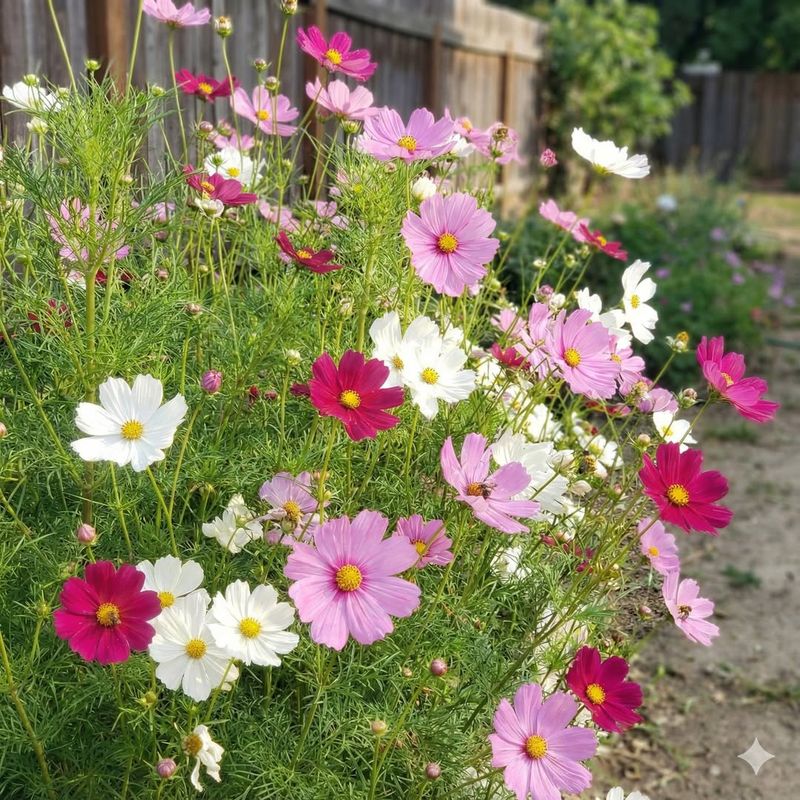
Few flowers capture that breezy, carefree cottage garden feeling quite like cosmos. These tall, airy plants produce an abundance of pink, white, or magenta daisy-like flowers that dance on thin stems, creating movement and lightness in the garden even on still days.
Once established, they return year after year from self-sown seeds without any help from you.
Cosmos adapts beautifully to Oregon’s growing conditions. It handles our cool springs without complaint, tolerates both wet and dry periods once established, and blooms prolifically from July through the first hard frost.
The ferny foliage is attractive even before flowers appear, creating a soft, textured backdrop for other plants.
A common misconception is that cosmos needs rich soil and frequent feeding. Actually, it prefers lean conditions and can become floppy and produce fewer flowers in overly fertile soil.
Oregon’s average garden soil suits it perfectly. The plants also have surprisingly strong stems that rarely need staking despite reaching four feet tall.
To ensure reseeding, leave some spent flowers on plants through fall. Long, thin seed pods form after blooming, eventually drying and splitting to release seeds.
These scatter naturally and germinate the following spring once soil warms. Volunteers appear readily but are easy to thin or move if they pop up in inconvenient spots.
Over time, you’ll develop self-sustaining patches that fill spaces beautifully with minimal effort.