12 Easy Shade Plants For North-Facing Yards In Washington
Shade gets a bad reputation. In Washington, it can be one of the best parts of the yard.
While sun-drenched spaces often get all the attention, shaded areas offer a completely different kind of beauty that feels calmer.
North-facing gardens have a quieter kind of beauty. The light is softer, the soil stays cooler, and the whole space can feel lush and layered with the right plants.
Instead of struggling against the shade, work with it. These beautiful shade-loving plants are perfect for north-facing Washington gardens and can turn even the dimmest corner into something full, fresh, and alive.
1. Hostas
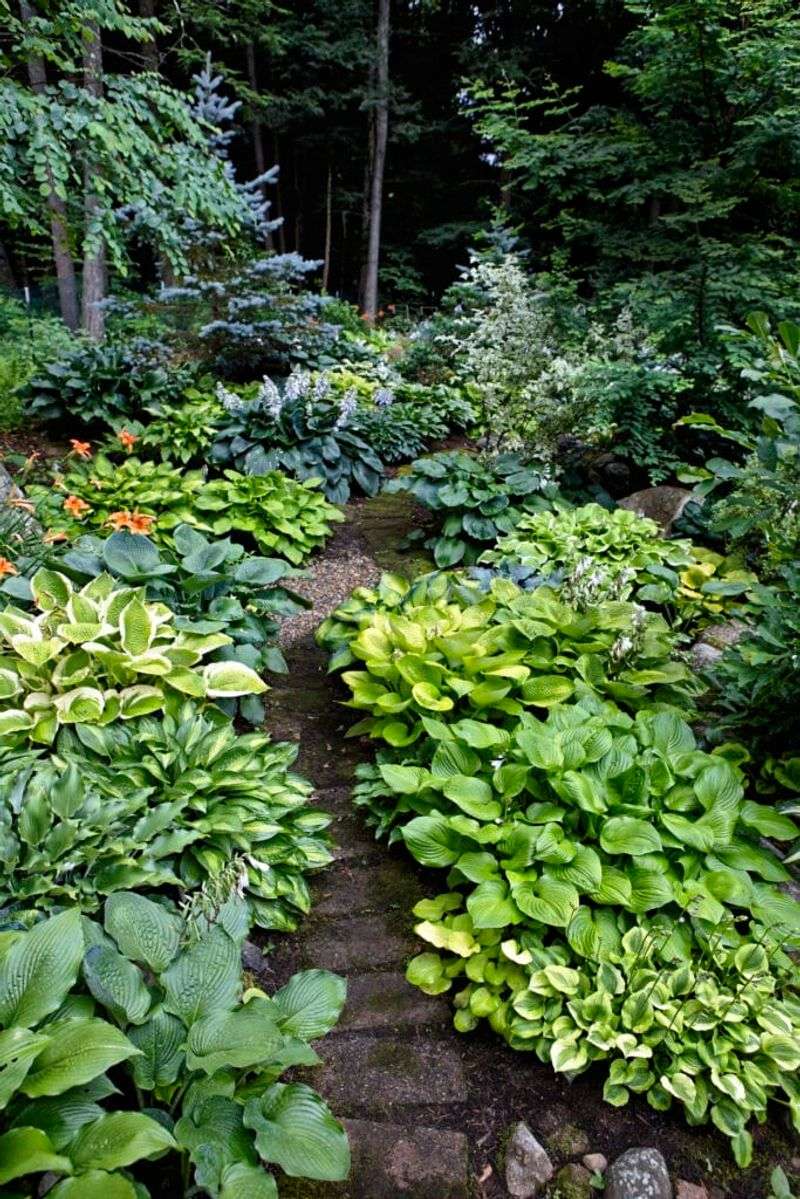
Few plants make a shady yard look as lush and polished as the hosta. Known for their bold, ribbed leaves in shades of green, blue, and gold, hostas are practically made for north-facing gardens.
They ask for very little and give back a whole lot of beauty in return.
Hostas grow well in Washington’s humid summers and bounce back reliably each spring. You can find them in sizes ranging from tiny minis to giant varieties with leaves as big as dinner plates.
Planting a mix of sizes and colors creates a layered, eye-catching display even without a single flower in sight.
They prefer moist, well-draining soil and do best with some morning light if available. Water them regularly during dry spells, and add a layer of mulch to keep the roots cool and the moisture locked in.
Slugs can be a minor nuisance, but a little diatomaceous earth around the base keeps them away. Hostas are truly one of the easiest and most rewarding choices for any shaded space.
2. Ferns
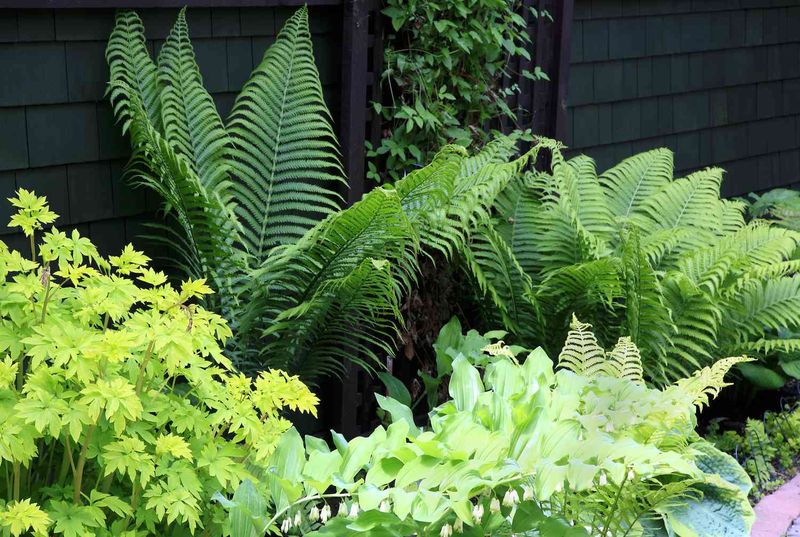
These ancient plants are built for shade. Thriving in the cool, moist conditions that north-facing yards naturally provide.
Ferns have been around since the time of dinosaurs, and honestly, they have not changed much because they are already perfect. A cluster of ferns instantly gives any garden a lush, woodland feel.
In Washington, native ferns like the Cinnamon Fern and Christmas Fern are excellent choices. The Christmas Fern stays green all winter long, giving your yard color even during the coldest months.
Cinnamon Ferns grow tall and dramatic, making them a great backdrop for shorter shade plants.
Ferns love consistently moist soil, so watering during dry stretches is important. They spread slowly over time and fill in bare spots beautifully without much help from you.
Plant them in groups for a natural, flowing look that feels like a peaceful forest floor. They pair wonderfully with hostas and astilbes for a layered planting that looks professionally designed but costs very little effort to maintain.
3. Astilbe
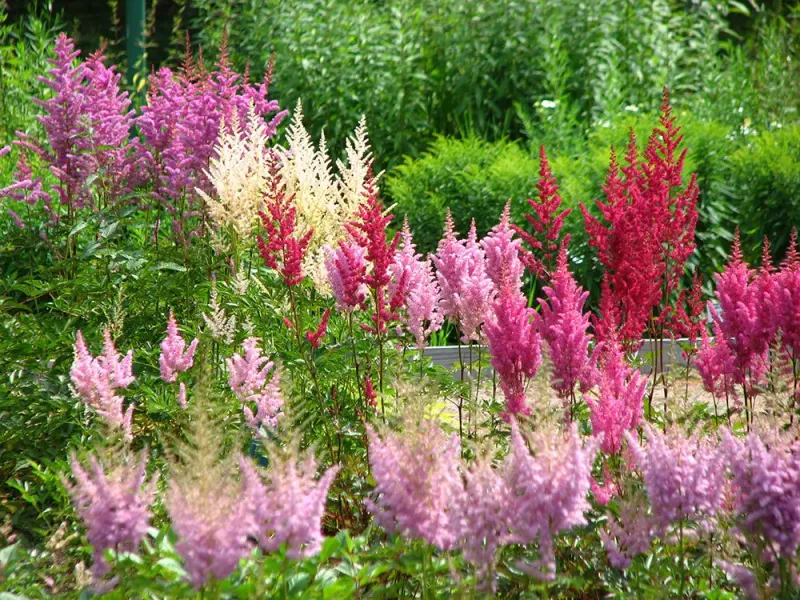
Astilbe is the plant that proves shade gardens do not have to be boring. Its feathery, plume-like flowers shoot up in shades of pink, red, white, and lavender, bringing a burst of color to spots where most flowering plants simply refuse to bloom.
It is genuinely one of the showiest plants you can grow in a shaded yard.
Washington’s warm, humid summers are actually great for astilbe, especially when the plants are kept well-watered. They prefer rich, moist soil and do not handle drought well, so consistent watering is key.
Adding compost to the planting area before you get started gives them a strong foundation.
Astilbe blooms in early to mid-summer and the dried flower heads look beautiful even after the blooms fade, adding texture through fall. They grow in clumps that slowly expand over the years, so you get more plant for your money over time.
Pair them with hostas and ferns for a classic shade garden combination that looks stunning from spring all the way through autumn.
4. Bleeding Heart
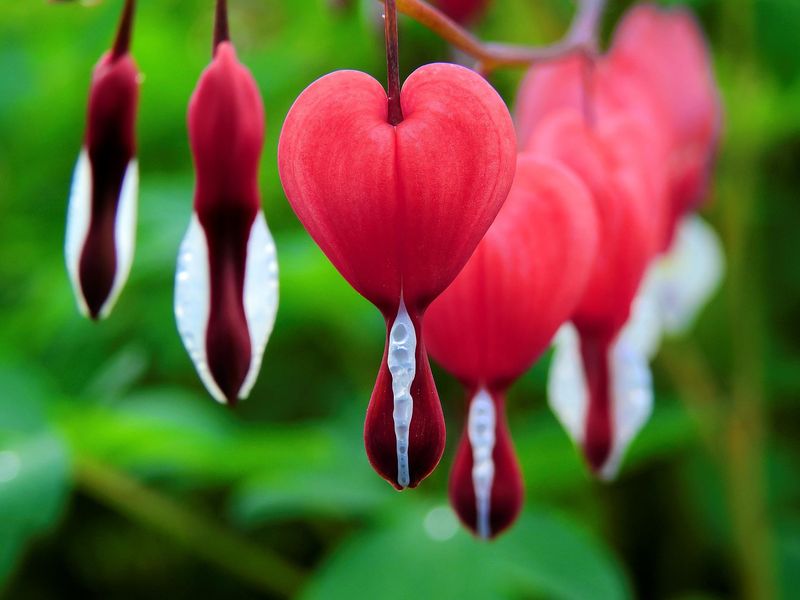
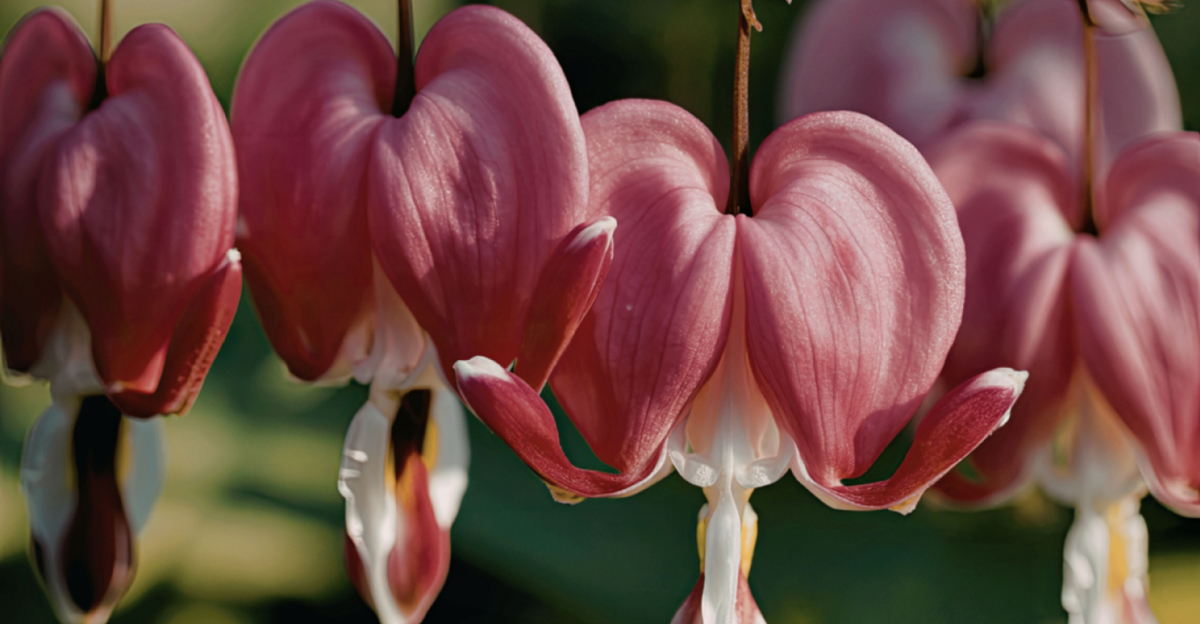
There is something almost magical about a bleeding heart in full bloom. Its arching stems dangle rows of perfectly shaped, heart-like flowers in rosy pink or white, creating a look that feels straight out of a fairy tale.
Gardeners in Washington have loved this plant for generations, and it is easy to see why.
Bleeding hearts thrive in cool, shaded conditions, making them a natural fit for north-facing yards. They bloom beautifully in spring and then gracefully go dormant by midsummer when the heat picks up.
Planting them alongside ferns or hostas is smart because those plants fill in the empty space once the bleeding heart fades.
They prefer rich, well-draining soil with consistent moisture, especially while actively growing. Once established, they are relatively low-maintenance and come back reliably each year.
Avoid planting them in spots that get waterlogged during heavy rains, as soggy roots can cause problems. A light layer of mulch helps keep the soil evenly moist and the roots protected.
Few plants offer such a romantic, whimsical look with so little effort required from the gardener.
5. Lungwort
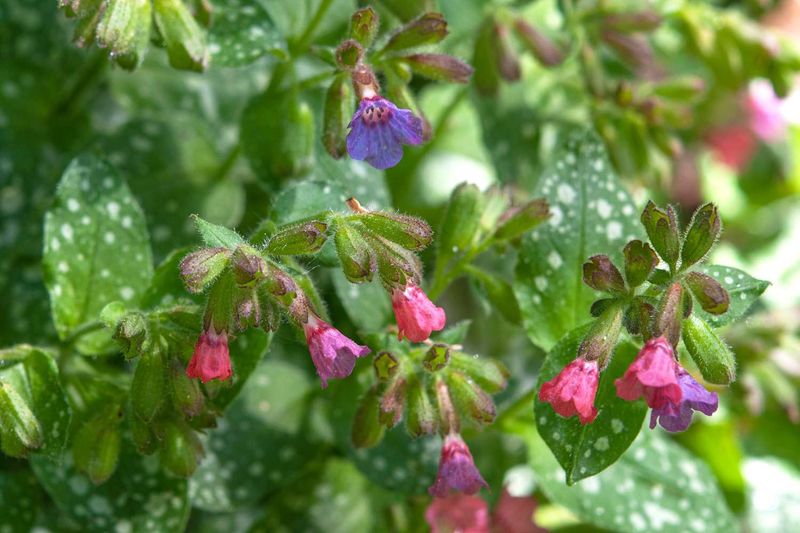
This plant is a true gem in the shade garden. It is one of the earliest plants to bloom in spring, often pushing out its small, tubular flowers in shades of blue, purple, and pink while the rest of the garden is still waking up.
That early color is something every gardener appreciates.
Beyond its flowers, lungwort is prized for its striking spotted or silver-streaked leaves that look decorative all season long. Even after the blooms fade, the foliage keeps the garden looking interesting well into fall.
It is a plant that genuinely earns its space on more than one level.
Lungwort grows well in Washington’s shaded, moist environments and is quite adaptable once it gets established. It prefers well-draining soil enriched with organic matter and does best with regular watering during dry spells.
Slugs are sometimes attracted to the leaves, so keep an eye out and treat early if needed. Plant it along shaded borders or under trees where it will spread slowly and form a beautiful, low-maintenance ground cover over time.
6. Japanese Forest Grass
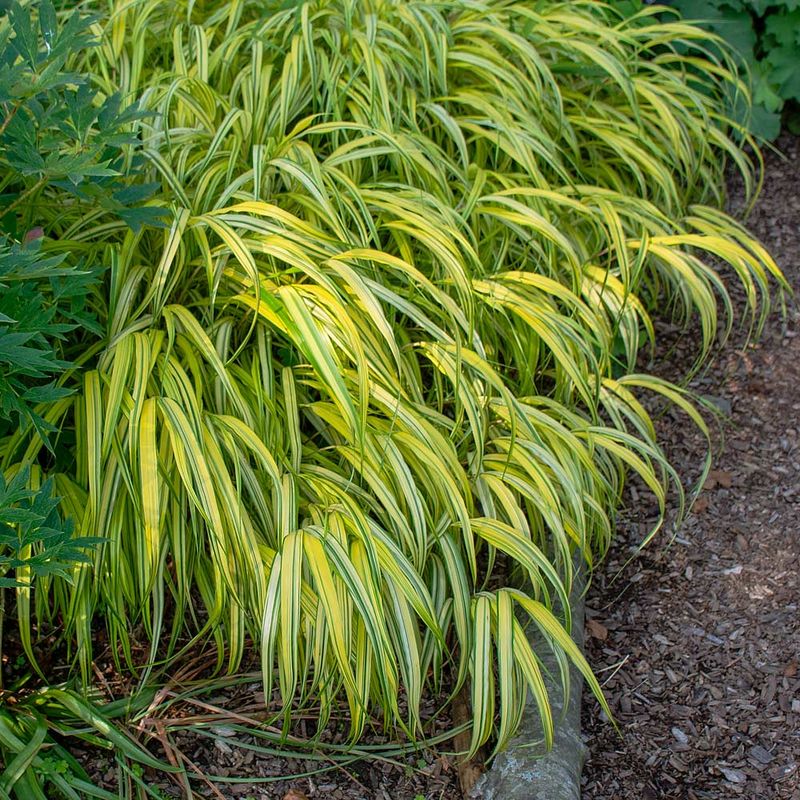
Few plants have that quiet, stop-you-in-your-tracks kind of beauty. Japanese forest grass forms soft, cascading mounds that instantly elevate a shaded garden.
Its long, silky leaves arch gracefully and shimmer in shades of golden yellow, lime green, and variegated combinations that catch even the faintest light. In a shaded garden, it acts almost like a natural spotlight, brightening dark corners with zero effort.
This ornamental grass is well-suited to Washington’s climate and performs beautifully in north-facing beds. It grows in tidy, well-behaved clumps that never spread aggressively, making it easy to control and pair with other plants.
The texture it adds to a shaded border is unlike anything else you can grow in low light.
Plant Japanese forest grass in moist, well-draining soil and keep it consistently watered, especially during summer heat waves. It appreciates a little morning light if available, which intensifies the golden color of the leaves.
Cut it back to the ground in late winter before new growth emerges for the cleanest, freshest look each season. Pair it with hostas or ferns for a contrast in texture and color that transforms a plain shaded bed into something truly special and eye-catching.
7. Heuchera (Coral Bells)
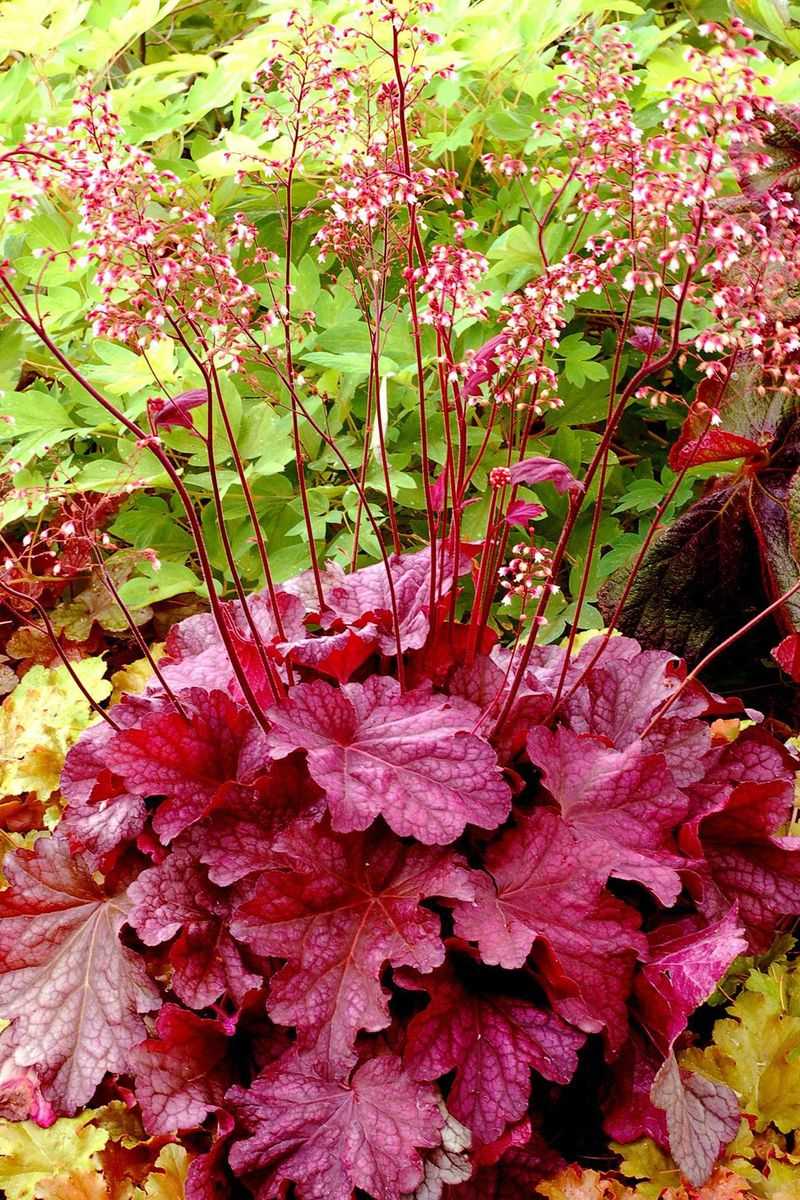
Coral bells are basically the rock stars of the shade garden. Their ruffled, jewel-toned leaves come in an almost unbelievable range of colors, from deep burgundy and chocolate brown to bright lime green and silvery purple.
No matter what color palette your yard has going on, there is a heuchera that fits right in.
Beyond the stunning foliage, coral bells send up tall, slender flower stalks in summer topped with tiny bell-shaped blooms that attract hummingbirds and pollinators. In Washington, they are reliable perennials that return each year looking better than before.
They handle both shade and part shade well, giving gardeners a lot of flexibility in placement.
Heucheras prefer well-draining soil because they do not like sitting in soggy conditions. Water them regularly but avoid overwatering, and divide the clumps every three to four years to keep them vigorous and full.
They look spectacular planted in groups or used as edging along a shaded walkway. Mixing several different leaf colors creates a mosaic effect that is incredibly striking and requires almost no maintenance once the plants are settled in and growing strong.
8. Toad Lily
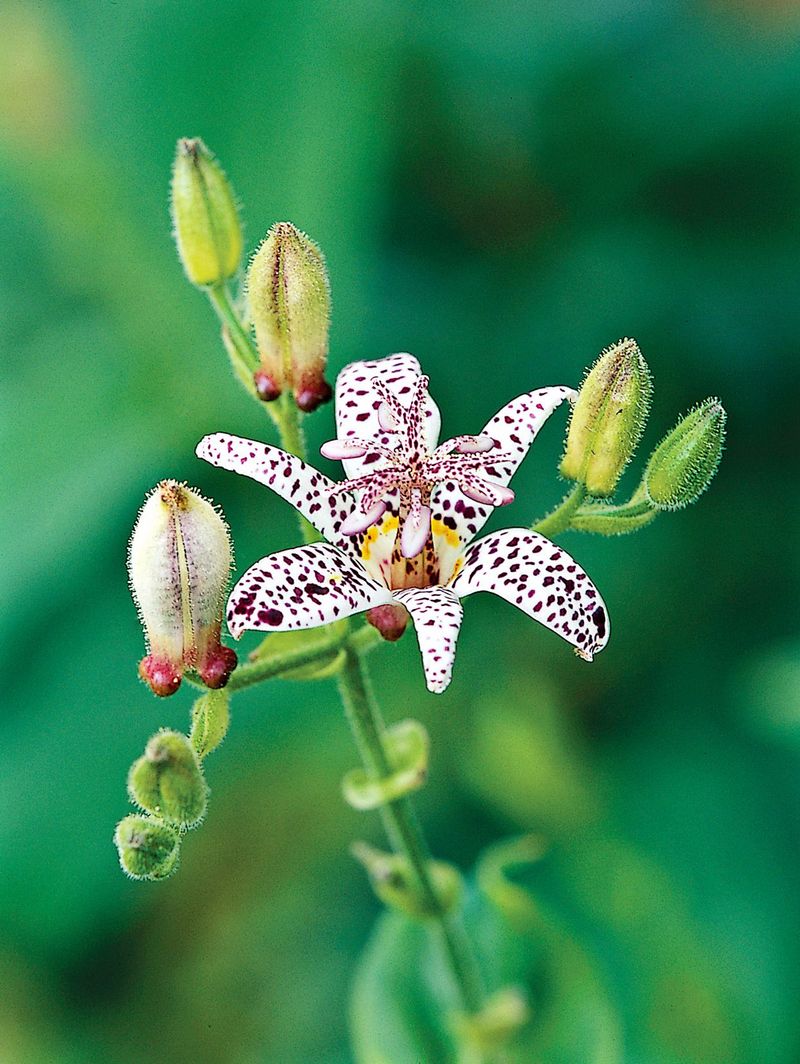
The plant that is for people who think shade gardens cannot have exotic-looking flowers. Its blooms are spotted and orchid-like, appearing in late summer and fall when most other shade plants have already finished flowering for the year.
The timing alone makes it worth planting, but the unique beauty of those flowers seals the deal completely.
Washington gardeners love toad lily because it fills the late-season gap in the shade garden with real elegance. The arching stems and spotted foliage are attractive even before the flowers open, giving the plant a long season of visual interest.
It grows in clumps that slowly expand over time without becoming invasive or difficult to manage.
Plant toad lily in rich, consistently moist soil with good drainage and keep it out of harsh afternoon sun. A shaded bed with filtered light is ideal, and adding compost at planting time gives the roots a healthy start.
Mulching helps retain moisture and protects the roots during Washington’s colder winter months.
Once established, this plant needs very little attention and rewards patient gardeners with one of the most unusual and beautiful flowering displays the shade garden has to offer.
9. Sweet Woodruff
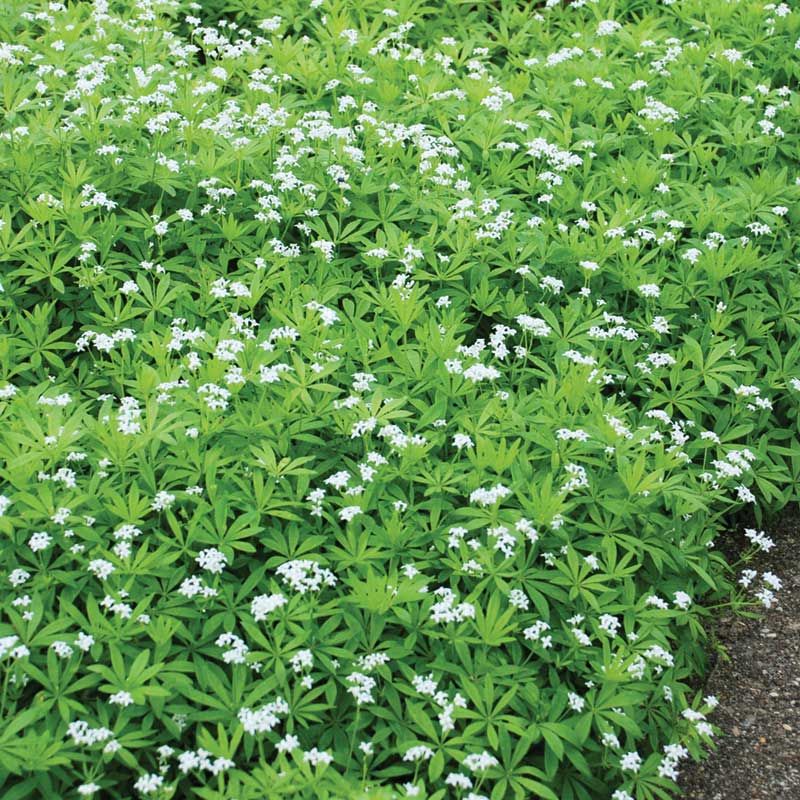
Ground cover that does exactly what every shaded yard needs: it fills in bare soil quickly, smells wonderful, and stays low and tidy without taking over the whole garden.
The tiny white star-shaped flowers that appear in spring are charming, and the bright green whorled leaves stay attractive all season long.
This plant has a long history in herb gardens and was traditionally used to scent linens and flavor drinks. Today, gardeners value it mainly for its ability to create a dense, weed-suppressing carpet under trees and in shaded borders.
In Washington, it spreads steadily in moist, shaded conditions and requires almost no care once established.
Sweet woodruff prefers slightly acidic, well-draining soil and does especially well under deciduous trees where it can enjoy dappled light. It is semi-evergreen, meaning it holds its color through mild winters and greens up quickly in spring.
If it spreads a bit too enthusiastically, it is easy to pull back and thin out. Plant it alongside spring bulbs for a beautiful layered look where the woodruff fills in as the bulb foliage fades, creating a seamless and lovely seasonal transition in your shaded yard.
10. Foamflower
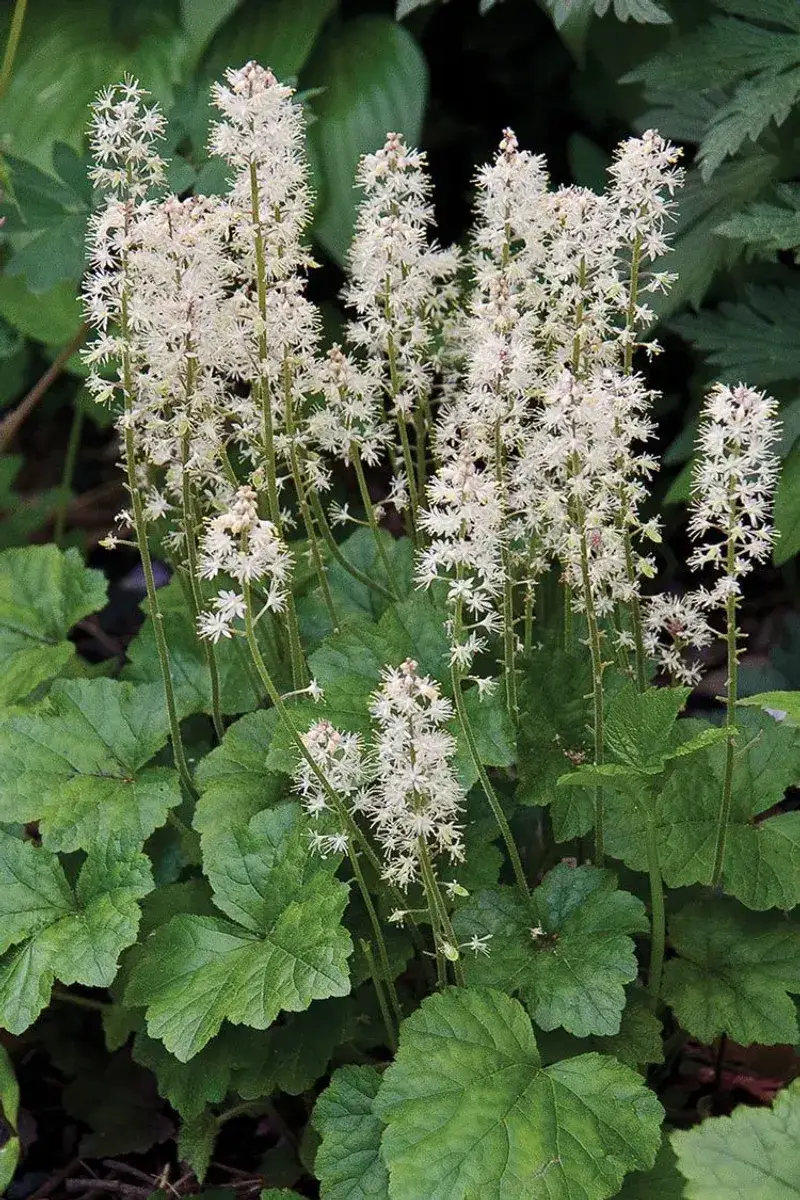
Delicate blooms rise like soft foam above the foliage.
Foamflower earns its quirky name from the frothy clusters of tiny white or pink flowers that bubble up above its maple-shaped leaves each spring.
It is a native plant that feels completely at home in Washington’s wooded, shaded environments, making it one of the most natural and easy-to-grow choices for a north-facing yard.
As a ground cover, foamflower spreads by runners to fill in bare patches under trees and along shaded borders. It is low-growing and tidy, rarely exceeding a foot in height, which makes it perfect for layering beneath taller shade plants like astilbe or ferns.
The foliage often has attractive dark markings that add visual interest even when the plant is not in bloom.
Foamflower thrives in moist, humus-rich soil and does best with consistent moisture, especially during dry summer stretches. It is a tough plant once established and handles Washington’s variable weather with ease.
Dividing clumps every few years keeps the planting looking fresh and encourages strong new growth.
Because it is a native species, it also supports local pollinators and wildlife, making it a wonderful eco-friendly addition to any shaded garden space that you want to look both beautiful and purposeful.
11. Solomon’s Seal
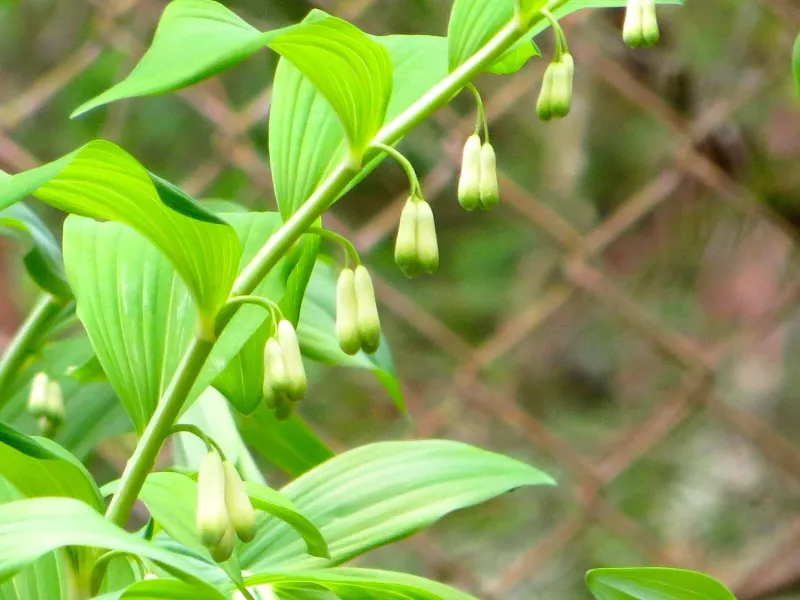
Solomon’s seal has an elegance that is hard to match in the shade garden. Its long, arching stems carry pairs of broad, smooth leaves with delicate white bell-shaped flowers hanging beneath them like tiny lanterns.
When the light catches those flowers just right, the whole plant seems to glow in the shadows.
This native perennial is a natural choice for Washington’s shaded yards, especially in spots that mimic a woodland setting. It spreads slowly by underground rhizomes to form graceful colonies that look like they belong in a nature preserve.
The arching form adds a flowing, sculptural quality that most other shade plants simply cannot replicate.
Solomon’s seal grows best in rich, moist, well-draining soil and handles deep shade better than most plants on this list. Once planted, it is remarkably self-sufficient and needs very little attention from season to season.
In fall, the leaves turn a warm golden yellow before fading, adding one last burst of color before winter arrives. Plant it along a shaded path or at the back of a border where its graceful, arching habit can be fully appreciated without being blocked by shorter plants growing in front of it.
12. Hellebore
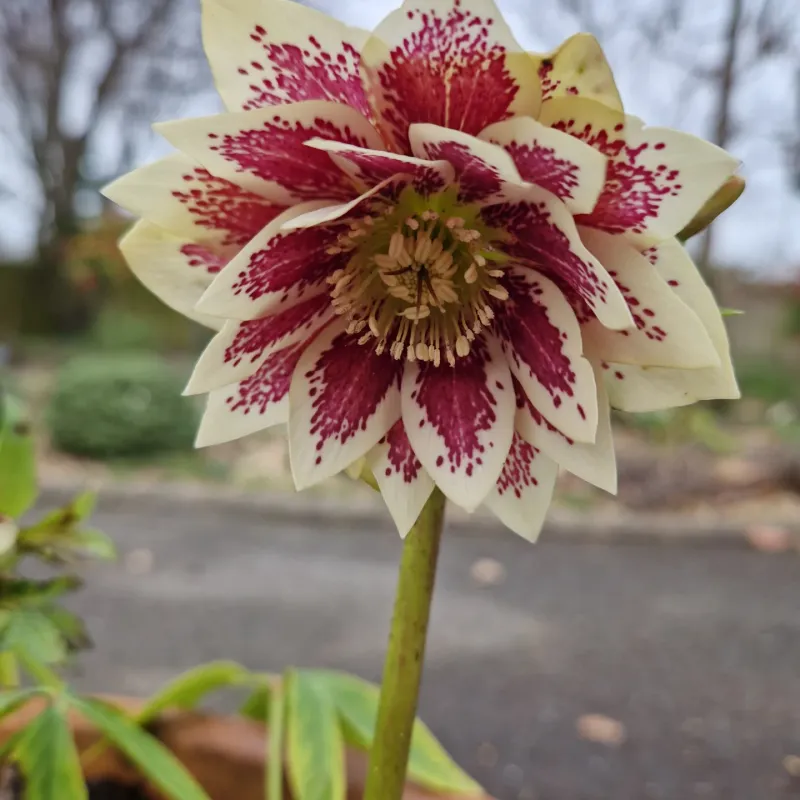
Hellebores bloom when almost nothing else will, pushing out their nodding, cup-shaped flowers in late winter and early spring while the rest of the garden is still dormant.
That alone makes them remarkable, but they are also evergreen, tough as nails, and genuinely beautiful all year long. Gardeners in Washington who discover hellebores tend to become obsessed with collecting them.
The flowers come in a stunning range of colors including deep plum, creamy white, dusty rose, and near-black, often with spotted or streaked interiors that reward a close look.
They hold their blooms for weeks longer than most spring flowers, giving the garden a long period of early-season color that feels almost miraculous after a grey winter.
Hellebores prefer shade or part shade with well-draining, humus-rich soil. Once established, they are drought-tolerant and very low-maintenance, rarely needing division or extra care.
They do not like to be moved once settled, so choose their spot thoughtfully from the start. Remove old foliage in late winter before new growth emerges to keep the planting looking clean and fresh.
Pair them with snowdrops or early spring bulbs for a stunning late-winter display that signals the best season is just around the corner.