10 Easy Steps To Grow Basil From Seed For A Summer-Long Harvest In North Carolina
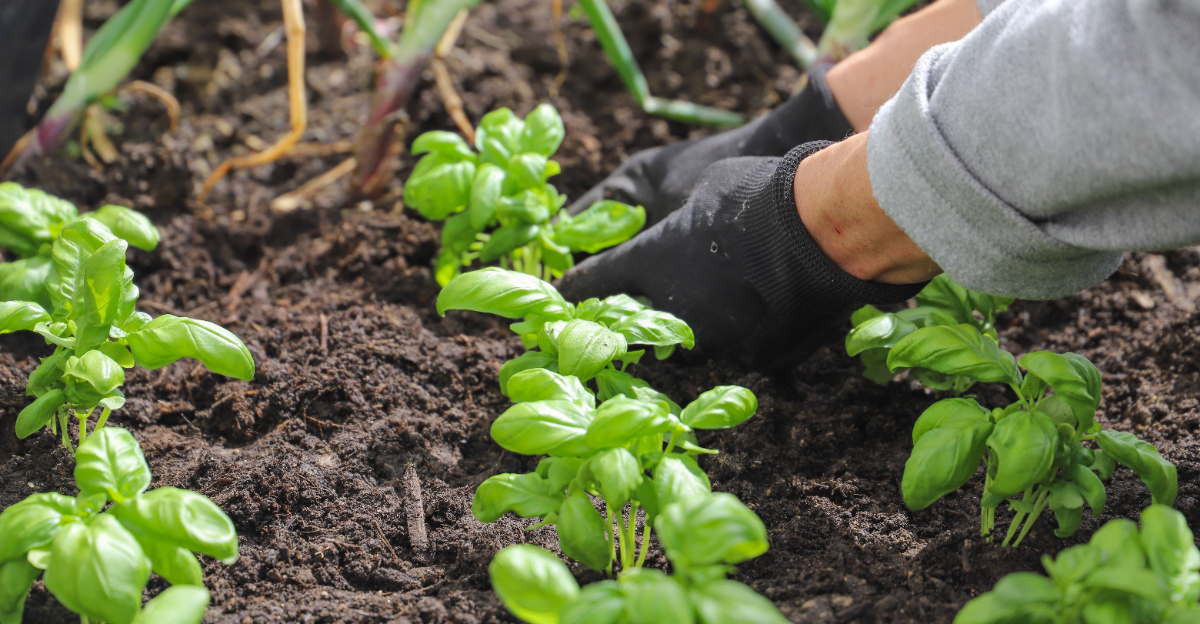
Cultivating basil from seed across North Carolina transforms a standard backyard into a fragrant Mediterranean oasis throughout our long, humid summers.
The Tar Heel State offers an ideal thermal window where the consistent warmth of the Piedmont and coastal plains fuels rapid germination and lush leaf production.
While many gardeners settle for generic nursery transplants, starting from seed unlocks a world of spicy globes, deep purples, and lemon-scented varieties that thrive in our native soil.
This approach allows you to establish a continuous harvest from the first humid days of June until the cooling breezes of September arrive.
By mastering a few simple techniques, a single inexpensive packet can yield enough vibrant foliage to anchor every summer meal and preserve the essence of the season.
Embracing this process ensures a resilient crop that stands up to the intense Southern sun while providing a relentless supply of fresh, aromatic greenery.
1. Start Seeds Indoors 6 To 8 Weeks Before The Last Frost
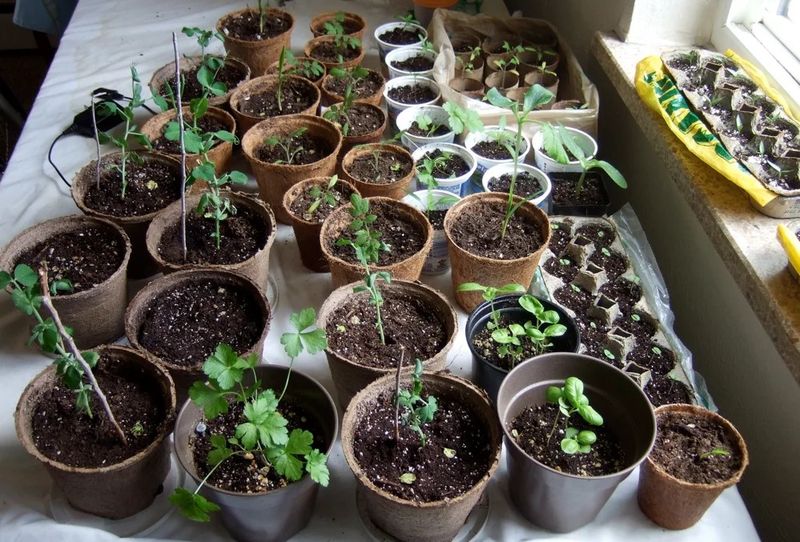
Timing is everything when it comes to growing basil in North Carolina. Most gardeners do not realize that starting seeds too late means losing weeks of potential harvest during the best part of summer.
For the Piedmont region, that means getting seeds started indoors in early to mid-March, roughly 6 to 8 weeks before the last expected frost.
In the Coastal Plains, you can begin as early as late February since the last frost there falls around mid-April. Mountain regions of North Carolina should wait until late March, as frost can linger into mid-May at higher elevations.
Knowing your specific region makes a real difference in how strong your seedlings will be by transplant time.
Starting indoors gives your basil a serious head start. Those young plants will be sturdy, well-rooted, and ready to explode with growth the moment warm outdoor temperatures arrive.
A seed-starting calendar on your fridge is a simple trick that keeps you on track. Basil grows fast once conditions are right, so getting that indoor head start means you will be harvesting fresh leaves weeks ahead of anyone who waited to sow seeds directly outside.
2. Choose The Right Basil Variety For Your Garden
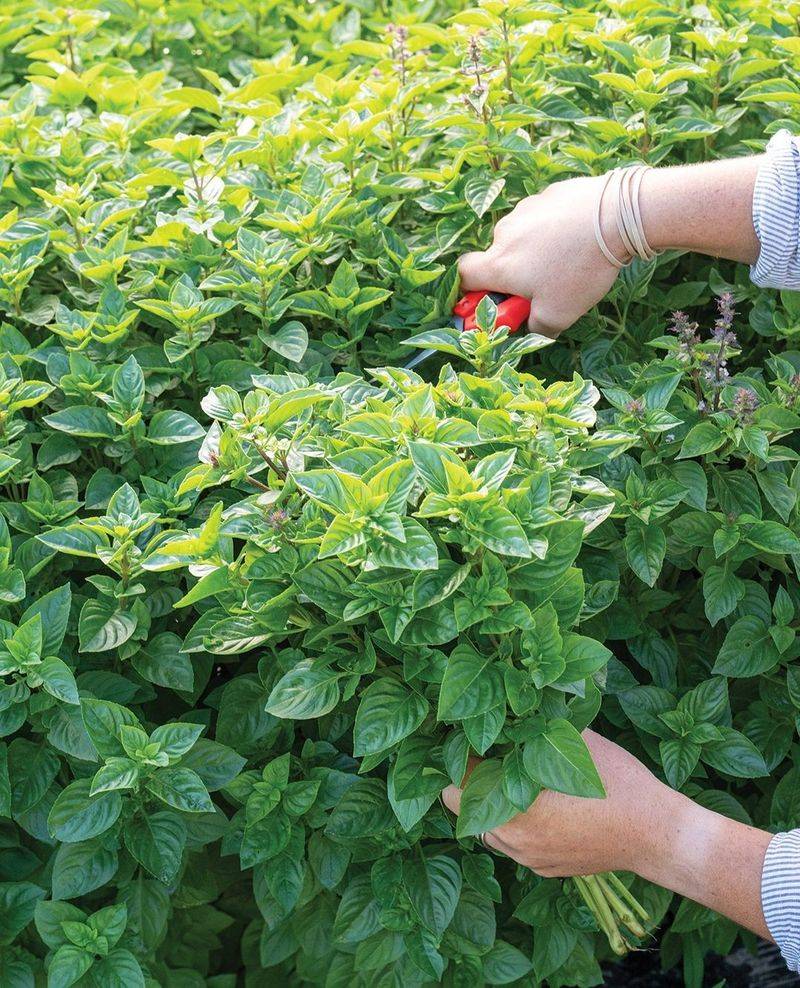
Not all basil is created equal, and picking the right variety can completely change your summer harvest experience.
Genovese basil is the classic choice for most North Carolina gardeners because it produces large, smooth, intensely aromatic leaves that are perfect for pesto, pasta, and fresh salads. It thrives in the long, hot summers the state is known for.
Thai basil brings a slightly spicy, anise-like flavor that works beautifully in stir-fries and Asian-inspired dishes. Its sturdy leaves hold up better to heat during cooking compared to Genovese, making it a smart pick if you love cooking bold flavors.
Purple basil, sometimes called Dark Opal, adds gorgeous color to your garden beds while delivering a mild, slightly clove-like taste.
For North Carolina’s warm and humid summers, all three of these varieties perform well when given enough sun and proper drainage. Some gardeners even grow two or three varieties side by side to enjoy a range of flavors all season.
Seed packets are easy to find at local garden centers or online, and starting multiple varieties from seed is surprisingly affordable. Picking what you love to cook with first is always the best place to start when choosing your basil lineup for the season.
3. Use A Well-Draining Seed-Starting Mix For Best Results
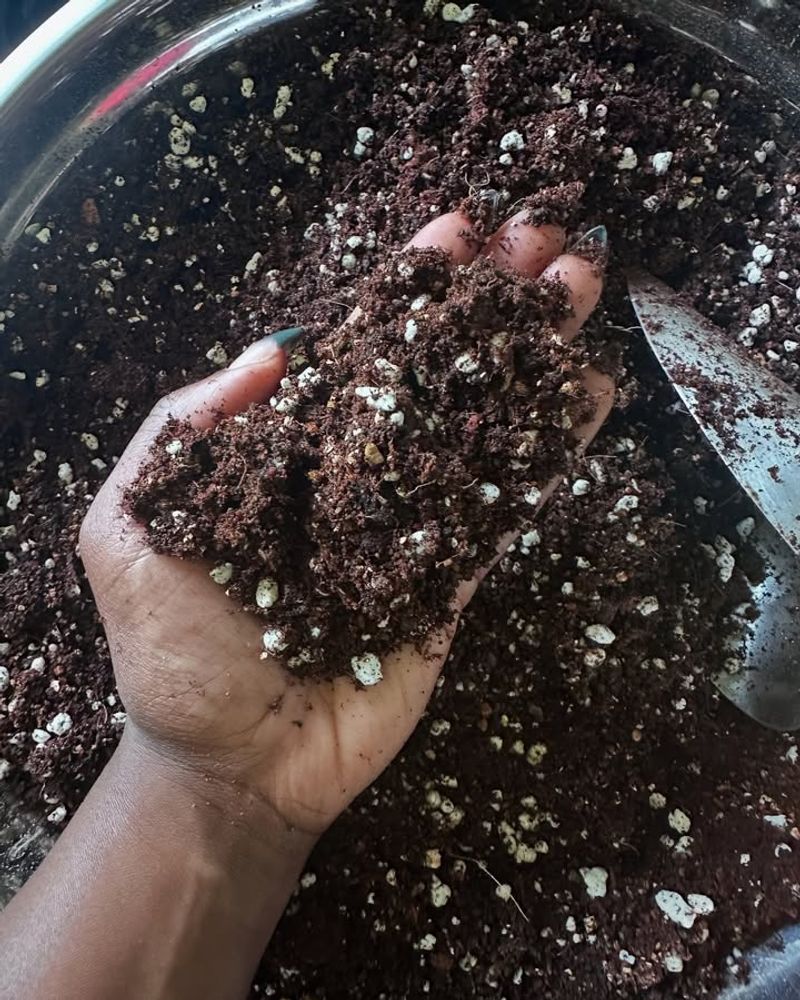
Soil choice might seem like a small detail, but it can make or break your basil seedlings right from the start.
Regular garden soil is too heavy and dense for tiny seeds trying to push through, and it tends to hold too much moisture, which can cause roots to rot before the plant even gets going.
A quality seed-starting mix solves both of those problems instantly. Seed-starting mixes are specially formulated to be light, airy, and fast-draining while still holding just enough moisture to keep seeds hydrated.
You can find bags of it at any garden supply store across North Carolina, and it is usually labeled clearly for starting seeds or cuttings.
Some mixes even include a small amount of slow-release fertilizer to give seedlings a gentle nutritional boost in those first few weeks.
Fill your containers to about a quarter inch from the top so water does not spill over and wash seeds around when you water. Lightly press the mix down to remove any large air pockets before you plant.
One bag of seed-starting mix goes a long way and can fill multiple seed trays, making it a very budget-friendly investment for the amount of basil you will eventually harvest throughout the North Carolina summer season ahead.
4. Plant Seeds In Small Pots Or Seed Trays Properly
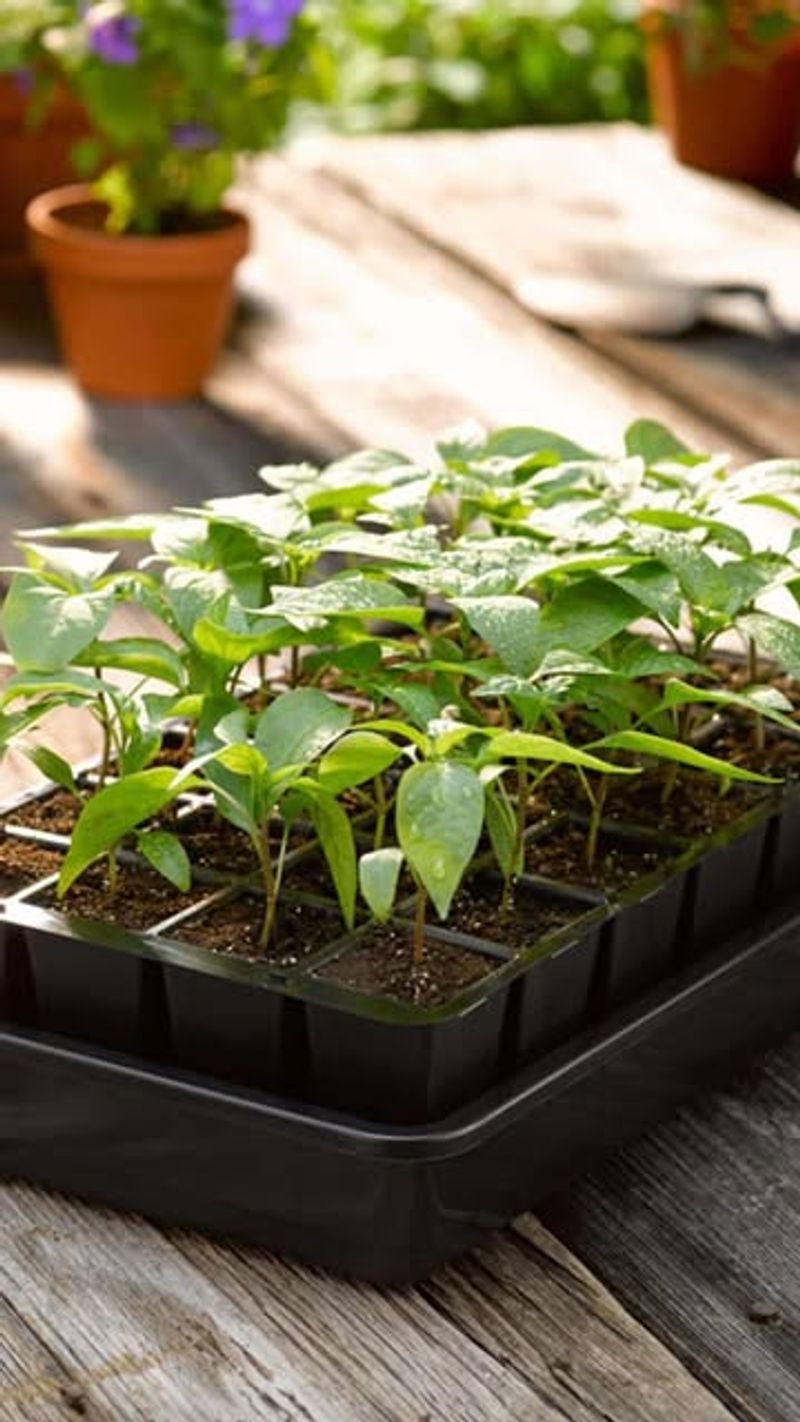
Planting basil seeds is easier than most people expect, and doing it right sets the stage for healthy, vigorous seedlings. Place two to three seeds per cell or small pot, pressing them gently into the surface of the damp seed-starting mix.
Basil seeds are tiny, so a light touch is all you need to get them in contact with the soil. Cover the seeds with a very thin layer of mix, no more than one-eighth of an inch deep.
Burying them too deep slows germination and can prevent some seeds from ever breaking through.
A good trick is to use a small sieve or your fingers to sprinkle just a fine dusting of mix over the top, barely enough to obscure the seeds from view.
Once planted, gently mist the surface with a spray bottle to settle the soil without washing seeds out of place. Label each tray or pot with the variety name and planting date so you stay organized, especially if you are growing multiple basil types.
Small plastic or wooden markers from the garden store work perfectly and cost almost nothing.
Keeping things neat and labeled from day one makes the entire growing process smoother, and you will thank yourself later when your North Carolina garden is bursting with different fragrant basil varieties all summer long.
5. Place Seeds In A Warm And Sunny Spot To Germinate
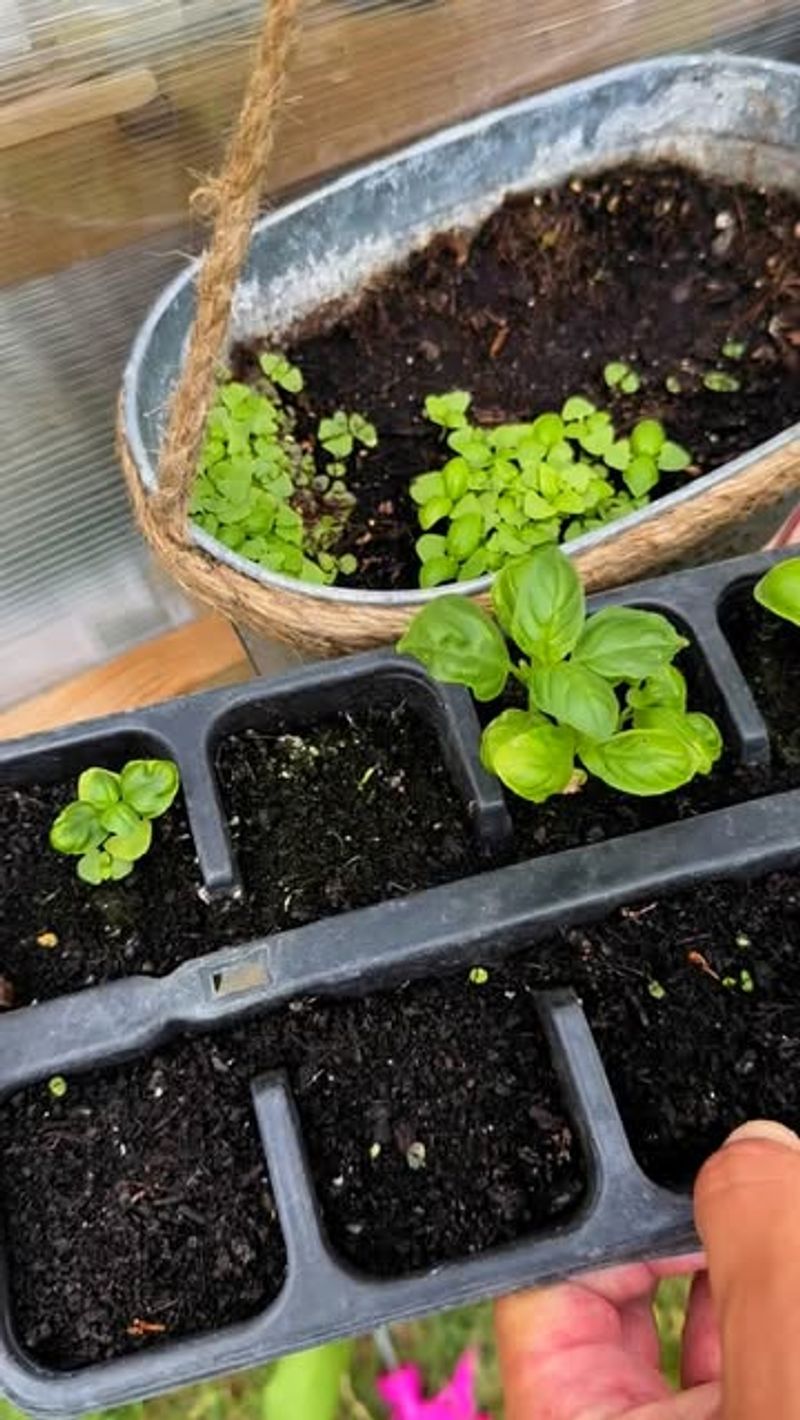
Warmth is the secret ingredient that gets basil seeds moving fast. These seeds need soil temperatures between 70 and 75 degrees Fahrenheit to germinate reliably, and anything cooler than that can cause slow, uneven sprouting or no sprouting at all.
A south-facing windowsill in your North Carolina home is one of the best free options for hitting that sweet spot.
If natural light in your home is limited, a basic grow light set up about two to four inches above the trays works just as well. Keep the light on for about 14 to 16 hours per day to mimic the long, sunny days basil loves.
Many gardeners use a simple outlet timer so the lights turn on and off automatically without any daily fuss.
A heat mat designed for seed starting can also speed up germination noticeably, especially during cooler March nights in North Carolina.
These mats plug into a standard outlet and keep the soil temperature consistently warm from below, which is exactly where seeds need that heat the most.
With the right warmth and light combination, basil seeds typically sprout within five to seven days. Watching those tiny green shoots push through the soil is genuinely exciting, and it signals that your summer harvest journey is officially well underway.
6. Keep The Soil Moist But Never Waterlogged
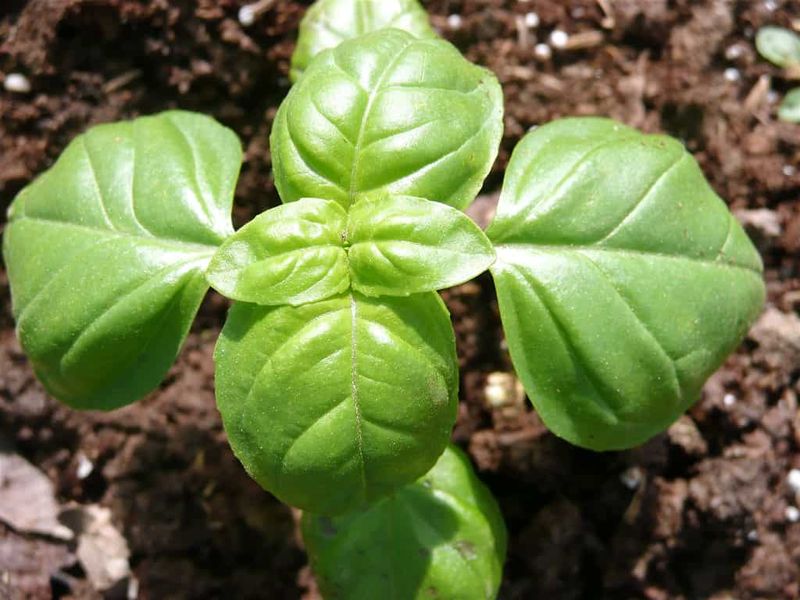
Watering basil seedlings is a balancing act that trips up a lot of first-time growers. Too little water and the seeds dry out before they can germinate.
Too much water and the roots suffocate or fall prey to a fungal issue called damping off, which can flatten seedlings overnight. Finding that middle ground is simpler than it sounds once you know what to look for.
The goal is soil that feels like a wrung-out sponge, consistently damp but never dripping or muddy. Check your trays once or twice a day by pressing a fingertip about half an inch into the mix.
If it feels dry at that depth, it is time to water. A spray bottle or a watering can with a very fine rose nozzle works best because it delivers moisture gently without disturbing seeds or knocking over fragile sprouts.
Bottom watering is another excellent method many North Carolina gardeners swear by. Simply set your seed trays in a shallow tray of water and let the mix absorb moisture from below for about 20 minutes, then remove the trays and let any excess drain away.
This technique keeps the surface from getting too wet, which reduces the risk of mold and fungal problems. Consistent, gentle watering from the very beginning builds strong, healthy root systems that will support your basil plants all summer.
7. Thin Seedlings To Give Each Plant Room To Thrive
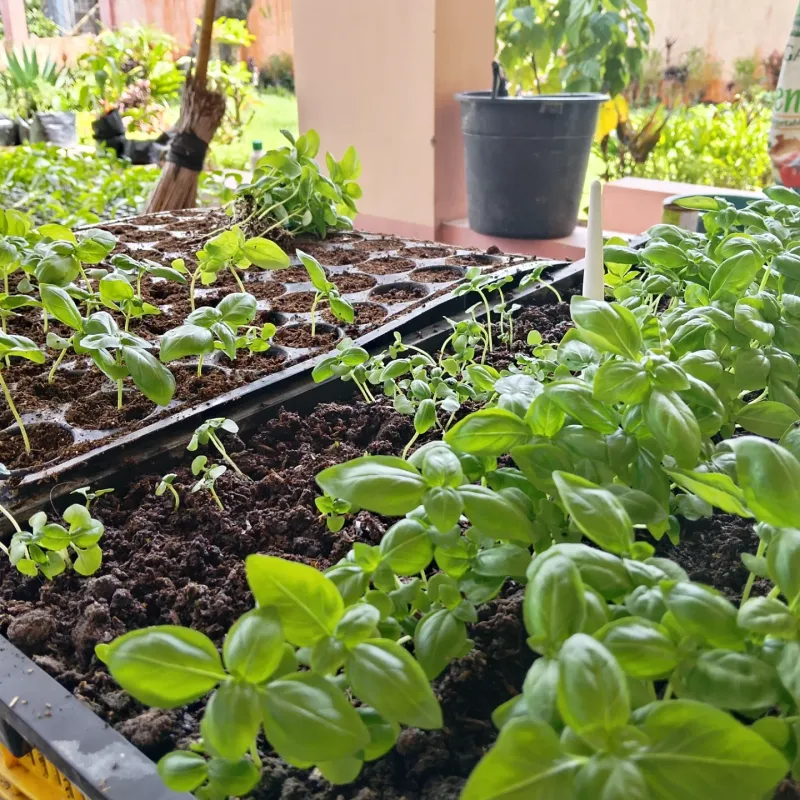
Once your basil seedlings develop their first set of true leaves, usually about two weeks after sprouting, it is time to thin them out. True leaves are the second set that appears after the initial seed leaves, and they look like miniature versions of mature basil leaves.
Seeing them is a sign your seedlings are growing strong and ready for the next stage.
If you planted two or three seeds per cell, you likely have multiple sprouts competing for the same limited space and nutrients.
Snip the weakest-looking seedlings at soil level using small scissors rather than pulling them out, since pulling can disturb the roots of the seedling you want to keep. Leave only the single strongest, most upright seedling in each cell to grow on its own.
Thinning feels a bit brutal at first, but it is genuinely one of the most important steps for growing big, productive basil plants. Crowded seedlings compete for water, light, and nutrients, and the result is weak, spindly plants that never quite reach their full potential.
Giving each seedling its own space allows it to build a robust root system before it heads outside into a North Carolina garden bed. Strong roots equal strong plants, and strong plants equal armfuls of fresh basil from June all the way through late summer and beyond.
8. Transplant Outdoors After The Last Frost Has Passed
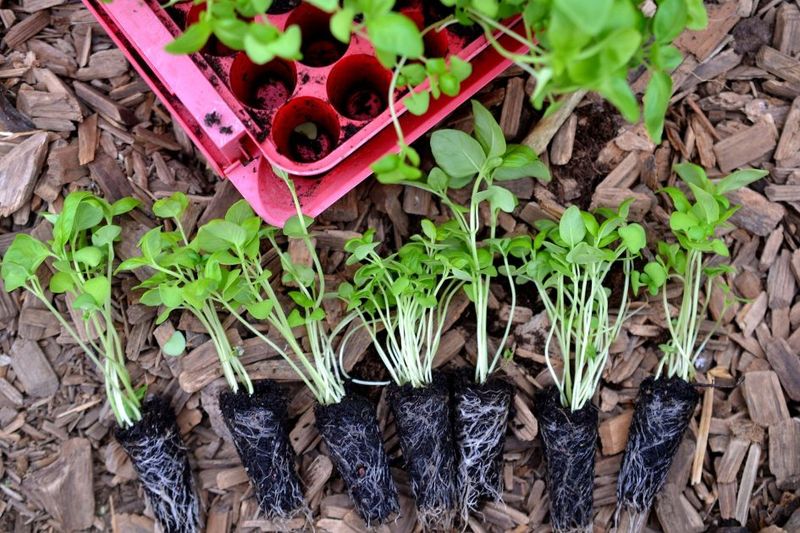
Moving your basil seedlings outdoors is one of the most exciting moments of the whole growing process. After weeks of careful indoor nurturing, your plants are finally ready to meet the real world.
In North Carolina, this transition typically happens in late April to early May for the Piedmont region, and a bit earlier for gardeners along the Coastal Plains where frost risk fades sooner.
Before transplanting, you need to harden off your seedlings over about a week to prevent shock. Start by placing them outside in a sheltered, partially shaded spot for just two to three hours on the first day.
Gradually increase outdoor time each day, and by day seven they should be comfortable spending a full day outside in direct sun. This slow introduction helps them adjust to wind, stronger light, and temperature swings without stress.
Once nighttime temperatures are consistently staying above 50 degrees Fahrenheit, you can plant them permanently in the garden. Space seedlings about 12 to 18 inches apart so each plant has plenty of room to spread out and bush up over the season.
Water them in well on planting day and give them a bit of shade if the afternoon sun is especially intense during the first couple of days. Your North Carolina basil plants will settle in quickly and reward your patience with vigorous, lush growth all summer long.
9. Plant Basil In Full Sun And Well-Drained Garden Soil
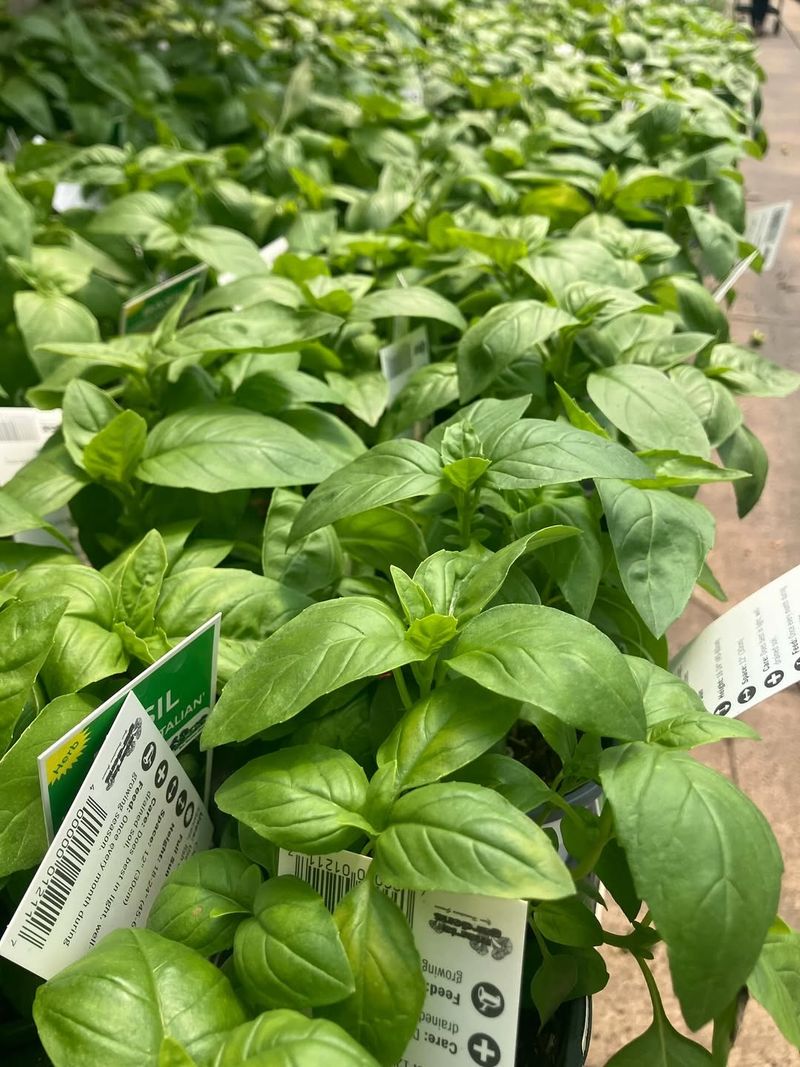
Basil is a sun worshipper, plain and simple. To grow big, leafy plants loaded with flavor, your basil needs at least six to eight hours of direct sunlight every single day.
North Carolina summers deliver plenty of sunshine, which is one of the reasons the state is such a fantastic place to grow this herb outdoors from late spring through early fall.
Soil quality matters just as much as sunlight. Basil roots need excellent drainage because sitting in soggy soil quickly leads to root problems and poor growth.
If your garden beds have heavy clay soil, which is common in many parts of the North Carolina Piedmont, work in a generous amount of compost or aged organic matter before planting.
This improves drainage, adds nutrients, and creates the loose, crumbly texture basil roots absolutely love.
Raised garden beds are another great option, especially if your native soil is particularly challenging. They drain naturally, warm up faster in spring, and give you full control over soil composition.
Whether you are planting in the ground or in raised beds, a slightly acidic soil pH between 6.0 and 7.0 is ideal for basil.
A simple and inexpensive soil test kit from your local North Carolina cooperative extension office can tell you exactly where your garden soil stands and what amendments will help your basil reach its full, flavorful potential this season.
10. Harvest Regularly To Keep Your Basil Producing All Summer
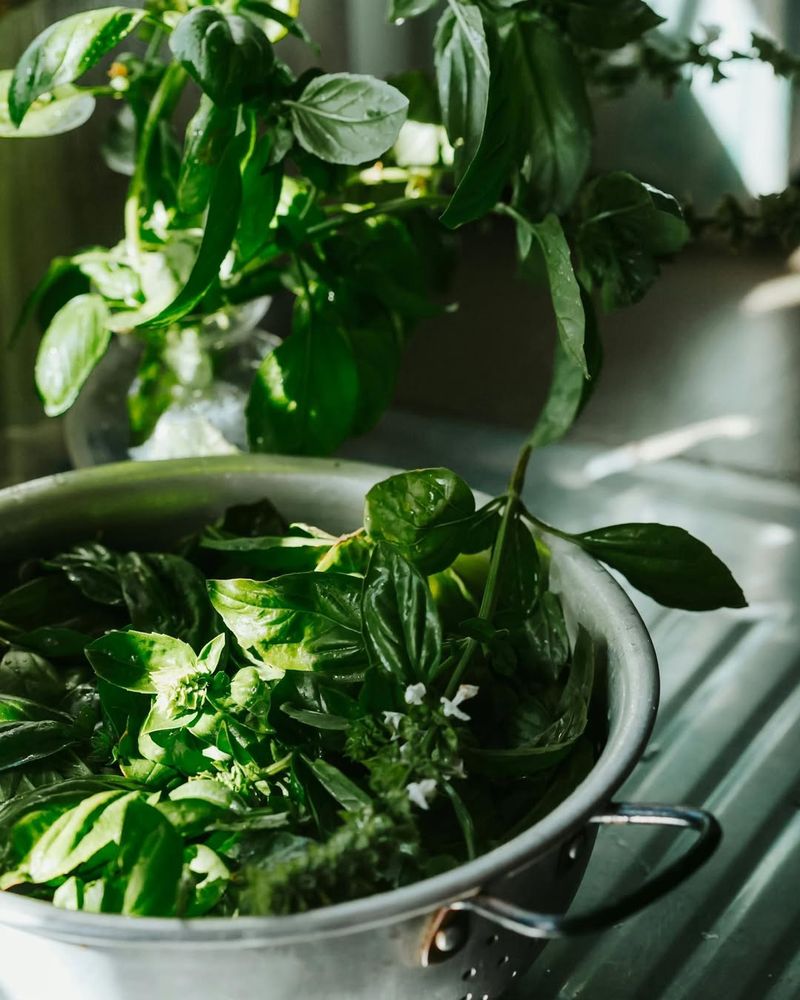
Regular harvesting is the single best thing you can do to keep your basil plants producing fresh leaves all summer long. Many gardeners make the mistake of waiting too long to start picking, thinking the plant needs more time to grow.
In reality, the more you harvest, the more the plant produces, and that cycle can continue for months across a North Carolina summer.
Start harvesting once your plants are about 10 inches tall and have several sets of leaves. Always pinch or snip just above a leaf node, which is the spot where two leaves branch off the main stem.
This encourages the plant to send out two new shoots from that point, doubling the growth and making your basil bushier and more productive with every harvest you take.
Removing flower buds as soon as they appear is equally important. When basil starts to flower, the plant shifts its energy away from leaf production and toward making seeds.
Pinching those buds off the moment you spot them keeps the plant focused on growing the flavorful leaves you actually want.
A quick walk through your garden every few days to check for buds and harvest a handful of leaves takes only minutes but makes a massive difference.
With this simple routine, North Carolina gardeners can enjoy fresh, aromatic basil on their tables from early summer all the way into September.