8 Easy Steps To Grow Basil From Seed In Pennsylvania
There’s nothing quite like fresh basil plucked straight from your garden, and if you’ve ever thought about growing it from seed, now is the perfect time in Pennsylvania. The cool early spring mornings make starting seeds indoors both easy and effective.
With a bit of patience, attention, and proper placement near a sunny window or under a grow light, you can give your seeds a strong start.
With the right soil, light, and a little attention to watering, basil seedlings can thrive and quickly become strong enough to transplant outdoors.
Timing, patience, and a few simple steps are all it takes to grow a plentiful, fragrant crop for your summer meals.
If you’ve been curious about growing your own herbs and want basil that really thrives, following this sequence will get you from tiny seeds to full, flavorful plants ready for the garden and kitchen.
1. Choose High-Quality Basil Seeds
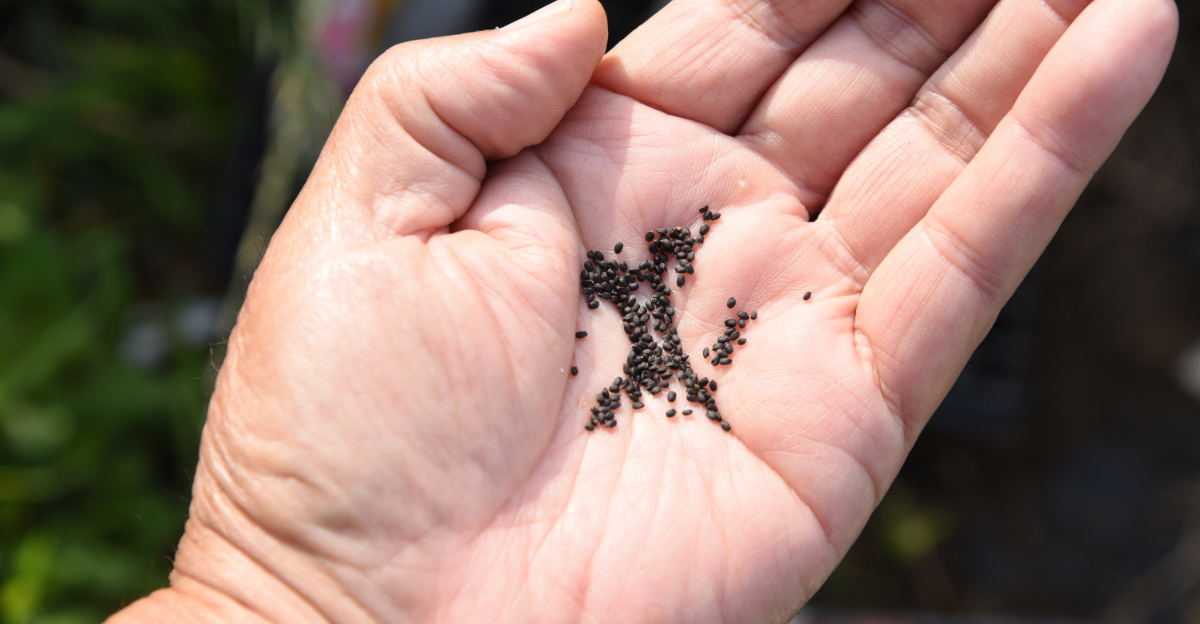
Not all seeds are created equal, and the quality of your basil seeds will set the tone for your entire growing season. Starting with fresh, reliable seeds from a trusted supplier means better germination rates and stronger, healthier plants.
Look for seeds that have been stored properly and have a high germination percentage listed on the packet, ideally 80% or higher.
Popular basil varieties for Pennsylvania gardeners include Genovese, which is a classic Italian type perfect for pesto, and Sweet Basil, which works wonderfully in salads and sauces. Thai Basil brings a slightly spicy, licorice-like flavor that is fantastic in Asian cooking, while Lettuce Leaf Basil offers wider leaves with a mild, buttery taste.
Purple Basil is another fun choice, adding a pop of deep color to both your garden and your plate.
For beginners in Pennsylvania, Genovese Basil is often the top recommendation. It is hardy, widely adaptable, and produces an impressive harvest of fragrant leaves.
Fun fact: basil seeds have been used in cooking and medicine for over 4,000 years, so you are growing something with a seriously rich history. Buying from local seed companies or reputable online retailers will give you the freshest stock.
Always check the seed packet for the packed date to make sure you are not working with seeds that are several years old, as older seeds tend to have lower germination rates and may produce weaker seedlings overall.
2. Start Seeds Indoors Early For Success
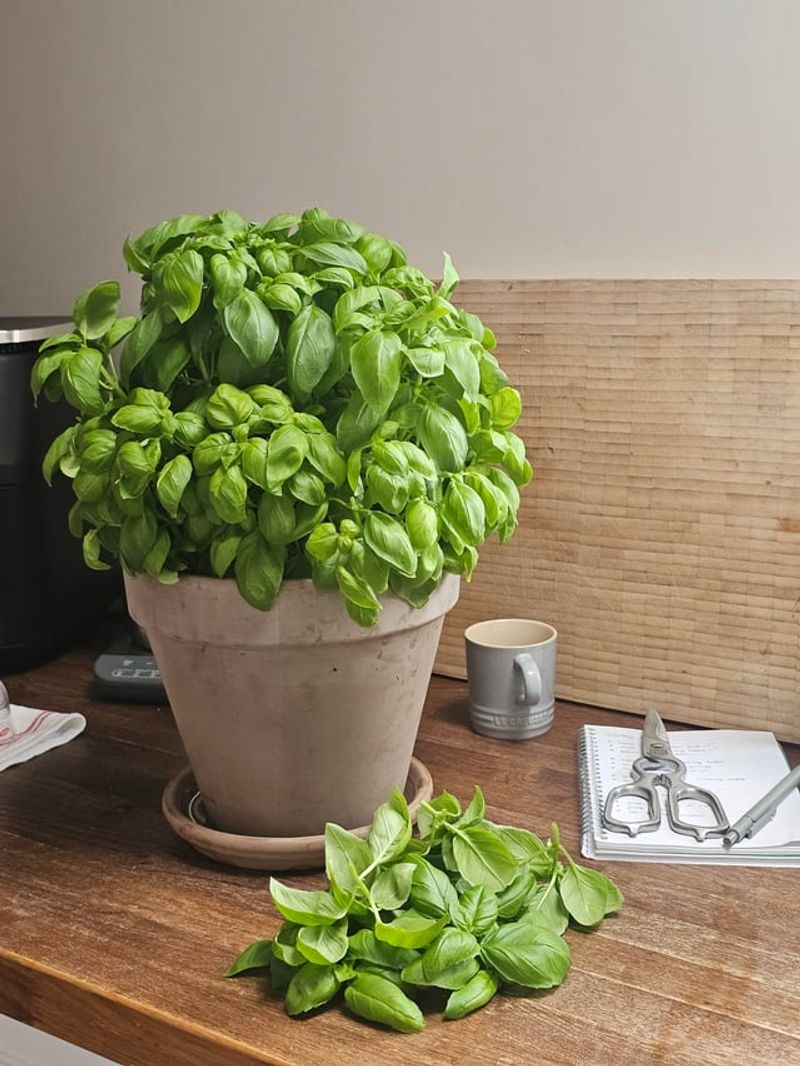
Timing is everything when growing basil in Pennsylvania. Basil is a warm-weather herb that is very sensitive to frost, and Pennsylvania winters can linger into April in some regions.
The smartest move is to start your seeds indoors about six to eight weeks before the last expected frost date, which typically falls in late April to mid-May depending on your region of the state.
That means most Pennsylvania gardeners should be sowing their basil seeds indoors somewhere between late February and mid-March. Starting early gives the seedlings plenty of time to grow strong before they ever see the outdoors.
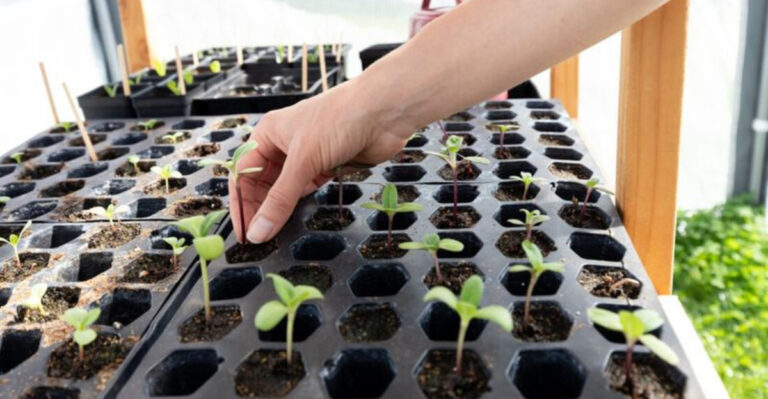
Use small seed-starting trays or cell packs, which make it easy to manage individual seedlings and reduce root disturbance when transplanting later on.
Plant two to three seeds per cell, pressing them gently about a quarter-inch into the moistened seed-starting mix. Cover lightly with soil, mist with a spray bottle, and place the tray in a warm spot where temperatures stay between 70 and 85 degrees Fahrenheit.
A heat mat designed for seed starting can be a real game-changer here, especially in drafty Pennsylvania homes during late winter. Seedlings usually pop up within five to ten days, which is always an exciting moment after weeks of cold weather outside.
Keeping a simple planting calendar posted on your fridge can help you stay on track and make sure you never miss that all-important indoor sowing window during the early spring season.
3. Use Well-Draining Seedling Mix
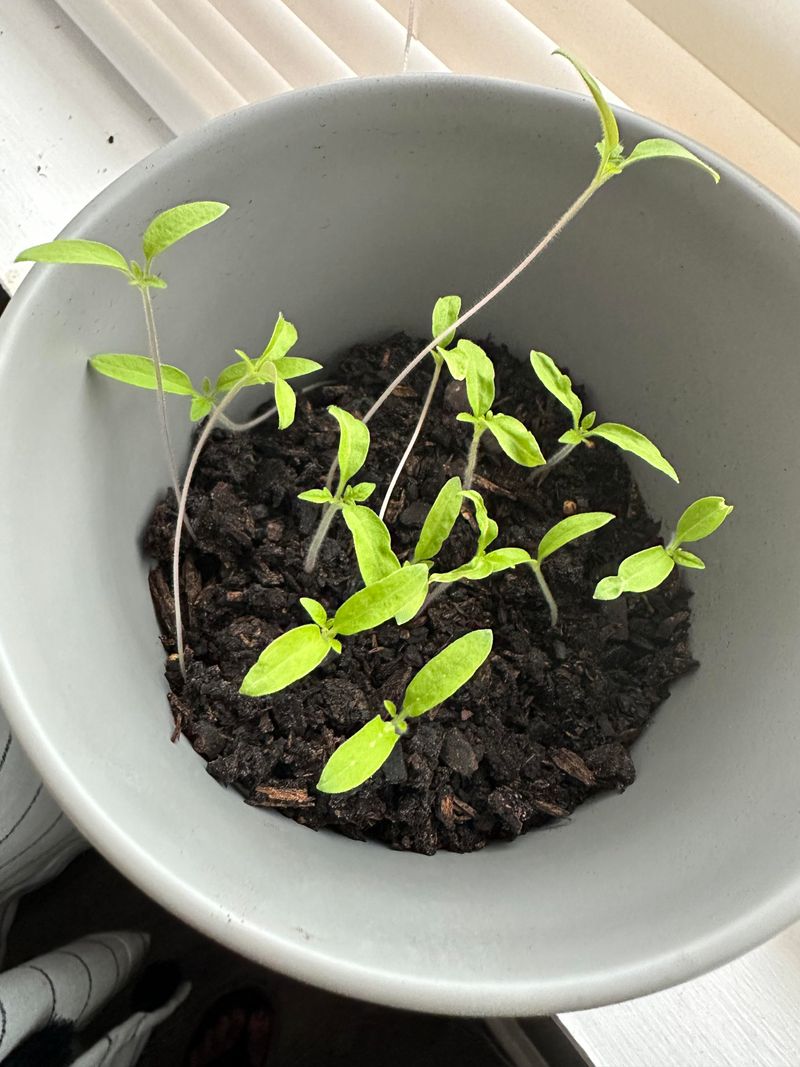
Basil roots are surprisingly fussy about their growing medium. Regular garden soil is generally too dense for tiny seedlings and may lead to soggy roots, mold, or lower germination rates.
A high-quality seed-starting mix is specifically designed to be light, airy, and well-draining, giving those delicate roots exactly the environment they need to establish quickly.
Look for a seedling mix that contains perlite or vermiculite, which help improve drainage and prevent compaction. Some mixes also include a small amount of slow-release fertilizer, which can give seedlings an early boost without the risk of burning them with too much nutrition.
Avoid using potting soil meant for larger container plants, as it tends to be too heavy and retains too much moisture for fragile basil seedlings.
Before filling your trays, moisten the seedling mix slightly in a bucket or bowl. You want it to feel like a wrung-out sponge, damp but not dripping wet.
This pre-moistening step makes it much easier to sow seeds evenly and reduces the risk of washing them away when you first water. Fill each seed cell to about a quarter-inch from the top, then gently press the surface flat before sowing your seeds.
Pennsylvania gardeners who take the time to get this step right often notice significantly better germination rates and stronger seedlings compared to those who just grab whatever soil is nearby. A solid foundation in the right growing mix makes every other step in the process work much more smoothly from start to finish.
4. Provide Consistent Moisture Without Overwatering
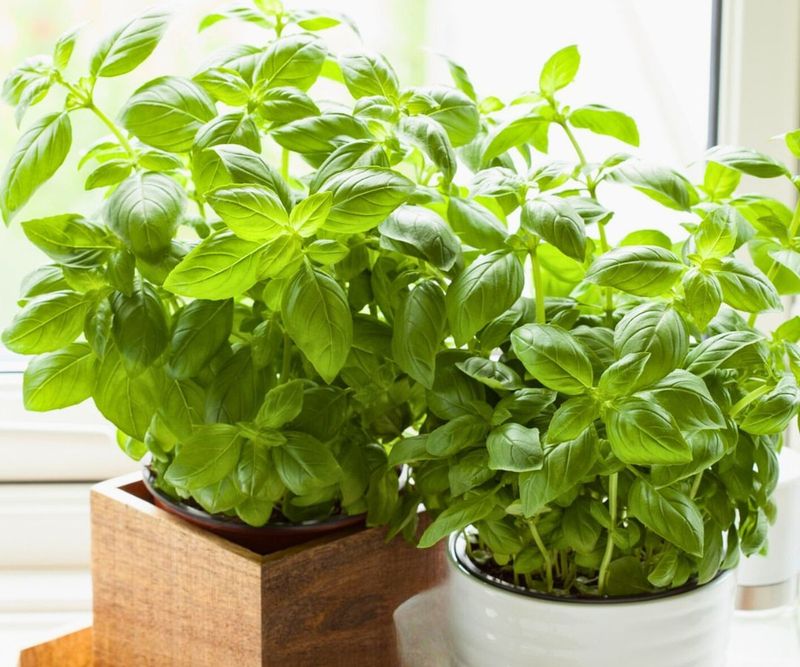
Watering basil seedlings sounds simple, but getting the moisture level just right is one of the trickiest parts of growing from seed. Too little water and the seeds will not germinate or the seedlings will wilt.
Excessive water can increase the risk of root rot and fungal problems like damping off, which may cause seedlings to collapse at the soil line.
The golden rule is to keep the soil consistently moist but never waterlogged. A spray bottle or misting nozzle is your best friend during the early seedling stage.
Misting the surface gently every day or two, rather than pouring water directly onto the soil, helps maintain even moisture without disturbing the tiny seeds or washing them out of position.
As seedlings grow taller and their roots develop, you can transition to watering from the bottom by setting the tray in a shallow dish of water and allowing the soil to absorb moisture upward. This method encourages roots to grow downward and reduces the chance of fungal issues on the surface.
Always empty the saucer after about 30 minutes so the roots are not sitting in standing water for too long. In Pennsylvania homes during late winter and early spring, indoor heating systems can dry out the air quickly, which means you may need to check moisture levels more frequently than you expect.
Sticking your finger about an inch into the soil is the most reliable way to judge whether it is time to water again.
5. Place Seedlings In Bright, Warm Light
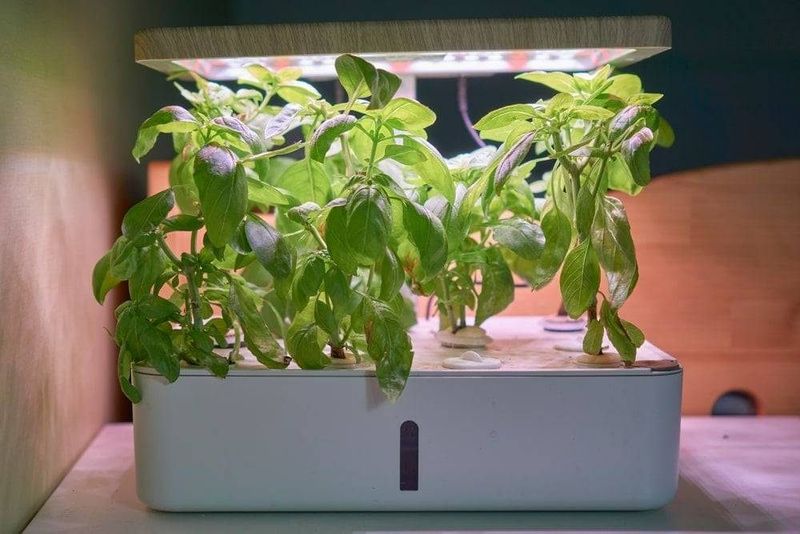
Basil is a sun-worshipping herb, and it needs plenty of bright light to grow strong and healthy. Weak, dim lighting is one of the top reasons seedlings become leggy, meaning they stretch tall and thin while the stem stays floppy and fragile.
A leggy seedling is much harder to transplant successfully and tends to produce fewer leaves over the season.
If you have a south-facing window that gets at least six hours of direct sunlight per day, that can work beautifully during the spring months in Pennsylvania. However, late February and March sunshine in the state can be inconsistent, with cloudy stretches that leave seedlings starved for light.
A grow light is often the most reliable solution, especially if your home does not have a perfectly sunny window available.
LED grow lights designed for seed starting are affordable, energy-efficient, and easy to set up on a shelf or table. Position the light about two to four inches above the seedling tray and run it for fourteen to sixteen hours per day using a simple outlet timer.
This setup mimics the long summer days that basil naturally loves. Keeping the light at the right distance is key because too far away leads to legginess, while too close can scorch tender leaves.
Warm temperatures are just as important as light, so avoid placing trays near cold drafty windows even if the light looks good. Pennsylvania homes in early spring can have surprising temperature swings that stress young seedlings more than most gardeners realize.
6. Thin Seedlings To Avoid Crowding
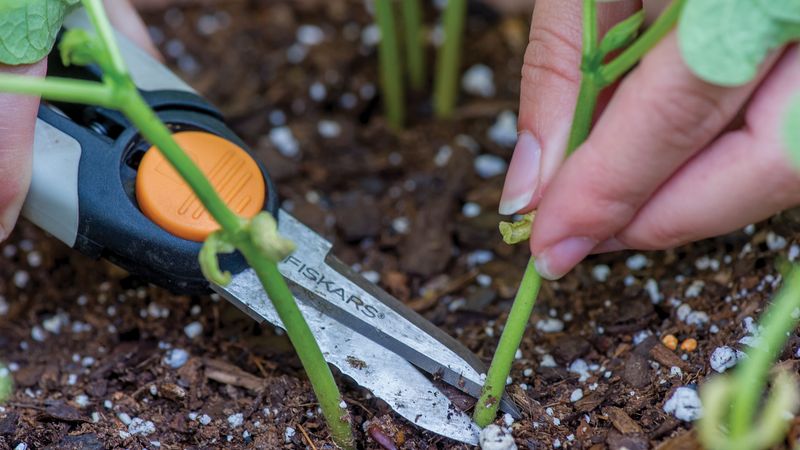
Planting two or three seeds per cell is smart strategy because it improves your odds of getting at least one strong seedling per spot. But once those seeds germinate and the sprouts start growing, crowding becomes a real problem.
Multiple seedlings competing for the same small amount of soil, water, and light will all come out weaker than a single well-spaced plant.
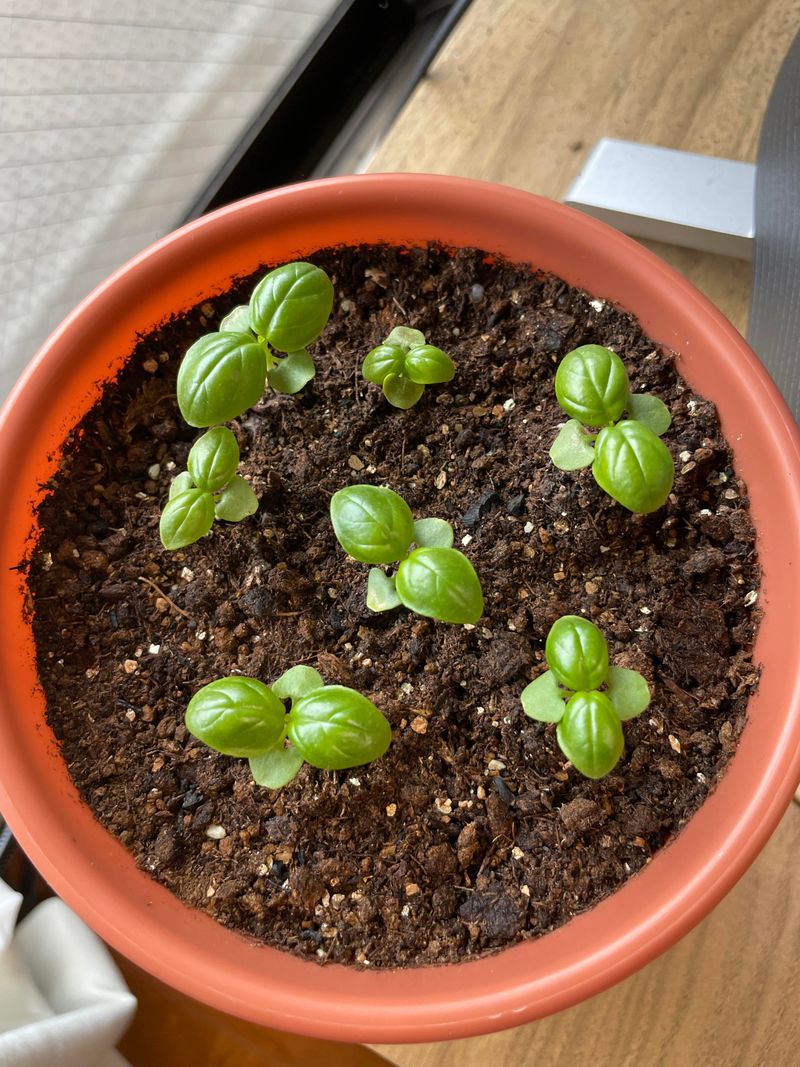
Thinning is the process of removing the weaker seedlings so that only the strongest one remains in each cell or pot. It feels a little ruthless at first, especially after watching those tiny seeds sprout with such excitement.
But thinning is genuinely one of the most caring things you can do for your basil, because it gives the remaining seedling room to develop a robust root system and full, healthy foliage.
Use a small pair of scissors to snip the weaker seedlings at soil level rather than pulling them out, which could disturb the roots of the seedling you want to keep. Aim to thin seedlings once they have developed their first set of true leaves, which appear after the initial seed leaves.
In Pennsylvania, where the growing season is already somewhat compressed, giving each seedling the best possible start indoors makes a meaningful difference when transplant time rolls around. Healthy, well-spaced seedlings establish faster outdoors, recover from transplant stress more quickly, and ultimately produce bigger harvests of fragrant leaves throughout the summer months.
Do not skip this step, even when it feels difficult to remove perfectly healthy little plants.
7. Harden Off Plants Before Transplanting
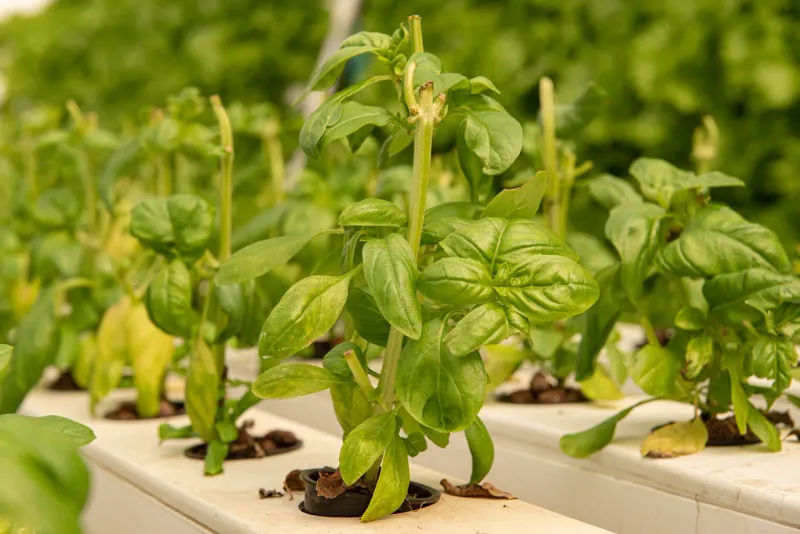
Imagine spending your whole life in a cozy, climate-controlled room and then suddenly being dropped outside in full sun and wind. That is essentially what happens to basil seedlings if you skip the hardening off process.
Hardening off is the gradual introduction of indoor-grown plants to outdoor conditions, and it is highly recommended for Pennsylvania gardeners to help their transplants adjust successfully.
Start hardening off your basil seedlings about one to two weeks before your planned transplant date, which in most parts of Pennsylvania means sometime in early to mid-May. Begin by placing the seedling tray outside in a sheltered, partially shaded spot for just one to two hours on the first day.
Over the following days, gradually increase the amount of time outdoors and the amount of direct sunlight the plants receive.
By the end of the hardening off period, your seedlings should be spending most of the day outside in full sun without showing any signs of stress like wilting or leaf scorch. Bring them inside at night if temperatures are still dropping below 50 degrees Fahrenheit, since basil is highly sensitive to cold.
Pennsylvania springs can throw out some surprisingly chilly nights even in May, so always keep an eye on the overnight forecast. A properly hardened basil plant will transition into the garden or a container with minimal shock, bouncing back quickly and pushing out new growth within just a few days of being transplanted into its permanent outdoor home.
8. Transplant To Garden Or Containers After Frost Risk
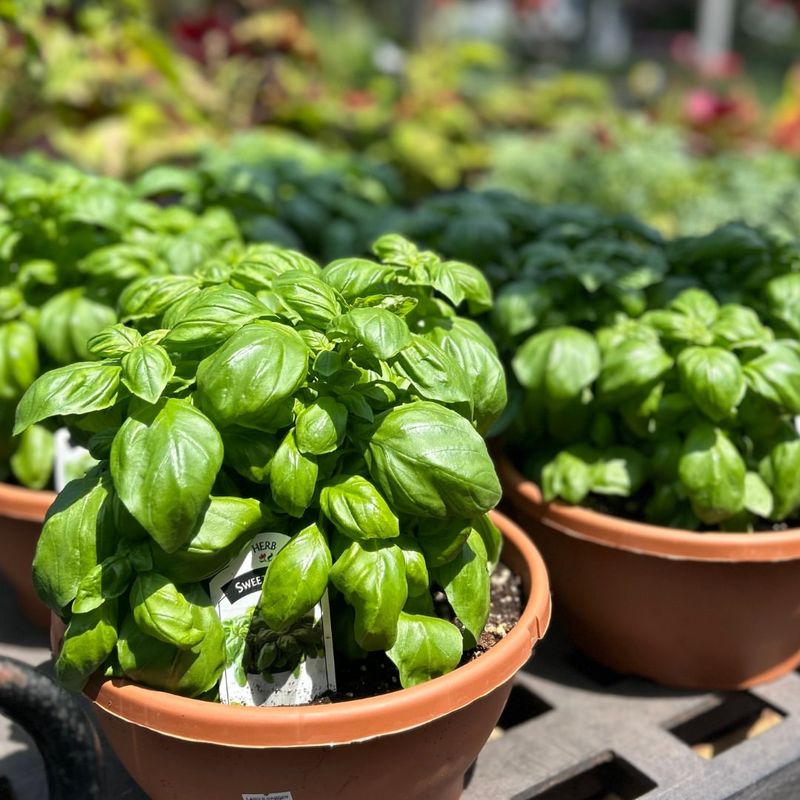
After all the indoor work, the most rewarding moment finally arrives: transplanting your basil seedlings into their permanent home. In Pennsylvania, the typical window for transplanting basil outdoors is after the risk of frost has largely passed, often around late May in most areas.
Gardeners in northern Pennsylvania may want to wait until early June just to be safe.
Basil can go directly into a garden bed, a raised bed, or a container on a patio or balcony. If planting in the ground, choose a spot that receives at least six hours of direct sunlight daily and has well-draining soil with a pH between 6.0 and 7.5.
Work in some compost before planting to give your basil a nutrient-rich start. Space plants about 12 to 18 inches apart to allow for good air circulation, which helps prevent fungal diseases that can spread quickly in humid Pennsylvania summers.
Container growing is a fantastic option for Pennsylvania gardeners with limited space. Use a pot that is at least 12 inches wide and deep, fill it with a quality potting mix, and make sure it has drainage holes at the bottom.
Containers also give you the flexibility to move plants to sunnier spots or bring them inside if an unexpected late frost threatens. Water your newly transplanted basil deeply right after planting, and keep the soil consistently moist during the first week as the roots settle in.
Within a couple of weeks, you will notice new leaf growth signaling that your basil is happy, healthy, and ready for its first harvest.