8 Easy To Grow Flowers Michigan Gardeners Can Start In March
Spring is in the air, and if you’re like many of us, you’re ready to trade in your winter boots for gardening gloves.
The sound of birds chirping and the warmth of the sun returning feels like the perfect invitation to dig into the soil again.
If you’ve been tending to your garden for years, or you’re just starting to get your hands dirty, March is the perfect time to start planting some easy-to-grow flowers that’ll brighten up your yard all season long.
Whether you’ve got a little space on your windowsill or a whole garden plot to work with, there are several flowers that thrive when planted in March.
These beauties will handle the cool temperatures and bring vibrant colors to your home without too much fuss.
Ready to see which flowers are just waiting for you to get started? There’s no time like the present, so grab your gardening tools – the perfect blooms are closer than you think.
1. Cool-Season Pansies For Early Color
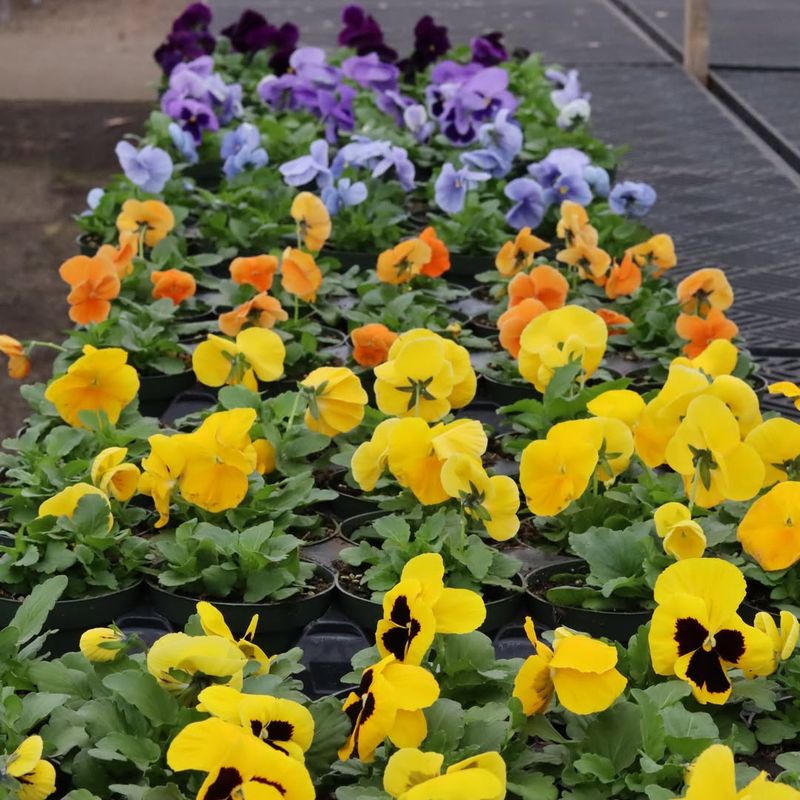
Few flowers bring as much cheerfulness to a Michigan garden as pansies do, especially when most of the yard is still waking up from winter. These tough little bloomers actually prefer cool temperatures, making them one of the smartest choices you can sow indoors in March.
Their velvety petals come in nearly every color imaginable, from deep purple and bright orange to soft lavender and creamy white.
Starting pansies from seed takes a bit of patience, but the payoff is absolutely worth it. Sow seeds in a tray with moist seed-starting mix and keep them somewhere cool, around 65 degrees Fahrenheit works well.
They need light to germinate, so press the seeds gently onto the surface rather than burying them deep. Expect sprouting within 10 to 14 days.
One of the best things about pansies is that they can handle a light frost, which is a huge perk for Michigan gardeners who deal with unpredictable spring weather. Once seedlings are a few inches tall, you can harden them off by taking them outside for short periods each day before transplanting them into your garden beds.
Plant them in a spot with full sun or partial shade and well-drained soil. Pansies also look stunning in containers on porches and patios.
Deadhead spent blooms regularly to encourage continuous flowering throughout the season.
2. Lobelia For Bright Blue Blooms
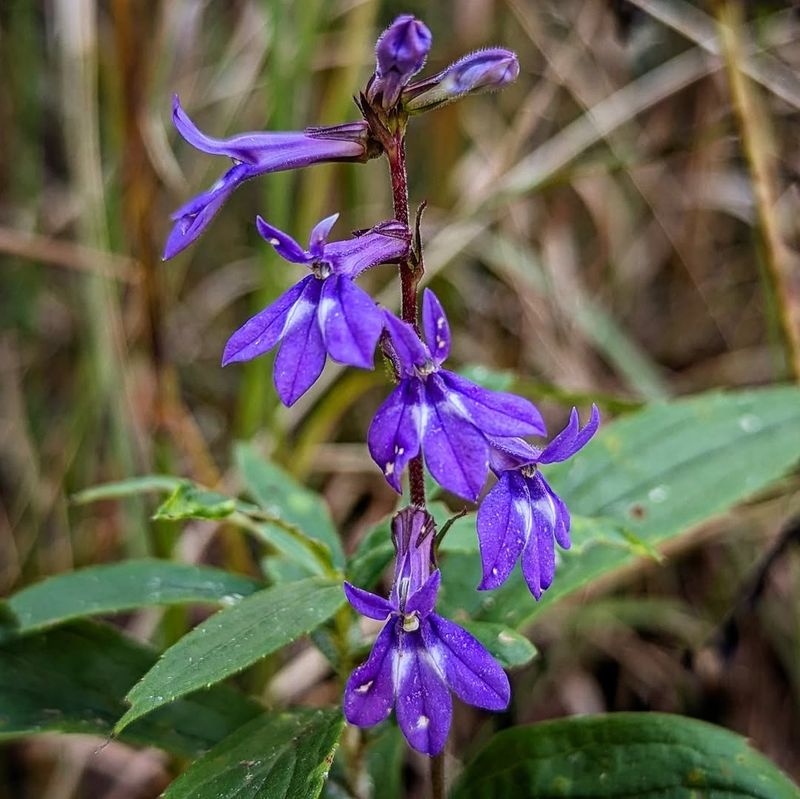
If you have ever wanted to add a pop of true blue to your garden, lobelia is the flower you have been looking for. Blue is actually one of the rarest colors in the plant world, which makes lobelia a real showstopper among Michigan gardeners who want something a little different.
The tiny, delicate blooms appear in clusters and practically glow in the sunlight.
Lobelia seeds are incredibly small, almost like dust, so handle them carefully when sowing. Mix them with a pinch of sand to help distribute them more evenly over your seed-starting tray.
Press them lightly onto the surface of moist seed mix and cover the tray with a clear plastic dome to hold in humidity. Keep the tray somewhere warm, around 70 degrees Fahrenheit, and expect germination within two to three weeks.
Starting lobelia in March gives Michigan gardeners plenty of time to grow strong seedlings before the last frost date, which typically falls in mid-May in many parts of the state. Lobelia thrives in cool conditions and actually slows down during the hottest part of summer, but it bounces back beautifully when temperatures drop again in late August.
Plant it along garden borders, in hanging baskets, or at the edge of window boxes where its trailing habit can really shine. Water consistently and avoid letting the soil dry out completely, as lobelia appreciates steady moisture throughout the growing season.
3. Snapdragons For Vertical Beauty
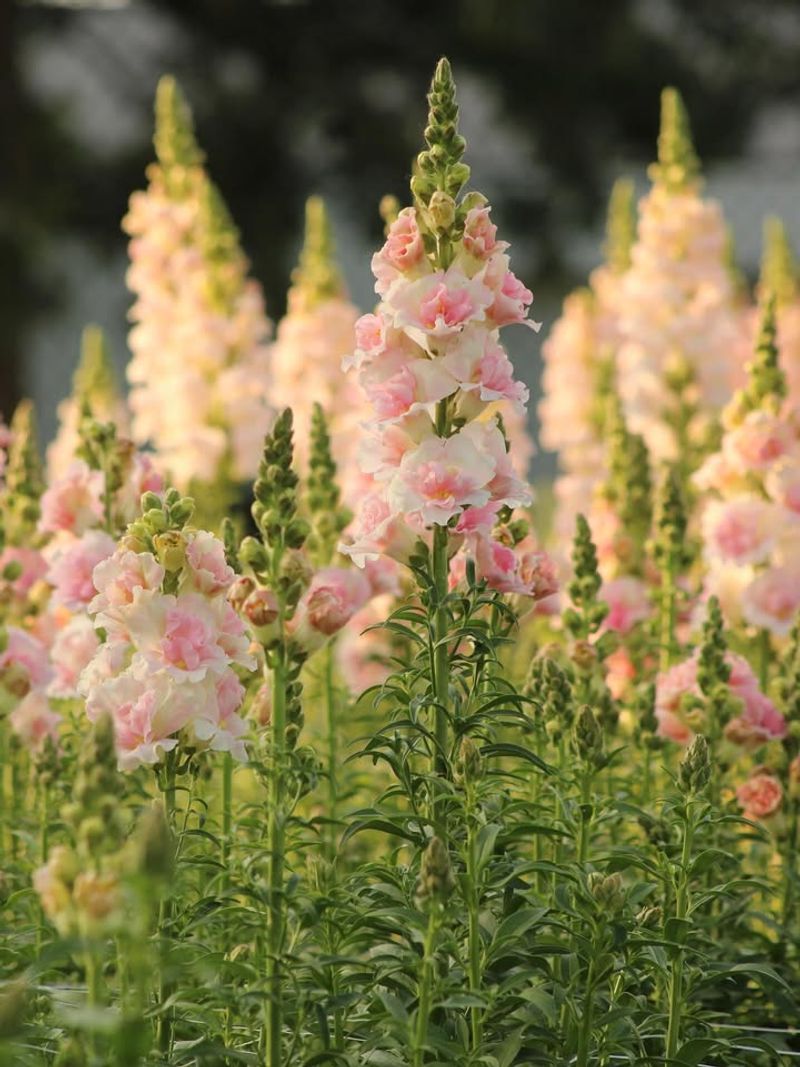
Snapdragons have a playful charm that kids and adults both love. Squeeze the sides of a bloom and the little mouth opens and closes like a tiny dragon snapping its jaws, which is exactly how they got their memorable name.
Beyond their fun personality, snapdragons bring serious vertical drama to any Michigan garden bed or cutting garden.
Sow snapdragon seeds indoors in March by pressing them onto the surface of moist seed-starting mix since they need light to germinate properly. Keep the tray at around 65 to 75 degrees Fahrenheit and cover it loosely with plastic wrap to maintain moisture.
Germination usually happens within 10 to 14 days. Once seedlings appear, move them under grow lights or onto your sunniest windowsill to keep them from getting leggy.
Like pansies, snapdragons are cool-season flowers that actually prefer mild temperatures, making them a wonderful match for Michigan springs. They can tolerate light frost, so you can transplant them outdoors a few weeks before your last expected frost date.
Plant them in full sun with rich, well-drained soil and give them regular water. Pinching off the top of each seedling when it reaches about six inches tall encourages bushier growth and more blooms.
Snapdragons make gorgeous cut flowers that last well in a vase, so grow a few extra for indoor arrangements. Tall varieties work beautifully at the back of a border, while dwarf types are perfect for containers.
4. Sweet Peas For Fragrant Vines
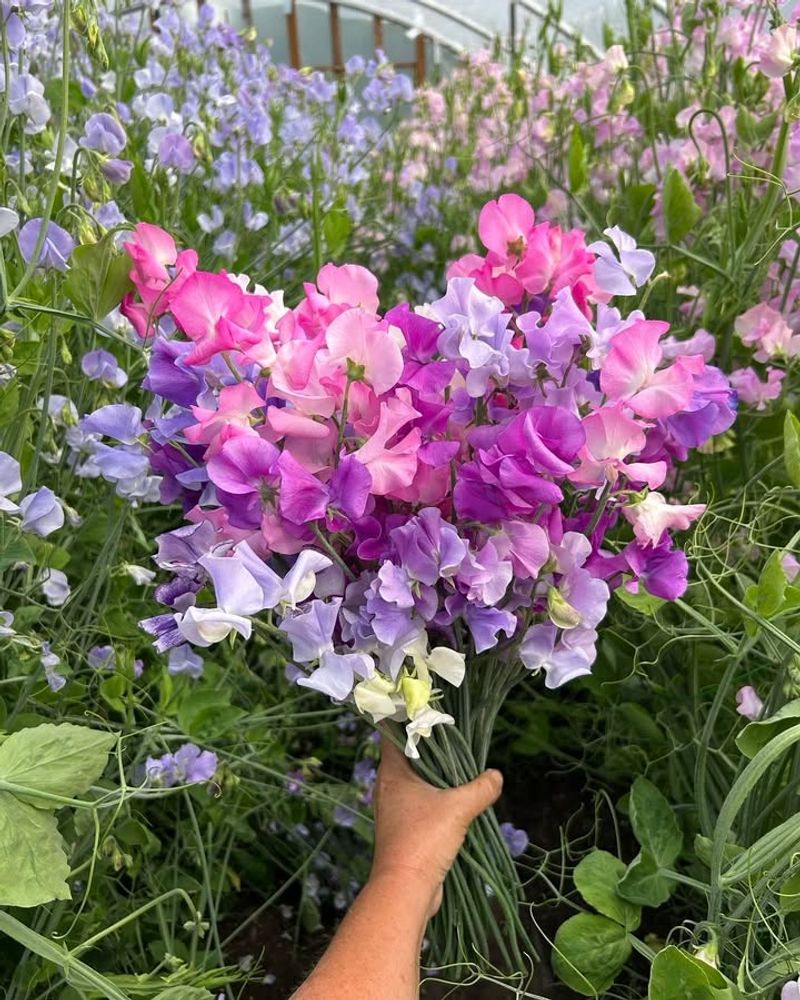
Walking past a trellis covered in sweet peas on a warm Michigan morning is one of the most rewarding experiences a gardener can have. The fragrance is absolutely intoxicating, a soft, romantic scent that fills the air and makes your whole garden feel like something out of a storybook.
Sweet peas have been beloved by gardeners for centuries, and once you grow them, you will completely understand why.
March is the ideal time to start sweet peas indoors in Michigan. Soak the seeds overnight in water before planting to soften the seed coat and speed up germination.
Use deep pots or cardboard tubes since sweet peas develop long taproots that do not like to be disturbed. Plant seeds about an inch deep in moist seed-starting mix and keep them somewhere cool, around 55 to 65 degrees Fahrenheit.
Cooler temperatures actually help them germinate better.
Once seedlings are a few inches tall, set up a trellis, bamboo teepee, or fence for them to climb. Sweet peas are natural climbers and will happily wind their tendrils around any support you provide.
Transplant them outdoors after your last frost date, choosing a spot with full sun and rich, well-drained soil. Consistent watering is key since they do not like to dry out.
The single most important tip for keeping sweet peas blooming all season long is to pick the flowers regularly. The more you harvest, the more blooms the plant produces, so cut generously and enjoy fresh bouquets indoors throughout the summer.
5. Zinnias For Vibrant Summer Blooms
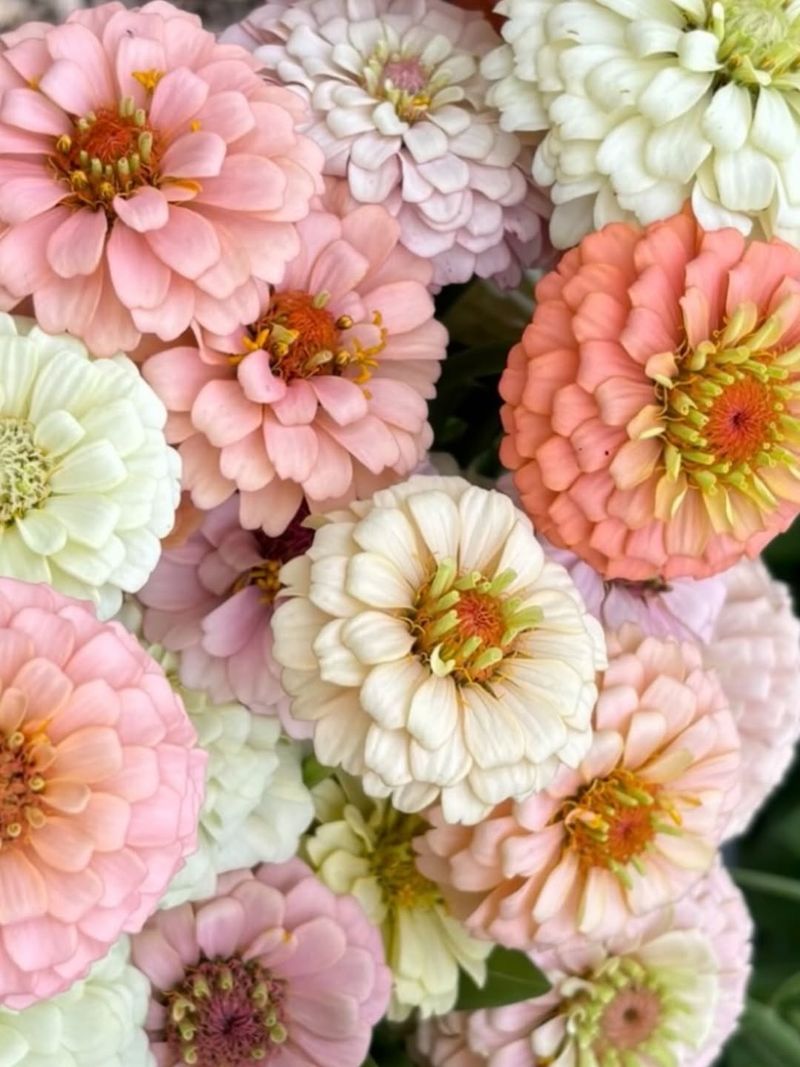
Zinnias are the ultimate crowd-pleasers of the summer garden, and Michigan gardeners absolutely love them for good reason. These bold, daisy-like flowers come in almost every color of the rainbow, bloom non-stop from midsummer until frost, and attract butterflies by the dozens.
Starting them indoors in March means you will have sturdy transplants ready to go into the ground as soon as warm weather arrives.
Sow zinnia seeds in individual cells or small pots filled with seed-starting mix, planting them about a quarter inch deep. Keep the soil warm, ideally around 70 to 75 degrees Fahrenheit, and germination will happen fast, often within five to seven days.
Zinnias grow quickly, so do not start them too early or they may get too large before transplant time. March is just right for Michigan gardeners targeting a late May or early June planting date.
Zinnias absolutely love heat and full sun, so wait until all frost danger has passed before moving them outside. Choose a spot with at least six hours of direct sunlight and well-drained soil.
Space plants about a foot apart to allow good air circulation, which helps prevent powdery mildew, a common issue in humid Michigan summers. Deadhead spent flowers regularly to keep new blooms coming, and consider cutting long stems for fresh bouquets since zinnias are outstanding cut flowers.
Taller varieties like Benary’s Giant are especially popular for cutting gardens, while shorter types work well along garden borders and in pots.
6. Nigella For Unique, Frilly Flowers
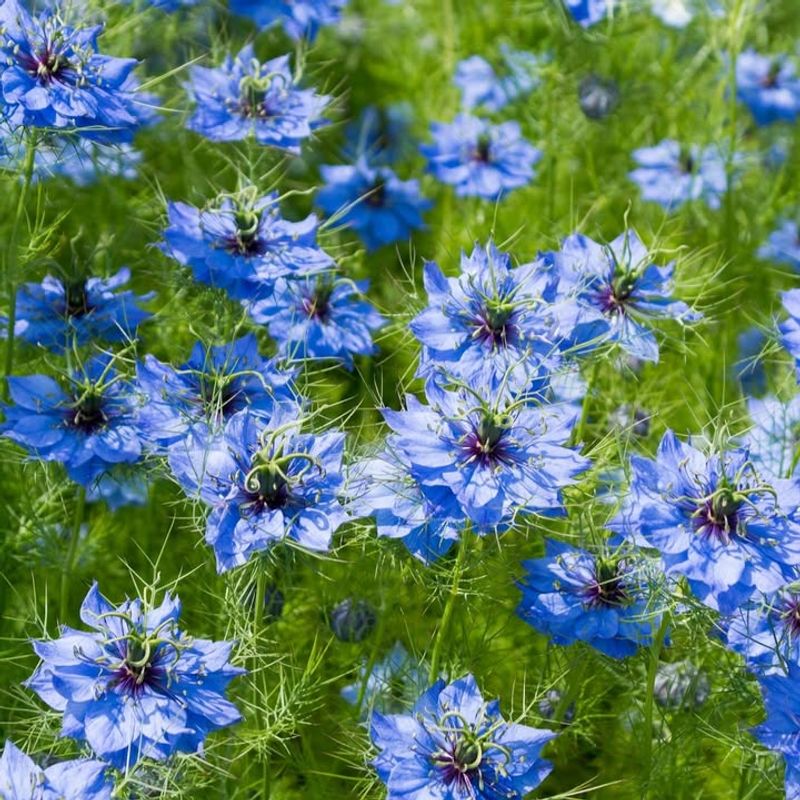
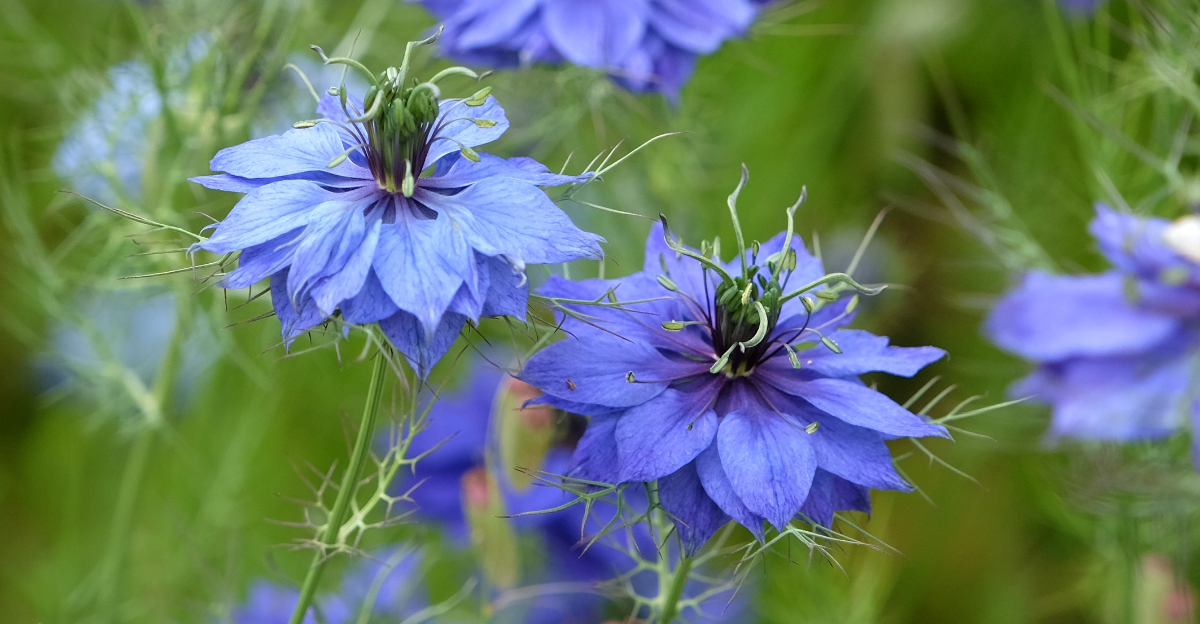
One of those flowers that makes people stop and stare is Nigella, commonly known as love-in-a-mist. The blooms look almost otherworldly, with delicate petals in shades of blue, white, pink, and purple, surrounded by wispy, thread-like foliage.
Even after the flowers fade, the inflated seed pods that follow are just as decorative and work beautifully in dried arrangements.
Unlike many flowers on this list, nigella actually prefers to be sown directly into the garden rather than started indoors. However, Michigan gardeners can get a jump on the season by sowing seeds into biodegradable pots in March that can go straight into the ground without disturbing the roots.
Nigella does not transplant well when its roots are disturbed, so skipping the disruption is key. Sow seeds on the surface of moist soil and press them in lightly since they need some light to germinate.
Nigella is a cool-season annual that thrives in spring and early summer before the heat of a Michigan July sets in. It self-seeds enthusiastically, meaning once you plant it the first year, it will likely return on its own in future seasons.
This makes it a wonderful low-maintenance addition to cottage-style gardens and wildflower beds. Plant it in full sun or light shade in average, well-drained soil.
Nigella does not need a lot of fertilizer and actually performs better in leaner soil conditions. Water regularly until plants are established, then ease back since established plants are surprisingly drought-tolerant once they get going.
7. Coreopsis For Long-Lasting Color
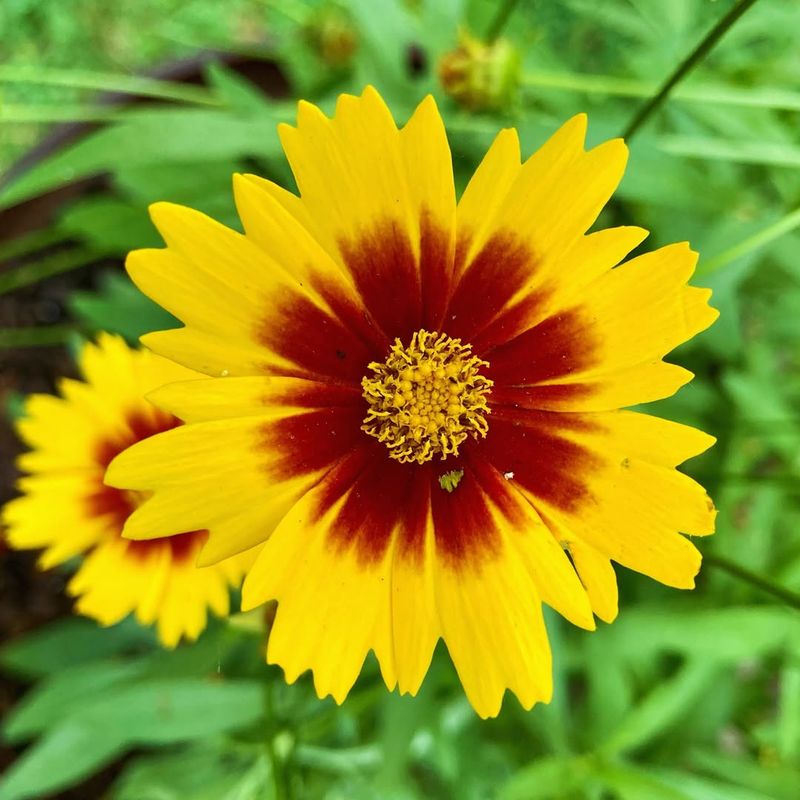
One of those plants that practically takes care of itself once it gets going is Coreopsis, also known as tickseed. Bright golden-yellow flowers bloom from early summer all the way into fall, providing Michigan gardeners with months of cheerful color without a lot of fuss.
It is a favorite for wildflower meadows and prairie-style plantings, but it also looks fantastic in traditional garden borders.
Starting coreopsis from seed in March gives it a solid head start for the Michigan growing season. Sow seeds in seed trays with a light, well-draining seed-starting mix and press them gently onto the surface.
They need light to germinate, so do not cover them with soil. Keep the tray at around 70 degrees Fahrenheit and expect germination within two to three weeks.
Seedlings grow steadily under grow lights or on a bright windowsill.
Once the threat of frost has passed in your part of Michigan, transplant coreopsis seedlings into a sunny spot with well-drained soil. This flower is extremely drought-tolerant once established, making it a smart choice for gardeners who want beauty without constant watering.
It also attracts bees, butterflies, and other beneficial pollinators, making it a great addition to any pollinator garden. Deadhead spent blooms to encourage continuous flowering, though some gardeners leave seed heads in place late in the season to attract birds.
Annual varieties like Coreopsis tinctoria add a fun mix of red and yellow bicolor blooms, while perennial types return year after year in Michigan gardens with minimal care.
8. Crocus For Early Spring Delight
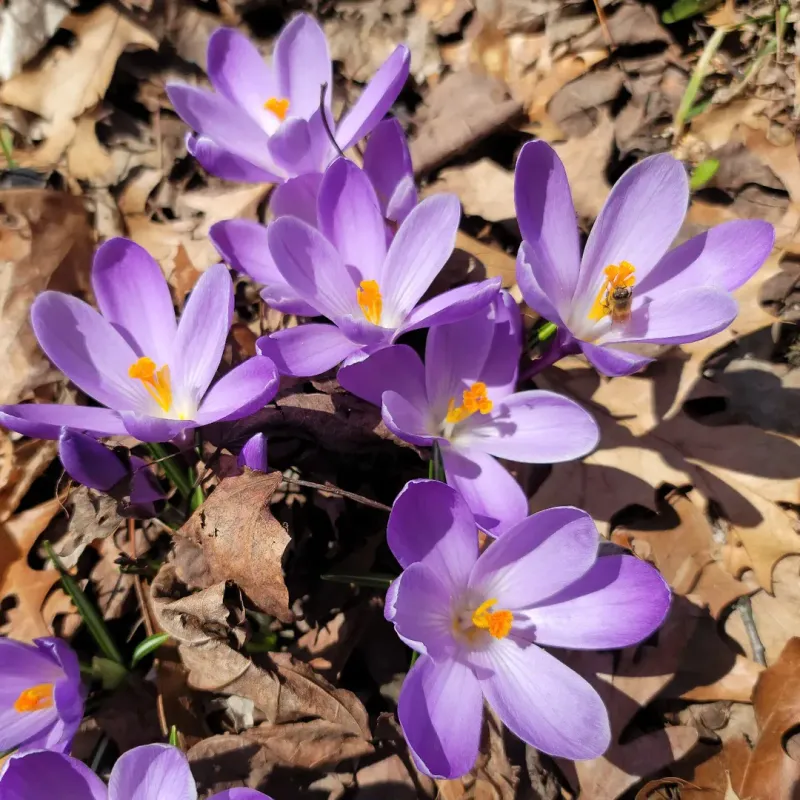
Nothing signals the end of a long Michigan winter quite like a cluster of crocuses pushing through the cold ground. These tiny, cup-shaped flowers are among the very first to bloom each spring, often appearing while snow is still on the ground, and they bring an enormous sense of hope and excitement to gardeners who have been waiting months for color.
Seeing that first flash of purple or yellow in early March feels like a genuine celebration.
While crocus bulbs are traditionally planted in fall, starting them from seeds in March is a project worth exploring for patient gardeners. Crocus seeds need a period of cold stratification to germinate, mimicking the natural winter conditions they experience outdoors.
Place seeds in a damp paper towel inside a sealed bag and refrigerate them for six to eight weeks before sowing them in pots indoors. It takes a few years for seed-grown crocuses to reach blooming size, but the reward is deeply satisfying.
For Michigan gardeners who want blooms sooner, purchasing pre-chilled crocus corms in late winter and planting them in containers indoors is a wonderful option. Set the pots in a cool, bright spot and water lightly.
Once shoots appear, move them to a sunny window and enjoy the blooms up close before transitioning the containers outside after frost danger passes. Crocuses thrive in full sun or light shade and well-drained soil.
They naturalize beautifully over time, spreading into larger and larger clumps that return reliably every spring throughout Michigan.