7 Easy-To-Grow Herbs Perfect For Beginner Gardeners In California
Herbs are a gardener’s best friend, adding flavor, fragrance, and beauty to any space.
For beginner gardeners in California, growing herbs is a low-stress way to gain confidence, enjoy fresh ingredients, and brighten patios, windowsills, or garden beds. Start small, grow big—these herbs make gardening simple and rewarding!
These seven herbs thrive in California’s sunny, warm climate with minimal care. From fragrant basil and versatile parsley to resilient rosemary and thyme, each one is forgiving, fast-growing, and perfect for containers or outdoor beds.
With the right sunlight, soil, and watering habits, even novice gardeners can enjoy lush, aromatic herbs year-round. Easy care, abundant harvests, and delicious flavor—what’s not to love?
California gardeners who start with these beginner-friendly herbs can build confidence, experiment with flavors, and create a thriving herb garden without stress. Grow simple, harvest often, and enjoy fresh herbs all year long!
1. Basil
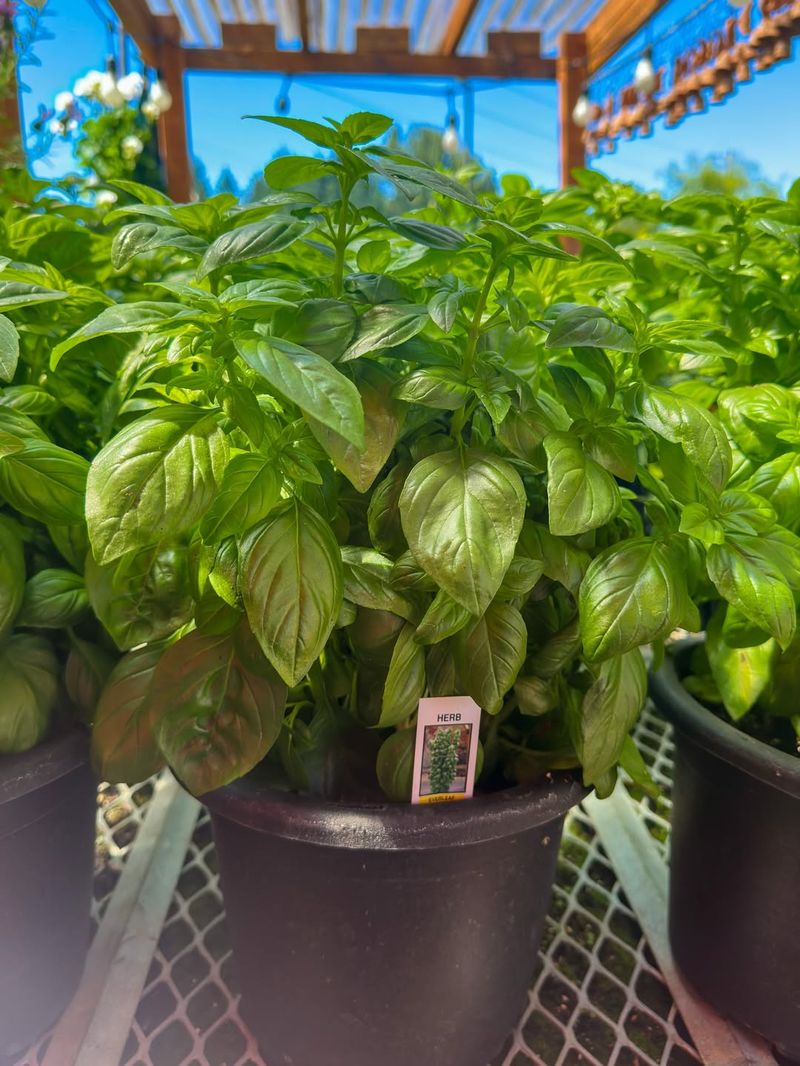
California’s warm and sunny climate creates the perfect environment for basil to flourish, making this aromatic herb one of the most rewarding choices for anyone just starting their gardening adventure.
Basil loves heat and will grow rapidly once temperatures rise above 50 degrees Fahrenheit, which happens early in the spring across most California regions.
You can start basil from seeds indoors about six weeks before the last frost, or simply purchase young transplants from your local nursery for even quicker results.
Once your basil plants settle into their spot, they’ll begin producing tender leaves at an impressive pace, especially if you give them plenty of sunlight and keep the soil consistently moist but not waterlogged.
Regular pinching of the top leaves encourages bushier growth and prevents the plant from flowering too soon, which can make the leaves taste bitter.
This simple technique also gives you continuous harvests throughout the entire growing season, meaning you’ll have fresh basil for your pasta sauces, salads, and homemade pesto all summer long.
Basil comes in many delicious varieties including sweet basil, Thai basil, and purple basil, each offering unique flavors and appearances that can add excitement to your garden and your kitchen creations.
The plant’s quick growth and forgiving nature make it an excellent confidence-builder for new gardeners who want to see fast, tasty results from their efforts.
2. Rosemary
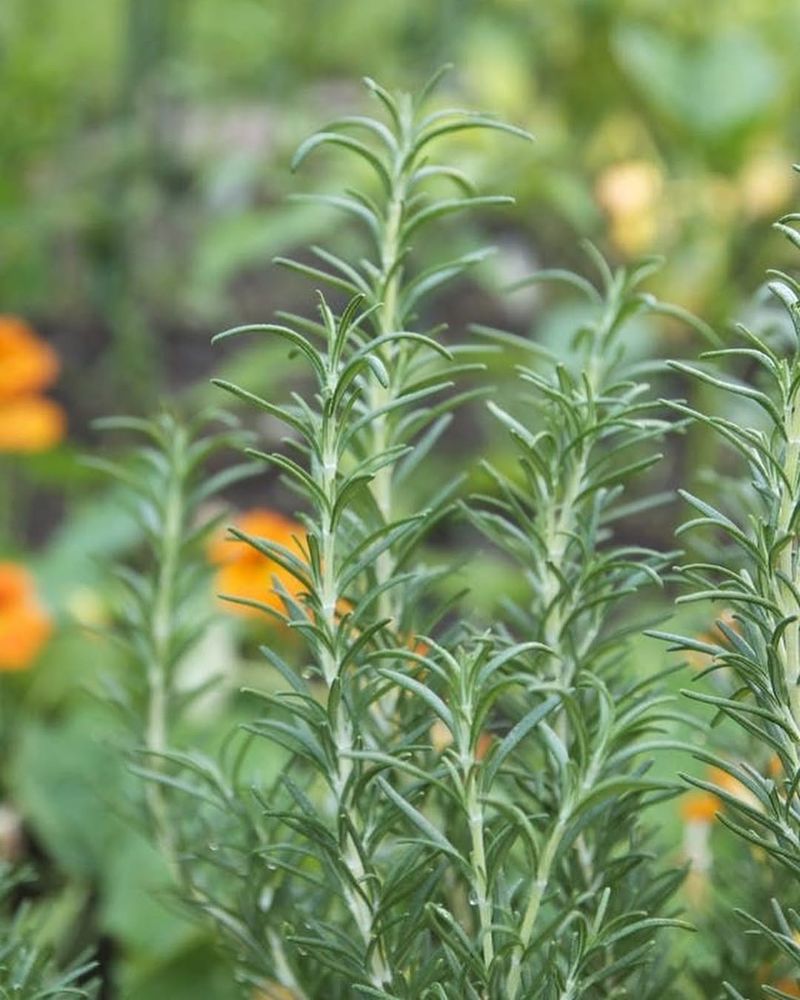
Few herbs can match rosemary’s resilience and adaptability, qualities that make it absolutely perfect for California’s diverse growing conditions and water-conscious gardening practices.
This evergreen perennial thrives in the state’s Mediterranean-like climate, handling hot summers and mild winters with remarkable ease while requiring very little water once established.
Rosemary’s woody stems and needle-like leaves aren’t just beautiful to look at—they’re also packed with intense flavor that elevates roasted vegetables, grilled meats, and homemade bread to restaurant-quality status.
Whether you live along the foggy coast, in the sunny valleys, or near the desert regions, rosemary adapts to various microclimates throughout California without demanding constant attention or special care.
After the first few months of regular watering to help roots establish, this hardy herb becomes remarkably drought-tolerant and can survive on rainfall alone in many areas.
The plant can grow quite large over time, sometimes reaching three to four feet tall and wide, creating a fragrant hedge or statement piece in your garden that looks attractive year-round.
Rosemary also produces delicate blue or purple flowers in late winter or early spring, attracting beneficial pollinators like bees to your garden space.
For beginners worried about keeping plants alive, rosemary offers the reassurance of being nearly indestructible, bouncing back from neglect and thriving with minimal intervention while providing fresh herbs whenever you need them.
3. Thyme
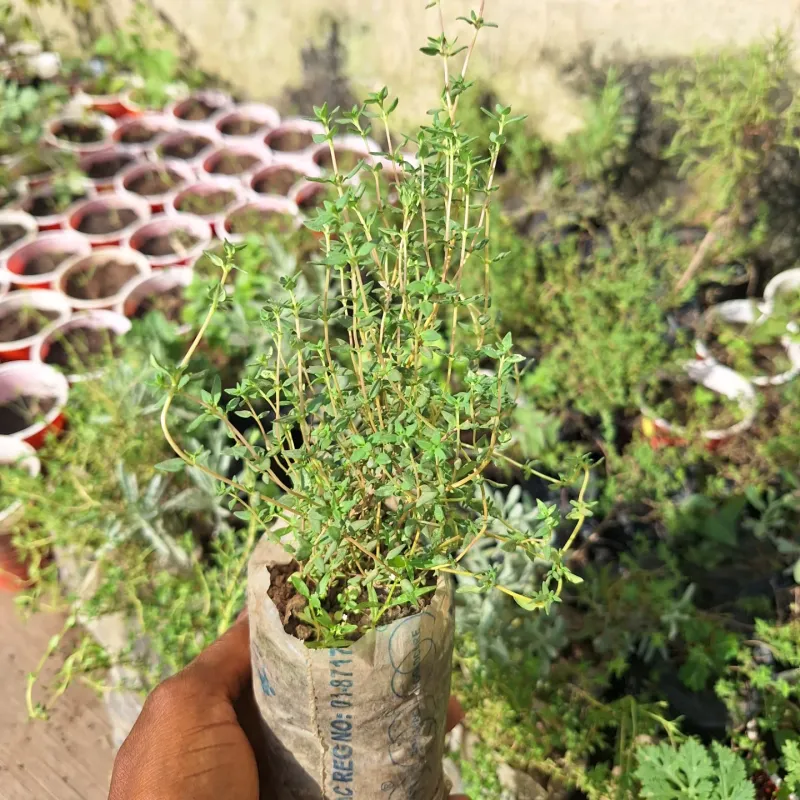
Imagine an herb so easygoing that it actually prefers being slightly neglected rather than pampered—that’s thyme in a nutshell, making it an absolute dream for beginner gardeners who might forget to water occasionally.
This low-growing perennial loves basking in full California sunshine and thrives in well-draining soil that dries out between waterings, which means you won’t need to fuss over it constantly or worry about overwatering.
Thyme’s tiny leaves pack an enormous punch of flavor that works beautifully in everything from roasted chicken to vegetable soups, and just a small pinch can transform an ordinary dish into something special.
The plant forms attractive mats of foliage that spread slowly across the ground, making it useful as an edible ground cover between stepping stones or along garden borders where it releases its wonderful fragrance when brushed against.
Thyme comes in numerous varieties including lemon thyme, creeping thyme, and common thyme, each offering slightly different flavors and growth habits to suit your taste preferences and garden design.
Once established, thyme requires almost no maintenance beyond occasional trimming to keep it looking tidy and to harvest the flavorful leaves for your kitchen.
During late spring and early summer, thyme produces masses of small pink, purple, or white flowers that attract butterflies and bees, adding another layer of beauty and ecological benefit to your garden.
For California gardeners concerned about water conservation, thyme represents an ideal choice that delivers maximum flavor with minimal resource input.
4. Mint (Grown In Containers)
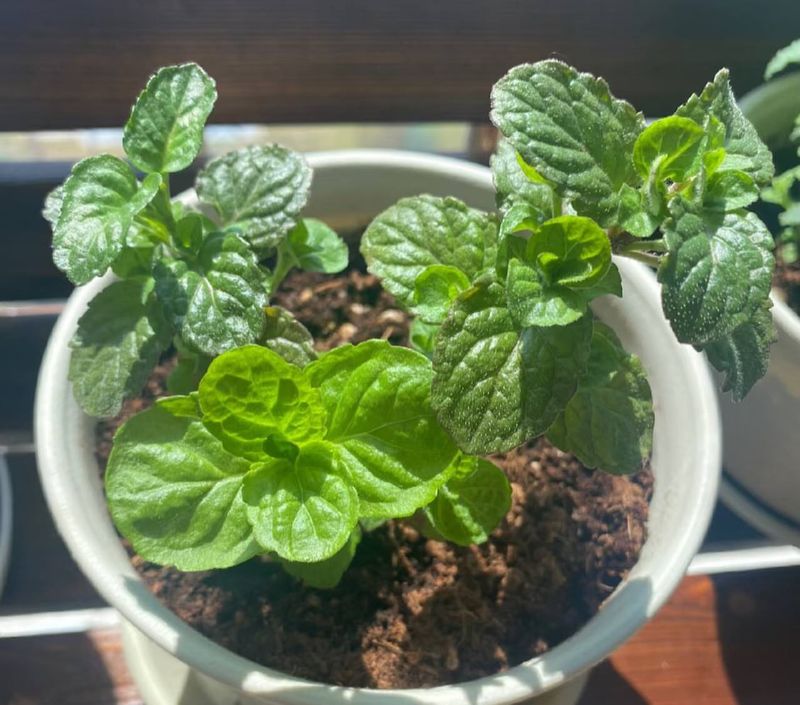
Mint grows with such enthusiasm and vigor that it can take over an entire garden bed in a single season if given the chance, which is why smart gardeners always plant this refreshing herb in containers to keep its ambitious roots under control.
This spreading tendency actually works in your favor as a beginner because it means mint is nearly impossible to harm—the plant wants to grow and will forgive almost any mistake you might make along the way.
Fresh mint leaves bring cooling, bright flavor to summer drinks, fruit salads, Middle Eastern dishes, and desserts, making it one of the most versatile herbs you can grow at home.
Choose a pot that’s at least twelve inches deep with drainage holes at the bottom, fill it with good quality potting soil, and place it in a spot that receives morning sun and afternoon shade for best results in California’s climate.
Mint appreciates consistent moisture and will reward you with lush, fragrant growth when you water regularly and harvest frequently to encourage new leaf production.
The plant comes in many delicious varieties including spearmint, peppermint, chocolate mint, and mojito mint, each offering unique flavor profiles that can inspire creative culinary experiments.
Container growing also makes it easy to move your mint around to find the perfect spot or to bring it closer to your kitchen door for convenient snipping during meal preparation.
Even if you’ve never grown anything before, mint in a pot offers an almost guaranteed success that will boost your confidence and inspire you to try more challenging plants.
5. Oregano
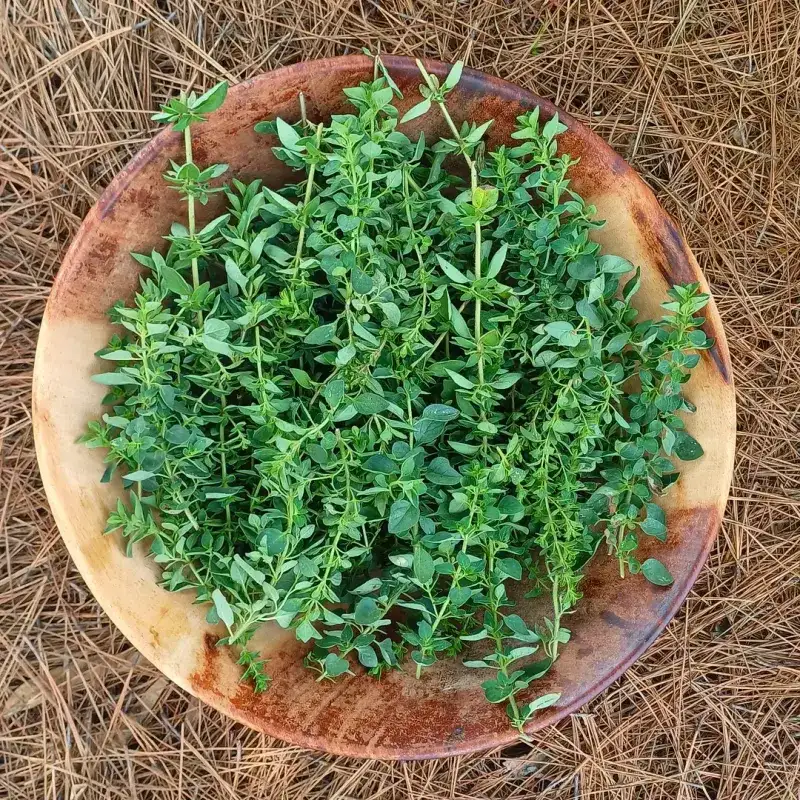
When you want robust, authentic Italian and Mediterranean flavors in your cooking without spending hours tending to finicky plants, oregano steps up as the reliable kitchen garden hero that practically grows itself.
This tough, heat-loving perennial thrives in California’s warm summer temperatures and actually develops stronger, more concentrated flavors when grown in hot, dry conditions with lean soil rather than rich, heavily fertilized ground.
Oregano’s small, fuzzy leaves contain powerful essential oils that intensify when dried, making this herb perfect for creating your own dried seasoning blends that far surpass anything you can buy at the grocery store.
The plant grows into a bushy mound that spreads steadily over time, eventually reaching about two feet wide and producing stems covered in aromatic foliage that you can harvest generously without harming the plant’s health or vigor.
Oregano asks for very little beyond occasional watering during extended dry periods and a sunny spot where it can soak up California’s abundant rays.
Once established in your garden, this hardy herb will return year after year, growing stronger and more productive with each passing season while requiring virtually no special attention or care.
In summer, oregano produces clusters of small purple or white flowers that bees absolutely adore, contributing to your garden’s ecosystem while adding a pretty touch to the practical herb bed.
For beginner gardeners who want maximum flavor payoff with minimum effort investment, oregano delivers reliable results that make every pizza night and pasta dinner taste like a vacation in Italy.
6. Chives
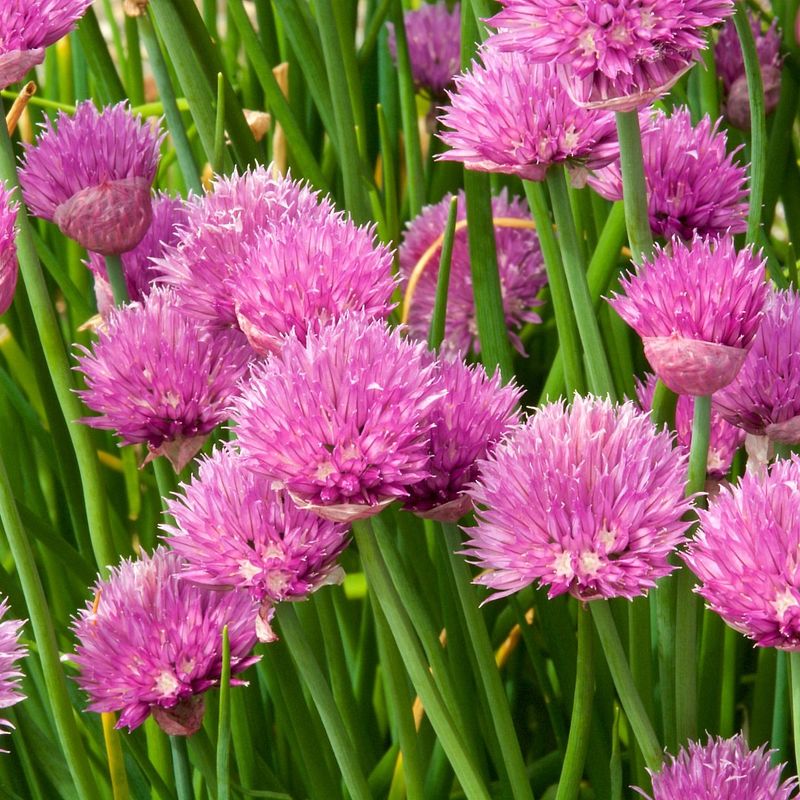
Chives bring a gentle onion flavor to dishes without the tears or hassle of dealing with full-size onions, and these slender, grass-like plants return faithfully year after year with almost zero maintenance required from even the most inexperienced gardener.
Unlike many herbs that struggle in cooler coastal California climates, chives actually appreciate the moderate temperatures found along the coast and in foggy areas, making them perfect for gardeners in San Francisco, Monterey, and other mild regions.
The hollow, tubular leaves grow in neat clumps that you can snip with scissors whenever you need a fresh garnish for baked potatoes, omelets, cream cheese, or salads.
Chives are perennials that go dormant during winter in some areas but quickly bounce back with vigorous new growth when spring arrives, often being one of the first herbs to emerge and provide fresh harvests.
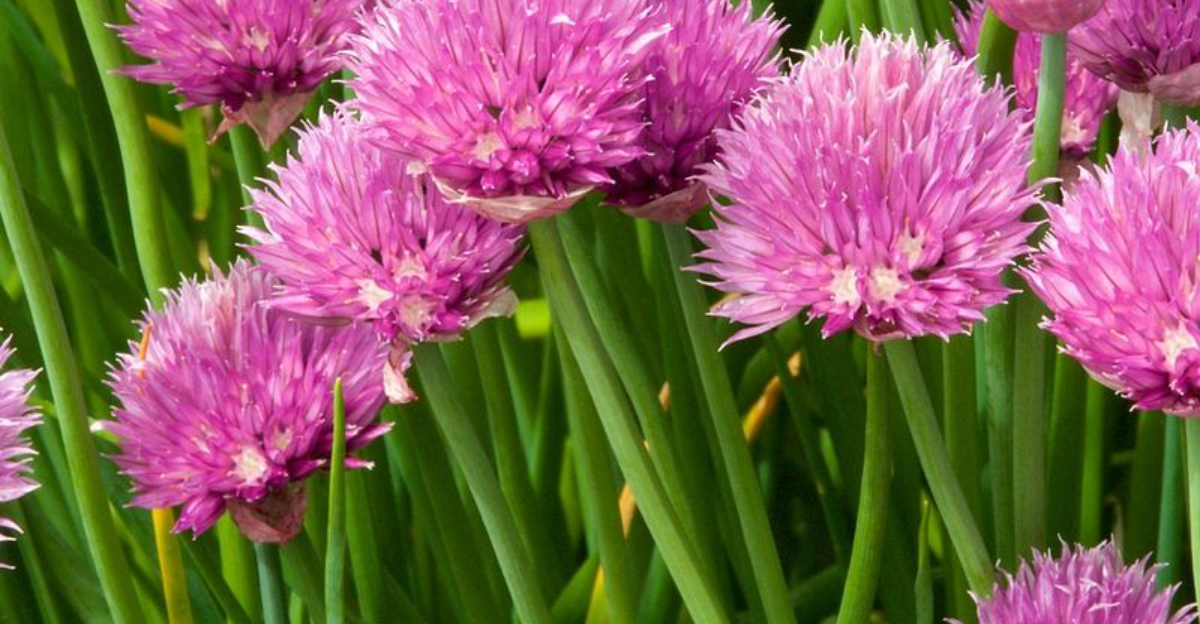
The plants also produce gorgeous purple pom-pom flowers in late spring that are not only beautiful but also completely edible, adding a mild onion flavor and stunning color to salads and appetizer platters.
These cheerful blooms attract beneficial insects and pollinators to your garden, creating a healthier growing environment for all your plants.
Because chives multiply by forming new bulbs underground, established clumps can be divided every few years to create more plants that you can spread throughout your garden or share with friends and neighbors.
For California beginners seeking a truly set-it-and-forget-it herb that delivers consistent results without demanding constant attention, chives offer the perfect combination of reliability, beauty, and culinary usefulness.
7. Cilantro
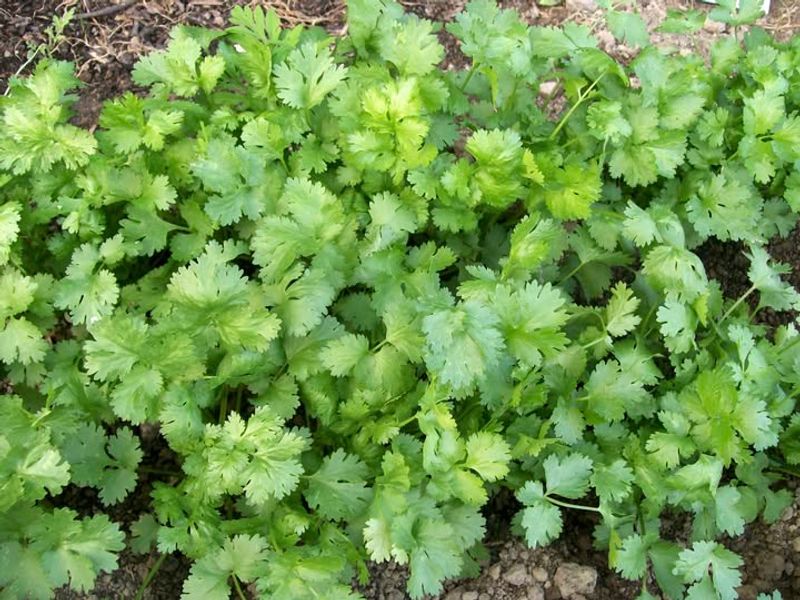
Cilantro marches to the beat of its own drum compared to other herbs, preferring California’s cooler fall, winter, and early spring months rather than the blazing summer heat that makes most herbs thrive.
This temperature preference actually works perfectly for beginner gardeners because it provides fresh harvests during seasons when fewer things are actively growing in the garden, extending your homegrown herb supply throughout the entire year.
Fresh cilantro leaves bring bright, citrusy notes to Mexican salsas, Asian stir-fries, Indian curries, and countless other dishes that would taste flat and boring without this distinctive herb.
The secret to keeping cilantro producing for months instead of weeks lies in succession planting, which simply means sowing new seeds every two to three weeks so you always have young, tender plants ready to harvest as older ones finish their cycle.
Cilantro grows quickly from seed, often sprouting within a week and reaching harvestable size in just three to four weeks under ideal conditions.
Plant it in a spot that receives morning sun and afternoon shade, especially if you’re growing during warmer transitional months when temperatures can still climb unexpectedly.
When cilantro eventually sends up a tall flower stalk, don’t be disappointed—those flowers will turn into coriander seeds that you can harvest and use as another delicious spice in your cooking adventures.
For California gardeners who love fresh, authentic flavors in their meals, cilantro offers an easy way to elevate your dishes while learning important gardening techniques like succession planting that will serve you well with many other crops.