Easy Valentines Gardening Gifts North Carolina Gardeners Can Make At Home
Valentine’s Day doesn’t have to mean crowded stores and generic gifts. For gardeners in North Carolina, the backyard is full of possibilities.
With a little creativity, you can turn seeds, plants, or even small garden projects into thoughtful gifts that feel personal and meaningful.
Imagine giving a loved one a tiny potted bloom that continues to grow long after the holiday, or a handmade seed kit that lets them start their own little garden. These gifts aren’t just charming, they’re alive, practical, and made with care.
Even simple touches like decorating pots or grouping plants creatively can transform ordinary garden items into something memorable.
Gardening gifts like these show thoughtfulness in a way store-bought presents rarely can. This Valentine’s, you can share a little of your garden’s magic and create gifts that keep giving all season long.
1. Potted Winter-Hardy Herb Containers
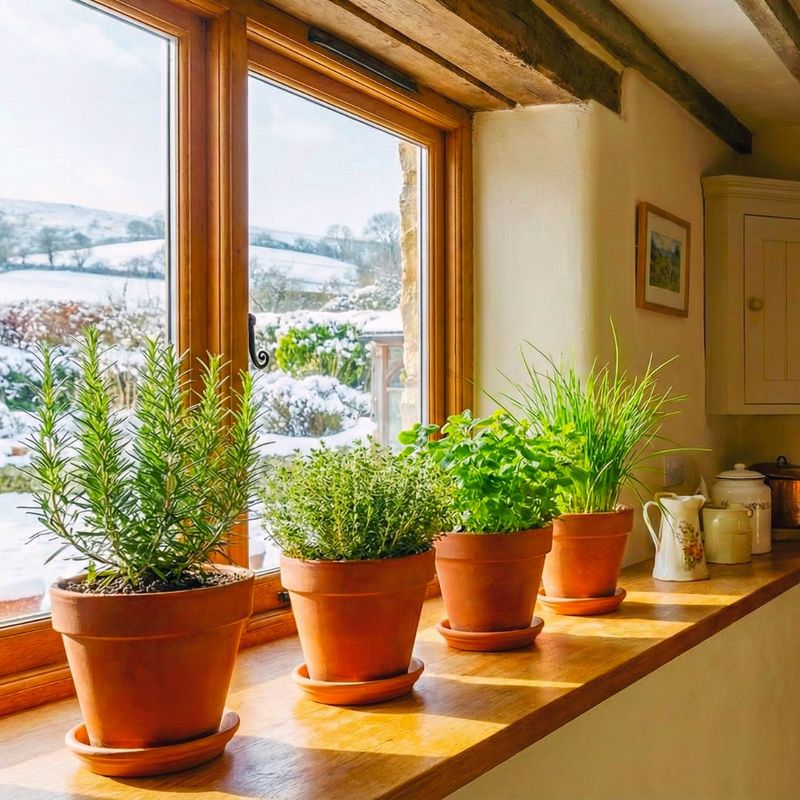
Rosemary sprigs releasing their piney fragrance into the winter air make hearts flutter just as much as roses.
Creating herb containers for Valentine’s Day combines culinary delight with garden practicality, especially when you choose varieties that can weather North Carolina’s cooler months.
Rosemary, thyme, and chives all tolerate temperatures that dip into the thirties and lower, making them perfect candidates for outdoor living once spring arrives.
Start by selecting charming ceramic or terracotta pots with drainage holes, then add a layer of small stones at the bottom. Fill with quality potting mix designed for herbs, which provides excellent drainage these Mediterranean plants crave.
Plant your herb starts, ensuring the root ball sits level with the soil surface, and water thoroughly. Personalize each container with painted hearts, ribbon accents, or hand-lettered labels identifying the herb variety.
Include care instructions on decorative cards, noting that recipients can keep these indoors near sunny windows until outdoor temperatures stabilize.
Add a favorite recipe that features the herb you’ve chosen, creating a complete culinary garden experience.
These living gifts continue giving long after Valentine’s Day passes. Your recipient can snip fresh herbs for cooking throughout late winter and early spring, then transplant the entire container outdoors when warmer weather arrives for good.
2. Native Wildflower Seed Starter Jars
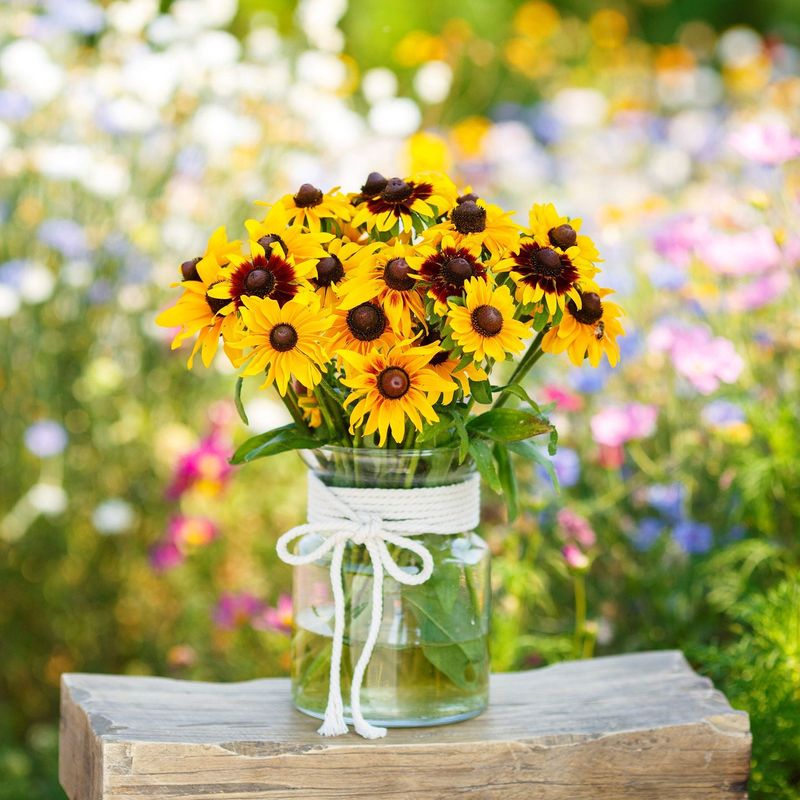
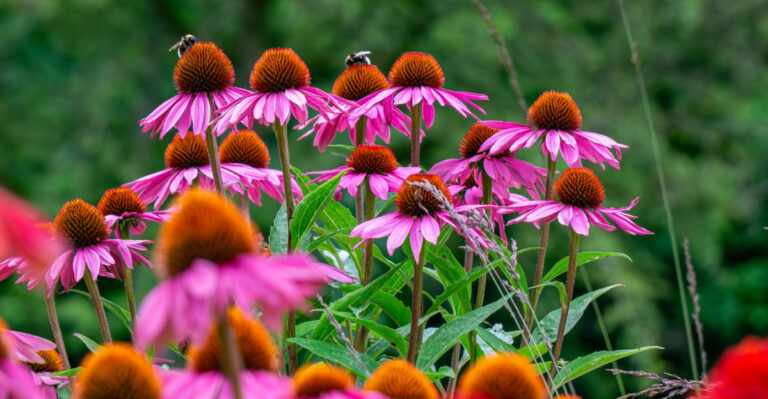
Picture golden black-eyed Susans and purple coneflowers dancing in summer breezes, all starting from a charming jar you assembled with your own hands.
Native wildflower seed jars make exceptional Valentine’s gifts because they promise future beauty while supporting local ecosystems.
North Carolina’s native plants have evolved alongside regional pollinators, creating partnerships that benefit butterflies, bees, and birds throughout the growing season.
Layer different colored sands or soil in clear mason jars to create visual interest, then add seed packets for species like black-eyed Susan, purple coneflower, butterfly weed, or Carolina lupine.
Attach planting instructions with twine or decorative string, noting the best planting times for North Carolina gardens.
Include information about each flower’s bloom time and pollinator benefits, helping recipients understand the ecological value of their gift. Consider adding small gardening tools like plant markers or a miniature trowel tied to the jar with raffia.
You might also include a packet of beneficial mycorrhizal fungi to help seedlings establish strong root systems. These additions transform a simple seed jar into a complete garden starter experience.
Native wildflowers require minimal maintenance once established, making them perfect for both experienced gardeners and beginners. They’re drought-tolerant, pest-resistant, and perfectly adapted to North Carolina’s climate zones.
3. Succulent Propagation Sets
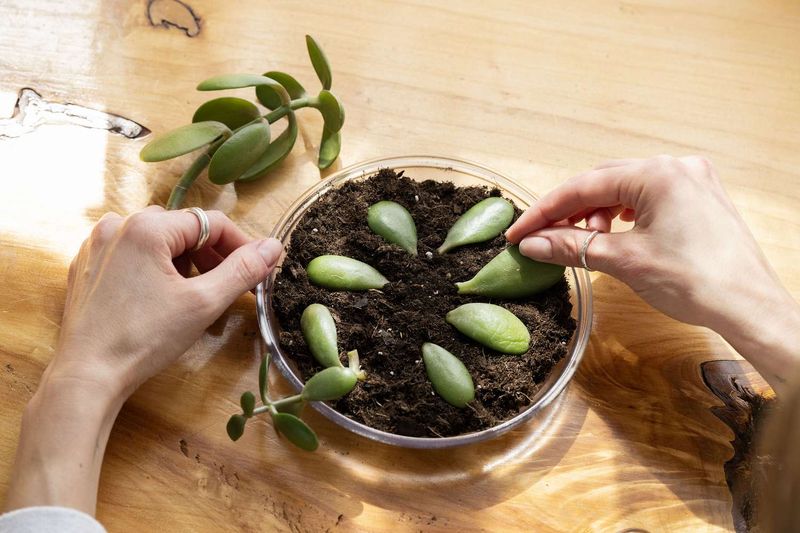
Succulents possess an almost magical ability to create new plants from single leaves or stem cuttings, making them perfect subjects for handcrafted Valentine’s gifts.
Their plump, water-storing leaves come in shades ranging from seafoam green to dusty purple, offering visual variety that rivals any flower bouquet.
While North Carolina winters keep most succulents indoors, they transition beautifully to patios and porches once temperatures reliably stay above fifty degrees.
Begin your propagation project several weeks before Valentine’s Day to allow cuttings time to develop roots. Gently twist leaves from healthy mother plants or snip stem sections using clean scissors.
Let cuttings dry for a day or two until the cut surface calluses over, preventing rot when planted.
Arrange your rooted cuttings in small terracotta pots, decorative teacups, or wooden boxes filled with cactus soil mix. Group varieties with similar care requirements together, or create single-variety pots for a cohesive look.
Add decorative elements like polished stones, miniature figurines, or colored sand to enhance visual appeal.
Include care cards explaining that succulents prefer bright indirect light and infrequent watering, making them ideal for busy people. Mention that these plants can move outdoors during North Carolina’s warm months, where they’ll grow vigorously in partial shade.
4. Indoor Seed-Starting Kits
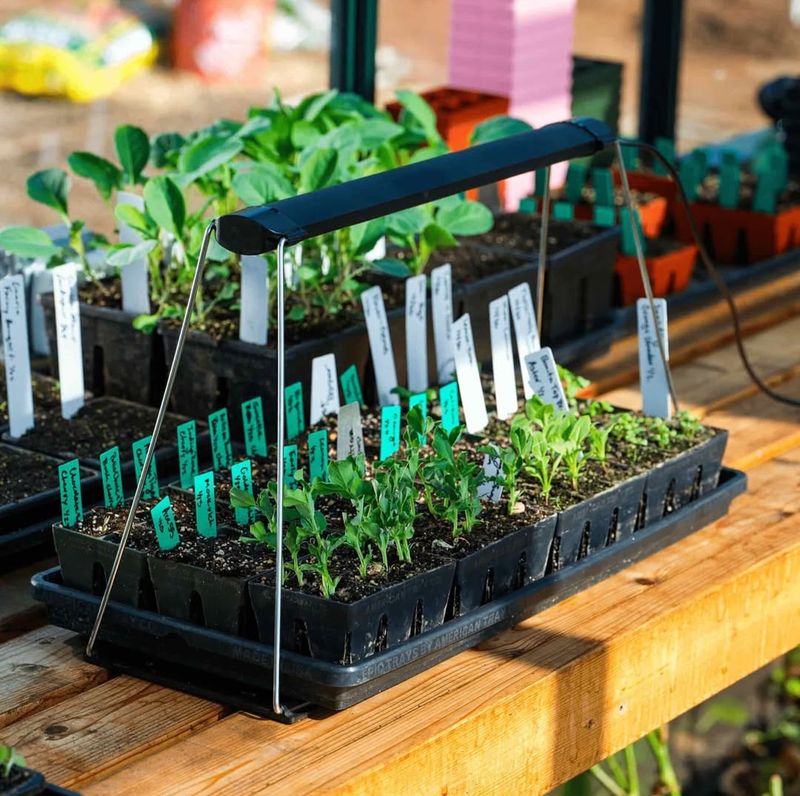
Nothing says “I love you” quite like helping someone get a head start on tomato season. Seed-starting kits assembled at home provide everything needed to germinate vegetables, flowers, and herbs weeks before North Carolina’s last frost dates.
These practical gifts acknowledge that serious gardeners begin planning their outdoor spaces while snow still dusts the mountains and coastal temperatures hover in the forties.
Gather biodegradable peat pots or paper pot makers, quality seed-starting mix, seed packets appropriate for your region, and plastic humidity domes or clear plastic wrap.
Arrange everything in a decorative basket or wooden crate, adding plant labels and a permanent marker for tracking varieties.
Include a planting calendar specific to North Carolina’s hardiness zones, noting optimal starting times for popular vegetables like tomatoes, peppers, and squash.
Consider adding a small heat mat to encourage faster germination, especially for warmth-loving plants like basil and peppers. Attach instructions explaining proper lighting requirements and watering techniques for seedlings.
Your recipient will appreciate guidance on hardening off transplants before moving them to outdoor gardens.
Package heirloom or specialty seed varieties that aren’t commonly available at garden centers, making your gift even more special.
Cherokee Purple tomatoes, Carolina Gold rice beans, or Moon and Stars watermelons connect recipients to North Carolina’s agricultural heritage.
5. Mason Jar Terrarium Planters
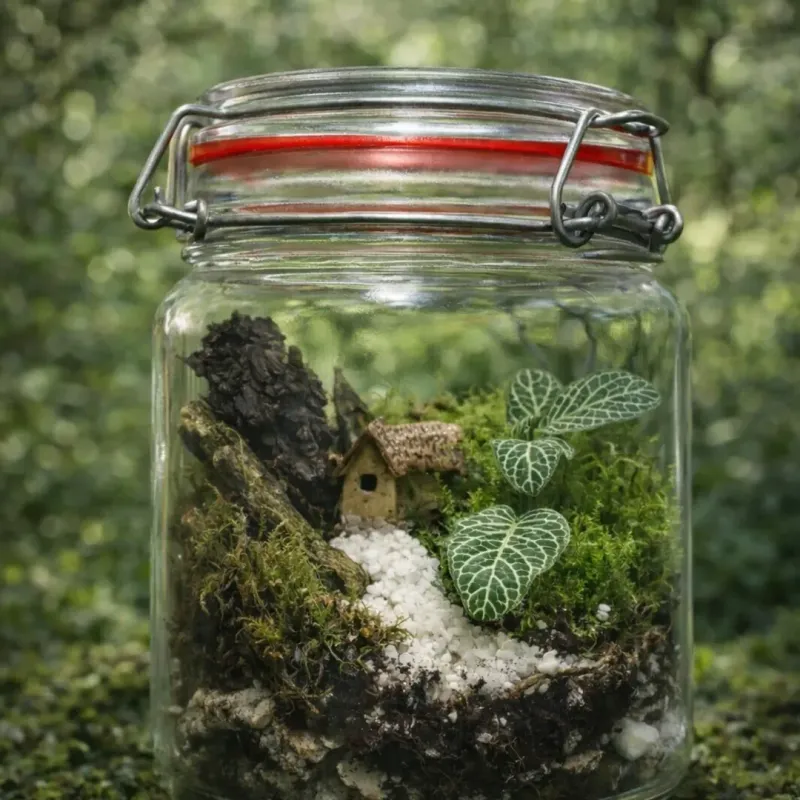
Terrariums capture entire miniature worlds within glass walls, creating self-sustaining ecosystems that require remarkably little attention.
These enclosed or partially open gardens thrive indoors during winter months, bringing living greenery to spaces where outdoor gardening remains weeks away.
Moss, ferns, and humidity-loving plants flourish in these protected environments, offering year-round beauty regardless of weather conditions outside.
Select wide-mouth mason jars or other clear glass containers with interesting shapes. Layer small pebbles at the bottom for drainage, add activated charcoal to prevent odors, then top with potting soil suitable for terrarium plants.
Choose small specimens like sheet moss, baby tears, miniature ferns, or fittonias that won’t quickly outgrow their space.
Arrange plants using long tweezers or chopsticks to position them precisely within the narrow jar opening. Add decorative elements like small stones, pieces of driftwood, or tiny figurines to create scenes that reflect the recipient’s personality.
Mist lightly with water and seal with a lid for closed terrariums, or leave open for plants preferring lower humidity.
Attach care instructions noting that closed terrariums need watering only when condensation disappears from the glass.
Open terrariums require slightly more frequent moisture checks. These living art pieces bring nature indoors while requiring minimal maintenance.
6. Pollinator Garden Starter Pots
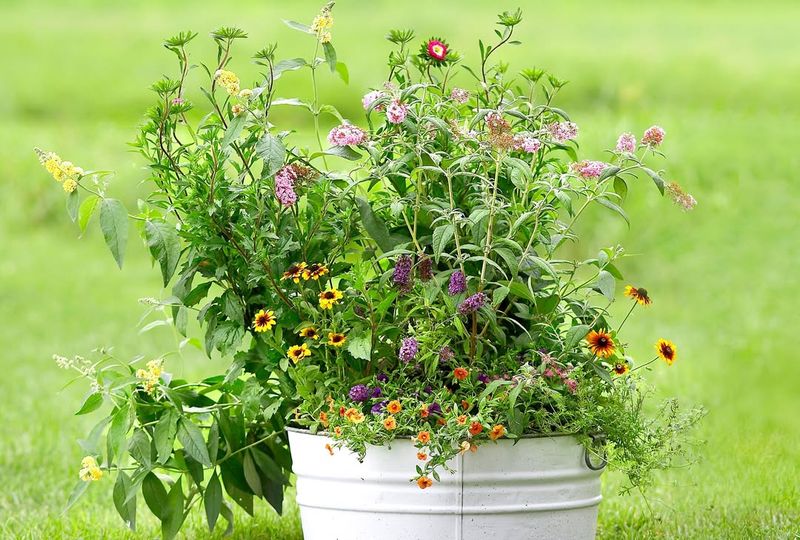
Butterflies, bees, and hummingbirds transform gardens into living theaters of natural beauty, and your Valentine’s gift can help create habitat for these essential creatures.
Pollinator garden starter pots planted with species like milkweed, bee balm, or coreopsis provide recipients with transplant-ready plants come spring planting season.
North Carolina’s diverse ecosystems support hundreds of native pollinator species, all seeking nectar sources and host plants for their life cycles.
Choose four-inch or larger pots and plant varieties appropriate for your specific region within North Carolina. Coastal gardeners might select swamp milkweed and saltmarsh mallow, while mountain residents could opt for butterfly weed and mountain mint.
Research which milkweed species naturally occur in your area, as monarchs depend on region-appropriate varieties for successful breeding.
Label each pot clearly with both common and scientific names, bloom times, and the specific pollinators each plant attracts. Include information about planting locations, noting that most pollinator plants prefer full sun and well-draining soil.
Add colorful stakes featuring images of the butterflies or bees likely to visit these flowers.
Package pots together in a decorative container with educational materials about pollinator conservation. Your thoughtful gift supports both the recipient’s garden and the broader ecosystem, creating beauty while addressing environmental concerns.
7. Personalized Plant Marker Sets
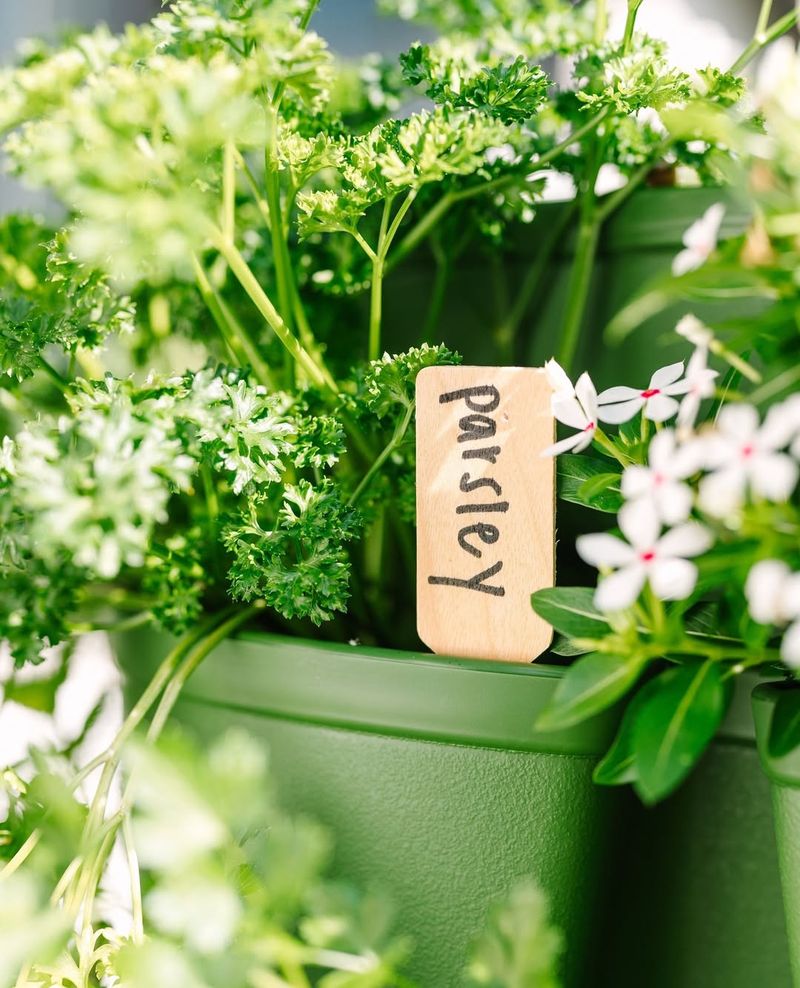
Organization transforms chaotic garden spaces into orderly growing areas where every plant has its proper place and name.
Handcrafted plant markers serve both practical and decorative purposes, helping gardeners track varieties while adding artisanal charm to beds and containers.
These durable markers withstand North Carolina’s humid summers and occasional freezing winters, providing years of reliable service.
Gather materials like wooden spoons, flat river stones, slate pieces, or wooden craft sticks. Paint them with weather-resistant acrylic paints or use permanent markers to write plant names.
Seal wooden markers with clear polyurethane to protect against moisture and fading. Get creative with designs, adding hearts, flowers, or decorative borders that reflect Valentine’s theme.
Consider using wood-burning tools to etch plant names permanently into wooden markers, creating professional-looking results that won’t wash away.
Slate markers offer elegant sophistication when written on with paint pens, and their natural gray color complements any garden aesthetic. Copper or aluminum strips stamped with plant names provide another weather-resistant option.
Package your marker set in a decorative box or tin, including a few blank markers and a weather-resistant pen for future additions.
Add a reference guide listing common herbs, vegetables, and flowers grown in North Carolina gardens, helping recipients label their entire growing space.
8. Compost Starter Bin Kits
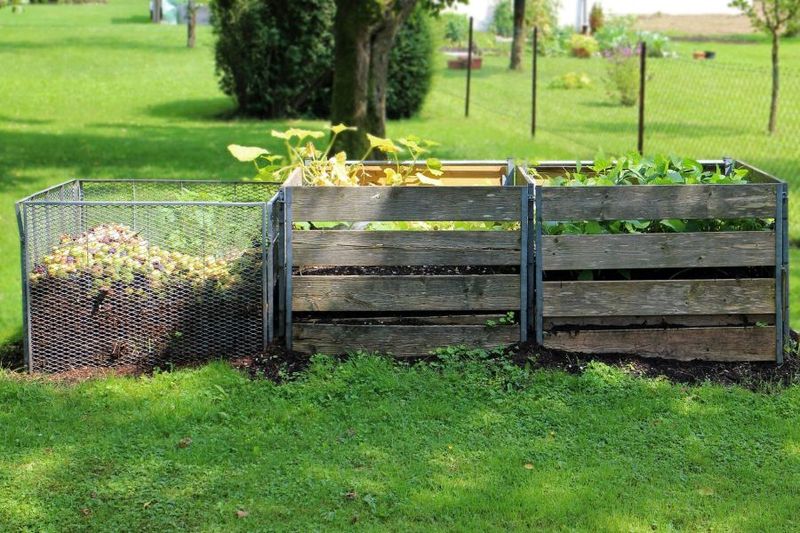
Transforming kitchen scraps into nutrient-rich soil amendments represents the ultimate form of garden magic.
Compost starter kits introduce sustainable practices that reduce waste while improving soil health, making them meaningful gifts for environmentally conscious gardeners.
North Carolina’s moderate climate supports active composting year-round, with decomposition slowing only slightly during winter months.
Select a compact countertop compost container with a tight-fitting lid and charcoal filter to control odors. Include compostable bags, a small aerating tool, and detailed instructions explaining what materials can and cannot be composted.
Add a packet of compost accelerator to speed decomposition, along with a thermometer for monitoring pile temperature in outdoor bins.
For more adventurous recipients, consider assembling a small worm composting starter kit. Include bedding material, red wiggler worms, and instructions for maintaining a healthy worm bin.
Vermicomposting works exceptionally well in apartments or homes without yard space, producing rich castings perfect for container gardens.
Create an attractive information booklet explaining composting basics, troubleshooting common problems, and describing how finished compost improves garden soil. Include a collection bag for transferring kitchen scraps to outdoor compost piles.
Your gift promotes sustainable gardening while helping recipients create the black gold that makes plants thrive.
9. Propagated Houseplant Cuttings
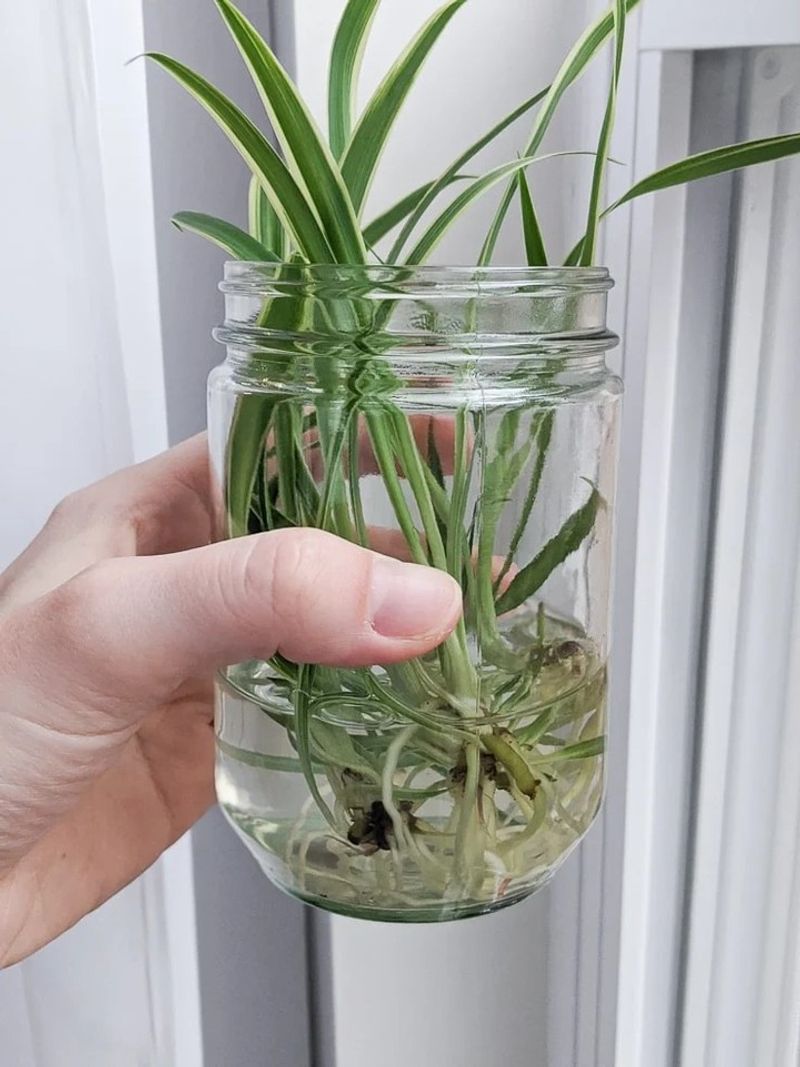
Sharing plant cuttings represents one of gardening’s oldest traditions, passing living pieces of beloved specimens from one grower to another.
Pothos, philodendron, spider plant, and snake plant all propagate readily from cuttings or divisions, creating new plants that carry genetic connections to their parent specimens.
These low-maintenance houseplants thrive in North Carolina’s indoor winter conditions, tolerating the dry air produced by heating systems.
Take cuttings from healthy, vigorous plants several weeks before Valentine’s Day, allowing time for substantial root development. Pothos and philodendron root easily in water, displaying their growing roots through clear glass containers.
Snake plants propagate from leaf cuttings placed in moist soil, while spider plants produce ready-made plantlets on long stems.
Pot your rooted cuttings in attractive containers with proper drainage, using quality potting mix appropriate for each species.
Decorate pots with paint, fabric wraps, or decorative sleeves that complement your Valentine’s theme. Attach care cards explaining light requirements, watering frequency, and fertilizing schedules.
Include the story behind each plant if possible, explaining where your original specimen came from or how long you’ve grown it. These personal connections make gifts more meaningful, creating living links between giver and recipient.
Houseplants improve indoor air quality while adding natural beauty to any space.