Easy Ways To Change Hydrangea Colors In Virginia Soil
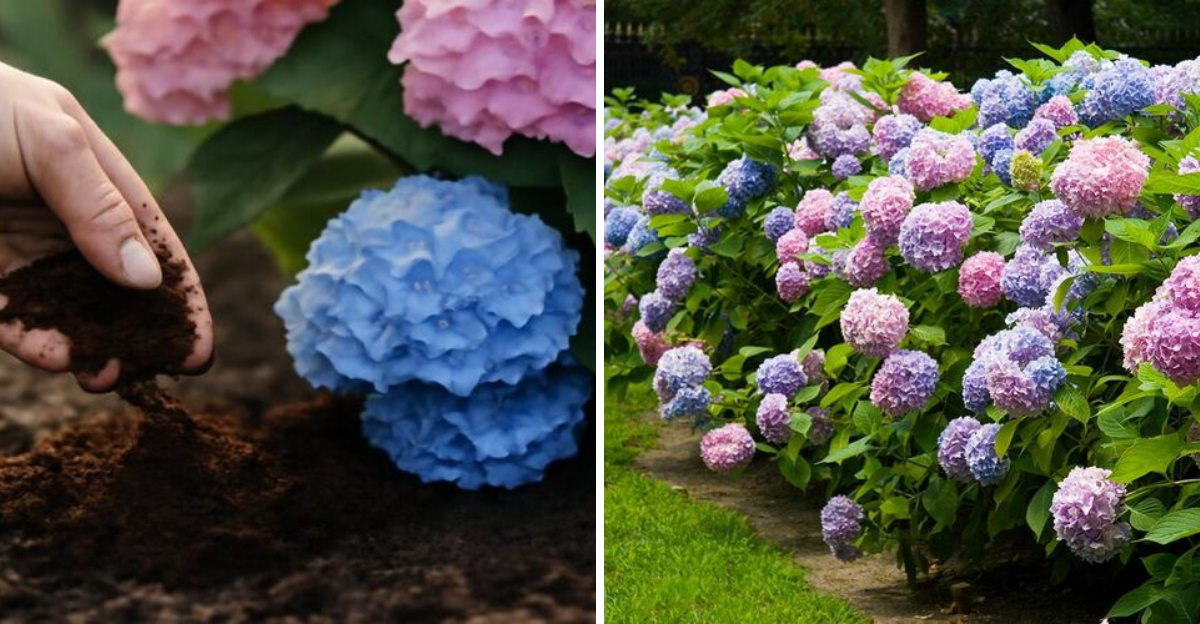
Hydrangeas are some of the most stunning flowers you can grow in your yard, and the best part is that you can actually change their color. Yes, you read that right!
Depending on the soil chemistry in your garden, these beautiful blooms can shift from pink to blue or even purple.
If you’re growing hydrangeas in Virginia, where the soil and climate offer some great gardening opportunities, you’re in the perfect spot to experiment with color-changing techniques.
Virginia gardeners have a real advantage because the state’s varied soil types make it easier to adjust pH levels and nutrient content.
This is where your garden starts playing with color.
Hydrangeas are not fixed. They respond, shift, and surprise you depending on what is happening beneath the soil.
Once you learn how pH quietly controls those shades, you stop accepting whatever blooms show up and start creating the look yourself.
It is less about rules, more about influence. A small tweak here, a different amendment there, and suddenly the same plant tells a completely different story.
1. Understand Which Hydrangeas Can Change Color
Nevada gardens don’t need more water, they need smarter plants. The right groundcover rewrites everything.
Instead of staring at bare soil, patchy areas, and weeds that seem to come back no matter what you do, you get a living layer that fills space, softens the landscape, and helps your garden feel intentional.
That is what makes groundcovers such a smart choice in Nevada. The climate is tough.
Heat is intense, rainfall is limited, and the soil can be challenging, especially in spots that dry out fast or bake in full sun. Not every plant can handle those conditions, but the right groundcovers are built for it.
Once established, many of them spread steadily, hold their own in harsh weather, and make it much harder for weeds to take over.
They also do more than block unwanted growth. Groundcovers can reduce erosion, protect the soil from drying out too quickly, and tie the whole garden together visually.
Some stay neat and subtle, while others bring color, texture, and seasonal interest that make the space feel more alive.
These nine easy groundcovers are tough enough for Nevada’s climate and useful enough to earn their place in almost any yard.
Some thrive in blazing sun, others handle rocky soil, and all of them help create a fuller, cleaner-looking garden with less weeding and less maintenance over time.
If you want a landscape that works harder and looks better without constant effort, this is a very good place to start.
2. Test Your Soil PH Before Doing Anything Else
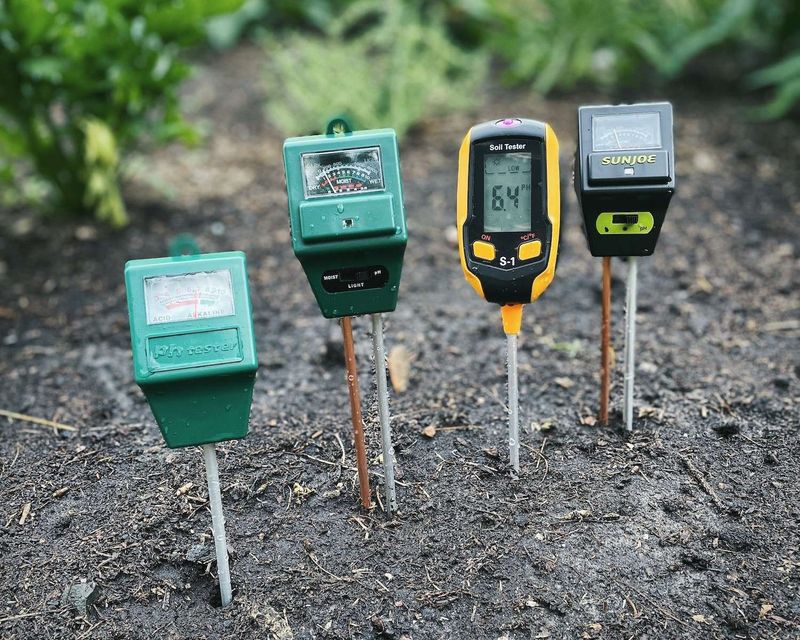
Skipping a soil test is like cooking without tasting your food first. Before you add any amendments to your garden, you need to know exactly where your soil stands.
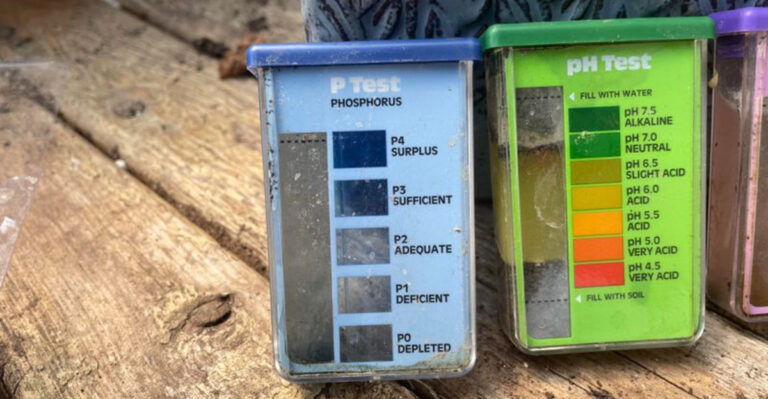
Soil pH is measured on a scale from 0 to 14, with 7 being neutral. For blue hydrangeas, you want a pH between 5.5 and 6.0.
For pink blooms, aim for 6.0 to 6.5 or higher.
Soil test kits are affordable and easy to find at garden centers or online. You can also send a sample to your local Virginia Cooperative Extension office for a more detailed analysis.
They can tell you not just the pH but also the nutrient levels in your soil, which helps you make smarter decisions.
Testing first saves you time, money, and frustration. If you add lime to raise pH but your soil is already too alkaline, you could accidentally stress your plants.
A quick test takes about ten minutes and gives you a clear starting point for whatever color transformation you have planned for your garden.
3. Lower Soil PH To Get Blue Hydrangea Blooms
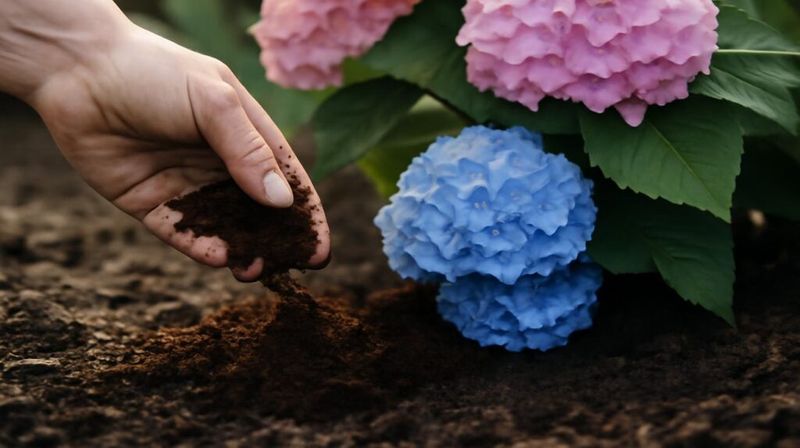
Blue hydrangeas are absolutely breathtaking, and getting them requires making your soil more acidic. The goal is to drop the pH below 6.0 so that aluminum becomes available to the plant roots.
Aluminum is naturally present in most soils, but it only dissolves and becomes usable when the soil is acidic enough.
One of the most effective ways to acidify soil is by adding elemental sulfur. Worked into the soil a few months before planting or during the growing season, sulfur slowly lowers pH over time.
Coffee grounds, pine needle mulch, and acidic fertilizers are also helpful additions that boost acidity gradually.
Another popular method is applying aluminum sulfate directly to the soil around your plants. This works faster than elemental sulfur because it delivers aluminum and lowers pH at the same time.
Be careful not to overdo it though, because too much aluminum sulfate can damage roots. Always follow package directions and retest your soil every few weeks to track your progress and avoid going too far in the acidic direction.
4. Raise Soil PH To Encourage Pink Or Red Flowers
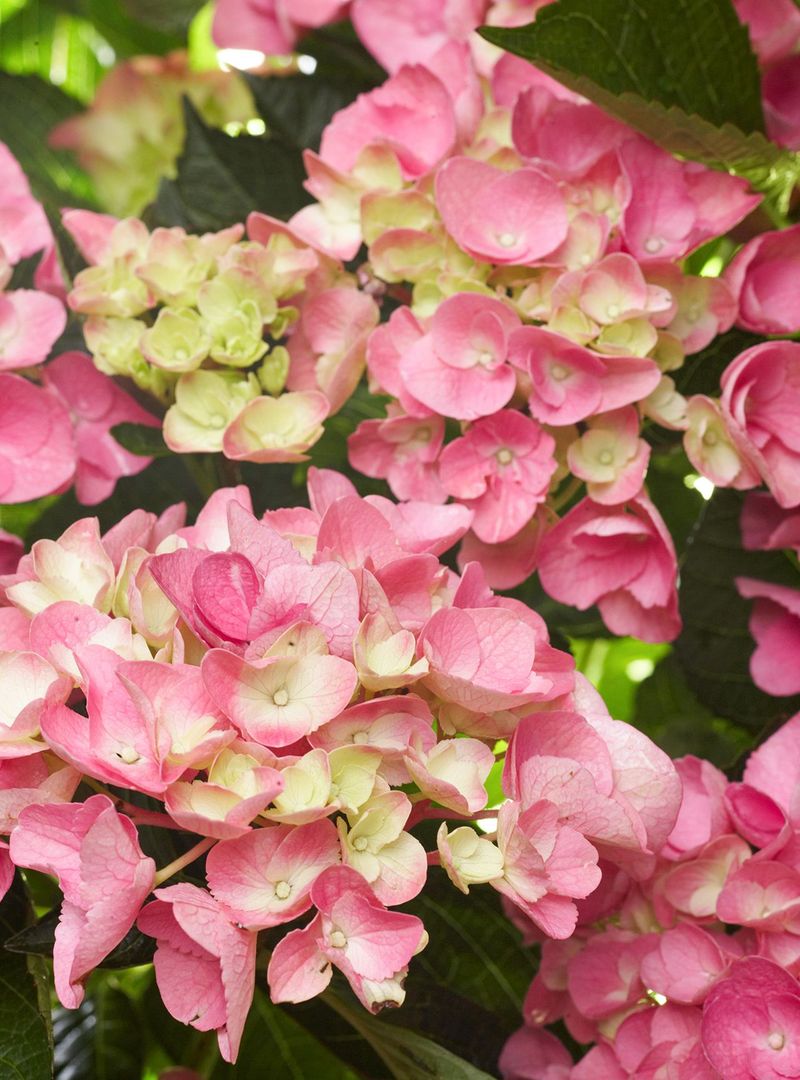
Pink hydrangeas have a warm, romantic charm that looks stunning in any garden. To nudge your blooms toward pink, you need to raise your soil pH above 6.0, which blocks the plant from absorbing aluminum.
Without aluminum uptake, the flower pigment stays in its natural pink or red state.
Garden lime, also called dolomitic lime or agricultural lime, is the go-to product for raising soil pH. Sprinkle it around the base of your hydrangeas and water it in well.
Results do not happen overnight, so patience is key. It can take several weeks or even a full growing season before you notice a real shift in flower color.
Wood ash is another natural option that raises pH while also adding potassium to the soil. Baking soda mixed with water has been used by some gardeners as a quick fix, though it is not a long-term solution.
The most reliable approach is to test your soil, apply lime in the recommended amount, and retest after four to six weeks to see how much progress you have made toward those gorgeous pink petals.
5. Feed Your Hydrangeas The Right Fertilizer
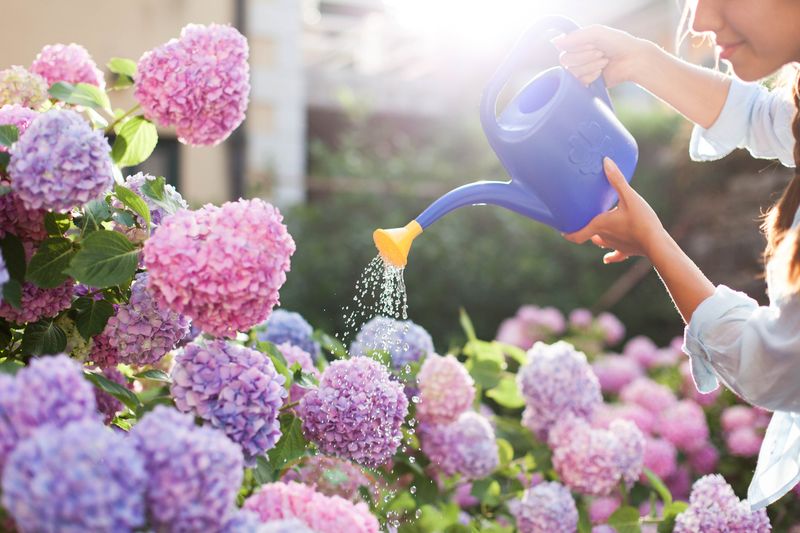
Fertilizer does more than just feed your plants. The type you choose can actually influence hydrangea flower color in a meaningful way.
High-phosphorus fertilizers, for example, can block aluminum absorption, which pushes flowers toward pink. Low-phosphorus, high-potassium fertilizers tend to support blue coloring when combined with acidic soil conditions.
Look at the three numbers on any fertilizer bag, which represent nitrogen, phosphorus, and potassium. For blue hydrangeas, choose a formula with a low middle number.
For pink hydrangeas, a balanced or high-phosphorus formula works better. Reading fertilizer labels carefully can make a surprisingly big difference in your results.
Avoid over-fertilizing, especially with nitrogen-heavy products, because too much nitrogen encourages leafy growth at the expense of blooms.
Hydrangeas in Virginia generally benefit from two to three fertilizer applications per year, once in early spring, once in early summer, and optionally once in late summer.
Using a slow-release granular fertilizer is a smart choice because it feeds plants steadily without causing nutrient spikes that can stress the root system or alter color unpredictably.
6. Be Patient Because Color Changes Take Time
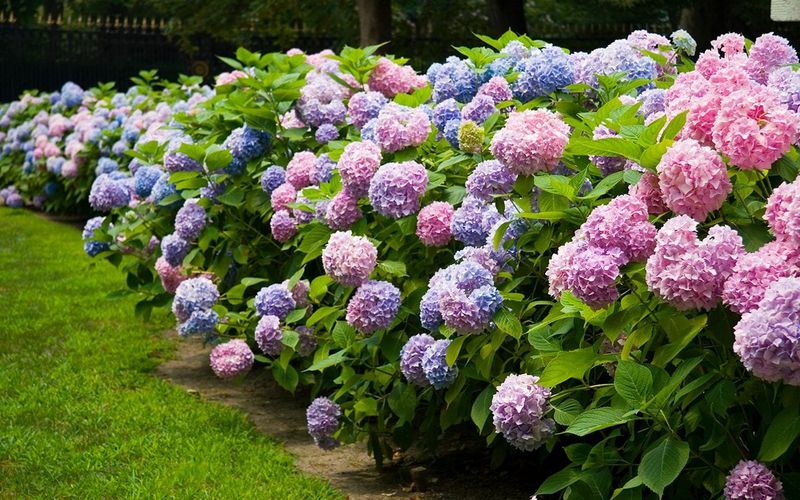
Changing hydrangea flower color is not an instant process, and expecting quick results will only lead to disappointment. Most soil amendments take weeks or even months to fully affect the pH and aluminum availability around your plant roots.
Color shifts often do not appear until the next blooming season, so it is important to start your soil prep early.
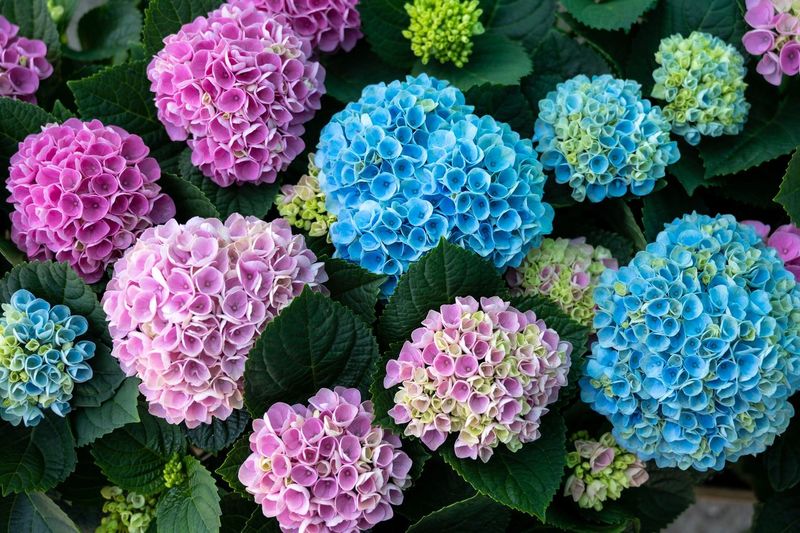
Some hydrangeas produce flowers in a mix of pink and blue during the transition period, which actually looks quite beautiful on its own. These blended, two-toned blooms are a natural sign that the soil chemistry is shifting in the right direction.
Do not panic if your flowers look inconsistent during the first season of treatment.
Consistency is everything when it comes to this process. Retest your soil every few weeks and make small adjustments rather than dumping large amounts of amendments all at once.
Gradual changes are safer for the plant and more effective in the long run. Keep a simple garden journal to track what you applied, when you applied it, and what changes you noticed, so you can refine your approach each season for better and more predictable results.
7. Maintain Your Soil For Long-Lasting Color Results
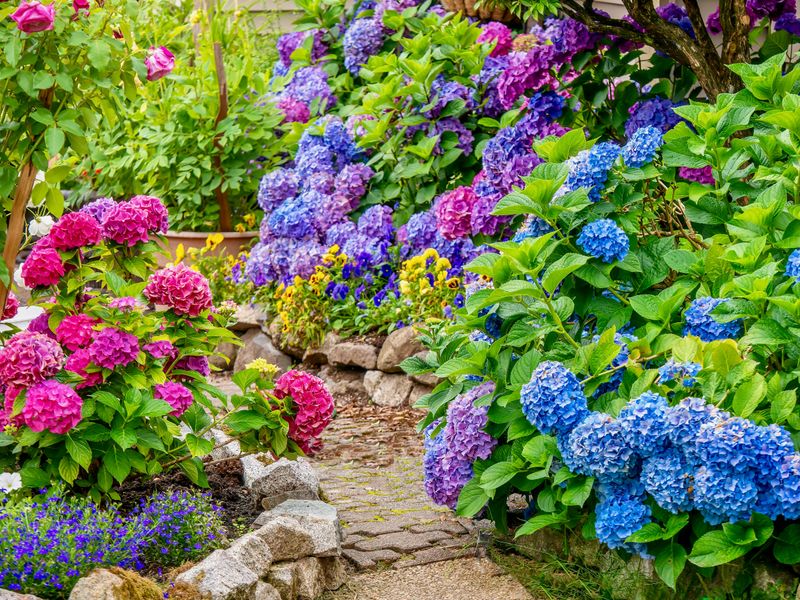
Getting the color you want is exciting, but keeping it is the real challenge. Soil pH naturally drifts back toward its original level over time, especially after heavy rain or regular watering.
Virginia’s rainfall patterns can wash away amendments faster than you might expect, so ongoing maintenance is a must.
Mulching around your hydrangeas with pine bark or pine needles helps lock in moisture, regulate soil temperature, and slowly acidify the soil as the mulch breaks down.
It is one of the easiest and most natural ways to maintain a lower pH without constant reapplication of chemical amendments.
Plan to retest your soil at least once or twice a year and make small corrective adjustments as needed. Consistent care keeps your hydrangeas healthy and your chosen flower color looking vibrant season after season.
Also, remember that water source matters too. Tap water in some Virginia areas is treated and can be slightly alkaline, which may slowly shift your soil pH over time.
Using rainwater or filtered water for irrigation can help you maintain the exact soil conditions your hydrangeas need to keep producing those stunning, show-stopping blooms year after year.