7 Easy Ways To Grow Violas In Containers During Arizona’s Cool Season
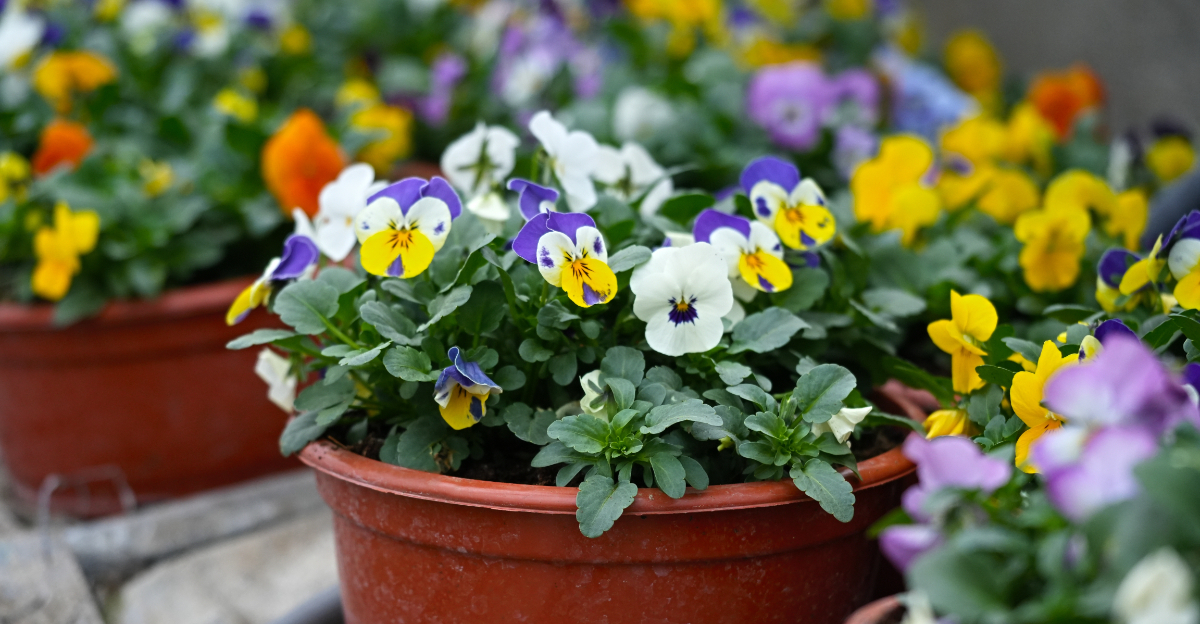
Violas are one of the smartest choices for Arizona’s cool season, especially in containers where their color can completely change the look of a patio or entry in just a few weeks.
Desert landscapes often feel muted in winter, yet a single pot filled with violas can create instant impact and steady blooms that last for months.
This is the season where containers finally feel alive again. A well-planted pot of violas can outshine an entire garden bed.
Arizona’s winter climate gives these flowers exactly what they need to stay full and vibrant without constant care. Even a small balcony or front step can feel thoughtfully styled once violas take center stage.
The right approach makes all the difference, and these easy steps will help you grow strong, long-lasting violas in containers all season long.
1. Pick A Container That Drains Fast
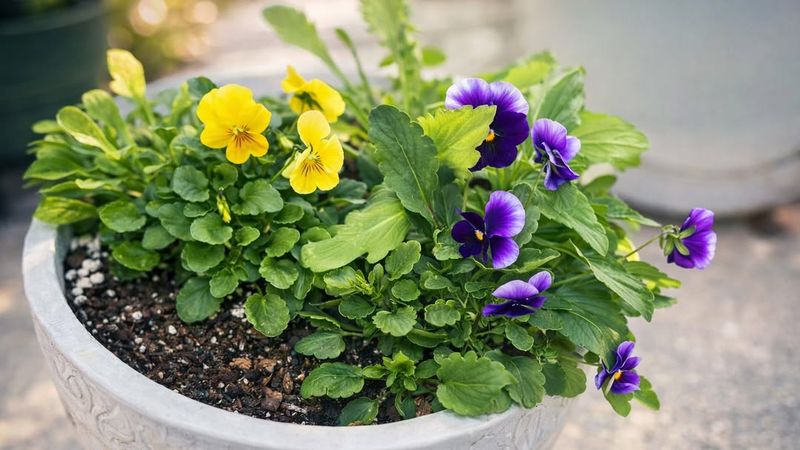
Violas need their roots to breathe, and that means water must move through the soil quickly. Containers without proper drainage holes will trap moisture at the bottom, creating soggy conditions that lead to root rot.
Even in Arizona’s dry climate, trapped water becomes a serious problem because it blocks oxygen from reaching the roots.
Terra cotta pots work beautifully for violas since the porous material allows air circulation and moisture to evaporate through the sides. Plastic containers are fine too, as long as they have multiple drainage holes at the bottom.
Avoid decorative pots without holes, or drill some yourself before planting.
The soil mix matters just as much as the pot itself. Standard garden soil becomes too compacted in containers, so use a lightweight potting mix designed for container plants.
Look for mixes that contain perlite, vermiculite, or coconut coir, which create air pockets and prevent waterlogging.
Size your container appropriately for the number of violas you’re planting. A six-inch pot works for a single plant, while larger containers can hold multiple violas spaced about four inches apart.
Bigger pots also dry out more slowly, which can be helpful during Arizona’s occasional warm spells in winter.
Consider adding a layer of small rocks or pot shards at the bottom if your container is especially deep. This extra drainage layer prevents soil from sitting directly on the bottom where water accumulates.
Your violas will reward you with stronger root systems and more abundant blooms when their feet stay comfortably dry between waterings.
You can also slightly elevate containers on pot feet or bricks so excess water drains freely instead of pooling underneath.
During Arizona’s sunny winter days, check the soil surface regularly and water only when the top inch feels dry to keep roots healthy and balanced.
2. Position For Morning Sun, Afternoon Shade
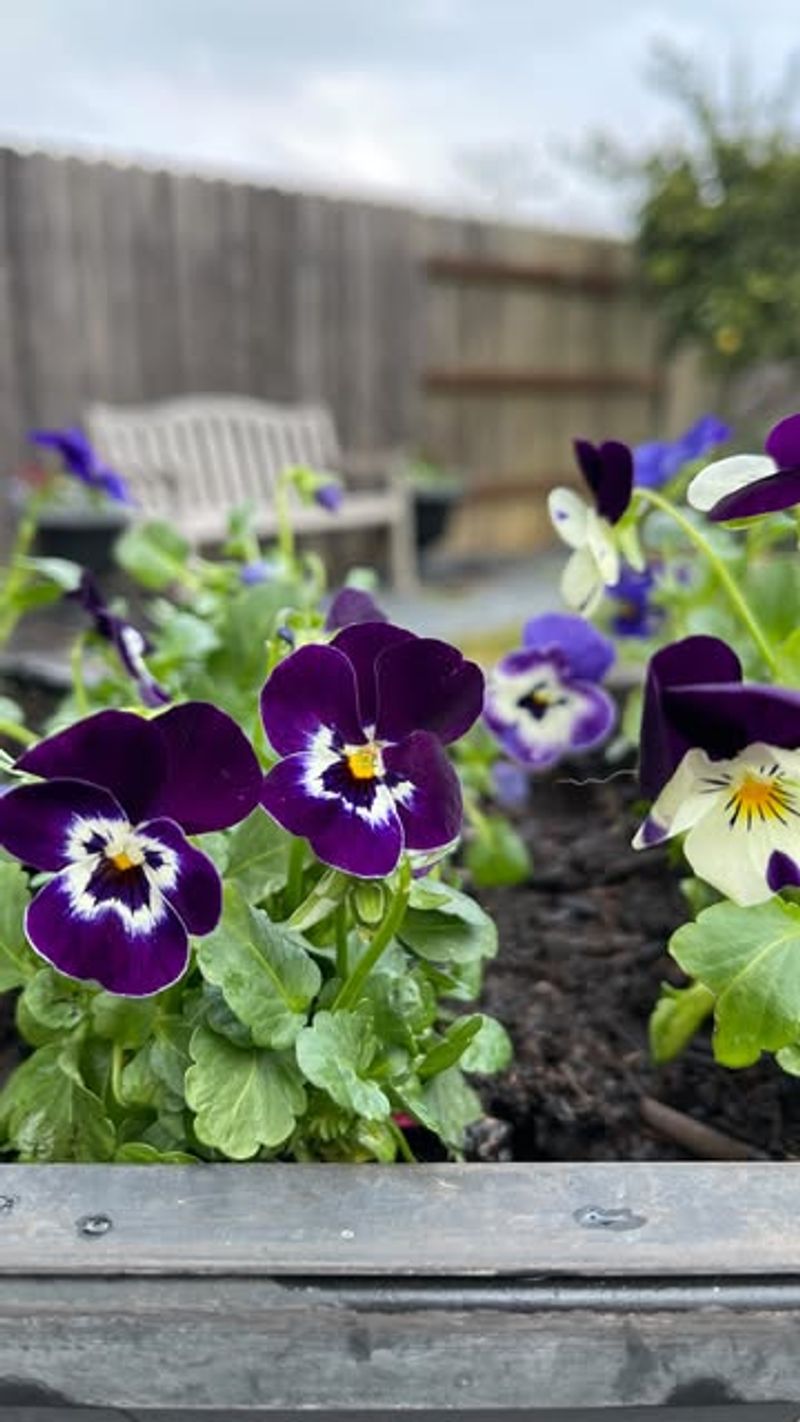
Light exposure makes all the difference when growing violas during Arizona’s cool season. These flowers love sunshine but can’t handle the intensity of full afternoon sun, even in winter.
Place your containers where they’ll catch gentle morning rays and then stay protected during the warmest part of the day.
East-facing locations work perfectly because violas get several hours of soft morning light before the sun moves overhead. North-facing spots can also succeed, especially if they receive bright indirect light throughout the day.
South and west exposures typically deliver too much intense afternoon sun, which can stress plants and shorten bloom time.
Arizona’s winter sun is deceptive because the air feels cool, but UV intensity remains strong. Afternoon rays can still cause flowers to fade quickly and leaves to develop brown edges.
A covered patio, the shadow of a wall, or a spot under a tree canopy provides ideal afternoon protection.
Watch your containers for a few days after positioning them to see how the light changes. If you notice flowers closing up or leaves looking wilted by mid-afternoon, move the pots to a shadier location.
Conversely, if plants seem leggy or produce fewer blooms, they might need more morning sun.
Container gardening gives you flexibility to experiment with different locations around your Arizona property. Try various spots until you find the sweet balance where violas stay perky all day.
Remember that sun angles change throughout the cool season, so a perfect October location might need adjustment by January.
3. Use Nutrient-Rich Soil Without Overfertilizing
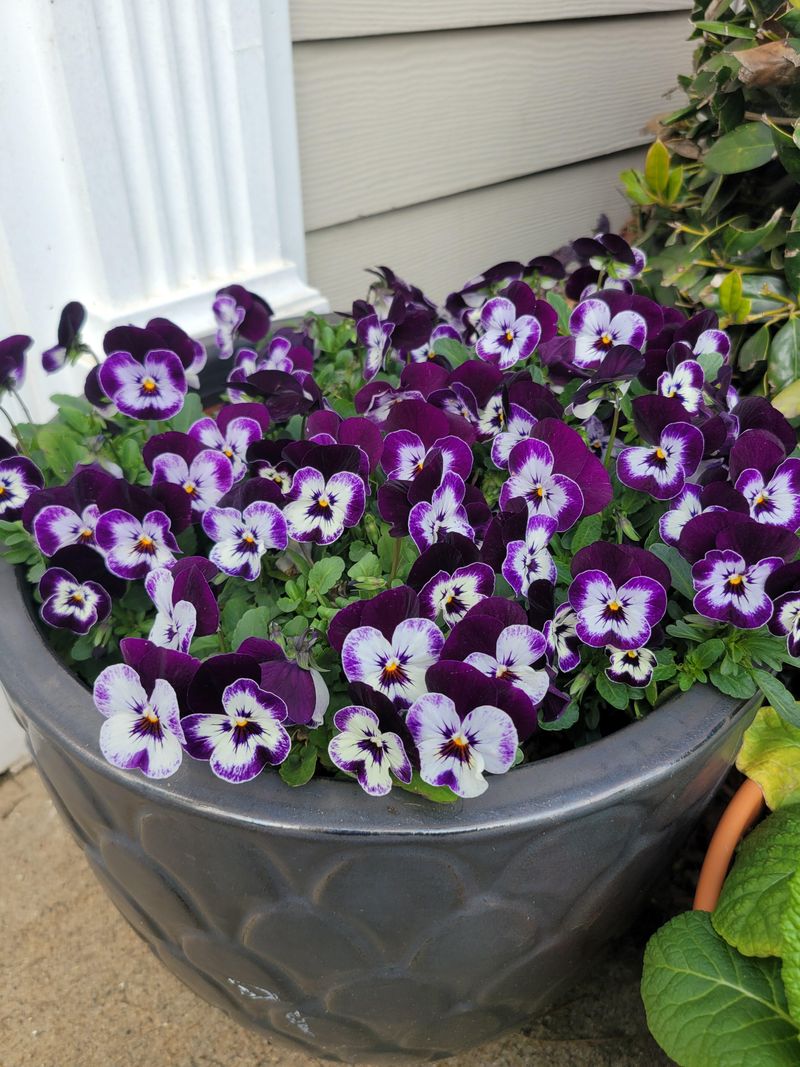
Quality potting mix sets the foundation for healthy violas, but many gardeners make the mistake of adding too much fertilizer. Start with a nutrient-rich mix that contains compost or aged bark, which slowly releases nutrients over time.
This gives your violas a steady food supply without overwhelming them.
Fresh potting soil from the bag usually contains enough nutrients for the first four to six weeks. After that, violas benefit from light feeding every two to three weeks during their active growing period.
Choose a balanced fertilizer with equal numbers like 10-10-10, or opt for one slightly higher in phosphorus to encourage more blooms.
Liquid fertilizers diluted to half strength work better than full-strength applications because they’re less likely to burn tender roots. Water-soluble options mix easily and distribute nutrients evenly throughout the container.
Slow-release granules are another good choice for busy gardeners who prefer less frequent feeding schedules.
Overfertilizing causes violas to produce lots of leafy growth at the expense of flowers. You’ll end up with tall, floppy plants that have fewer blooms and weaker stems.
Arizona’s cool season temperatures naturally slow plant metabolism, so violas need less food than summer annuals would require.
Watch your plants for signs of nutrient needs. Pale leaves might indicate nitrogen deficiency, while stunted growth could mean they need a feeding boost.
However, if plants look lush and green with plenty of blooms, hold off on fertilizer. Sometimes the best approach is simply maintaining good soil quality and feeding sparingly throughout the Arizona cool season.
If you notice white crust forming on the soil surface, flush the container thoroughly with water to remove built-up salts from repeated fertilizing.
In Arizona’s dry climate, salt accumulation happens faster, so occasional deep watering helps keep roots balanced and prevents stress.
4. Water Deeply, Then Let Soil Dry Slightly
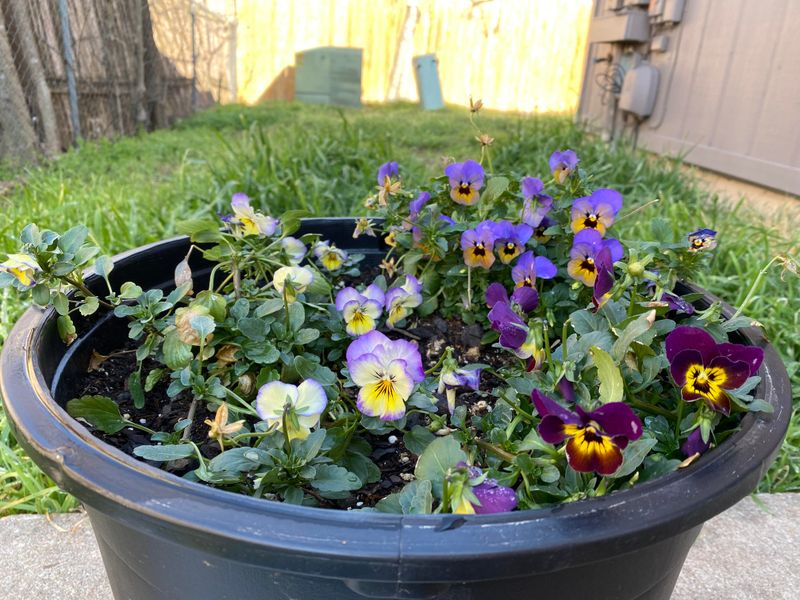
Proper watering technique separates thriving violas from struggling ones. Rather than giving plants a quick splash every day, soak the soil thoroughly until water runs out the drainage holes.
This deep watering encourages roots to grow downward, creating stronger plants that handle temperature fluctuations better.
After a thorough watering, let the top inch of soil dry out before watering again. Stick your finger into the soil to check moisture levels rather than following a rigid schedule.
Arizona’s dry air means containers dry faster than in humid climates, but cool season temperatures slow evaporation compared to summer.
Morning watering works best because it gives foliage time to dry before evening. Wet leaves overnight can encourage fungal problems, though this is less common during Arizona’s dry winter months.
If you must water in the afternoon, do it early enough that excess moisture evaporates before sunset.
Container size affects how often you’ll need to water. Small pots dry out quickly and might need water every other day, while large containers can go three or four days between waterings.
Grouping containers together helps maintain humidity around the plants and reduces how often you need to water.
During Arizona’s occasional winter warm spells when temperatures climb into the 70s or 80s, your violas will need more frequent watering. Conversely, after rainy periods or during cold snaps, skip watering until the soil dries appropriately.
Pay attention to your plants rather than following a fixed routine, and you’ll develop an intuitive sense for when they’re thirsty.
5. Deadhead Spent Flowers Regularly
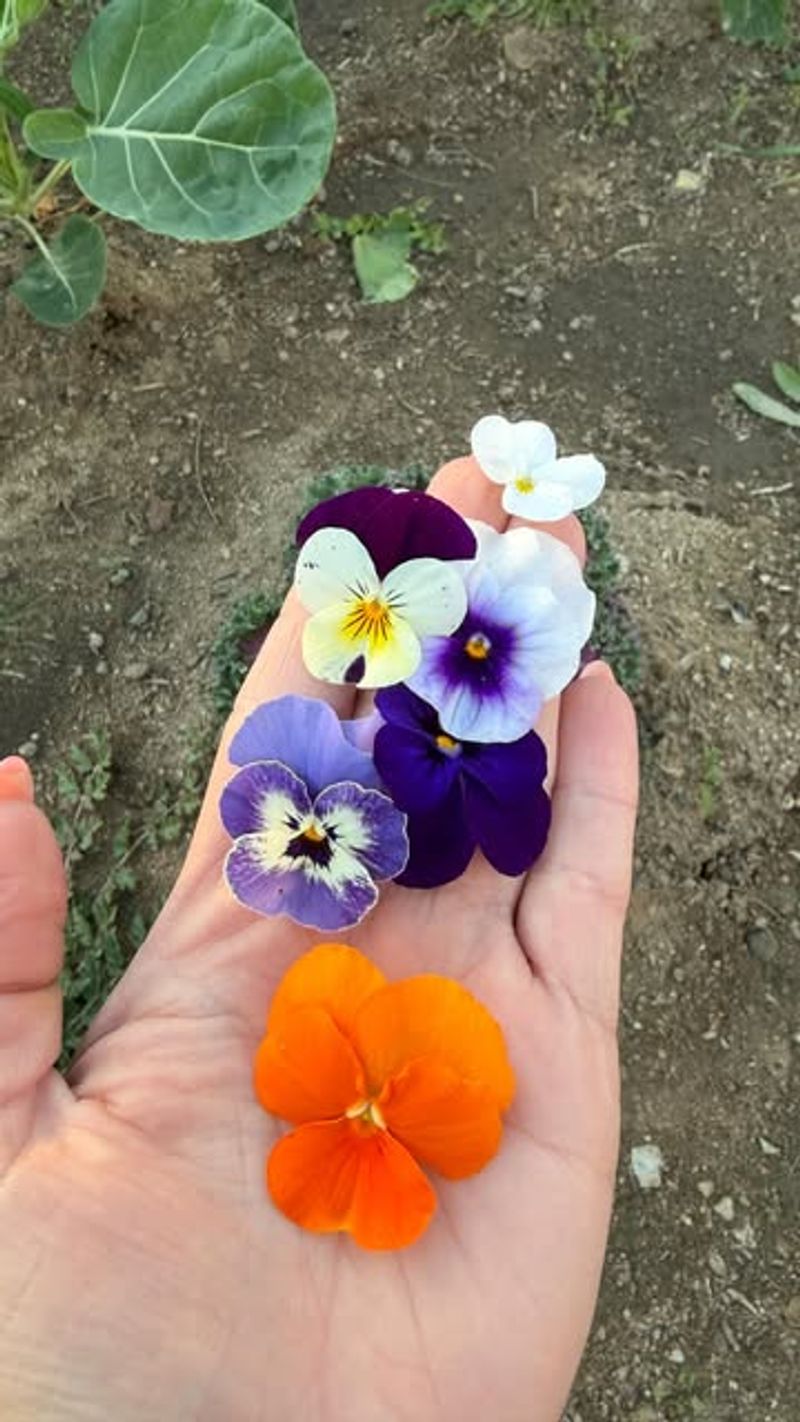
Removing faded flowers might seem like extra work, but it’s one of the simplest ways to keep violas blooming prolifically throughout Arizona’s cool season.
When flowers fade and begin forming seed pods, the plant shifts energy toward seed production instead of making new blooms.
Snipping off spent flowers redirects that energy back into flower production.
Check your containers every few days and pinch off any flowers that look past their prime. You can use your fingers or small scissors to remove the entire flower stem down to where it meets the main plant.
Be gentle to avoid damaging nearby buds that are forming.
Look for flowers that have faded in color, developed brown edges, or started to look papery. These are ready to come off.
Don’t wait until they’re completely dried up because the plant has already started putting energy into seed development by that point.
Deadheading also keeps your container displays looking fresh and attractive. A pot full of spent blooms looks neglected, while one with only vibrant flowers appears well-maintained and healthy.
This simple grooming task takes just a few minutes but makes a noticeable difference in overall appearance.
Some gardeners combine deadheading with a light trim of any leggy stems. If a stem has grown too long and floppy, cut it back by about one-third to encourage bushier growth.
This is especially useful later in the Arizona cool season when plants have been growing for several months. Your violas will respond with fresh new growth and another flush of colorful blooms.
6. Mix With Companion Cool-Season Plants
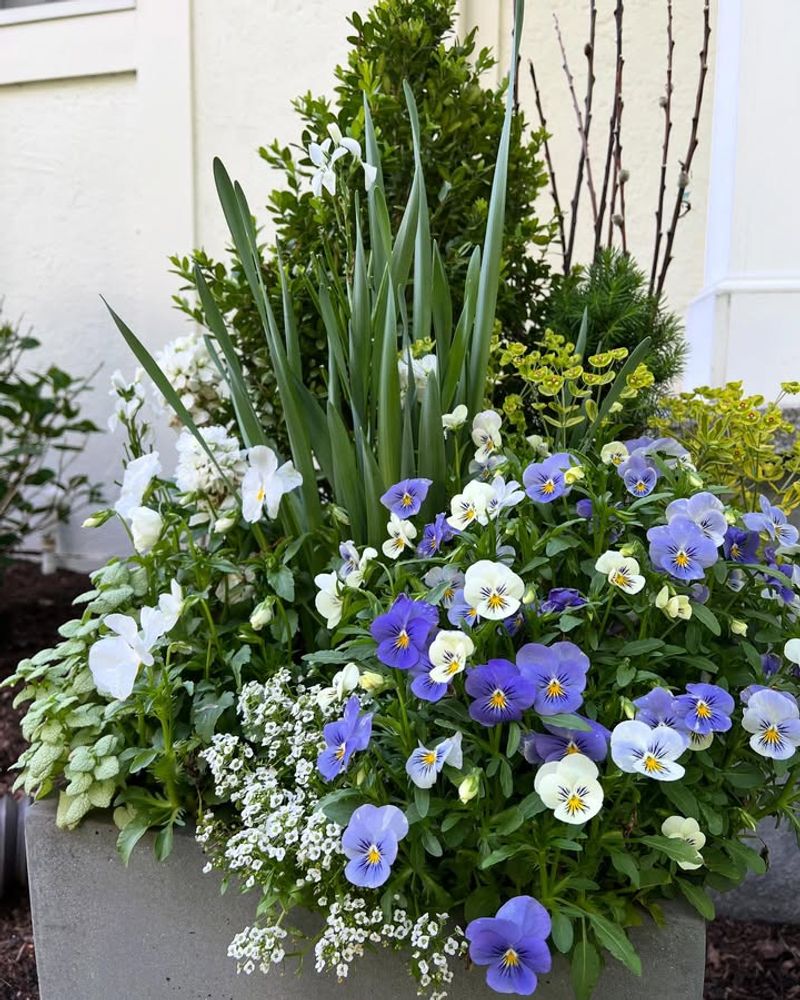
Creating container combinations with multiple plant types adds visual interest and can actually benefit your violas. Pansies make natural companions since they’re close relatives with similar growing requirements.
Mix different viola and pansy colors in the same pot for a cheerful display that stays colorful for months.
Ornamental kale and cabbage provide contrasting foliage texture while enjoying the same cool temperatures violas prefer. Their ruffled leaves in shades of purple, white, and green create a stunning backdrop for viola blooms.
Both plants thrive in Arizona’s cool season and can handle occasional light frosts.
Trailing plants like alyssum or lobelia work beautifully around the edges of containers, softening the pot rim while violas provide upright color in the center.
Dusty miller adds silvery foliage that makes viola colors pop, and its drought tolerance suits Arizona conditions well.
Companion planting can help with pest management too. Strong-smelling herbs like thyme or oregano may deter some insects, though they need careful watering since herbs prefer drier conditions than violas.
Keep herbs on the container edges where soil dries faster.
When combining plants, make sure everyone in the pot has similar water and light needs. Avoid mixing violas with plants that need constant moisture or full afternoon sun.
Group plants with similar heights in the center and shorter or trailing varieties around the edges for a balanced look.
Arizona gardeners can create spectacular mixed containers that last from October through March by choosing compatible cool-season companions for their violas.
7. Watch For Early Pests And Diseases
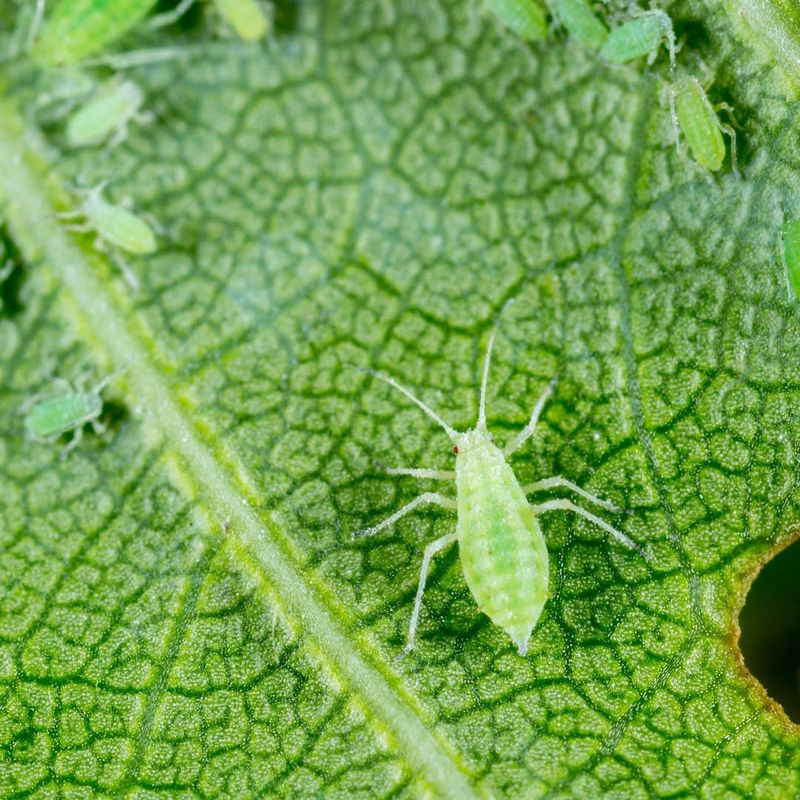
Even during Arizona’s cool season, pests and diseases can affect container-grown violas. Catching problems early makes them much easier to manage.
Spend a few minutes each week inspecting your plants closely, looking at both the tops and undersides of leaves.
Aphids are tiny insects that cluster on new growth and flower buds, sucking plant juices and causing distorted growth. These pests can appear even in winter, especially during warmer spells.
A strong spray of water often dislodges them, or you can use insecticidal soap for heavier infestations.
Powdery mildew shows up as white, dusty patches on leaves and stems. This fungal problem occurs when humidity is high or air circulation is poor.
Space containers apart to improve airflow, and avoid overhead watering late in the day. Remove affected leaves promptly to prevent spread.
Spider mites can trouble violas during dry periods, creating fine webbing and stippled leaves. These tiny pests thrive in Arizona’s low humidity.
Misting plants occasionally helps discourage them, though be careful not to overdo it since violas don’t like constantly wet foliage.
Slugs and snails sometimes hide under containers and come out at night to munch on viola leaves. Elevate pots slightly off the ground and check underneath them regularly.
Remove any hiding spots near your containers where these pests might shelter during the day.
Healthy violas growing in proper conditions resist most problems naturally, so good cultural care remains your best defense throughout Arizona’s cool growing season.