7 Easy Winter Bedding Plants That Bloom When Alabama Gardens Fade
Winter rolls into Alabama with cool nights and soft gray skies, slowing most gardens to a crawl.
Flower beds that once buzzed with color start to lose their spark, and the yard settles into a quiet lull.
Still, some plants refuse to bow out when the temperatures dip.
These winter bedding champions step into the spotlight just as the rest of the garden dozes off.
Their blooms shine like little beacons, proving that cold weather can spark beauty instead of shutting it down.
A few well placed winter bloomers can turn a sleepy yard into a cheerful sight.
They slip into empty spaces, brighten dull corners, and carry the garden through months that often feel long and bare.
Tough as nails yet charming as spring flowers, these plants hold their own through frosty mornings and chilly rain.
They revive beds before spring has a chance to stretch its legs.
A garden that stays colorful through winter feels like a small victory.
With the right plants rooted in place, Alabama homeowners enjoy splashes of life when everything else fades.
These reliable bloomers keep spirits high and flower beds glowing, proving that winter still has room for a little magic.
1. Pansies
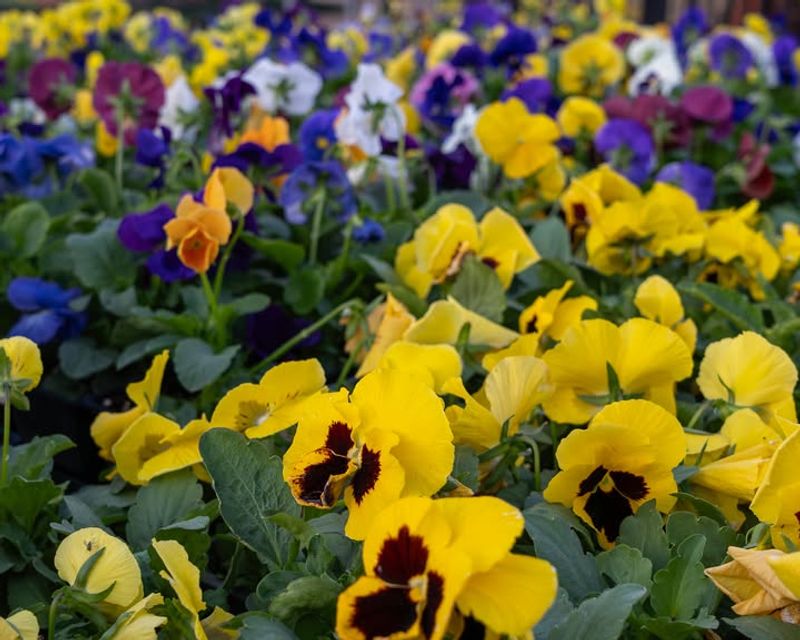
Alabama gardeners have relied on pansies for decades to brighten up winter landscapes, and for good reason.
These cheerful flowers come in practically every color you can imagine, from deep purples and bright yellows to soft pinks and pure whites.
Many varieties even feature adorable face-like markings that seem to smile up at you from the garden bed.
Pansies handle cold weather better than almost any other flowering plant available at garden centers.
They can survive temperatures down into the low 20s, which makes them perfect for Alabama winters.
When a hard frost comes through Birmingham or Montgomery, pansies might look a bit droopy for a day or two, but they bounce right back once the sun comes out.
Plant pansies in full sun to partial shade, and they’ll reward you with continuous blooms from fall through spring.
They grow best in well-drained soil that’s been enriched with compost or other organic matter.
Space them about six to eight inches apart so they have room to spread out as they grow.
Regular deadheading keeps pansies blooming their best throughout the season.
Simply pinch off the faded flowers every week or so, and new buds will quickly take their place.
Feed them monthly with a balanced fertilizer to keep the blooms coming strong.
One of the best things about pansies is how versatile they are in Alabama gardens.
Use them in flower beds, hanging baskets, window boxes, or large containers.
They pair beautifully with other winter bloomers like snapdragons and ornamental cabbage, creating stunning color combinations that last for months.
2. Snapdragons

Kids absolutely love snapdragons because you can squeeze the sides of the flowers and make them open and close like tiny dragon mouths.
Beyond their fun factor, these vertical bloomers add height and drama to winter gardens across Alabama.
They come in stunning shades including coral, pink, red, white, yellow, and bronze.
Snapdragons are cool-season champions that actually prefer the crisp weather Alabama experiences from October through April.
Hot summer temperatures make them struggle, but winter conditions help them thrive and produce abundant flower spikes.
The taller varieties can reach two feet or more, creating impressive vertical interest in your landscape.
Choose a sunny spot with good drainage for your snapdragons to perform their best.
They need at least six hours of direct sunlight daily to produce the most flowers.
The soil should be rich and loose, so work in some compost before planting if your ground is heavy clay.
Water snapdragons regularly but don’t let them sit in soggy soil, which can cause root problems.
They prefer consistent moisture rather than cycles of drought and flooding.
Mulch around the base of the plants to help maintain even soil moisture and protect roots during cold snaps.
These flowers make excellent cut flowers for indoor arrangements, so don’t hesitate to snip some stems for your kitchen table.
Cutting the blooms actually encourages the plant to produce more flower spikes.
In Alabama gardens from Huntsville to Auburn, snapdragons provide months of reliable color and vertical structure that few other winter annuals can match.
3. Dianthus
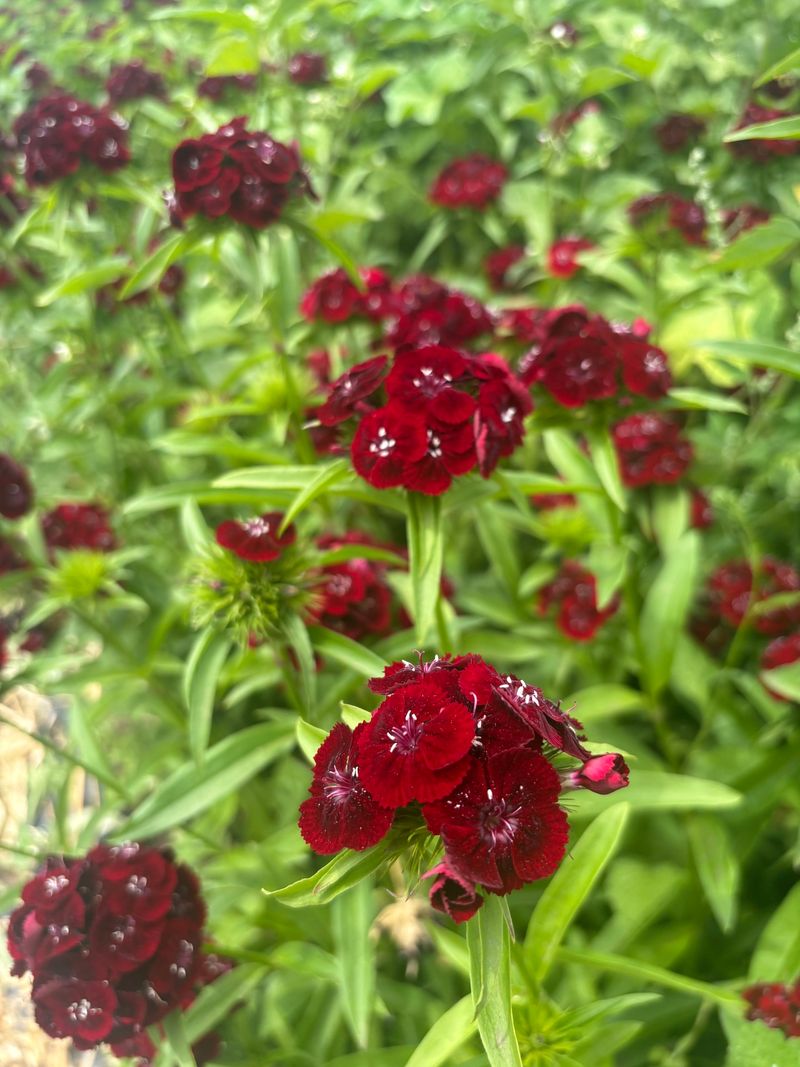
With ruffled petals that look like they’ve been cut with fancy scissors, dianthus brings old-fashioned charm to modern Alabama gardens.
Sometimes called pinks or sweet williams, these delightful flowers often have a spicy, clove-like fragrance that makes them extra special.
The blooms sit atop neat mounds of silvery-green or blue-green foliage that looks attractive even when flowers aren’t present.
Dianthus varieties bred for winter blooming are incredibly tough and can handle Alabama’s coldest nights without missing a beat.
They actually need cool temperatures to bloom their best, which is why they’re perfect for our state’s mild winters.
The flowers come in shades of pink, red, white, and bicolors, often with contrasting centers or edges.
Full sun is essential for dianthus to produce abundant blooms throughout the winter months.
They’re not picky about soil type as long as drainage is good, and they actually prefer slightly alkaline conditions.
If your Alabama soil is very acidic, consider adding a bit of lime before planting.
These low-maintenance plants don’t need constant attention once they’re established in your garden.
Water them when the top inch of soil feels dry, but avoid overhead watering which can encourage fungal problems.
Dianthus is naturally drought-tolerant once settled in, making it a smart choice for busy gardeners.
Use dianthus along walkway edges, in rock gardens, or as a colorful groundcover in sunny spots.
They work beautifully in containers too, especially when combined with trailing plants like ivy or sweet alyssum.
From Tuscaloosa to Dothan, Alabama gardeners appreciate how dianthus delivers reliable winter color with minimal fuss.
4. Ornamental Kale And Cabbage

Forget everything you know about boring vegetables because ornamental kale and cabbage are showstoppers in the winter garden.
These plants look like giant roses made of ruffled, colorful leaves in shades of purple, pink, cream, and green.
Cold weather actually makes their colors more intense and vibrant, so they look their absolute best during Alabama’s chilliest months.
Technically these are the same species as the vegetables you eat, but they’ve been bred for beauty rather than taste.
The leaves are edible but quite bitter, so most people grow them purely for ornamental purposes.
As temperatures drop below 50 degrees, the centers of the plants develop rich, jewel-like colors that intensify with each cold snap.
Plant ornamental kale and cabbage in full sun for the most vibrant leaf colors to develop.
They tolerate partial shade but won’t color up as dramatically in shadier spots.
These plants appreciate fertile, well-drained soil and benefit from a layer of mulch around their base.
Unlike flowering plants that need deadheading, ornamental kale and cabbage require almost no maintenance once planted.
They just sit there looking gorgeous week after week, month after month.
Water them during dry spells, but they’re quite drought-tolerant once their roots are established.
These plants work wonderfully as focal points in container arrangements or planted in masses for dramatic impact.
They pair beautifully with pansies, violas, and other winter bloomers to create stunning seasonal displays.
Alabama gardeners from Mobile to Florence love how ornamental kale and cabbage provide bold texture and color without requiring constant care throughout the winter season.
5. Violas
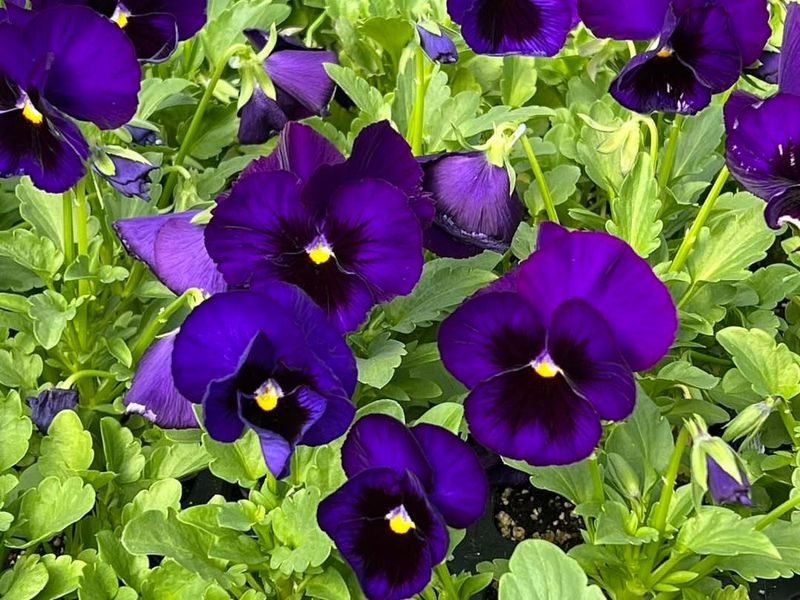
Think of violas as pansies’ smaller, more delicate cousins with an even tougher constitution.
These petite flowers pack a powerful punch when it comes to cold tolerance and bloom production.
While individual flowers are smaller than pansies, violas make up for it by producing absolutely loads of blooms that cover the plants from fall through spring in Alabama.
Violas come in a rainbow of colors including purple, yellow, orange, white, and blue, often with charming whisker-like markings radiating from their centers.
Some varieties are solid colors while others feature beautiful bicolor combinations.
Their compact growth habit makes them perfect for tucking into small spaces or using as edging plants.
Cold weather doesn’t faze violas one bit, and they’ll keep blooming right through light freezes that would damage more tender plants.
They’re particularly valuable in Alabama’s northern regions where winters can be a bit harsher.
Plant them in full sun to partial shade, depending on your location.
Violas prefer consistent moisture but won’t tolerate waterlogged soil, so make sure your planting area drains well.
They’re lighter feeders than pansies and don’t require as much fertilizer to perform well.
A light application of balanced fertilizer every four to six weeks keeps them happy.
These cheerful little flowers self-seed readily, so you might find volunteer plants popping up in unexpected places next season.
They’re excellent choices for fairy gardens, miniature landscapes, and small containers.
From Birmingham gardens to Huntsville yards, violas prove that good things really do come in small packages when it comes to winter-blooming annuals.
6. Calendula
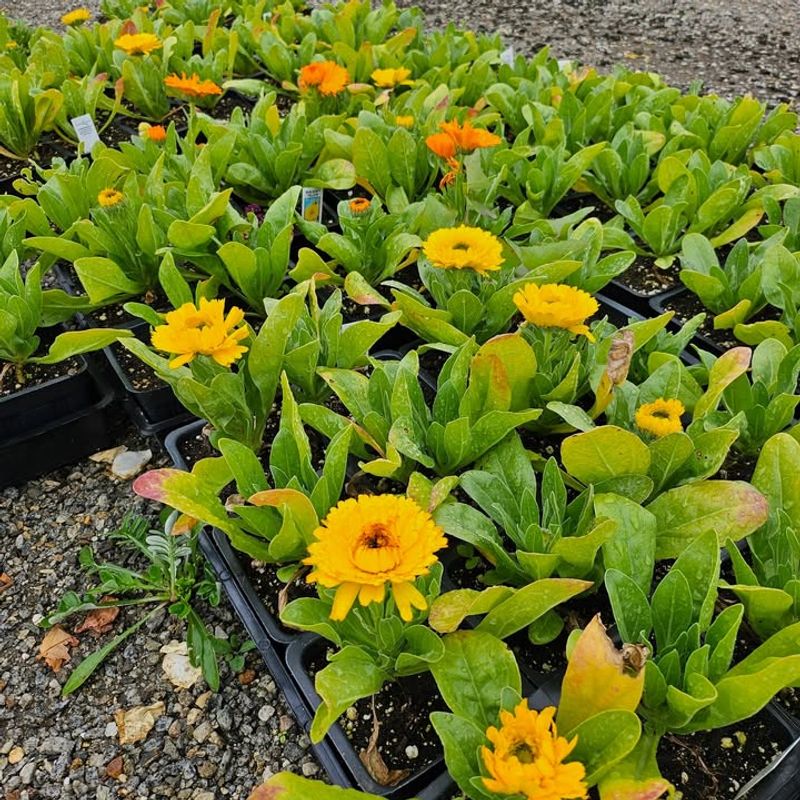
Calendula brings sunshine to Alabama gardens even on the grayest winter days with its cheerful orange and yellow blooms.
Also known as pot marigold, this old-fashioned flower has been grown in gardens for centuries and was treasured by grandmothers across the South.
The daisy-like flowers have a fresh, slightly tangy scent and edible petals that add color to salads and soups.
Cool weather is when calendula truly shines, producing abundant flowers from late fall through early spring.
Hot summer temperatures cause it to stop blooming and decline, but winter’s mild conditions in Alabama create the perfect growing environment.
The plants form bushy mounds covered with bright blooms that attract beneficial insects to your garden.
Full sun is best for calendula, though it tolerates light afternoon shade in warmer parts of Alabama.
The plants aren’t fussy about soil quality and will grow in average garden soil as long as drainage is adequate.
They’re actually quite drought-tolerant once established, making them low-maintenance additions to winter landscapes.
Deadhead spent flowers regularly to keep new blooms coming throughout the season.
Calendula is a prolific bloomer, so you’ll have plenty of flowers to cut for indoor arrangements.
The plants readily self-seed, often returning on their own the following year.
Beyond their beauty, calendula flowers have medicinal properties and are used in herbal remedies and skin care products.
Butterflies and bees appreciate the nectar-rich blooms during warm winter days.
Whether you’re in Montgomery or Decatur, calendula adds bright, warm colors to Alabama gardens when most other plants are taking a break from blooming.
7. Stock
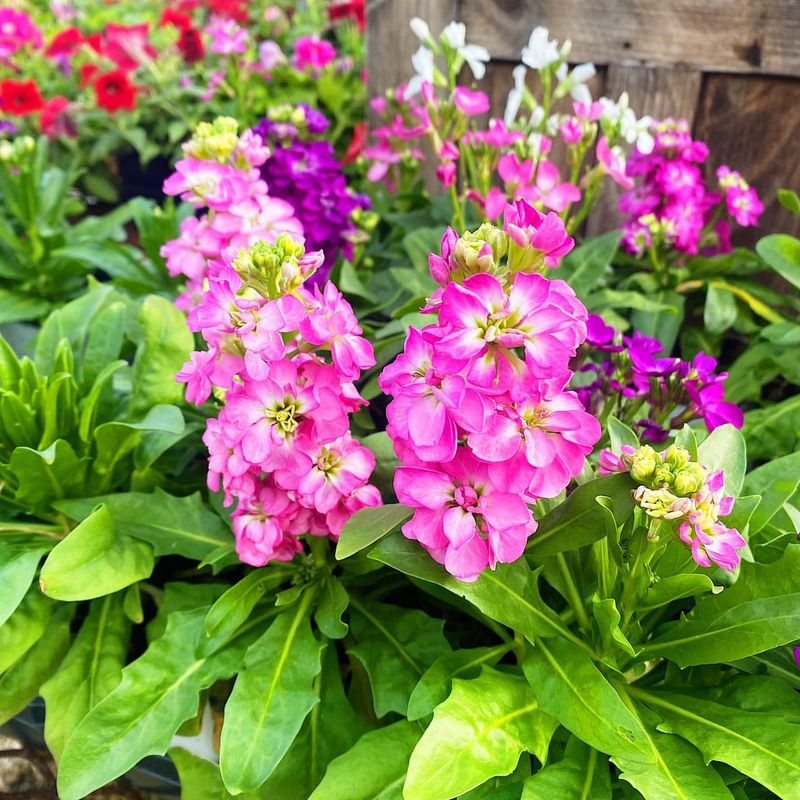
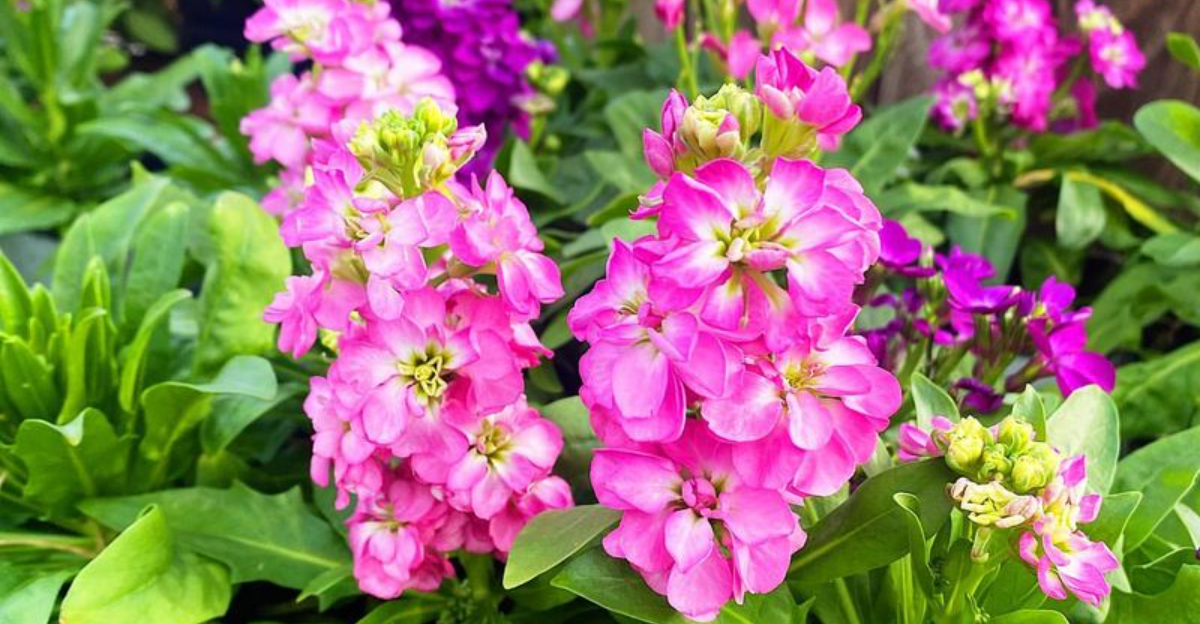
Few winter flowers can compete with stock when it comes to heavenly fragrance that fills the air on mild afternoons.
These elegant bloomers produce tall spikes covered with densely packed flowers in shades of pink, purple, white, cream, and red.
Just a few plants can perfume an entire section of your Alabama garden with their sweet, spicy scent reminiscent of cloves.
Stock performs beautifully during Alabama’s cool winter months but struggles once hot weather arrives in late spring.
Plant them in fall for the longest bloom period and the best performance.
The flowers are particularly fragrant in the evening and on warm afternoons, making them perfect near patios, walkways, or windows where you can enjoy the scent.
Choose a sunny location with rich, well-drained soil for your stock plants.
They appreciate soil that’s been amended with compost or other organic matter before planting.
Space them about 10 to 12 inches apart to allow good air circulation, which helps prevent fungal issues.
Stock needs regular watering to maintain consistent soil moisture, especially during dry winter periods.
Apply a balanced fertilizer every few weeks to support continuous blooming.
Stake taller varieties if needed to keep the heavy flower spikes from flopping over.
Cut stock makes outstanding bouquets that last for days indoors and fill your home with wonderful fragrance.
The flowers are also edible and can be used as decorative garnishes.
From Auburn to Mobile, Alabama gardeners treasure stock for adding both beauty and incredible scent to winter landscapes when few other plants offer such powerful fragrance along with gorgeous blooms.