10 Eco Conscious Outdoor Ideas Reshaping Washington Neighborhoods
Across Washington neighborhoods, outdoor spaces are quietly evolving as residents rethink beauty, resilience, and responsibility in everyday landscape choices.
What once focused on lawns and decor now reflects values shaped by climate awareness, community pride, and long-term stewardship.
These changes feel personal because backyards, sidewalks, and shared green spaces mirror how people want neighborhoods to function together.
From water-smart designs to natural materials, outdoor decisions increasingly signal care for both neighbors and future generations alike today.
Washington’s varied climate has pushed homeowners to notice how small exterior choices ripple across blocks and seasons year-round together.
There’s a growing sense that outdoor spaces can solve problems rather than quietly contribute to them over time locally.
That mindset shift is changing conversations at fences, community meetings, and weekend projects shared between neighbors across Washington neighborhoods.
Eco-conscious ideas now blend practicality with style, proving sustainability does not mean sacrificing comfort or visual appeal at home.
As more households embrace thoughtful outdoor upgrades, entire streets begin to look and feel subtly transformed over time together.
This quiet movement reveals how everyday outdoor decisions are reshaping Washington neighborhoods in meaningful, lasting ways right now statewide.
1. Native Plant Gardens Replace Traditional Lawns
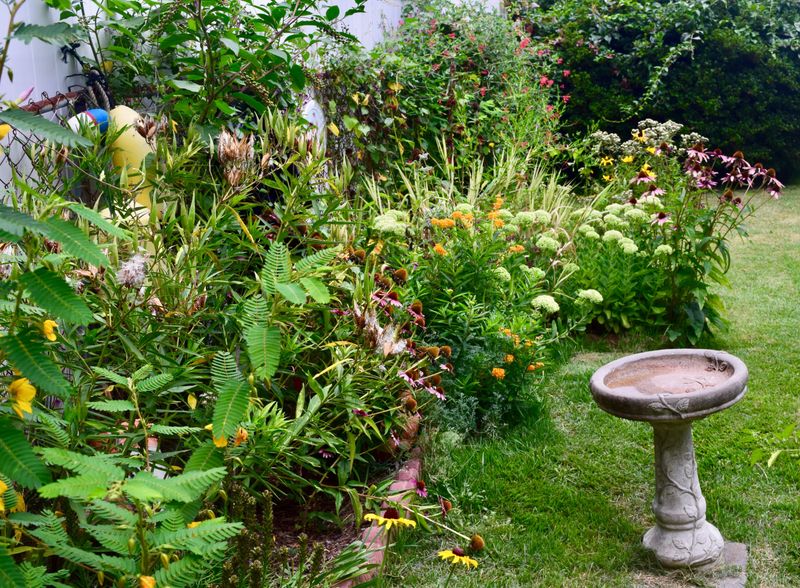
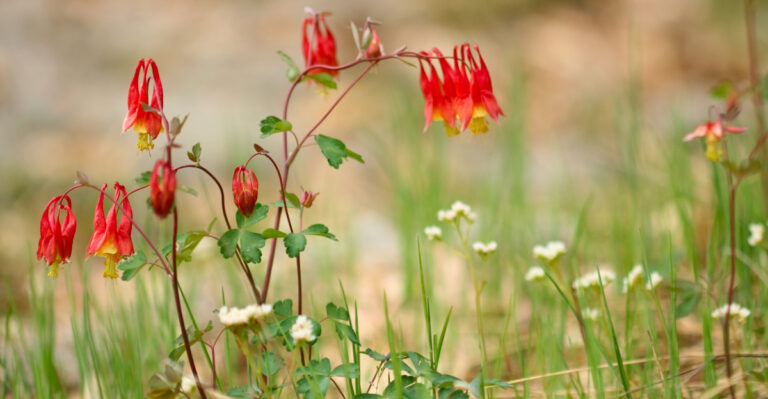
Homeowners throughout Washington are pulling up thirsty grass and replacing it with gorgeous native plants that need far less water and maintenance overall.
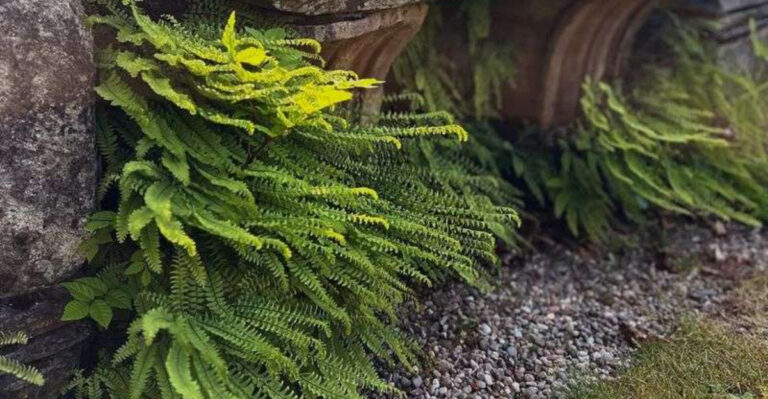
Pacific Northwest species like Oregon grape, red flowering currant, and sword ferns thrive naturally without fertilizers or constant watering that traditional lawns demand.
These gardens create habitat for butterflies, bees, and birds while adding year-round color and texture to residential streets across the state.
Water bills drop dramatically when yards feature drought-tolerant natives instead of grass that requires weekly mowing and irrigation during summer months.
Neighbors often share plant divisions and gardening tips, building community connections while reducing their environmental footprint together.
Local nurseries now stock more native varieties as demand grows from environmentally conscious homeowners seeking sustainable landscaping solutions.
Maintenance becomes simpler because native plants evolved to handle Washington’s climate without human intervention or chemical treatments.
Streets lined with native gardens support pollinators crucial for local food production while reducing stormwater runoff that pollutes nearby waterways.
This shift represents one of the most visible changes transforming neighborhood aesthetics while protecting regional ecosystems simultaneously.
2. Community Rain Gardens Manage Stormwater Naturally
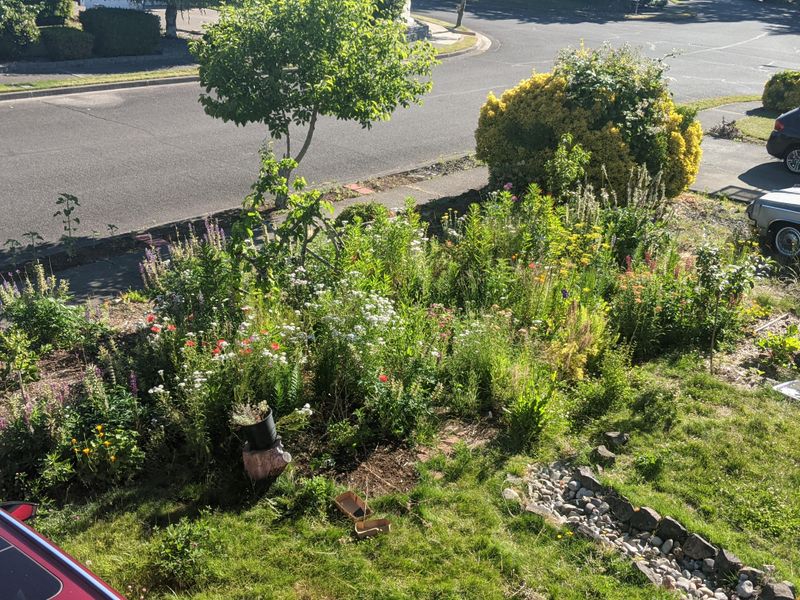
Clever landscaping features are popping up on street corners and parking strips throughout Washington, capturing rainwater before it overwhelms storm drains.
Rain gardens use specially selected plants and engineered soil to filter pollutants while allowing water to soak slowly into the ground.
These shallow depressions collect runoff from roofs, driveways, and streets, preventing flooding while recharging underground aquifers that supply drinking water.
Volunteers in Washington neighborhoods organize planting parties to install these gardens, transforming neglected spaces into attractive community assets everyone can enjoy.
Native rushes, sedges, and moisture-loving wildflowers create lush green spaces even during rainy seasons when other areas turn muddy.
The plants filter out oils, heavy metals, and other contaminants before water reaches salmon-bearing streams and Puget Sound ecosystems.
Cities provide design assistance and sometimes funding for residents willing to install rain gardens on their property or nearby public spaces.
These features reduce pressure on aging stormwater infrastructure while beautifying neighborhoods and providing educational opportunities for children learning about water cycles.
Neighbors take pride in maintaining these gardens, which become focal points for environmental stewardship and community pride throughout the state.
Over time, rain gardens also attract birds and beneficial insects, adding subtle wildlife activity to everyday streetscapes.
What starts as a practical solution for runoff often becomes a symbol of how small, local actions can support healthier waterways across Washington.
3. Solar-Powered Streetlights Brighten Pathways Sustainably
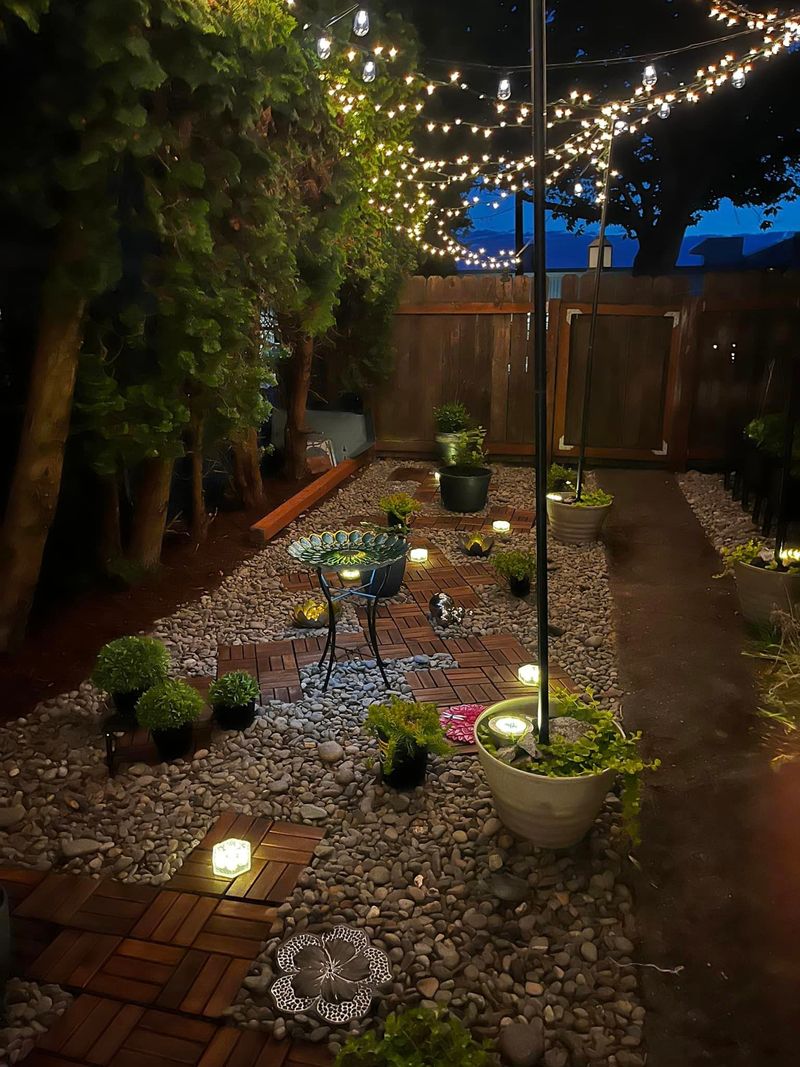
Cutting-edge lighting technology is illuminating Washington sidewalks and trails without drawing a single watt from the electrical grid or increasing carbon emissions.
Solar panels mounted atop sleek light poles collect energy during daylight hours, storing power in batteries that automatically illuminate pathways after sunset.
These systems eliminate trenching costs for electrical lines while providing reliable lighting that enhances safety for evening walkers and cyclists.
Neighborhoods previously too expensive to light now enjoy well-lit streets thanks to solar technology that pays for itself through eliminated electricity costs.
Motion sensors on some models brighten lights when people approach, conserving battery power while still providing illumination exactly when needed.
Washington communities appreciate how these lights continue functioning even during power outages that leave traditional streetlights dark and neighborhoods vulnerable.
Installation happens quickly without disrupting traffic or requiring extensive construction that traditional lighting projects demand from municipalities and residents alike.
The lights require minimal maintenance beyond occasional panel cleaning, making them perfect for volunteer groups managing neighborhood common areas throughout the state.
As technology improves and costs decrease, more Washington communities are choosing solar lighting for parks, trails, and residential streets everywhere.
Beyond practical benefits, these lights also reduce light pollution by directing illumination downward where it is needed most.
Together, safety, sustainability, and long-term savings make solar lighting a smart upgrade for Washington’s public spaces.
4. Edible Food Forests Transform Public Spaces
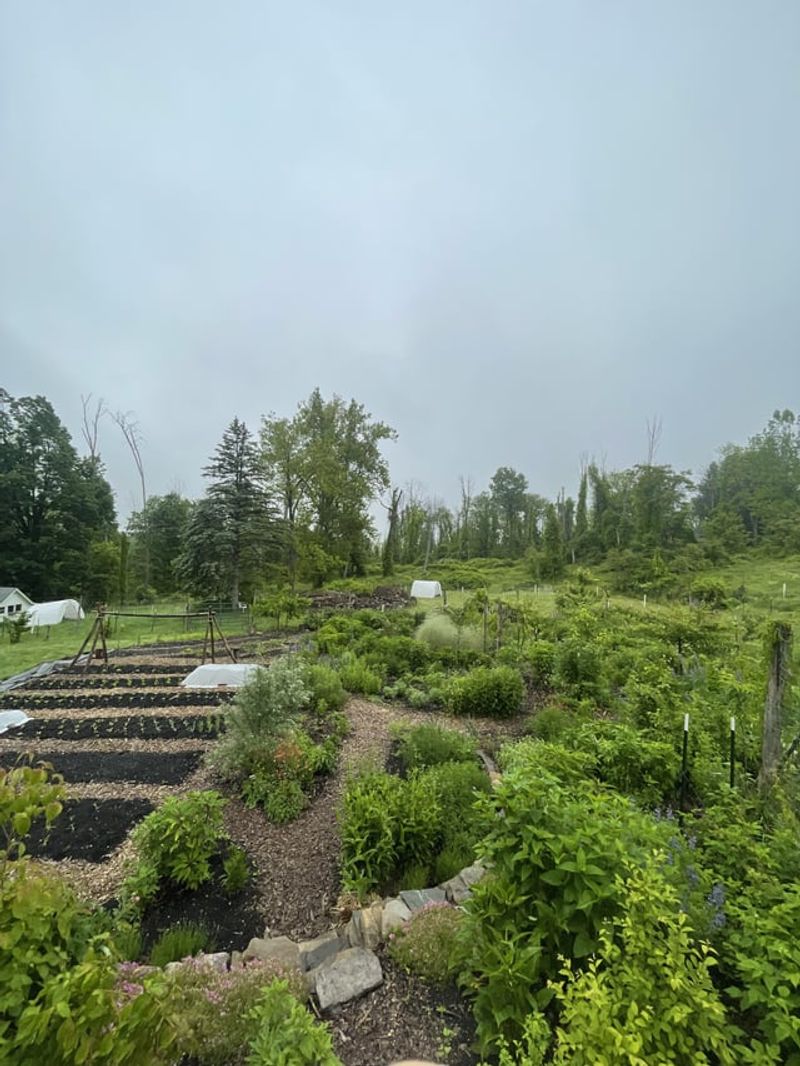
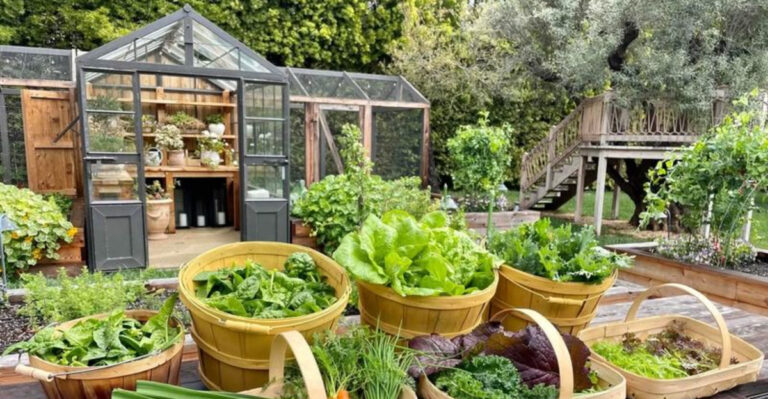
Fruit trees, berry bushes, and perennial vegetables are replacing ornamental plantings in parks and common areas throughout Washington neighborhoods everywhere.
Food forests mimic natural woodland ecosystems with multiple layers of edible plants that produce food while requiring minimal care or resources.
Residents can freely harvest apples, pears, hazelnuts, and berries from public spaces, reducing food costs while building community connections around shared abundance.
Volunteer groups in Washington organize pruning workshops and harvest festivals that teach sustainable food production while strengthening neighborhood bonds and relationships.
These spaces demonstrate that landscaping can serve multiple purposes, providing beauty, habitat, food security, and education all in one location.
Children learn where food comes from by watching fruit develop through seasons, connecting them to natural cycles often invisible in urban environments.
Food forests support pollinators and beneficial insects while producing zero waste, as fallen leaves and fruit mulch naturally back into the soil.
Neighbors who might never speak otherwise connect over recipes, preservation techniques, and gardening tips shared during harvest time in Washington communities.
This approach to public landscaping reduces maintenance costs while providing tangible benefits that residents can literally taste and enjoy throughout the year.
5. Permeable Pavement Reduces Flooding and Pollution
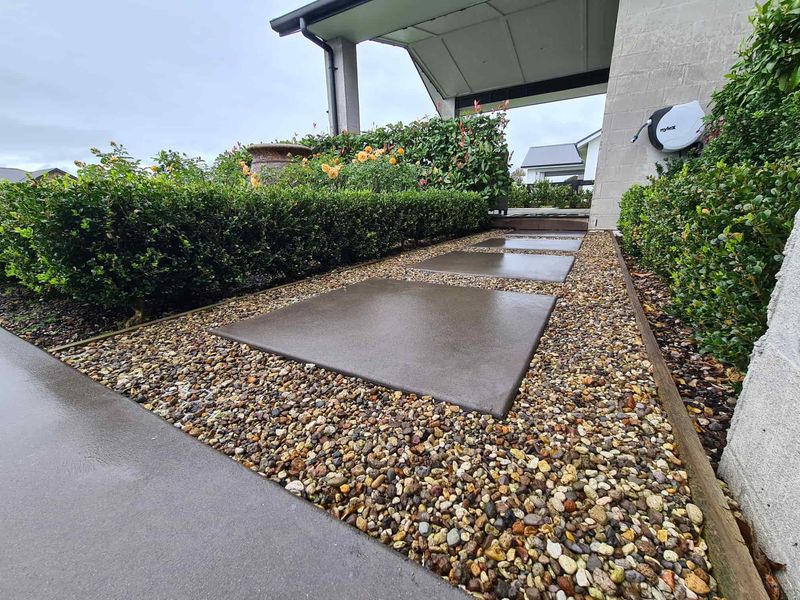
Innovative paving materials are replacing traditional asphalt in Washington driveways, parking areas, and even some residential streets across the state.
Permeable surfaces allow rainwater to filter through into the ground rather than rushing into storm drains carrying pollutants to local waterways.
These materials consist of porous asphalt, pervious concrete, or interlocking pavers with gaps that let water pass through while supporting vehicle weight.
Homeowners appreciate how permeable driveways eliminate puddles and ice patches that make traditional paving hazardous during Washington’s wet winter months.
Water filtering through these surfaces gets naturally cleaned by soil microorganisms before reaching groundwater supplies that communities depend on for drinking.
Neighborhoods with permeable paving experience less flooding during heavy rains because water absorbs where it falls instead of overwhelming drainage systems.
Installation costs have dropped as more contractors gain experience with these materials, making them competitive with traditional paving options for Washington residents.
These surfaces last as long as conventional pavement while providing environmental benefits that protect salmon streams and reduce municipal stormwater treatment expenses.
Forward-thinking communities are updating building codes to encourage or require permeable surfaces for new construction and renovation projects throughout the state.
Permeable paving also reduces erosion around properties by slowing runoff that would otherwise wash away soil and landscaping.
For many Washington homeowners, choosing these materials feels like a practical way to combine durability, safety, and environmental responsibility in one upgrade.
6. Backyard Chicken Coops Reduce Food Waste
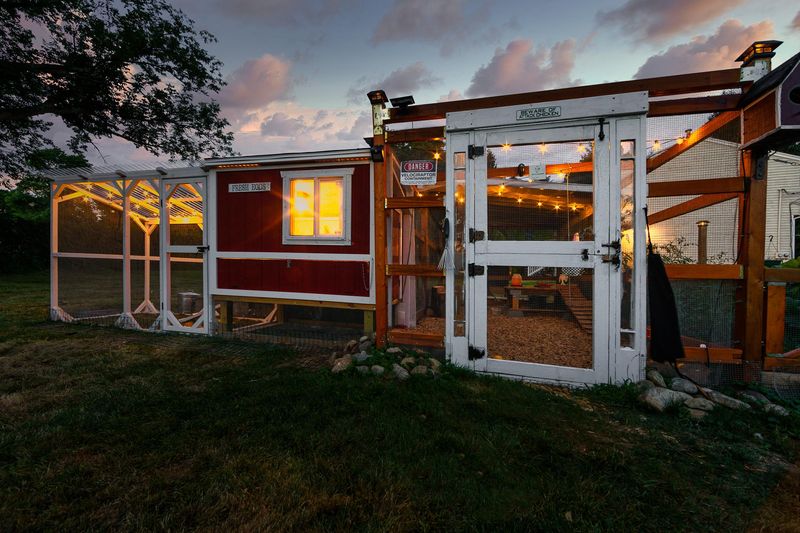
Clucking sounds are becoming common in Washington neighborhoods as residents discover the benefits of keeping small backyard flocks for fresh eggs.
Chickens convert kitchen scraps into protein-rich eggs while producing manure that enriches garden soil, creating a closed-loop system that minimizes waste.
These birds eat vegetable peelings, stale bread, and other food scraps that would otherwise fill landfills and produce methane gas.
Families throughout Washington enjoy collecting warm eggs each morning while teaching children responsibility and animal care through daily feeding and coop maintenance.
Neighbors often share surplus eggs, strengthening community ties while reducing reliance on industrial egg production with its environmental and ethical concerns.
Modern coop designs fit small urban yards while keeping birds safe from predators and preventing nuisances like noise or odors.
Cities across the state have updated ordinances to allow small flocks, recognizing their role in sustainable urban agriculture and waste reduction efforts.
Chicken manure composted properly becomes valuable fertilizer that eliminates the need for chemical products in vegetable gardens and flower beds.
This trend connects Washington residents to food production while reducing their environmental footprint in ways that feel achievable and rewarding daily.
7. Green Roofs Insulate Homes and Support Wildlife
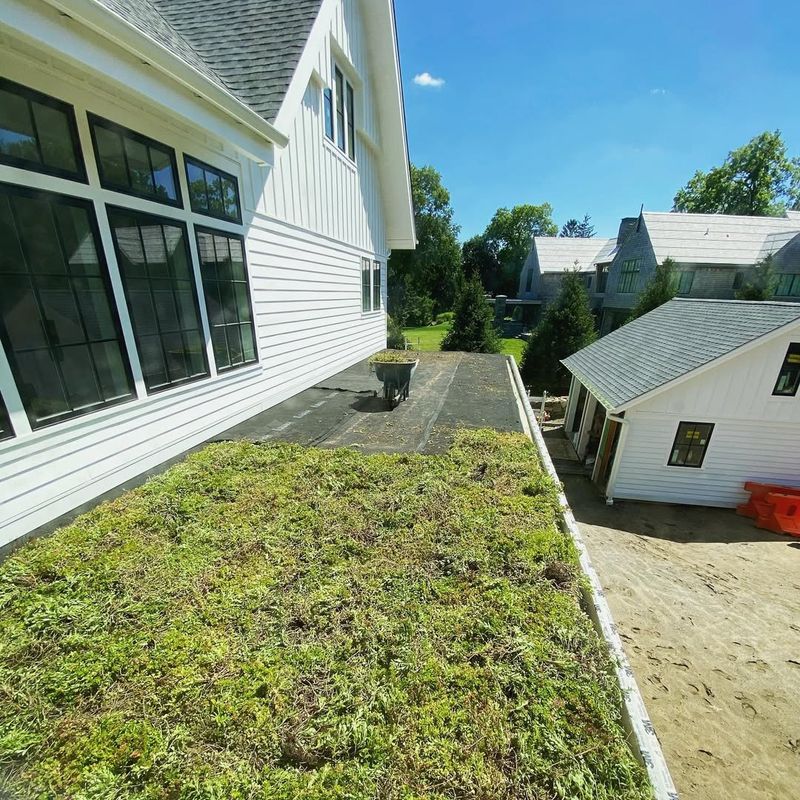
Rooftops throughout Washington are sprouting gardens that provide insulation, manage stormwater, and create habitat for pollinators and birds in unexpected places.
Green roofs feature waterproof membranes topped with growing medium and hardy plants like sedums that thrive in shallow soil with minimal care.
These living roofs absorb rainwater, reduce heating and cooling costs, and extend roof lifespan by protecting materials from weather extremes.
Homeowners in Washington appreciate how green roofs muffle noise from rain and traffic while creating beautiful views from upper windows.
The plants filter air pollutants and produce oxygen while providing nectar for bees and butterflies that struggle to find resources in developed areas.
Installation has become more affordable as specialized companies emerge to serve growing demand from environmentally conscious property owners across the state.
Green roofs reduce urban heat island effects by replacing heat-absorbing dark roofing materials with cooling vegetation that benefits entire neighborhoods.
Some Washington communities offer incentives or expedited permits for green roof installations that help cities meet stormwater management and climate goals.
These roofs demonstrate how every surface can serve multiple purposes, transforming wasted space into productive ecosystems that benefit both people and wildlife.
8. Neighborhood Tool Libraries Reduce Consumption
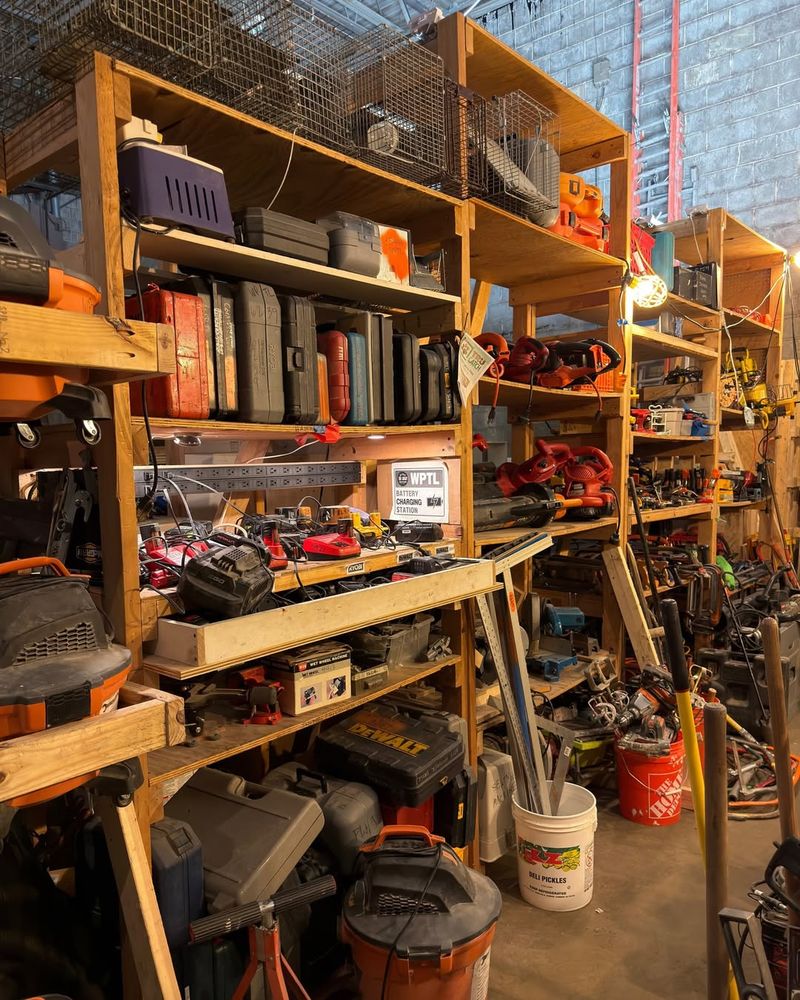
Shared equipment programs are spreading across Washington, allowing residents to borrow lawn mowers, pruning tools, and gardening equipment instead of buying items used only occasionally.
Tool libraries operate like book libraries, with members checking out what they need and returning it for others to use.
This system reduces the resources and energy required to manufacture, package, and ship duplicate tools to every household in a neighborhood.
Participants save money and storage space while accessing higher-quality professional-grade tools they could never afford to purchase individually for their projects.
Volunteers in Washington neighborhoods organize workshops teaching tool maintenance and proper use, building skills while strengthening community connections among members.
The libraries often occupy small spaces like garden sheds or garage corners, requiring minimal infrastructure while providing maximum community benefit.
Fewer tools manufactured means less mining, manufacturing pollution, and transportation emissions, multiplying the environmental benefits across entire communities throughout the state.
Members meet neighbors they might never encounter otherwise, creating social connections that make neighborhoods safer and more resilient during emergencies.
This sharing economy model demonstrates how communities can meet needs sustainably while building relationships that enrich daily life for everyone.
9. Pollinator Corridors Connect Habitat Across Blocks
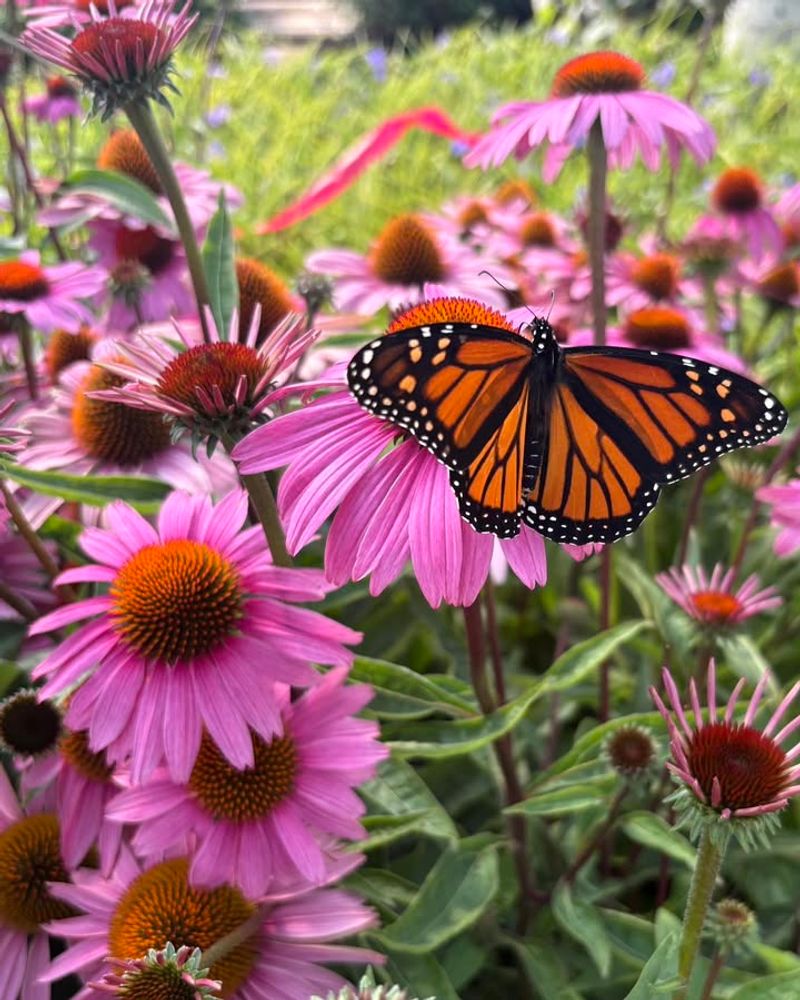
Coordinated planting efforts are creating continuous pathways of flowering plants that allow bees, butterflies, and hummingbirds to travel safely through Washington neighborhoods.
Pollinator corridors consist of gardens on multiple properties featuring plants that bloom sequentially, providing nectar and pollen throughout the growing season.
These connected habitats help struggling pollinator populations by eliminating the desert-like gaps created by conventional lawns and ornamental plantings.
Neighbors collaborate on plant selection, choosing species that support specific butterfly larvae or native bee species found in Washington ecosystems and regions.
Children enjoy monitoring which pollinators visit their yards, turning corridors into living classrooms that teach ecology and environmental stewardship through observation.
The corridors increase fruit and vegetable production in neighborhood gardens by ensuring abundant pollinators visit every flowering plant reliably.
Mapping projects help residents visualize how their individual efforts connect to create larger habitat networks throughout Washington communities and beyond.
Some neighborhoods hold annual pollinator counts, tracking species diversity and abundance to measure their conservation impact over time and seasons.
This collaborative approach demonstrates how individual actions combine to create meaningful environmental change that benefits ecosystems far beyond neighborhood boundaries.
10. Composting Programs Divert Waste from Landfills
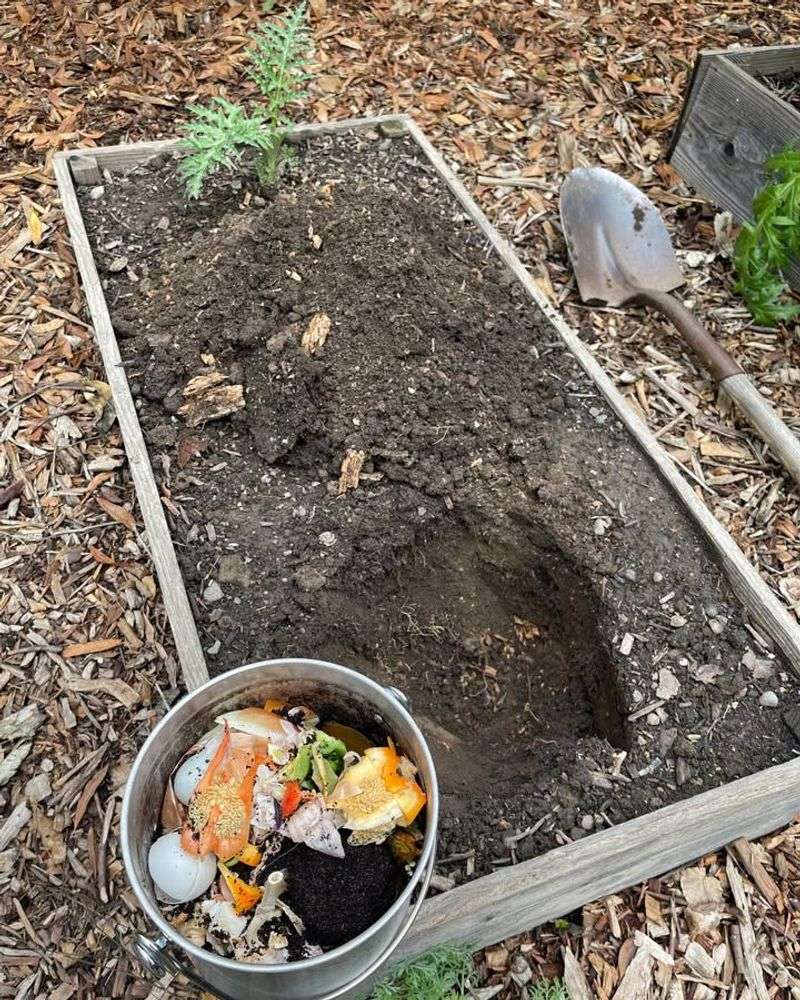
Organic waste collection services and community composting sites are multiplying throughout Washington, keeping food scraps and yard waste out of landfills.
When organic materials decompose in landfills without oxygen, they produce methane, a potent greenhouse gas contributing significantly to climate change.
Composting these materials instead creates valuable soil amendment while eliminating methane emissions and reducing the need for chemical fertilizers.
Neighborhoods organize shared composting bins where residents contribute scraps and take finished compost for their gardens, creating a circular system.
Curbside collection programs in Washington make composting as convenient as recycling, dramatically increasing participation rates among busy families and households.
The finished compost improves soil health, helping gardens retain water and reducing the need for irrigation during dry summer months.
Education programs teach residents what can be composted, preventing contamination that ruins batches and helping people understand their waste’s environmental impact.
Some Washington communities host workshops on worm composting for apartments and small spaces, ensuring everyone can participate regardless of housing type.
This infrastructure shift represents a fundamental change in how neighborhoods handle waste, viewing it as a resource rather than something to discard.