2026 Eco-Friendly Garden Trends California Homeowners Are Obsessed With
California gardens are going green in a whole new way, and 2026 is shaping up to be the most eco conscious year yet.
Homeowners are rethinking their outdoor spaces, blending beauty with sustainability to create landscapes that look stunning while using fewer resources.
The focus has shifted beyond simple water savings toward smarter, earth friendly choices that support local ecosystems and long term garden health.
Fresh ideas are popping up everywhere, from pollinator friendly plantings and native landscapes to creative ways of reducing waste and conserving energy outdoors.
These trends are not just good for the planet, they also make gardens easier to manage and more resilient in California’s changing climate.
Curious what everyone is talking about this year?
These standout eco friendly garden trends are inspiring homeowners across California to dig smarter, grow greener, and transform their yards into beautiful, sustainable retreats that truly work with nature, not against it.
1. Native Plant Landscaping
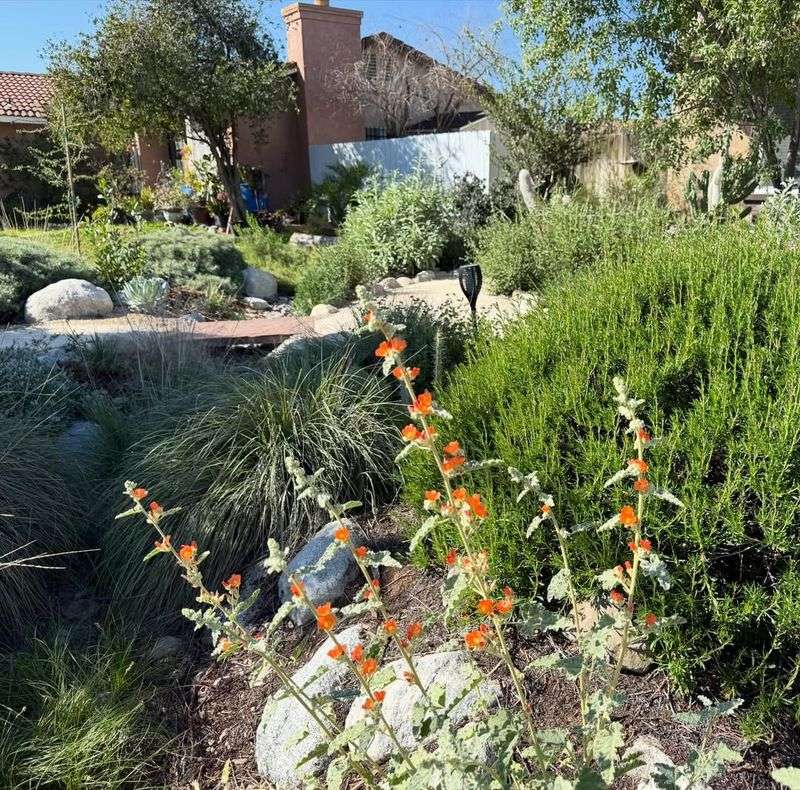
California native plants have become the gold standard for sustainable landscaping across the state.
Plants like California poppy, purple sage, and toyon evolved over thousands of years to thrive in our Mediterranean climate without any help from sprinklers or fertilizer bags.
Once established, these beauties handle our hot, dry summers with grace while providing food and shelter for native bees, butterflies, and birds that depend on them.
Homeowners in coastal areas might choose seaside daisy and ceanothus, while inland gardeners often favor drought-tough manzanita and buckwheat. The variety available means you can create stunning landscapes in any California region.
Many nurseries now specialize in native plants, making it easier than ever to find species perfect for your specific microclimate.
Beyond water savings, native landscaping dramatically reduces maintenance time and costs. You won’t need to worry about constant pruning, fertilizing, or pest control since these plants naturally resist local diseases and pests.
Many California cities now offer rebates for removing lawns and installing native gardens, making the switch even more affordable.
The result is a yard that looks beautiful year-round while supporting the local ecosystem and saving you money on water bills every single month.
2. Drought-Tolerant Xeriscape Gardens

Xeriscape gardening has moved far beyond boring rock yards. Modern drought-tolerant landscapes combine stunning succulents, ornamental grasses, and colorful perennials with decorative stones and mulch to create visually striking outdoor spaces.
Homeowners throughout California are discovering that low-water gardens can be just as beautiful as traditional landscapes while using a fraction of the water.
The key to successful xeriscaping lies in thoughtful design and plant selection. Grouping plants with similar water needs together, using mulch to retain soil moisture, and incorporating hardscaping elements all contribute to water efficiency.
Popular choices include lavender, rosemary, agave, and Russian sage, which offer gorgeous colors and textures without demanding constant irrigation. Strategic placement of decorative boulders and gravel pathways adds visual interest while reducing the planted area that needs water.
California’s varied climate zones each offer unique opportunities for xeriscape design. Coastal gardens might feature silver-leafed plants that love fog, while inland areas can showcase heat-loving Mediterranean herbs.
The water savings are remarkable, xeriscapes typically use 50 to 75 percent less water than conventional gardens.
With water rates climbing and conservation mandates tightening, these gardens make financial sense while keeping your property looking absolutely gorgeous through every season.
3. Smart Irrigation Systems
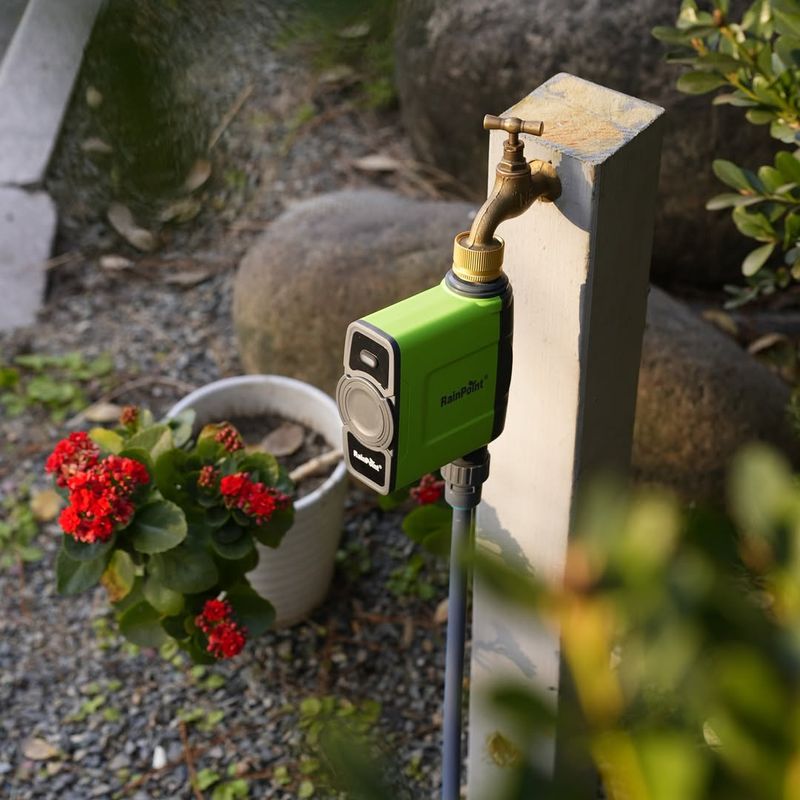
Technology has transformed garden watering from guesswork into precision science. Smart irrigation controllers connect to Wi-Fi and automatically adjust watering schedules based on weather forecasts, soil moisture levels, and plant needs.
These systems prevent the wasteful practice of watering during rainstorms or when soil is already moist, which happens more often than most homeowners realize.
Drip irrigation paired with smart controllers delivers water directly to plant roots, eliminating the evaporation loss that occurs with traditional sprinklers.
Soil moisture sensors placed throughout garden beds provide real-time data, ensuring plants receive exactly the right amount of water.
Many California water districts now offer substantial rebates for installing smart irrigation systems, recognizing their importance in conservation efforts.
The convenience factor cannot be overstated. You can monitor and control your entire irrigation system from your smartphone, whether you’re at work or on vacation.
Some advanced systems even detect leaks and send alerts before small problems become expensive disasters. Initial installation costs typically pay for themselves within two years through reduced water bills.
For California homeowners juggling busy schedules and water conservation goals, smart irrigation systems represent the perfect marriage of technology and environmental responsibility, making sustainable gardening easier than ever before.
4. Pollinator Gardens
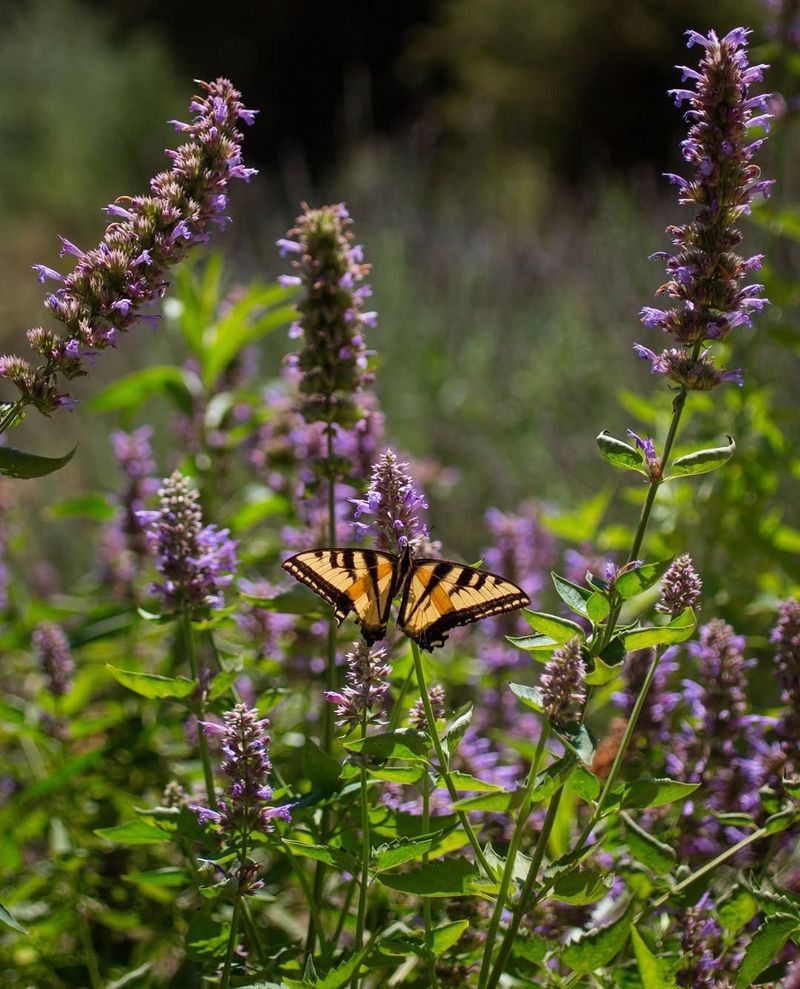
Creating habitat for pollinators has become a priority for environmentally conscious California gardeners.
Bees, butterflies, and hummingbirds face declining populations due to habitat loss and pesticide use, but homeowners can make a real difference by planting pollinator-friendly gardens.
These spaces burst with color and life while supporting creatures essential to our food system and natural ecosystems.
Successful pollinator gardens include a variety of nectar-rich flowers that bloom throughout the growing season. California fuchsia, milkweed, and salvia provide excellent food sources for different pollinator species.
Avoiding pesticides is crucial since even organic options can harm beneficial insects. Instead, embrace natural pest control methods and accept that a few chewed leaves are part of a healthy, balanced garden ecosystem.
Adding features like shallow water sources, bee hotels, and undisturbed soil patches for ground-nesting bees enhances your garden’s value as pollinator habitat.
California gardeners report increased fruit and vegetable yields after establishing pollinator gardens since these helpful insects improve crop pollination.
Watching hummingbirds dart between flowers or butterflies sunning themselves on warm stones brings joy that goes beyond environmental benefits.
Your pollinator garden becomes a living classroom where children can observe nature’s intricate relationships while contributing to conservation efforts right in your own backyard.
5. Edible Landscaping
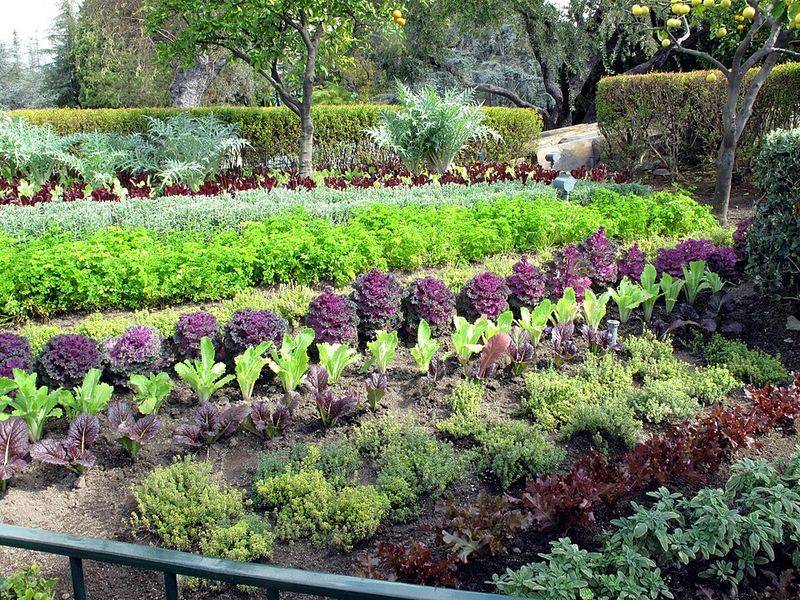
Why choose between beauty and function when you can have both? Edible landscaping integrates food-producing plants into ornamental garden designs, creating spaces that are as gorgeous as they are productive.
California’s mild climate and long growing season make it ideal for year-round edible gardens that provide fresh produce while reducing your grocery bills and environmental footprint.
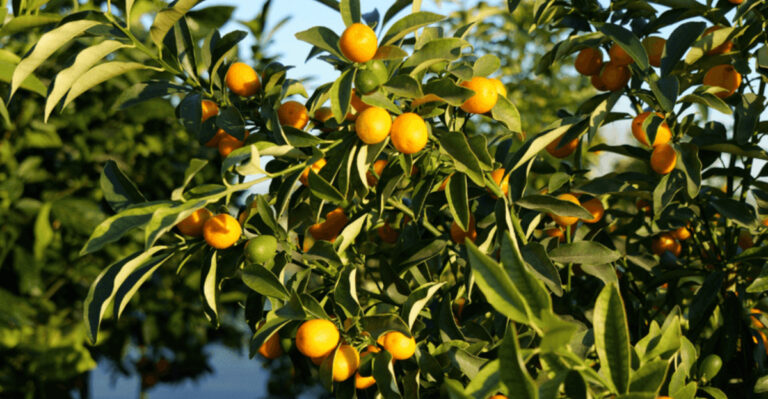
Fruit trees like citrus, fig, and persimmon serve as beautiful focal points while producing abundant harvests. Blueberry bushes offer spring flowers, summer fruit, and stunning fall color.
Herbs such as rosemary and thyme work perfectly as attractive border plants while providing fresh flavors for your kitchen. Even vegetables can be ornamental, rainbow chard, purple kale, and colorful peppers add visual interest to any landscape design.
The sustainability benefits extend beyond homegrown food. Edible gardens eliminate transportation emissions associated with grocery store produce and reduce packaging waste.
You control exactly what goes on your plants, making it easy to grow organic food without pesticides or synthetic fertilizers.
Many California homeowners are replacing water-hungry lawns with productive edible landscapes that require similar or less water while providing tangible returns.
The satisfaction of harvesting dinner from your front yard transforms gardening from a chore into a rewarding lifestyle that nourishes both body and soul.
6. Composting And Soil Regeneration
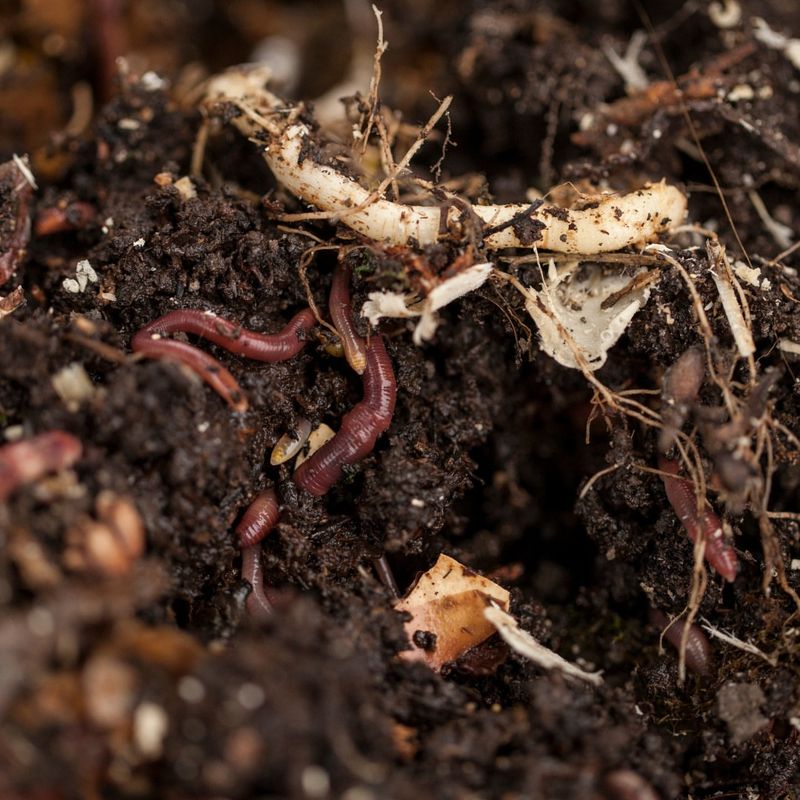
Healthy soil forms the foundation of any successful eco-friendly garden, and composting turns waste into gardening gold. California homeowners are increasingly embracing composting as both an environmental necessity and a practical way to improve their soil.
Rather than sending organic waste to landfills where it produces methane, composting transforms kitchen scraps and yard trimmings into nutrient-rich soil amendment that plants absolutely love.
Starting a compost system is simpler than many people think. Basic bins or tumbler systems work well in most yards, while those with limited space can try worm composting or bokashi methods.
Combining green materials like fruit peels and grass clippings with brown materials such as dry leaves and cardboard creates the perfect balance for efficient decomposition. Within a few months, you’ll have finished compost ready to enrich your garden beds.
The benefits extend far beyond waste reduction. Compost improves soil structure, helping clay soils drain better and sandy soils retain moisture, both crucial in California’s diverse soil types.
It feeds beneficial microorganisms that suppress plant diseases and helps soil hold onto nutrients that might otherwise wash away. Many California cities now require composting or offer free bins to residents, recognizing its importance in reaching zero-waste goals.
Building healthy soil through composting creates a self-sustaining garden ecosystem that needs fewer external inputs over time.
7. Fire-Resistant Green Landscaping
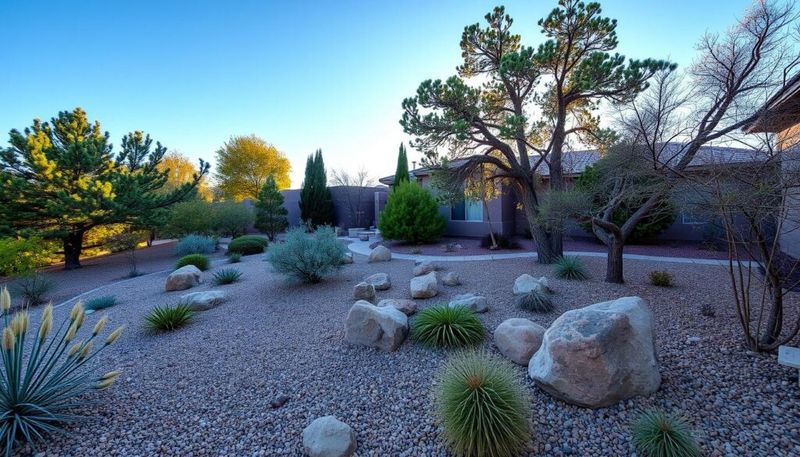
Wildfire risk has become an unavoidable reality for many California homeowners, but fire-resistant landscaping proves you don’t have to sacrifice beauty for safety.
Strategic plant selection and spacing create defensible space around homes while maintaining attractive, eco-friendly gardens.
The key lies in choosing plants with high moisture content, low resin or oil levels, and growth habits that don’t accumulate excessive dead material.
Succulents, deciduous trees, and many native plants with low fuel loads work well in fire-prone areas.
Creating zones around your home helps manage risk, keeping the area immediately adjacent to structures clear of vegetation, using low-growing plants in the next zone, and transitioning to taller vegetation farther away.
Proper irrigation in these zones ensures plants stay hydrated and less flammable during fire season.
Fire-resistant landscaping also involves maintenance practices like removing dead plant material, keeping trees pruned, and creating fuel breaks with pathways or lawns.
Many California counties now require specific defensible space standards, and some insurance companies offer discounts for proper fire-wise landscaping.
The peace of mind that comes from knowing your landscape won’t fuel a fire threatening your home is invaluable.
Combined with other eco-friendly practices, fire-resistant landscaping demonstrates that environmental responsibility and personal safety can work together to create beautiful, resilient California gardens.