10 Eco-Friendly Landscaping Upgrades California Homeowners Are Making
California homeowners are reimagining their yards with eco-friendly landscaping that’s beautiful, sustainable, and low-maintenance.
From conserving water to reducing chemical use, these upgrades help gardens thrive while protecting the environment and cutting long-term costs. Your yard can look amazing, and help the planet at the same time!
These ten upgrades include drought-tolerant plants, rainwater harvesting, permeable walkways, native plantings, and smart irrigation systems.
They reduce water usage, attract pollinators, and create healthier soils, all while maintaining stunning curb appeal.
Many homeowners are combining practicality with creativity to design landscapes that are as functional as they are visually striking. Eco-friendly doesn’t mean sacrificing style—it means smarter, greener choices.
By adopting these strategies, California residents can enjoy resilient gardens that flourish year-round, save resources, and make their properties more sustainable and beautiful.
Upgrade your yard, protect the environment, and enjoy a thriving landscape!
1. Replacing Traditional Lawns With Drought-Tolerant Plants
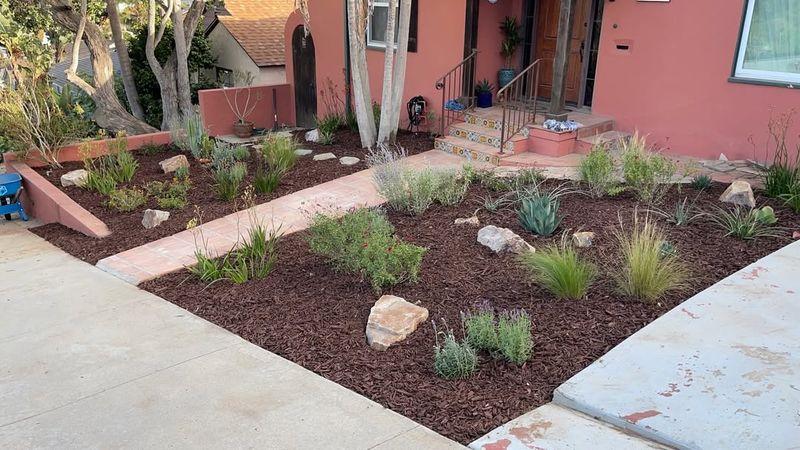
Homeowners across California are saying goodbye to thirsty grass lawns and welcoming vibrant, colorful alternatives that flourish with minimal water.
Traditional turf grass can consume up to 55 gallons of water per square foot annually, making it one of the most resource-intensive features in residential landscaping.
By contrast, native and Mediterranean plants adapted to California’s climate need far less irrigation once established, often surviving on rainfall alone after the first growing season.
The transformation from lawn to drought-tolerant garden creates visual interest throughout the year with diverse textures, colors, and blooming cycles.
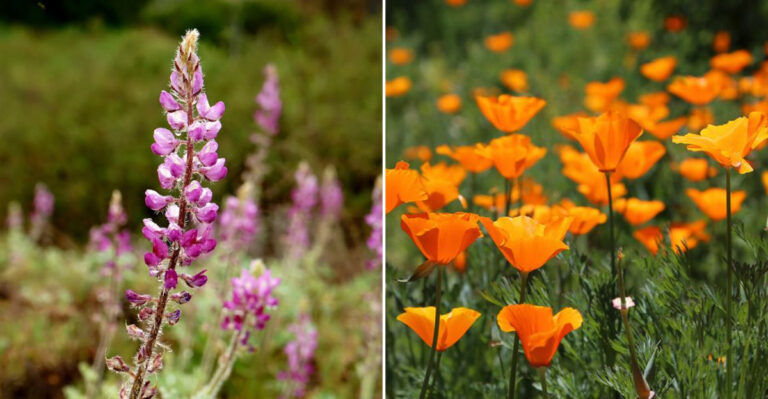
Popular replacements include succulents like agave and sedum, ornamental grasses such as blue fescue, and flowering perennials like California poppies and lavender.
These plants not only reduce water bills dramatically but also require less mowing, fertilizing, and overall maintenance time.
Many cities and water districts offer rebates for lawn removal projects, making the switch financially attractive. Some programs provide several dollars per square foot of turf removed, which can offset installation costs significantly.
Beyond the financial benefits, homeowners appreciate how these landscapes attract beneficial insects, require fewer chemical treatments, and reflect California’s natural beauty while demonstrating environmental stewardship to neighbors and communities.
2. Installing Drip Irrigation Instead Of Sprinklers
Sprinkler systems spray water into the air where much of it evaporates before even reaching plant roots, especially during California’s hot, dry summers.
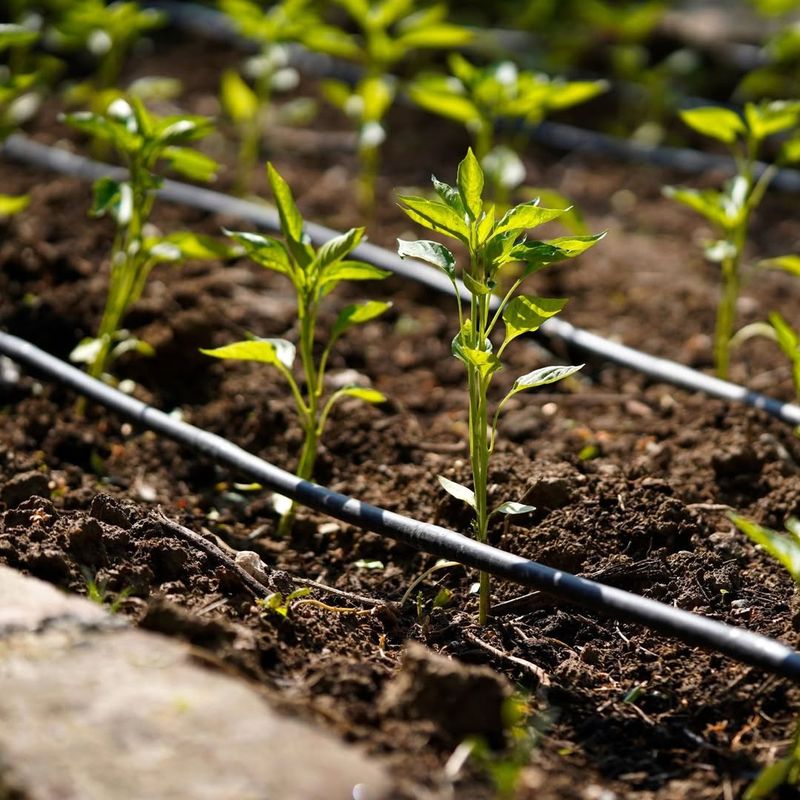
Drip irrigation offers a smarter solution by delivering water directly to the soil surface or root zone through a network of tubes, emitters, and valves.
This targeted approach can reduce water usage by 30 to 50 percent compared to traditional overhead sprinklers while actually improving plant health through consistent moisture delivery.
The system works by slowly releasing water exactly where plants need it most, minimizing runoff and eliminating the waste that occurs when sprinklers water sidewalks, driveways, or areas without vegetation.
Modern drip systems can be customized with timers and moisture sensors that adjust watering schedules based on weather conditions and soil moisture levels.
This automation ensures plants receive optimal hydration without constant manual monitoring or adjustment.
Installation has become increasingly accessible for homeowners, with many DIY-friendly kits available at garden centers and home improvement stores. Professional installation remains an option for larger properties or complex landscapes.
The initial investment pays dividends through lower water bills, healthier plants with deeper root systems, and reduced weed growth since water isn’t distributed across bare soil areas where unwanted plants might otherwise sprout and compete with desired vegetation.
3. Using Native California Plants
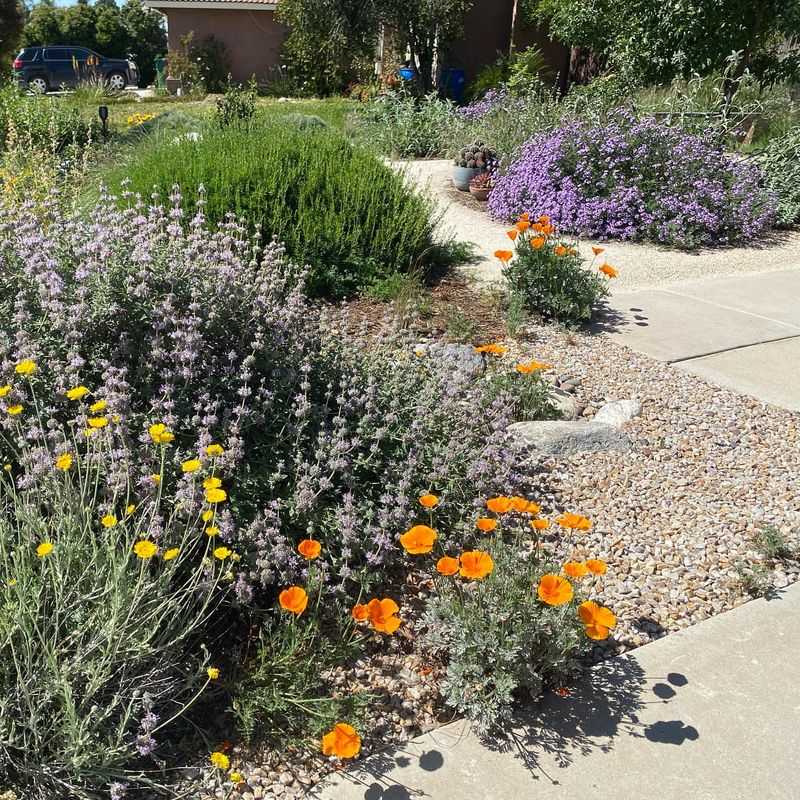
Native plants evolved over thousands of years to thrive in California’s specific climate conditions, soil types, and seasonal patterns, making them naturally suited for local landscapes.
Species like ceanothus, manzanita, California fuchsia, and toyon require minimal supplemental watering once established and resist local pests and diseases without chemical interventions.
Their deep root systems help prevent erosion while accessing moisture unavailable to shallow-rooted ornamentals imported from other regions.
Beyond water conservation, native plants provide critical habitat and food sources for local wildlife, including endangered pollinators like native bees and butterflies.
Hummingbirds flock to tubular flowers of native sages and penstemons, while songbirds feast on berries from elderberry and coffeeberry shrubs throughout winter months.
This ecological connection creates living landscapes that support biodiversity rather than sterile decorative spaces that offer little value to local fauna.
Gardening with natives also connects homeowners to California’s unique botanical heritage and regional identity. Each area of the state has distinct native plant communities, from coastal sage scrub to chaparral to oak woodland species.
Selecting plants indigenous to your specific region creates landscapes that look naturally appropriate and require even less maintenance since they’re perfectly adapted to local rainfall patterns, temperature ranges, and soil conditions without amendments or special care beyond occasional pruning.
4. Switching To Permeable Pavers And Pathways
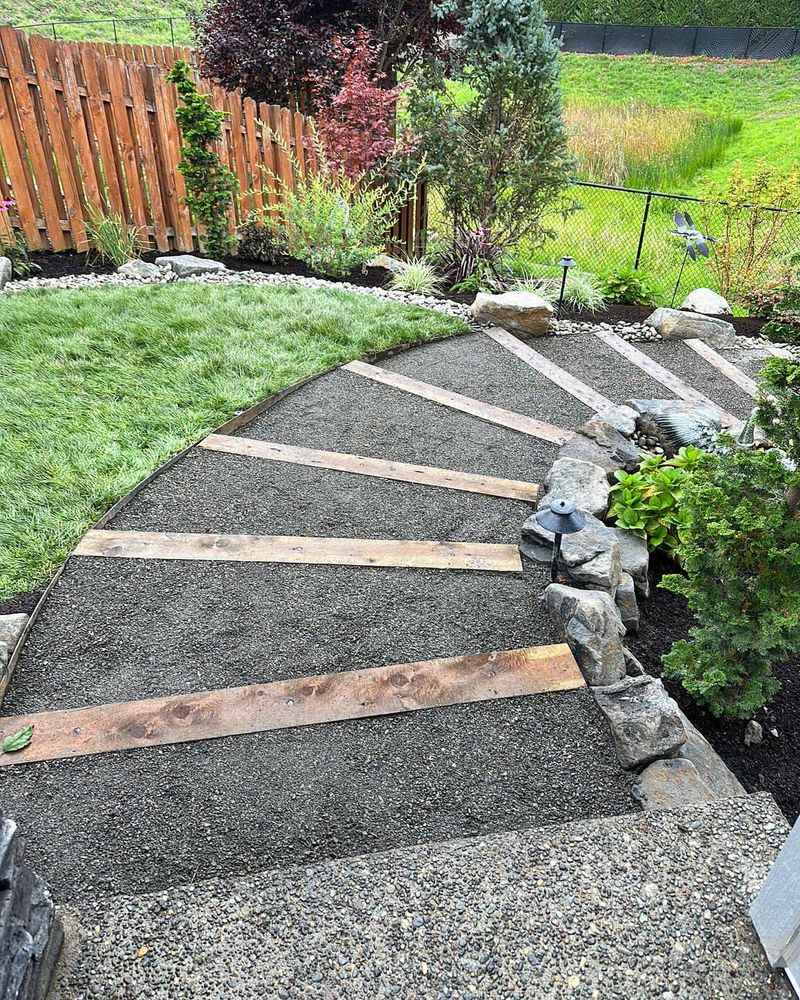
Traditional concrete and asphalt surfaces create impermeable barriers that prevent rainwater from naturally soaking into the ground, forcing it to rush across surfaces as runoff that can carry pollutants into storm drains and waterways.
Permeable pavers offer an environmentally friendly alternative that allows water to filter through gaps and porous materials into the soil below.
This simple switch helps recharge underground aquifers while reducing flooding risks and the burden on municipal stormwater systems during California’s occasional heavy rainfall events.
These innovative hardscaping materials come in various attractive styles including permeable concrete pavers, porous asphalt, gravel stabilization systems, and decorative stone with wide joints filled with sand or small aggregate.
The spaces between pavers create pathways for water infiltration while still providing stable, durable surfaces for foot traffic, patios, driveways, and parking areas.
Many designs rival traditional hardscaping in aesthetic appeal while offering superior environmental performance.
Installation costs for permeable systems have become increasingly competitive with conventional paving, especially when considering long-term benefits like reduced drainage infrastructure needs and compliance with local stormwater regulations.
Some municipalities offer incentives for permeable hardscaping installation.
Beyond environmental advantages, these surfaces stay cooler than solid pavement during hot weather, reduce glare, and allow tree roots to access oxygen and water more easily, promoting healthier urban forests and landscape trees throughout residential neighborhoods.
5. Adding Mulch To Retain Soil Moisture
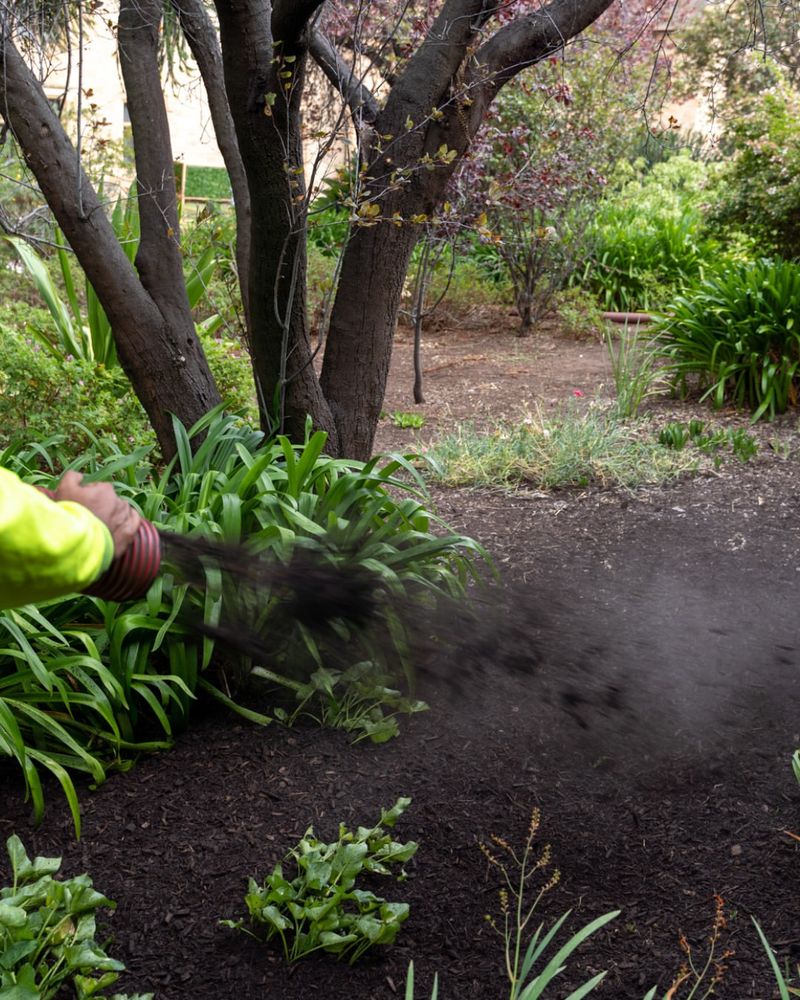
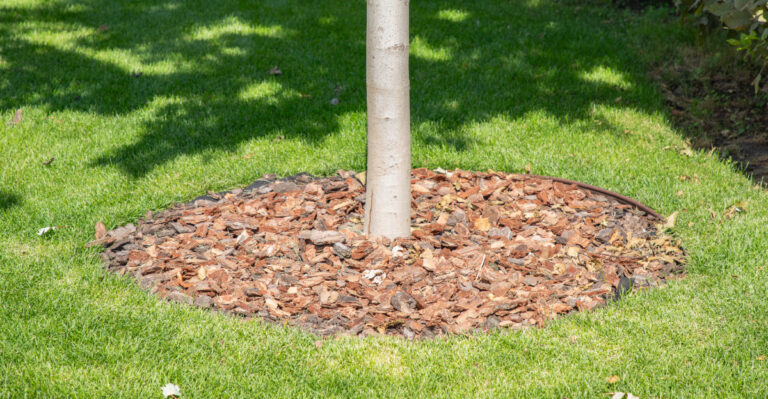
Organic mulch acts like a protective blanket over soil, dramatically slowing evaporation and keeping moisture available to plant roots for longer periods between watering sessions.
In California’s intense summer heat, bare soil can lose moisture rapidly through surface evaporation, forcing homeowners to water more frequently and waste precious resources.
A layer of mulch just two to four inches thick can reduce evaporation by up to 70 percent while moderating soil temperature fluctuations that stress plant roots.
Material choices include shredded bark, wood chips, compost, straw, and leaf litter, each offering unique benefits beyond moisture retention.
As organic mulches slowly decompose, they enrich soil with nutrients and improve structure, encouraging beneficial microbial activity and earthworm populations.
This natural soil building process reduces the need for synthetic fertilizers while creating healthier growing conditions.
Mulch also suppresses weed germination by blocking light from reaching weed seeds, saving hours of tedious hand-pulling throughout the growing season. Application is straightforward but requires attention to proper technique for best results.
Spread mulch evenly around plants while keeping it a few inches away from stems and trunks to prevent moisture-related rot and pest problems. Replenish mulch annually or as it decomposes, typically adding a fresh layer each spring.
Many municipalities and tree services offer free wood chip mulch from tree trimming operations, making this upgrade both economical and eco-friendly by diverting organic waste from landfills.
6. Harvesting Rainwater With Barrels Or Cisterns
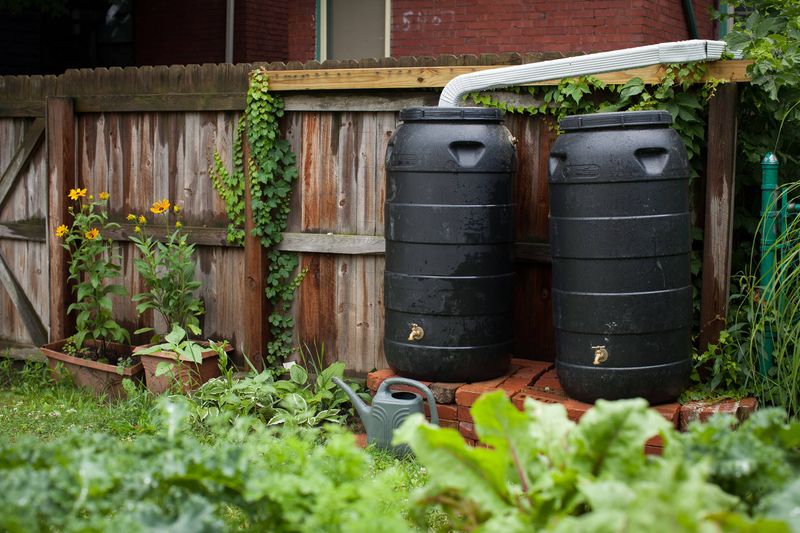
Capturing rainwater from rooftops provides homeowners with a free, sustainable water source for landscape irrigation during dry months when outdoor watering restrictions often take effect.
Rain barrels and cisterns collect runoff from gutters and downspouts, storing it for later use rather than allowing it to flow into storm drains.
Even modest rainfall can yield significant volumes when you consider that one inch of rain falling on a 1,000-square-foot roof produces over 600 gallons of harvestable water.
Systems range from simple 50-gallon barrels with spigots to elaborate underground cisterns holding thousands of gallons with pumps and filtration components.
Basic rain barrels are affordable and easy to install as a weekend project, requiring only a downspout diverter and level foundation.
Larger systems demand more planning and investment but provide substantial storage capacity for properties with extensive landscaping needs or those wanting maximum self-sufficiency during extended dry periods common throughout California.
Before installing rainwater harvesting systems, homeowners should check local regulations since rules vary by municipality and water district.
Most California jurisdictions encourage residential rainwater collection for outdoor irrigation, though some have specific requirements regarding system design, overflow management, and mosquito prevention measures like screened openings and tight-fitting lids.
The stored water works perfectly for hand-watering container plants, vegetable gardens, and newly planted specimens that need extra attention, reducing dependence on municipal supplies while making productive use of a natural resource.
7. Removing Invasive Plants And Replacing Them With Natives
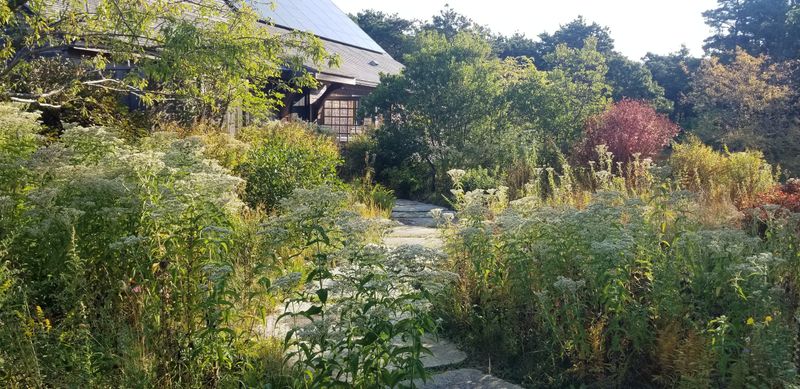
Invasive plant species like pampas grass, English ivy, and ice plant may look attractive but they aggressively spread beyond property boundaries, displacing native vegetation and disrupting local ecosystems.
These non-native plants often lack natural predators or diseases that would control their growth in their original habitats, allowing them to outcompete indigenous species for water, nutrients, and space.
Removing invasives and replacing them with native alternatives restores ecological balance while reducing long-term maintenance demands since native plants require less intervention to thrive.
The removal process varies depending on the species but typically involves cutting plants back, removing root systems, and monitoring for regrowth over subsequent seasons.
Some invasives like Himalayan blackberry require persistent effort to fully eradicate, while others come out more easily with proper tools and techniques.
Many California counties offer resources and workshops on invasive species identification and removal methods, and some even provide free disposal of invasive plant material at designated collection sites.
Replacing cleared areas with native plants prevents reinvasion while creating habitat for local wildlife that evolved alongside these species.
Native alternatives exist for virtually every landscape function that invasive plants might serve, whether groundcover, screening, erosion control, or ornamental interest.
This ecological restoration work, even on individual residential properties, contributes to broader conservation efforts and helps preserve California’s unique biodiversity.
Neighbors often take notice and follow suit, creating corridors of native habitat that benefit entire neighborhoods and surrounding natural areas.
8. Creating Pollinator-Friendly Garden Zones
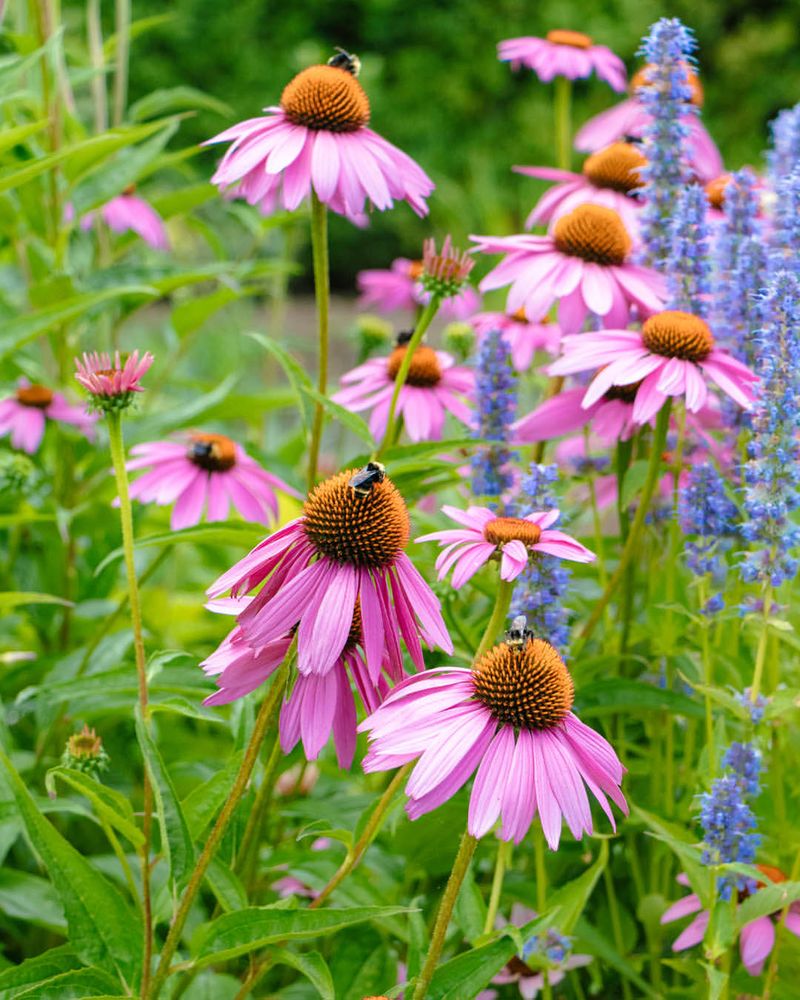
Dedicated pollinator gardens transform ordinary yards into vibrant sanctuaries buzzing with life as bees, butterflies, hummingbirds, and beneficial insects visit flowers for nectar and pollen.
These specialized zones prioritize plants selected specifically for their value to pollinators rather than purely aesthetic considerations, though the two goals happily overlap with many pollinator favorites offering spectacular seasonal color.
California’s native pollinators face numerous challenges including habitat loss, pesticide exposure, and climate change, making residential gardens increasingly important refuge and food sources.
Successful pollinator gardens incorporate diverse plant species that bloom sequentially throughout the year, ensuring continuous food availability from early spring through late fall.
Grouping several plants of the same species together creates visual targets that pollinators can easily locate and makes foraging more efficient.
Flowers with different shapes and colors attract various pollinator types, from long-tongued butterflies that probe tubular blooms to short-tongued native bees that prefer open, accessible flowers like sunflowers and asters.
Beyond flowers, complete pollinator habitat includes water sources like shallow dishes with stones for landing spots, bare soil patches where ground-nesting bees can excavate tunnels, and undisturbed areas with plant stems left standing through winter to shelter overwintering insects.
Avoiding pesticides is essential since even products marketed as safe can harm beneficial insects.
The rewards of pollinator gardening extend beyond environmental benefits, offering homeowners front-row seats to fascinating behaviors and the satisfaction of supporting species essential to food production and ecosystem health throughout California and beyond.
9. Reducing Chemical Fertilizers And Pesticides
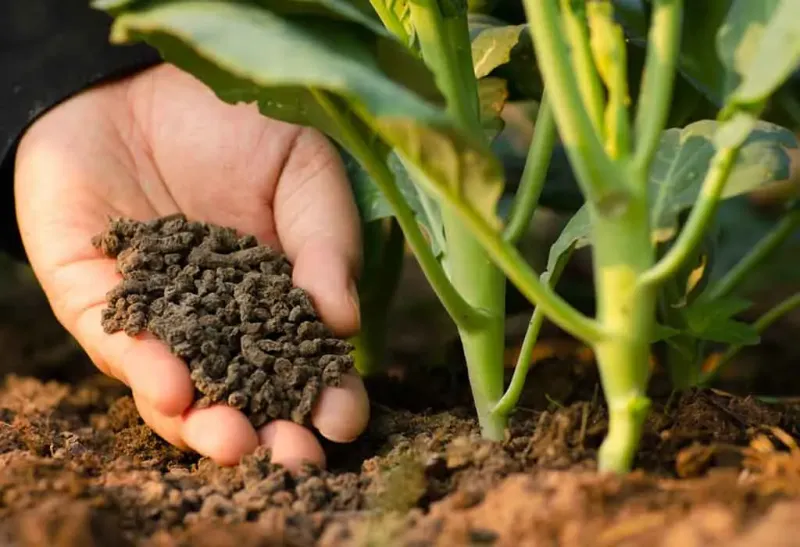
Synthetic fertilizers and pesticides create unintended consequences that ripple through landscapes and beyond, contaminating groundwater, harming beneficial organisms, and disrupting soil ecosystems that support plant health naturally.
Many California homeowners are embracing organic and integrated pest management approaches that work with natural systems rather than against them.
These methods focus on building healthy soil, selecting appropriate plants, encouraging beneficial predators, and using targeted interventions only when necessary rather than applying chemicals on predetermined schedules regardless of actual pest presence.
Organic alternatives like compost, worm castings, and aged manure feed soil microorganisms that break down nutrients into forms plants can absorb while improving soil structure and water retention.
This biological approach creates resilient growing conditions where plants develop stronger natural defenses against pests and diseases.
For pest problems, integrated pest management starts with correctly identifying the issue, then progressing through least-toxic solutions like hand-picking, barriers, beneficial insect releases, and targeted organic treatments before considering stronger measures.
The transition away from chemical dependency takes patience as soil biology recovers and landscapes establish new equilibrium, but the long-term benefits include healthier plants, reduced costs, safer environments for children and pets, and protection for beneficial wildlife like birds, ladybugs, and ground beetles that naturally control pest populations.
Many garden centers now stock organic products and helpful staff can guide homeowners through the transition.
Online resources and local gardening groups provide community support for learning organic techniques specific to California’s unique growing conditions and common pest challenges.
10. Designing Landscapes For Shade And Cooling
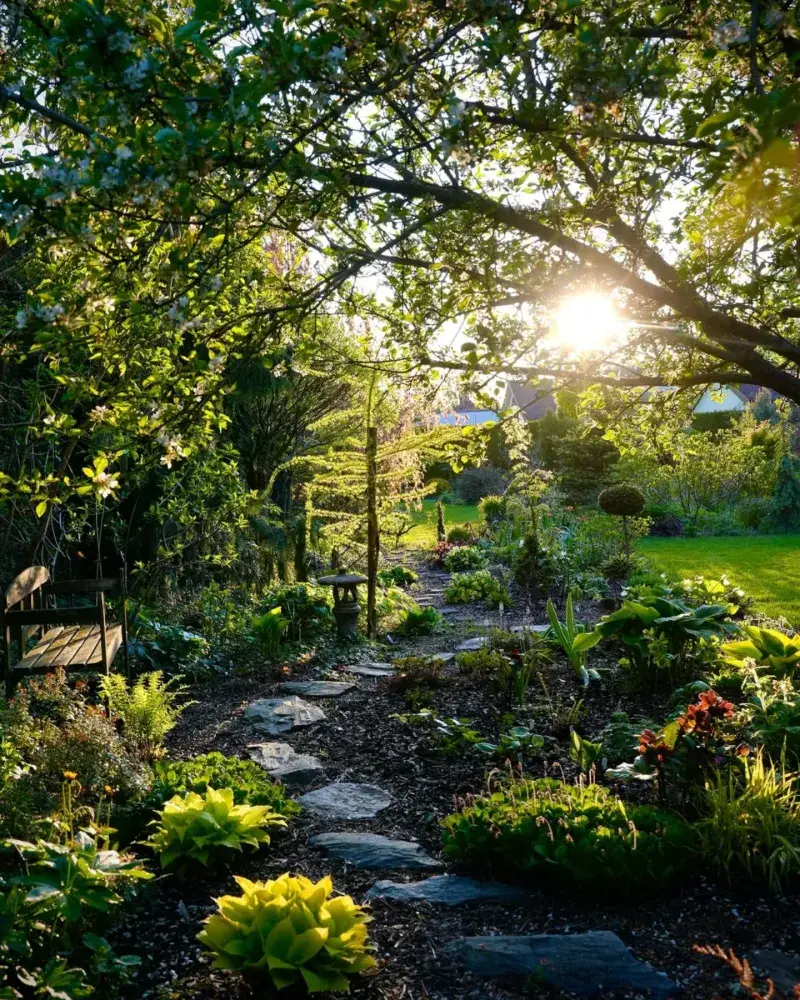
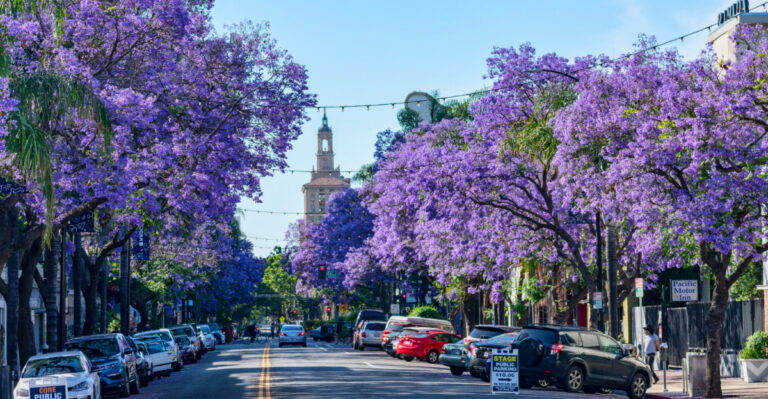
Strategic tree and shrub placement transforms landscapes into natural cooling systems that reduce ambient temperatures, lower home energy consumption, and create comfortable outdoor living spaces even during California’s hottest months.
Deciduous trees planted on the south and west sides of homes provide dense summer shade that blocks intense afternoon sun from heating walls and windows, then drop their leaves in winter to allow warming sunlight through when it’s welcome.
This simple design principle can reduce air conditioning costs by 15 to 50 percent while making yards more pleasant for outdoor activities.
Beyond individual home benefits, vegetated landscapes combat the urban heat island effect where cities become significantly hotter than surrounding rural areas due to heat-absorbing pavement and buildings.
Trees release moisture through transpiration, which cools surrounding air similar to how sweating cools human bodies.
Layered plantings with canopy trees, understory shrubs, and groundcovers create multiple shade zones and maximize cooling effects while providing diverse habitat for wildlife and visual interest throughout the year.
Selecting appropriate tree species requires considering mature size, growth rate, water needs, and placement relative to structures, utilities, and sight lines.
California natives like coast live oak, western redbud, and California sycamore offer excellent shade with reasonable water demands once established.
Fast-growing options like Chinese pistache provide quicker results for homeowners wanting immediate impact.
Proper planting and early care ensure trees develop strong structure and deep roots, setting them up for decades of cooling service, carbon sequestration, and landscape beauty that increases property values while demonstrating environmental commitment.