11 Eco-Friendly Landscaping Upgrades That Work Well In Colorado
Colorado landscapes are shaped by sun, wind, and shifting seasons, which makes thoughtful outdoor choices feel more important than ever for homeowners.
Many people are starting to notice that traditional landscaping habits no longer fit the climate or the way yards are actually used day to day.
Small changes in design and materials can quietly reduce waste, conserve resources, and still keep outdoor spaces looking intentional and well cared for.
Eco-friendly upgrades often begin with noticing how water moves, where plants struggle, and which areas demand the most attention.
Colorado’s mix of dry air, intense sunlight, and sudden weather shifts rewards landscapes that work with nature instead of pushing against it.
These improvements are not about giving something up, but about creating yards that feel smarter, more resilient, and easier to maintain over time.
Many homeowners find that sustainable upgrades bring a sense of balance back to outdoor spaces that once felt high effort and low reward.
What makes these changes appealing is how naturally they blend into existing yards without dramatic redesigns.
Over time, eco-conscious landscaping tends to save both money and effort while supporting healthier surroundings.
For Colorado homes, these simple upgrades offer a practical way to care for the landscape while respecting the environment it depends on.
1. Install a Drip Irrigation System
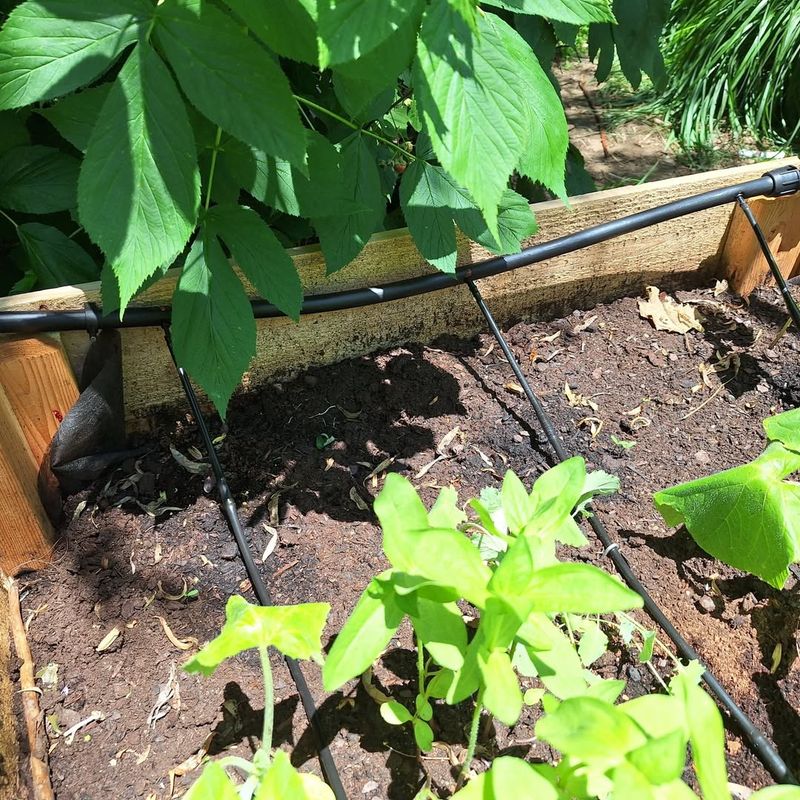
Watering your garden efficiently means less waste and healthier plants that thrive even during Colorado’s driest months when rainfall becomes scarce and unpredictable.
Drip irrigation delivers water directly to plant roots, cutting water use by up to fifty percent compared to traditional sprinklers that spray everywhere.
You can set timers to water early morning or evening, so moisture soaks deep into soil before the sun evaporates it away completely.
This system works wonders for vegetable beds, flower gardens, and shrubs that need consistent moisture without overwatering or creating puddles that attract pests.
Many Colorado gardeners love how drip lines reduce weeds because water goes exactly where plants need it instead of feeding unwanted growth between rows.
Installation feels manageable for most homeowners with basic tools, and kits come with clear instructions that make setup straightforward even for first-time users.
Your water bill drops noticeably after switching to drip irrigation, and plants grow stronger roots that handle heat and cold better throughout changing seasons.
Choosing drip irrigation means you care about conserving resources while keeping your landscape lush, vibrant, and ready to impress visitors all summer long.
2. Plant Native Wildflowers and Grasses
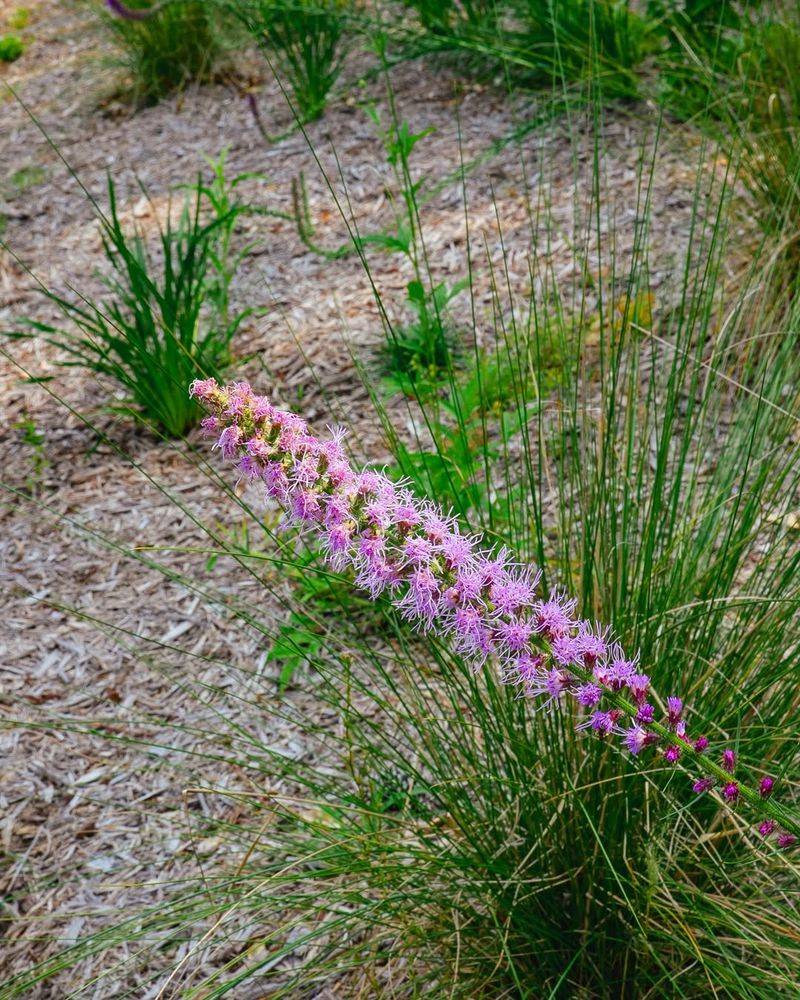
Native plants evolved over thousands of years to handle Colorado’s unique climate, so they need far less water and care than exotic species imported from other regions.
Wildflowers like columbine, blanket flower, and penstemon burst with color each spring and summer, attracting butterflies and bees that pollinate your entire yard naturally.
Grasses such as blue grama and buffalo grass stay green with minimal watering, creating soft carpets that feel wonderful underfoot during warm afternoon playtime.
These plants develop deep root systems that prevent soil erosion on slopes and hillsides, protecting your property from runoff damage during heavy rainstorms.
Maintenance becomes a breeze because native species resist local pests and diseases without needing chemical treatments that harm beneficial insects and soil health.
Colorado nurseries offer seed mixes designed specifically for different elevations and sun exposures, making it simple to choose varieties that flourish in your exact location.
Planting natives helps preserve the state’s natural heritage while giving wildlife safe spaces to feed, nest, and raise their young right in your backyard.
Your neighbors will admire how your garden looks effortlessly stunning year after year, requiring only occasional trimming and almost no fertilizer or extra watering.
Switching to native wildflowers and grasses means you join thousands of Colorado residents who celebrate local beauty while protecting precious water resources for future generations.
3. Add a Rain Barrel Collection System
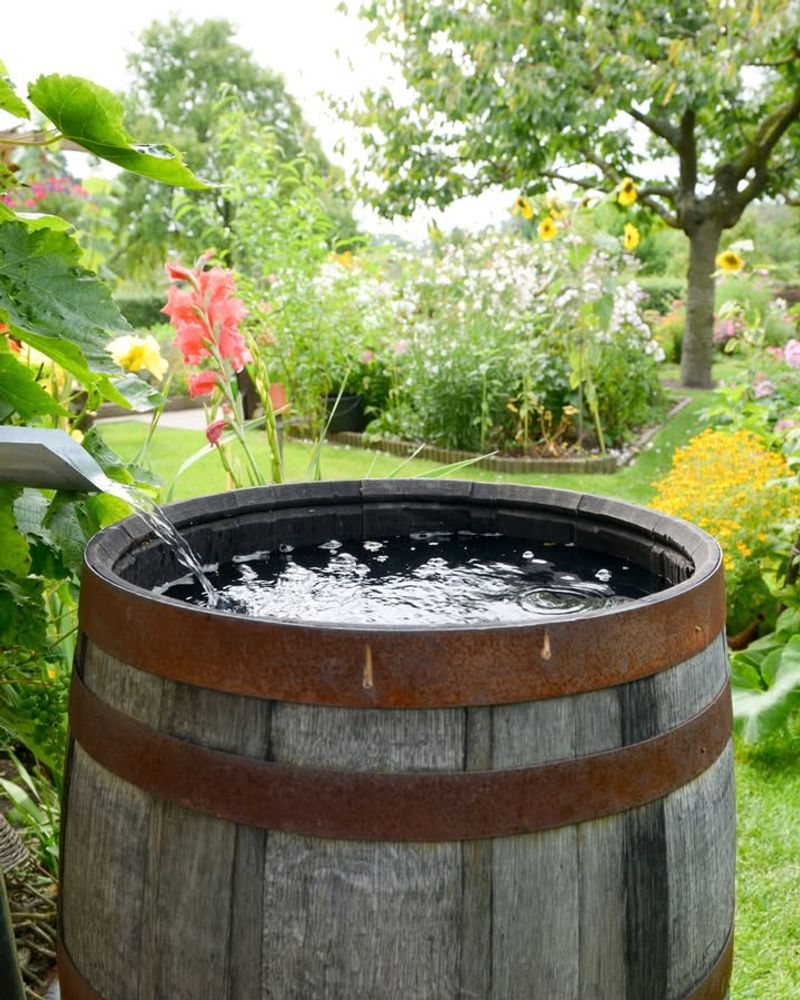
Capturing rainwater from your roof gives you free irrigation water that reduces demand on municipal supplies and lowers your monthly utility bills significantly over time.
Rain barrels collect runoff from gutters and downspouts, storing it until you need to water plants during dry spells that happen frequently across Colorado summers.
A single inch of rain on a typical roof can fill several barrels, providing hundreds of gallons for gardens, lawns, and container plants throughout the season.
Using harvested rainwater means plants get naturally soft water without chlorine or other chemicals that sometimes stress delicate flowers and vegetables you want to eat.
Barrels come in attractive designs that blend with home exteriors, and some models include spigots, hoses, and overflow valves for convenient, mess-free watering every day.
Installing a rain barrel takes just an hour or two, and many Colorado cities offer rebates or discounts to encourage residents to conserve water this simple way.
You help reduce stormwater runoff that can overwhelm local drainage systems and carry pollutants into rivers and streams that supply drinking water to communities statewide.
Adding rain barrels shows you value sustainability while enjoying the practical benefit of always having water ready for thirsty plants during hot, sunny days.
4. Create a Pollinator-Friendly Garden
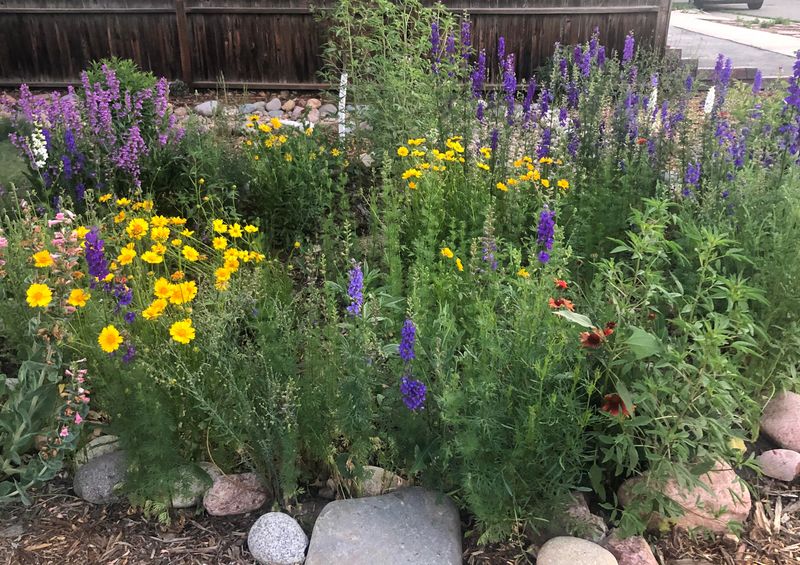
Pollinators like bees, butterflies, and hummingbirds need safe habitats filled with nectar-rich flowers that bloom from early spring through late fall in Colorado gardens.
Planting a variety of flowers with different bloom times ensures these helpful creatures always find food, which boosts pollination rates for vegetables and fruit trees nearby.
Species like bee balm, lavender, and salvia attract dozens of pollinator species, turning your yard into a lively, buzzing haven that feels magical on sunny afternoons.
Avoid using pesticides that harm beneficial insects, and instead encourage natural predators like ladybugs that control aphids and other pests without toxic chemicals spraying everywhere.
Adding shallow water sources, such as birdbaths with pebbles, gives pollinators safe drinking spots where they can land and refresh without drowning in deep water.
Colorado’s high elevation and intense sun create perfect conditions for pollinator gardens, and many native plants thrive with minimal watering once roots establish themselves deeply.
Your vegetable harvest improves dramatically when pollinators visit regularly, producing more tomatoes, squash, and peppers than gardens without these hardworking helpers buzzing around constantly.
Creating a pollinator garden means you contribute to conservation efforts while enjoying vibrant colors and fascinating wildlife that make your yard feel alive every single day.
5. Use Organic Mulch Around Plants
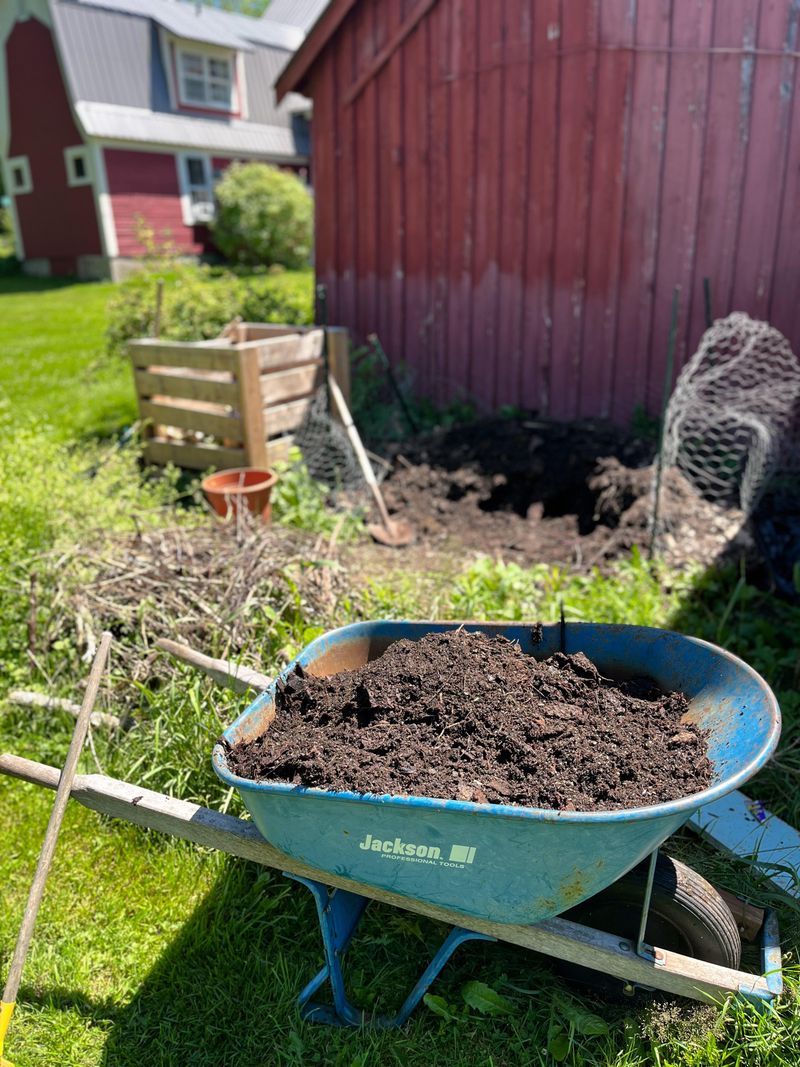
Spreading mulch around trees, shrubs, and flower beds helps soil retain moisture, reducing how often you need to water during Colorado’s hot, dry summer months ahead.
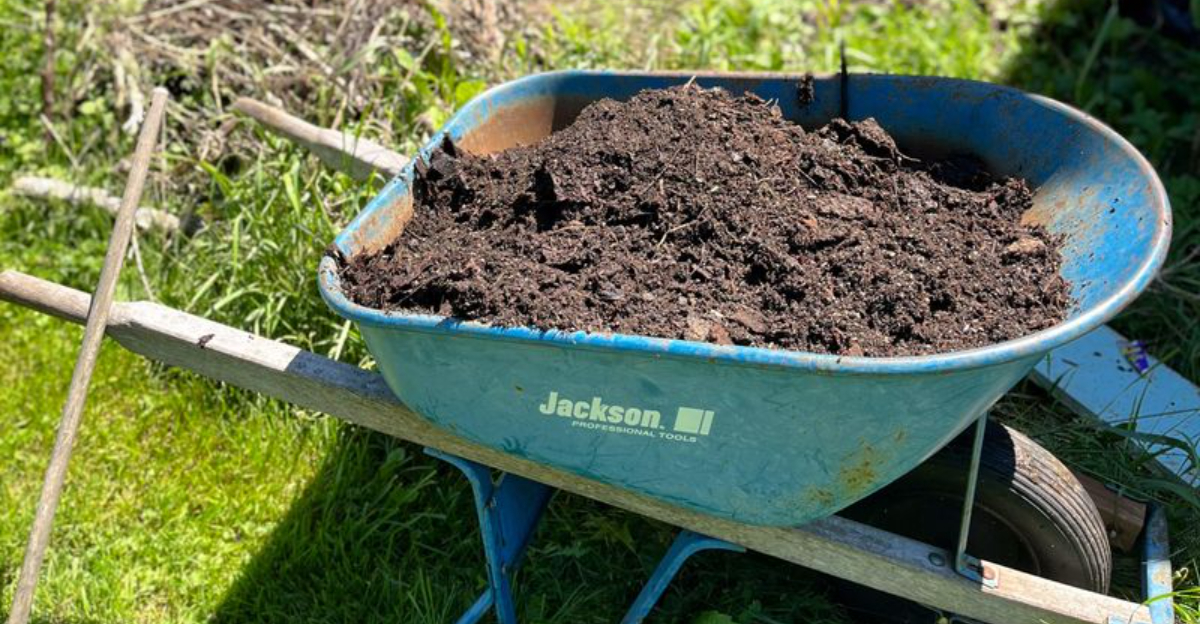
Organic materials like wood chips, shredded bark, and compost break down slowly, enriching soil with nutrients that feed plants naturally without synthetic fertilizers or chemicals.
Mulch keeps soil temperatures stable, protecting roots from extreme heat in summer and insulating them against freezing cold during harsh Colorado winters that arrive unexpectedly.
Weeds struggle to grow through thick mulch layers, saving you hours of tedious pulling and hoeing that nobody enjoys doing on beautiful weekend mornings.
A two-to-three-inch layer around plants looks neat and polished, giving your landscape a professionally maintained appearance that neighbors notice and compliment frequently throughout the year.
As mulch decomposes, it improves soil structure, making clay soils drain better and sandy soils hold moisture longer, which benefits all plants growing in your yard.
Local Colorado tree services and garden centers often sell affordable mulch by the truckload, and some offer free wood chips from tree trimming operations happening nearby.
Applying mulch once or twice a year becomes a simple routine that pays off with healthier plants, less watering, and fewer weeds invading your carefully planned garden spaces.
Choosing organic mulch shows you prioritize natural solutions that build soil health over time, creating a thriving landscape that gets better and more beautiful every season.
6. Build a Compost Bin for Yard Waste
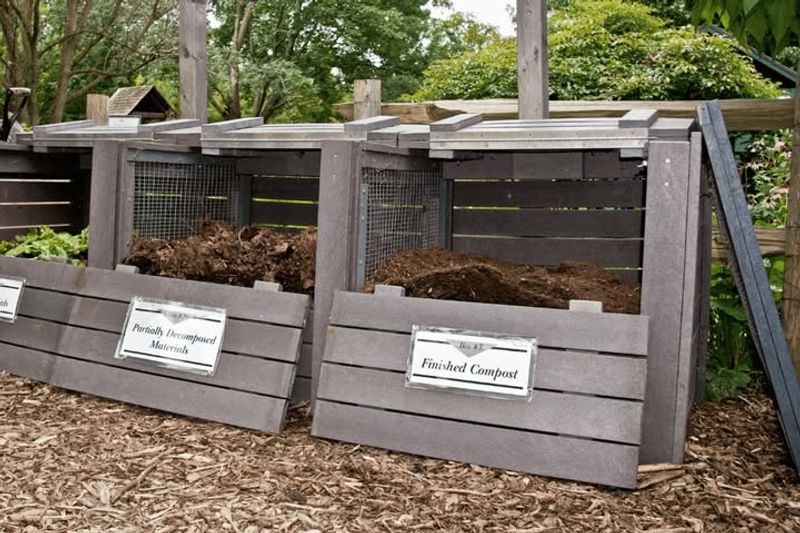
Composting turns grass clippings, leaves, and kitchen scraps into nutrient-rich soil amendment that transforms struggling plants into vigorous growers without buying expensive fertilizers constantly.
A simple bin made from wood pallets or wire fencing works perfectly, giving you a designated spot to pile organic waste that decomposes naturally over several months.
Mixing green materials like vegetable peels with brown materials like dried leaves creates balanced compost that breaks down quickly and smells earthy rather than unpleasant or rotten.
Colorado’s low humidity means compost piles need occasional watering to stay moist, but the dry climate also prevents the soggy, smelly conditions common in wetter regions.
Finished compost improves soil structure, helps plants handle drought stress, and reduces the need for chemical fertilizers that can leach into groundwater and harm aquatic ecosystems downstream.
You divert tons of waste from landfills each year, cutting methane emissions and supporting a circular system where yard waste becomes food for future plants instead of garbage.
Many Colorado municipalities offer free compost bins or workshops teaching residents how to start composting successfully, making it easier than ever to begin this rewarding practice.
Building a compost bin means you close the loop in your yard, turning waste into treasure while nurturing soil health that sustains beautiful landscapes for years.
7. Install Permeable Paving for Walkways
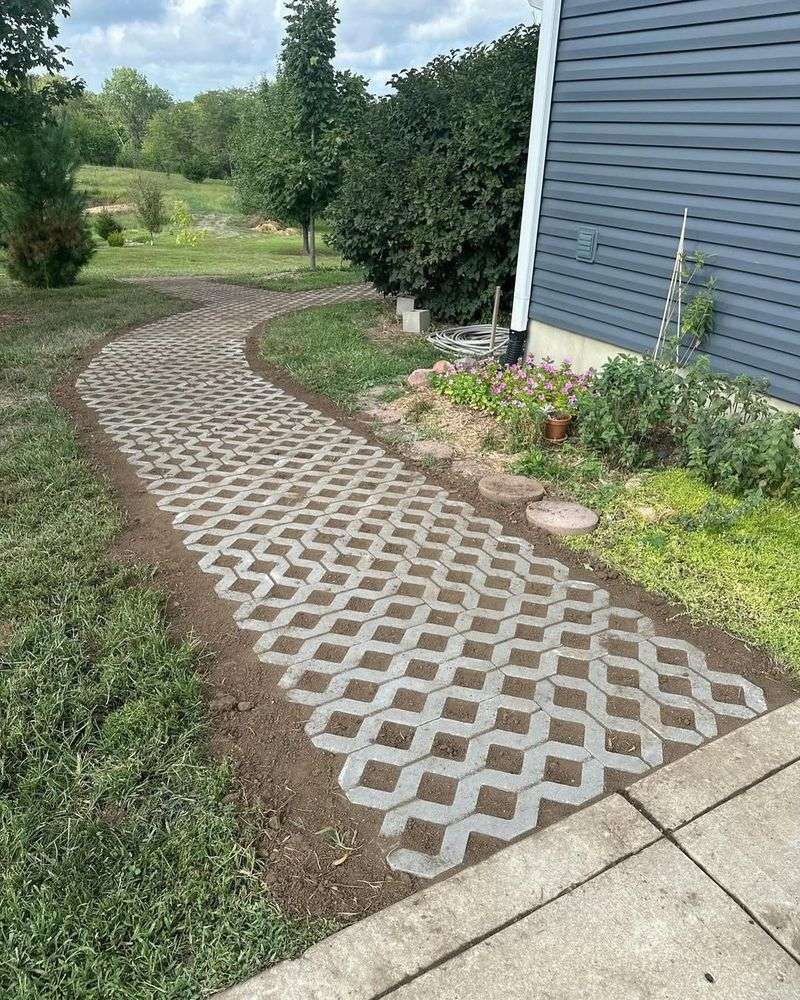
Permeable pavers allow rainwater to soak through surfaces into the ground below, recharging aquifers instead of rushing into storm drains that carry pollutants to Colorado rivers.
Materials like porous concrete, gravel, and interlocking pavers with gaps create attractive walkways and patios that handle heavy foot traffic while letting water filter naturally through soil.
Traditional concrete and asphalt create impermeable surfaces that contribute to flooding and erosion, but permeable options prevent these problems while looking stylish and modern in any yard.
Water filtering through permeable paving gets cleaned by soil layers, removing contaminants before reaching groundwater that supplies wells and municipal water systems across the state.
Installing permeable surfaces reduces puddles and ice patches during winter, making walkways safer for family members and visitors who might slip on frozen, slick traditional pavement.
Colorado’s freeze-thaw cycles can crack solid concrete, but permeable systems flex slightly, handling temperature changes better and lasting longer with less maintenance and costly repairs needed.
You can choose from many colors and patterns that complement your home’s style, creating custom designs that add curb appeal while supporting sustainable water management practices.
Switching to permeable paving demonstrates your commitment to protecting water quality and reducing runoff, making your property an example of thoughtful, eco-conscious design that inspires others.
8. Switch to Solar-Powered Outdoor Lighting

Solar lights charge during the day using Colorado’s abundant sunshine, then illuminate pathways and gardens at night without adding a penny to your electricity bill each month.
Modern solar fixtures come in attractive styles that match any landscape design, from rustic lanterns to sleek contemporary posts that enhance your home’s outdoor aesthetic beautifully.
Installing solar lights requires no wiring or electrician, so you simply stake them into the ground or mount them on walls wherever you need light most.
These lights automatically turn on at dusk and off at dawn, providing convenient, hands-free operation that ensures your yard stays safely lit without wasting energy unnecessarily.
Colorado’s high elevation means stronger sunlight that charges solar panels more efficiently than in many other states, giving you brighter, longer-lasting illumination every single night.
Replacing traditional electric landscape lighting with solar options reduces your carbon footprint and eliminates the hassle of running extension cords or burying electrical lines through your yard.
Battery technology has improved dramatically, so modern solar lights shine reliably even on cloudy days, storing enough energy to last through long winter nights common here.
You can rearrange solar lights anytime your landscape changes, moving them to highlight new plantings or accent features without needing permits or professional help from contractors.
Choosing solar-powered lighting means you harness renewable energy that Colorado offers in abundance, creating a safer, more beautiful outdoor space while protecting the environment for tomorrow.
9. Design a Rock Garden with Native Stone
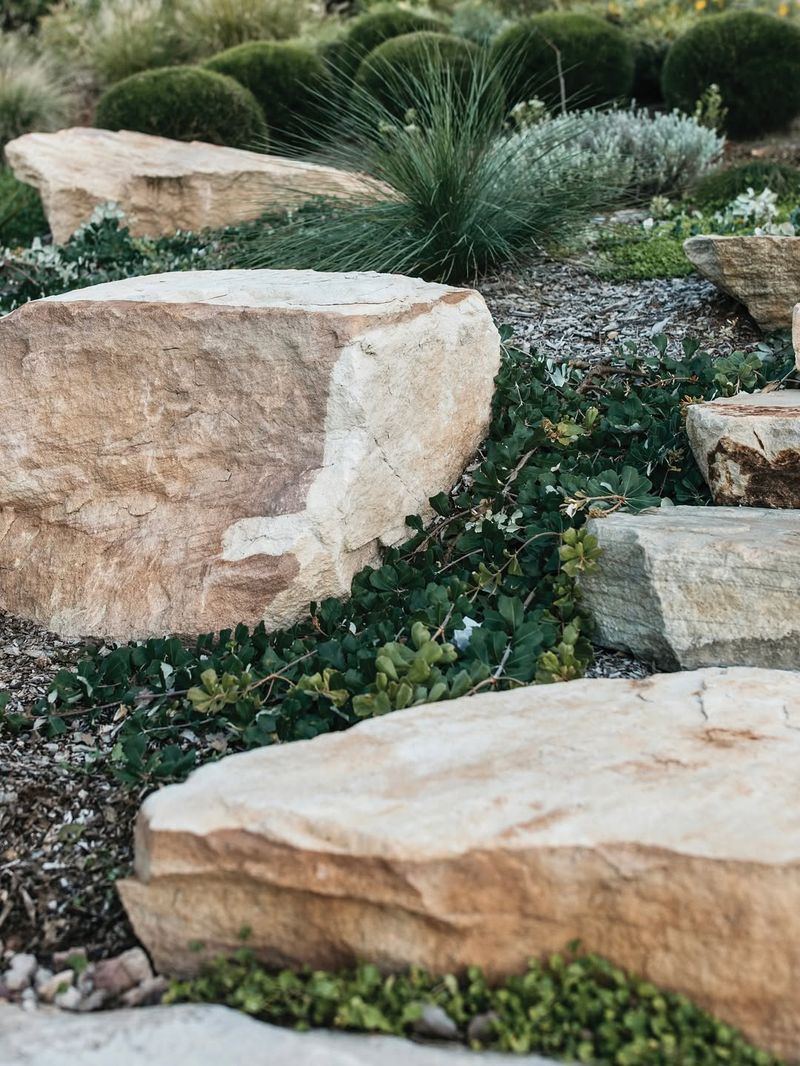
Rock gardens thrive in Colorado’s dry climate, requiring almost no water once established while showcasing beautiful native stones that reflect the state’s natural geology and rugged character.
Using local stone like red sandstone or granite reduces transportation emissions and connects your landscape to the surrounding environment, creating a cohesive look that feels authentically regional.
Arrange rocks in naturalistic groupings with pockets of soil for drought-tolerant plants like sedum, hens-and-chicks, and creeping thyme that soften hard edges with colorful, textured foliage.
Rock gardens prevent erosion on slopes and hillsides, holding soil in place during heavy rains while adding visual interest that transforms boring, difficult-to-mow areas into stunning features.
Maintenance becomes minimal because rocks never need watering, mowing, or fertilizing, and plants selected for rock gardens handle neglect better than traditional lawn or flower beds.
Colorado stone suppliers offer a wide variety of sizes, shapes, and colors, allowing you to create custom designs that range from alpine meadow themes to desert-inspired arrangements.
These gardens provide habitat for beneficial insects and lizards that help control pests naturally, supporting biodiversity without requiring pesticides or other harmful chemical interventions in your yard.
Installing a rock garden costs less than maintaining traditional lawns over time, saving money on water, fertilizer, and equipment while increasing property value with unique, eye-catching landscaping.
Designing a rock garden means you celebrate Colorado’s natural beauty while creating a low-maintenance, eco-friendly space that looks stunning through every season without demanding constant attention.
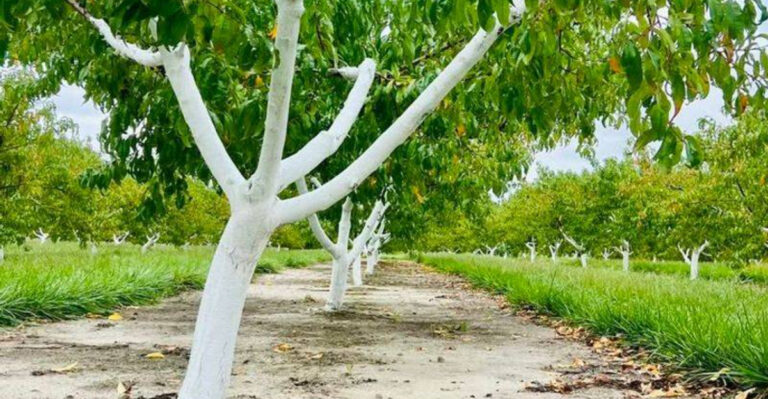
10. Plant Shade Trees Strategically

Shade trees planted on the south and west sides of your Colorado home can lower indoor temperatures by up to fifteen degrees, reducing air conditioning costs significantly.
Species like aspen, cottonwood, and oak grow well in Colorado, providing cooling shade in summer while allowing winter sunlight through bare branches to warm your home naturally.
Trees absorb carbon dioxide and release oxygen, improving air quality in your neighborhood and helping combat climate change one backyard at a time across the state.
Strategic placement creates comfortable outdoor living spaces where families gather for meals, games, and relaxation during hot afternoons when unshaded areas become uncomfortably warm and uninviting.
Mature trees increase property values substantially, with studies showing homes surrounded by healthy trees sell faster and for higher prices than properties with barren, treeless yards.
Planting trees now means future generations will enjoy their beauty and benefits, creating a legacy of shade, wildlife habitat, and natural elegance that lasts decades.
Colorado nurseries stock trees suited to local conditions, and staff can recommend species that handle altitude, soil type, and sun exposure specific to your property’s unique characteristics.
Trees reduce stormwater runoff by intercepting rain with their canopies and absorbing moisture through roots, protecting soil from erosion and filtering pollutants before they reach waterways.
Planting shade trees strategically shows you think long-term about comfort, energy savings, and environmental stewardship, making your Colorado home cooler, greener, and more valuable every year.
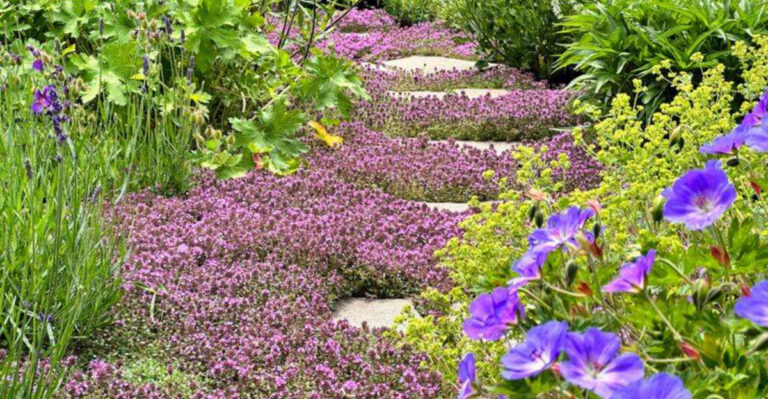
11. Replace Lawn with Clover or Native Groundcovers
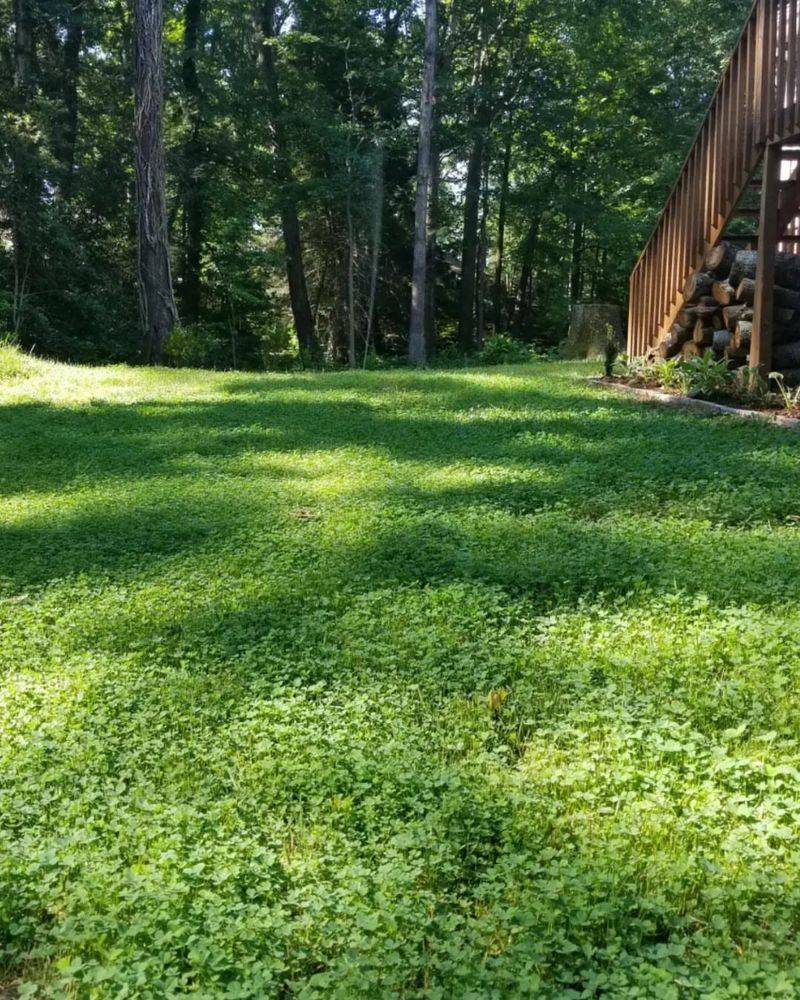
Traditional grass lawns demand constant watering, mowing, and fertilizing, but alternatives like clover and native groundcovers stay green with minimal effort in Colorado’s challenging climate conditions.
Clover fixes nitrogen in soil naturally, eliminating the need for chemical fertilizers that pollute waterways and harm beneficial organisms living in your yard’s ecosystem below ground.
Native groundcovers like kinnikinnick and creeping mahonia spread quickly, forming dense mats that choke out weeds and require watering only during extreme droughts affecting the region.
These alternatives feel soft underfoot, tolerate light foot traffic, and stay low without mowing, saving time, fuel, and equipment costs that traditional lawns demand every single week.
Clover flowers attract bees and other pollinators, turning your lawn into a productive habitat that supports biodiversity rather than creating a sterile, monoculture grass desert.
Colorado’s intense sun and low humidity stress traditional turfgrass, but clover and native groundcovers evolved to thrive here, staying lush and attractive with far less water.
Switching away from traditional lawns reduces noise pollution from mowers and trimmers, creating quieter neighborhoods where birdsong and conversation replace the constant roar of gas-powered equipment.
Many homeowners across Colorado have successfully replaced part or all of their lawns with clover, discovering that maintenance drops dramatically while beauty and functionality actually improve remarkably.
Replacing lawn with clover or native groundcovers means you embrace a smarter, greener approach that saves water, time, and money while supporting local wildlife and sustainability.