9 Eco-Friendly Yard Upgrades That Actually Thrive In Oregon
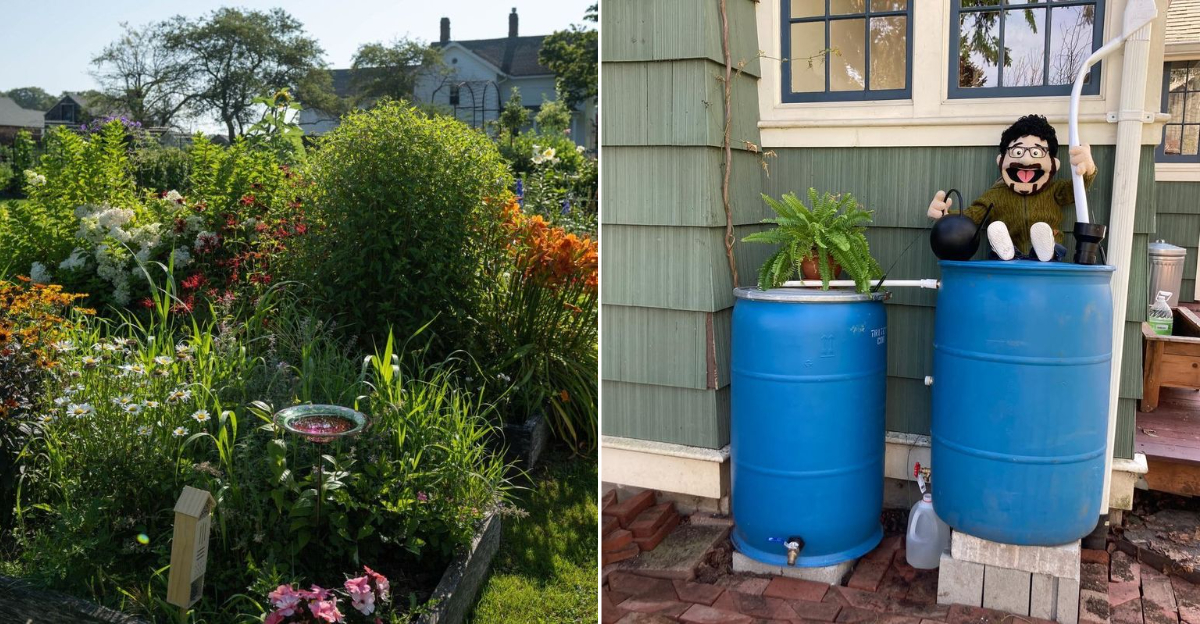
Making your yard more eco-friendly is a goal many Oregon homeowners share, but it can be tricky to know which upgrades will actually thrive in our climate.
Between wet winters, dry summers, and sometimes unpredictable microclimates, not every “green” solution lives up to its promise.
That’s why it’s worth focusing on improvements that are not only good for the environment but also resilient and low-maintenance in Oregon gardens.
From sustainable landscaping choices to water-wise plants and smart hardscaping, there are ways to make your yard healthier for both you and the planet.
Eco-friendly upgrades can reduce water use, attract pollinators, prevent erosion, and even improve soil health—all while keeping your garden beautiful and functional.
The key is choosing strategies and materials that work with Oregon’s specific conditions rather than against them.
With the right planning, you can make changes that last for years and actually save time, money, and effort in the long run.
Here are nine eco-friendly yard upgrades that not only benefit the environment but also thrive in Oregon, so you can enjoy a sustainable, vibrant garden all year long.
1. Rain Gardens That Capture Runoff
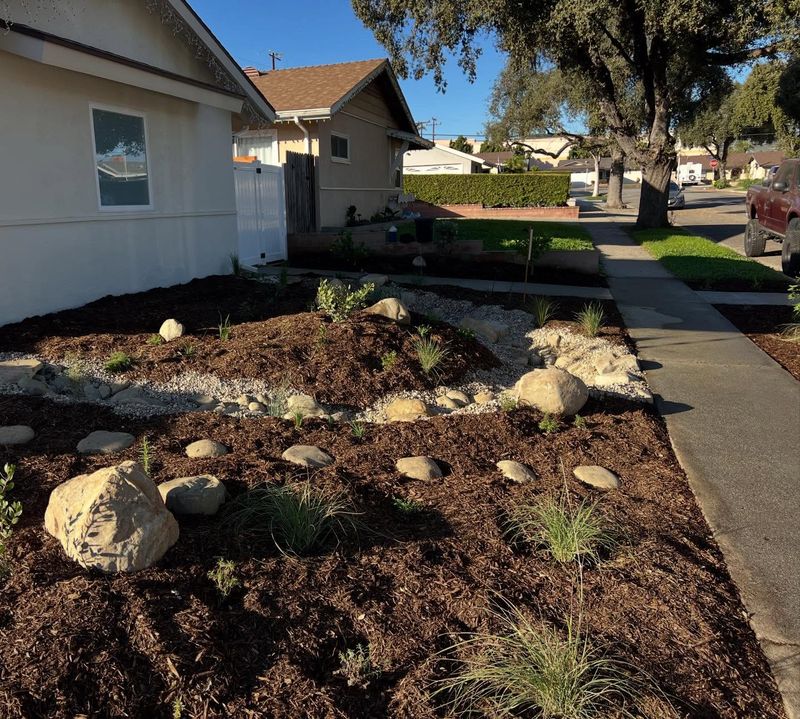
Rain gardens work like nature’s own water filtration system right in your yard.
They sit in shallow depressions where water naturally collects during storms, soaking up runoff from your roof, driveway, or lawn.
Instead of letting all that water rush into storm drains carrying pollutants with it, a rain garden filters it slowly through soil and plant roots.
Oregon gets plenty of rain, which makes these gardens especially useful here.
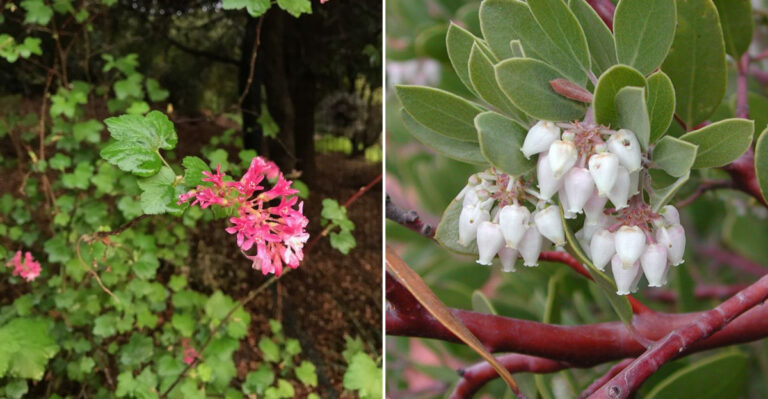
You can plant them with native species like sedges, Oregon iris, and red-flowering currant that love wet feet in winter but handle drier summers just fine.
The roots create channels in the soil that help water soak in faster.
Building one is simpler than you might think.
Pick a spot at least ten feet from your house where water tends to pool.
Dig down about six inches, mix in compost, and choose plants based on how much sun the area gets.
Within a season or two, you will notice less standing water and more butterflies and birds visiting your yard.
Rain gardens also reduce erosion and help recharge groundwater supplies.
They turn a problem area into a beautiful, functional feature that works harder than a regular garden bed.
2. Native Plant Borders For Pollinators
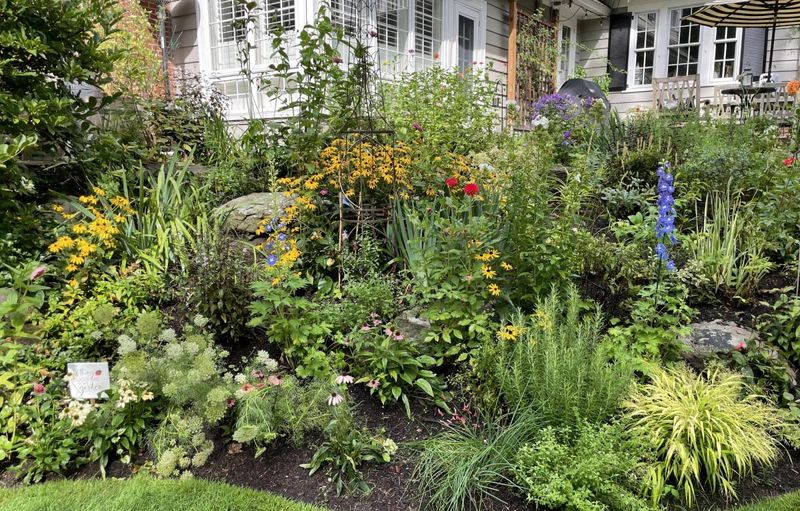
Pollinators need all the help they can get these days, and native plant borders give them exactly what they crave.
Bees, butterflies, hummingbirds, and other beneficial insects evolved alongside Oregon’s native wildflowers, shrubs, and grasses.
When you plant species like oceanspray, kinnikinnick, and lupine, you provide food and habitat that non-native ornamentals just cannot match.
Native borders require way less water once established because these plants adapted to Oregon’s wet winters and dry summers over thousands of years.
You will spend less time watering, fertilizing, and battling pests.
Many native plants also have deep root systems that prevent soil erosion and improve soil health naturally.
Start by replacing a section of lawn or tired flower bed with a mix of native perennials and shrubs.
Group plants with similar water needs together, and add a layer of mulch to keep weeds down.
Within weeks, you will see more bees buzzing around and maybe even spot a hummingbird sipping nectar.
Native borders bloom at different times throughout the growing season, so there is always something colorful happening.
They also connect your yard to the larger ecosystem, supporting local wildlife populations that depend on these plants to survive.
3. Permeable Paving For Driveways And Paths
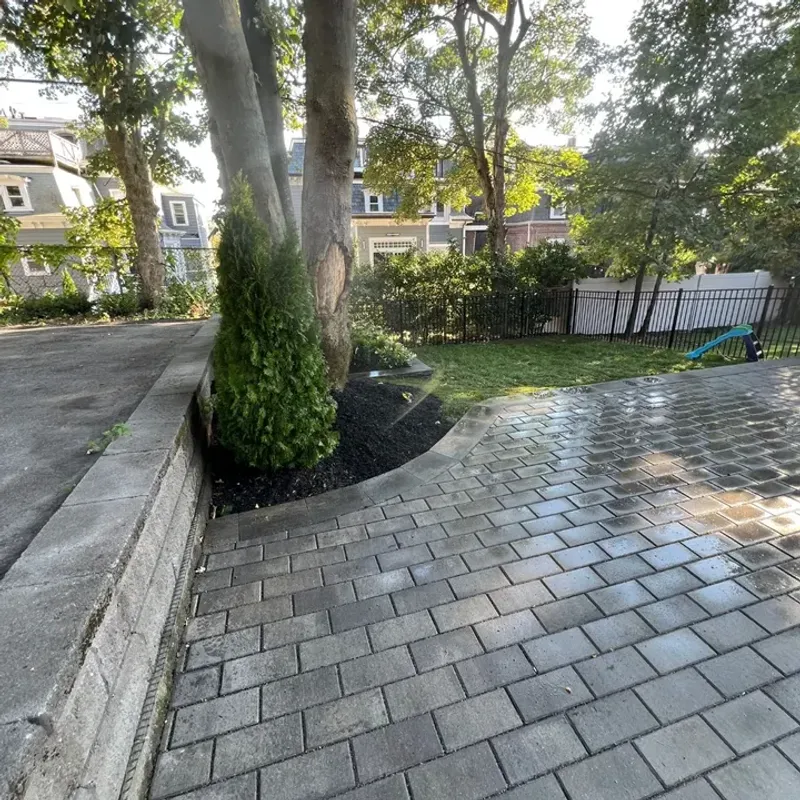
Traditional concrete and asphalt create huge impermeable surfaces that send rainwater rushing off into storm drains.
Permeable paving does the opposite by letting water soak through the surface and into the ground below.
This reduces flooding, filters pollutants, and helps replenish groundwater supplies naturally.
Options include permeable pavers, porous asphalt, and gravel stabilizers that look great and work beautifully in Oregon’s rainy climate.
Permeable pavers come in all sorts of styles, from modern rectangles to rustic cobblestones, so you can match any home aesthetic.
The gaps between pavers allow water to drain while staying stable enough for cars and foot traffic.
Installation costs a bit more upfront than regular paving, but you save money over time with lower stormwater fees in some areas and less runoff damage to your property.
Maintenance is simple too.
Just sweep or vacuum the surface occasionally to keep the pores clear.
Permeable paving also stays cooler in summer because water evaporating from below provides natural cooling.
Your driveway or patio becomes part of the solution to stormwater management instead of part of the problem.
Plus, it adds a unique, eco-conscious touch that neighbors will definitely notice and admire.
4. Compost Bins That Turn Waste Into Gold
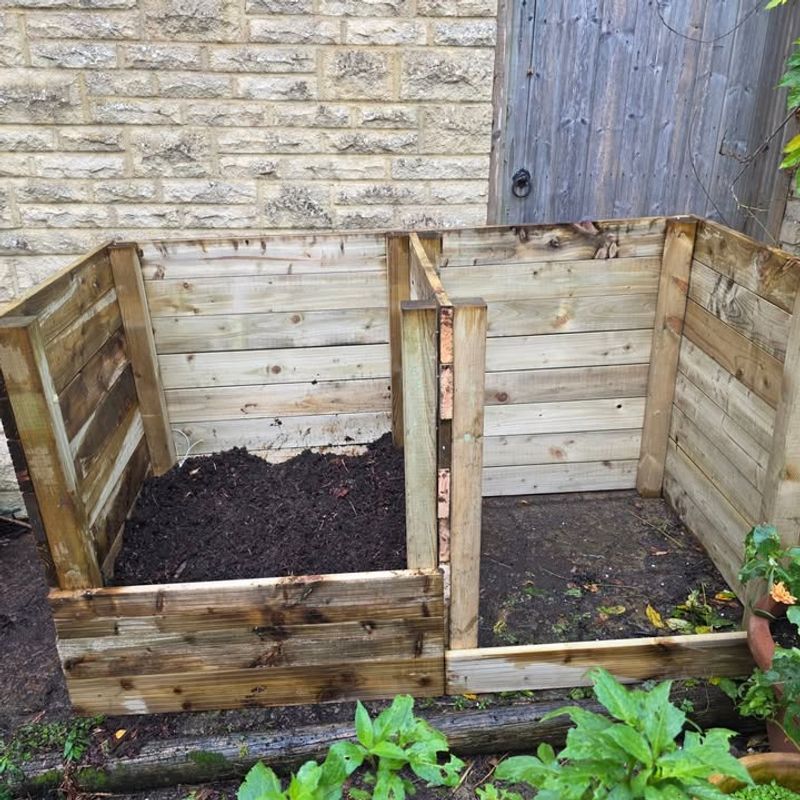
Yard waste and kitchen scraps make up a huge chunk of what goes into landfills, but they could be feeding your garden instead.
Composting transforms grass clippings, leaves, vegetable peels, and coffee grounds into rich, dark compost that plants absolutely love.
It improves soil structure, adds nutrients, and helps retain moisture naturally.
Oregon’s mild, moist climate creates perfect conditions for composting.
You can use a simple open pile, a wooden bin, or a tumbling composter depending on your space and preferences.
Tumblers speed up the process and keep things tidy, while open piles cost nothing and handle larger volumes.
Getting started is easy.
Layer green materials like fresh grass and food scraps with brown materials like dried leaves and cardboard.
Keep the pile as moist as a wrung-out sponge and turn it every few weeks.
Within a few months, you will have beautiful compost ready to spread around your plants.
Using homemade compost means you buy less bagged soil and fertilizer, which saves money and reduces plastic waste.
Your plants grow healthier and stronger, and you feel good knowing you are closing the loop on organic waste.
Composting really is one of the simplest, most rewarding eco-friendly upgrades you can make.
5. Drip Irrigation Systems For Water Efficiency
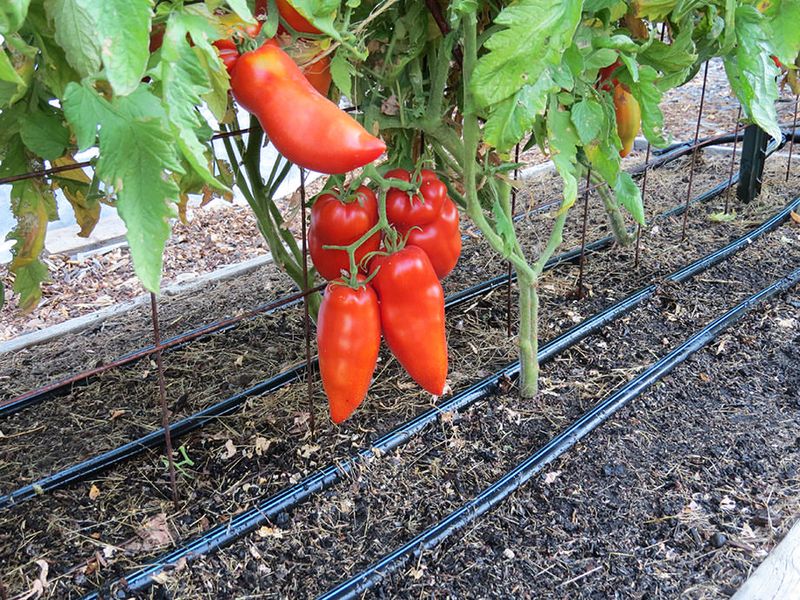
Sprinklers waste a shocking amount of water through evaporation and overspray, especially on windy days.
Drip irrigation delivers water directly to plant roots through a network of tubes and emitters, cutting water use by up to fifty percent.
Every drop goes exactly where it needs to go, and nothing gets wasted on sidewalks or weeds.
Oregon summers can be surprisingly dry, and water conservation matters even in a rainy state.
Drip systems keep your plants healthy with less effort and lower water bills.
You can set them on timers to water early in the morning when evaporation is lowest, and adjust the flow for different plant needs.
Installing a drip system is a fun weekend project.
Kits are available at garden centers with everything you need, including tubing, emitters, connectors, and a timer.
You lay the tubing along your garden beds, poke in emitters near each plant, and connect to an outdoor faucet.
No digging or special skills required.
Drip irrigation also reduces disease problems because foliage stays dry, unlike with overhead watering.
Weeds grow less vigorously too since only your chosen plants get watered.
Once you see how well it works, you will wonder why you ever bothered with a sprinkler.
6. Mulched Beds That Feed The Soil
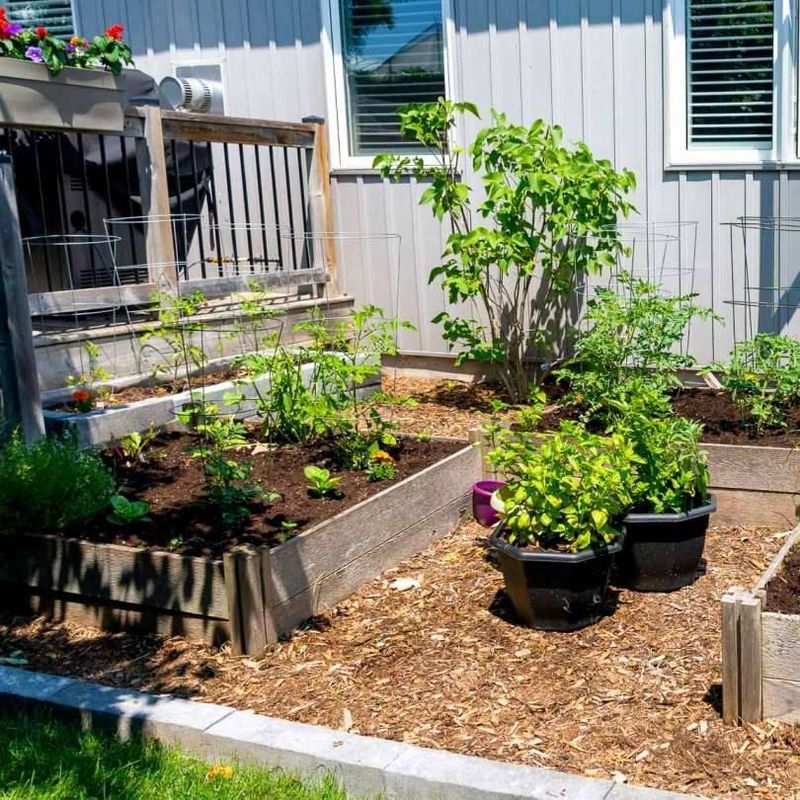
Mulch does so much more than just make your garden beds look neat and tidy.
A good layer of organic mulch suppresses weeds, retains moisture, regulates soil temperature, and slowly breaks down to feed soil organisms.
As it decomposes, it adds organic matter that improves soil structure and fertility year after year.
Oregon gardeners have great mulch options, from locally produced bark and wood chips to compost and leaf mold.
Wood chip mulch works beautifully around trees and shrubs, while finer materials like compost suit vegetable and flower beds better.
Many cities offer free wood chips from tree trimming operations, which is an amazing resource.
Apply mulch about three inches deep, keeping it a few inches away from plant stems and tree trunks to prevent rot.
Refresh the layer once or twice a year as it breaks down.
You will notice weeds have a much harder time sprouting, and your soil stays moist longer between waterings.
Mulched beds also protect soil from erosion during heavy rains and create habitat for beneficial insects and earthworms.
The decomposing mulch feeds a whole ecosystem of soil life that helps plants grow stronger and more resistant to pests and diseases.
It really is one of the simplest ways to improve your yard naturally.
7. Rainwater Collection Barrels For Free Water
Why pay for water when it falls from the sky for free?
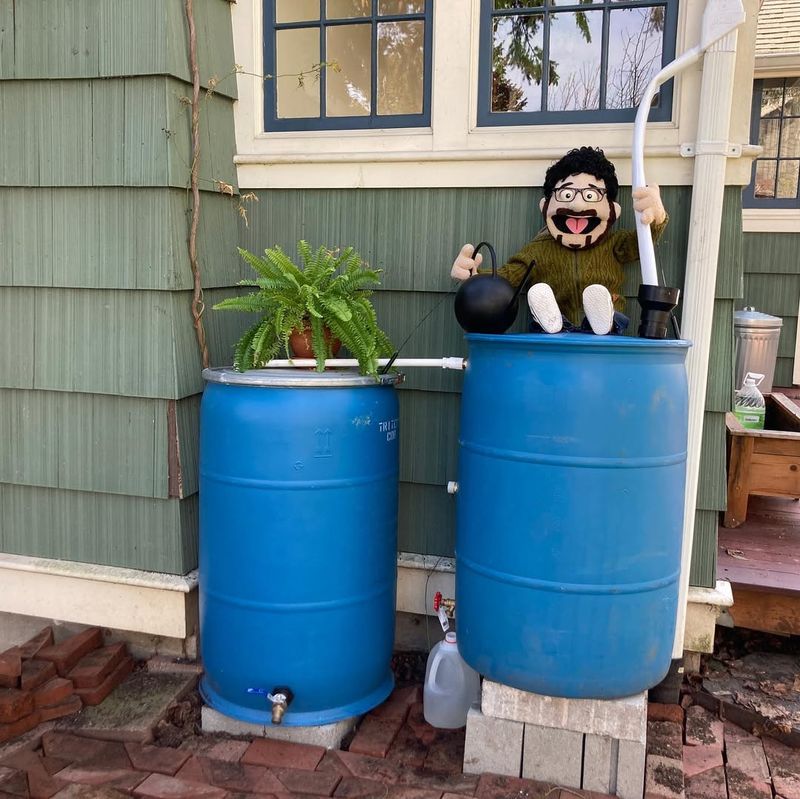
Rainwater collection barrels capture runoff from your roof and store it for watering plants during dry spells.
A single inch of rain on a thousand-square-foot roof yields over six hundred gallons of water.
Even a small barrel can make a big difference in your water bill and conservation efforts.
Oregon gets plenty of rain from fall through spring, which means you can fill barrels easily and have water stored for summer.
Rainwater is naturally soft and free of chlorine, which many plants prefer over treated tap water.
You can use it for vegetable gardens, flower beds, container plants, and even washing garden tools.
Setting up a rain barrel is straightforward.
Position it under a downspout, make sure it sits on a stable base, and attach a spigot near the bottom for easy access.
Most barrels come with overflow valves to direct excess water away from your foundation.
You can connect multiple barrels together for even more storage capacity.
Rain barrels reduce stormwater runoff that can cause flooding and pollution in local waterways.
They give you water independence during summer watering restrictions and make you feel more connected to natural cycles.
Plus, they are an affordable upgrade that pays for itself in water savings.
8. Clover Lawns That Need Less Mowing
Traditional grass lawns demand constant mowing, fertilizing, and watering to stay green.
Clover lawns offer a beautiful, low-maintenance alternative that actually improves soil health.
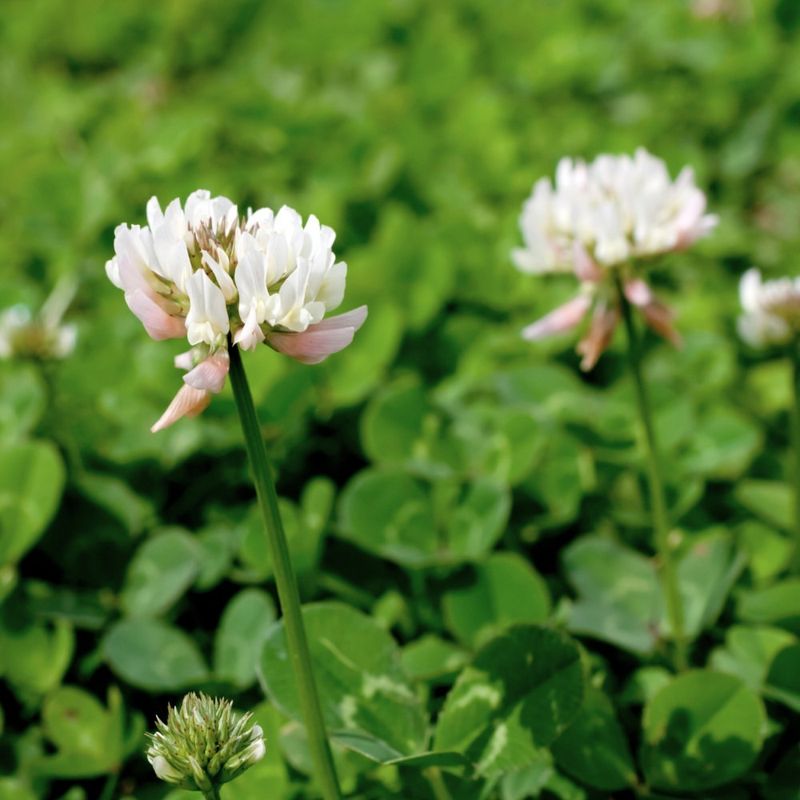
White clover stays green through dry summers, fixes nitrogen from the air to feed itself, and requires mowing only a few times per season if you want a manicured look.
Clover grows happily in Oregon’s climate and handles foot traffic surprisingly well.
The soft, lush texture feels great underfoot, and the small white flowers attract bees and other pollinators.
If you worry about bees, just mow before the flowers bloom or choose a low-flowering variety.
Converting to clover is simple.
You can overseed your existing lawn by spreading clover seed in early spring or fall, or remove grass entirely and start fresh.
Clover spreads on its own to fill in bare spots and crowds out many common lawn weeds.
It also stays green with much less water than grass needs.
Clover lawns eliminate the need for synthetic fertilizers since the plants create their own nitrogen.
This means fewer chemicals running off into streams and less money spent on lawn care products.
You get a beautiful, eco-friendly lawn that practically takes care of itself while supporting local pollinators.
9. Wildlife Habitat Features For Local Species
Your yard can become a vital refuge for birds, beneficial insects, amphibians, and small mammals.
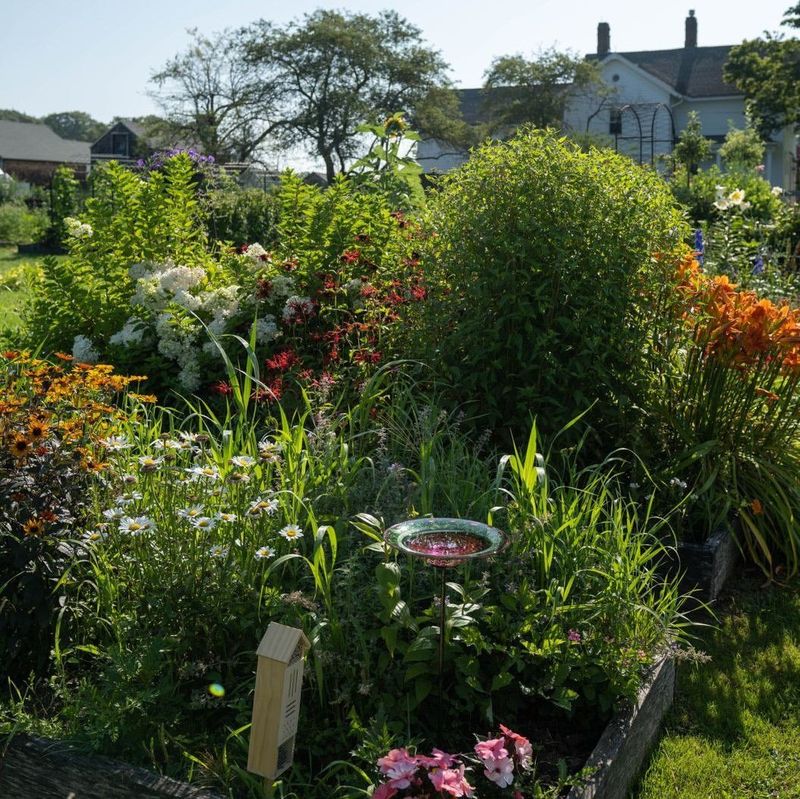
Simple habitat features like brush piles, log piles, native plant hedgerows, and small water sources create spaces where wildlife can find food, shelter, and places to raise young.
Oregon’s biodiversity depends on these small pockets of habitat, especially as natural areas shrink.
Start by leaving a corner of your yard a little wild.
Pile up branches and twigs to create shelter for ground-nesting birds and small mammals.
Add a shallow birdbath or small pond for drinking and bathing.
Plant dense native shrubs like snowberry or red-twig dogwood to provide cover and berries for birds.
You can also install nest boxes for cavity-nesting birds, bat houses to encourage natural pest control, and bee hotels for native solitary bees.
These features take up little space but make a huge difference for local wildlife populations.
Watch your yard come alive with activity as creatures discover these resources.
Creating habitat also means reducing or eliminating pesticides, which harm beneficial insects along with pests.
Let nature balance itself by supporting predators like birds, ladybugs, and spiders.
Your yard becomes part of a larger network of habitat that helps species survive and thrive in urban and suburban areas.