11 Edible Flowers North Carolina Gardeners Can Grow With Ease
Edible flowers bring a different kind of satisfaction to North Carolina gardens, adding color and flavor at the same time without requiring extra space.
Warm days, mild nights, and a long growing season allow many flowering plants to thrive while staying tender enough for kitchen use.
Many gardeners assume edible flowers are delicate or difficult, but several varieties grow just as easily as common herbs or annuals.
North Carolina’s climate supports flowers that handle heat, humidity, and regular harvesting without slowing down. When conditions line up, these plants stay productive instead of stressed.
Edible blooms also fit naturally into vegetable beds, borders, and containers, making them easy to tuck into existing gardens.
Harvesting flowers regularly often encourages more growth rather than weakening the plant.
Choosing the right varieties removes the guesswork and keeps plants performing well through the season.
With the right selections, edible flowers become a simple, reliable part of North Carolina gardens rather than a novelty that fades quickly.
1. Nasturtium
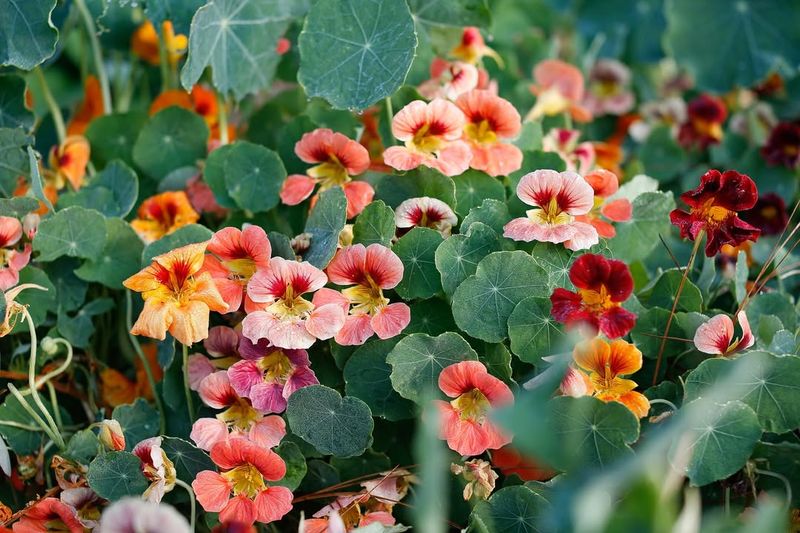
Bright colors catch your eye the moment nasturtiums bloom in your garden bed. Both the flowers and leaves carry a peppery kick that reminds many people of watercress or arugula.
North Carolina’s spring and fall seasons provide ideal growing conditions for these cheerful plants.
Planting nasturtiums couldn’t be simpler since they grow quickly from seed. You can scatter seeds directly into the soil after the last frost passes.
They prefer full sun but tolerate partial shade, especially during hot summer afternoons.
Round leaves create a lush backdrop for the trumpet-shaped blooms. Colors range from deep red to golden yellow and bright orange.
Some varieties even feature striped or speckled petals that add extra visual interest.
Gardeners in the Tar Heel State appreciate how nasturtiums attract beneficial insects while deterring pests. Aphids often prefer these flowers over vegetables, making them excellent companion plants.
The entire plant is edible, so you can harvest freely without waste.
Fresh nasturtium flowers make stunning garnishes for summer salads and cheese plates. The peppery flavor pairs wonderfully with mild greens and creamy cheeses.
You can also stuff the larger blooms with herbed cream cheese for an elegant appetizer.
2. Calendula
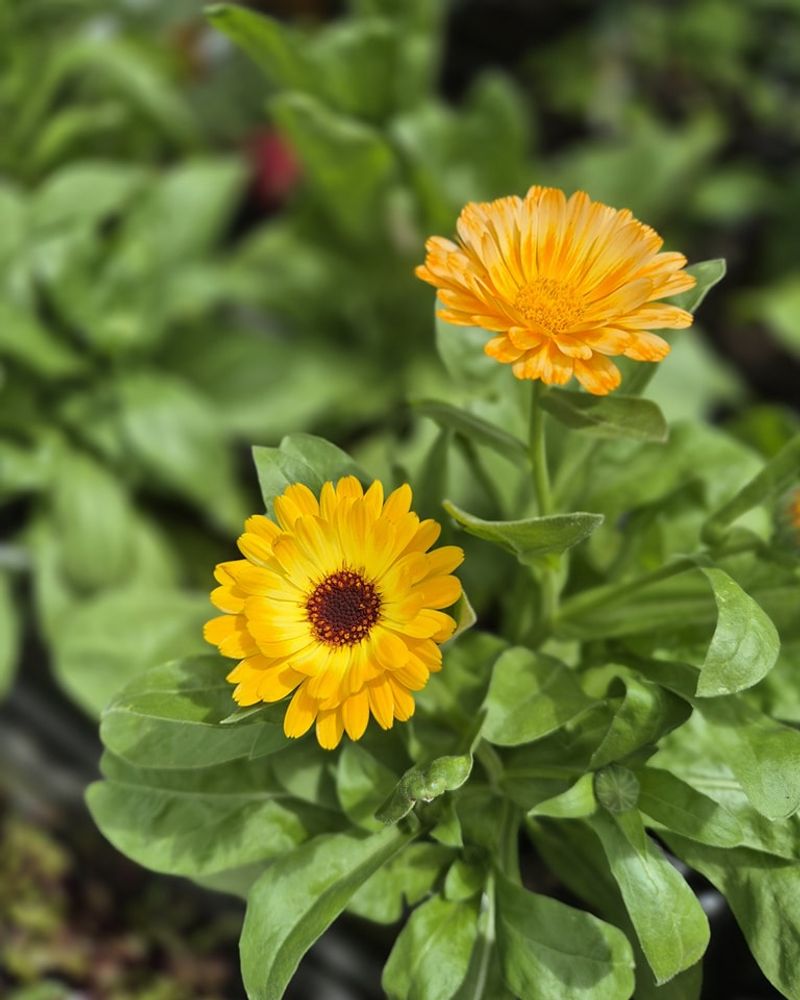
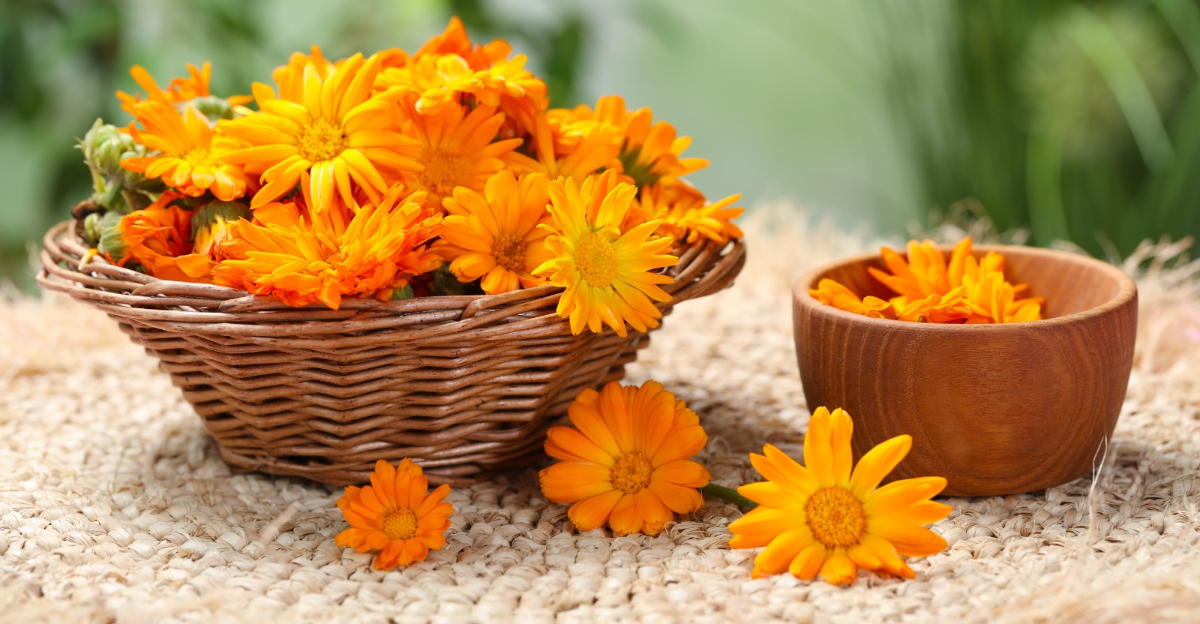
Golden petals unfold like tiny suns when calendula plants reach their peak. Sometimes called pot marigold, this flower has been used in cooking and healing for centuries.
Gardeners across North Carolina find calendula remarkably forgiving and productive throughout multiple seasons.
Cool weather brings out the best in calendula blooms. Spring and fall plantings produce the most vibrant flowers with the mildest flavor.
Summer heat can make the petals slightly bitter, though they remain perfectly edible.
Seeds germinate readily when sown directly into garden soil. Spacing plants about ten inches apart allows air circulation while preventing overcrowding.
Calendula tolerates various soil types but grows best in well-drained beds enriched with compost.
Bright orange and yellow blooms appear continuously when you deadhead spent flowers regularly. Each plant can produce dozens of blooms over several months.
The cheerful colors brighten any garden corner while attracting pollinators like bees and butterflies.
Petals add color and subtle flavor to soups, rice dishes, and baked goods. Some people call calendula petals “poor man’s saffron” because they impart a golden hue to foods.
The mild, slightly tangy taste complements both sweet and savory recipes beautifully.
3. Pansy
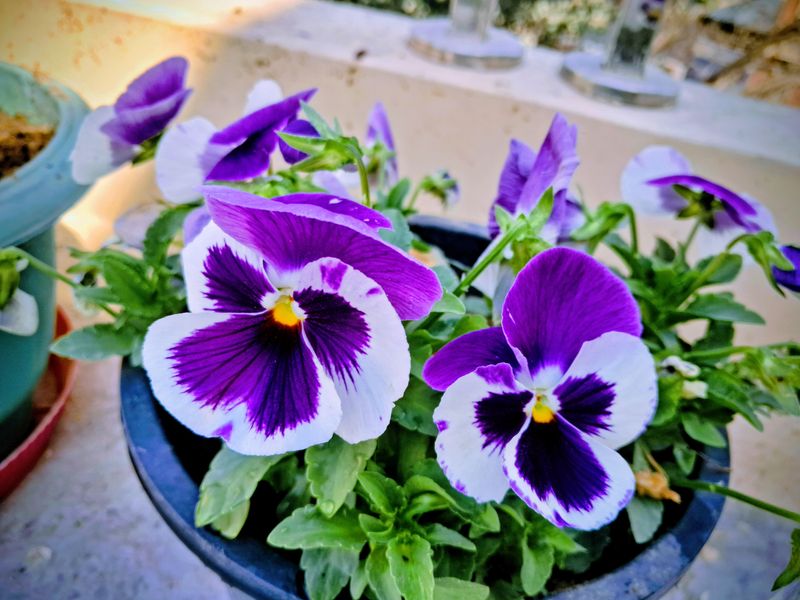
Cheerful faces seem to peek up from pansy blooms when you look closely at their distinctive markings. These cool-season favorites thrive during North Carolina’s mild winters and early springs.
Garden centers stock pansies throughout fall and winter, making them readily available for year-round color.
Temperatures that would harm other plants barely faze hardy pansies. They continue blooming even when light frosts occur overnight.
This resilience makes them perfect for gardeners who want continuous color during cooler months.
Planting pansies in containers or garden beds works equally well. They prefer rich, moist soil that drains properly.
Adding organic matter before planting helps them establish strong root systems quickly.
Flower colors span the entire rainbow, from deep purple to bright yellow and pure white. Many varieties feature contrasting face-like patterns that give each bloom personality.
Compact growth habits make pansies ideal for edging beds or filling gaps between larger plants.
Delicate petals carry a mild, slightly minty flavor that won’t overpower other ingredients. Crystallized pansies make beautiful cake decorations that impress dinner guests.
Fresh blooms also add whimsy to salads, cocktails, and fruit dishes throughout the growing season in the Tar Heel State.
4. Viola
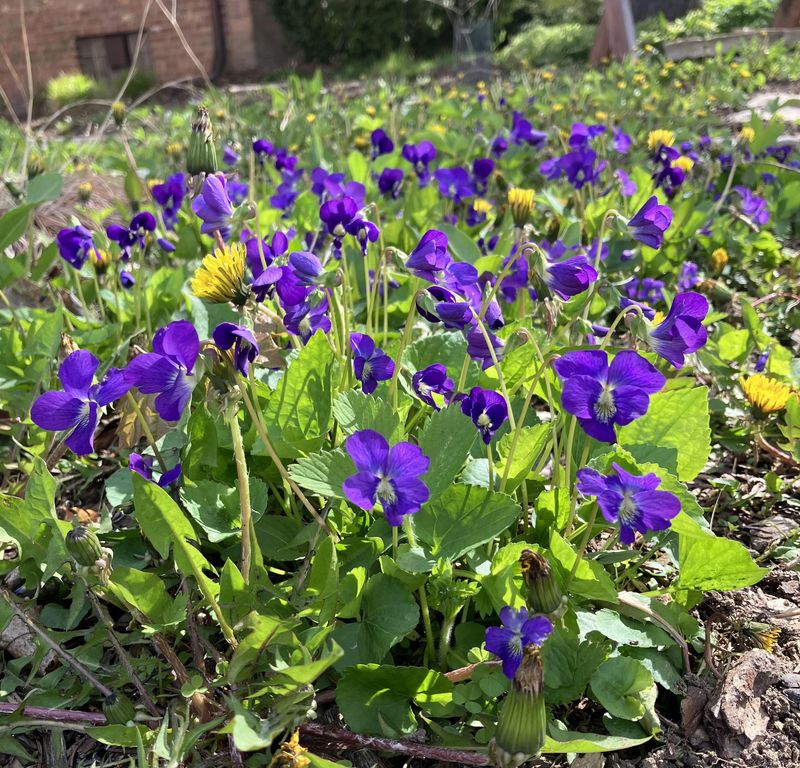
Smaller cousins of pansies, violas pack tremendous charm into petite packages. Their dainty blooms measure only about an inch across but appear in abundance throughout the plant.
North Carolina gardeners love how violas self-sow readily, returning year after year without replanting.
Hardy nature allows violas to withstand temperature fluctuations that surprise many gardeners. They bloom prolifically during fall, winter, and spring months.
Some varieties even tolerate light snow, bouncing back quickly when temperatures warm again.
Establishing violas requires minimal effort since they adapt to various growing conditions. They perform well in both sun and partial shade.
Violas make excellent groundcovers beneath taller plants or along pathway edges.
Flower colors include purple, blue, yellow, white, and bicolor combinations. Each bloom features delicate veining that adds intricate detail.
The compact plants rarely exceed six inches in height, making them perfect for front-of-border plantings.
Sweet, subtle flavor makes viola flowers versatile in the kitchen. They work beautifully frozen into ice cubes for special beverages.
Fresh blooms also garnish desserts, float in punch bowls, or decorate frosted cakes throughout the growing season across the state.
5. Chives
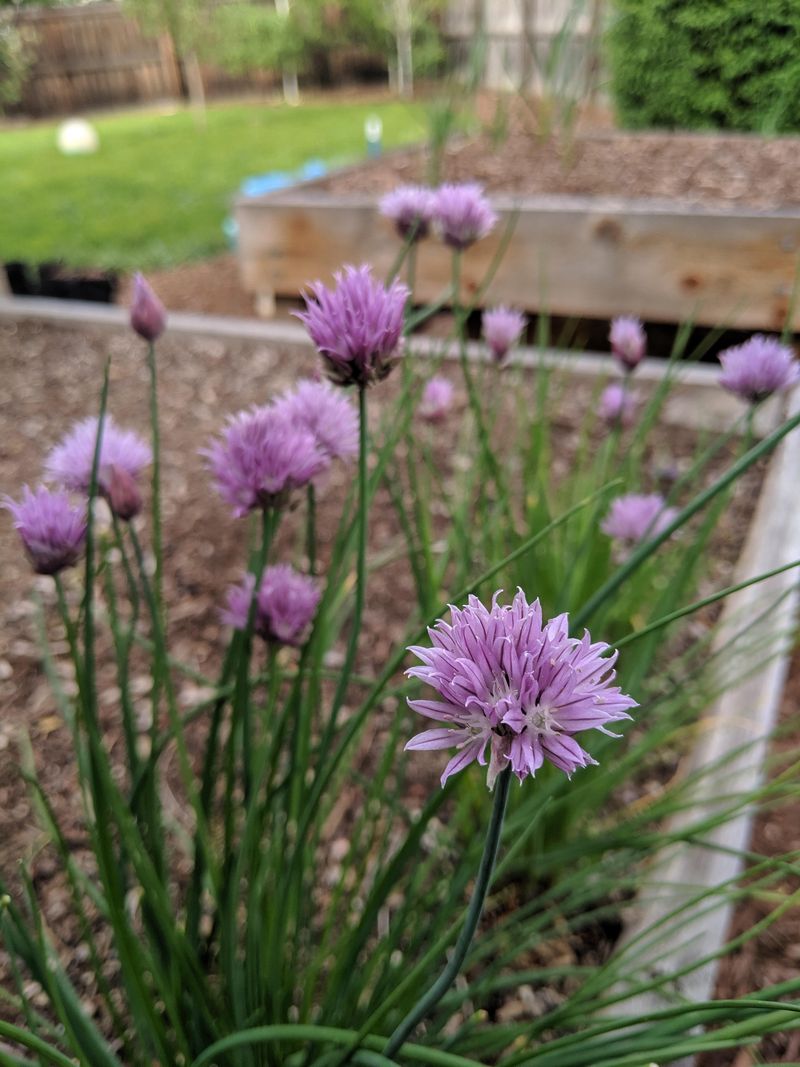
Purple pompom blooms top slender green stalks when chives flower in spring. Most gardeners grow chives for their onion-flavored leaves, but the flowers deserve equal attention.
North Carolina’s climate allows chives to grow as perennials, returning stronger each year with minimal care.
Establishing a chive patch takes little space or effort. These hardy herbs tolerate various soil conditions and light levels.
Once planted, they multiply readily through division, providing an expanding harvest year after year.
Hollow, grass-like leaves emerge early in spring before most other herbs wake up. The edible foliage provides fresh onion flavor for cooking throughout the growing season.
Flower stalks appear in late spring, topped with globe-shaped clusters of tiny purple florets.
Pollinators flock to chive blossoms, making them valuable additions to any garden ecosystem. The flowers also deter some common pests naturally.
Cutting back spent blooms encourages continued leaf production for kitchen use.
Individual florets can be separated from the flower head and scattered over dishes. The mild onion flavor tastes less intense than the leaves.
Chive blossoms add beautiful purple accents to potato salads, cream cheese spreads, and herb butters enjoyed by gardeners across the state.
6. Borage
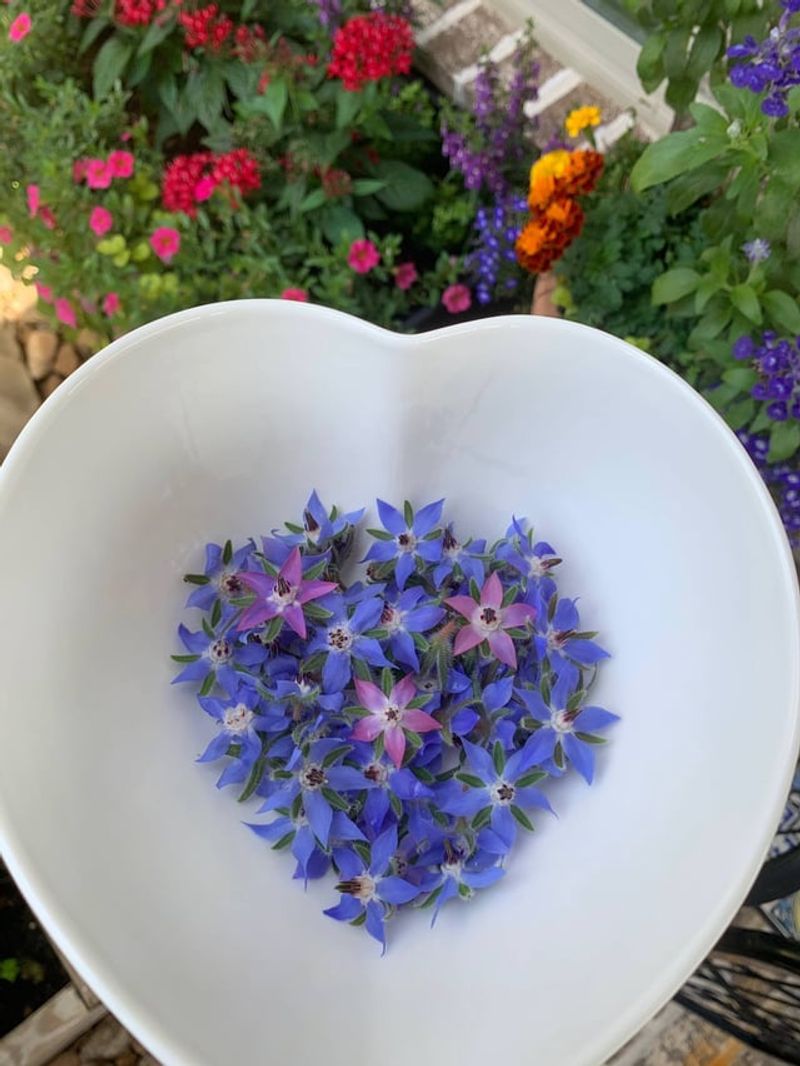
Star-shaped blue flowers dangle gracefully from borage plants like tiny jewels. This old-fashioned herb brings cucumber-like flavor to both leaves and blooms.
Gardeners in North Carolina find borage incredibly easy to grow, often becoming a self-seeding favorite that returns without replanting.
Seeds sprout quickly when sown directly into garden beds after frost danger passes. Borage develops a deep taproot that makes transplanting difficult, so direct seeding works best.
Plants grow rapidly, reaching two to three feet tall within weeks.
Fuzzy leaves and stems give borage a distinctive texture that deters some pests naturally. The foliage has a cucumber taste that works well in salads when leaves are young and tender.
As plants mature, the focus shifts to the beautiful blue flowers.
True blue flowers are rare in the garden world, making borage blooms particularly special. Each star-shaped flower features five pointed petals surrounding dark anthers.
Bees absolutely adore these blooms, visiting them constantly throughout the day.
Fresh flowers taste mildly of cucumber with a hint of sweetness. They freeze beautifully in ice cubes for summer drinks.
Borage blooms also garnish cocktails, lemonade, and fruit salads with striking color throughout the growing season across the state.
7. Lavender
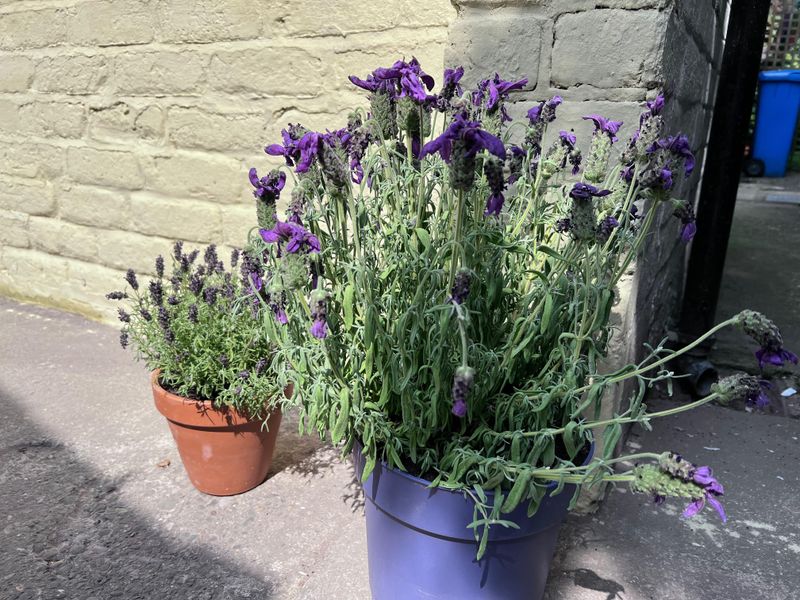
Purple spikes release their famous fragrance when brushed by passing breezes or hands. Lavender grows beautifully in North Carolina, particularly in well-drained locations with full sun exposure.
Both the flowers and leaves offer aromatic qualities that enhance cooking and crafts alike.
Choosing the right lavender variety matters for success in the state’s climate. English lavender tends to struggle with summer humidity, while Spanish and French varieties tolerate moisture better.
Proper drainage proves more important than soil fertility for these Mediterranean natives.
Established plants become quite drought-tolerant once their root systems develop fully. They prefer lean soil without excessive fertilization.
Overwatering causes more problems than underwatering for these resilient herbs.
Flower spikes emerge in late spring and early summer, attracting countless bees and butterflies. The purple blooms dry beautifully for sachets and arrangements.
Harvesting flowers just as they open preserves the strongest fragrance and flavor.
Culinary lavender adds floral notes to sweet and savory dishes when used sparingly. The intense flavor can overwhelm recipes if you use too much.
Lavender flowers enhance shortbread cookies, honey, sugar syrups, and herbed rubs for roasted meats throughout the growing season across the state.
8. Bee Balm
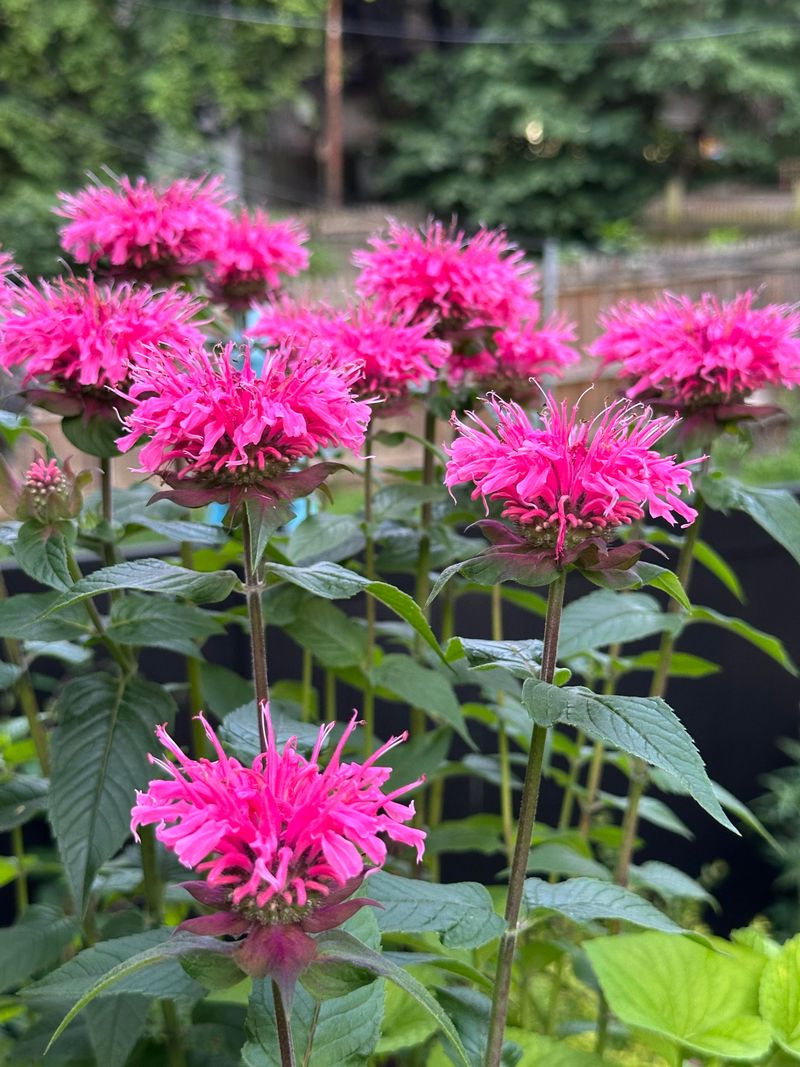
Shaggy, tubular flowers create firework-like bursts of color atop bee balm plants. Also known as Monarda, this native North American wildflower thrives in gardens throughout the state.
The flowers, leaves, and stems all carry a distinctive citrusy-minty flavor that makes excellent tea.
Native plant gardens benefit enormously from bee balm’s presence. It attracts hummingbirds, butterflies, and numerous bee species.
The common name reflects how much pollinators adore these blooms, visiting them from dawn until dusk.
Growing bee balm succeeds in both sun and partial shade conditions. Plants spread through underground rhizomes, forming expanding clumps over time.
Some gardeners find this spreading habit aggressive, while others appreciate the free plants for sharing or moving.
Flower colors range from bright red to pink, purple, and white depending on variety. Each bloom consists of numerous tubular flowers clustered into a shaggy head.
The aromatic foliage releases fragrance when touched or crushed.
Fresh or dried flowers make soothing herbal tea with a flavor reminiscent of Earl Grey. The citrusy notes complement both hot and iced preparations.
Bee balm flowers also garnish fruit salads and desserts beautifully, adding color and subtle flavor throughout the growing season in North Carolina gardens.
9. Squash Blossoms
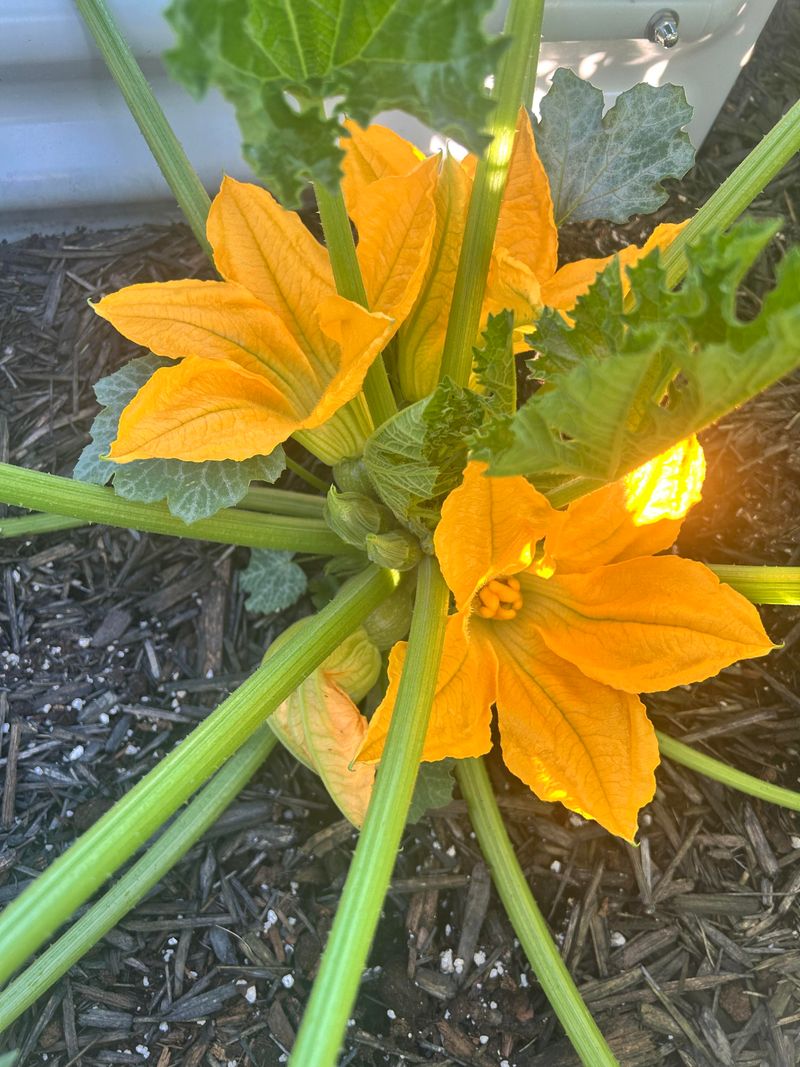
Large, golden flowers emerge from squash and zucchini plants during peak summer growing season. These spectacular blooms measure several inches across and taste mildly of the vegetable they’ll become.
North Carolina gardeners with vegetable patches can harvest these flowers without sacrificing their squash crop when done correctly.
Understanding flower gender helps maximize both bloom and vegetable harvests. Male flowers grow on long, thin stems and appear in greater numbers.
Female flowers sit closer to the plant with a small squash forming at the base.
Harvesting male flowers leaves the females to develop into vegetables. Most squash plants produce far more male blooms than needed for pollination.
Early morning picking captures flowers at their freshest before they wilt in afternoon heat.
Delicate petals bruise easily and don’t store well, so plan to use them quickly after harvesting. Gently rinse flowers and pat dry before cooking.
Remove the stamens from inside male flowers if desired, though they’re edible too.
Stuffed and fried squash blossoms represent a classic Italian preparation that’s become popular worldwide. The mild, slightly sweet flavor also works well in quesadillas, pasta dishes, and omelets.
Fresh blooms can even be eaten raw in salads throughout summer across the state.
10. Roses
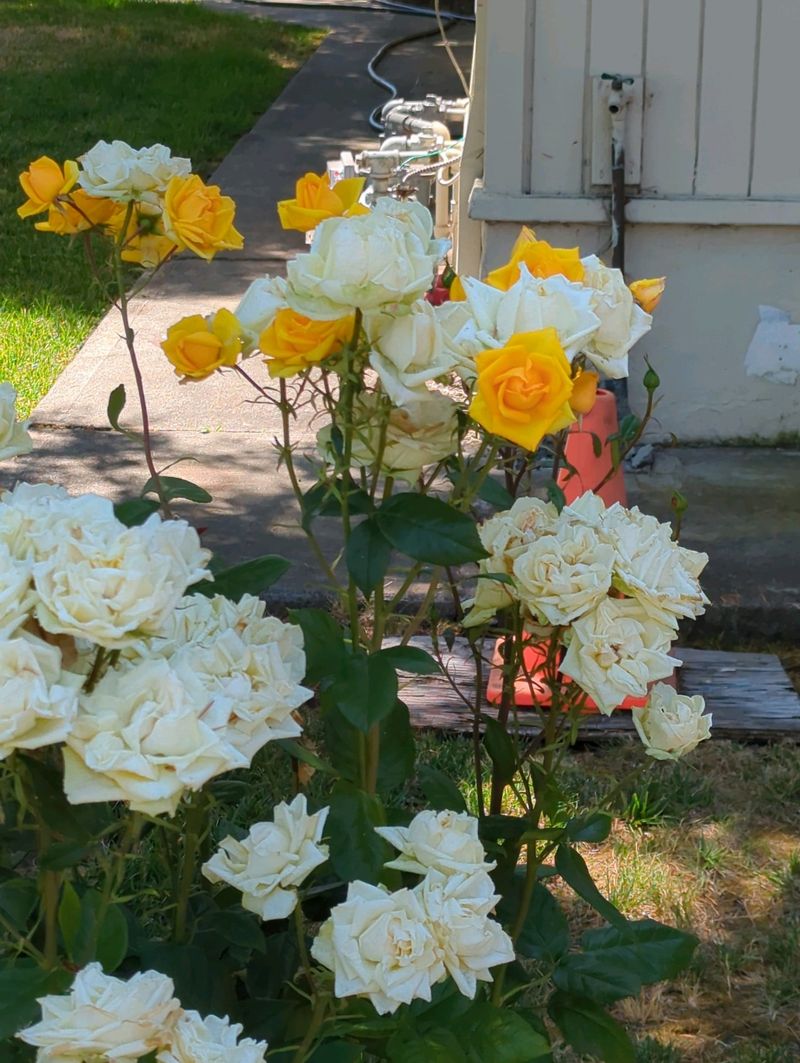
Fragrant petals from garden roses offer more than beauty to North Carolina gardeners. These classic flowers have been used in cooking for thousands of years across many cultures.
The key to culinary success lies in choosing strongly scented varieties and avoiding any treated with chemicals.
Old garden roses and heirloom varieties typically offer the best fragrance and flavor. Modern hybrid tea roses often sacrifice scent for other qualities like disease resistance or bloom size.
Darker colored roses generally contain more fragrance compounds than lighter shades.
Growing roses organically becomes essential when you plan to eat the flowers. Chemical pesticides and fungicides can leave harmful residues on petals.
Many roses thrive in the state’s climate with proper variety selection and basic care.
Harvesting rose petals just after flowers open fully captures peak flavor. Morning picking after dew dries but before heat builds works best.
Remove the bitter white portion at the base of each petal before using.
Rose petals add delicate floral flavor to jams, syrups, and baked goods. Dried petals make romantic additions to tea blends.
Fresh petals can be crystallized with sugar for elegant cake decorations or scattered over salads throughout the growing season across the state.
11. Sunflowers
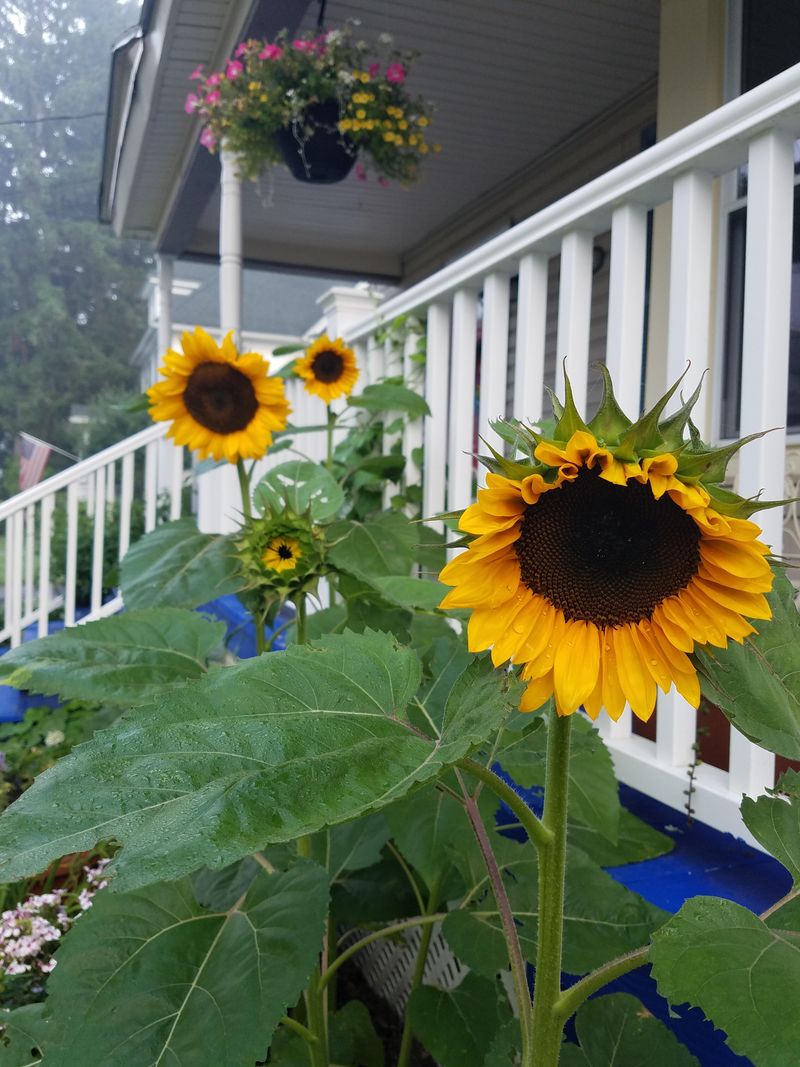
Towering stalks topped with massive golden blooms bring sunshine to any North Carolina garden. Most people know sunflowers for their nutritious seeds, but the petals are edible too.
Young, unopened flower buds can even be cooked like artichokes, offering multiple edible parts from a single plant.
Giant varieties reach impressive heights of eight feet or more with flowers measuring a foot across. Dwarf types stay compact at just two to three feet tall with smaller blooms.
Both sizes grow easily from seed planted directly after frost danger passes.
Sunflowers need full sun and well-drained soil to reach their full potential. They tolerate poor soil better than many garden plants.
The deep taproots search out water and nutrients, making established plants quite drought-resistant.
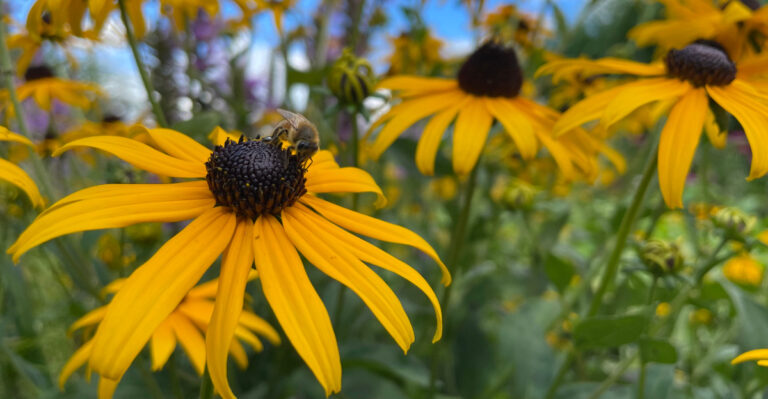
Bright yellow petals surround the central disk where seeds eventually form. Each petal has a slightly bitter, earthy flavor reminiscent of the seeds.
Younger petals from just-opened flowers taste milder than those from older blooms.
Fresh petals add sunny color to salads and garnish plates beautifully. The flavor works better as a visual element than a primary ingredient.
Sunflower petals can also be used to make natural yellow dye for foods throughout the growing season across the state.