15 Edible Flowers Perfect For Pennsylvania Home Gardens
Edible flowers are a beautiful and flavorful addition to Pennsylvania home gardens. They add color, texture, and unique tastes to salads, desserts, teas, and garnishes, while also attracting pollinators to your yard.
Grow flowers that are as delicious as they are beautiful. These flowers, including nasturtiums, pansies, violets, calendula, and borage, thrive in Pennsylvania climates and are safe to eat.
Proper planting, soil preparation, and care ensure healthy blooms throughout the season. Some flowers even enhance the flavor of companion plants, making them both functional and decorative. Edible flowers combine aesthetics, taste, and garden benefits in one.
Home gardeners who plant these flowers enjoy colorful, productive gardens that delight the senses and encourage creativity in the kitchen. Add beauty and flavor to your garden with edible flowers.
1. Nasturtium (Tropaeolum Majus)
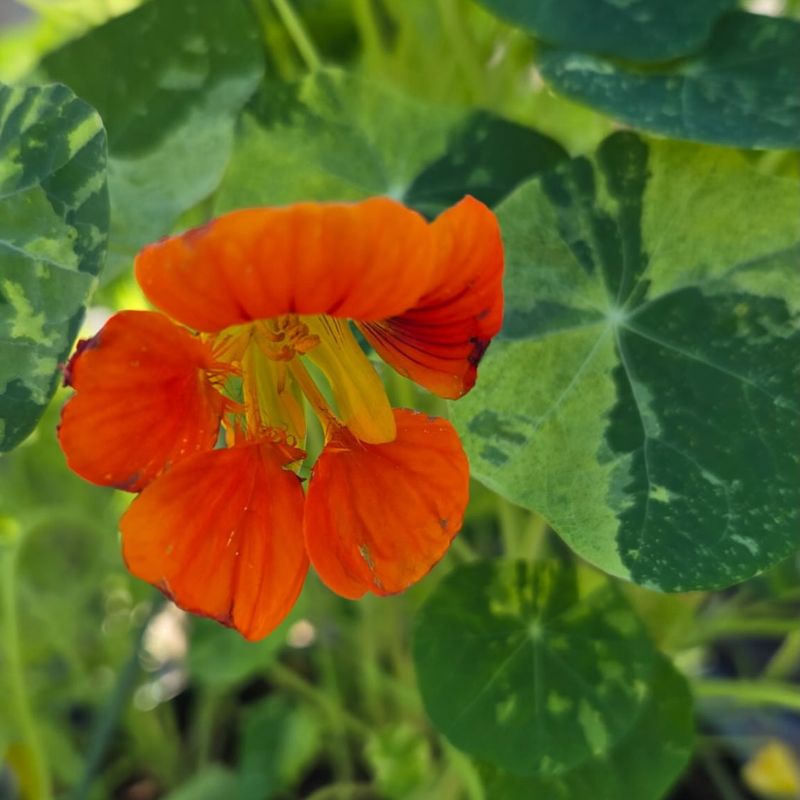
Bright orange, yellow, and red nasturtiums bring a spicy kick to your garden and your plate. Their peppery flavor reminds many people of watercress or radishes, making them a fantastic addition to fresh salads and sandwiches.
Pennsylvania gardeners love nasturtiums because they grow incredibly fast and tolerate the cooler temperatures of spring beautifully.
Planting nasturtiums in your garden is super simple since they prefer slightly poor soil and don’t need much fertilizer. Too much nitrogen actually causes them to produce more leaves than flowers, so avoid rich compost when planting.
They thrive in full sun to partial shade and can handle Pennsylvania’s unpredictable spring weather without much fuss.
Both the flowers and leaves are completely edible, offering a delightful peppery punch that livens up any dish.
You can toss whole blossoms into green salads, use them as colorful garnishes, or even stuff the larger flowers with herbed cream cheese for an impressive appetizer. Nasturtiums also attract beneficial insects to your garden while repelling certain pests.
Harvest flowers in the morning after the dew has dried for the best flavor and texture.
These cheerful bloomers continue producing flowers throughout the growing season, giving you plenty of opportunities to experiment in the kitchen while enjoying their vibrant presence in your garden beds.
2. Calendula (Calendula Officinalis)
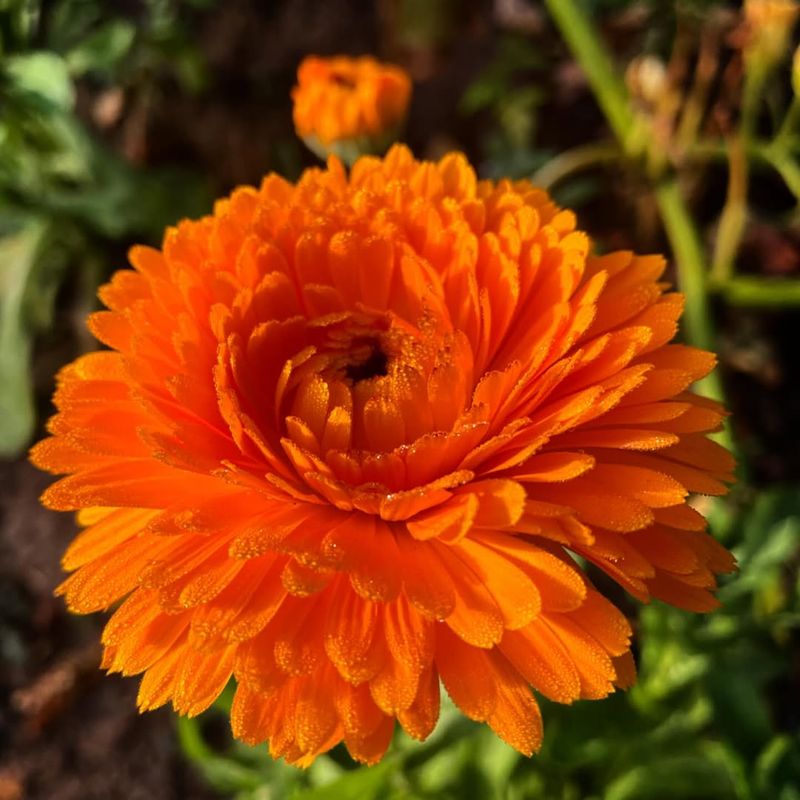
Cheerful golden and orange calendula petals have brightened gardens and dishes for centuries. Sometimes called pot marigold, this flower stands apart from regular marigolds with its gentle, slightly tangy flavor and incredible usefulness in the kitchen.
Calendula thrives in Pennsylvania’s cool spring and fall seasons, continuing to bloom even when temperatures drop.
These hardy flowers tolerate light frosts beautifully, making them perfect companions for early spring planting and late-season color.
Plant them in well-drained soil with plenty of sunlight, though they can handle a bit of afternoon shade during hot summers. Calendula self-seeds readily, so you might find volunteer plants popping up year after year.
Harvesting calendula petals is easy and fun. Simply pluck the bright petals from the flower head and use them fresh or dried. The petals add gorgeous yellow and orange hues to rice dishes, soups, and baked goods, earning calendula the nickname “poor man’s saffron.”
Beyond their culinary coloring abilities, calendula petals bring a subtle peppery taste to salads and herb butters. The flowers also attract pollinators and beneficial insects, supporting your garden’s ecosystem.
Regular deadheading encourages continuous blooming, giving you a steady supply of edible petals throughout the growing season while keeping your garden looking fresh and vibrant.
3. Pansy (Viola × Wittrockiana)
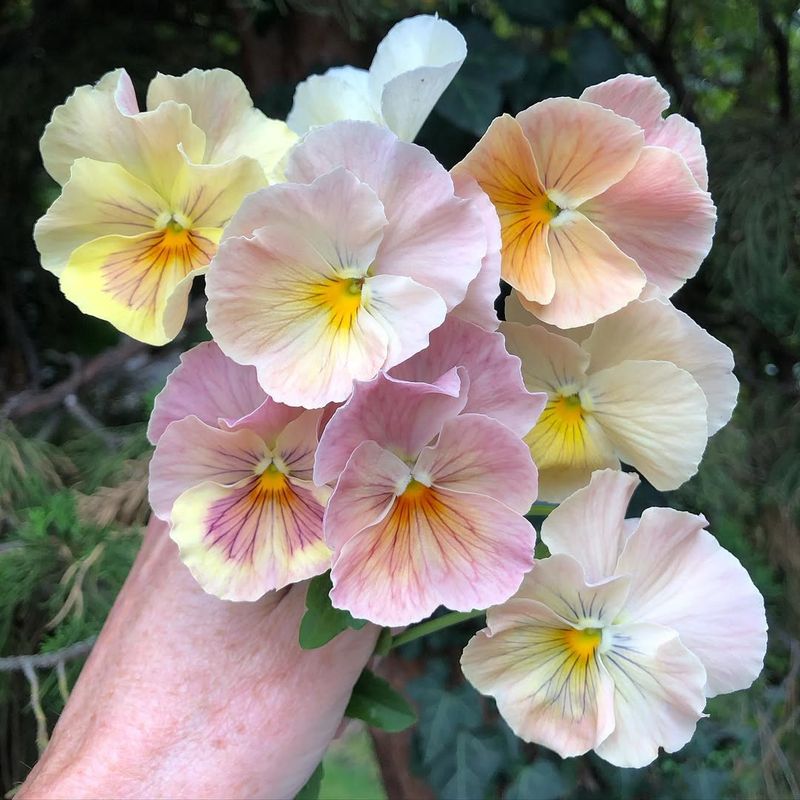
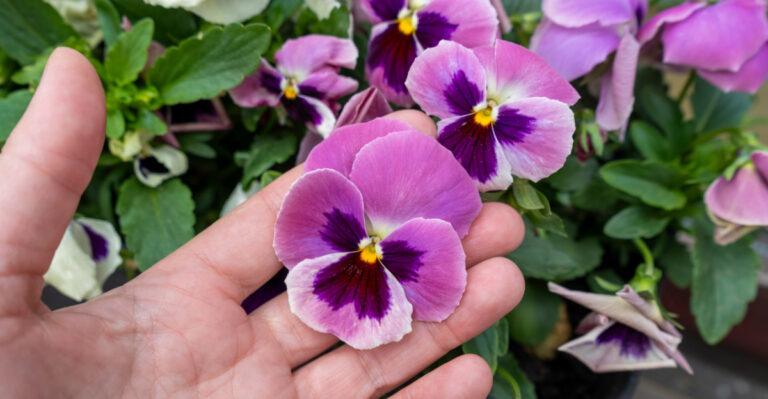
With their cheerful faces and rainbow of colors, pansies bring both beauty and flavor to Pennsylvania gardens. These cold-hardy flowers can withstand surprisingly chilly temperatures, often blooming when other plants are still sleeping through late winter.
Their mild, slightly sweet flavor makes them perfect for gardeners just beginning their edible flower journey.
Pansies prefer cooler weather and actually perform best during Pennsylvania’s spring and fall seasons. They tolerate partial shade better than many flowering plants, making them ideal for spots under trees or on north-facing porches.
Container gardening with pansies works wonderfully, allowing you to move them to prominent spots when entertaining.
The entire pansy flower is edible, offering a delicate taste that won’t overpower other ingredients. Their velvety petals add elegance to cakes, cupcakes, and fancy desserts. You can also freeze individual blooms in ice cubes for stunning additions to springtime beverages.
Pansies come in almost every color imaginable, from deep purples to bright yellows and even near-black varieties. This color variety lets you match flowers to your culinary creations or garden design themes.
Regular deadheading keeps plants producing fresh blooms, though allowing some flowers to go to seed often results in delightful volunteers the following season, creating natural drifts of color throughout your garden beds.
4. Johnny Jump-Up (Viola Tricolor)
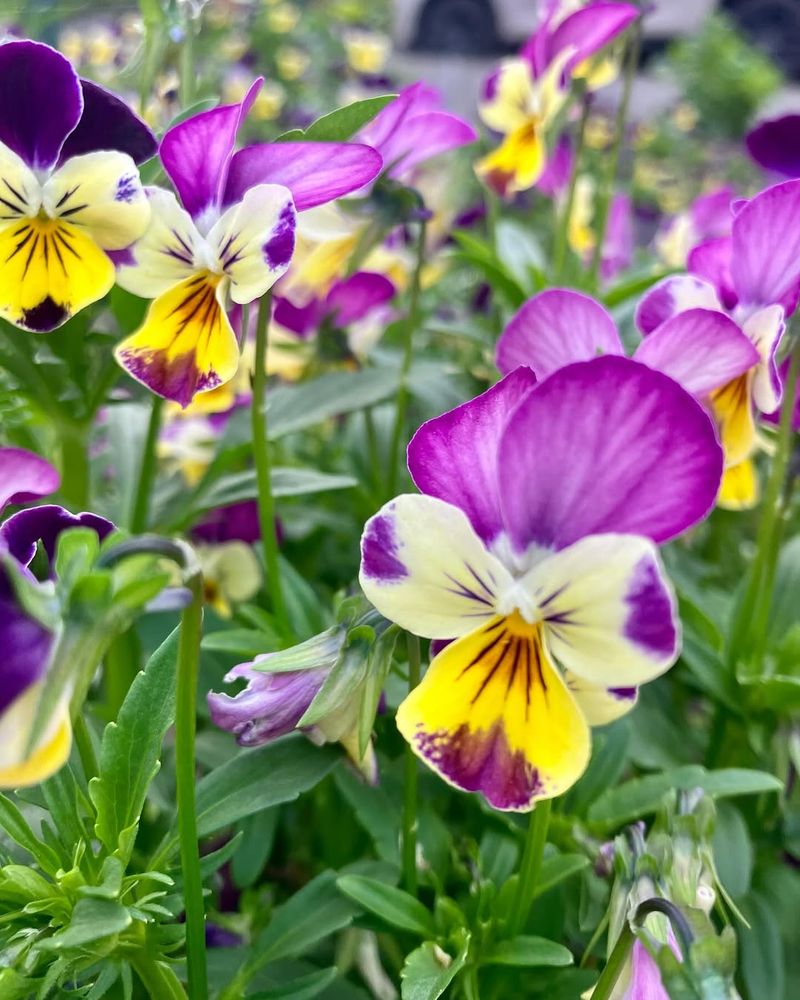
Smaller than their pansy cousins, Johnny jump-ups pack personality into their tiny purple, yellow, and white faces.
These charming flowers earned their playful name from their tendency to self-seed enthusiastically, popping up in unexpected garden spots year after year.
Pennsylvania gardeners appreciate their reliability and ability to bloom happily in cool spring temperatures.
Johnny jump-ups grow compactly, making them perfect for edging garden beds or tucking into containers alongside herbs and vegetables.
They handle Pennsylvania’s variable spring weather without complaint, continuing to flower even during cool snaps that discourage other bloomers. Their low-growing habit means they won’t shade out neighboring plants.
The flowers offer a mild, slightly minty flavor that works beautifully as garnishes for soups, salads, and desserts. Their small size makes them ideal for decorating individual cookies or floating in punch bowls at garden parties.
You can also crystallize the blooms with egg white and sugar for elegant cake decorations that last for weeks.
These vigorous little flowers attract early-season pollinators, providing important food sources when few other blooms are available. Once established, Johnny jump-ups require minimal care and often return reliably each spring.
Their cheerful presence and willingness to grow in partial shade make them wonderful companions for woodland gardens or shady corners where other edibles might struggle to thrive.
5. Borage (Borago Officinalis)
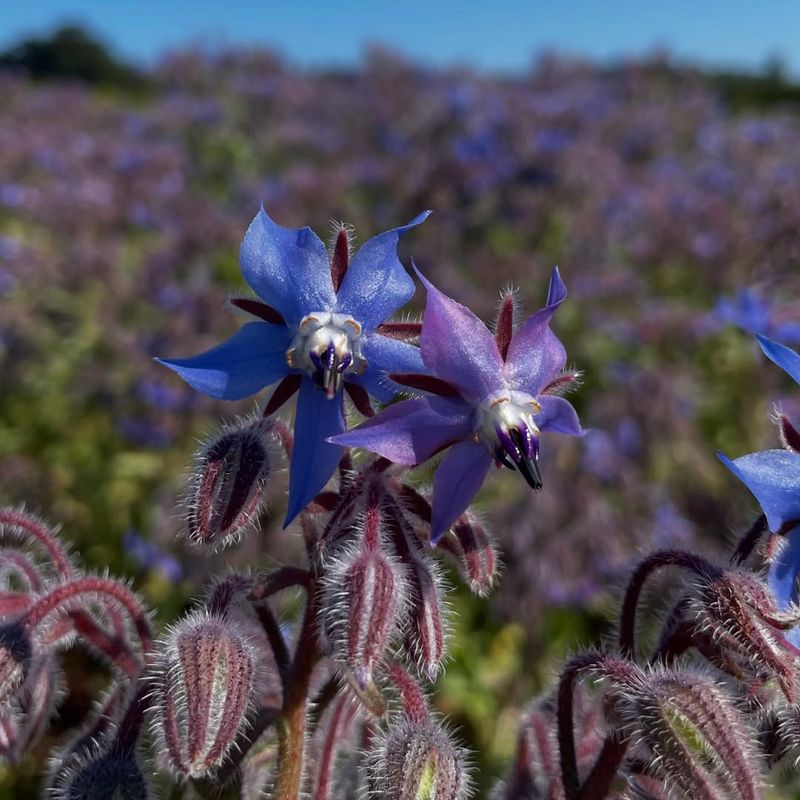
Star-shaped blue flowers make borage one of the most distinctive edible plants in any Pennsylvania garden. This old-fashioned herb has been grown for centuries, prized for its beautiful blooms and refreshing cucumber flavor.
The flowers dangle gracefully from fuzzy stems, creating a cottage garden atmosphere that bees absolutely adore.
Borage grows enthusiastically in Pennsylvania gardens, adapting to various soil types as long as drainage is decent. The plants reach about two feet tall and spread generously, so give them adequate space or be prepared for their exuberant growth.
They handle both full sun and partial shade, though flowering is most abundant with plenty of sunshine.
Both flowers and young leaves taste remarkably like cucumber, making them perfect for summer drinks and refreshing salads. Float the brilliant blue blooms in lemonade, iced tea, or cocktails for a stunning presentation.
The flowers can also be candied for cake decorations or frozen in ice cubes for special occasions.
Pollinators, especially bees, flock to borage flowers throughout the blooming season. This makes borage an excellent companion plant for vegetable gardens, helping ensure good pollination for tomatoes, squash, and other crops.
The plants self-seed readily, so you’ll likely have volunteer plants appearing in future seasons, though they’re easy to remove if they pop up where you don’t want them.
6. Chives (Allium Schoenoprasum – Blossoms)
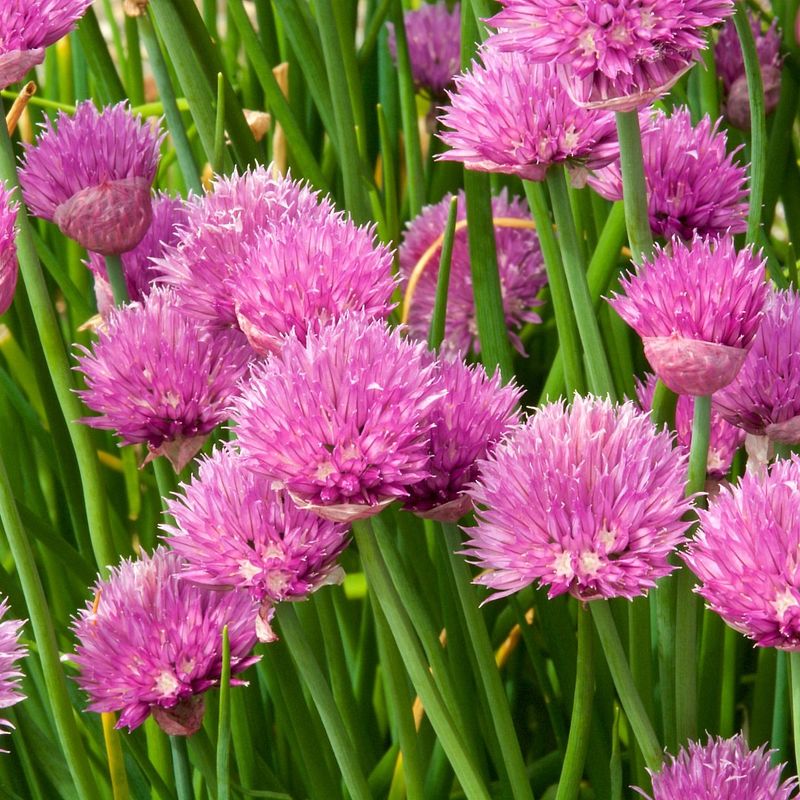
Purple pompom flowers crowning slender green stems announce that chive blossom season has arrived in Pennsylvania gardens.
While most people grow chives for their onion-flavored leaves, the flowers offer a milder, slightly sweet onion taste that elevates countless dishes. These perennial herbs return reliably each spring, often among the first edibles ready for harvest.
Chives thrive in Pennsylvania’s climate, tolerating cold winters and returning vigorously when spring warmth arrives. They prefer full sun but accept partial shade gracefully, making them adaptable to various garden locations.
Plant them in well-drained soil, and they’ll reward you with years of flavorful harvests without demanding much attention.
The globe-shaped flower heads consist of dozens of tiny florets that can be separated or used whole. Sprinkle individual florets over cream cheese, baked potatoes, or scrambled eggs for beautiful color and delicate onion flavor.
Whole flower heads make impressive garnishes for platters or can be infused into vinegar for a lovely pink-purple condiment.
Timing your harvest matters with chive blossoms. Pick them just as the flowers fully open for the best flavor and appearance.
Regular harvesting actually encourages the plants to produce more flowers while preventing self-seeding. After flowering, cut plants back to encourage fresh leaf growth, giving you two harvests from the same plant throughout the growing season.
7. Lavender (Lavandula Angustifolia – Hardy Types)
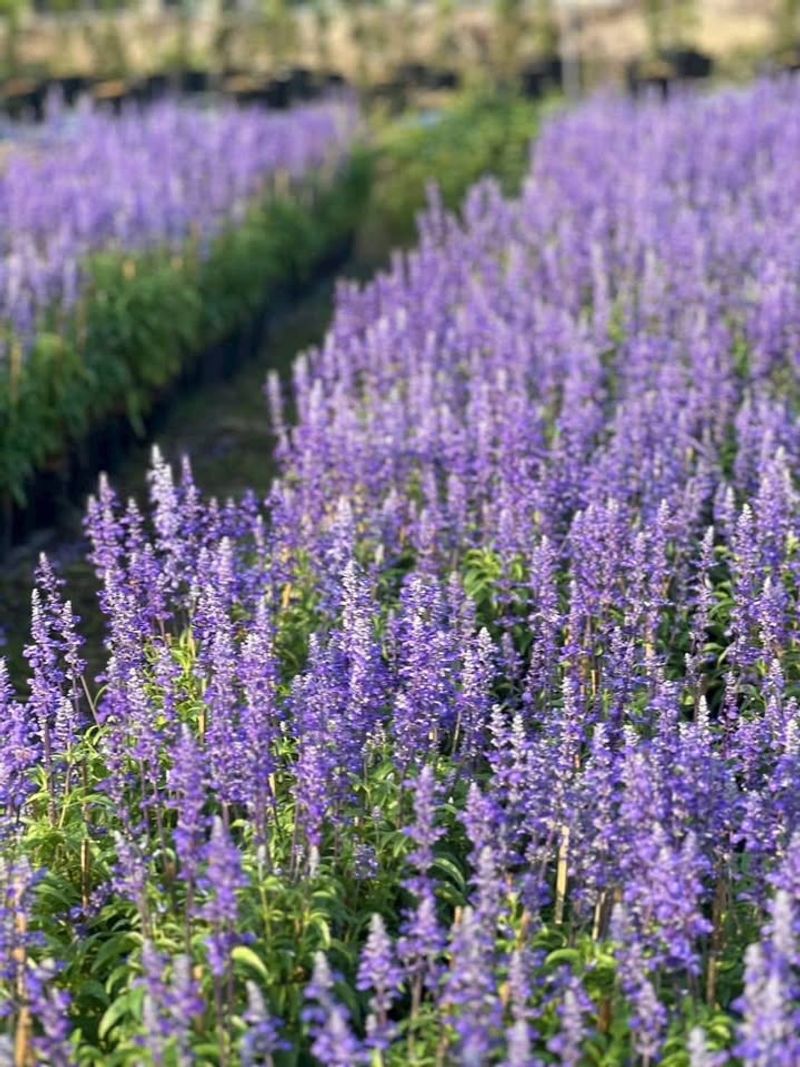
Fragrant purple spikes of lavender bring Mediterranean charm to Pennsylvania gardens when you choose cold-hardy varieties. Not all lavenders survive Pennsylvania winters, so selecting English lavender varieties like Munstead or Hidcote ensures success.
These tough plants reward patient gardeners with aromatic blooms perfect for culinary adventures and relaxing teas.
Drainage is absolutely critical for lavender success in Pennsylvania. Plant them in raised beds or on slopes where water won’t collect around the roots during wet springs and winters.
Full sun exposure for at least six hours daily helps plants thrive and produce abundant flowers. Sandy or gravelly soil amendments improve drainage in heavier Pennsylvania clay soils.
Culinary lavender offers a floral, slightly sweet flavor that works beautifully in baking, beverages, and savory dishes when used sparingly. Add dried buds to shortbread cookies, sugar, or honey for sophisticated flavors.
Fresh flowers can flavor lemonade, cream, or simple syrups, though remember that a little lavender goes a long way.
Harvest lavender stems just as the first flowers on each spike begin opening for the strongest fragrance and best flavor. Bundle stems and hang them upside down in a dry, dark location to preserve their qualities.
Properly dried lavender retains flavor and fragrance for months, providing homegrown ingredients long after Pennsylvania gardens have gone dormant for winter.
8. Bee Balm (Monarda Didyma – Native Species)
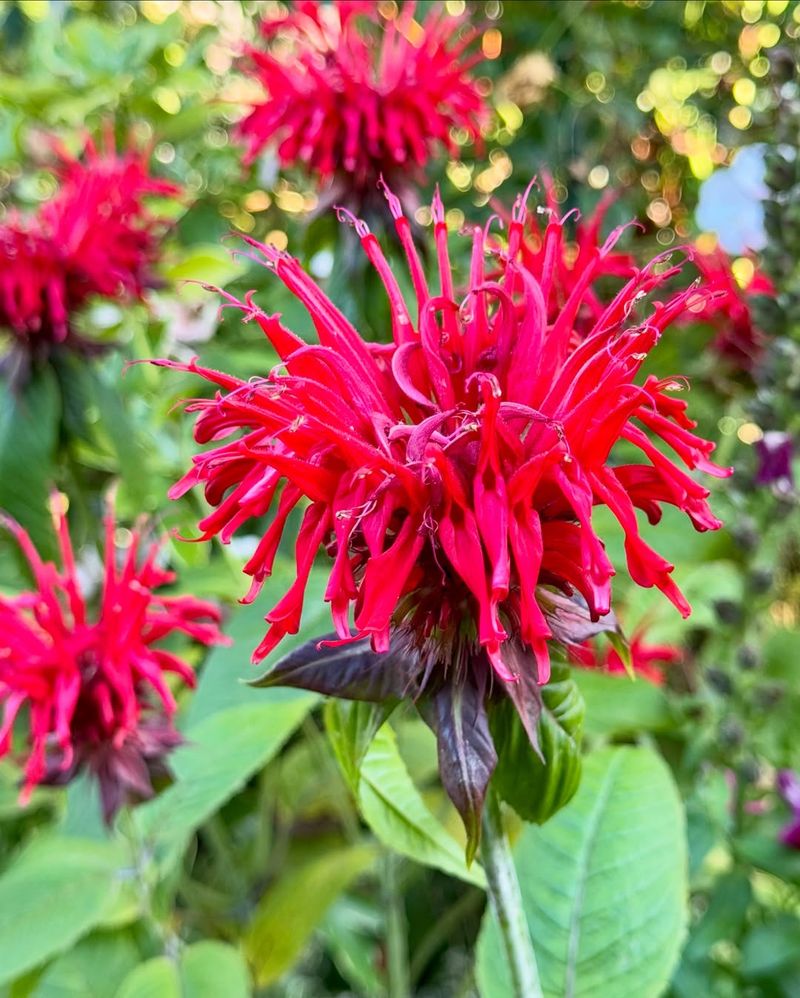
Shaggy red, pink, or purple blooms explode from bee balm stems in midsummer, creating spectacular color while supporting Pennsylvania’s native pollinators.
This North American native thrives in conditions that match Pennsylvania’s climate perfectly, making it one of the easiest edible flowers to grow successfully. The flowers and leaves both offer a delightful minty-citrus flavor reminiscent of Earl Grey tea.
Bee balm grows vigorously in Pennsylvania gardens, preferring moist soil and tolerating partial shade better than many flowering herbs. The plants spread through underground runners, forming expanding clumps over time.
This spreading habit makes bee balm excellent for naturalizing in larger spaces, though you might want to contain it in smaller gardens.
Both fresh and dried flowers make wonderful tea, either alone or blended with other herbs. The petals also add color and flavor to salads, fruit dishes, and cold beverages.
Native Americans and early settlers used bee balm extensively for medicinal teas, and modern gardeners appreciate its continuing usefulness.
Pollinators absolutely adore bee balm flowers, with hummingbirds, butterflies, and numerous bee species visiting throughout the blooming period. Choosing mildew-resistant varieties helps plants stay healthy and attractive through Pennsylvania’s humid summers.
Dividing clumps every few years keeps plants vigorous while giving you extras to share with fellow gardeners or expand your own edible landscape.
9. Roses (Rosa Species – Untreated Petals Only)
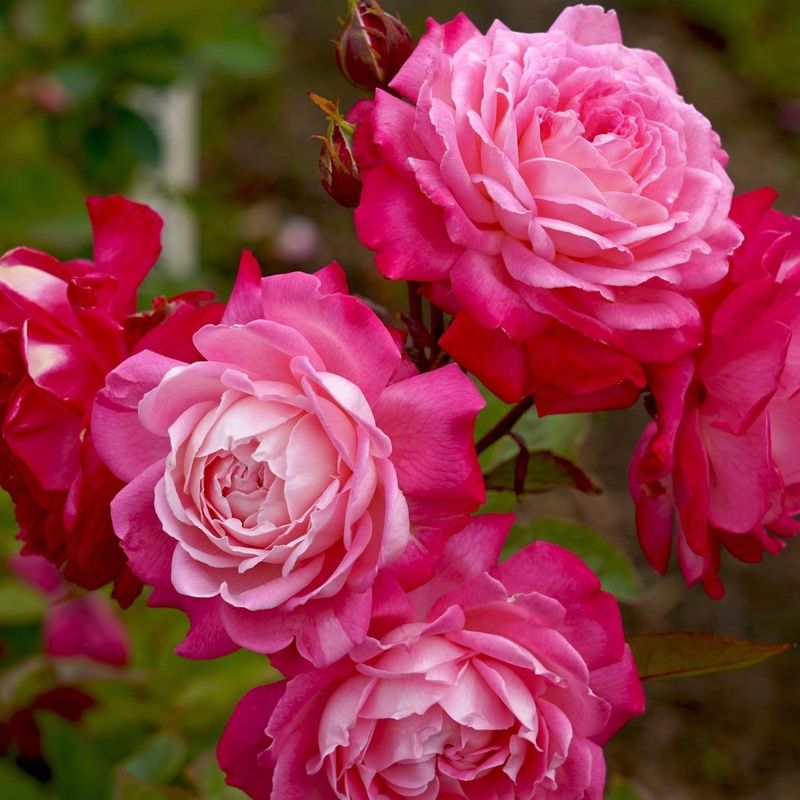
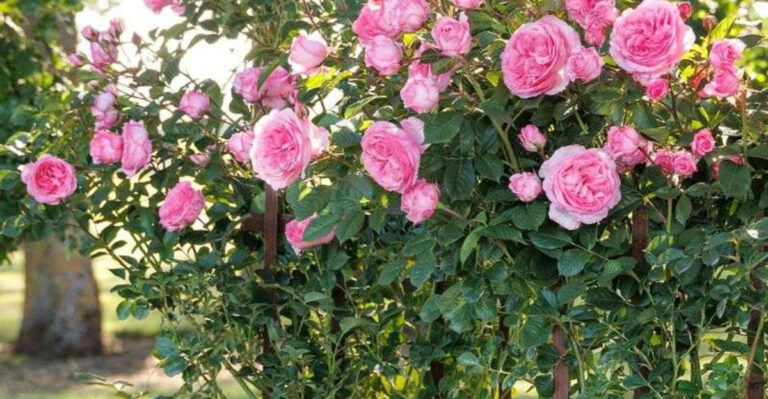
Fragrant rose petals have flavored foods and beverages for thousands of years across countless cultures. Pennsylvania gardeners can easily incorporate this elegant edible into their landscapes by growing roses specifically for culinary use.
The key is selecting highly fragrant varieties and absolutely ensuring no chemical pesticides or fungicides have been applied.
Old garden roses and heritage varieties typically offer the strongest fragrance and best flavor for culinary purposes. Modern hybrid teas often sacrifice scent for other characteristics, making them less suitable for eating.
Grow your culinary roses organically, using only natural pest management methods to keep petals safe for consumption.
Rose petals offer flavors ranging from subtly floral to intensely perfumed depending on the variety. Darker, more fragrant roses generally provide stronger flavors.
Use fresh petals in salads, or make rose water, rose syrup, and rose petal jam for sophisticated homemade treats. Remove the bitter white base of each petal before using.
Harvest rose petals in the morning after dew has evaporated but before the day’s heat diminishes their fragrance. Choose flowers in their prime, avoiding blooms that are fading or have been open for several days.
Fresh petals can be used immediately, dried for later use, or frozen in ice cubes for elegant additions to special drinks throughout the year.
10. Sunflower (Helianthus Annuus – Petals And Buds)
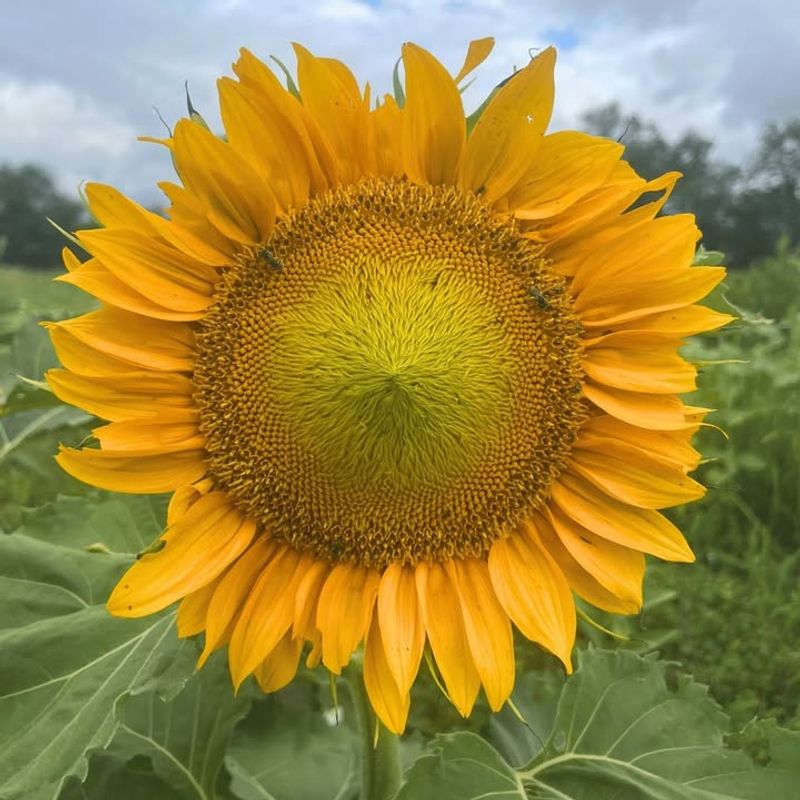
Towering sunflowers bring sunshine to Pennsylvania gardens while offering surprisingly tasty edible parts beyond their famous seeds. Both the bright yellow petals and the unopened flower buds provide interesting culinary options that many gardeners overlook.
Growing sunflowers is straightforward in Pennsylvania’s climate, making them accessible even for beginning gardeners.
Plant sunflower seeds directly in the garden after the last frost date, choosing a spot with full sun and decent soil. These vigorous annuals grow quickly, with some varieties reaching impressive heights by midsummer.
Smaller varieties work well in containers or compact gardens, while giant types create dramatic vertical interest and privacy screens.
Sunflower petals have a slightly bitter, leafy taste that works best when used sparingly in salads or as garnishes. The real culinary treasure is the unopened bud, which can be steamed and eaten similarly to artichokes.
Harvest buds when they’re tight and firm, before any petals begin showing color.
Full sun is absolutely essential for healthy sunflower growth and flower production. These plants tolerate various soil types but perform best with regular water during dry Pennsylvania summers.
Beyond their edible qualities, sunflowers attract birds and beneficial insects while providing cheerful color. Allow some flower heads to mature fully for harvesting seeds, which offer nutrition for both humans and wildlife throughout fall and winter months.
11. Dianthus (Dianthus Barbatus / Sweet William)
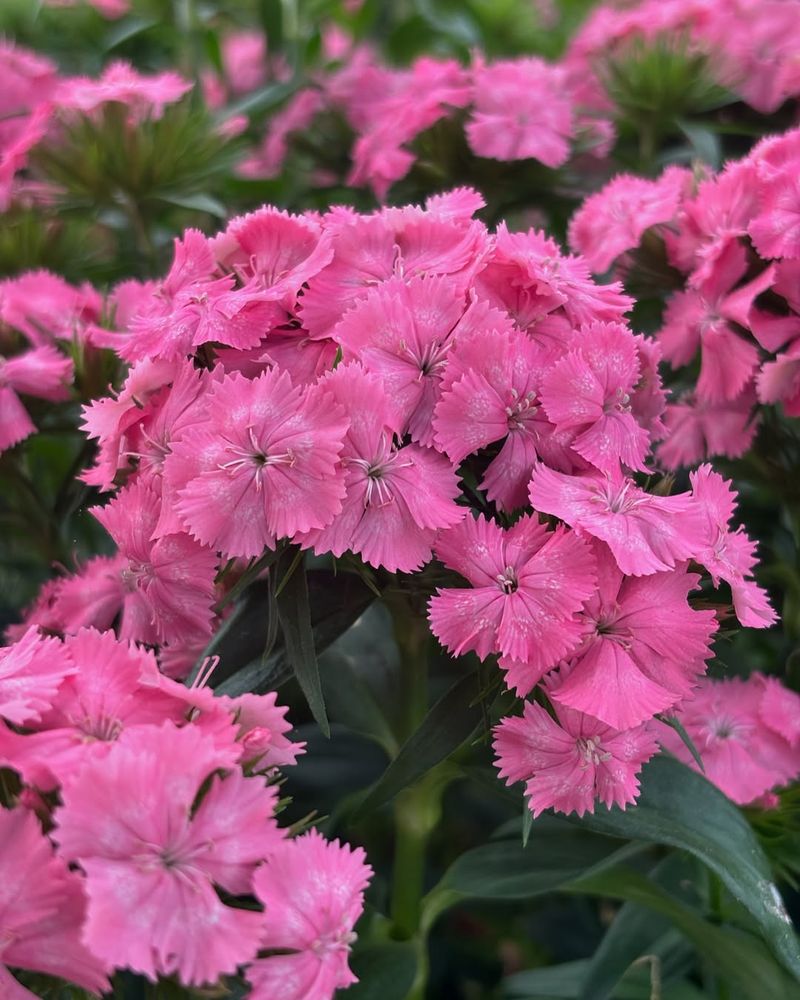
Clusters of frilly sweet William flowers release a wonderful clove-like fragrance that hints at their spicy-sweet flavor. These charming cottage garden favorites have been grown for centuries, valued for their beauty, scent, and edible qualities.
Pennsylvania’s climate suits sweet William perfectly, especially during cooler spring and fall seasons when they bloom most enthusiastically.
Sweet William tolerates cold temperatures remarkably well, often surviving Pennsylvania winters and returning as short-lived perennials or self-seeding biennials. They prefer full sun to partial shade and well-drained soil that doesn’t stay soggy during wet periods.
Plant them toward the front of garden beds where you can appreciate their fragrance and colorful flower clusters.
The petals offer a sweet, spicy taste reminiscent of cloves and nutmeg, making them wonderful additions to fruit salads, desserts, and beverages. Remove the bitter white base of each petal before eating, using only the colorful portions.
The flowers also make beautiful garnishes that add both visual appeal and subtle flavor to cakes and pastries.
Sweet William flowers attract butterflies and beneficial insects while providing long-lasting cut flowers for indoor arrangements. Deadheading spent blooms encourages continued flowering, though allowing some seed formation often results in volunteer plants for the following year.
These low-maintenance flowers combine ornamental beauty with culinary usefulness, earning their place in both decorative and edible Pennsylvania gardens.
12. Hibiscus (Hardy Hibiscus – Hibiscus Moscheutos)
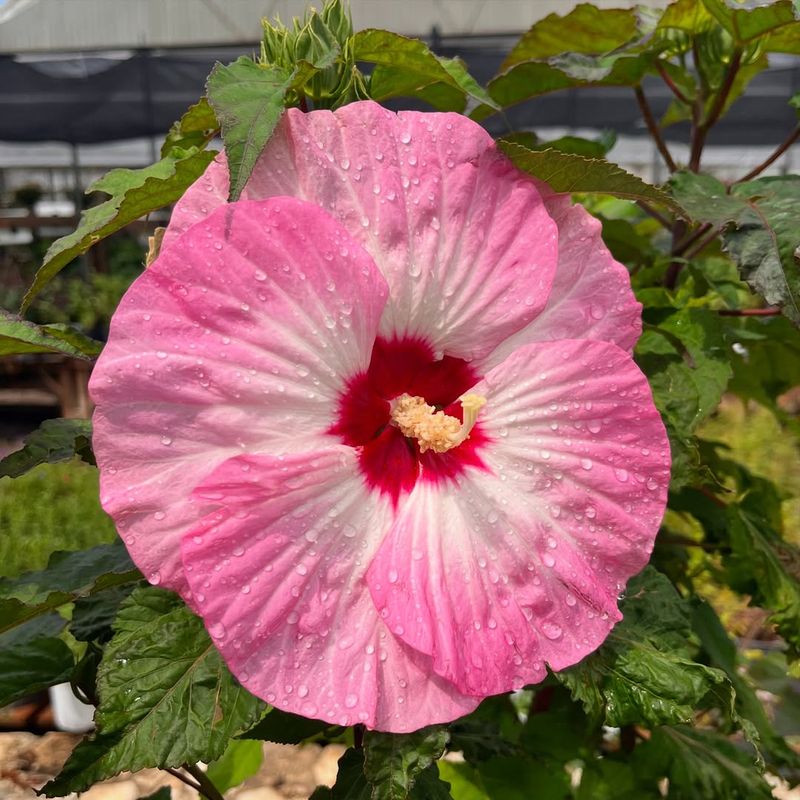
Dinner-plate-sized blooms in shades of pink, red, and white make hardy hibiscus an absolute showstopper in Pennsylvania summer gardens. Unlike tropical hibiscus that can’t survive winters, hardy hibiscus returns reliably year after year, tolerating Pennsylvania’s cold temperatures without protection.
The large flowers offer a cranberry-like tartness that works beautifully in beverages and culinary creations.
Hardy hibiscus thrives in Pennsylvania’s humid summers, preferring moist soil and full sun for best flowering. These substantial perennials emerge late in spring, sometimes causing gardeners to worry they didn’t survive winter.
Patience pays off as plants grow rapidly once temperatures warm, often reaching four to six feet tall by bloom time.
Fresh or dried hibiscus flowers create gorgeous ruby-red teas and refreshing cold beverages. The tart, cranberry-like flavor pairs wonderfully with sweeteners and citrus.
You can also use hibiscus to make syrups, jellies, and natural food coloring. The flowers steep beautifully, releasing their color and flavor into liquids.
Each enormous bloom lasts only a day, but plants produce numerous flowers throughout late summer and early fall. Harvest flowers in the morning for immediate use or dry them for year-round enjoyment.
Beyond their culinary value, hardy hibiscus provides spectacular ornamental impact and attracts hummingbirds and butterflies. The plants require minimal care once established, making them perfect for low-maintenance Pennsylvania landscapes.
13. Squash Blossoms (Cucurbita Species)
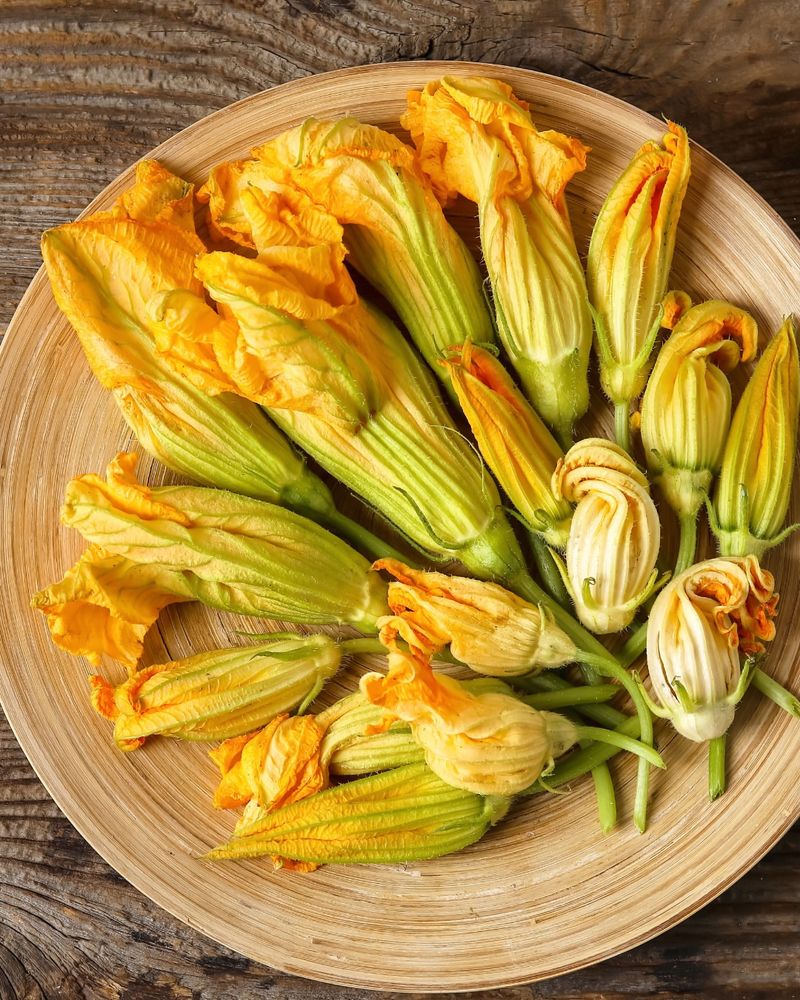
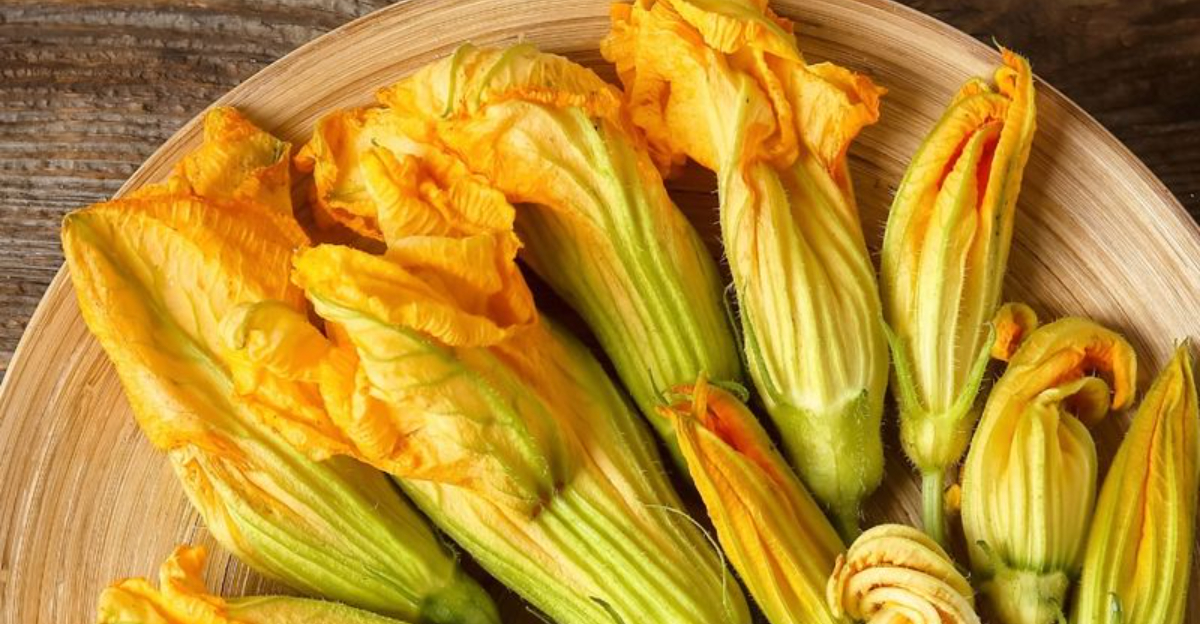
Golden trumpet-shaped flowers emerge from zucchini and squash plants throughout Pennsylvania’s summer growing season. These delicate blooms offer a mild, slightly sweet flavor and tender texture that makes them prized ingredients in many cuisines.
Growing your own squash plants ensures a steady supply of fresh blossoms while also producing vegetables for your kitchen.
Squash plants thrive in Pennsylvania’s warm summers, requiring full sun and rich, well-drained soil. Plant seeds or transplants after all frost danger has passed and soil has warmed.
The plants grow vigorously, with vining types needing plenty of space or sturdy trellises for vertical growth.
Harvest squash blossoms early in the morning when they’re fully open and at their freshest. Male flowers (those on long stems without tiny fruits at the base) are best for harvesting since removing them doesn’t affect vegetable production.
Female flowers (with small fruits attached) can also be harvested if your plants are producing abundantly.
Squash blossoms are incredibly versatile in the kitchen. Stuff them with cheese and herbs before lightly frying, add them to quesadillas, or chop them into pasta dishes and omelets.
Use blossoms the same day you harvest them for best flavor and texture, as they wilt quickly. The delicate flowers bring gourmet appeal to simple dishes while letting you enjoy the fruits of your gardening labor in multiple ways throughout the growing season.
14. Chamomile (Matricaria Chamomilla)
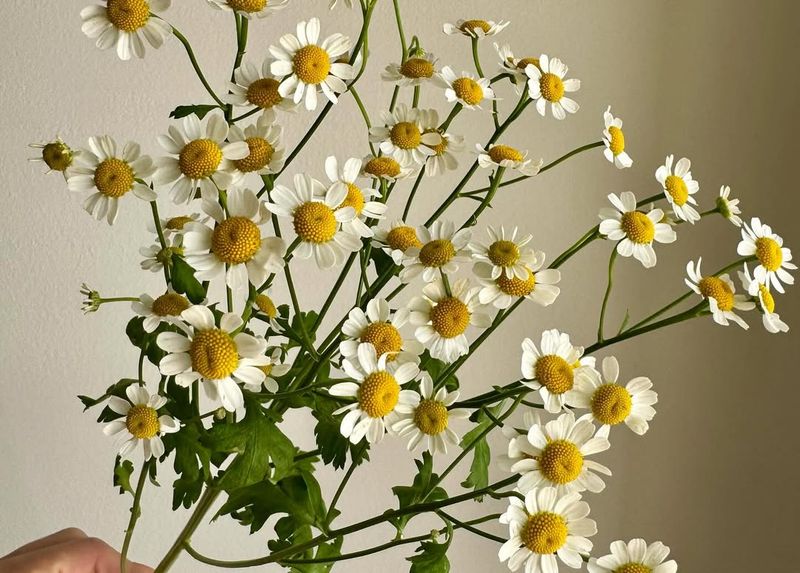
Tiny daisy-like flowers with sunny yellow centers and white petals bring old-fashioned charm to Pennsylvania gardens. German chamomile grows easily as a self-seeding annual, often returning year after year without replanting.
The apple-scented flowers have been used for centuries to make calming tea, and growing your own ensures the freshest, most flavorful harvests.
Chamomile prefers full sun but tolerates partial shade, making it adaptable to various garden locations. The plants grow about two feet tall with feathery foliage that adds delicate texture to herb gardens and flower beds.
They tolerate Pennsylvania’s variable weather and actually prefer lean soil over heavily fertilized conditions.
Harvest chamomile flowers when they’re fully open and the petals have just begun to turn downward. Morning harvesting after dew has dried provides the best quality flowers.
Dry the blooms thoroughly in a dark, well-ventilated space to preserve their beneficial properties and sweet apple fragrance.
Fresh or dried chamomile flowers make soothing tea that’s been enjoyed for generations. Simply steep a tablespoon of flowers in hot water for a gentle, naturally sweet beverage.
Beyond tea, chamomile flowers can flavor baked goods, infuse honey, or add to bath sachets. The plants attract beneficial insects and pollinators while requiring minimal care, making them perfect for busy gardeners who want useful, beautiful plants that practically take care of themselves throughout the Pennsylvania growing season.
15. Elderflower (Sambucus Canadensis – Native Elderberry)
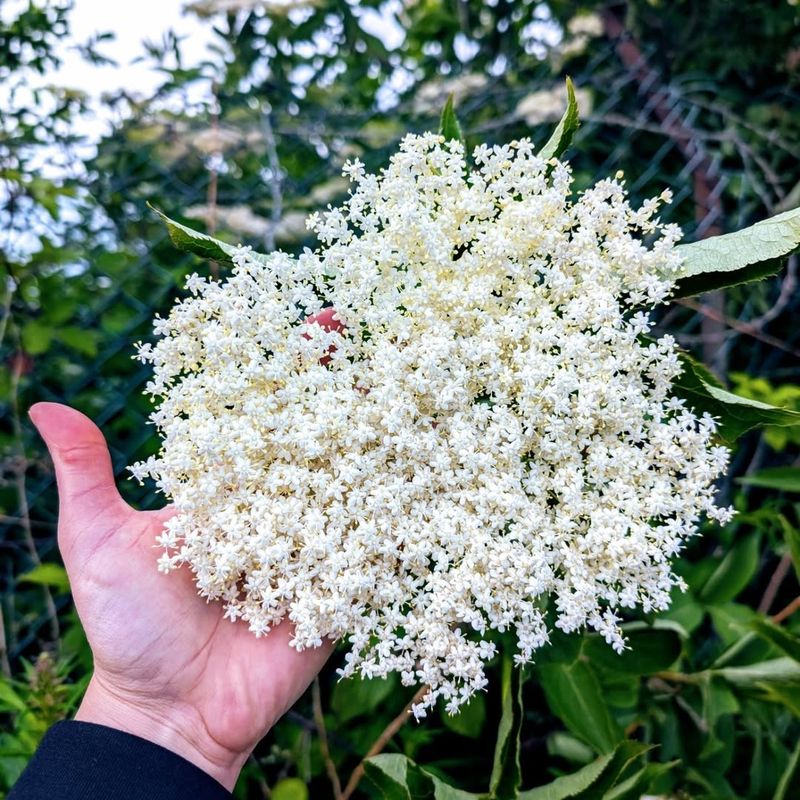
Creamy white flower clusters blanket native elderberry shrubs in late spring, filling Pennsylvania gardens with their distinctive sweet fragrance. These native plants grow wild throughout the state, but cultivating them in home gardens provides convenient access to the delicious flowers.
Elderflowers have been used for centuries in beverages, syrups, and cordials across many cultures.
Native elderberries thrive in Pennsylvania’s climate, preferring moist soil and full sun to partial shade. These substantial shrubs can reach eight to twelve feet tall, making them excellent for naturalized areas, hedgerows, or the back of large garden beds.
They tolerate wet conditions better than many fruiting shrubs.
Harvest elderflower clusters when the tiny individual flowers have just opened but before they begin browning. Gently shake clusters to remove any insects before using.
The flowers offer a delicate, floral flavor with hints of honey and lychee. Make traditional elderflower cordial, syrup for cocktails and desserts, or steep flowers for refreshing beverages.
Important safety note: only the flowers are safe to consume raw. While elderberries are edible and nutritious, they must be cooked before eating, and other plant parts should be avoided.
The flowers appear in late May through June in Pennsylvania, providing a relatively short harvest window. After flowering, allow some blooms to develop into berries for cooking or for supporting wildlife.
These native shrubs support numerous beneficial insects and birds throughout the seasons.