12 Edible Wild Plants That Grow Well In Georgia Home Gardens
Georgia gardens sit on generous ground, where heat, rain, and long growing seasons invite abundance.
Long before backyard beds and seed racks, edible wild plants thrived across fields, woods, and fence lines, feeding families with little fuss.
Many of those same plants still shine today, ready to earn a place in home gardens.
They shrug off pests, adapt to local soil, and deliver flavor with roots in Southern tradition.
These plants feel at home under Georgia skies and ask less water, less care, and fewer chemicals in return.
For gardeners who value resilience and real taste, wild edibles offer a quiet edge.
They bridge past and present, turn overlooked corners into productive space, and prove that good food does not always come from a packet.
With the right picks, a garden can feel both abundant and deeply local.
1. Chickweed
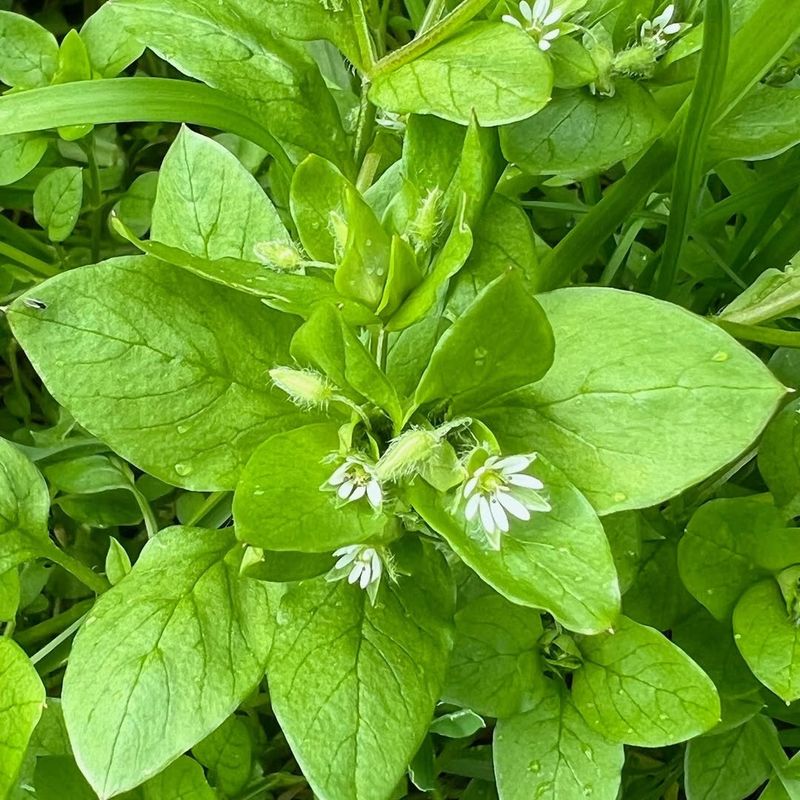
Chickweed appears in Georgia gardens during cooler months and creates soft mats of delicate greenery.
This tender plant earned its name because chickens love eating it, but humans can enjoy it too.
The mild flavor resembles fresh lettuce with a slight sweetness.
You can toss whole stems, leaves, and flowers into salads raw or add them to sandwiches for extra crunch.
Some cooks steam chickweed briefly as a spinach alternative.
Small white star-shaped flowers appear among the leaves and add a pretty touch to dishes.
Georgia’s winter and early spring temperatures suit chickweed perfectly, though it struggles in summer heat.
The plant prefers moist soil and shady spots but adapts to various conditions.
Chickweed spreads quickly through seeds and stems that root where they touch ground.
Harvest by snipping stems with scissors, leaving roots to produce new growth.
The plant contains vitamin C, magnesium, and other beneficial nutrients.
Traditional herbalists used chickweed for various purposes beyond food.
Watch for chickweed in your garden beds or allow it to grow in designated areas where you can harvest regularly throughout its season.
2. Dandelion
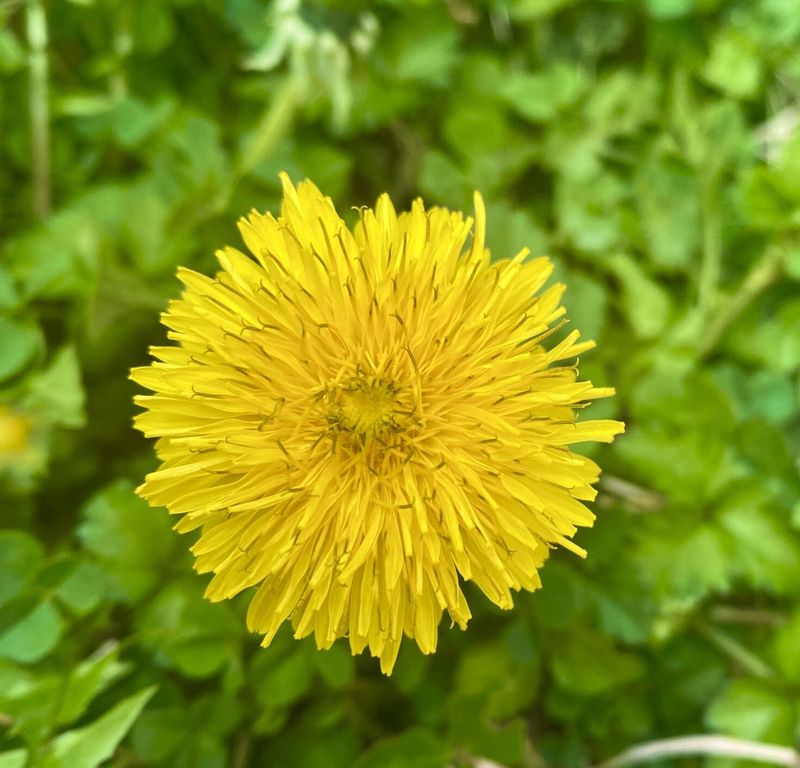
People often consider dandelions to be annoying weeds, but every part of this plant provides food for your table.
The leaves taste slightly bitter and work wonderfully in salads when picked young.
Older leaves become more bitter, so many gardeners cook them like spinach or add them to soups.
The bright yellow flowers make beautiful garnishes and can be turned into jelly or wine.
Even the roots have uses when roasted and ground as a coffee substitute.
Dandelions thrive in Georgia’s climate and need almost no care once established.
They grow in full sun or partial shade and tolerate different soil types.
The plants spread easily through their fluffy seeds, so you’ll have plenty to harvest.
Spring offers the best flavor for leaves, while flowers bloom from early spring through fall.
Dandelions contain vitamins A, C, and K, plus iron and calcium.
Your garden benefits too, since dandelion roots break up compacted soil.
Just make sure to harvest from areas not treated with chemicals or pesticides.
The plants grow back quickly after cutting, providing multiple harvests throughout the season.
3. Purslane
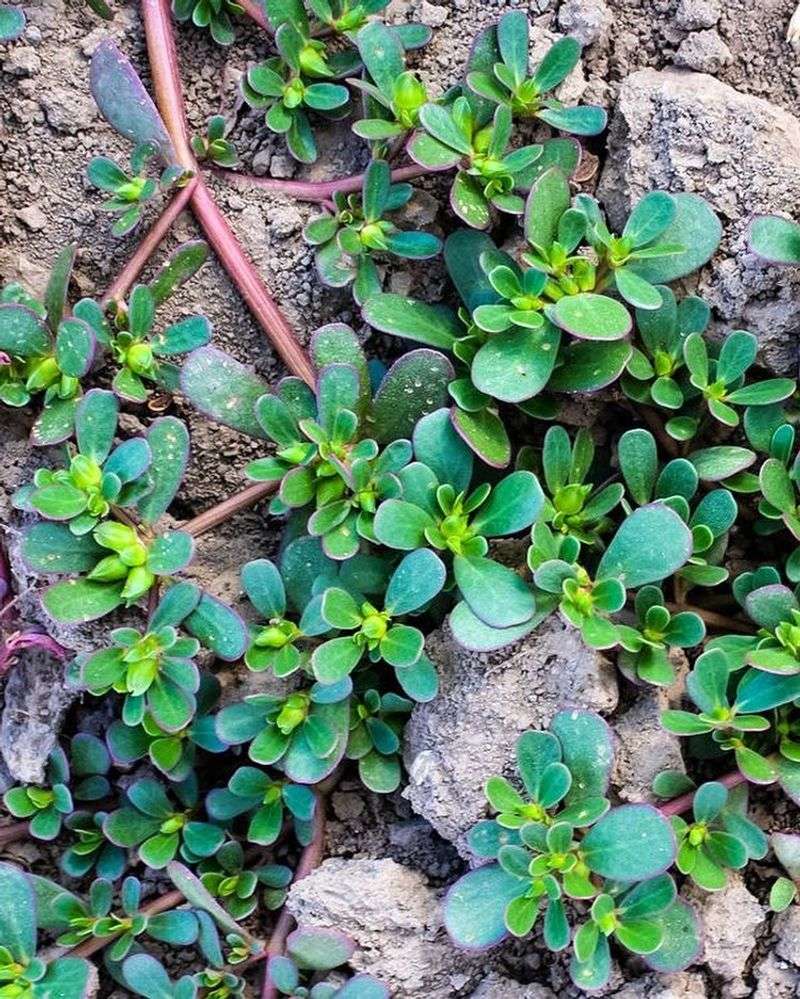
With thick, succulent leaves and reddish stems, purslane thrives in Georgia’s hot summers when many other greens struggle.
The plant has a slightly sour, lemony taste with a crunchy texture that stays crisp even in heat.
Mediterranean and Mexican cuisines feature purslane regularly, though many American gardeners still view it as a weed.
Raw purslane adds refreshing crunch to salads and salsas.
You can also sauté it quickly with garlic, pickle it, or add it to omelets and stir-fries.
The mucilaginous quality of cooked purslane thickens soups naturally.
Purslane ranks among the most nutritious greens available, packed with omega-3 fatty acids, vitamins, and minerals.
This plant needs full sun and well-drained soil but tolerates drought once established.
Seeds sprout easily in warm Georgia soil from late spring onward.
The low-growing plant spreads across the ground, creating a living mulch that shades soil and reduces water loss.
Small yellow flowers appear in summer but the leaves remain the main harvest.
Pick tender stem tips and young leaves regularly to encourage bushier growth.
Purslane reseeds itself readily, returning year after year without replanting.
4. Wood Sorrel
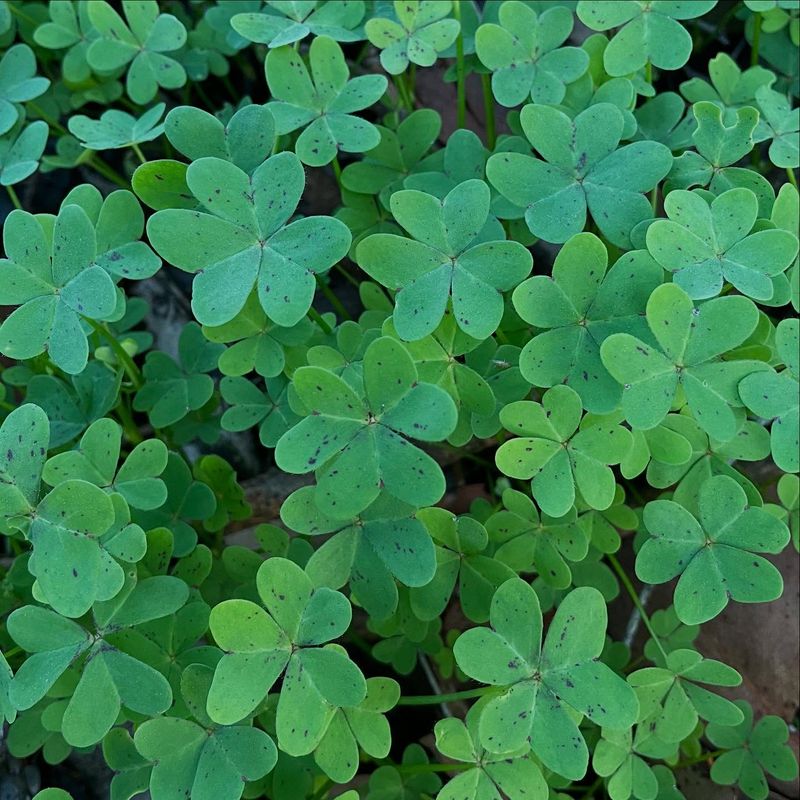
Anyone who mistakes wood sorrel for clover will notice the difference immediately upon tasting its sharp, lemony flavor.
The three-part leaves fold down at night and open again with morning light.
Small yellow, white, or pink flowers appear depending on the species growing in your area.
Both leaves and flowers provide a tangy addition to salads, acting almost like a natural salad dressing.
Children often enjoy nibbling wood sorrel leaves straight from the garden as a sour treat.
The acidic taste comes from oxalic acid, the same compound found in spinach and rhubarb.
Eating moderate amounts poses no problem for most people, though those with kidney issues should limit consumption.
Wood sorrel grows well in shady spots where other edibles might struggle.
Georgia’s woodland gardens provide ideal conditions for this plant.
It spreads through seeds that shoot out when ripe seed pods are touched.
The plant thrives in spring and fall but may go dormant during the hottest summer weeks.
Harvest leaves and flowers as needed throughout the growing season.
Wood sorrel requires no special care and often appears voluntarily in gardens, lawns, and flower beds.
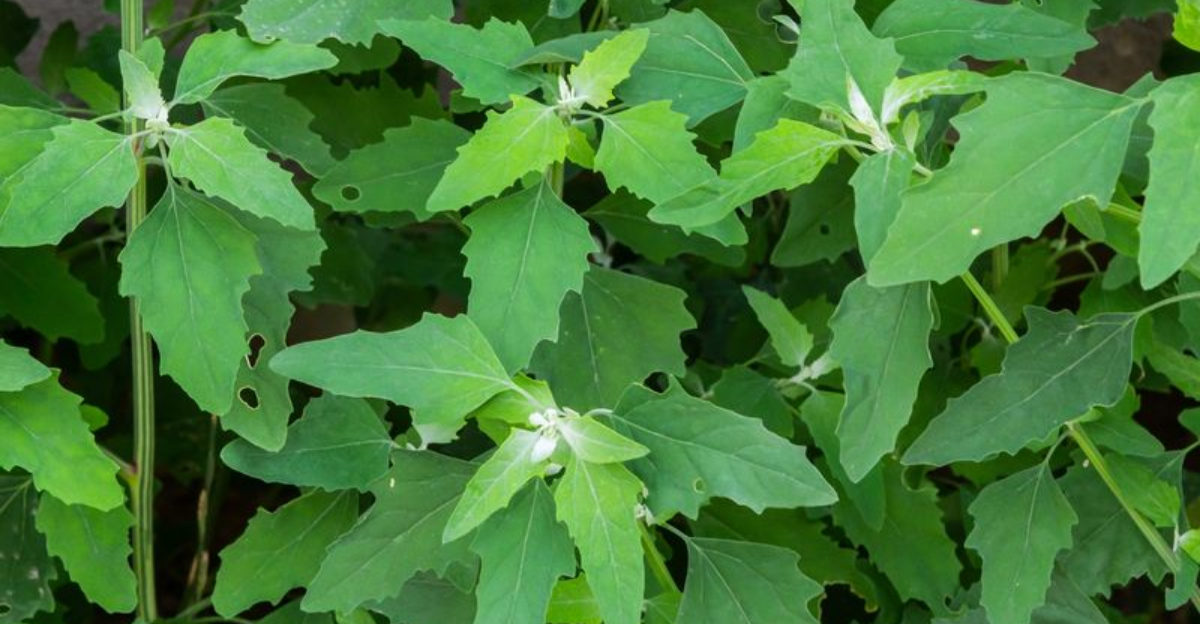
5. Lamb’s Quarters
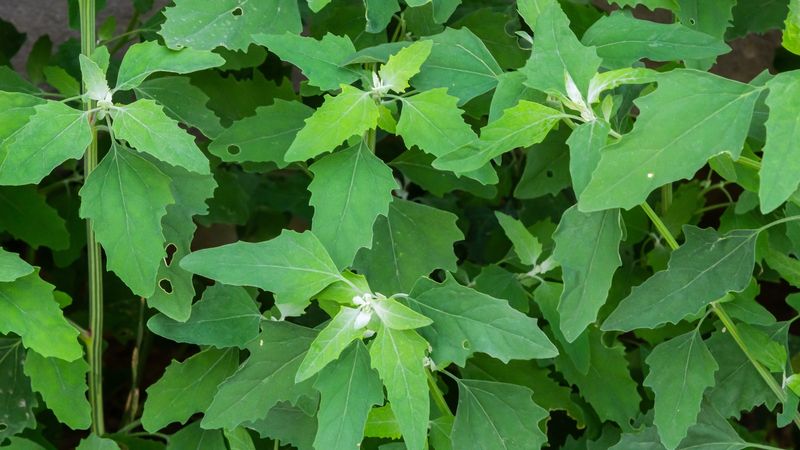
Before spinach became a grocery store staple, people across America relied on lamb’s quarters as their primary cooking green.
The plant can grow quite tall, sometimes reaching four or five feet in good soil.
Young leaves have a distinctive white, powdery coating that makes them easy to identify.
The flavor resembles spinach but milder, making lamb’s quarters perfect for people who find spinach too strong.
Cook the leaves just like spinach in any recipe, or use young tender leaves raw in salads.
The plants produce abundant seeds that birds love, though you can harvest and grind them into flour or cook them like quinoa.
Lamb’s quarters and quinoa belong to the same plant family, sharing similar nutritional profiles.
This green contains more protein, calcium, and iron than most cultivated vegetables.
Georgia’s warm season suits lamb’s quarters perfectly, with seeds sprouting in spring and plants producing until frost.
The plant tolerates various soil conditions but grows largest in rich, well-watered garden beds.
Harvest by cutting entire young plants or picking individual leaves from larger specimens.
Lamb’s quarters often appears on its own in vegetable gardens, so simply let it grow where convenient.
6. Wild Amaranth
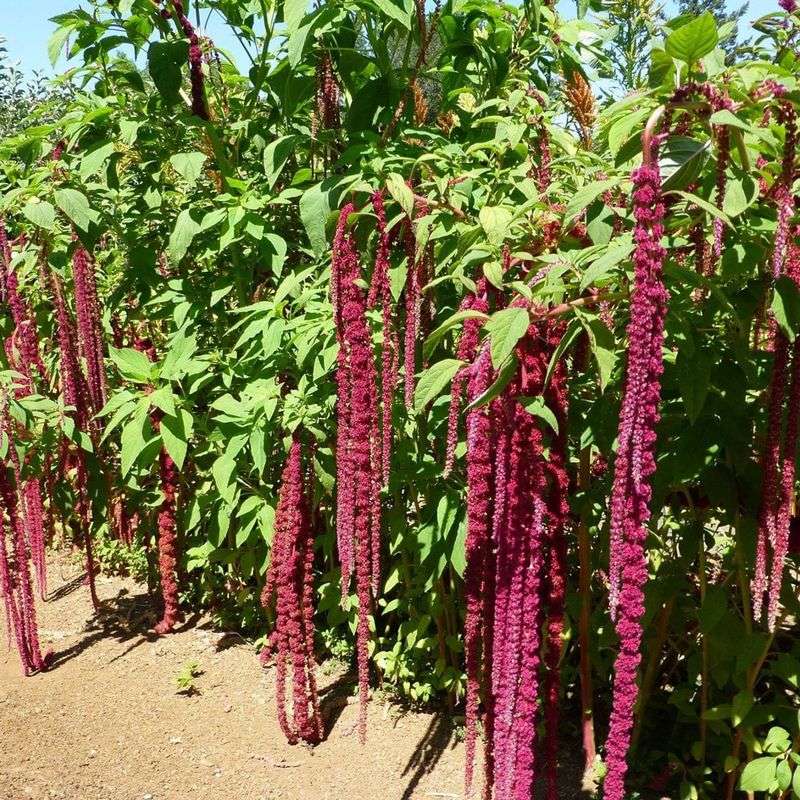
Ancient civilizations cultivated amaranth as a major food crop, and wild versions still grow vigorously in Georgia gardens today.
The plant develops tall, striking seed heads in shades of red, purple, or gold.
Young amaranth leaves cook down like spinach with a mild, pleasant flavor.
As leaves mature, they become slightly tougher but still work well in cooked dishes.
The real treasure comes when seed heads ripen in late summer and fall.
Tiny amaranth seeds can be harvested, winnowed, and cooked as a hot cereal or popped like miniature popcorn.
The seeds contain complete protein with all essential amino acids, making them especially valuable for vegetarian diets.
Wild amaranth adapts to Georgia’s heat and humidity without complaint.
Seeds sprout readily in warm soil, and plants grow quickly with minimal care.
Full sun and moderate water produce the best results, though amaranth tolerates some neglect.
The plants self-seed enthusiastically, so you may need to manage their spread.
Harvest leaves when young and tender throughout the growing season.
Wait until seed heads dry on the plant before collecting seeds for storage or planting next year.
7. Plantain
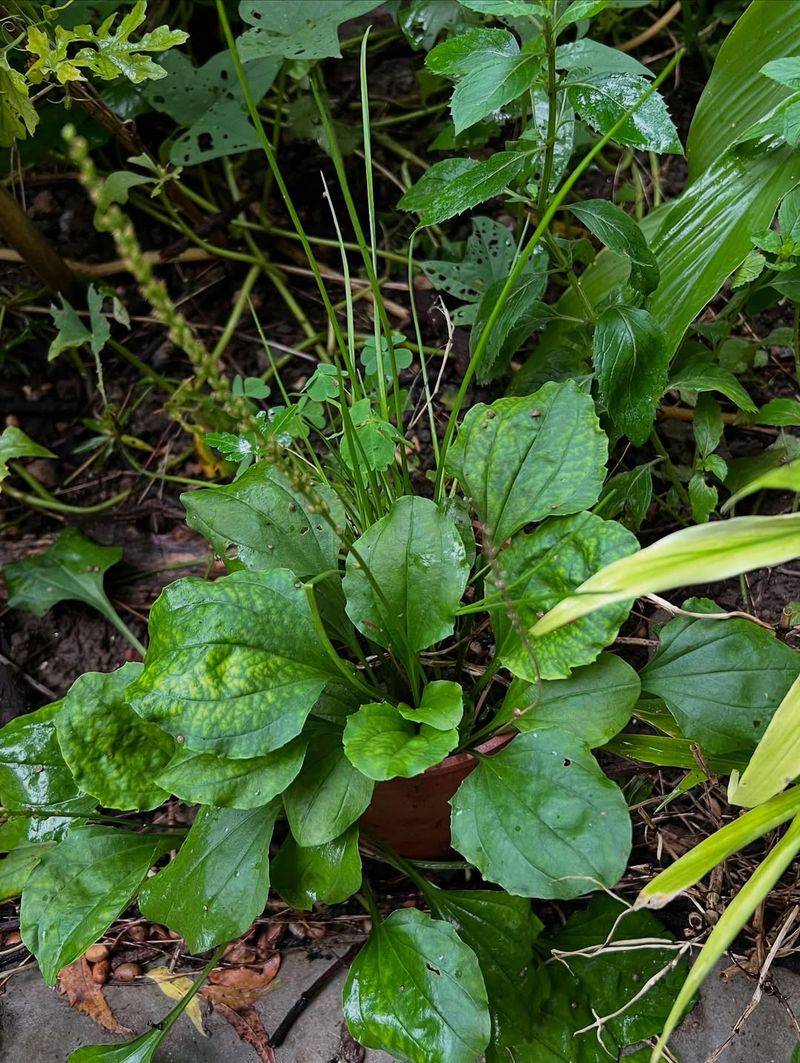
Not to be confused with the banana-like fruit, plantain grows low to the ground with broad, ribbed leaves arranged in rosettes.
Two common types appear in Georgia: broadleaf plantain with wide oval leaves and narrow-leaf plantain with lance-shaped leaves.
Both varieties offer edible greens, though young leaves taste best before they become tough and stringy.
The flavor is mild and slightly bitter, working well mixed with other greens in salads or cooked dishes.
Older leaves develop prominent strings running through them, similar to celery, which should be removed before eating.
Plantain leaves become more palatable when cooked, especially sautéed with garlic and oil.
The plant produces tall flower spikes that develop edible seeds, though most gardeners focus on the leaves.
Plantain grows in lawns, paths, and disturbed soil throughout Georgia.
The plant actually prefers compacted soil where other plants struggle.
Deep taproots help plantain survive drought and break up hard ground.
Spring and fall provide the best harvesting seasons when leaves are most tender.
Simply cut leaves at the base, leaving the crown to produce new growth.
Plantain requires no cultivation and often appears on its own wherever conditions suit it.
8. Wild Violet
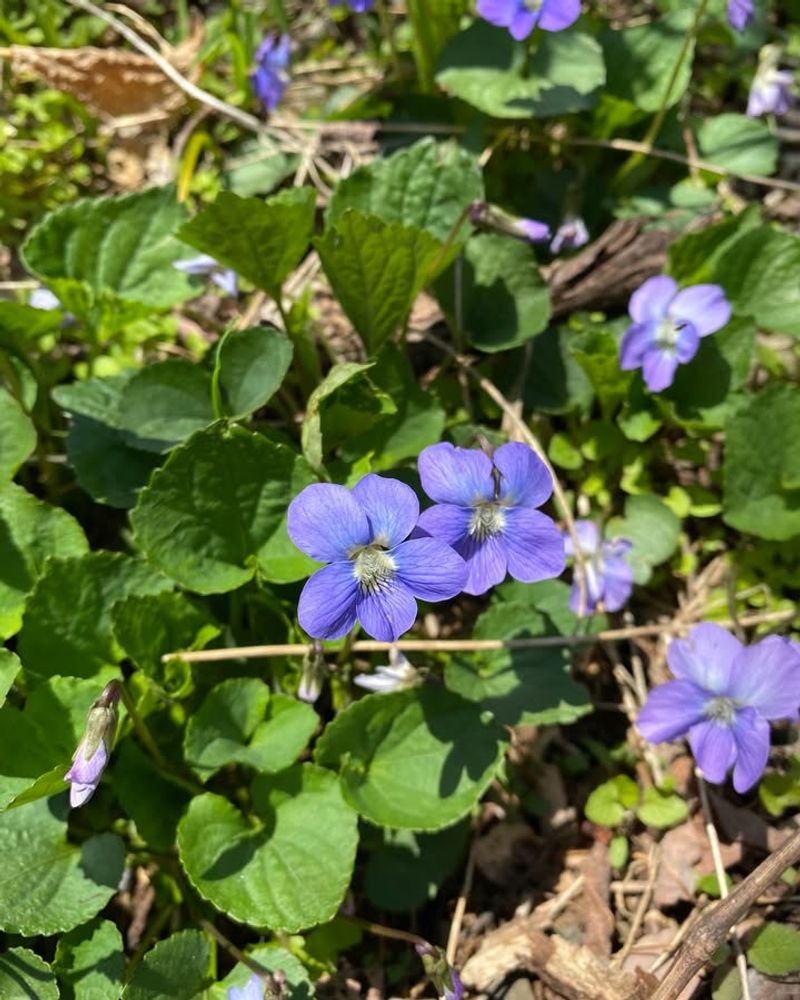
Charming purple flowers and heart-shaped leaves make wild violets a favorite among Georgia gardeners who appreciate both beauty and food.
The flowers taste slightly sweet and look gorgeous decorating cakes, floating in punch bowls, or scattered over salads.
You can candy violet flowers by coating them with egg white and sugar, creating elegant dessert decorations.
The leaves are also edible, rich in vitamins A and C.
Young violet leaves work raw in salads, while older leaves benefit from light cooking.
Some people find the texture slightly mucilaginous when cooked, which helps thicken soups.
Violets thrive in Georgia’s shady garden spots, spreading through underground runners and seeds.
The plants bloom in spring, covering ground with purple, white, or yellow flowers depending on the species.
Violets prefer moist, rich soil but adapt to various conditions.
Once established, they form attractive groundcover that suppresses weeds.
Harvest flowers and young leaves throughout spring and early summer.
The plants go dormant in extreme heat but return with cooler fall weather.
Wild violets spread readily, so plant them where you can control or appreciate their enthusiastic growth.
9. Clover
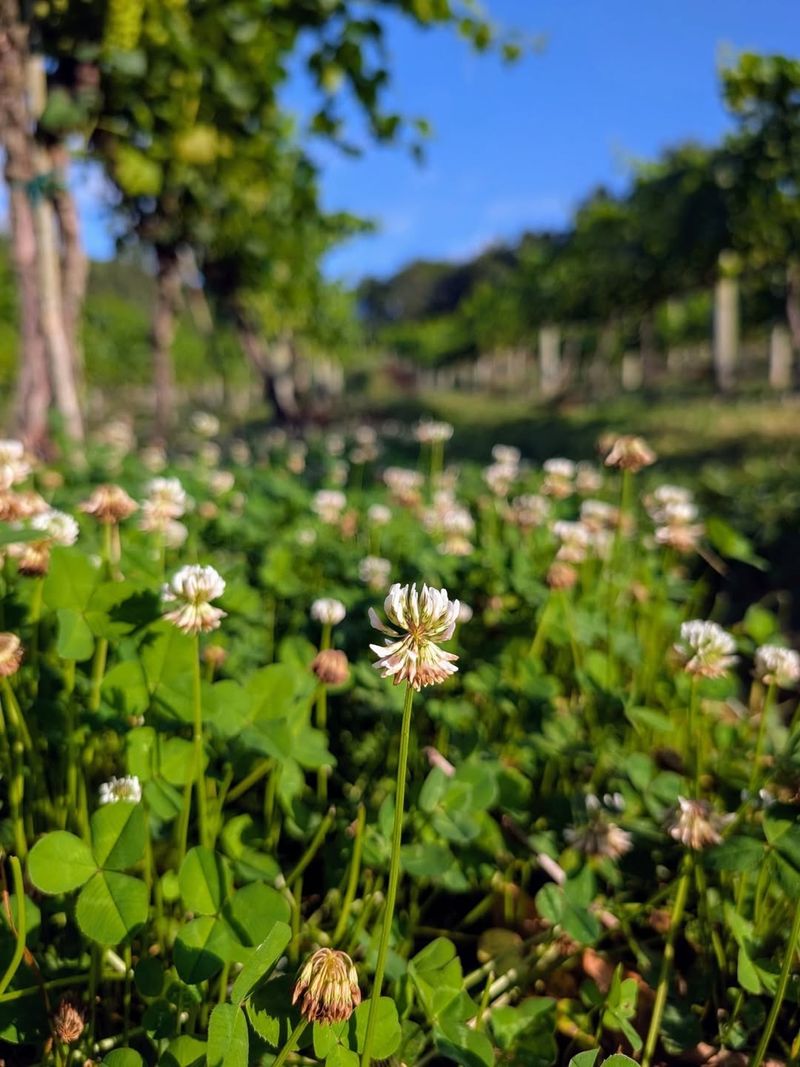
Both red and white clover varieties grow abundantly in Georgia, offering edible flowers and leaves that people have consumed for centuries.
The sweet flowers attract bees and butterflies while providing a mild, honey-like flavor for human consumption.
Fresh clover flowers taste best raw, sprinkled over salads or desserts.
Dried flowers make a pleasant tea that many people find soothing.
Young clover leaves can be eaten raw in small amounts, though they become difficult to digest in large quantities.
Cooking makes the leaves more digestible, and they can be added to soups or mixed with other cooked greens.
Red clover produces larger, more flavorful flowers than white clover, though both work equally well.
Clover fixes nitrogen in soil through its root system, actually improving garden fertility where it grows.
The plants thrive in Georgia’s climate, growing in lawns, meadows, and garden edges.
Full sun to partial shade suits clover, along with moderate moisture.
Once established, clover tolerates foot traffic and mowing, making it ideal for edible lawns.
Harvest flowers when fully open and colorful for the best flavor and appearance.
The plants bloom repeatedly throughout spring and summer, providing multiple harvests.
10. Redbud
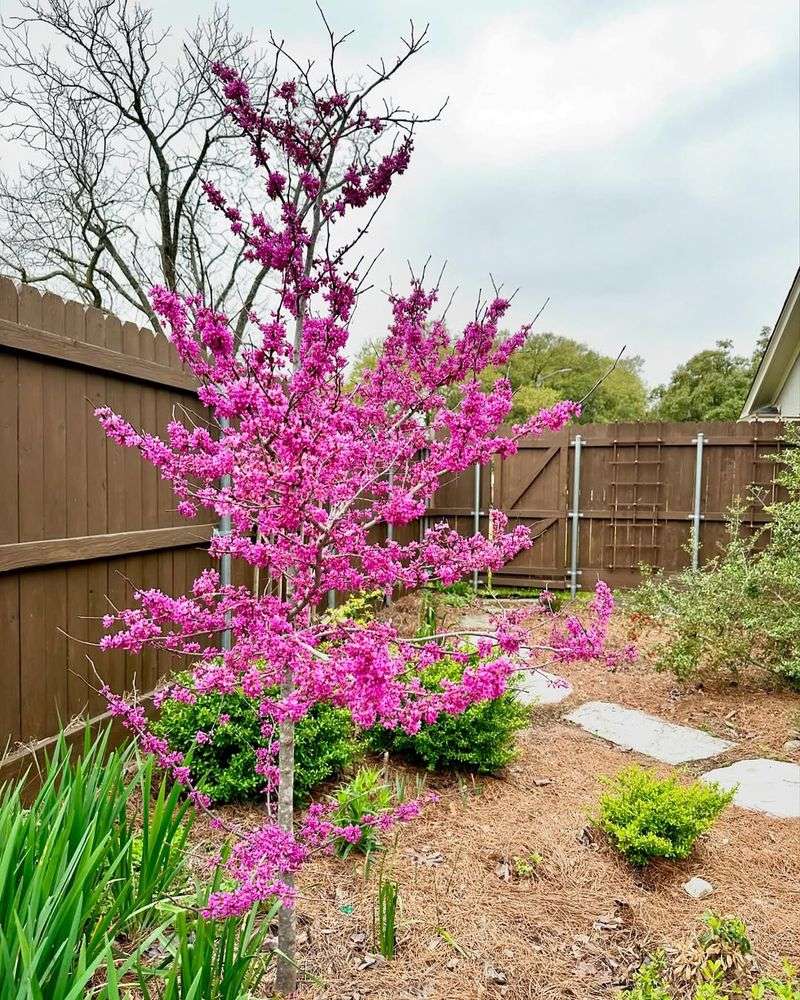
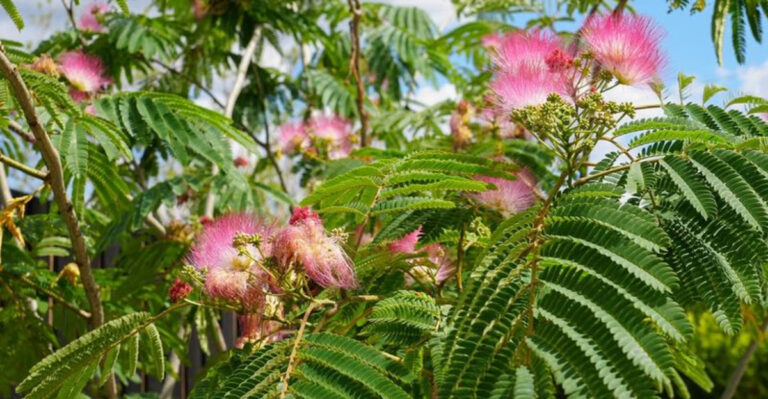
Before leaves appear in early spring, redbud trees burst into clouds of bright pink-purple flowers that cover every branch.
Native to Georgia, these beautiful trees provide more than just ornamental value.
The flowers taste mildly sweet with a slight bean-like flavor, which makes sense since redbuds belong to the legume family.
You can eat the flowers raw, tossed in salads for a pop of color and subtle crunch.
Some cooks pickle redbud flowers or add them to stir-fries for visual appeal.
The flowers also make attractive garnishes for desserts and drinks.
Young seed pods that develop after flowering are edible when tender, prepared like snow peas.
Redbud trees grow well throughout Georgia, preferring partial shade and well-drained soil.
These understory trees reach moderate heights, fitting nicely in home landscapes.
The trees require little maintenance once established and tolerate various soil types.
Harvest flowers by gently pulling them from branches when fully open.
The flowering period lasts only a few weeks in early spring, so gather flowers promptly.
Redbud trees provide food for wildlife too, with seeds feeding birds throughout winter months.
11. Kudzu
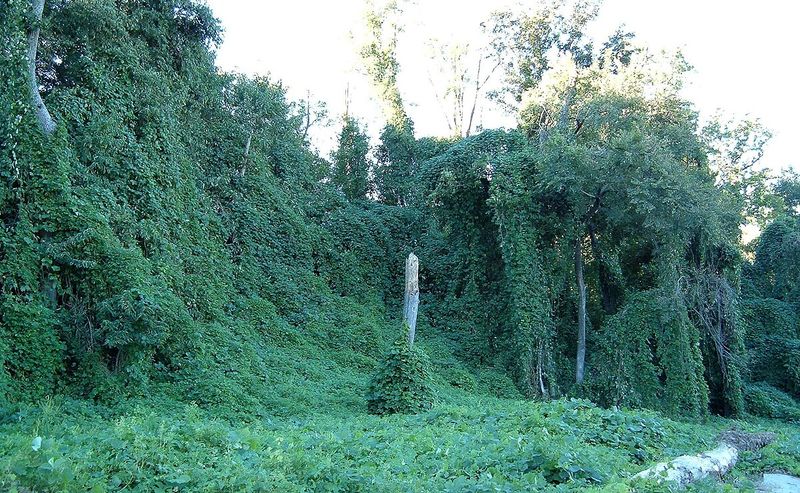
Famous for covering abandoned buildings and climbing telephone poles across the South, kudzu actually offers several edible parts despite its reputation as a problematic invasive plant.
Young kudzu leaves can be cooked like collard greens, with a flavor similar to spinach.
The vine tips and young shoots taste good when prepared like asparagus or green beans.
Purple flowers that appear in late summer smell like grape soda and make a sweet jelly.
Even the large starchy roots are edible, traditionally used in Asian cuisines for cooking and medicine.
Harvesting kudzu for food actually helps control this aggressive vine that smothers native plants.
The plant grows with incredible speed in Georgia’s climate, sometimes adding a foot per day during peak season.
You can find kudzu along roadsides, in abandoned lots, and creeping into woodland edges.
Harvest young growth from areas away from roads where vehicle exhaust might contaminate plants.
Regular harvesting keeps kudzu from overwhelming other garden plants.
Collect leaves and shoots throughout the growing season when they remain tender.
Flowers appear in late summer, filling the air with their distinctive sweet fragrance.
Making use of kudzu turns a problem plant into a free food resource.
12. Daylily
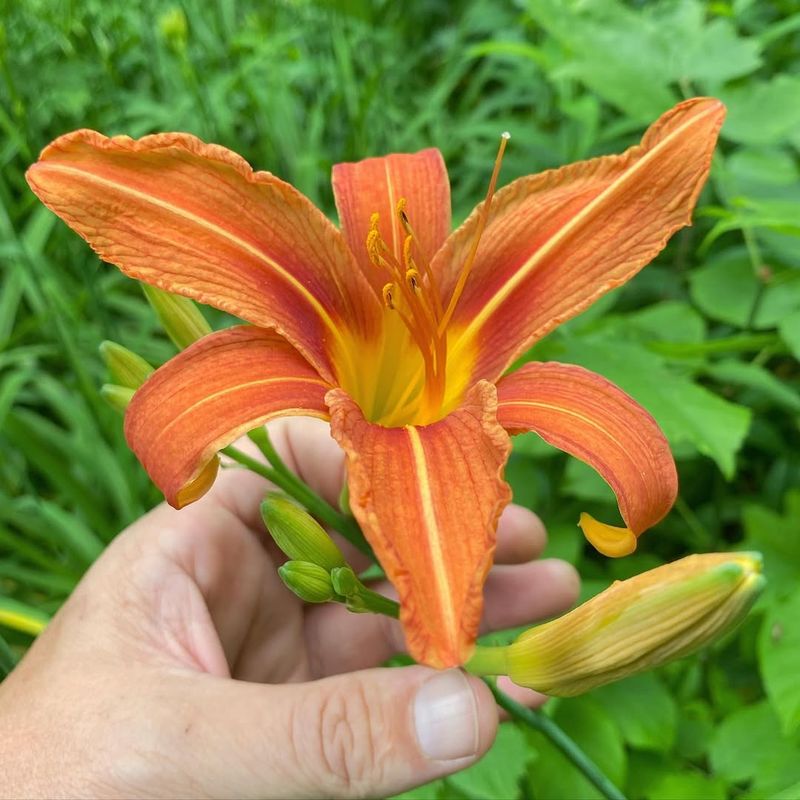
Bright orange daylilies line Georgia roadsides and fill gardens with cheerful blooms throughout summer, and every part of this plant serves as food.
The flowers taste mildly sweet with a crisp texture, wonderful stuffed with cheese or battered and fried.
Each flower lasts only one day, as the name suggests, so harvest blooms in the morning for the freshest flavor.
Young flower buds can be cooked like green beans before they open.
The small tubers that form on the roots taste similar to potatoes when cooked.
Young shoots emerging in spring can be harvested and prepared like asparagus.
Asian cuisines feature daylily flowers and buds regularly in stir-fries and soups.
Georgia’s climate suits daylilies perfectly, and they thrive with minimal care.
The plants tolerate heat, drought, and various soil conditions once established.
Full sun produces the most flowers, though daylilies bloom in partial shade too.
Clumps spread gradually and can be divided every few years.
Harvest flowers in the morning when fully open, and pick buds just before they would naturally open.
Dig tubers in fall or early spring when the plant is dormant for the best quality.