9 Effective Ways To Prevent And Fix Erosion In Your North Carolina Yard
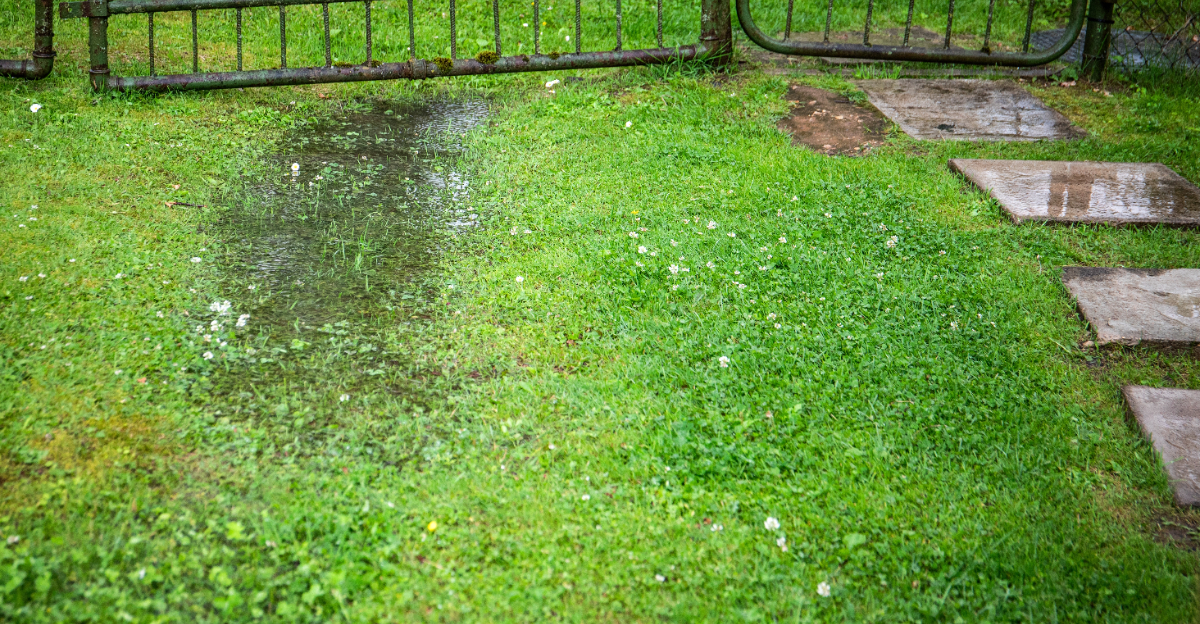
One heavy rainstorm can quickly reshape your landscape, turning once firm ground into slippery soil and carving unwanted paths through your yard.
In North Carolina, where intense rainfall and varied terrain are common, erosion can quietly damage plants, strip away valuable topsoil, and leave behind rough, uneven spaces that spoil the beauty of your outdoor area.
The good news is that with thoughtful planning and the right approach, you can protect your landscape and keep it strong through every season.
Simple steps such as improving drainage, stabilizing slopes, and reinforcing vulnerable areas can make a lasting difference in preserving both soil and plant health.
North Carolina homeowners who act early often prevent larger problems while maintaining a clean, well kept yard.
Whether you are managing a hillside or addressing bare patches after storms, these proven strategies will help safeguard your property and keep your North Carolina landscape looking stable, healthy, and visually appealing.
1. Ground Cover Plants Work Wonders

Ground cover plants act like a living blanket, holding soil firmly in place while quietly strengthening your landscape from the ground up.
Their spreading root systems weave through the soil, binding loose particles together and reducing the risk of erosion during heavy rain.
In North Carolina, where sudden downpours can quickly wash away exposed ground, ground covers such as creeping phlox, vinca, and liriope thrive and spread efficiently across bare areas.
As these plants grow, their dense foliage shields the surface from the direct force of rainfall, slowing runoff and allowing water to soak in naturally.
This protective layer not only stabilizes soil but also helps retain moisture during warmer months.
Once established, most ground covers require minimal care, making them a practical and long lasting solution for slopes, borders, and open patches.
Beyond erosion control, they bring texture, color, and seasonal interest to your yard, transforming vulnerable spaces into lush, visually appealing garden features.
Many North Carolina gardeners appreciate how ground covers support pollinators, improve soil health, and reduce maintenance, all while quietly protecting the landscape from the gradual effects of weather and water movement throughout the year.
2. Mulch Layers Protect Vulnerable Soil
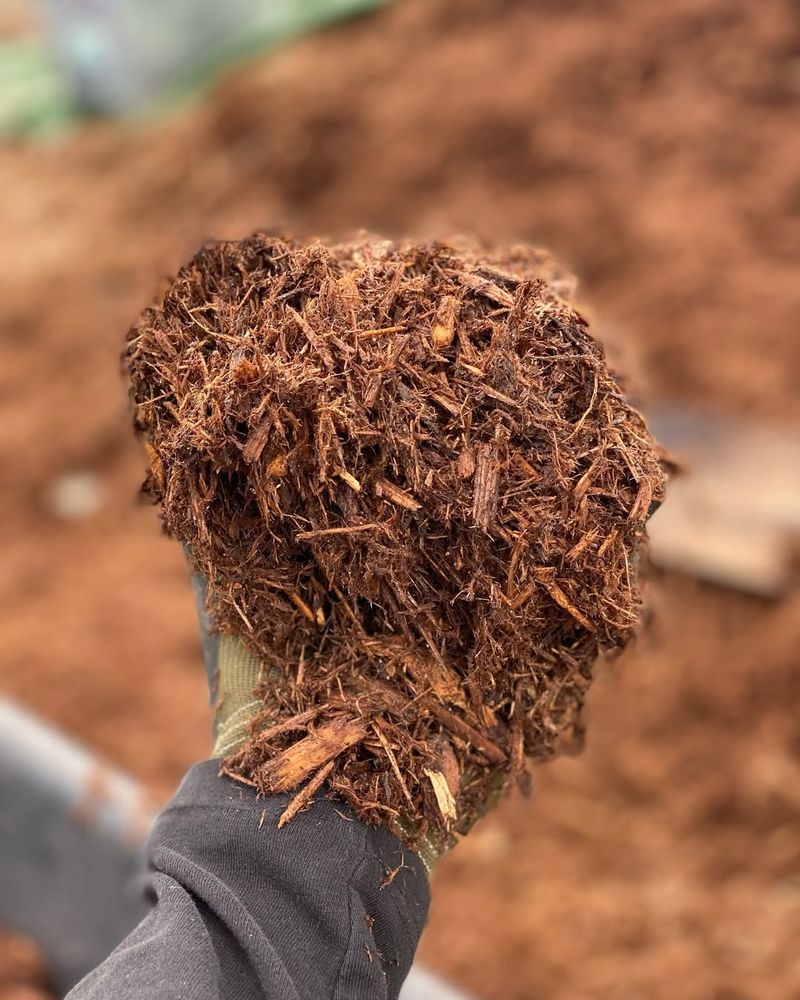
Applying a generous layer of mulch creates a soft, protective barrier that cushions rainfall before it strikes exposed soil.
In North Carolina landscapes, where seasonal storms and steady rains are common, mulch plays a valuable role in preventing erosion and maintaining soil stability.
Organic materials such as shredded bark, wood chips, and pine straw spread evenly across garden beds, slowing the movement of water and allowing it to gently soak into the ground instead of washing soil away.
This process helps preserve valuable topsoil while maintaining consistent moisture levels around plant roots.
As mulch gradually breaks down, it enriches the soil with organic matter, improving structure, drainage, and nutrient availability.
A layer two to four inches thick provides reliable protection while also helping regulate temperature around plant roots throughout the changing seasons in North Carolina.
Refreshing mulch annually keeps the barrier effective and your landscape looking clean and well cared for.
Beyond its practical benefits, mulch enhances the visual appeal of garden beds by creating a neat, finished appearance that complements surrounding plants while quietly protecting the soil beneath from the steady impact of rain and environmental stress.
3. Retaining Walls Hold Back Slopes
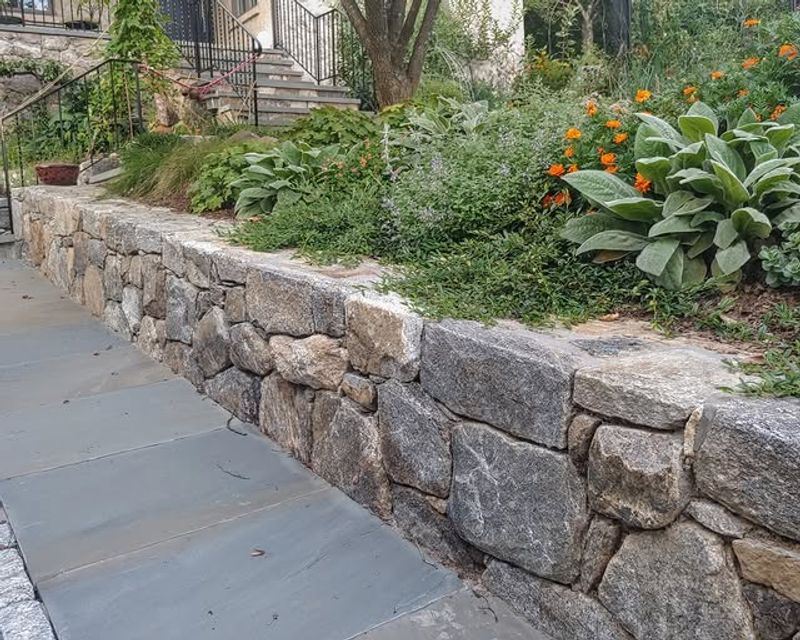
Retaining walls provide essential structural support for landscapes with steep slopes, preventing soil from gradually shifting or washing downhill during heavy rain.
In many North Carolina yards, uneven terrain can create challenges, especially when storms bring intense rainfall that loosens soil.
Retaining walls made from natural stone, concrete blocks, or treated timber hold soil firmly in place while blending with the style of your home and garden.
These walls create level terraces, transforming sloped ground into usable areas for planting, seating, or pathways.
Proper drainage behind the wall is crucial, as it allows excess water to escape rather than building pressure.
When designed carefully, retaining walls not only stabilize soil but also improve the overall structure of your landscape.
Many North Carolina homeowners find that these features turn once difficult spaces into functional outdoor areas while reducing long term erosion.
Over time, retaining walls help maintain property shape, protect surrounding plants, and provide a sense of permanence.
Their combination of strength and visual appeal makes them one of the most reliable solutions for managing slopes and preserving the beauty and stability of your yard through changing weather conditions.
4. French Drains Redirect Water Flow
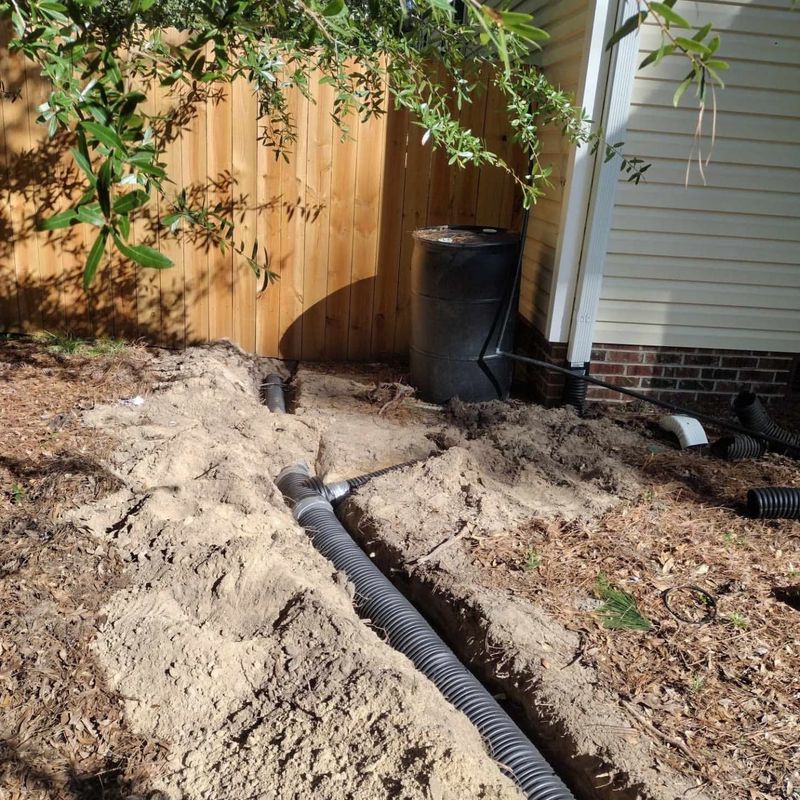
When water repeatedly travels along the same path, it gradually carves channels into the soil, leading to erosion and loss of valuable topsoil.
A French drain offers a simple yet highly effective way to redirect that flow and protect vulnerable areas of your yard.
This system uses a gravel filled trench with a perforated pipe to capture excess water and carry it safely away from problem spots.
In North Carolina, where sudden thunderstorms and steady seasonal rain are common, French drains provide reliable underground protection without changing the appearance of your landscape.
By slowing and redirecting water, they allow moisture to disperse naturally instead of concentrating in one location.
Installation requires careful planning and digging, yet the long term benefits make it worthwhile.
Once in place, the system works quietly below the surface, preventing soil displacement and reducing standing water.
Many North Carolina homeowners appreciate how French drains protect foundations, garden beds, and lawns while preserving the natural shape of the yard.
Over time, this hidden drainage solution helps maintain soil stability and keeps your landscape healthier and more resilient against frequent rain and shifting weather patterns.
5. Grass Seeding Stabilizes Bare Patches
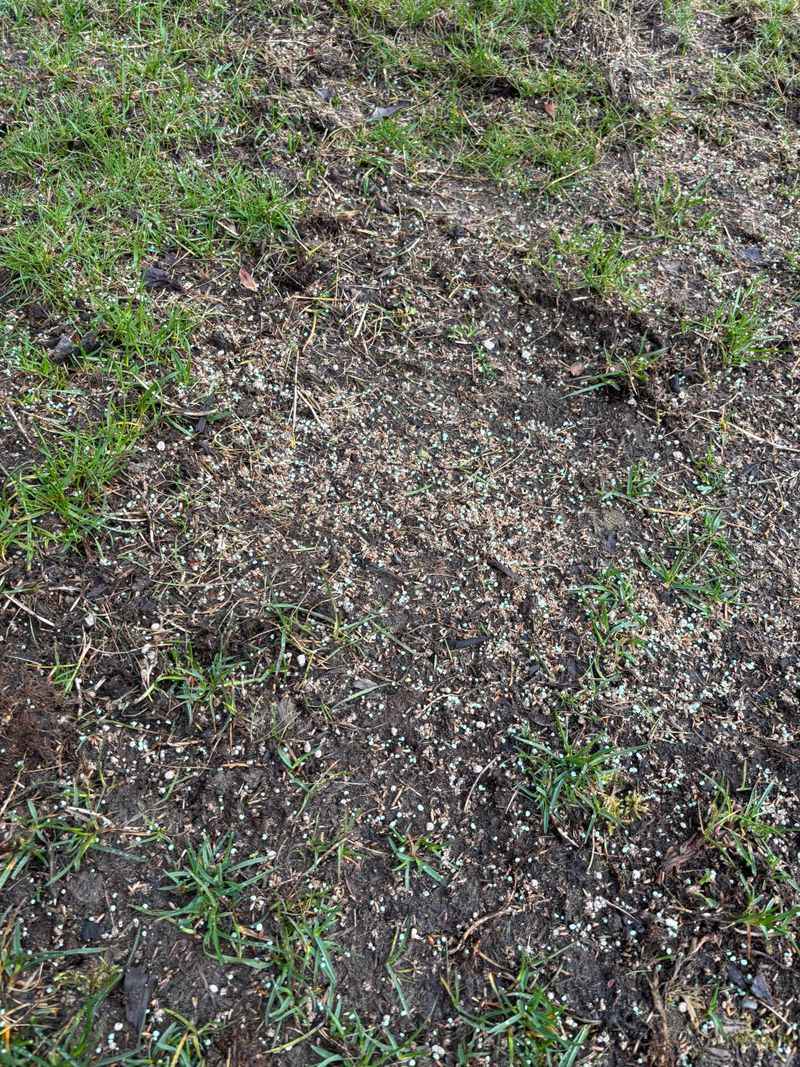
Bare soil is highly vulnerable to erosion, yet establishing a thick layer of grass creates a strong, natural defense system that protects the ground from water movement.
In North Carolina, choosing grass varieties suited to local climate conditions makes a noticeable difference in long term success.
Tall fescue and zoysia are popular options, each offering reliable coverage depending on sunlight and soil type.
As grass grows, its roots spread beneath the surface, binding soil particles together and forming a dense mat that resists washouts during heavy rain.
Proper seeding begins with loosening soil, spreading seed evenly, and maintaining consistent moisture while roots establish.
Spring and fall provide ideal planting windows in North Carolina, when moderate temperatures encourage steady germination.
As the lawn fills in, regular mowing, watering, and occasional fertilizing help maintain strong root systems and healthy growth.
Over time, a well established grassy surface not only prevents erosion but also improves the overall appearance of your yard.
This simple yet powerful solution stabilizes soil, reduces runoff, and creates a lush, green landscape that remains resilient through seasonal weather changes.
6. Rain Gardens Capture Runoff Naturally
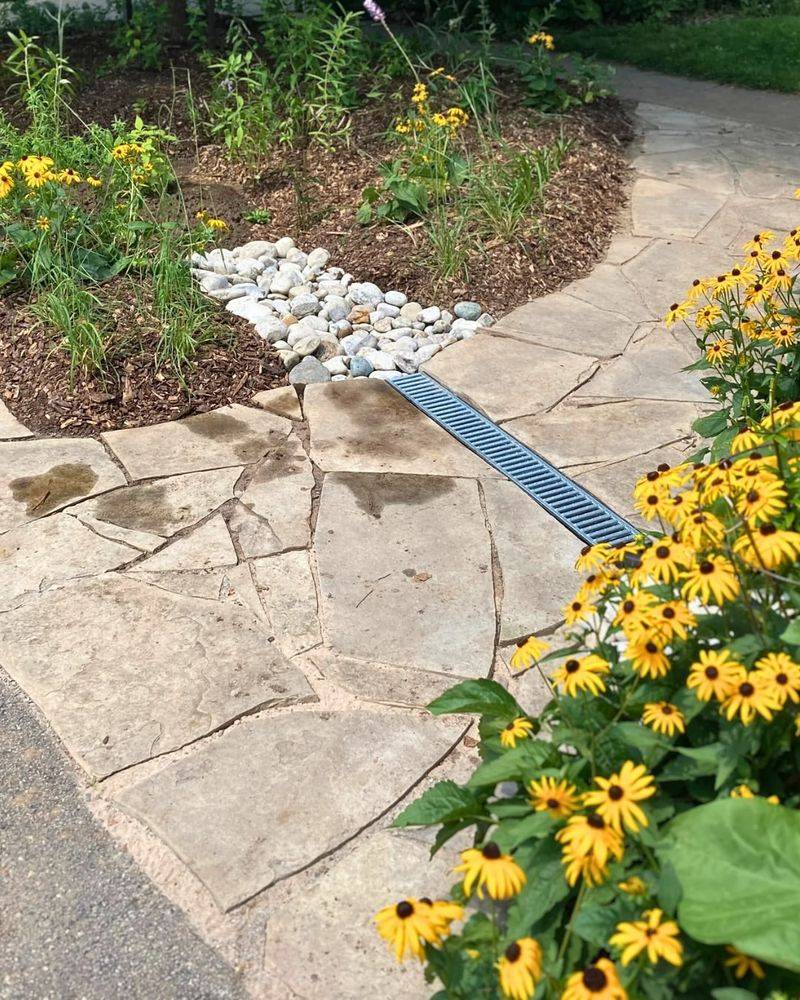
Rain gardens turn low, often overlooked areas of your yard into functional spaces that quietly manage water while protecting your soil from erosion.
Instead of allowing runoff to rush across the surface, these shallow, carefully shaped depressions collect rainwater and give it time to absorb naturally into the ground.
In North Carolina, where seasonal storms can deliver sudden bursts of rain, rain gardens provide a gentle and effective solution that works with the landscape rather than against it.
Native plants such as cardinal flower, swamp milkweed, and blue flag iris thrive in these moisture friendly conditions, developing deep root systems that stabilize soil and absorb excess water.
As runoff slows, sediment settles instead of washing away, helping preserve valuable topsoil.
Beyond erosion control, rain gardens support pollinators and beneficial insects, adding life and movement to your outdoor space.
Over time, this feature becomes both practical and visually appealing, blending natural beauty with environmental balance.
Many North Carolina homeowners appreciate how rain gardens reduce pressure on drainage systems while creating a calm, thriving planting area that quietly improves soil health, water absorption, and the overall resilience of the landscape through changing weather patterns.
7. Terracing Creates Level Growing Spaces
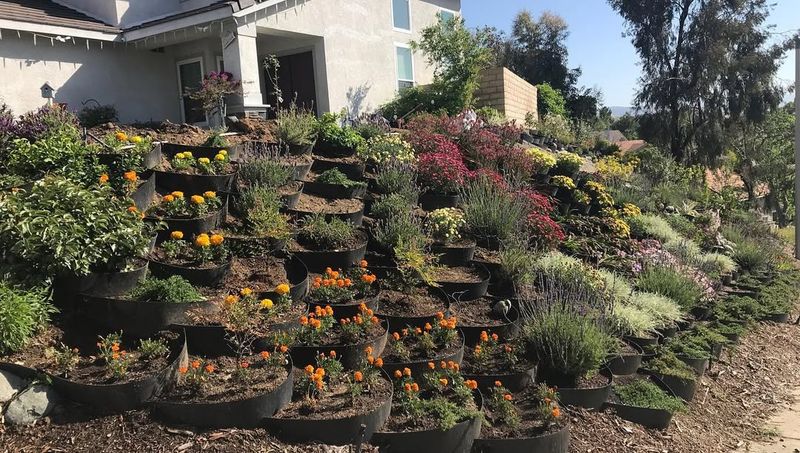
Terracing transforms steep, difficult slopes into a series of stable, level steps that naturally slow water movement and reduce erosion.
Each terrace acts like a gentle barrier, catching rainwater and allowing it to soak into the soil instead of rushing downhill and carrying soil with it.
In North Carolina landscapes where rolling terrain is common, terracing provides both practical and visual benefits.
These structured levels can be built using natural stone, timber, or compacted earth, depending on the style and needs of your yard.
Beyond controlling erosion, terraces create usable planting areas where flowers, shrubs, or even small vegetable beds can thrive comfortably.
The layered design adds depth and character, turning once challenging terrain into a visually interesting garden feature.
Proper spacing and drainage between each level ensures water flows gradually rather than pooling.
Over time, terracing strengthens soil stability while enhancing the overall structure of your landscape.
Many North Carolina gardeners value how this timeless technique transforms sloped ground into manageable, productive, and beautiful growing spaces that remain resilient through heavy rain and seasonal weather changes.
8. Riprap Armor Protects Water Edges
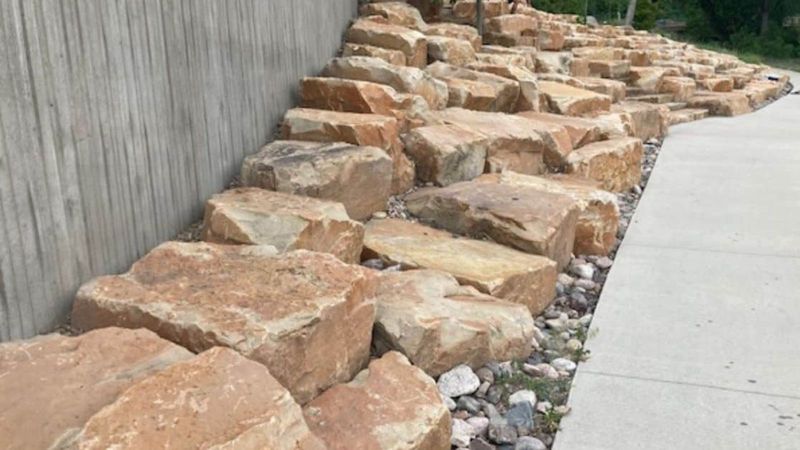
When property borders a stream, pond, or drainage channel, moving water can slowly wear away soil and reshape the shoreline.
Riprap provides a strong, reliable layer of protection by using large, interlocking stones that absorb water energy and stabilize vulnerable edges.
In North Carolina, where seasonal rains and rising water levels can impact landscape boundaries, riprap helps maintain soil structure and prevents gradual erosion.
The weight and shape of the stones allow them to lock together naturally, forming a durable surface that withstands continuous water movement.
Proper installation includes shaping the slope beneath the stones to encourage stability and prevent shifting over time.
While the process requires planning and equipment, the long term benefits make it worthwhile.
Beyond protection, riprap creates small spaces where beneficial organisms can live, contributing to a balanced ecosystem.
Many North Carolina property owners find that this solution preserves both the appearance and strength of their shoreline while preventing soil loss.
Over time, riprap blends into the natural surroundings, offering dependable protection that keeps water edges stable through changing weather and seasonal water flow.
9. Downspout Extensions Move Water Away
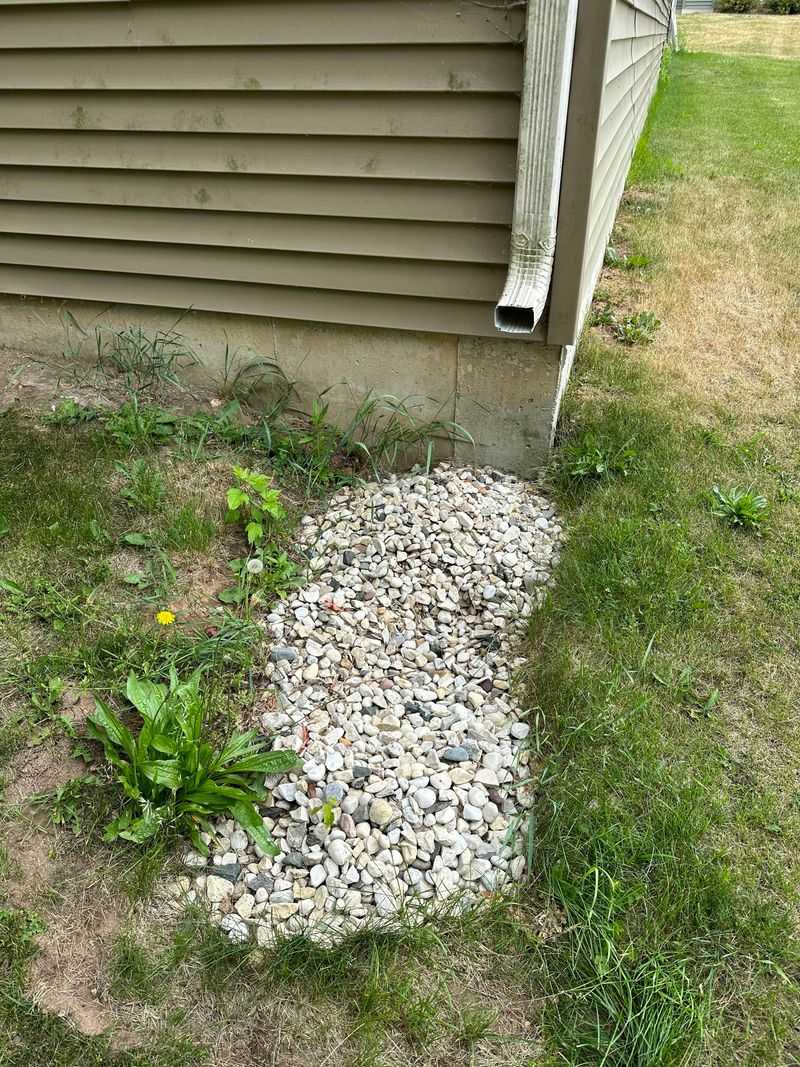
Roof runoff can concentrate large volumes of water into small areas, placing stress on soil near your home and increasing the risk of erosion.
Downspout extensions provide a simple yet highly effective way to redirect this water to safer locations where it can spread out naturally.
In North Carolina, where steady rainfall and seasonal storms are common, managing roof runoff plays an important role in protecting both your yard and foundation.
Flexible or rigid extensions carry water several feet away from your home, reducing soil displacement and preventing channels from forming near the base of the structure.
Directing this flow toward garden beds, grassy areas, or rain gardens allows moisture to absorb gradually into the ground.
Installation is quick and affordable, yet the long term benefits are significant.
Properly managed runoff helps maintain soil stability, reduces standing water, and protects landscaping from gradual wear.
Many North Carolina homeowners rely on this simple improvement to preserve their property while supporting healthy drainage.
Over time, consistent water management keeps your landscape balanced, preventing erosion and maintaining a clean, stable environment around your home.