14 Effortless Ways To Add Natural Charm To Georgia Gardens
Georgia gardens thrive when natural beauty takes center stage, creating outdoor spaces that feel authentic, inviting, and wonderfully connected to the local landscape.
Simple touches can transform ordinary yards into stunning retreats that celebrate the state’s unique climate, soil, and native plants without requiring excessive effort.
Homeowners across Georgia discover that working with nature rather than against it produces gardens that practically maintain themselves while looking absolutely gorgeous year-round.
These fourteen effortless strategies will help you create a garden that feels like it has always belonged right where it stands.
1. Native Wildflowers Bring Color And Ease
Georgia’s native wildflowers offer incredible beauty while requiring minimal maintenance since they evolved specifically for local conditions and naturally resist common pests and diseases.
Black-eyed Susans bloom cheerfully from summer through fall, spreading golden petals across garden beds without demanding constant watering or fertilizing from busy homeowners.
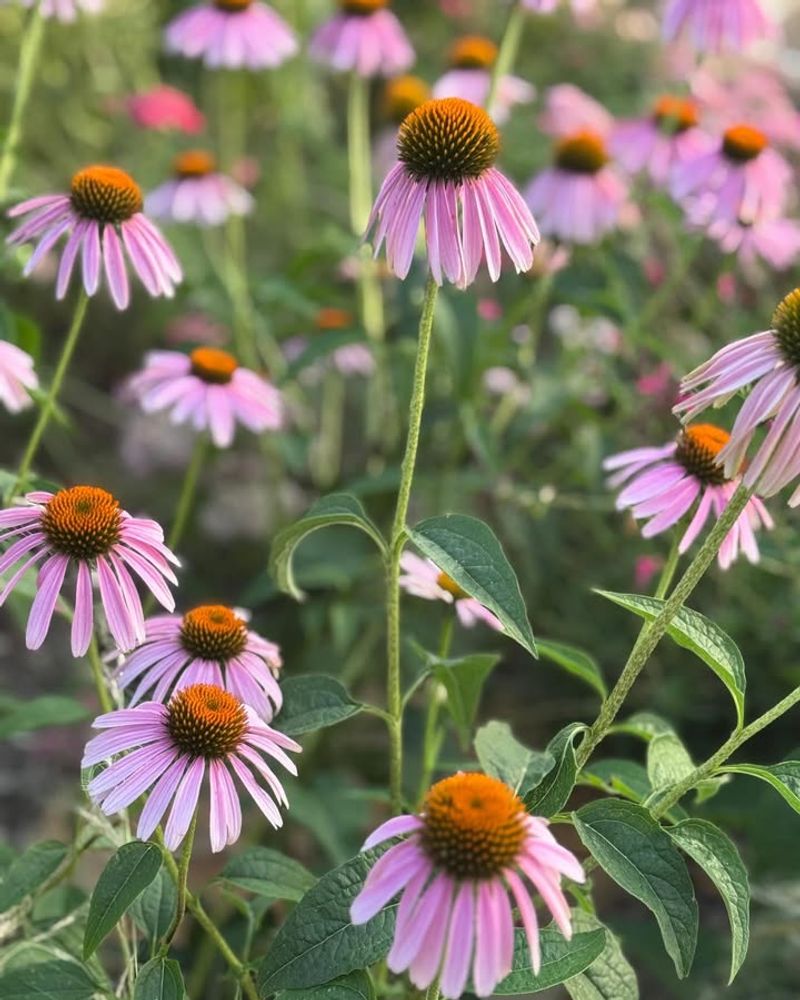
Purple coneflowers attract butterflies and bees while tolerating drought remarkably well, making them perfect choices for gardeners who prefer plants that thrive independently.
Coreopsis, Georgia’s state wildflower, carpets areas with bright yellow blooms that reseed themselves each year, creating expanding patches of color without additional planting.
Blanket flowers provide fiery red and yellow combinations that handle Georgia’s heat beautifully, continuing to produce blossoms even during the hottest summer weeks.
Planting wildflowers in clusters rather than single specimens creates natural-looking drifts that mimic how these plants grow in meadows and along roadsides.
Most native wildflowers need only occasional watering once established, saving time and resources while supporting local pollinators that depend on these familiar food sources.
2. Stone Pathways Create Natural Flow
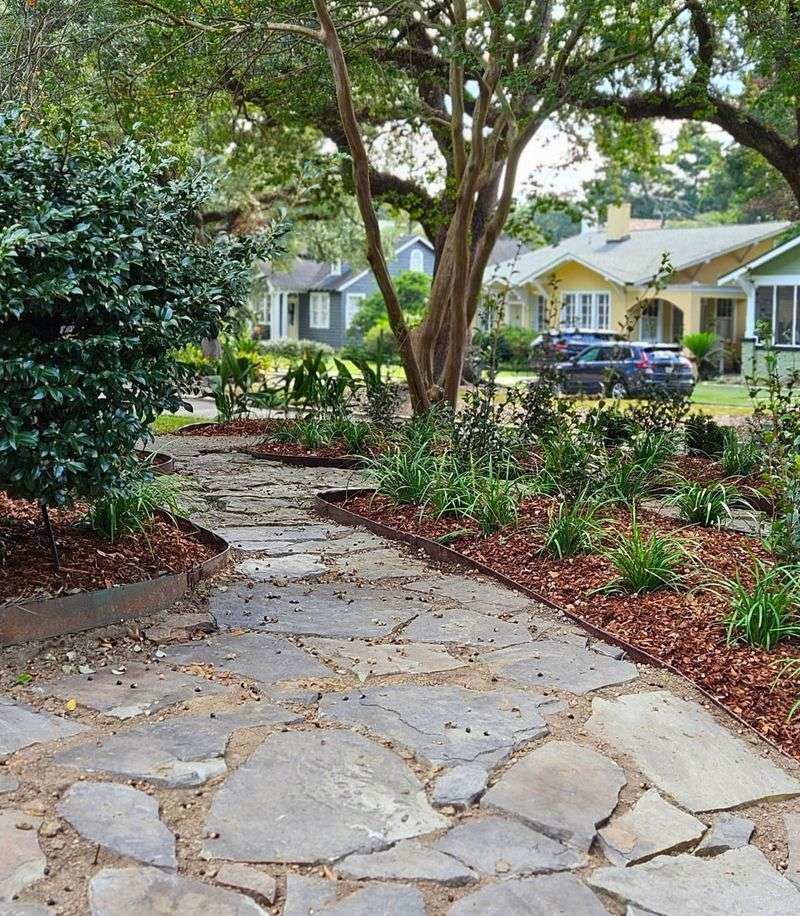
Pathways constructed from irregular stones gathered locally or purchased from Georgia quarries blend seamlessly into garden landscapes while providing practical walking surfaces through planted areas.
Flagstone pieces fit together like natural puzzles, creating organic patterns that guide visitors through gardens without the rigid appearance of concrete or manufactured pavers.
Allowing moss and low-growing groundcovers like creeping thyme to fill gaps between stones softens the pathway’s appearance and adds delightful texture underfoot.
Curved pathways feel more inviting than straight lines, encouraging leisurely strolls and creating a sense of discovery as each turn reveals new garden views.
Stones retain less heat than asphalt or concrete, making summer walks more comfortable while providing better drainage during Georgia’s frequent afternoon thunderstorms.
Varying stone sizes and shapes produces a handcrafted look that suggests the pathway evolved over time rather than appearing suddenly as a single construction project.
Local stones often feature colors and textures that naturally complement Georgia’s red clay soil and native plants, creating harmonious color palettes throughout the garden.
3. Rain Gardens Handle Water Naturally
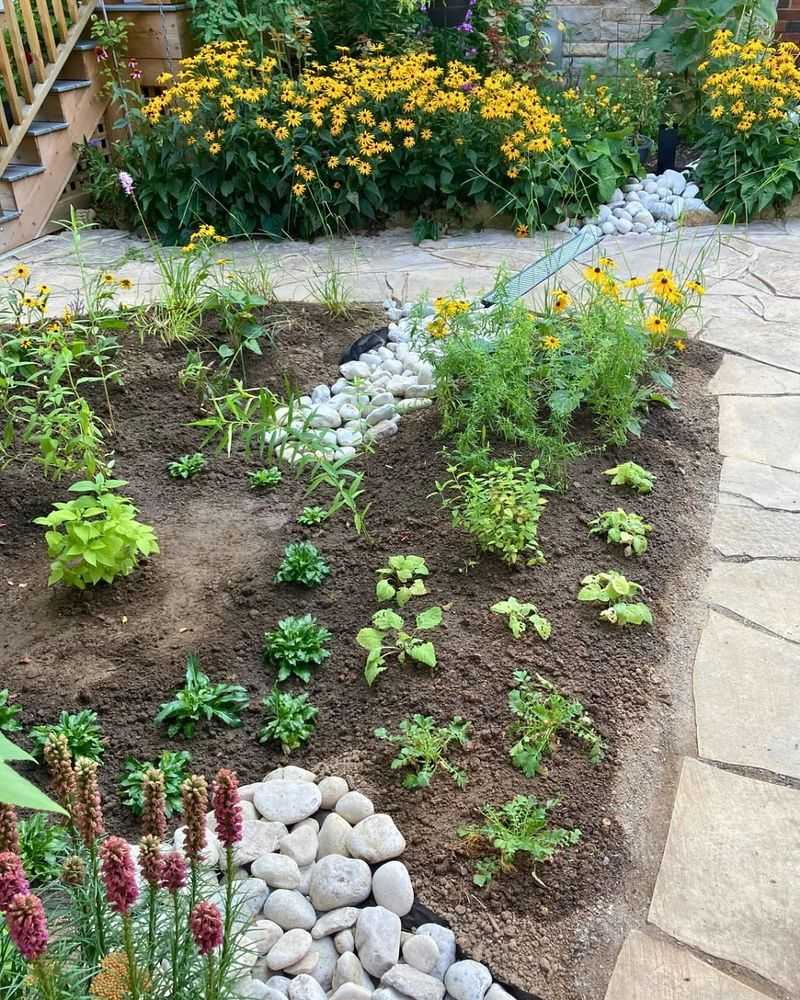
Rain gardens utilize natural depressions or shallow excavated areas to capture runoff from roofs and driveways, allowing water to soak slowly into soil rather than rushing away.
Selecting moisture-loving native plants like cardinal flower and swamp milkweed ensures these gardens look lush and vibrant even when holding water after storms.
Positioning rain gardens at least ten feet from foundations protects homes while creating attractive features that transform problematic drainage areas into garden assets.
Adding river rocks or pebbles around the edges defines the space beautifully while helping prevent soil erosion as water flows into the planted depression.
These gardens reduce flooding, filter pollutants from runoff, and provide habitat for frogs and beneficial insects that help control garden pests naturally and effectively.
During dry periods, rain gardens function like regular planted beds, meaning they contribute beauty constantly rather than only during wet weather when water collects.
Mulching rain gardens with shredded hardwood helps retain moisture between rains while suppressing weeds and giving the space a finished, intentional appearance throughout all seasons.
4. Bird Feeders Invite Wildlife Visitors
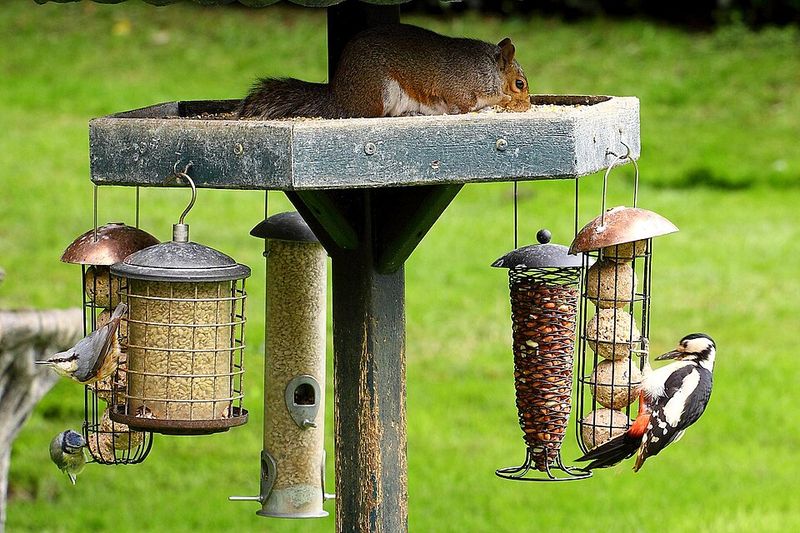
Bird feeders transform gardens into lively spaces filled with color, movement, and delightful songs as feathered visitors arrive to enjoy seeds, suet, or nectar.
Cardinals, chickadees, and goldfinches become regular guests when feeders offer their preferred foods, creating opportunities for nature observation right outside kitchen or living room windows.
Positioning feeders near protective shrubs gives birds quick escape routes from predators while ensuring they feel safe enough to visit frequently throughout the day.
Selecting feeders made from natural materials like wood or metal rather than bright plastic helps them blend into garden settings instead of standing out awkwardly.
Keeping feeders clean and filled consistently encourages birds to establish your garden as a reliable food source, increasing the variety of species that visit regularly.
Hummingbird feeders filled with simple sugar water attract these jewel-toned acrobats during Georgia’s warm months, providing entertainment as they zip between flowers and feeders.
Ground-feeding birds like towhees appreciate scattered seeds beneath feeders, so allowing some spillage creates feeding opportunities for species that prefer foraging at ground level.
5. Mulch Beds With Pine Straw
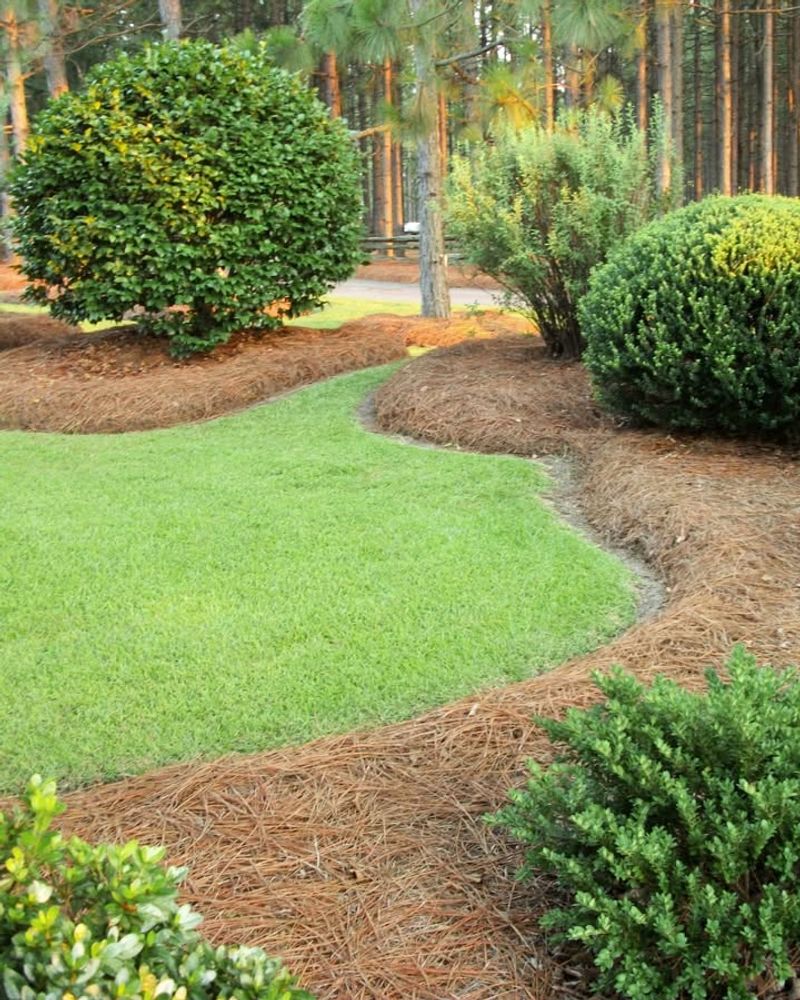
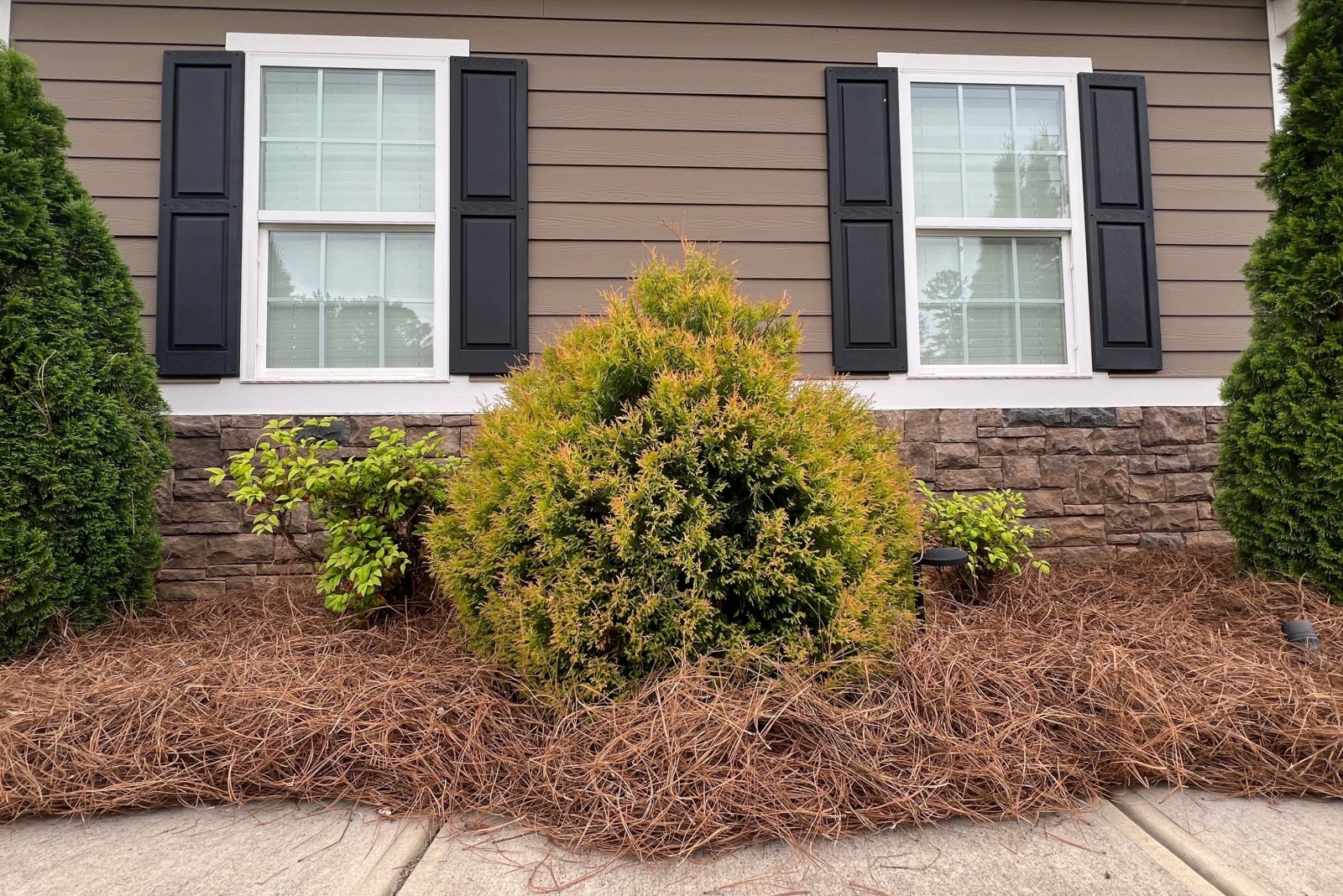
Pine straw, abundantly available throughout Georgia, creates beautiful mulch that looks completely natural while protecting plant roots and suppressing weeds in garden beds.
This lightweight material comes from fallen pine needles that would otherwise become yard waste, making it an environmentally friendly choice that recycles natural resources.
Spreading pine straw three inches deep around plants insulates roots from temperature extremes while allowing water and air to penetrate easily to the soil below.
The warm golden-brown color complements Georgia’s native plants beautifully, creating cohesive landscapes that feel like extensions of nearby forests and natural areas.
Unlike hardwood mulches that sometimes wash away during heavy rains, pine straw tends to interlock and stay put even during Georgia’s most intense thunderstorms.
Acid-loving plants like azaleas, camellias, and blueberries particularly appreciate pine straw mulch since it slightly lowers soil pH as it decomposes over time.
Refreshing pine straw annually keeps beds looking neat and continues providing weed suppression and moisture retention without requiring complete replacement of old layers.
6. Container Gardens Add Flexible Beauty
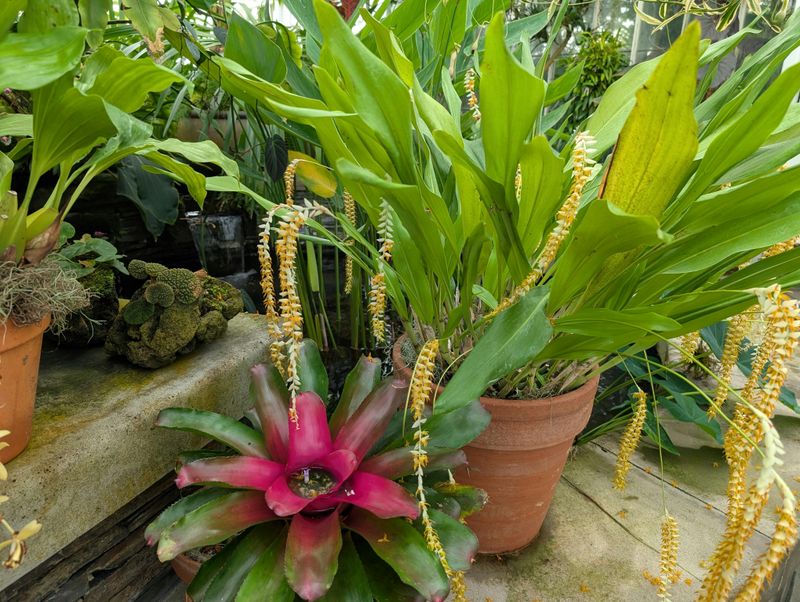
Container gardens bring natural charm to patios, decks, and entryways while offering flexibility to rearrange plants seasonally or move them to optimal light conditions.
Terracotta pots breathe naturally and develop attractive patinas over time, creating rustic appearances that enhance rather than detract from the plants they contain.
Grouping containers of varying heights and sizes creates visual interest and mimics how plants naturally cluster together in forest clearings and meadow edges.
Choosing native Georgia plants for containers ensures they tolerate local climate conditions while requiring less frequent watering than exotic species that struggle in summer heat.
Herbs like rosemary and lavender thrive in containers near kitchen doors, providing fresh flavors for cooking while releasing pleasant fragrances when brushed against.
Adding drainage holes to all containers prevents waterlogging that can harm plant roots, especially during Georgia’s rainy spring and summer seasons when downpours arrive frequently.
Mixing textures and foliage colors within single containers creates miniature garden compositions that look professionally designed while remaining simple enough for beginning gardeners to achieve.
7. Wooden Benches Offer Resting Spots
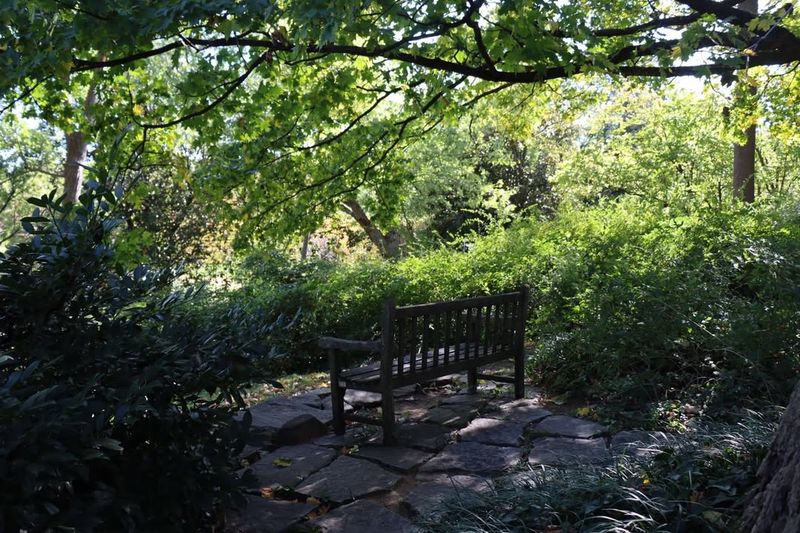
Wooden benches positioned thoughtfully throughout gardens create invitations to pause, observe nature, and fully appreciate the beauty surrounding you during outdoor moments.
Choosing benches made from weather-resistant woods like cedar or teak ensures they withstand Georgia’s humidity and temperature fluctuations while developing attractive silvery patinas.
Placing benches beneath shade trees or near fragrant plantings enhances the sensory experience of sitting and transforms simple rest stops into memorable garden destinations.
Allowing benches to weather naturally rather than constantly repainting them creates rustic appearances that blend harmoniously with surrounding plants and natural garden elements.
Positioning benches to face garden focal points like water features, flower beds, or distant views gives sitters something beautiful to contemplate during quiet moments.
Curved or contoured bench designs provide more comfort for extended sitting than flat boards, encouraging longer visits and deeper connections with your garden space.
Adding cushions in natural fiber fabrics or leaving benches bare both work beautifully, depending on whether you prefer casual comfort or weathered simplicity in your design.
8. Native Grasses Sway Gracefully
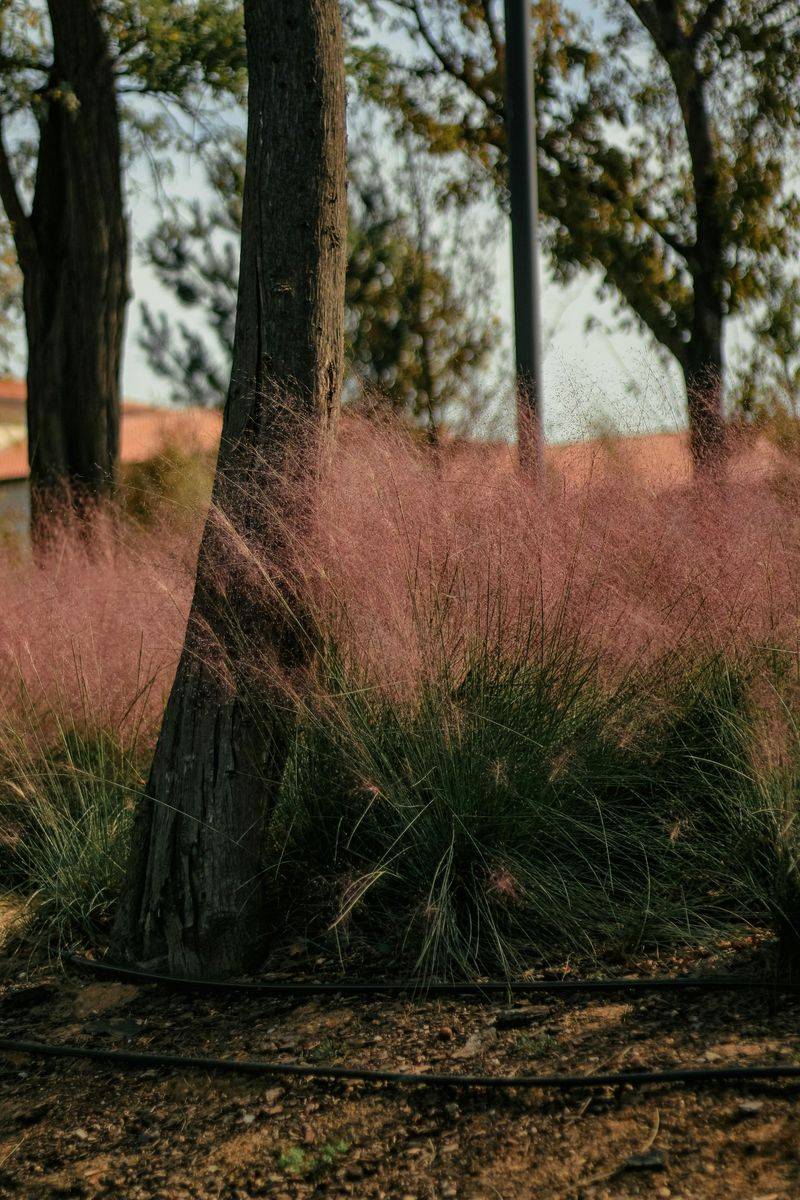
Ornamental grasses native to Georgia add movement, texture, and seasonal interest while requiring remarkably little maintenance once their root systems establish in garden beds.
Muhly grass produces clouds of pink or purple plumes in fall, creating ethereal displays that seem to glow when backlit by morning or evening sunlight.
Switchgrass grows tall and architectural, providing privacy screening and winter interest as its seed heads persist through cold months, feeding birds during lean seasons.
Little bluestem transitions from blue-green summer foliage to stunning coppery-red fall colors, rivaling trees for autumn brilliance while remaining compact and manageable in smaller gardens.
Planting grasses in masses rather than single specimens creates naturalistic meadow effects that feel quintessentially Georgian and beautifully low-maintenance compared to traditional lawns.
Most native grasses tolerate drought exceptionally well after establishing, making them smart choices for gardeners seeking beauty without constant irrigation during summer dry spells.
Cutting grasses back to six inches in late winter prepares them for spring regrowth and takes only minutes per plant, making annual maintenance remarkably simple.
9. Composting Enriches Soil Naturally
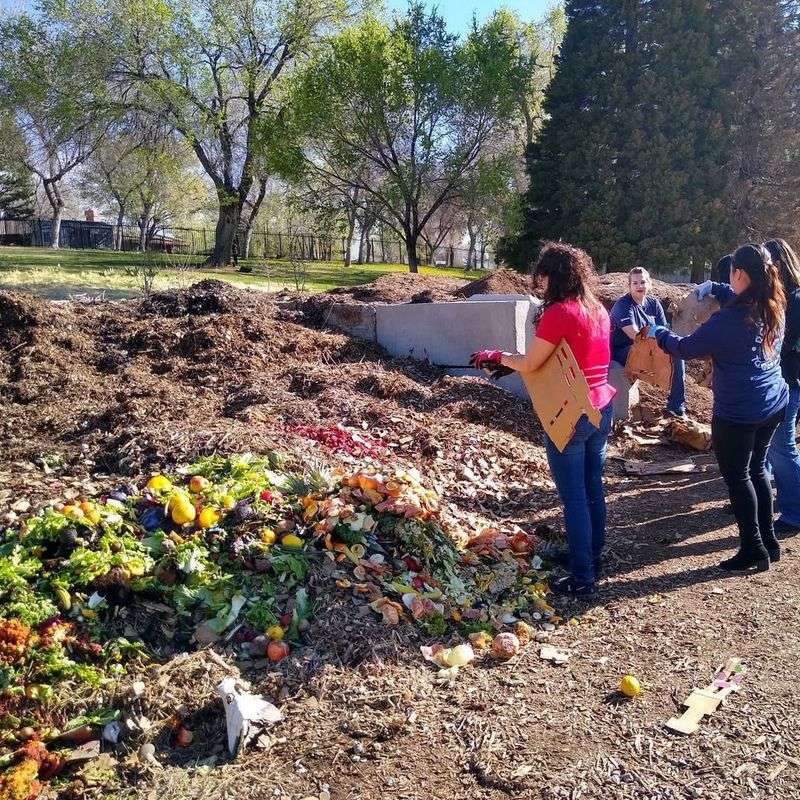
Composting kitchen scraps and yard waste creates rich soil amendments that improve garden health while reducing household trash and recycling natural materials back into landscapes.
Simple wooden bins or wire enclosures tucked into garden corners provide sufficient space for composting without requiring expensive equipment or complicated construction projects.
Layering green materials like vegetable scraps with brown materials like fallen leaves creates balanced compost that decomposes efficiently without producing unpleasant odors.
Turning compost piles monthly with a pitchfork speeds decomposition while adding oxygen that beneficial bacteria need to break down organic matter into usable nutrients.
Finished compost resembles dark, crumbly soil and smells earthy and pleasant, indicating it’s ready to spread around plants as natural fertilizer and soil conditioner.
Adding compost to Georgia’s clay-heavy soils improves drainage and texture dramatically, helping plant roots penetrate more easily while retaining moisture during dry periods.
Using homemade compost reduces reliance on synthetic fertilizers while building healthier soil ecosystems filled with beneficial organisms that support robust plant growth naturally and sustainably.
10. Water Features Add Soothing Sounds
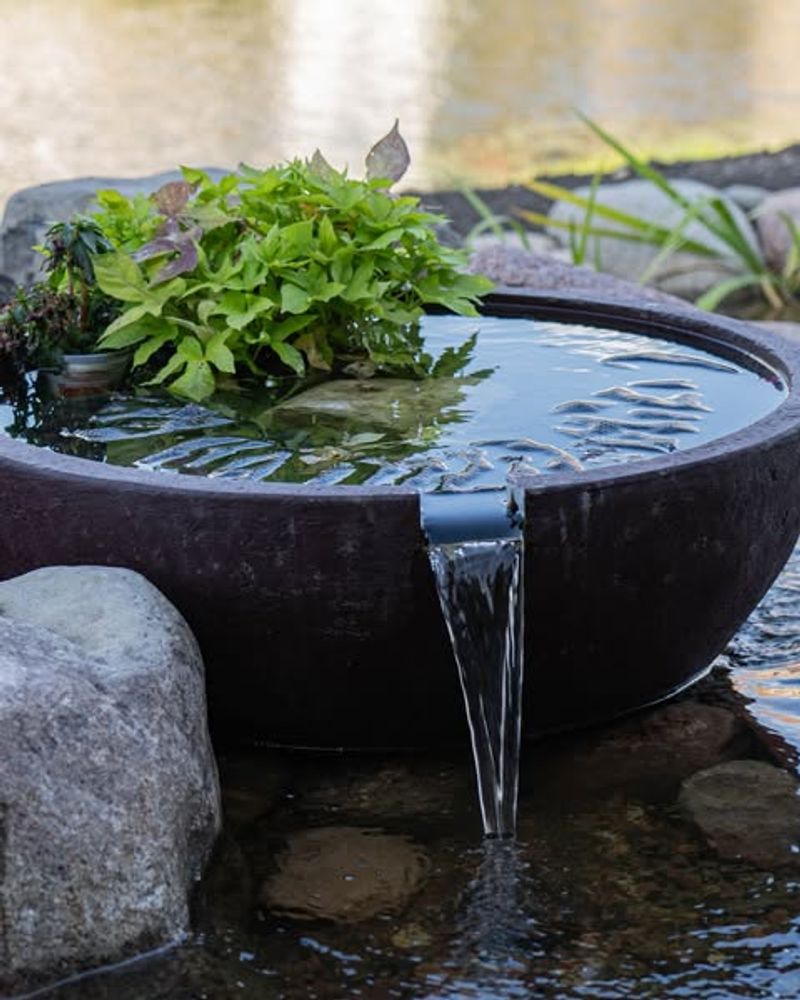
Water features ranging from simple birdbaths to recirculating fountains introduce peaceful sounds and visual focal points that enhance gardens’ natural charm and tranquility.
Small fountains powered by solar panels require no electrical wiring, making installation effortless while providing environmentally friendly operation that costs nothing to run daily.
Positioning water features near seating areas amplifies their soothing sounds, creating spa-like atmospheres that encourage relaxation and stress relief during garden visits.
Natural stone basins blend seamlessly into Georgia landscapes while providing drinking and bathing opportunities for birds, butterflies, and beneficial insects that help gardens thrive.
Adding aquatic plants like water lilies or papyrus to larger water features creates miniature ecosystems that feel like natural ponds discovered in woodland clearings.
Recirculating systems conserve water by reusing the same supply repeatedly, making them practical choices even during drought conditions when outdoor water use faces restrictions.
Cleaning water features monthly prevents algae buildup and keeps pumps functioning properly, requiring only minutes of maintenance to ensure continuous beauty and operation throughout growing seasons.
11. Climbing Vines Soften Structures
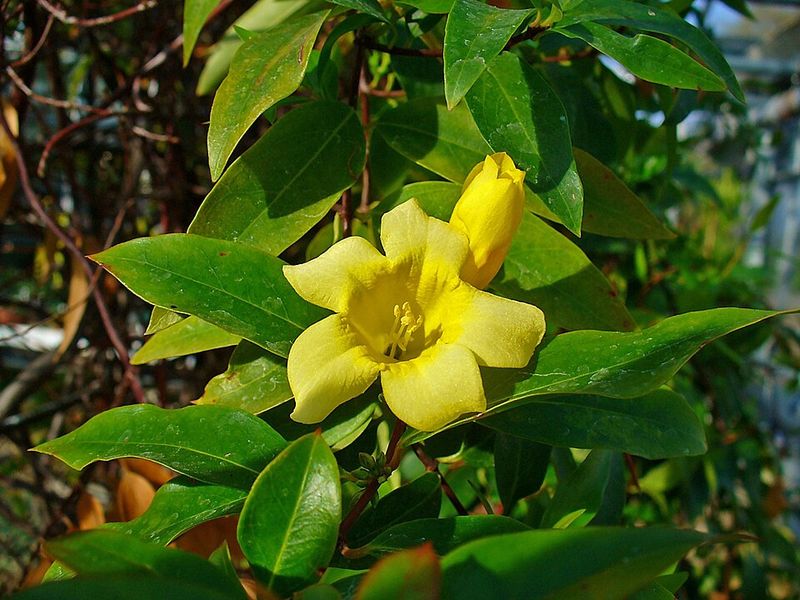
Climbing vines transform fences, arbors, and walls into living vertical gardens that soften harsh lines while adding layers of texture and seasonal color.
Carolina jessamine, Georgia’s state flower, produces fragrant yellow blooms in early spring, covering structures with cheerful color just when gardens need brightening most.
Coral honeysuckle attracts hummingbirds with tubular red flowers throughout summer while remaining well-behaved unlike its invasive Japanese honeysuckle cousin that overtakes landscapes aggressively.
Providing sturdy trellises or wire supports gives vines structures to climb, directing their growth intentionally rather than allowing them to sprawl across unwanted areas.
Native crossvine produces spectacular orange-red flowers in spring and maintains attractive evergreen foliage year-round, offering beauty during every season without requiring winter replacement.
Vines create natural privacy screens that feel softer and more organic than solid fences while allowing breezes to flow through, keeping gardens comfortable during hot weather.
Pruning vines annually after flowering maintains manageable sizes and encourages bushier growth that covers structures more completely, creating lush appearances without excessive tangling or weight.
12. Rock Gardens Showcase Tough Plants
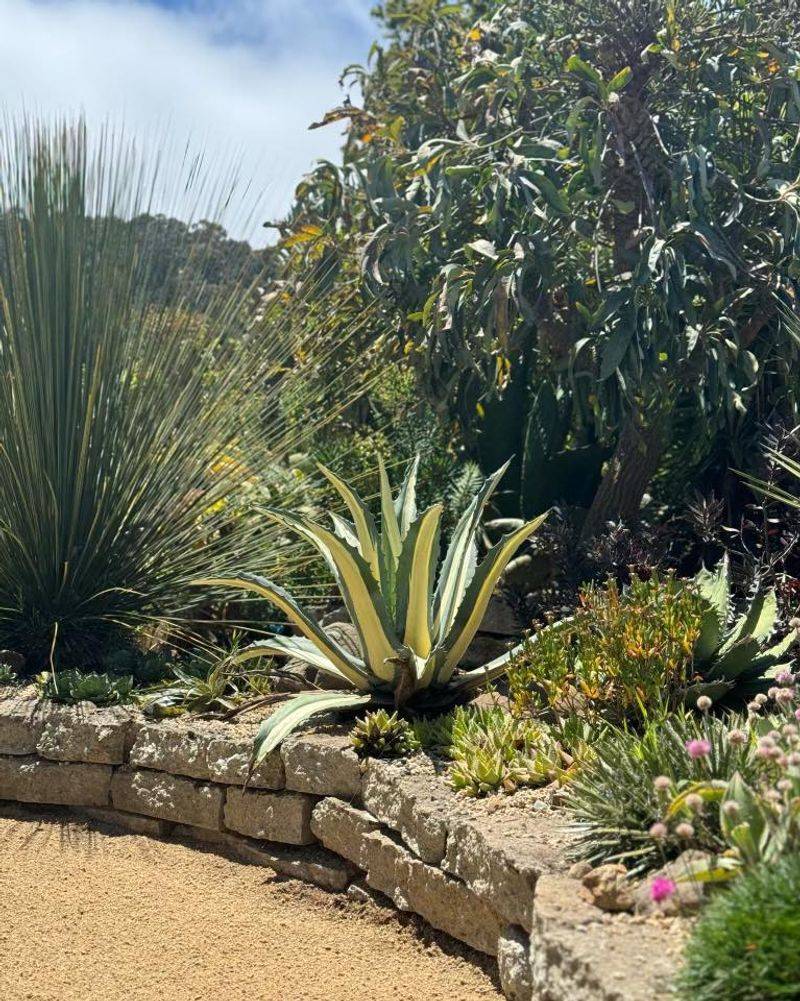
Rock gardens celebrate plants that thrive in challenging conditions while creating visually striking displays that require minimal watering and almost no maintenance once established.
Arranging stones of various sizes creates natural-looking outcroppings that mimic Georgia’s Piedmont region, where granite boulders emerge dramatically from hillsides and forest floors.
Sedums and hens-and-chicks nestle beautifully between rocks, spreading slowly to fill gaps while tolerating summer heat and occasional drought with remarkable resilience.
Positioning rock gardens on slopes improves drainage naturally while preventing erosion and transforming problematic areas into attractive features that solve practical problems beautifully.
Native prickly pear cactus adds unexpected Southwestern flair to Georgia gardens while producing stunning yellow flowers in summer and requiring absolutely no supplemental watering.
Incorporating different stone colors and textures creates visual interest even before plants establish, ensuring rock gardens look intentional and attractive from the moment of installation.
Adding small ornamental grasses between larger rocks provides movement and softness that contrasts beautifully with stone’s solidity, creating balanced compositions that please the eye year-round.
13. Shade Gardens Embrace Woodland Beauty
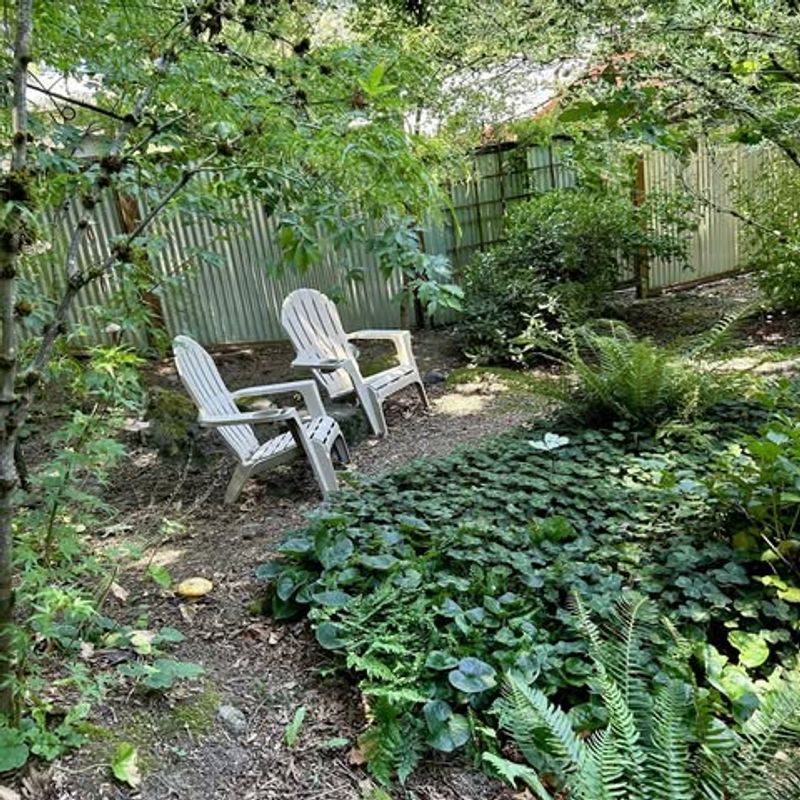
Shade gardens transform dim areas beneath trees into lush retreats filled with ferns, hostas, and native woodland plants that thrive without direct sunlight.
Georgia’s native ferns like Christmas fern and Southern lady fern create elegant textured carpets that remain green year-round, providing constant beauty in challenging shaded spots.
Astilbe produces feathery plumes in pink, white, or red during summer, adding vertical interest and color to shade gardens where flowering options sometimes seem limited.
Incorporating fallen logs or stumps as natural features creates authentic woodland atmospheres while providing homes for beneficial insects and slowly decomposing to enrich surrounding soil.
Hostas offer incredible foliage variety from tiny miniatures to giant specimens, allowing gardeners to create diverse plantings using different sizes, colors, and leaf patterns.
Native bleeding heart produces delicate heart-shaped flowers in spring, adding whimsical charm to shade gardens before going dormant in summer heat without leaving unsightly gaps.
Mulching shade gardens with leaf litter mimics natural forest floors while suppressing weeds and gradually improving soil as leaves decompose, creating self-sustaining ecosystems requiring minimal intervention.
14. Butterfly Gardens Support Pollinators
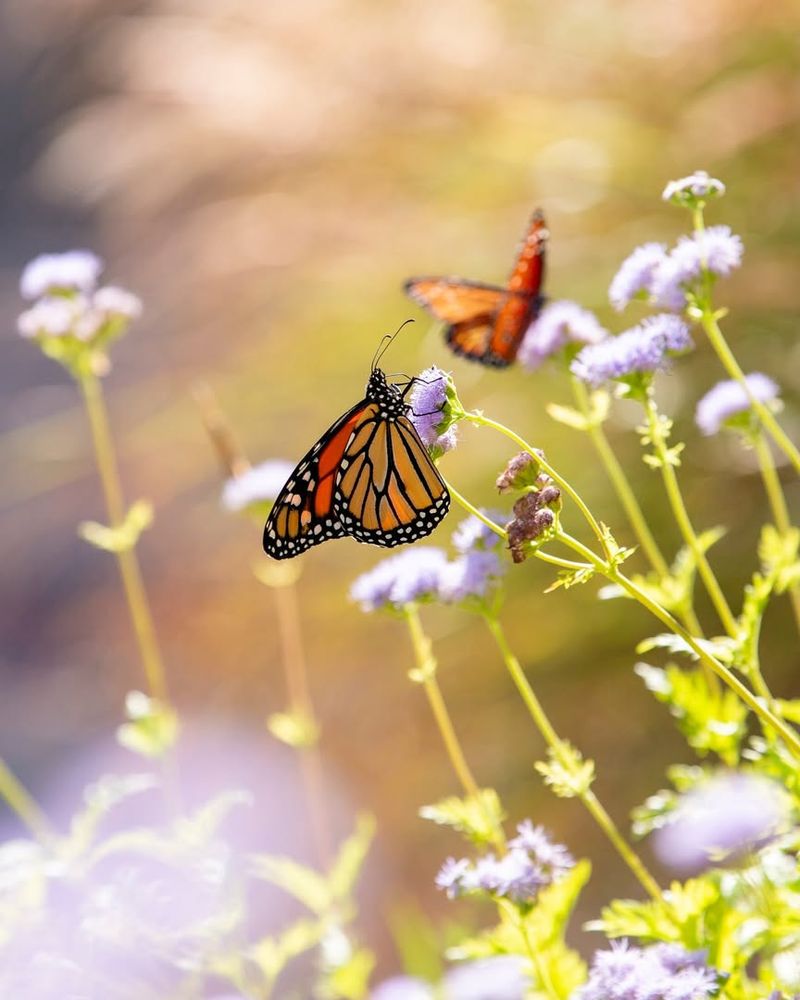
Butterfly gardens filled with native nectar plants and host species support declining pollinator populations while creating living kaleidoscopes of color and movement throughout warm months.
Milkweed species native to Georgia provide essential food for monarch caterpillars while producing fragrant flower clusters that attract numerous butterfly species seeking nectar rewards.
Planting flowers with different bloom times ensures continuous nectar availability from spring through fall, keeping butterflies visiting regularly rather than moving elsewhere for food.
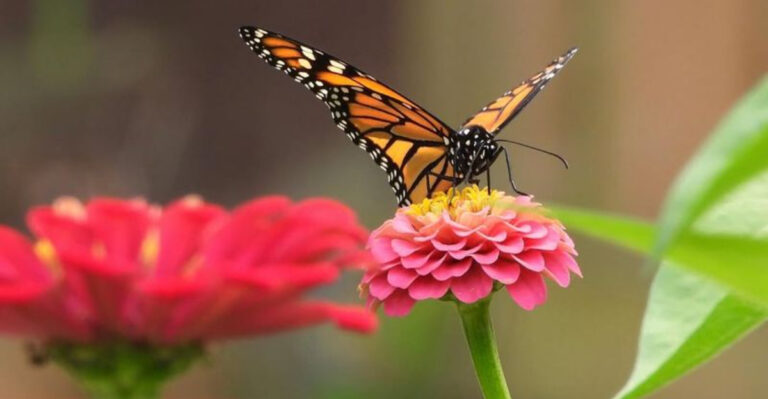
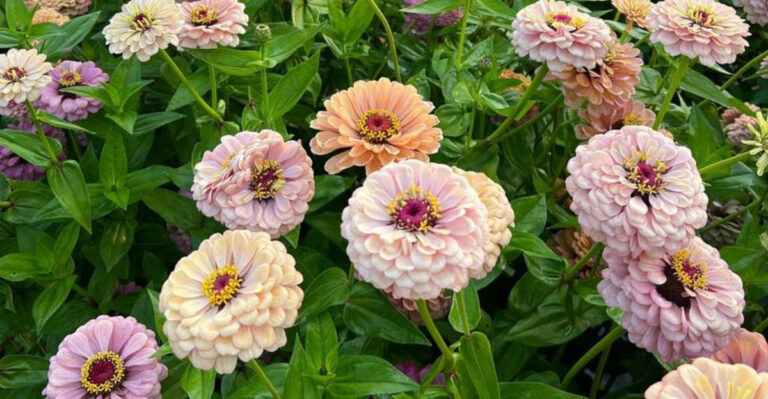
Flat-topped flowers like zinnias and coneflowers offer easy landing platforms where butterflies can rest while feeding, making gardens more attractive than tubular flowers requiring hovering.
Avoiding pesticides protects caterpillars and adult butterflies from harm while allowing natural predators like ladybugs and lacewings to control aphids and other garden pests effectively.
Including shallow water sources like saucers filled with pebbles and water gives butterflies safe drinking spots where they won’t accidentally drown in deeper containers.
Leaving some garden areas a bit wild with leaf litter and plant stems provides overwintering sites for chrysalises and eggs, supporting complete butterfly lifecycles within your landscape.