Elatior Begonia Care Tips For Michigan Garden Lovers
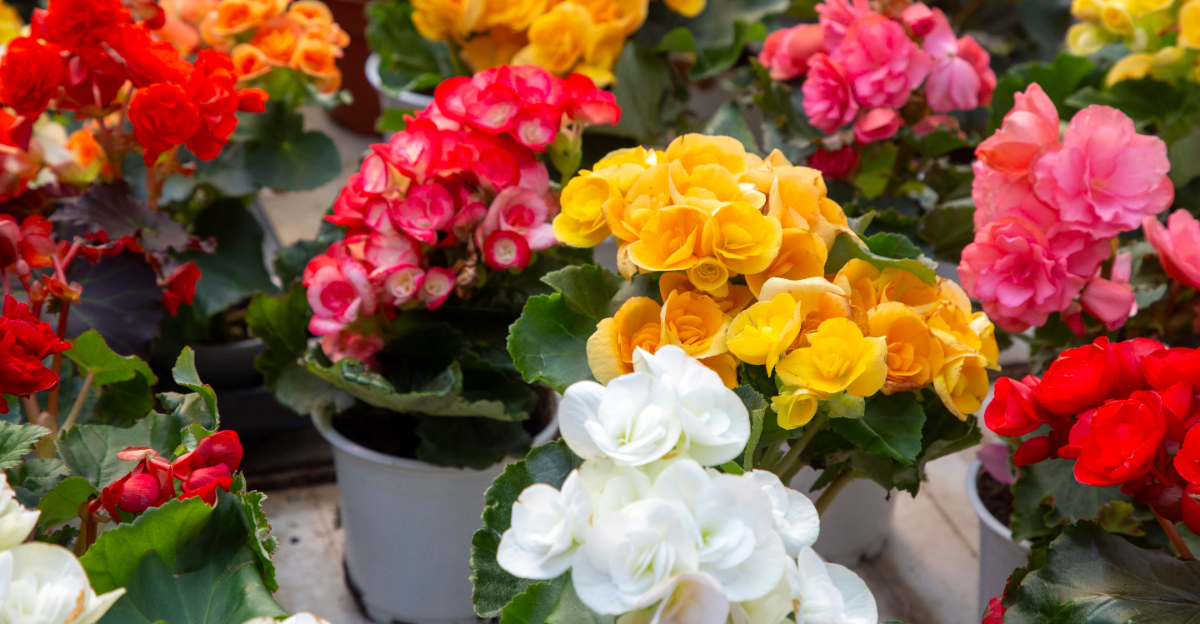
Bright clusters of color can instantly lift the mood of any room, and few plants deliver that effect as beautifully as Elatior begonias in full bloom.
In Michigan, where long winters often limit outdoor color, these cheerful plants bring lasting vibrancy indoors and continue to shine in summer containers when warmer weather returns.
Their blossoms appear in rich shades of pink, red, orange, and white, creating a lively display that rewards attentive care.
Success with Elatior begonias comes from understanding their preferences for light, moisture, and temperature, especially within Michigan’s changing seasonal conditions.
With the right balance, they respond with steady growth and repeated waves of flowers that keep your space looking fresh and inviting. Whether placed on a bright indoor table or featured in a warm season planter, these begonias offer dependable beauty.
Proper care ensures your Michigan grown Elatior begonias remain healthy, colorful, and full of life throughout the year.
1. Provide Bright, Indirect Light
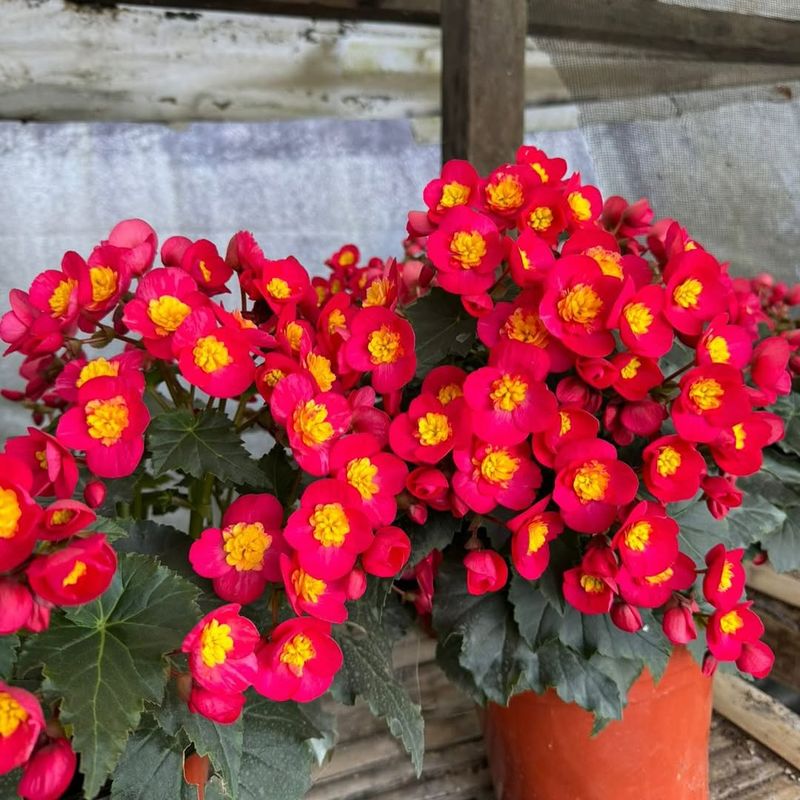
Light plays a starring role in keeping your Elatior begonias blooming beautifully throughout the season. These plants crave brightness but need protection from harsh, direct rays that can scorch their delicate leaves.
A spot near an east or west-facing window works wonderfully, offering gentle morning or afternoon sun.
Filtered light through sheer curtains creates the perfect environment for steady flower production. Too little light causes your begonia to produce fewer blooms and stretch awkwardly toward the nearest light source.
You’ll notice leggy growth and sparse flowering when conditions are too dim. Michigan winters can be challenging with shorter days and overcast skies. Consider rotating your plant occasionally to ensure all sides receive equal light exposure.
If natural light is limited during the darker months, a grow light positioned about 12 inches above the plant can supplement beautifully.
Watch your begonia’s leaves for clues about light levels. Pale or yellowing foliage often signals insufficient light, while brown, crispy edges suggest too much direct sun.
Finding that sweet spot of bright, indirect light keeps your Elatior begonia producing those gorgeous blooms you love.
Adjust placement seasonally as the sun’s angle changes throughout the year for consistent results.
2. Maintain Moderate Soil Moisture
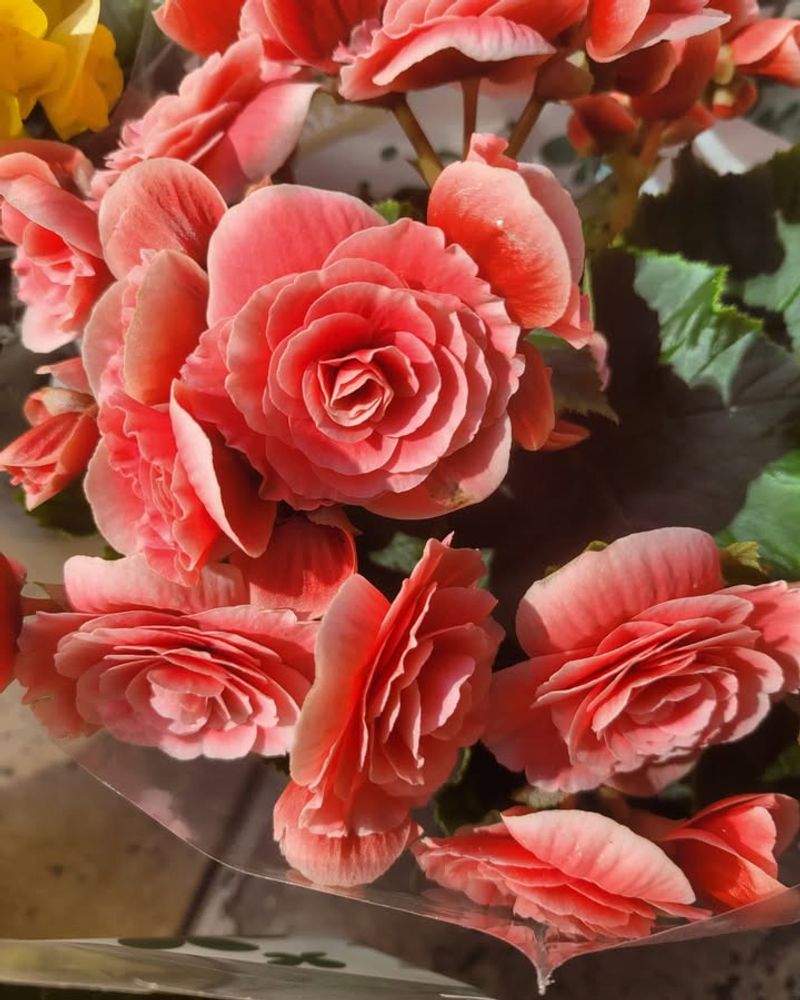
Watering Elatior begonias requires a balanced approach that keeps roots happy without drowning them. These plants prefer soil that stays evenly moist, similar to a wrung-out sponge.
Sticking your finger about an inch into the soil helps you gauge when it’s time to water again.
Michigan’s dry indoor winter air can cause soil to dry faster than you might expect. Check your begonia every few days rather than following a rigid schedule.
Water thoroughly until it drains from the bottom, then empty the saucer to prevent standing water.
Overwatering poses a serious threat to Elatior begonias and can lead to root rot quickly. Soggy soil suffocates roots and creates conditions where harmful fungi thrive. If you notice wilting despite wet soil or a musty smell, you’ve likely watered too much.
Room temperature water works best, as cold water can shock the roots and stress the plant. Pour water directly onto the soil rather than splashing the leaves and flowers, which can encourage spotting and disease.
During active growth in spring and summer, your begonia will drink more frequently than in cooler months.
Adjust your watering routine with the seasons for healthiest growth and abundant flowering.
3. Use Well-Draining Potting Mix
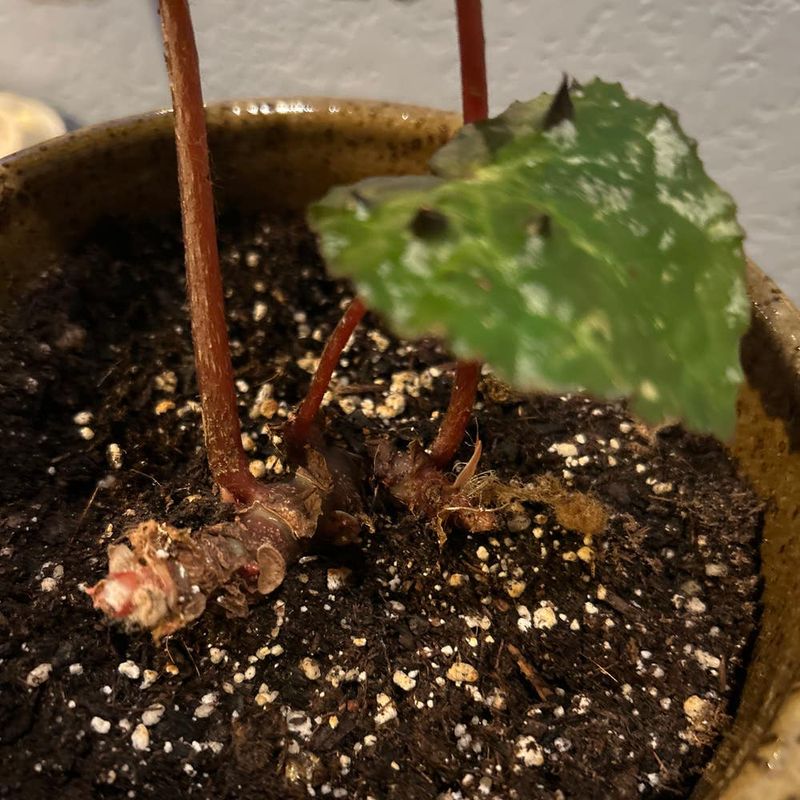
Soil choice makes an enormous difference in your Elatior begonia’s overall health and flowering performance. A lightweight, peat-based mix provides the perfect foundation for these plants.
Good drainage prevents water from pooling around roots while still holding enough moisture to keep plants hydrated.
Standard garden soil is far too heavy for container-grown begonias. It compacts easily, restricting oxygen flow to roots and creating soggy conditions.
Look for commercial potting mixes specifically formulated for flowering plants or African violets, which have similar needs.
Adding perlite or vermiculite to your mix improves aeration and drainage even further. These amendments create tiny air pockets throughout the soil, allowing roots to breathe properly.
A ratio of about three parts potting mix to one part perlite works beautifully for most situations.
Michigan’s humid summers and dry winters affect how quickly soil dries out in containers. Well-draining mix adapts to these fluctuations better than heavy soils.
When repotting, choose a container with drainage holes to work alongside your quality potting mix.
Fresh potting mix also provides a clean start, reducing the risk of soilborne diseases. Replace the soil annually or when you notice it breaking down and becoming compacted.
Healthy roots in proper soil mean vigorous growth and spectacular blooms season after season.
4. Fertilize During Active Growth
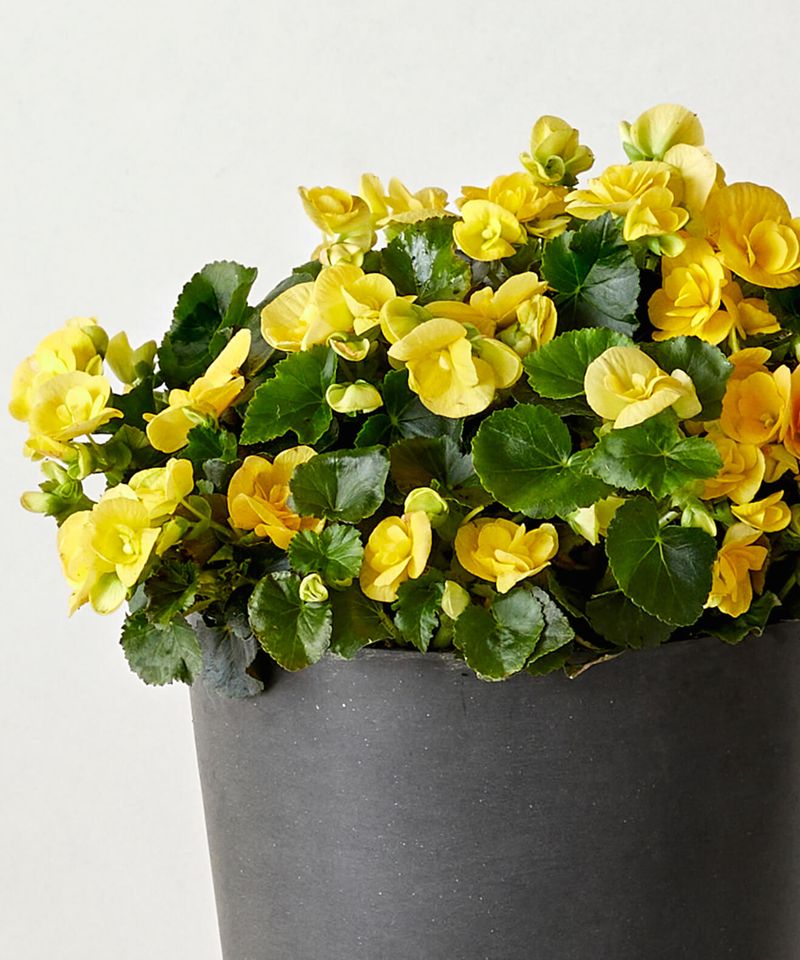
Feeding your Elatior begonia regularly during its growing season fuels impressive flower production and lush foliage. Spring through summer marks the period when these plants actively grow and bloom most heavily.
A balanced, water-soluble fertilizer diluted to half strength works perfectly for consistent nutrition.
Apply fertilizer every two to four weeks when your begonia is actively producing new leaves and flowers. This regular feeding schedule replaces nutrients that wash away with watering.
Balanced formulas with equal parts nitrogen, phosphorus, and potassium support both healthy leaves and abundant blooms.
Michigan’s shorter growing season means maximizing your begonia’s productive months matters even more. Start fertilizing in early spring as days lengthen and growth accelerates.
You’ll notice stronger stems, deeper green leaves, and more vibrant flowers when nutrition is adequate.
Reduce or stop fertilizing in fall and winter when growth naturally slows. Overfeeding during dormant periods can cause salt buildup in the soil, damaging tender roots.
Always water your plant before fertilizing to prevent root burn from concentrated nutrients. Watch for signs your begonia needs more food, like pale leaves or reduced flowering. Conversely, brown leaf tips might indicate too much fertilizer.
Adjust your feeding routine based on your plant’s response for optimal results throughout the growing season.
5. Maintain Warm Temperatures
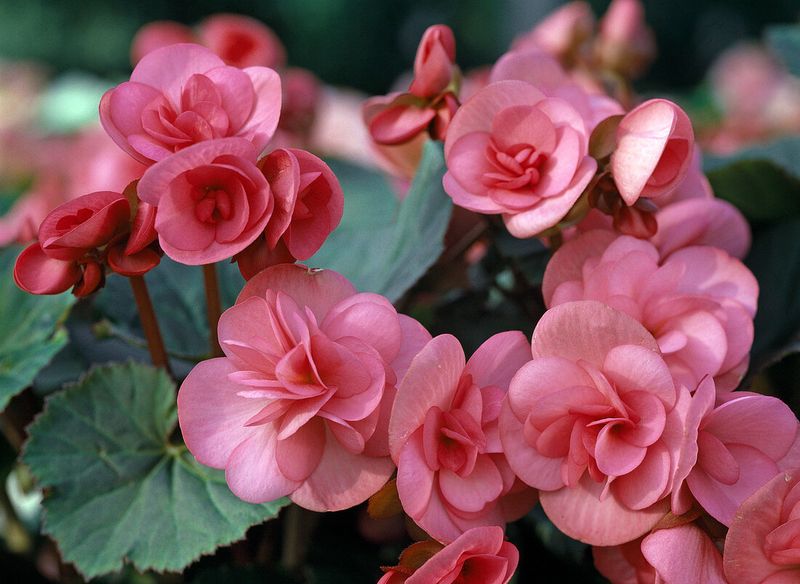
Temperature consistency matters tremendously for Elatior begonias, which prefer stable warmth year-round. These tropical beauties thrive when daytime temperatures hover between 65 and 75 degrees Fahrenheit.
Nighttime temperatures can drop slightly but should stay above 55 degrees for best results.
Michigan homes often have temperature fluctuations, especially near windows during winter. Cold drafts from doors or windows can stress your begonia and cause flower buds to drop.
Position your plant away from heating vents, air conditioners, and drafty areas that create temperature swings.
Sudden temperature changes shock these sensitive plants more than gradual seasonal shifts. If you’re growing begonias outdoors during Michigan’s brief summer, bring them inside well before the first frost threatens.
Even a light chill can damage foliage and halt flowering for weeks.
Indoor growing offers the advantage of climate control, making it easier to maintain ideal conditions. A consistent, warm environment encourages continuous blooming cycles throughout fall and winter.
Your begonia will reward stable temperatures with steady flower production and vibrant growth.
Monitor rooms where you keep begonias, especially basements or sunrooms that might get cooler at night. A simple thermometer helps you track conditions and make adjustments as needed.
Remember that warm, stable temperatures work hand-in-hand with other care factors to keep your Elatior begonia thriving beautifully.
6. Increase Humidity
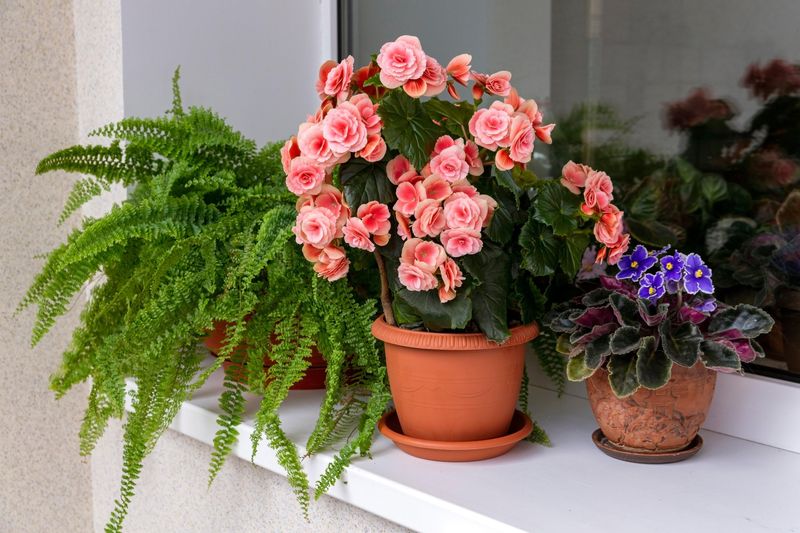
Humidity levels significantly impact your Elatior begonia’s appearance and flowering capacity. These plants originate from naturally humid environments and prefer moisture levels between 50 and 70 percent.
Michigan’s indoor winter air often drops below 30 percent humidity, creating challenging conditions for tropical plants.
Dry air causes leaf edges to brown and curl, making your begonia look stressed and unhappy. Flowers may also fade faster or fail to open fully when humidity is too low.
Simple solutions can dramatically improve conditions without major expense or effort. Pebble trays offer an easy, effective humidity boost for individual plants. Fill a shallow tray with pebbles, add water just below the pebble tops, and set your begonia’s pot on top.
As water evaporates, it creates a humid microclimate around the plant.
Grouping several houseplants together naturally increases humidity through their combined transpiration. This creates a mutually beneficial environment where all plants thrive together.
Small humidifiers work wonderfully in rooms where you keep multiple humidity-loving plants.
Misting isn’t recommended for Elatior begonias, as water droplets on leaves and flowers can encourage fungal problems. Instead, focus on ambient humidity increases that don’t wet the foliage.
Monitor humidity with an inexpensive hygrometer to ensure conditions stay in the ideal range for healthy, beautiful begonias.
7. Deadhead Spent Flowers Regularly
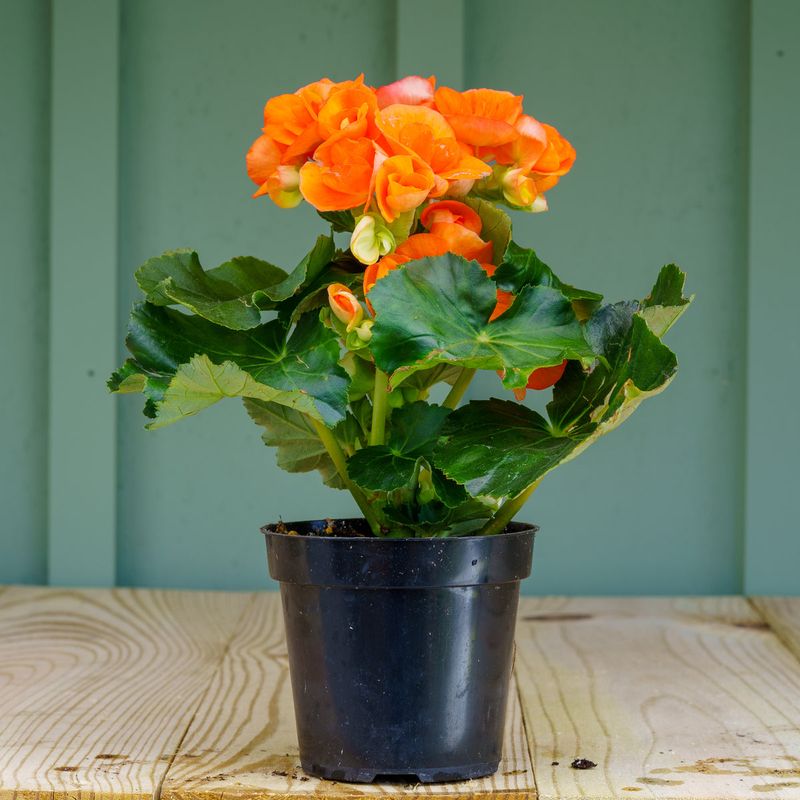
Removing faded blooms keeps your Elatior begonia looking fresh while encouraging continuous flower production. This simple maintenance task, called deadheading, redirects the plant’s energy from seed production to creating new flowers.
Spent blooms that remain on the plant can look messy and eventually develop mold. Check your begonia every few days for flowers that have passed their peak. Gently pinch or snip off faded blooms where the flower stem meets the main plant.
Clean, sharp scissors or your fingernails work equally well for this delicate task.
Regular deadheading can extend your begonia’s blooming period by several weeks or even months. The plant interprets removed flowers as a signal to produce more blooms for reproduction.
You’ll notice fresh buds forming more quickly when you stay on top of this maintenance routine.
Michigan’s indoor growing season offers plenty of time to enjoy waves of flowers with proper deadheading. Some gardeners make it a weekly ritual, spending a few peaceful minutes grooming their plants.
This hands-on time also lets you spot any pest or disease issues early.
Don’t worry about removing too many flowers at once if you’ve fallen behind. Your begonia will bounce back quickly and appreciate the grooming.
Consistent deadheading throughout the growing season results in the most impressive, longest-lasting floral displays possible from your Elatior begonia.
8. Pinch Back Stems For Bushier Growth
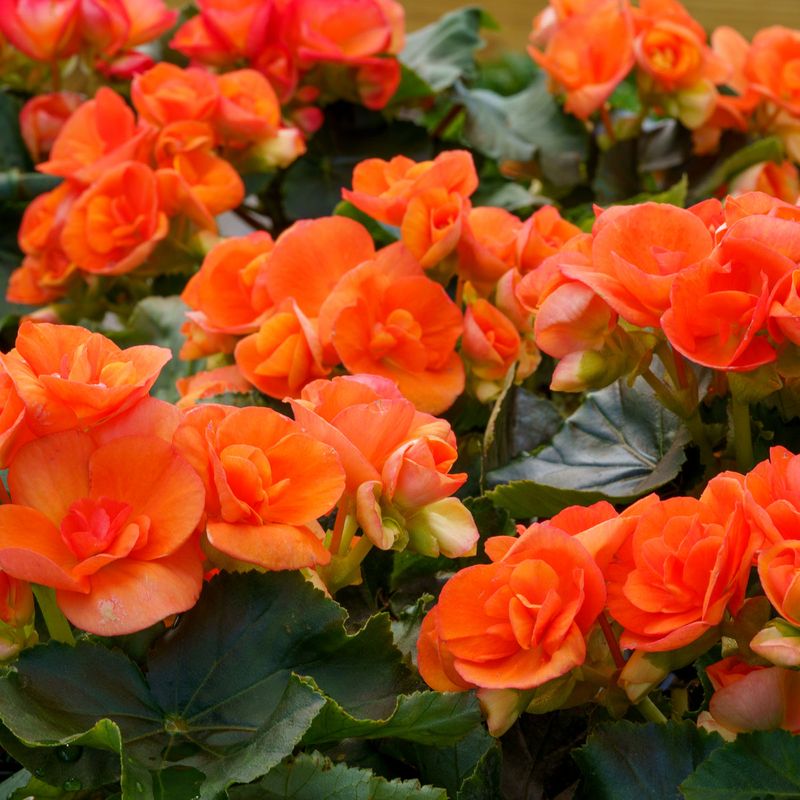
Shaping your Elatior begonia through strategic pinching creates a fuller, more attractive plant with better flowering. Young plants especially benefit from this technique, which encourages branching rather than tall, leggy growth.
Pinching simply means removing the growing tip of a stem to stimulate side shoots. Use your thumb and forefinger to pinch off the top quarter-inch of actively growing stems. Make the pinch just above a leaf node, where new growth will emerge.
This might feel counterproductive at first, but the results speak for themselves within weeks.
Each pinched stem typically produces two or more side branches, creating a bushier, more compact shape. More branches mean more potential flowering sites, multiplying your bloom display.
Start pinching when plants are young and continue occasionally throughout the growing season as needed.
Michigan gardeners growing begonias indoors year-round can shape plants anytime during active growth. Avoid heavy pruning during winter months when growth naturally slows.
Light maintenance pinching keeps plants tidy and encourages continuous branching for optimal form.
Don’t discard the pinched tips! Healthy stem cuttings can root easily in water or moist potting mix.
This gives you free new plants to expand your collection or share with fellow gardening enthusiasts.
Regular pinching combined with good overall care produces spectacular, well-shaped Elatior begonias that bloom prolifically.
9. Protect From Pests And Diseases
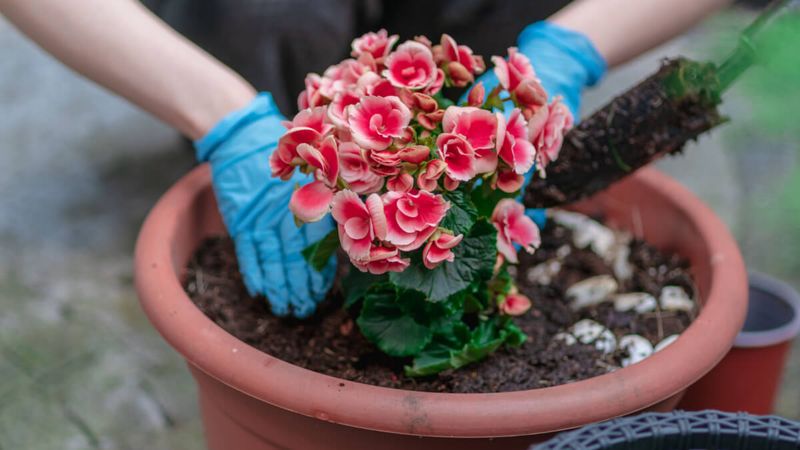
Vigilant monitoring helps you catch pest and disease problems before they seriously damage your Elatior begonia. Spider mites, mealybugs, and aphids are the most common culprits that attack these plants.
Early detection makes treatment much easier and more successful.
Inspect your begonia weekly, checking under leaves and along stems where pests hide. Spider mites create fine webbing and cause stippled, yellowing leaves.
Mealybugs appear as white, cottony masses in leaf joints and on stems.
Isolate affected plants immediately to prevent pests from spreading to your other houseplants. A strong spray of water can dislodge many pests, though you may need to repeat this treatment.
Insecticidal soap or neem oil solutions work well for persistent infestations without harsh chemicals.
Fungal diseases often result from excessive moisture on leaves or poor air circulation. Brown or black spots on foliage signal potential fungal issues requiring prompt attention. Remove affected leaves and improve growing conditions to prevent spread.
Michigan’s dry indoor winter air actually helps prevent some fungal problems but can encourage spider mites. Maintain proper humidity levels and good air circulation around your plants.
Clean tools between uses when pruning or deadheading to avoid spreading diseases.
Healthy, well-cared-for begonias resist pests and diseases better than stressed plants. Following proper watering, lighting, and feeding practices creates strong plants naturally resistant to common problems.