Elevate Your Pennsylvania Yard With These 8 Boxwood Alternatives
What if the most “classic” plant in your Pennsylvania landscape is actually the one causing you the most hidden stress?
For generations, boxwood has been the go-to for framing Keystone State foundations and walkways, but rising pest pressure and finicky diseases are making many gardeners rethink this old-school staple.
The good news? Replacing boxwood doesn’t mean losing that polished, year-round structure you love.
From the humid Susquehanna Valley to the breezy Alleghenies, there’s a new wave of hardy evergreens that offer the same crisp look with far less fuss.
These eight versatile alternatives bring fresh textures and better adaptability to your sunny entries or shady borders.
1. Inkberry Holly Brings A Neat Boxwood-Like Look
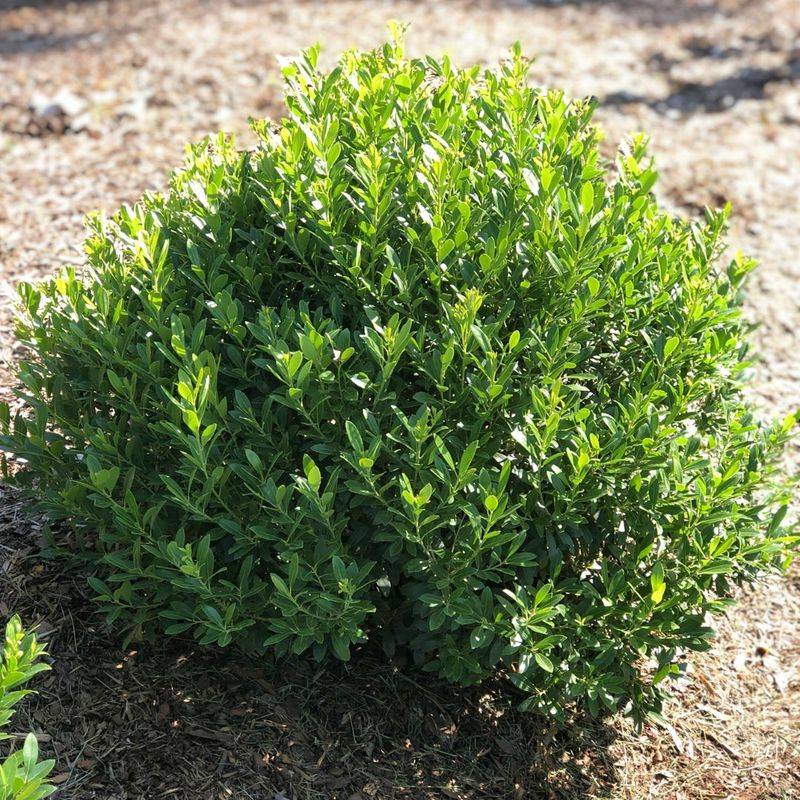
For gardeners who love the clean, rounded look of boxwood but want something far more resilient, Inkberry Holly is worth a serious look.
This native evergreen shrub grows naturally across much of the eastern United States, including Pennsylvania, which means it is already well-suited to local soils and weather patterns.
Its glossy, dark green leaves create a lush, compact appearance that fits beautifully into formal and informal landscapes alike.
Inkberry Holly does especially well in moist, acidic soils, making it a smart choice for Pennsylvania yards with heavy clay or low-lying areas where other shrubs struggle.
It is also naturally deer-resistant, which is a real bonus in many suburban and rural parts of the state.
Compact cultivars like ‘Shamrock’ and ‘Gem Box’ stay manageable in size and respond well to light pruning to keep their shape tidy.
Planted in full sun to partial shade, Inkberry Holly works well as a low hedge, a foundation planting, or a border shrub. Space plants about three to four feet apart for a dense, connected hedge effect.
Unlike boxwood, this shrub also supports local wildlife, offering berries that attract birds during the colder months.
It is a practical, attractive, and low-maintenance option that checks nearly every box Pennsylvania gardeners care about.
2. Japanese Holly Creates A Crisp Formal Finish
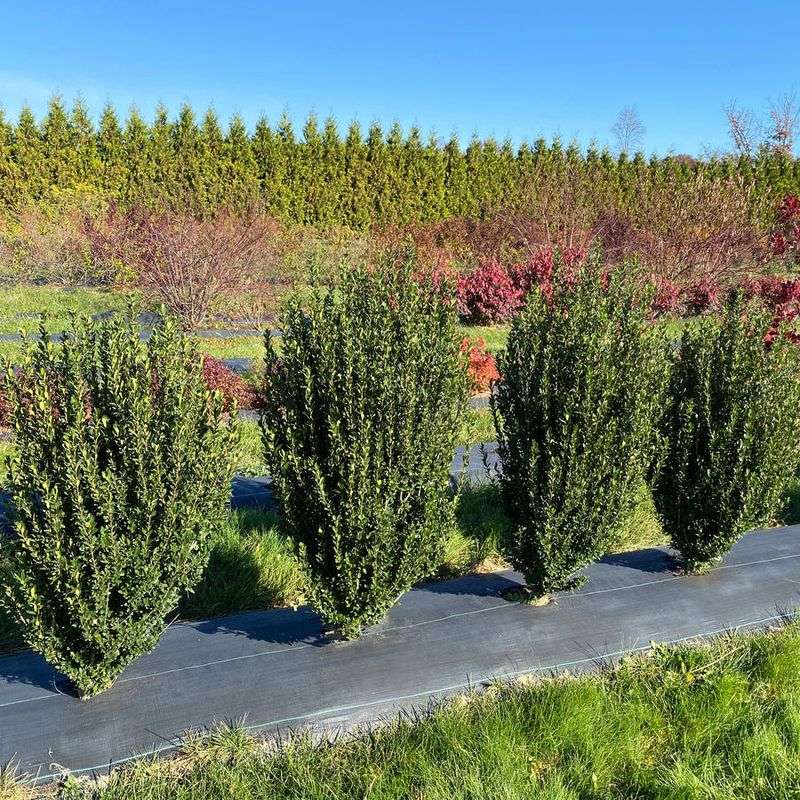
If you have ever admired boxwood’s fine-textured leaves and tidy growth habit, Japanese Holly will feel like a familiar friend.
Its small, dark green leaves and dense branching pattern make it one of the closest visual matches to boxwood available to Pennsylvania gardeners today.
From a distance, most people cannot tell the difference, which makes it a popular choice for formal gardens, entryways, and symmetrical landscape designs.
One of the biggest advantages of Japanese Holly is its adaptability. It tolerates a range of soil types and handles both sun and partial shade without much complaint.
In Pennsylvania, where microclimates can vary significantly from one yard to the next, that flexibility is genuinely useful. It is also less vulnerable to the pests and fungal diseases that have been devastating boxwood plantings across the region.
Japanese Holly responds well to shearing, which means you can shape it into tight hedges, rounded mounds, or geometric forms depending on your landscape style.
Most varieties stay between three and six feet tall, though compact cultivars like ‘Helleri’ and ‘Soft Touch’ are great for lower borders and container use.
Plant it in well-drained soil and water regularly during its first season to help it establish strong roots.
After that, it is a relatively easygoing shrub that rewards minimal effort with consistently polished results throughout the year.
3. Yew Handles Shaping With Classic Evergreen Style
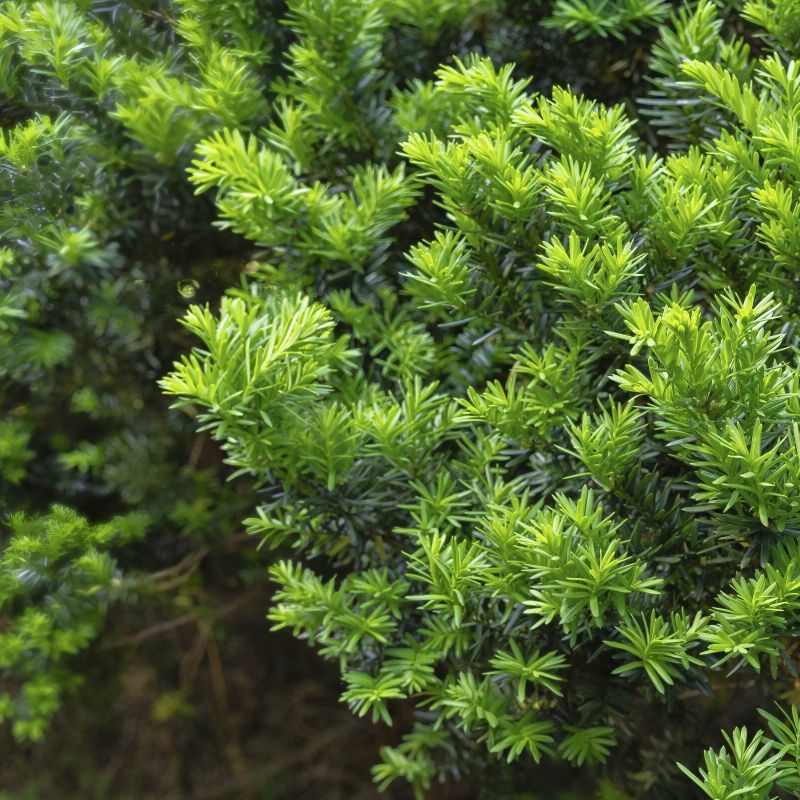
Few evergreen shrubs have stood the test of time quite like yew. Used in formal gardens for centuries, yew brings a deep, rich green color and an almost architectural quality to any landscape.
Pennsylvania gardeners who want structure, longevity, and reliable winter color will find yew to be one of the most satisfying choices available.
It grows steadily without being aggressive, and it tolerates heavy pruning better than almost any other evergreen shrub.
Yew thrives in a wide range of light conditions, from full sun to fairly deep shade, which gives it an edge over many competitors.
It prefers well-drained soil and does not like sitting in standing water, so raised beds or sloped areas in Pennsylvania yards tend to suit it well.
Deer can browse yew in areas with heavy pressure, so it is worth considering your local deer population before planting large quantities near open spaces or woodland edges.
Spreading varieties like Taxus x media ‘Densiformis’ work well as low hedges or foundation plantings, while upright forms can create tall, narrow screens.
Pruning in late winter or early summer helps maintain a clean shape and encourages fresh growth.
Yew also tolerates urban conditions, including pollution and compacted soils, making it a strong candidate for front yards and streetside plantings across Pennsylvania.
Its classic look and rugged durability make it a dependable long-term investment for any yard.
4. Compact Arborvitae Adds Structure Without Bulk
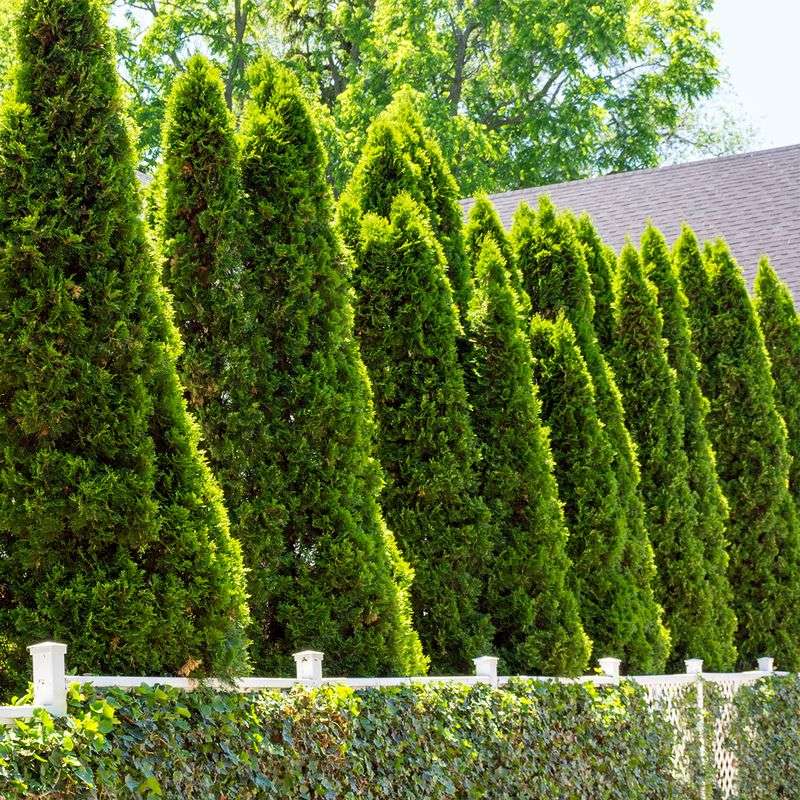
Arborvitae is one of the most recognizable evergreen shrubs in Pennsylvania neighborhoods, and for good reason.
Its dense, feathery foliage stays green year-round, and it grows in a naturally upright form that adds vertical structure to flat or open landscapes.
While the full-sized varieties can grow quite tall, compact cultivars offer all the same appeal in a much more manageable size, making them a practical boxwood alternative for modern yards.
Varieties like ‘Emerald Green’ are particularly popular in Pennsylvania because they stay narrow and tidy without much intervention. They work well as accent plants, privacy screens along fences, or as anchoring shrubs at the corners of foundation plantings.
Most compact arborvitae varieties top out between eight and twelve feet, though regular light trimming can keep them shorter and denser if needed.
Arborvitae prefers full sun and moist, well-drained soil, which suits many Pennsylvania growing conditions.
One consideration worth keeping in mind is deer pressure – arborvitae is a preferred browse plant for deer in many parts of the state, especially during winter months when other food sources are scarce.
Protective fencing or deer repellent sprays can help during the first few years while plants establish.
Once mature, arborvitae is a low-maintenance, hardy, and visually appealing shrub that brings reliable structure and greenery to Pennsylvania yards through every season of the year.
5. Japanese Plum Yew Thrives In Shadier Spots
Shady yards can be tricky to landscape well, especially when you want evergreen structure without sacrificing visual appeal.
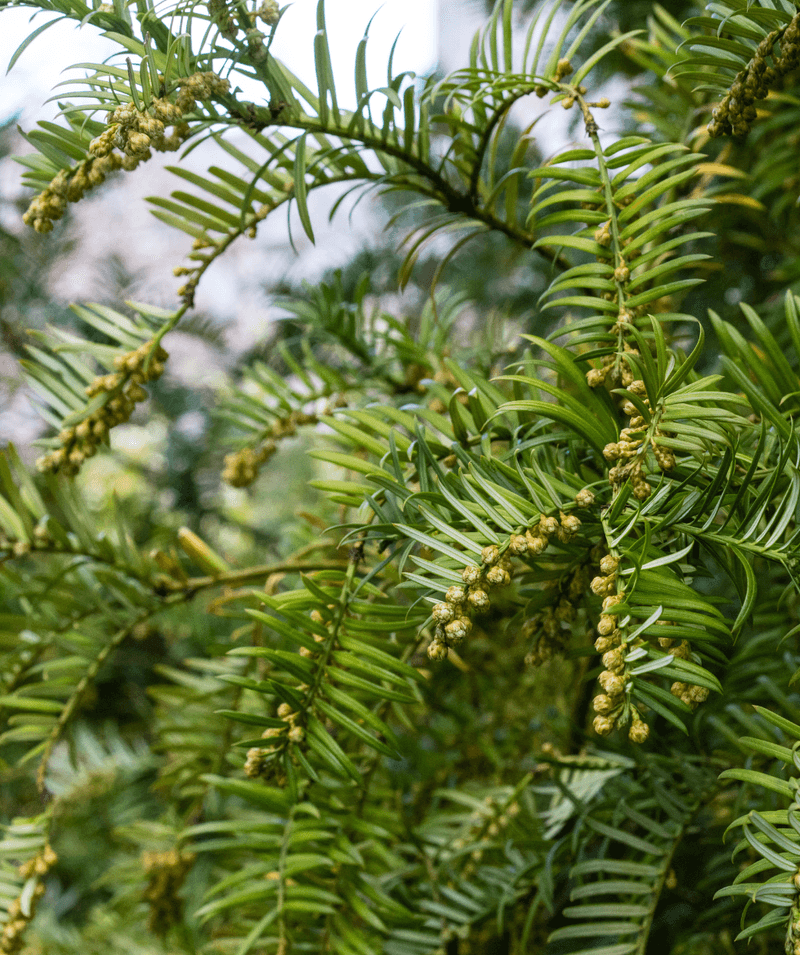
Japanese Plum Yew, known botanically as Cephalotaxus harringtonia, is one of the best-kept secrets in Pennsylvania horticulture for exactly this reason.
Unlike many evergreen shrubs that sulk or thin out in low-light conditions, Japanese Plum Yew genuinely thrives in partial to full shade, making it a standout option for wooded properties or north-facing foundation beds.
Its dark green, needle-like foliage has a soft, slightly lustrous texture that looks elegant without being fussy. The shrub grows in a naturally mounded or spreading form, which gives it a relaxed, organic look that suits informal garden styles particularly well.
It can also be pruned to maintain a more formal shape if that is what your landscape calls for. Growth is moderate, so it does not require constant attention to stay within bounds.
Japanese Plum Yew is notably deer-resistant, which is a significant advantage in Pennsylvania regions where deer pressure is heavy.
It handles drought reasonably well once established and is not overly picky about soil type, though it prefers good drainage.
Spreading cultivars like ‘Prostrata’ work well as ground cover alternatives under trees, while upright forms like ‘Fastigiata’ add vertical interest in tight spaces.
For Pennsylvania gardeners dealing with challenging shade conditions, this shrub is a genuinely reliable and underappreciated solution worth exploring.
6. Bayberry Brings Texture And Toughness To The Yard
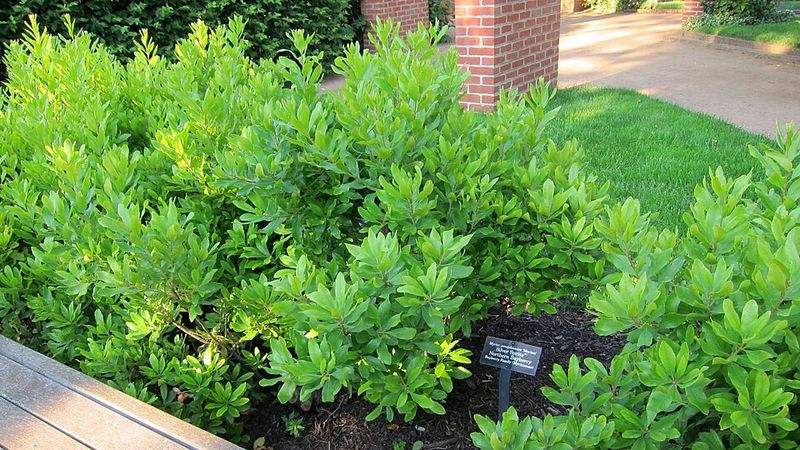
There is something refreshingly rugged about Northern Bayberry. This native shrub does not demand much attention, yet it delivers a surprisingly attractive presence in the landscape through every season.
Its semi-evergreen to evergreen foliage has a slightly waxy, aromatic quality that sets it apart from the typical smooth-leaved hedging shrubs most gardeners are used to.
Rub a leaf between your fingers and you will notice a pleasant, resinous scent that has historically been used to make candles.
Bayberry is exceptionally tough, tolerating poor soils, salt spray, and drought conditions that would stress most other shrubs.
In Pennsylvania, this makes it an excellent candidate for coastal-adjacent areas, roadside plantings, or dry, sandy spots where other plants struggle to perform.
It also fixes its own nitrogen, which means it can improve soil quality over time without any fertilizer help from the gardener.
The grayish-green waxy berries that appear on female plants in fall and winter add seasonal texture and attract birds, giving Bayberry an ecological value that boxwood simply cannot match.
It grows to about five to ten feet tall and wide, making it suitable for informal hedges, naturalized borders, or mass plantings on slopes.
Bayberry works best in full sun to light shade and pairs well with native grasses and wildflowers in naturalistic Pennsylvania landscape designs.
Its combination of toughness, character, and wildlife value makes it a genuinely worthwhile addition to any yard.
7. Eastern Redcedar Adds Hardy Year-Round Coverage
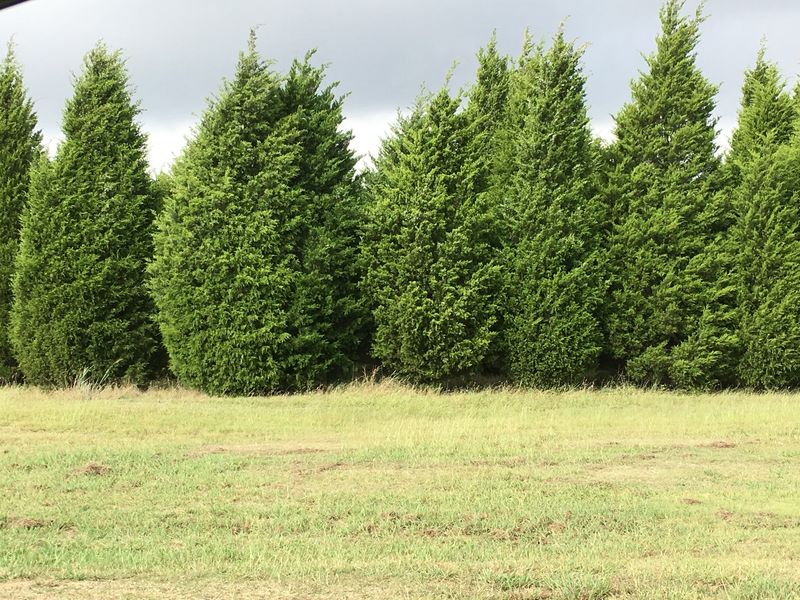
Eastern Redcedar might not be the first plant that comes to mind when you think of a boxwood replacement, but for Pennsylvania gardeners who need tough, year-round coverage on a larger scale, it deserves serious consideration.
This native juniper is one of the hardiest evergreens in the eastern United States, tolerating cold winters, hot summers, poor soils, and even prolonged drought without missing a beat.
Its dense, blue-green foliage and naturally columnar growth habit make it a strong structural plant for larger yards and rural properties.
Eastern Redcedar grows relatively quickly compared to many evergreens, which is helpful when you are trying to establish a privacy screen or windbreak in a reasonable amount of time.
It adapts to a wide range of soil conditions, including clay-heavy or rocky soils that are common across much of Pennsylvania.
Full sun is preferred, and the plant does best with good air circulation to reduce any risk of fungal issues in wetter seasons.
Wildlife value is another strong selling point. The small, bluish berry-like cones are a favorite food source for cedar waxwings, bluebirds, and other native birds, especially during winter when food is scarce.
Eastern Redcedar also provides excellent nesting habitat for songbirds.
While it grows larger than traditional boxwood, strategic placement along property lines or open field edges allows it to serve as a bold, low-maintenance living boundary that benefits both the landscape and local wildlife throughout the year.
8. Compact Hollies Offer A Clean Polished Look
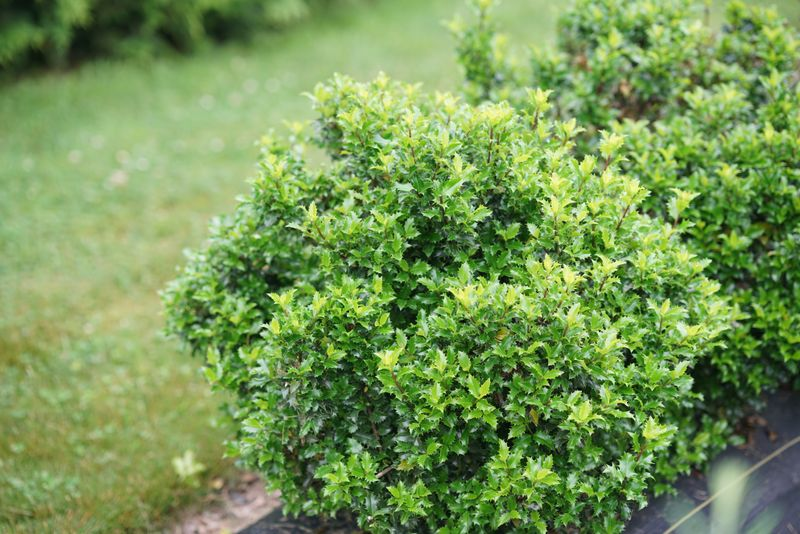
When it comes to versatility and visual impact, compact holly varieties are hard to beat in the Pennsylvania landscape.
Unlike the towering American Holly most people picture, compact hollies stay small and tidy, making them well-suited for foundation plantings, low hedges, and defined garden borders.
Their glossy, deep green leaves provide rich color year-round, and many varieties produce bright red berries in fall and winter that add a festive, eye-catching quality to the yard.
Blue hollies, including cultivars in the Ilex x meserveae group, are among the most popular compact options for Pennsylvania gardeners.
They are cold-hardy, tolerant of wind exposure, and hold their color exceptionally well through the grey winter months.
To get reliable berry production, you will need to plant at least one male variety near your female plants – a small but important detail that makes a big difference in the visual payoff come autumn.
Compact hollies do well in full sun to partial shade and prefer slightly acidic, well-drained soil, conditions that are easy to achieve in many Pennsylvania gardens with a bit of soil amendment.
They respond nicely to light shearing in late winter, which keeps their form tidy without stressing the plant.
Deer tend to avoid most holly varieties due to their spiny leaves, giving them an added advantage in areas where deer browsing is a concern.
For a polished, four-season look, compact hollies are one of the strongest choices available to Pennsylvania homeowners today.