13 Essential Garden Tasks For Oregon Gardeners This February
February is not a waiting month for Oregon gardeners. It is a preparation month. What you do now shapes how smoothly spring unfolds, how healthy your plants grow, and how much work you avoid later.
Soil is slowly warming, daylight is stretching, and many plants are just beginning to stir beneath the surface.
This is the window for quiet but important jobs that set the foundation for the entire season. Prune at the right time, refresh the soil, check for early pests, and get beds ready before growth takes off.
A little effort now prevents bigger problems when the garden gets busy. Think of February as your reset point, a chance to clean up, plan ahead, and give your garden a strong, steady start before the rush of spring arrives.
1. Start Seeds Indoors
Tomatoes and peppers need a long head start if you want ripe fruit before Oregon’s cool fall weather arrives.
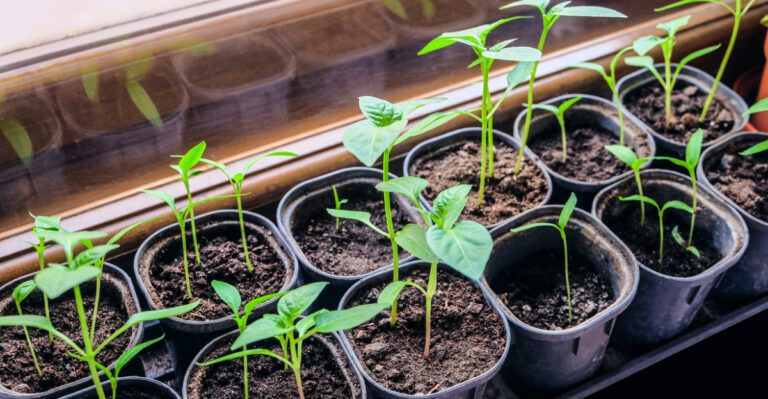
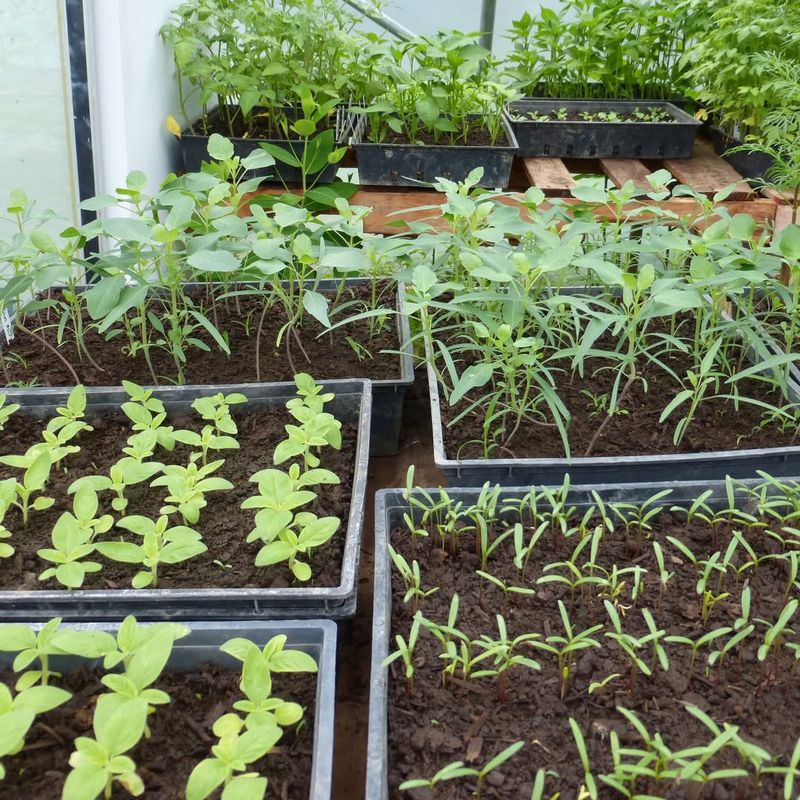
Starting seeds indoors around mid-February gives these heat lovers the time they need to mature fully, since our outdoor growing season is shorter than seed packets often assume.
You’re basically creating a mini greenhouse environment that lets plants develop strong roots and sturdy stems before facing the real world.
Many gardeners make the mistake of starting too early or too late, then wonder why their plants either get leggy and weak or don’t produce much fruit. Timing matters more than enthusiasm here.
Besides tomatoes and peppers, you can also start eggplant, early cabbage, broccoli, and even some flower seeds that appreciate a jump on the season.
Natural window light usually isn’t strong enough this time of year, so consider inexpensive grow lights that sit just a few inches above your seedlings. Keep the soil consistently moist but not soggy, and use a heat mat underneath if your house runs cool.
Room temperature works fine for most seeds, but warmth speeds up germination noticeably and gives you stockier, healthier transplants when planting time arrives in April or May.
2. Plant Bare-Root Goodies
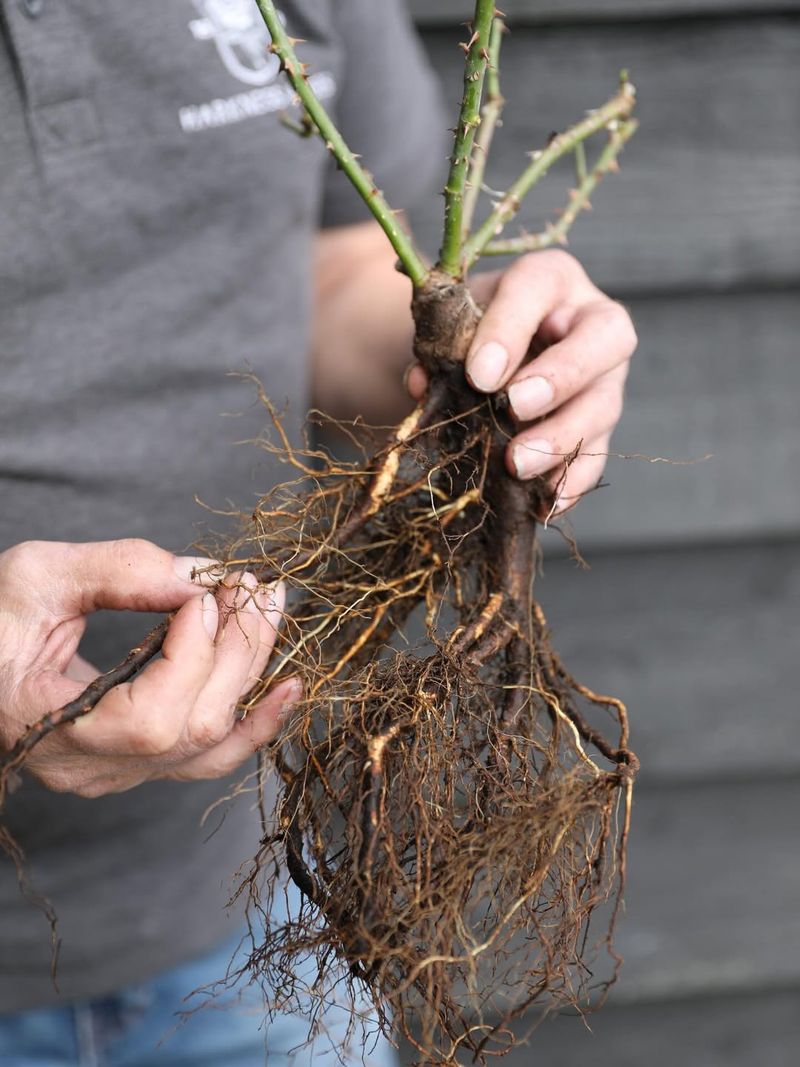
Bare-root plants arrive while they’re still sleeping, which means less shock when you transplant them and better root establishment once they wake up.
February is prime time for getting fruit trees, berries, roses, and asparagus crowns into the ground before they break dormancy.
Once leaves start appearing, bare-root planting becomes much trickier and success rates drop significantly.
The roots look alarmingly naked and fragile when you first unwrap them, but that’s actually the point. Without soil around them, roots spread out naturally in your planting hole instead of circling around in the shape of a pot.
You get faster growth and stronger plants that anchor themselves properly from the beginning, rather than struggling against their original container shape for years.
Soak the roots in water for a few hours before planting if they seem dry, then dig a hole wide enough that roots can spread without bending or crowding.
Create a small mound in the center of the hole and drape the roots over it naturally, then backfill with your native soil.
Our Oregon soil is usually moist enough in February that you won’t need to water immediately unless we’re having an unusually dry spell, but check weekly as spring approaches.
3. Prune Fruit Trees
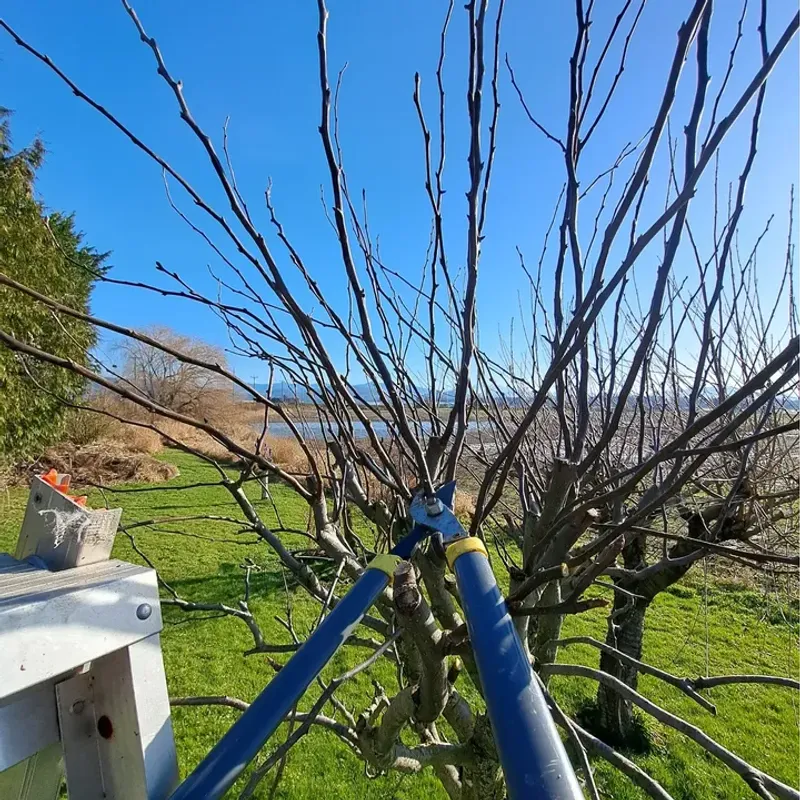
When the branches are still bare and you can see the whole shape of your trees clearly, that’s when pruning makes the most sense.
February is the sweet spot in Oregon because your fruit trees are still dormant but buds are starting to swell just enough that you can identify which branches will actually produce fruit.
Waiting until March often means you’re cutting into active growth, which stresses the tree more than necessary.
Most gardeners put off pruning because it feels intimidating, but the basic idea is simpler than you think. You’re opening up the center to let light and air reach all the branches, which reduces disease and helps fruit ripen evenly.
Remove any branches that cross or rub against each other, along with damaged wood that won’t produce anything useful anyway.
Sharp, clean tools make all the difference here. Dull blades crush the wood instead of making clean cuts, leaving wounds that invite infection in our damp climate.
Apples, pears, plums, and cherries all benefit from February pruning, though you’ll want to hold off on apricots until summer since they’re more prone to disease from winter cuts.
4. Finish Winter Sprays
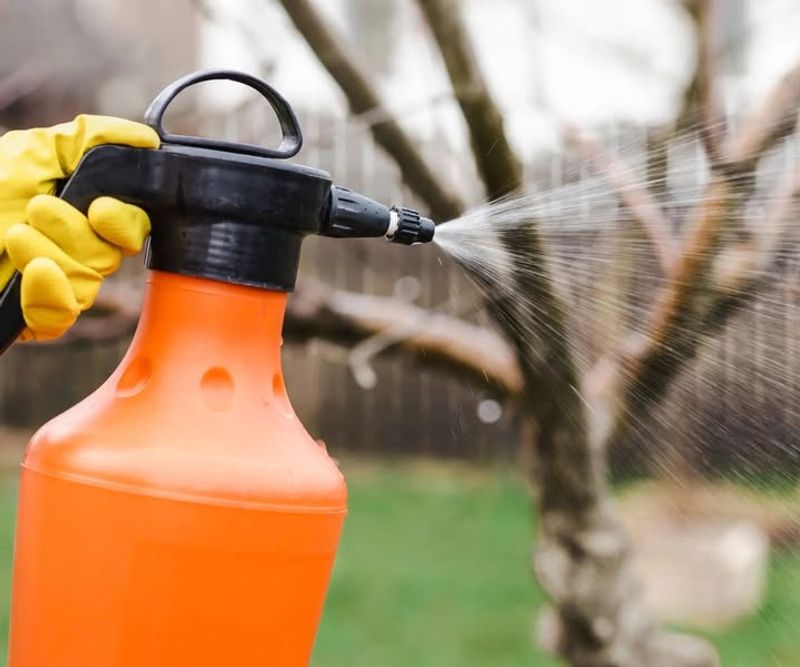
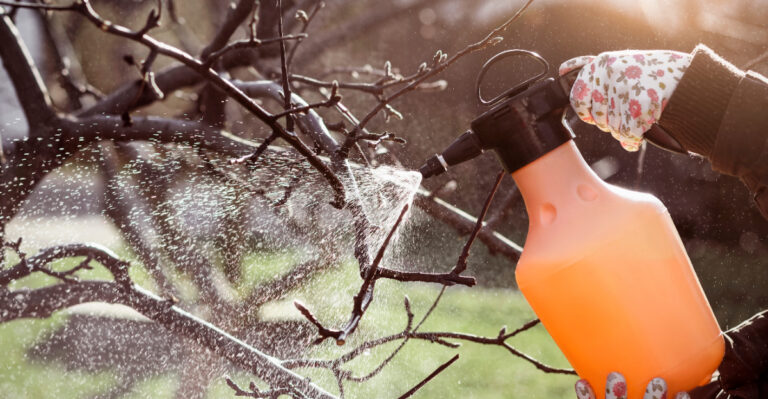
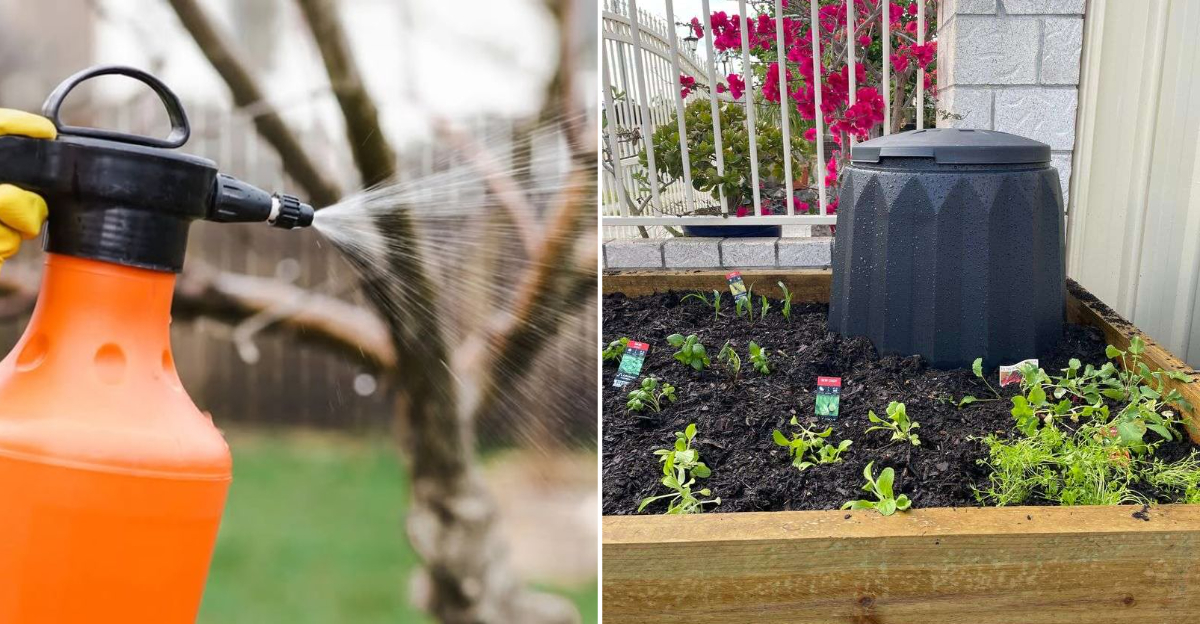
Dormant oil and copper sprays work because they smother overwintering pests and disease spores before they become active problems later.
February is your last realistic chance to apply these treatments, since you need dry weather and temperatures above freezing but trees that haven’t leafed out yet.
Once buds open significantly, spraying becomes less effective and potentially harmful to emerging growth.
Aphids, scale insects, mites, and fungal spores all hide in bark crevices through winter, waiting for warmer weather to explode into infestations that damage your harvest. A thorough spray now prevents most of those problems without needing stronger chemicals during growing season.
Many organic gardeners rely entirely on dormant sprays as their main pest control strategy, which works surprisingly well in our climate.
Mix according to label directions and spray on a calm day when rain isn’t forecast for at least 24 hours afterward. You want complete coverage of all bark surfaces, including the undersides of branches where insects particularly like to shelter.
Fruit trees benefit most, but ornamental trees and shrubs prone to fungal issues also appreciate the treatment.
Just avoid spraying evergreens or anything already showing green growth, since oil can damage active foliage.
5. Clean Your Tools
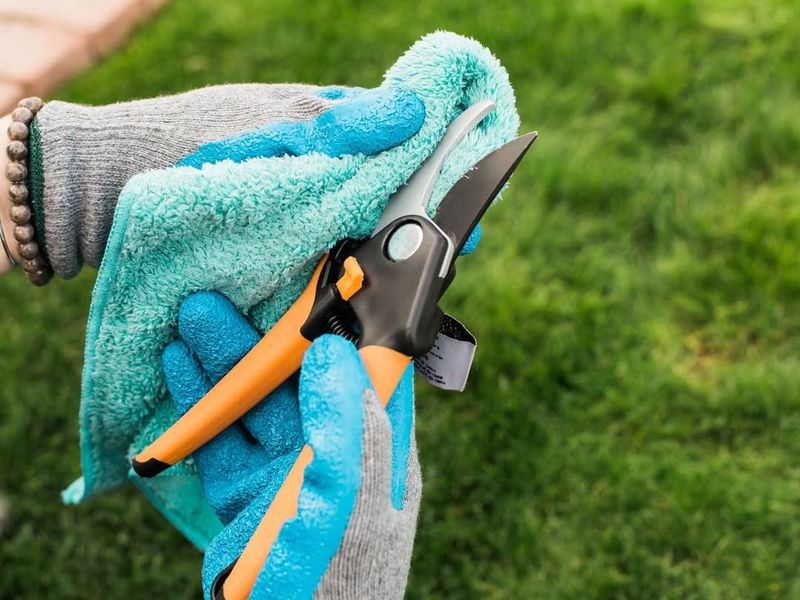
Rust and dried sap build up faster than you realize, especially in Oregon’s damp climate where metal corrodes quickly if you’re not paying attention.
February gives you a natural pause to inspect, clean, sharpen, and oil everything before the busy season hits and you’re too rushed to bother.
Clean tools work better, last longer, and spread fewer diseases between plants when you’re pruning or dividing.
Start by scraping off any dried mud or plant residue with a wire brush, then wipe blades down with rubbing alcohol or a diluted bleach solution to destroy disease organisms.
This step matters more than most gardeners realize, since fungal spores and bacteria can hitchhike from one plant to another on dirty tools.
Sharpen cutting edges with a file or sharpening stone, working at the same angle as the existing bevel.
Finish by coating metal parts with a light layer of oil to prevent rust, and tighten any loose bolts or handles you’ve been ignoring. Check wooden handles for splinters or cracks that could cause blisters later, and sand them smooth if needed.
Your future self will thank you when everything works smoothly in April instead of fighting with dull, sticky tools when you’re trying to get plants in the ground quickly.
6. Weed Before The Rush
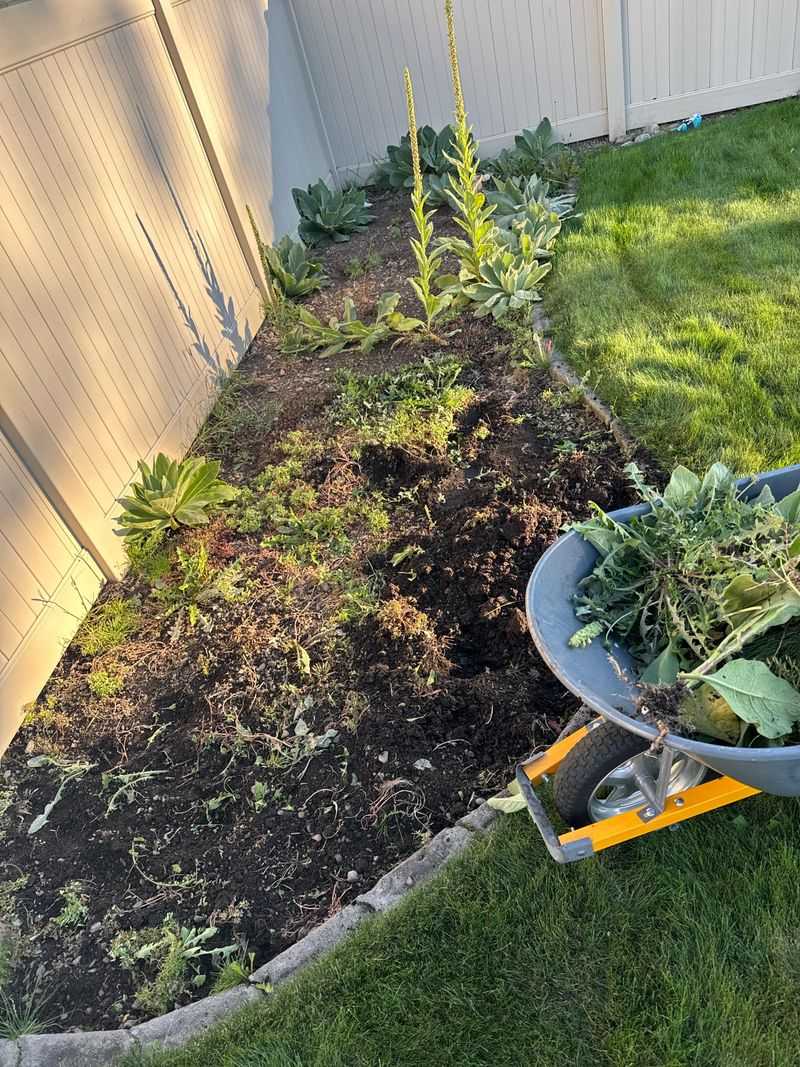
Chickweed, bittercress, and dandelions are already growing steadily even though your garden plants are barely awake yet.
These cool-season weeds thrive in Oregon’s winter weather and spread like crazy if you ignore them now, setting thousands of seeds by March that guarantee years of extra work.
Getting them out while they’re still small and before they flower saves enormous effort compared to battling established weeds all summer.
The soil is usually soft and moist in February, which means roots pull out easily with minimal effort.
You can often clear a whole bed in the time it would take to remove half as many weeds during dry summer conditions when roots break off and regrow from fragments.
Young weeds also haven’t developed extensive root systems yet, so you’re actually removing the whole plant instead of just the top growth.
Focus on areas where you’ll be planting soon, since getting ahead of weeds now means cleaner beds when you’re ready to sow seeds or set out transplants.
Pay special attention to anything flowering already, since even tiny bittercress plants can shoot seeds several feet when disturbed.
Toss pulled weeds in your yard waste bin rather than composting them, unless you’re certain your compost gets hot enough to destroy all seeds reliably.
7. Add Fresh Compost
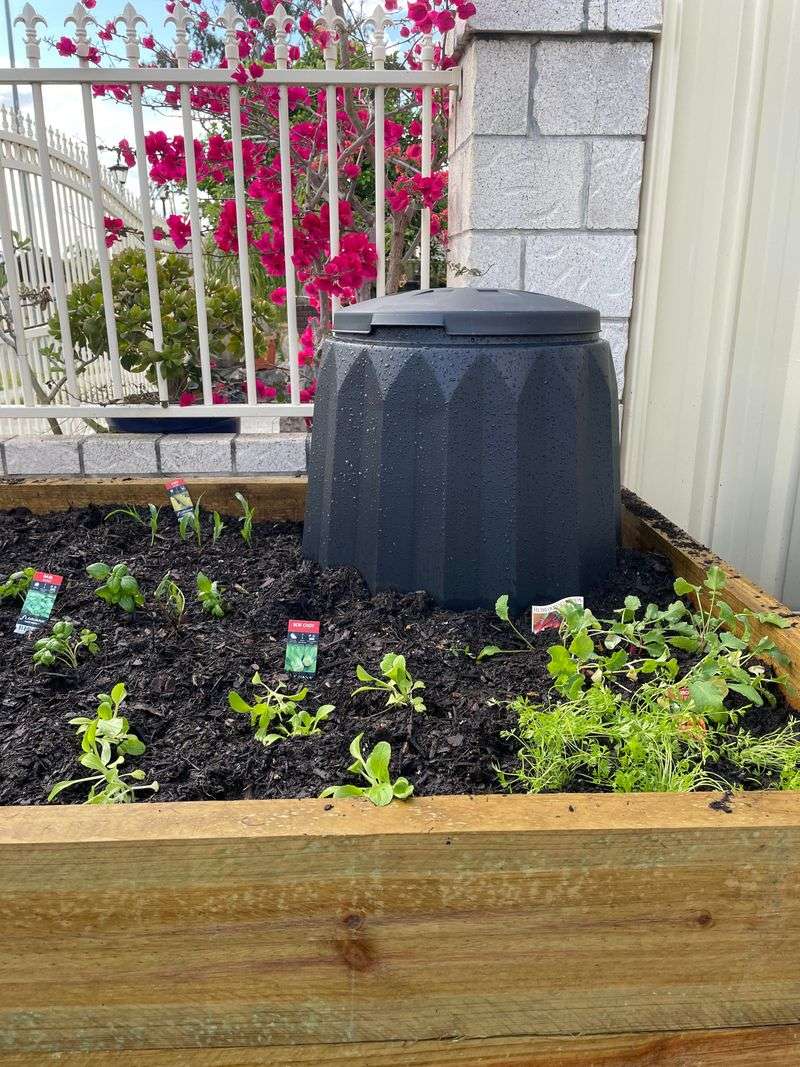
Spreading compost now gives it time to settle in and start feeding soil organisms before you plant anything.
February’s rain and cool temperatures are perfect for working organic matter into the top few inches of soil, or simply laying it on the surface as a mulch that worms will gradually incorporate for you.
Either way, you’re building soil structure and adding nutrients that will support healthy plant growth all season.
Most Oregon soils benefit tremendously from regular compost additions since our heavy clay needs help with drainage while our sandy soils need better moisture retention.
Compost improves both situations by creating stable soil structure that holds water when needed but drains well during our wet winters.
You’re also feeding beneficial microorganisms that help plants access nutrients and resist diseases naturally.
Aim for a layer about two inches thick across your beds, more if your soil is particularly heavy clay or very sandy. Avoid piling compost directly against plant stems or tree trunks since that encourages rot and pest problems.
If your own compost bin isn’t producing enough yet, many Oregon communities offer finished compost at reasonable prices, or you can buy bagged versions at garden centers. The investment pays off quickly in healthier plants and reduced need for fertilizers later.
8. Divide Perennials
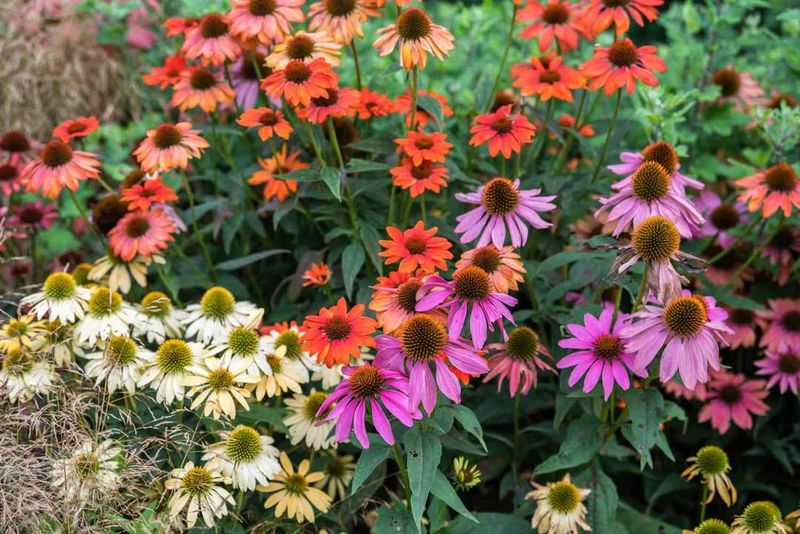
Overgrown clumps of ornamental grasses, daylilies, hostas, and many other perennials bloom less and look messier as they age. Dividing them every few years rejuvenates the plants completely, giving you multiple healthy divisions from one tired clump.
February works well because plants are dormant enough that they won’t notice being disturbed, but soil is workable and there’s time for roots to establish before summer heat arrives.
Dig up the entire clump and use a sharp spade or knife to cut it into sections, making sure each piece has both roots and growth buds.
Some plants pull apart easily by hand while others need more aggressive cutting, depending on how woody or fibrous their root systems are.
Don’t worry about being too gentle since most perennials are remarkably tough and recover quickly from division.
Replant divisions at the same depth they were growing originally, spacing them far enough apart that they’ll have room to fill in over the next few years. Water them in well even though the soil is already moist, since that helps eliminate air pockets around roots.
You’ll end up with more plants to fill empty spots in your garden or share with friends, plus the original plants will grow more vigorously and flower better than they have in years.
9. Plan Spring Planting
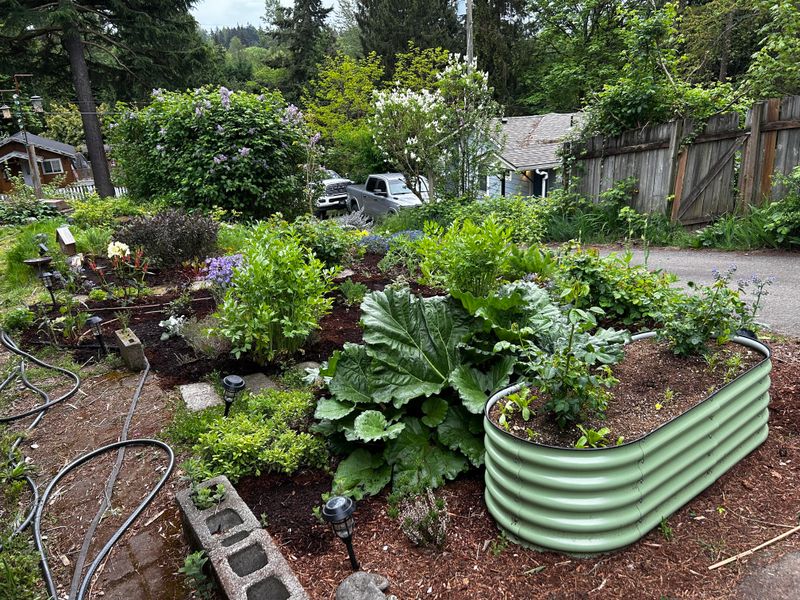
Seed catalogs are dangerously tempting, but random ordering usually leads to a jumbled garden that doesn’t produce as well as you hoped.
Taking time now to actually sketch out where things will go prevents overcrowding and helps you remember to include succession plantings for crops you want all season.
You can also make sure you’re ordering the right quantities instead of ending up with way too much of one thing and not enough of another.
Consider which areas get full sun versus partial shade, since that determines what will actually thrive in each spot. Think about plant heights too, putting taller crops where they won’t shade out shorter ones unless you’re deliberately using them for summer shade.
Crop rotation matters if you’re growing vegetables, moving plant families to different beds each year to reduce pest and disease buildup in the soil.
Write down planting dates based on Oregon’s actual climate rather than seed packet recommendations written for the whole country. Many crops can go in the ground earlier here than you might think, while heat lovers need to wait longer than you’d prefer.
Planning now means you’ll have everything ready when the right planting window arrives instead of scrambling to find seeds or starts at the last minute when selection is already picked over.
10. Hunt Early Slugs
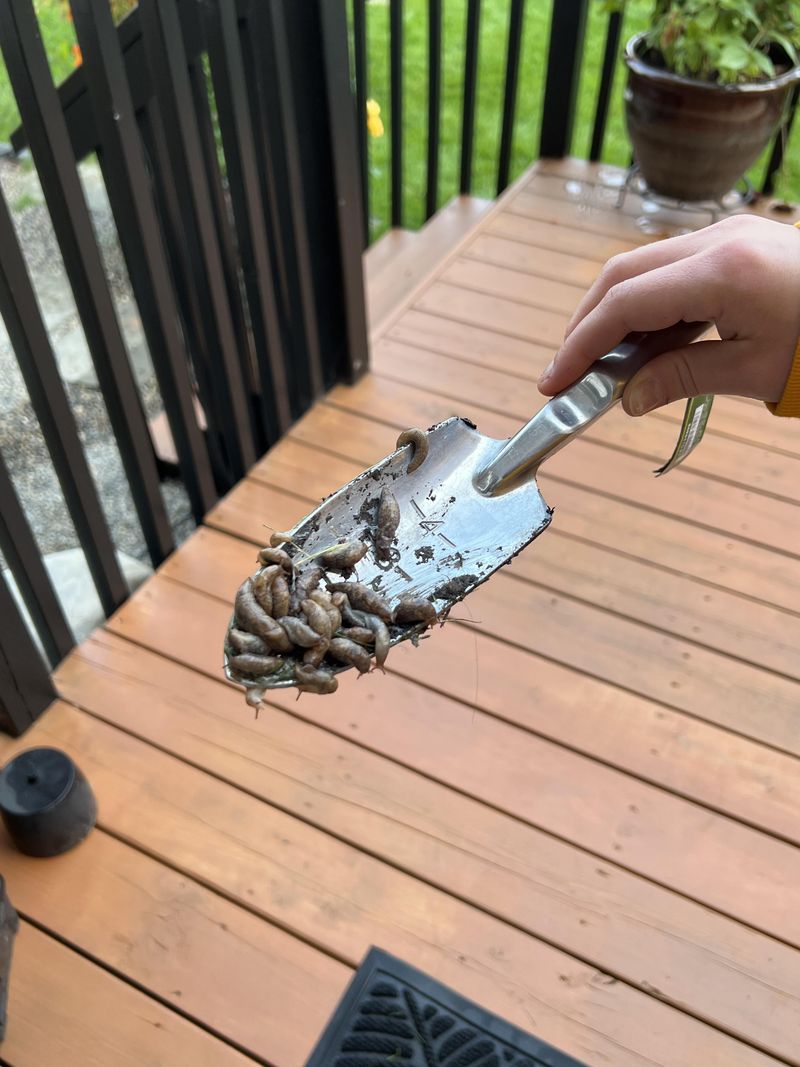
One slug in February can turn into hundreds by summer, each one capable of devastating your seedlings overnight. Our mild, wet winters mean slugs stay active year-round in Oregon rather than dying back like they do in colder climates.
Getting their population under control now, before plants are actively growing, gives you a huge advantage once tender seedlings emerge and become slug magnets.
Check under boards, pots, and leaf piles where slugs hide during the day, and either squash them or drop them in soapy water.
Hand-picking feels tedious but it’s remarkably effective when populations are still relatively low, and it costs nothing except a few minutes of your time.
You can also set out beer traps or commercial bait stations in areas where you’ve seen slug damage before.
Clearing away hiding spots helps too, since slugs need dark, moist places to shelter between feeding sessions.
Move pots up onto benches instead of leaving them directly on soil, and pull back excess mulch from around plant crowns where slugs particularly like to congregate.
Encouraging ground beetles and other natural predators by providing some permanent habitat areas gives you long-term slug control without constant intervention, though February hunting still makes a noticeable difference in how many slugs you’ll deal with later.
11. Mulch The Beds
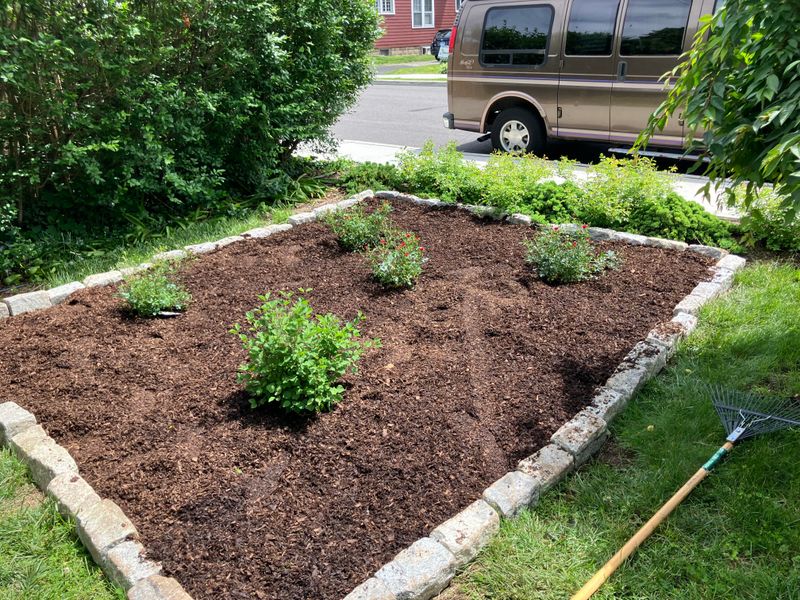
Bare soil erodes during February rains and loses nutrients that wash away instead of staying available for plants.
Mulch acts like a protective blanket that cushions the impact of raindrops and holds soil in place, while also suppressing weed seeds that would otherwise germinate in disturbed ground.
You’re basically creating a barrier that makes your garden maintain itself better with less work from you.
Wood chips, straw, and shredded leaves all work well depending on what you’re mulching and what’s available locally.
Vegetable beds do well with straw or compost mulch that breaks down relatively quickly and adds nutrients, while perennial beds and pathways benefit from longer-lasting wood chips that you won’t need to replace as often.
Keep mulch a few inches away from plant stems and tree trunks to prevent rot issues in our damp climate.
Aim for a layer about three inches deep once it settles, which is thick enough to suppress most weeds but not so deep that it smothers plants or prevents water from reaching roots.
Mulching now means you won’t be fighting mud all spring when you’re trying to work in the garden, and soil underneath stays warmer and more biologically active than bare ground would.
The mulch also breaks down gradually, adding organic matter that improves soil structure over time.
12. Start Chitting Potatoes
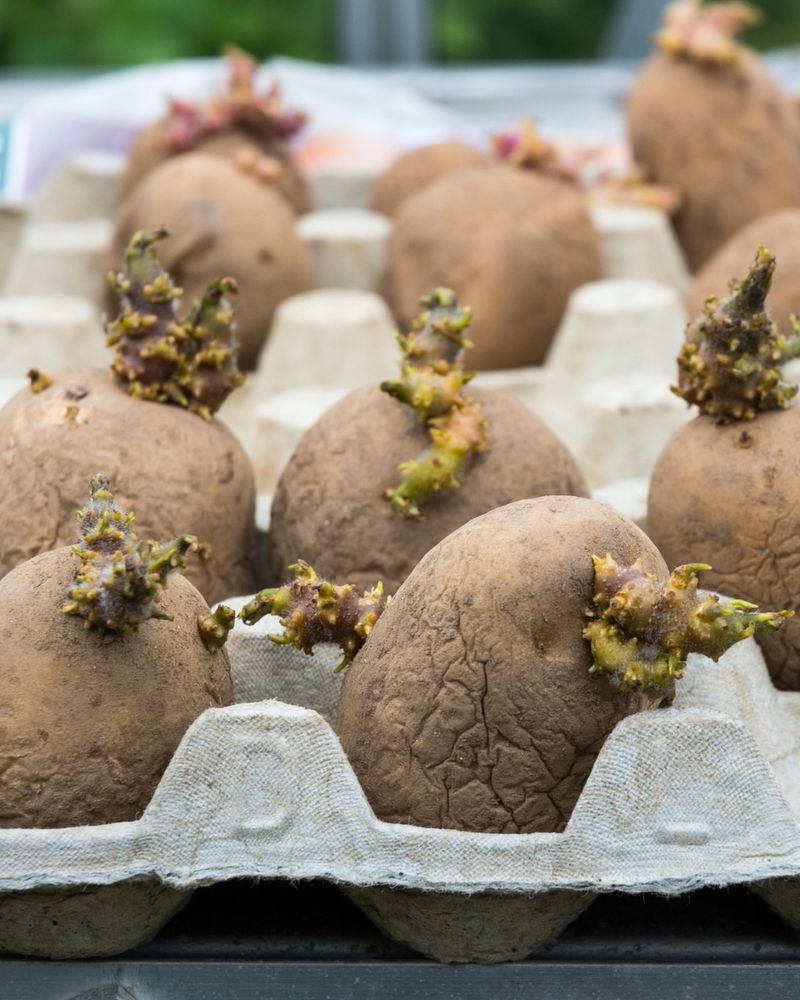
Chitting just means letting seed potatoes develop short, sturdy sprouts before planting, which gives them a head start and leads to earlier harvests.
You set them in egg cartons or shallow trays with the end that has the most eyes facing up, then put them somewhere bright but cool where they’ll slowly develop thick green shoots.
This pre-sprouting process takes a few weeks, making February the perfect time to start if you want to plant potatoes in March or early April.
Many gardeners skip this step and plant potatoes directly, which works fine but means you’re waiting longer for harvest and sometimes getting weaker plants.
Chitted potatoes emerge faster and more vigorously because they’ve already used some of their stored energy to develop sprouts.
You end up with stronger plants that establish quickly and start producing tubers sooner than potatoes planted without any pre-sprouting.
Choose certified seed potatoes rather than grocery store ones, since commercial potatoes are often treated to prevent sprouting and may carry diseases that will spread in your garden.
Look for early varieties if you want new potatoes by June, or main crop types for larger harvests later in summer.
The sprouts should be about an inch long and stocky rather than long and pale, which means they’re getting enough light and won’t break off easily when you handle them during planting.
13. Prep For Spring
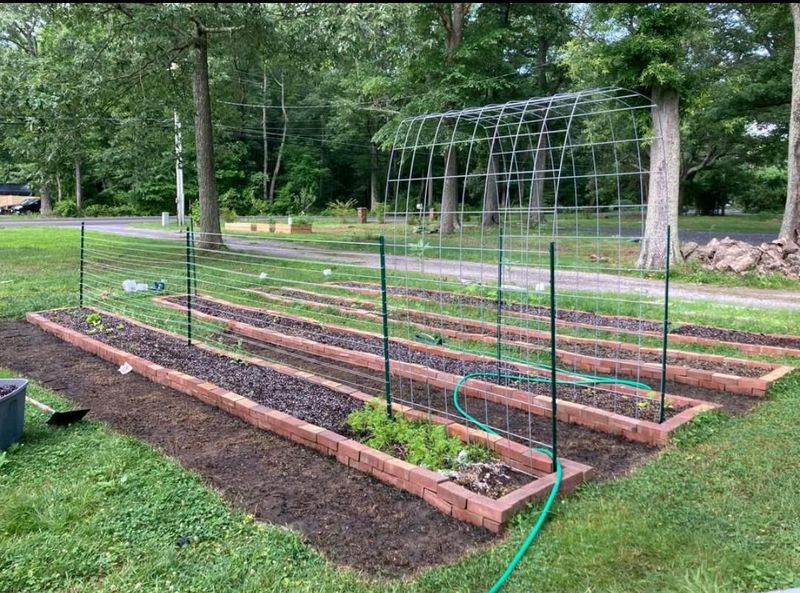
Gardens that look ready for planting don’t happen by accident when March suddenly turns sunny and you want to get seeds in the ground immediately.
Spending time now to edge beds, repair paths, fix trellises, and organize your potting area means you won’t waste precious planting days on maintenance tasks when timing actually matters for crop success.
You’re basically removing all the friction that usually slows down spring gardening.
Walk through your garden and make notes about what needs attention before you’re rushing to plant. Maybe a raised bed needs new boards, or your tomato cages are still tangled in a corner from last fall.
Perhaps the gate sticks or the hose has a leak you kept meaning to fix. Addressing these things now, while weather is still unpredictable and you can’t plant much anyway, means everything works smoothly when you’re actually ready to use it.
Set up your potting bench with supplies organized and easily accessible, and make sure you have adequate seed starting mix, pots, and labels before you need them.
Check that your watering system works properly if you have one, or at least confirm that hoses aren’t cracked and connections don’t leak.
These small preparations compound into significant time savings and much less frustration once the busy season arrives and you’re trying to keep up with everything growing at once.