7 Essential Gardening Tasks To Do In February In California
February in California is the perfect month to get a head start on your garden and set the stage for a vibrant spring. Even though winter lingers, there’s plenty to do that can make a big difference in your plants’ health and productivity.
A little effort now pays off big later. From prepping soil to pruning dormant shrubs, February is the time to plan, plant, and protect your garden.
Healthy soil, strong plants, and early blooms start here. It’s also the ideal month to sow cool-season vegetables and get seeds started indoors for a head start on summer crops.
Smart planning now means abundant harvests later. Fertilizing, mulching, and checking irrigation systems ensures your garden thrives once the sun warms up.
Every small task sets your garden up for success. Take advantage of February to give your California garden a strong start to the year.
1. Prune Fruit Trees And Berry Bushes
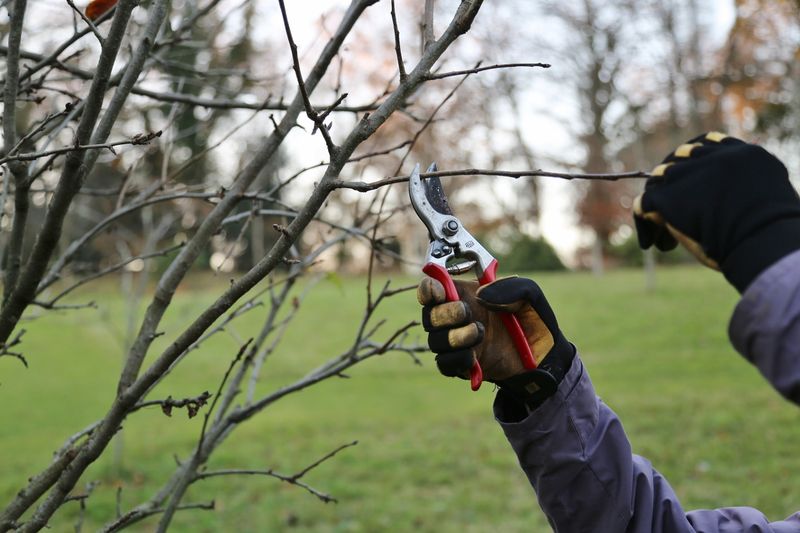
Late winter pruning gives your fruit trees and berry plants the best chance at producing abundant harvests later in the year. February is the perfect month in California to shape dormant trees and remove any dry, damaged, or crossing branches that could hinder healthy growth.
When trees are dormant, you can easily see their structure and make clean cuts that heal quickly once spring arrives.
This task might seem intimidating at first, but with sharp, clean tools and a basic understanding of pruning principles, even beginner gardeners can master this essential skill.
Start by removing any branches that grow inward toward the center of the tree, as these block sunlight and air circulation. Good airflow helps prevent fungal diseases that thrive in California’s humid coastal regions and foggy mornings.
Next, cut back last year’s growth on berry bushes like blueberries and raspberries to encourage vigorous new canes that will bear the most fruit.
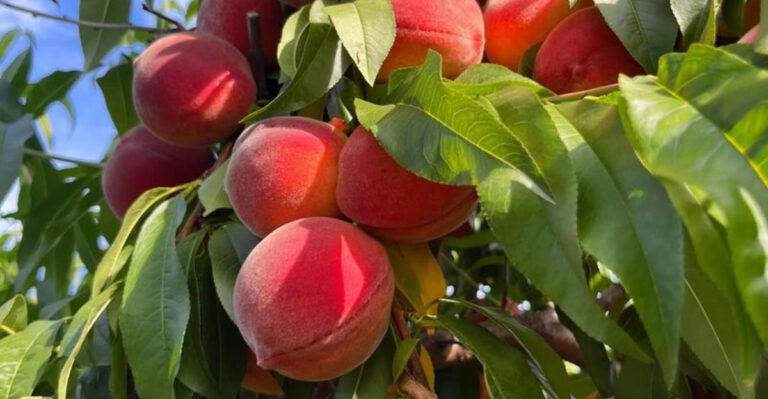
Aim to create an open, vase-shaped structure for most fruit trees, which allows sunlight to reach all parts of the canopy. Stone fruits like peaches, plums, and apricots respond especially well to February pruning throughout California.
Always use sharp bypass pruners for small branches and a pruning saw for larger limbs, and remember to sterilize your tools between cuts to prevent spreading disease.
Take your time with this task and step back frequently to assess your progress. Proper pruning now sets the stage for healthier trees, bigger fruits, and easier harvesting when summer arrives in California gardens.
2. Plant Bare-Root Trees, Shrubs, And Roses
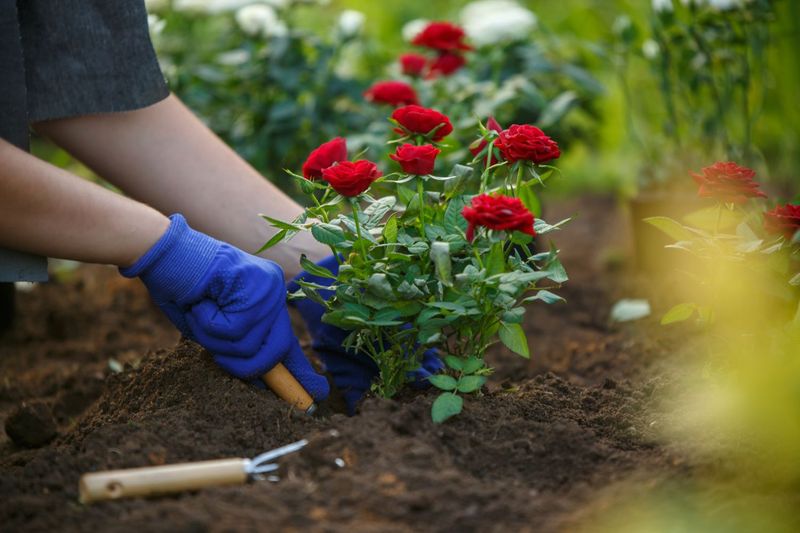
Bare-root planting season reaches its peak during February across California, offering gardeners an economical way to add new trees, shrubs, and roses to their landscapes.
Nurseries stock bare-root plants during winter months because dormant plants transplant more successfully than actively growing ones.
Without leaves demanding water and energy, bare-root plants can focus entirely on establishing strong root systems in their new homes. You will find excellent selection and lower prices compared to container-grown plants, making this the smartest time to expand your garden.
Before planting, soak bare roots in a bucket of water for several hours to rehydrate them after their time in storage. Dig a hole wide enough to spread roots naturally without crowding or bending them.
Create a small mound of soil in the center of the hole and drape the roots over it, then backfill with native soil mixed with a bit of compost.
Position the graft union on roses about two inches above the soil line in most California regions, though coastal gardeners can plant it right at soil level. Water deeply after planting to eliminate air pockets and settle soil around the roots.
Bare-root fruit trees like apples, pears, and cherries adapt beautifully to California gardens when planted in February.
Roses planted now will bloom vigorously by late spring, rewarding your early efforts with stunning flowers.
The cool February weather allows plants to adjust to their new environment without the stress of summer heat, giving them several months to develop robust root systems before facing California’s warm season.
3. Prepare And Amend Garden Beds
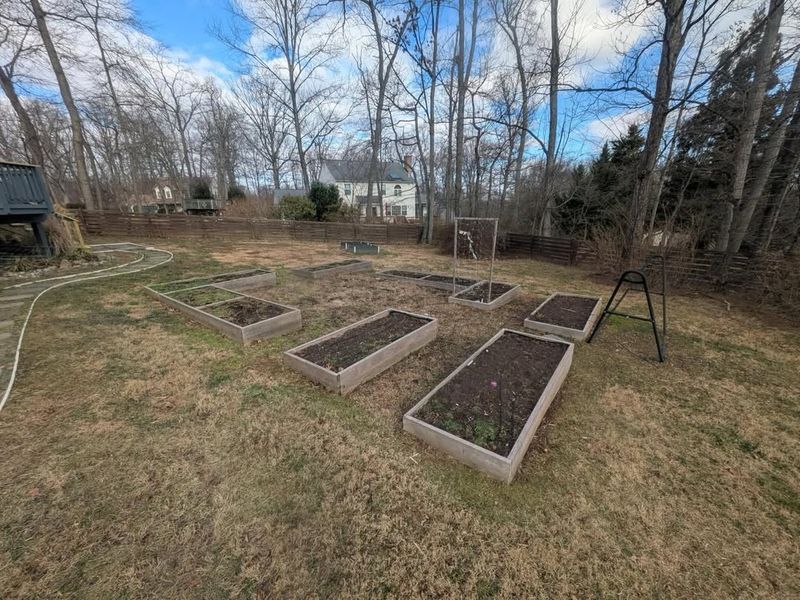
Getting your garden beds ready in February gives you a head start on California’s spring planting season. Soil preparation might not seem as exciting as planting colorful flowers or harvesting vegetables, but it is absolutely the most important foundation for garden success.
Healthy soil creates healthy plants, and February’s mild weather makes it comfortable to work outside while the ground is still moist and easy to dig. Now is the time to refresh tired beds, add organic matter, and create the perfect growing environment for spring crops.
Begin by removing any weeds, old plant debris, or winter cover crops from your beds. Spread a generous layer of compost, aged manure, or other organic matter across the surface, aiming for about two to three inches of material.
Work this into the top six to eight inches of soil using a garden fork or spade, breaking up any compacted areas as you go.
California’s clay soils benefit tremendously from added compost, which improves drainage and makes nutrients more available to plant roots. Sandy soils found in some coastal areas also improve with organic matter, which helps retain moisture during the dry months ahead.
Consider adding a balanced organic fertilizer to give plants a nutritional boost right from the start.
If you plan to grow vegetables, test your soil pH and adjust if necessary, since most vegetables prefer slightly acidic to neutral soil.
February soil preparation in California means your beds will be ready when it is time to plant warm-season crops like tomatoes, peppers, and squash in a few weeks.
4. Start Seeds Indoors For Spring Transplanting
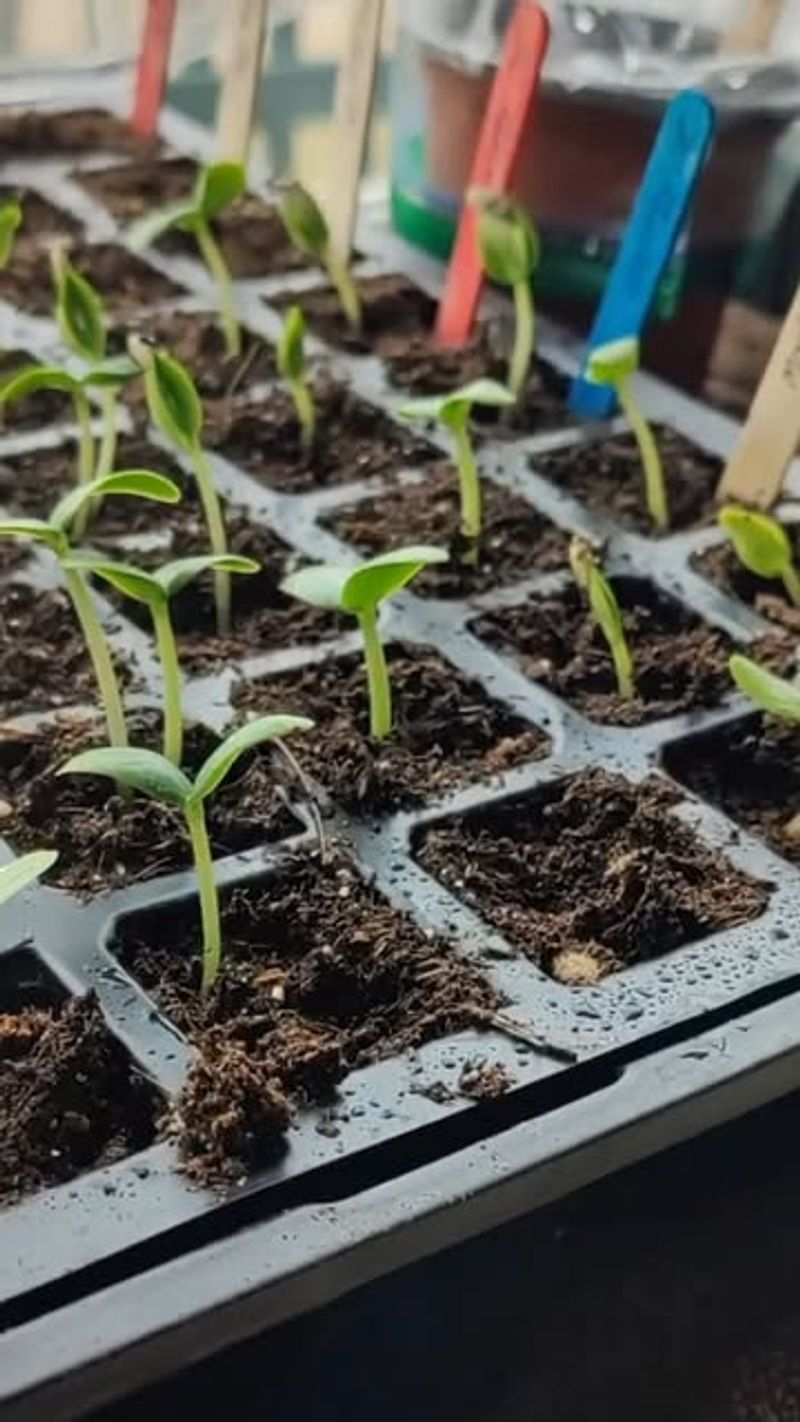
Indoor seed starting transforms February into an exciting month for California gardeners eager to get a jump on the growing season. While outdoor temperatures remain cool, especially in northern parts of the state, you can create perfect growing conditions inside your home for tender seedlings.
Starting seeds indoors gives you control over timing, variety selection, and growing conditions, plus it costs far less than buying transplants from nurseries.
Watching tiny seeds sprout and develop into strong seedlings brings special satisfaction that connects you directly to the growing process.
Focus on warm-season vegetables that need six to eight weeks of indoor growth before transplanting outside. Tomatoes, peppers, eggplants, and basil all benefit from an early February start in California.
Use seed-starting mix rather than garden soil, as it provides the light, sterile medium that prevents damping-off disease in young seedlings.
Sow seeds in clean containers with drainage holes, keeping the mix consistently moist but never soggy. Place containers in a warm location or use a seedling heat mat to maintain ideal germination temperatures between 70 and 75 degrees.
Once seeds sprout, move them immediately to a bright location near a south-facing window or under grow lights.
Seedlings need at least 12 to 16 hours of light daily to develop strong, stocky stems rather than weak, stretched-out growth. Rotate containers regularly so plants grow evenly.
By the time March and April arrive in California, your seedlings will be ready to transplant outdoors, giving you vigorous plants that produce earlier harvests than direct-sown seeds.
5. Plant Cool-Season Vegetables And Herbs
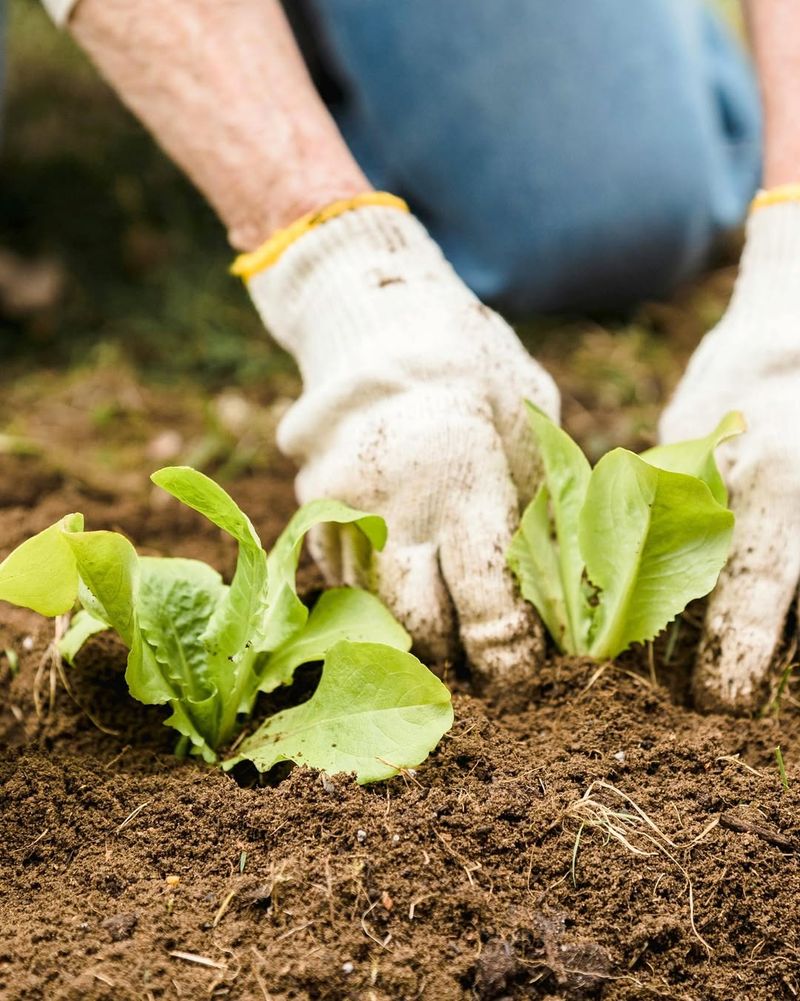
February offers California gardeners a fantastic window for planting cool-season crops that thrive in mild temperatures.
Unlike summer vegetables that need heat to produce, cool-season plants actually prefer the moderate days and chilly nights that characterize California’s late winter and early spring.
These hardy vegetables can handle light frosts that occasionally occur in inland areas, and they mature quickly enough to provide harvests before summer heat arrives. Planting now means you will enjoy fresh salads, crunchy vegetables, and flavorful herbs throughout spring.
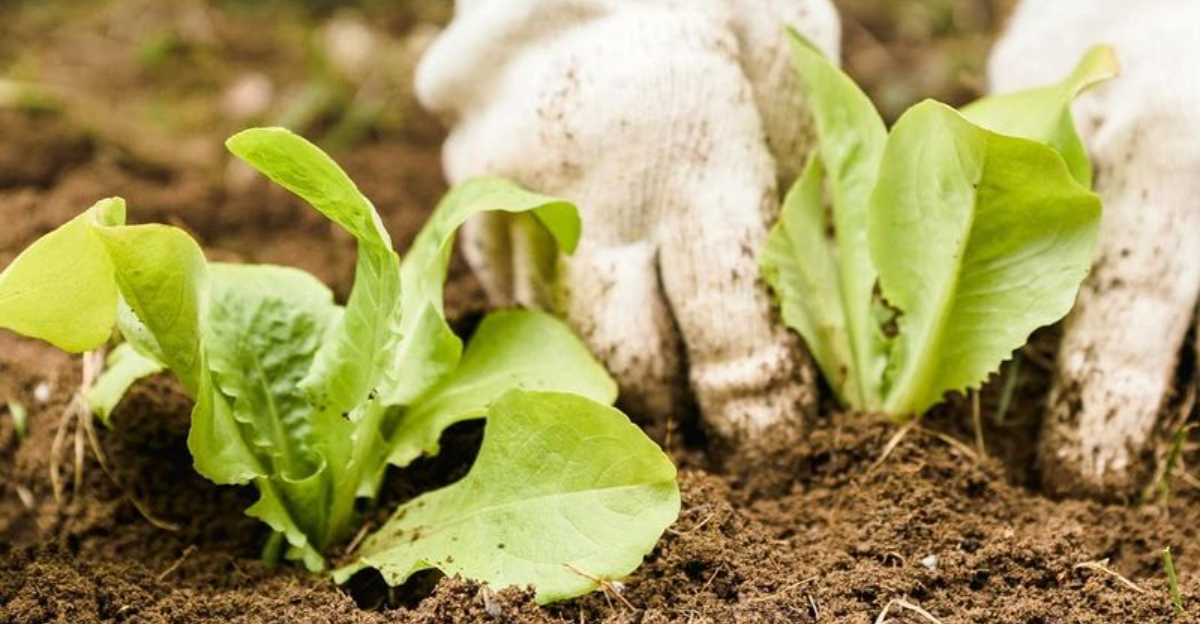
Direct sow seeds of lettuce, spinach, arugula, peas, carrots, radishes, and beets straight into prepared garden beds. These vegetables germinate readily in cool soil and grow steadily as days lengthen.
Plant transplants of broccoli, cauliflower, cabbage, and kale for faster results, spacing them according to their mature size.
Cool-season herbs like cilantro, parsley, and dill also flourish when planted in February across California. Water newly planted seeds and transplants gently but thoroughly, and keep the soil consistently moist until plants establish.
In warmer California regions, consider providing afternoon shade for lettuce and other greens to extend their harvest period.
Succession planting works beautifully with quick-maturing crops like lettuce and radishes. Sow small amounts every two weeks throughout February and March to ensure continuous harvests rather than one overwhelming crop.
Many California gardeners find that vegetables planted in February taste sweeter and crisper than those grown in summer heat. Take advantage of this productive month to fill your garden with nutritious, delicious crops that will feed your family for months to come.
6. Fertilize Established Plants And Lawns
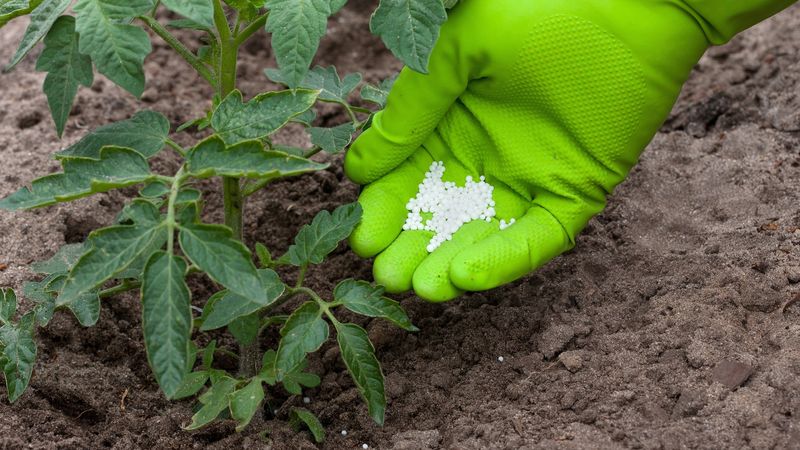
As plants begin waking from winter dormancy, February is the right time to provide them with nutrients they will need for vigorous spring growth throughout California. Fertilizing now supports the burst of new growth that occurs as temperatures warm and day length increases.
Plants emerging from dormancy have high nutritional demands, and feeding them early ensures they have the resources needed to produce healthy foliage, strong stems, and abundant flowers or fruits.
A well-timed February feeding can make the difference between plants that merely survive and those that truly thrive.
Apply a balanced, slow-release fertilizer around established trees, shrubs, and perennials, keeping it away from plant stems and trunks. Water deeply after fertilizing to move nutrients into the root zone where plants can absorb them.
Roses especially benefit from February fertilization in California, as they are heavy feeders that reward good nutrition with spectacular blooms.
Lawns across California also appreciate a light feeding in February to promote thick, green growth that crowds out weeds. Choose a fertilizer formulated for your grass type, whether you grow cool-season fescue or warm-season Bermuda grass.
Citrus trees growing throughout California should receive their first feeding of the year in February, using a fertilizer specially formulated for acid-loving plants.
Avoid over-fertilizing, which can actually harm plants and contribute to water pollution. Follow package directions carefully and remember that more is not better when it comes to plant nutrients.
Organic options like compost, fish emulsion, and kelp meal provide gentler, slow-release nutrition that improves soil health over time while feeding plants effectively throughout the California growing season.
7. Control Weeds Before They Take Over
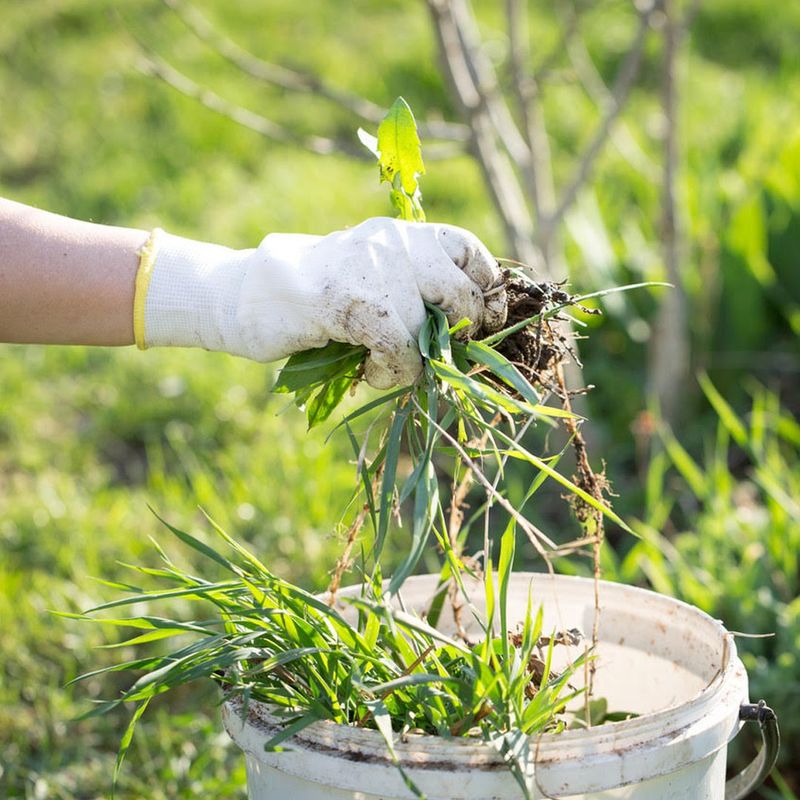
Weed control in February saves countless hours of work later in the season across California gardens. Weeds germinate enthusiastically during late winter rains, and small weed seedlings are infinitely easier to remove than mature plants with deep roots and thousands of seeds.
Walking through your garden now with a hoe or hand weeder allows you to eliminate weeds quickly before they become established.
This proactive approach prevents weeds from competing with your desired plants for water, nutrients, and sunlight, giving your vegetables, flowers, and ornamentals the resources they need to flourish.
Focus on annual weeds like chickweed, annual bluegrass, and groundsel that sprout rapidly in California’s winter moisture. Scrape them off at soil level with a sharp hoe on a sunny day, and they will dry out quickly without regrowing.
Pull perennial weeds like dandelions, oxalis, and bindweed by hand, removing as much root as possible to prevent regrowth.
After weeding, apply a fresh layer of mulch around plants to suppress new weed seeds from germinating. Organic mulches like wood chips, shredded bark, or straw also improve soil as they decompose, providing benefits beyond simple weed control.
In vegetable beds, consider using landscape fabric or cardboard beneath mulch for extra weed suppression.
Regular weeding sessions throughout February keep your California garden looking tidy and prevent weeds from setting seed. Just 15 minutes of weeding several times per week makes an enormous difference compared to letting weeds grow unchecked.
Remember that every weed you remove now is one less plant producing thousands of seeds for future generations to deal with in your garden.