7 Essential Gardening Tasks To Do This February In Arizona
February is a golden opportunity for Arizona gardeners to get a head start on the growing season. Even though winter lingers, there are essential tasks that can set your garden up for success once spring arrives.
A little effort now pays off big later. From prepping soil to pruning dormant shrubs, these activities encourage stronger growth, healthier plants, and vibrant blooms.
Smart planning now means a flourishing garden soon. It’s also the perfect time to start sowing cool-season vegetables and get seeds going indoors for a head start on summer crops.
Healthy soil and well-prepared plants make all the difference. Checking irrigation systems, fertilizing, and mulching now ensures your garden thrives in the intense Arizona sun later. Every small step now brings bigger harvests and blooms later.
1. Plant Cool-Season Vegetables For Spring Harvest
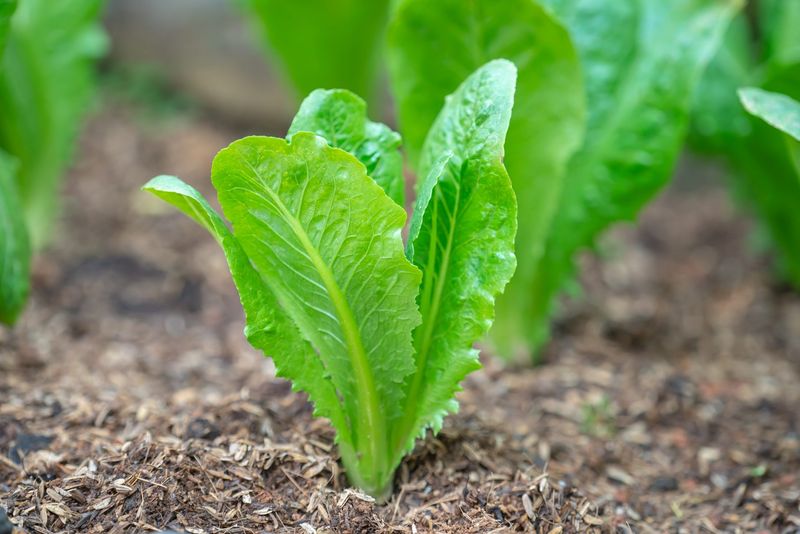
Arizona’s February weather provides excellent conditions for planting cool-season vegetables that will produce abundant harvests before summer heat arrives.
Gardeners throughout the state can sow seeds or transplant seedlings of lettuce, spinach, kale, broccoli, cauliflower, cabbage, and peas during this month.
The mild daytime temperatures and cool nights create an environment where these crops thrive without the stress of extreme heat.
Timing is everything when it comes to cool-season vegetables in Arizona. Plants started in February have enough time to mature and produce before temperatures soar in May and June.
Root vegetables like carrots, radishes, beets, and turnips also do exceptionally well when planted now, as the soil temperature is perfect for germination.
Preparing your soil properly makes a significant difference in vegetable success. Mix in compost or aged manure to improve soil structure and provide nutrients your plants need.
Arizona soils often lack organic matter, so adding these amendments helps retain moisture and supports healthy root development.
Consider succession planting with fast-growing crops like lettuce and radishes. Plant small amounts every two weeks throughout February to ensure a continuous harvest rather than everything maturing at once.
This strategy works particularly well in Arizona’s low desert areas where the growing window is relatively short.
Water your newly planted vegetables consistently but avoid overwatering, which can lead to problems in cooler weather. Morning watering is best, giving plants time to absorb moisture before nighttime temperatures drop.
With proper care and attention this month, your Arizona vegetable garden will reward you with fresh, homegrown produce throughout spring.
2. Prune Fruit Trees And Roses Before New Growth
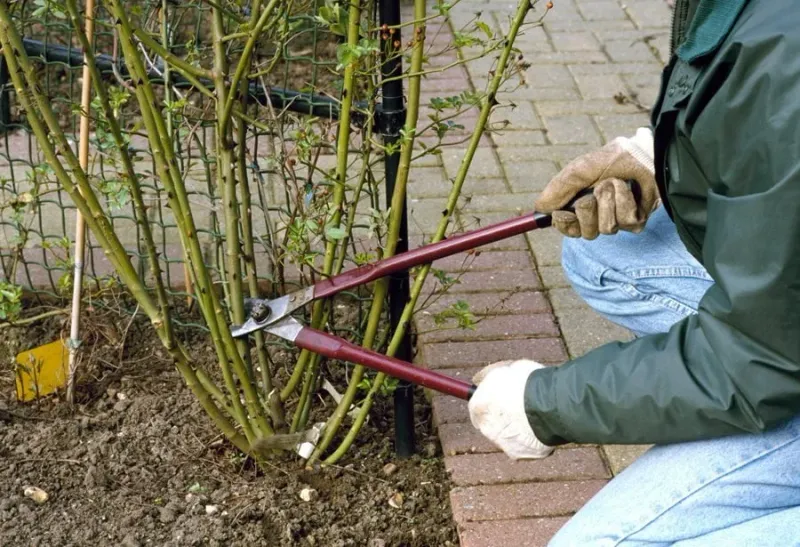
Late February marks the final opportunity to prune deciduous fruit trees and roses in Arizona before they break dormancy and begin spring growth.
Pruning during this dormant period allows you to shape trees, remove damaged branches, and improve air circulation without stressing the plants.
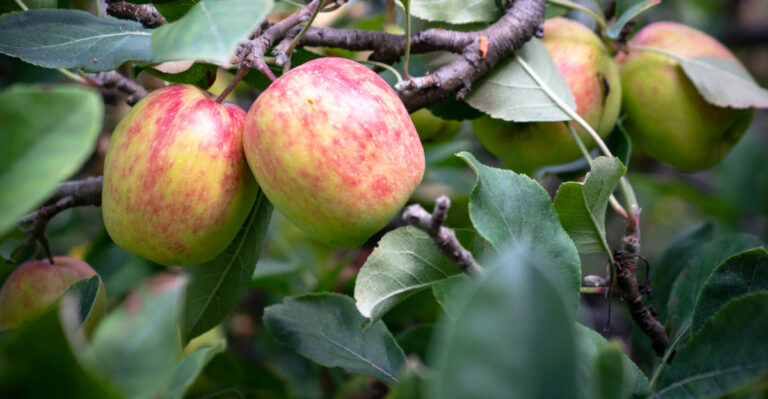
This task is particularly important for peach, apple, plum, and apricot trees grown throughout Arizona’s diverse climate zones.
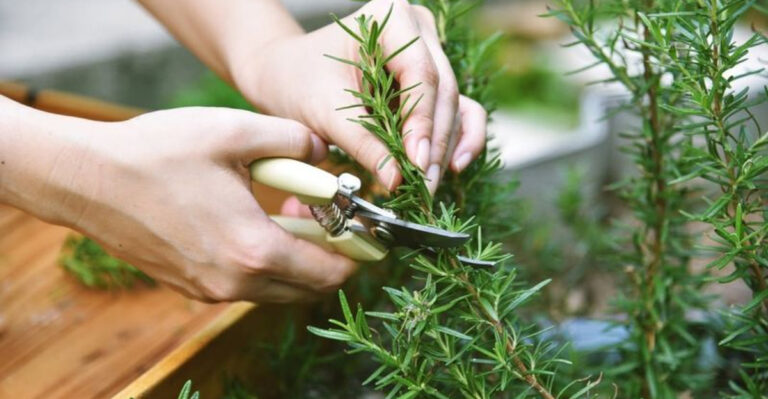
Sharp, clean pruning tools are essential for making proper cuts that heal quickly. Remove any dry, diseased, or crossing branches first, then focus on shaping the tree to allow sunlight to reach the interior branches.
Good pruning encourages strong structure and better fruit production in the coming season.
Roses benefit tremendously from February pruning in Arizona. Cut back hybrid tea roses to about 12 to 18 inches, making cuts at a 45-degree angle just above outward-facing buds.
This encourages vigorous new growth and abundant blooms. Climbing roses need lighter pruning, focusing mainly on removing old canes and shortening side shoots.
Different Arizona regions may have slightly different timing for pruning. Gardeners in higher elevations might wait until late February or early March, while those in the low desert should complete pruning by mid-February.
Watch your trees for signs of swelling buds, which indicate dormancy is ending.
After pruning, clean up and dispose of all trimmings to prevent disease spread. Apply a fresh layer of mulch around the base of trees and roses to conserve moisture and regulate soil temperature.
Proper pruning this month sets the stage for healthy, productive plants that will flourish throughout Arizona’s growing season.
3. Fertilize Citrus Trees For Healthy Growth
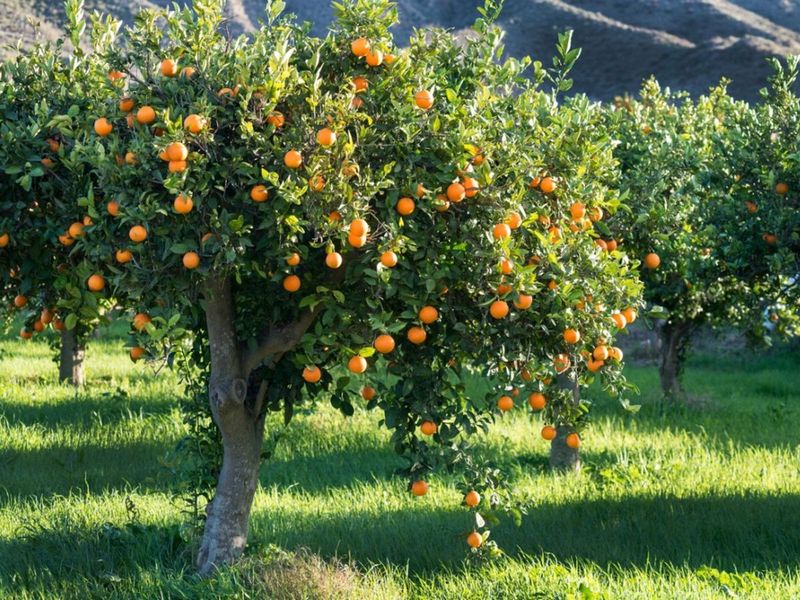
Citrus trees are treasures in Arizona gardens, and February is the perfect month to provide them with the nutrients they need for vigorous growth and abundant fruit production.
Trees are beginning to wake from winter dormancy, making this an ideal time to apply fertilizer before the major spring growth flush begins.
Proper fertilization now supports healthy foliage, strong branches, and better fruit development.
Choose a fertilizer specifically formulated for citrus trees, which contains the right balance of nitrogen, phosphorus, and potassium plus essential micronutrients like iron, zinc, and manganese.
Arizona soils are often alkaline and may lack these micronutrients, so selecting a complete citrus fertilizer ensures your trees get everything they need. Follow package directions carefully to avoid over-fertilizing, which can harm trees.
Apply fertilizer evenly around the drip line of the tree, which is the area directly beneath the outer edge of the canopy. Water thoroughly after application to help nutrients soak into the root zone.
Young citrus trees need less fertilizer than mature trees, so adjust amounts based on tree size and age. February is also an excellent time to check your citrus trees for any signs of nutrient deficiencies.
Yellowing leaves with green veins often indicate iron deficiency, common in alkaline Arizona soils. Addressing these issues now prevents problems later in the growing season.
Combine fertilization with deep watering to encourage strong root systems. Citrus trees in Arizona benefit from consistent moisture, especially as they prepare for spring growth.
A layer of organic mulch around the tree base helps retain soil moisture and gradually adds nutrients as it breaks down, complementing your fertilization efforts beautifully.
4. Prepare Garden Beds For Spring Planting
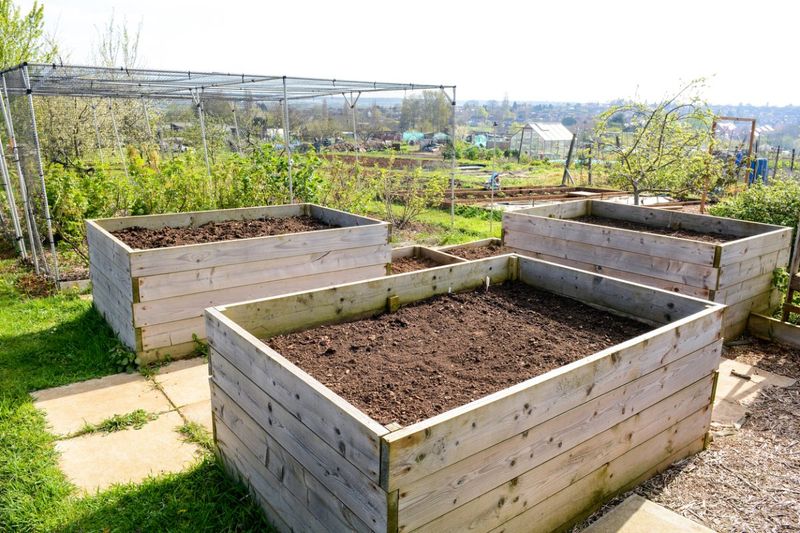
Getting your garden beds ready in February sets the foundation for a successful growing season across Arizona. This preparation work is easier to accomplish during the mild February weather than waiting until spring heat arrives.
Well-prepared beds give plants the best possible start and can significantly improve your garden’s productivity throughout the year.
Start by removing any remaining debris, weeds, or spent plants from last season. Clear beds allow you to assess soil condition and make necessary improvements.
Arizona’s intense sun and low rainfall can deplete soil organic matter quickly, so most garden beds benefit from generous additions of compost or well-aged manure.
Work organic matter into the top 6 to 8 inches of soil using a garden fork or tiller. This improves soil structure, increases water retention, and provides slow-release nutrients for growing plants.
If your soil is particularly heavy clay or extremely sandy, adding compost helps moderate these extremes and creates better growing conditions.
Consider installing drip irrigation systems or soaker hoses in February while beds are empty.
These efficient watering methods are particularly valuable in Arizona’s dry climate, delivering water directly to plant roots while minimizing evaporation. Setting up irrigation now saves time and effort later when beds are full of growing plants.
Test your soil pH if you have not done so recently. Arizona soils tend to be alkaline, which can affect nutrient availability for certain plants.
Understanding your soil’s pH helps you make informed decisions about amendments and plant selection. Add sulfur if you need to lower pH for acid-loving plants, giving it time to work before planting begins in earnest.
5. Plant Bare-Root Trees And Shrubs
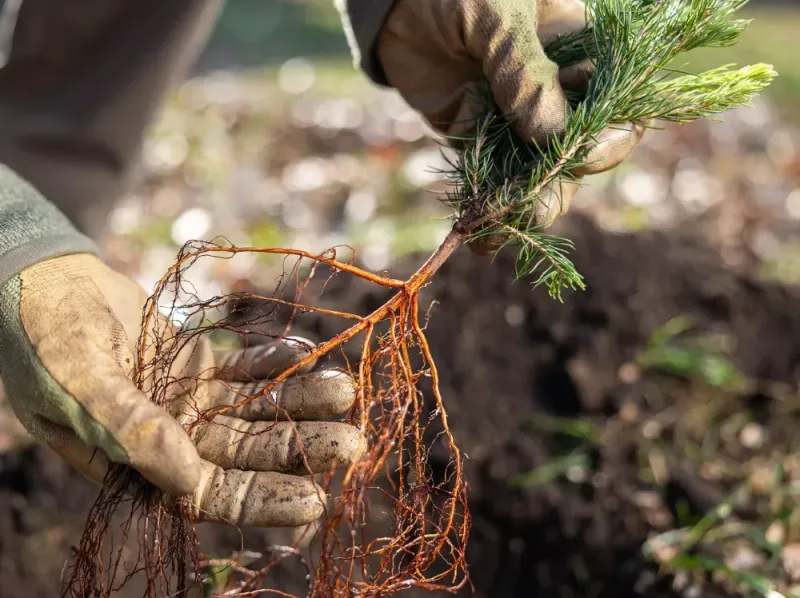
February offers Arizona gardeners the last good opportunity to plant bare-root trees and shrubs before spring arrives. Bare-root plants are sold without soil around their roots, typically during their dormant period.
They cost less than container-grown plants and often establish faster once planted. This month’s cool temperatures give roots time to settle in before the growing season demands more from the plant.
Nurseries and garden centers stock bare-root fruit trees, roses, berries, and ornamental trees throughout February. Inspect roots carefully before purchasing, looking for healthy, fibrous root systems without damage or dried-out sections.
Soak roots in water for several hours before planting to rehydrate them after storage and shipping.
Dig planting holes twice as wide as the root spread but no deeper than the root system itself. Creating a wide planting hole encourages roots to spread outward into surrounding soil.
Form a small mound in the hole’s center and spread roots over it naturally, ensuring the graft union on grafted trees stays above soil level.
Backfill with native soil rather than amended soil, which helps plants adapt to Arizona’s natural conditions. Water thoroughly after planting to eliminate air pockets and settle soil around roots.
Create a watering basin around the plant to direct irrigation water to the root zone efficiently.
Stake tall trees if necessary to prevent wind damage while roots establish. Use soft ties that will not damage bark, and remove stakes after one growing season.
Apply a 3 to 4-inch layer of mulch around newly planted trees and shrubs, keeping it a few inches away from trunks to prevent moisture-related problems.
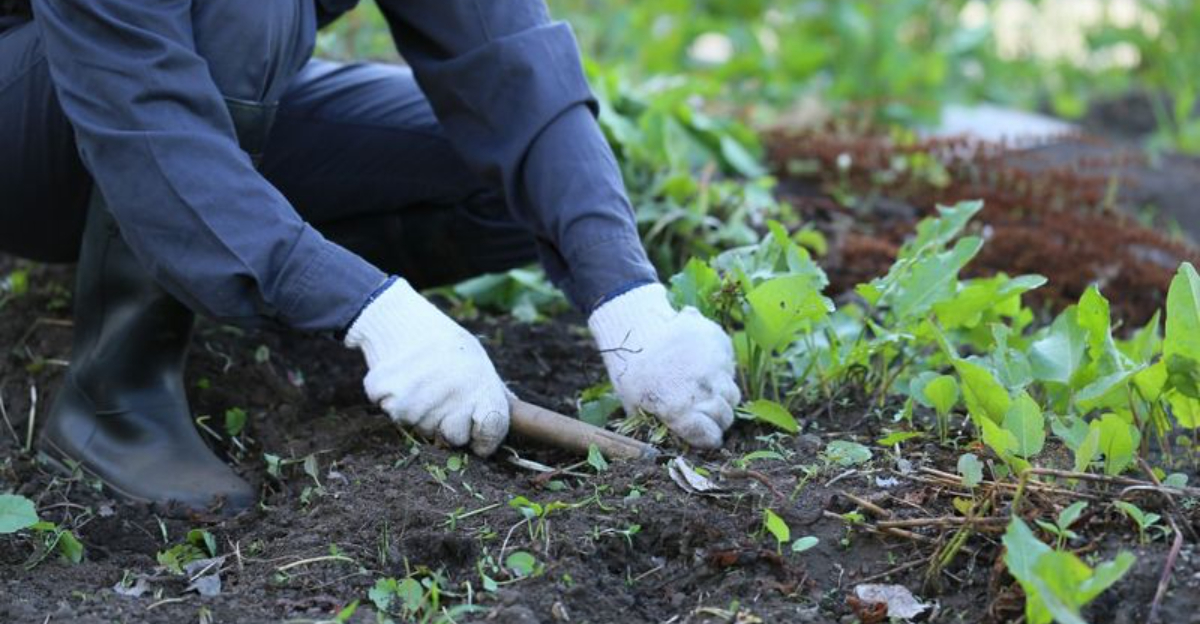
6. Control Weeds Before They Take Over
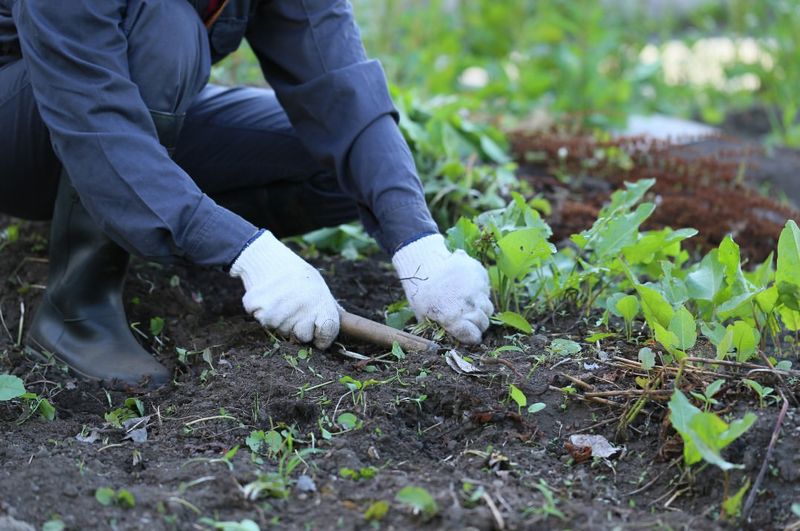
Tackling weeds in February prevents major headaches later in the Arizona gardening season. Cool-season weeds are actively growing this month, and removing them before they set seed dramatically reduces future weed populations.
February’s comfortable temperatures make weeding less exhausting than battling weeds during Arizona’s scorching summer months.
Hand-pulling is most effective when soil is moist, so weed after irrigation or rainfall. Remove the entire root system to prevent regrowth, especially with persistent weeds like dandelions and bermudagrass.
Young weeds are much easier to remove than established plants, so regular garden inspections pay off significantly.
Mulching is one of the best weed prevention strategies for Arizona gardens. Apply a 2 to 4-inch layer of organic mulch like wood chips or shredded bark around plants and in garden beds.
Mulch blocks sunlight from reaching weed seeds, preventing germination while also conserving soil moisture and moderating temperature fluctuations.
For larger areas, consider using landscape fabric beneath mulch for additional weed suppression. This works particularly well in ornamental beds and around trees and shrubs.
Make sure fabric is permeable to allow water and air to reach the soil while blocking weed growth.
Pre-emergent herbicides can be applied in February to prevent summer weed seeds from germinating. These products create a chemical barrier in the soil that stops seeds from sprouting.
Use pre-emergents carefully, following label directions precisely, and avoid applying them in areas where you plan to sow seeds, as they will prevent your desired plants from germinating too.
Combining multiple weed control strategies creates the most effective approach for Arizona gardens.
7. Start Summer Vegetable Seeds Indoors
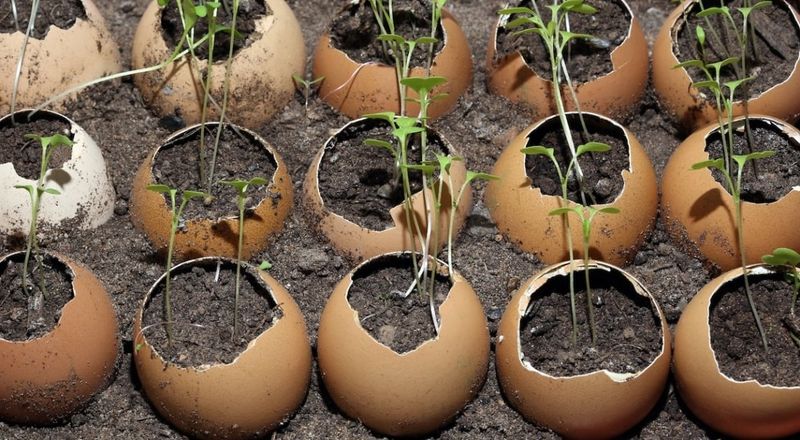
Forward-thinking Arizona gardeners use February to start summer vegetable seeds indoors, giving heat-loving plants a head start before outdoor planting time arrives.
Tomatoes, peppers, and eggplants need 6 to 8 weeks of indoor growth before transplanting outside, making late February the perfect time to begin.
Starting seeds indoors extends your growing season and allows you to grow varieties not typically available as transplants at nurseries.
Use quality seed-starting mix rather than garden soil, which can be too heavy and may contain disease organisms.
Fill clean containers with drainage holes, moisten the mix, and plant seeds at the depth recommended on seed packets. Label containers clearly with variety names and planting dates to track your seedlings.
Place seed trays in a warm location, as most summer vegetables need temperatures between 70 and 80 degrees Fahrenheit for good germination. A sunny windowsill works well, or use heating mats designed for seed starting.
Once seedlings emerge, they need bright light to prevent stretching and weak growth. Supplemental grow lights help if natural light is insufficient.
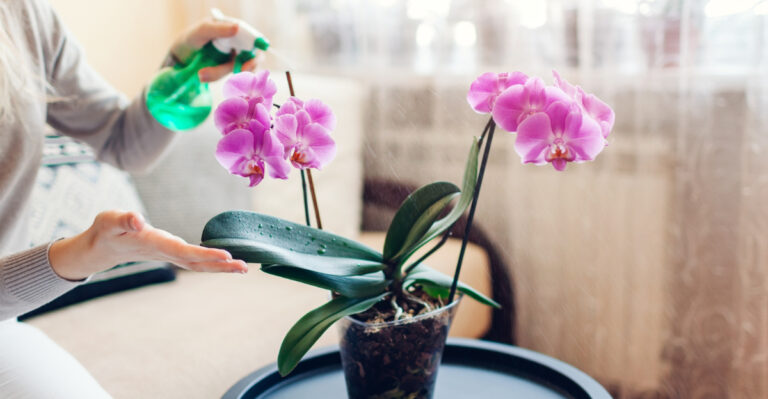
Keep soil consistently moist but not waterlogged during germination and early growth. Use a spray bottle or bottom watering to avoid disturbing tiny seedlings.
As plants develop true leaves, begin fertilizing weekly with diluted liquid fertilizer to support healthy growth.
Harden off seedlings before transplanting them into Arizona gardens by gradually exposing them to outdoor conditions over 7 to 10 days. Start with an hour or two of morning sun, increasing exposure daily.
This process helps seedlings adjust to outdoor temperatures, wind, and direct sunlight without shock, ensuring strong plants ready to thrive in your Arizona garden.