Essential Plant Care Tips For Illionis Homes During February
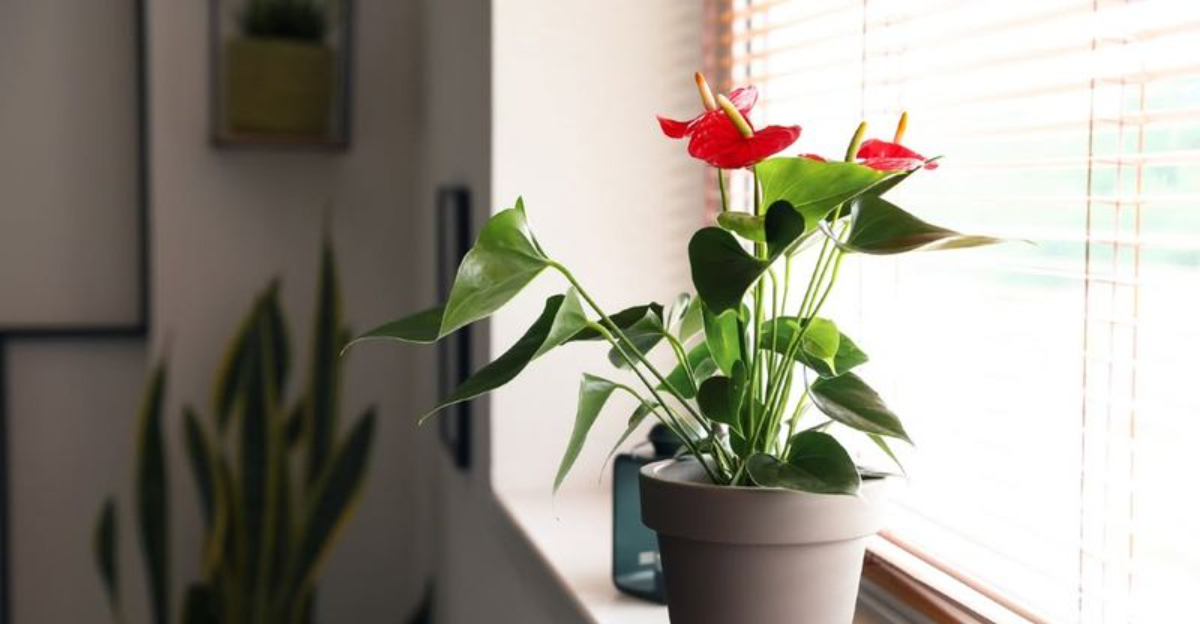
February in Illinois can be tough on houseplants. Cold drafts, dry indoor air, and short daylight hours often slow growth and stress even the healthiest plants.
This is the time when small care habits make a big difference. Adjusting watering schedules, improving humidity, and checking light placement can help plants stay strong until spring arrives.
Many indoor plants also benefit from gentle cleaning, pest checks, and soil refreshes during this quiet winter period. Ignoring these needs can lead to yellow leaves, weak stems, and poor growth later on.
By giving your plants a little extra attention now, you help them store energy for the warmer months ahead.
With the right February care routine, Illinois homes can keep indoor plants healthy, vibrant, and ready to bounce back once longer days and warmer temperatures return.
1. Adjust Your Watering Schedule For Winter Dormancy
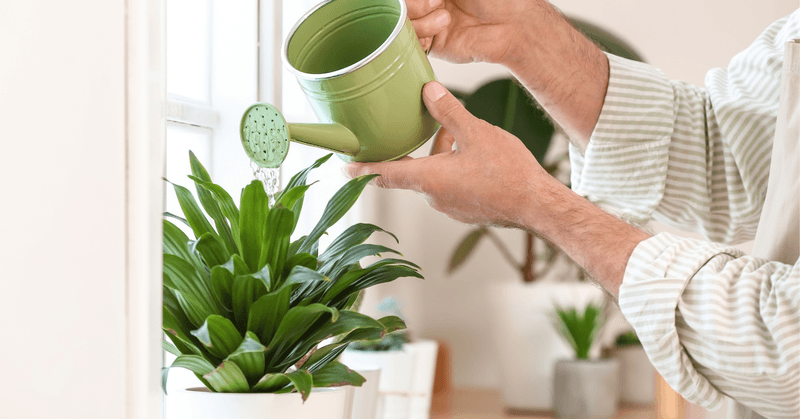
Most houseplants enter a period of slower growth during February, which means they need significantly less water than they do during spring and summer months.
Overwatering becomes one of the biggest dangers for Illinois plant owners during this time because the soil stays wet longer when plants aren’t actively growing.
Roots sitting in soggy soil can develop rot, which weakens your plants and causes leaves to turn yellow or brown.
Check the soil moisture before watering by sticking your finger about two inches deep into the potting mix. If it feels damp or cool, wait a few more days before watering again.
Different plant types have different needs, so succulents and cacti might only need water once every three to four weeks in February, while tropical plants like pothos or philodendrons might need watering every ten to fourteen days.
Illinois homes with central heating create particularly dry air, which can confuse plant parents into thinking their plants need more water. However, dry air affects leaves more than roots, so focus on humidity solutions rather than increasing watering frequency.
Pay attention to how quickly the soil dries out in your specific home environment, as factors like pot size, plant type, and room temperature all influence water needs.
Keep a simple watering journal or use your phone calendar to track when you water each plant. This helps you notice patterns and adjust your schedule as needed throughout the month.
Remember that less is more during February in Illinois, and your plants will reward your patience with healthy growth when spring arrives.
2. Maximize Limited Sunlight Exposure
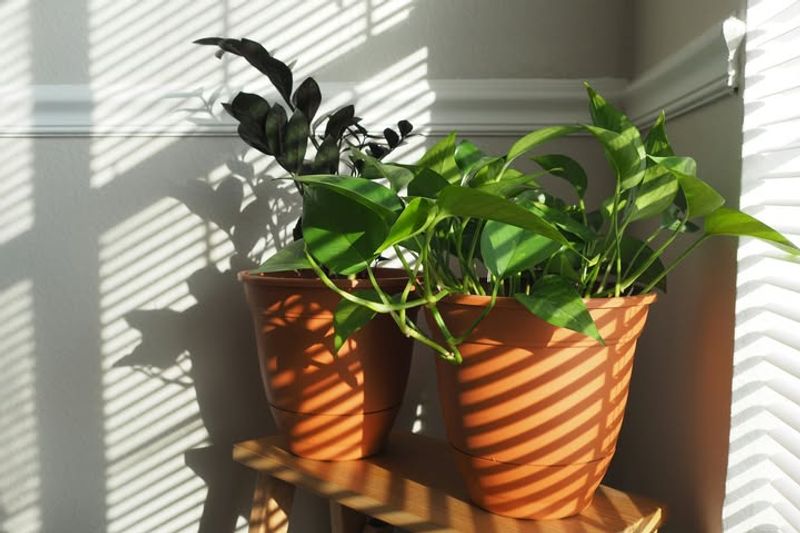
February days in Illinois are short and often cloudy, which means your houseplants receive much less natural light than they would during longer summer days.
Plants positioned near windows during warmer months might struggle to get enough light now, especially north-facing windows that receive minimal direct sun.
Moving your plants closer to south or west-facing windows can help them absorb the maximum amount of available sunlight during these darker weeks.
Dust accumulates on leaves during winter when windows stay closed, and this layer of grime blocks precious light from reaching the plant’s surface. Gently wipe down leaves with a damp cloth every couple of weeks to keep them clean and able to photosynthesize efficiently.
This simple task makes a noticeable difference in how well your plants can use the limited light available during Illinois winters.
Consider rotating your plants every few days so all sides receive equal light exposure. Plants naturally grow toward light sources, which can cause uneven, lopsided growth if they always face the same direction.
Rotating helps maintain balanced, attractive shapes and ensures all leaves get their fair share of sunshine.
If your home lacks bright natural light, especially in rooms facing north or heavily shaded by trees and buildings, a grow light can supplement what nature provides.
Affordable LED grow lights are available that don’t use much electricity and can make a tremendous difference for light-hungry plants like fiddle leaf figs, succulents, or herbs.
Position grow lights about twelve to eighteen inches above your plants and run them for ten to twelve hours daily to mimic natural daylight conditions throughout February.
3. Combat Dry Air With Humidity Boosters
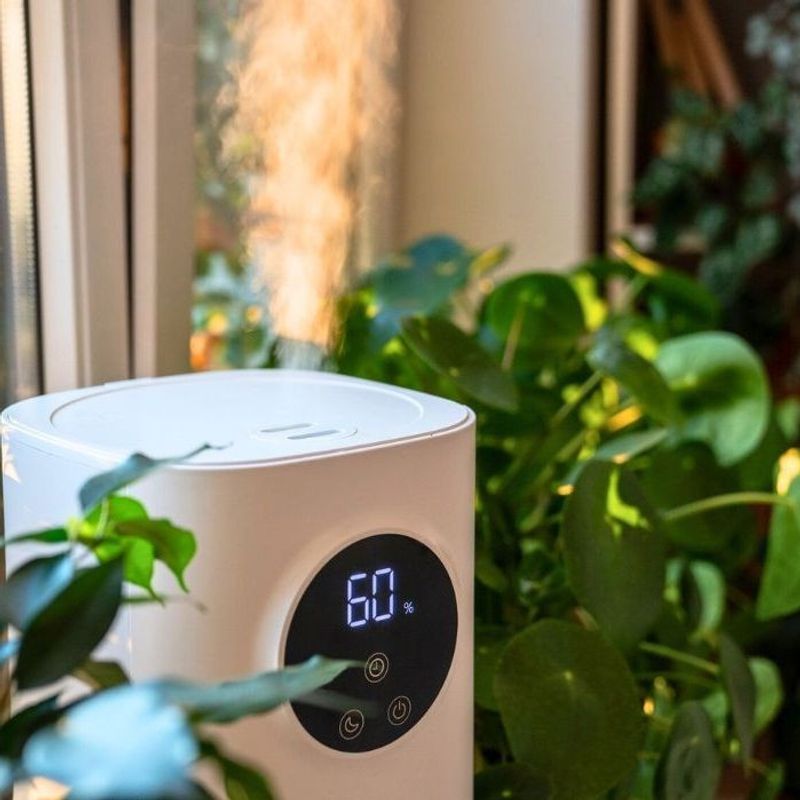
Heating systems running constantly in Illinois homes during February create extremely dry indoor air that can stress tropical houseplants accustomed to humid environments.
Low humidity causes brown leaf tips, crispy edges, and makes plants more vulnerable to pests like spider mites that thrive in dry conditions.
Many popular houseplants, including ferns, calatheas, and peace lilies, really struggle when humidity drops below thirty percent, which is common in heated homes.
Grouping plants together creates a microclimate where they benefit from the moisture each one releases through transpiration. This simple trick costs nothing and can raise humidity levels around your plant collection by several percentage points.
Place plants with similar humidity needs close together on trays or shelves for the best results.
Pebble trays offer another easy humidity solution that works well in Illinois homes. Fill a shallow tray with small stones or pebbles, add water until it almost reaches the top of the stones, then set your potted plants on top.
As the water evaporates, it increases moisture in the air immediately surrounding your plants. Just make sure the pot bottoms aren’t sitting directly in water, which could lead to root problems.
For plant lovers with larger collections or particularly humidity-loving specimens, a small humidifier placed near your plants can work wonders during dry February weeks. Cool-mist humidifiers are safe to run near plants and can maintain consistent humidity levels without requiring daily attention.
Running a humidifier for several hours each day, especially during peak heating times, helps your plants stay comfortable and healthy throughout Illinois winter.
4. Hold Off On Fertilizing Until Spring
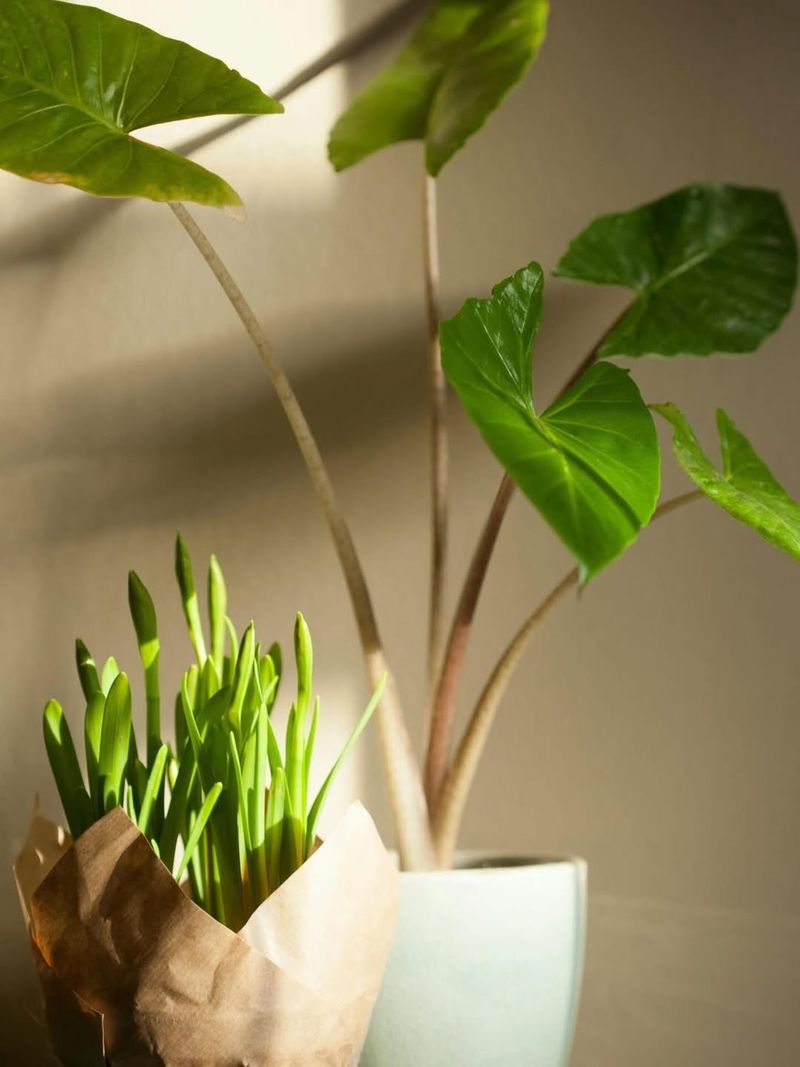
Feeding your plants during February might seem like a good way to help them through tough winter conditions, but it actually does more harm than good for most houseplants.
Plants experiencing dormancy or very slow growth cannot absorb and use fertilizer nutrients effectively, which means excess fertilizer salts build up in the soil.
These accumulated salts can burn roots and damage your plants, causing the exact opposite effect you were hoping for.
Think of it this way: you wouldn’t force someone to eat a big meal when they’re not hungry, and the same principle applies to plants during their rest period.
Illinois houseplants naturally slow down their growth processes during short, cold February days, and they simply don’t need the extra nutrients that fertilizer provides.
Respecting this natural rhythm helps your plants stay healthy and ready to grow vigorously when conditions improve.
If you fertilized regularly through fall, your plants likely still have adequate nutrients stored in their soil to sustain them through February.
Most potting soils also contain some slow-release nutrients that continue feeding plants at low levels even without additional fertilization. Trust that your plants have what they need to coast through this quiet month.
Mark your calendar for late March or early April, when daylight hours increase noticeably and you start seeing new growth on your plants. That’s the perfect time to resume a regular fertilizing schedule for the growing season.
When spring arrives in Illinois, your well-rested plants will respond enthusiastically to feeding and reward you with fresh leaves, stronger stems, and vibrant growth throughout the warmer months ahead.
5. Protect Plants From Temperature Fluctuations
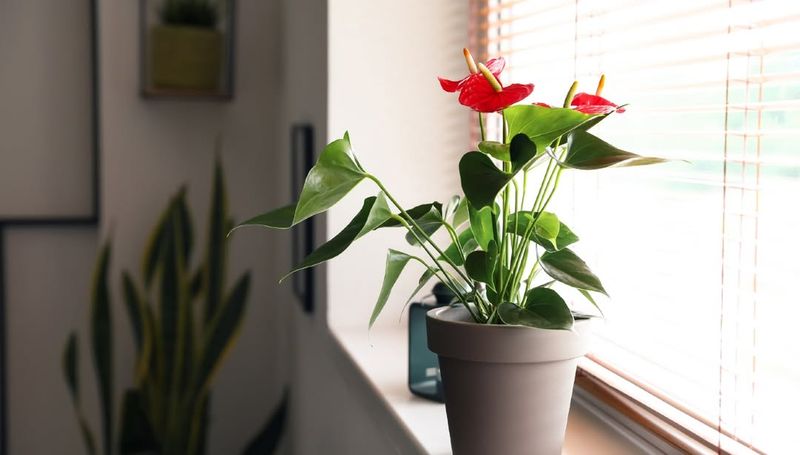
Illinois February weather brings extreme temperature swings that can stress houseplants, especially those positioned near windows, exterior doors, or heating vents.
Nighttime temperatures near windows can drop significantly even when your thermostat shows a comfortable reading, and cold drafts from poorly sealed windows can shock sensitive tropical plants.
Conversely, plants sitting too close to heating vents experience blasts of hot, dry air that can scorch leaves and dry out soil too quickly.
Feel around your windowsills during evening hours to identify cold spots where temperatures might dip low enough to damage plants.
Moving plants just a few feet away from drafty windows at night, or placing a thick curtain between the window and your plants, can provide enough insulation to prevent cold damage.
Even cold-tolerant plants appreciate stable temperatures rather than dramatic nighttime drops followed by warm daytime heating.
Avoid placing plants directly above or next to radiators, baseboard heaters, or forced-air vents where they’ll experience constant hot air blowing on their leaves. This not only dries out foliage quickly but also creates uneven temperatures that confuse plants and disrupt their natural processes.
If your only available light source is near a heat source, use a small fan to circulate air and prevent hot spots from forming around your plants.
Most common houseplants prefer temperatures between sixty-five and seventy-five degrees Fahrenheit, with slightly cooler nights. Maintaining relatively stable temperatures throughout your Illinois home helps plants conserve energy and stay healthy during stressful winter conditions.
Pay special attention to rooms that get particularly cold at night or overly warm during the day, and relocate sensitive plants to more moderate locations if needed.
6. Watch For Common Winter Pests
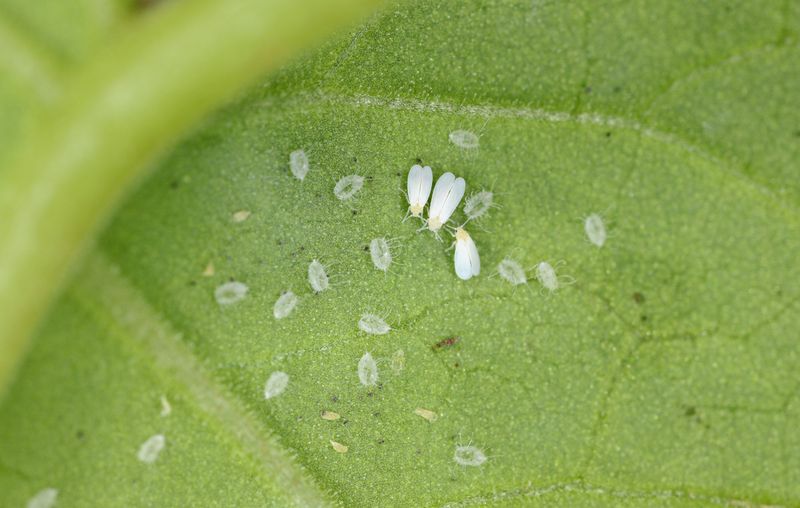
Spider mites, fungus gnats, and scale insects become particularly problematic during Illinois winters when dry indoor conditions weaken plant defenses and create ideal environments for pest populations to explode.
Spider mites especially love the hot, dry air produced by heating systems and can quickly infest entire plant collections if not caught early.
Regular inspection of your plants helps you spot problems before they become serious infestations that are difficult to control.
Check the undersides of leaves weekly for tiny webs, stippling, or small moving dots that indicate spider mite activity. Look at stems and leaf joints for small brown bumps that might be scale insects, and watch for tiny flying insects around soil surfaces that signal fungus gnat problems.
Catching pests early makes treatment much easier and prevents them from spreading to neighboring plants in your Illinois home.
Wiping leaves down with a damp cloth not only removes dust but also physically removes pests and their eggs before populations can establish. For spider mites, increasing humidity through the methods mentioned earlier makes the environment less hospitable for these moisture-hating pests.
Fungus gnats thrive in constantly moist soil, so allowing the top inch or two of soil to dry between waterings helps control their breeding cycle.
If you do discover pests, isolate affected plants immediately to prevent spread to healthy ones. Insecticidal soap or neem oil spray works well for most common houseplant pests and is safe to use indoors when applied according to package directions.
Treat plants in a bathtub or sink where you can rinse them thoroughly, and repeat applications as directed to catch newly hatched pests that survived the first treatment.
7. Avoid Repotting Until Weather Warms
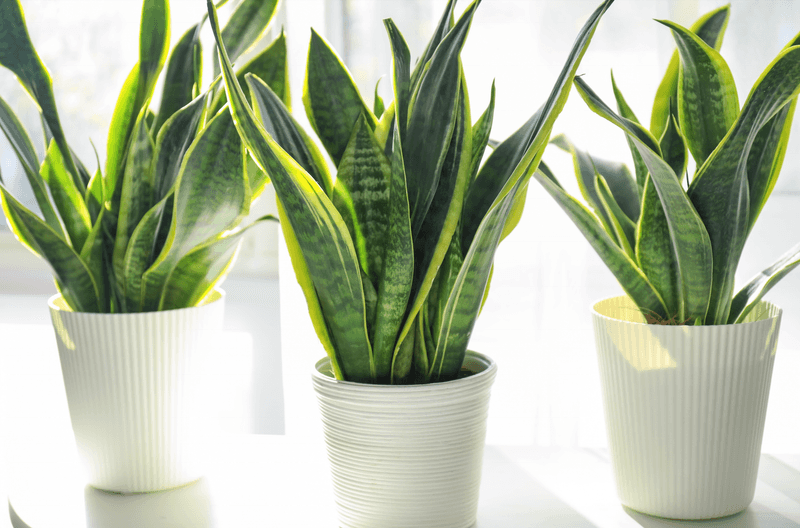
Repotting stresses plants by disturbing their roots and requiring them to adjust to new soil and sometimes larger containers. February is the worst possible time for this activity in Illinois because plants lack the energy and active growth needed to recover quickly from the shock of transplanting.
Roots disturbed during dormancy take much longer to establish in new soil, leaving plants vulnerable to problems like root rot or stunted growth.
Plants that seem rootbound or struggling might tempt you to repot them, thinking fresh soil will solve their problems. However, any issues your plants face during February are more likely related to light, water, or humidity rather than their containers.
Address those environmental factors first, and wait until late March or April when plants naturally begin active growth before considering repotting.
If you absolutely must repot due to a broken pot or severe root problems, keep the disturbance minimal by using a container only slightly larger than the current one.
Gently loosen the root ball without removing too much old soil, and water sparingly after repotting since the plant won’t be actively using moisture.
Place the newly repotted plant in a location with bright indirect light and stable temperatures to help it adjust with minimal stress.
Use this quiet February time to plan your spring repotting projects instead. Research the specific needs of each plant, gather appropriate potting mixes and containers, and make a schedule for tackling repotting tasks when Illinois weather warms up.
Your patience now will pay off with healthier plants that bounce back quickly from repotting when they’re ready to grow vigorously in spring.