8 Essential Tips For Gardening In Arizona’s Desert Climate
Gardening in Arizona’s desert climate can feel frustrating at first. You water, plant, and hope for the best, yet the intense sun and dry soil don’t always cooperate.
The desert plays by its own rules, and once you understand them, everything starts to change.
Instead of fighting the climate, the key is learning how to work with it. Simple adjustments in watering, plant choice, soil preparation, and timing can make a huge difference in how plants grow and survive through the hottest months.
Many successful desert gardens aren’t complicated at all. They simply follow a few smart habits that match the rhythm of the desert.
With the right approach, plants can grow stronger, handle heat better, and require far less effort to maintain. A few essential techniques often make the difference between struggling plants and a desert garden that actually thrives.
1. Choose Heat-Tolerant Plants That Handle Desert Conditions
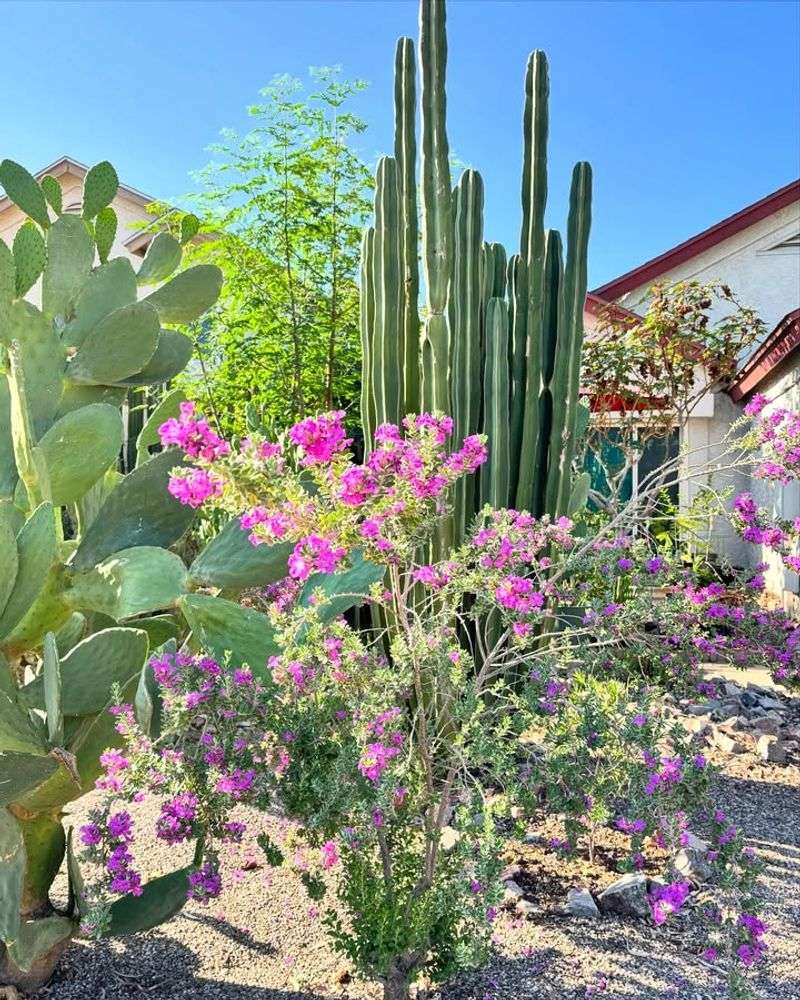
Not every plant is built for Arizona, and learning that the hard way can be frustrating. Skip the guesswork and go straight to plants that already know how to handle intense heat, low rainfall, and dry desert air.
Desert marigold, brittlebush, agave, and penstemon are solid choices that have proven themselves in Arizona’s toughest conditions.
Native plants are especially worth your attention. They’ve been growing in this region long before anyone started landscaping, which means they’re naturally tuned to local soil types, seasonal temperature swings, and Arizona’s monsoon rain patterns.
You don’t have to water them as much, and they tend to bounce back faster after a heat wave.
Succulents are another smart pick. Plants like aloe vera, barrel cactus, and various agave species store water inside their thick leaves and stems, making them incredibly efficient in dry spells.
They add great visual texture to any desert garden without demanding a lot from you.
When shopping for plants in Arizona, check the plant tag for heat zone ratings and drought tolerance notes. A plant rated for zones 9 through 11 is usually a safe bet for most Arizona locations.
Mixing native species with a few low-water ornamentals gives your garden variety while keeping maintenance realistic and water use manageable throughout the year.
2. Improve Desert Soil With Compost And Organic Matter
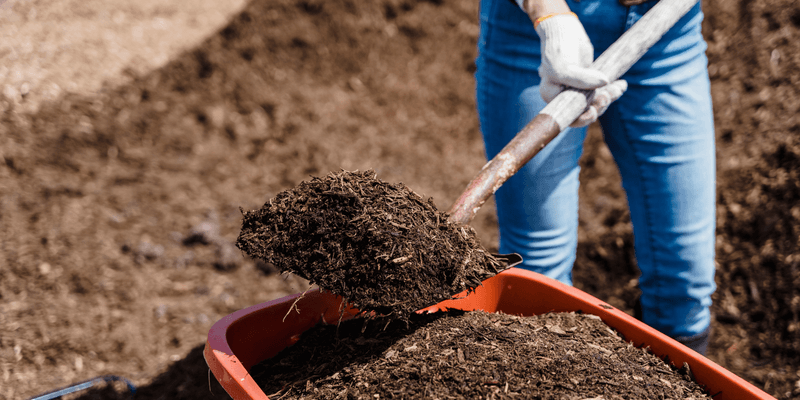
Arizona soil has a reputation, and it’s not a flattering one. Caliche layers, low organic content, and poor drainage make it tough for most plants to establish strong root systems without a little help.
Adding compost is one of the most effective ways to turn that around.
Work in two to four inches of compost into your garden beds before planting. Organic matter loosens compacted soil, helps roots push deeper, and improves the soil’s ability to hold onto moisture between watering sessions.
That last part matters a lot when summer temperatures in Arizona regularly climb past 110 degrees.
Aged manure, worm castings, and leaf mold are all good organic amendments to mix into desert soil. You don’t need to go overboard — even modest improvements to soil structure can make a noticeable difference in how well your plants grow.
A simple soil test from your local Arizona cooperative extension office can tell you exactly what nutrients your soil is missing.
Keep in mind that desert soil often has high alkalinity, meaning the pH runs higher than most vegetables and flowers prefer. Sulfur amendments can help bring that pH down over time.
Combining pH correction with regular compost additions gives your plants a genuinely better foundation to grow from, especially during Arizona’s long, demanding growing seasons.
3. Water Deeply But Less Often To Encourage Strong Roots
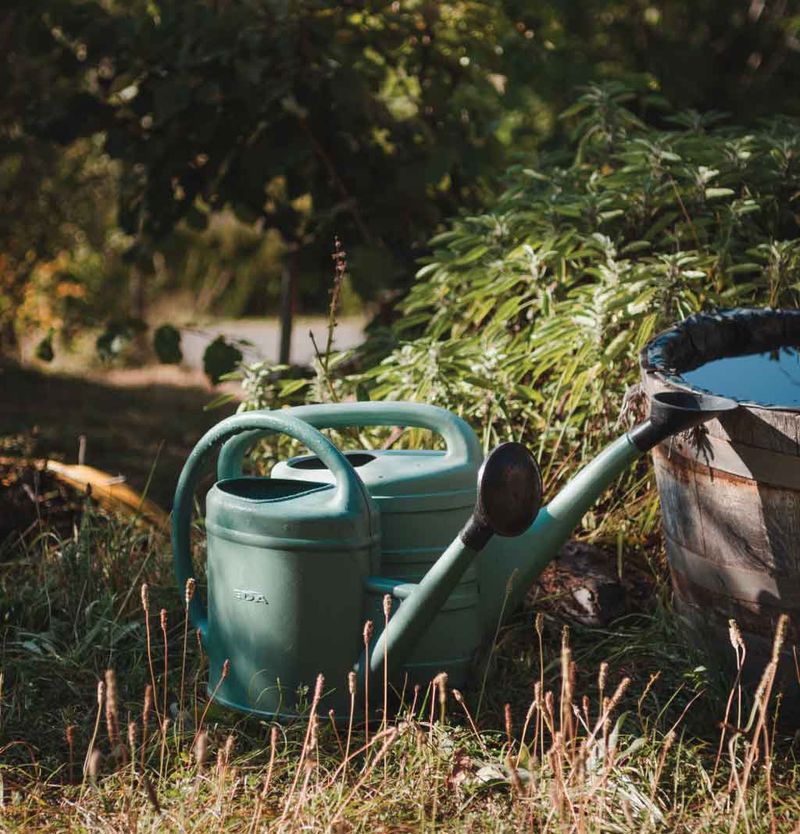
Frequent shallow watering is one of the most common mistakes Arizona gardeners make, especially those who moved here from wetter climates. When you water a little bit every day, roots stay close to the surface where the soil dries out fastest.
That makes plants more vulnerable to Arizona’s extreme summer heat.
Deep, infrequent watering pushes moisture further down into the soil, which encourages roots to follow it downward. Deeper roots mean more stability, better drought tolerance, and stronger overall plant health.
For most desert-adapted shrubs and trees in Arizona, watering once or twice a week during summer is more effective than daily light sprinkling.
A good way to check if you’re watering deeply enough is to use a soil probe or a long screwdriver. Push it into the soil after watering — if it slides in easily to about 12 inches, moisture has reached a good depth.
If it stops at just a few inches, you need to water longer.
Early morning is the best time to water in Arizona. Temperatures are cooler, wind is usually calm, and plants have time to absorb moisture before the afternoon heat kicks in.
Evening watering can leave foliage damp overnight, which sometimes encourages fungal issues even in dry desert climates. Keep it simple — water slow, water deep, and water less often for the best results.
4. Use Mulch To Keep Soil Cooler And Hold Moisture
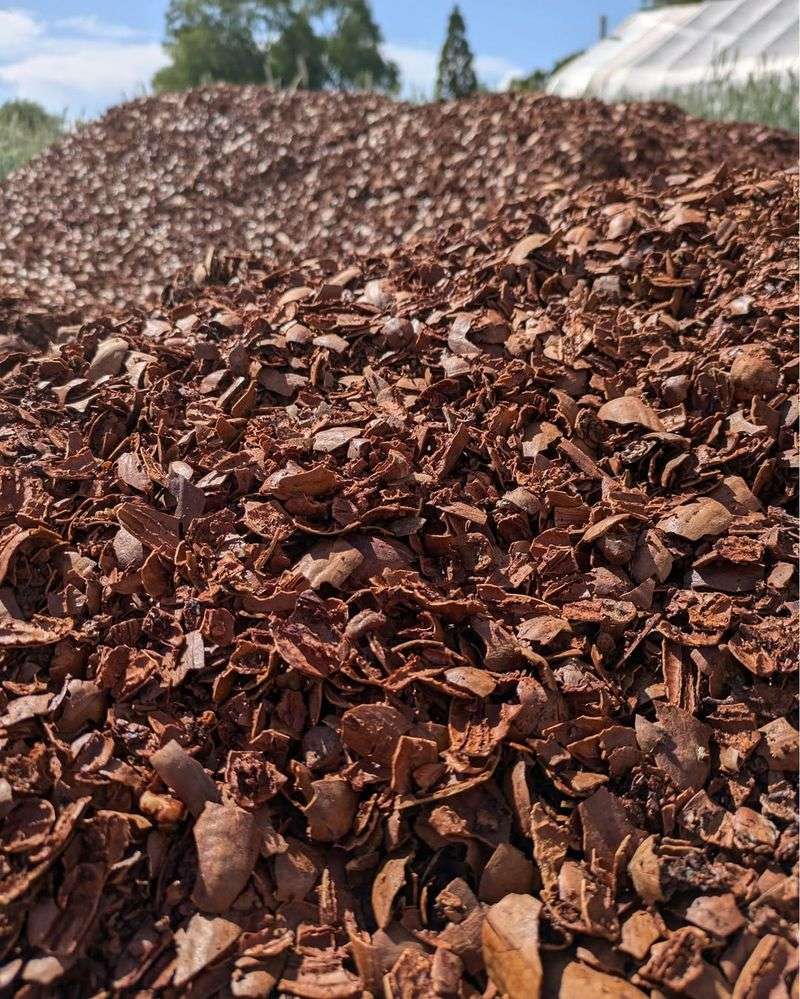
Bare soil in an Arizona garden is basically an open invitation for moisture to vanish fast. Ground temperatures in the desert can exceed 150 degrees on a hot summer afternoon, which pulls water out of the soil before plant roots ever get a chance to use it.
Mulch is your best defense against that problem.
Spread a two to four inch layer of organic mulch — wood chips, straw, or shredded bark — around your plants and over garden beds. That layer acts like insulation, keeping soil temperatures significantly cooler and slowing down evaporation.
You’ll notice a real difference in how long the soil stays moist after watering, especially during Arizona’s brutal June and July heat.
Mulch also suppresses weeds, which compete with your plants for the limited water available in desert soil. Fewer weeds means less competition and less time spent pulling them out by hand.
It’s one of those small steps that pays off in multiple ways throughout the growing season.
Organic mulch breaks down slowly over time and adds a bit of organic matter back into the soil as it decomposes, which is a bonus for Arizona’s typically nutrient-lean desert ground.
Pull mulch back a few inches from plant stems to prevent moisture buildup right at the base, which can cause rot.
Refresh the mulch layer every season to maintain its effectiveness year-round.
5. Provide Afternoon Shade During Extreme Summer Heat
Even sun-loving plants hit a wall when Arizona summer temperatures climb past 110 degrees in the afternoon.
Full-sun exposure during those peak hours — roughly 1 PM to 5 PM — can stress plants to the point where leaves curl, bleach out, or drop entirely.
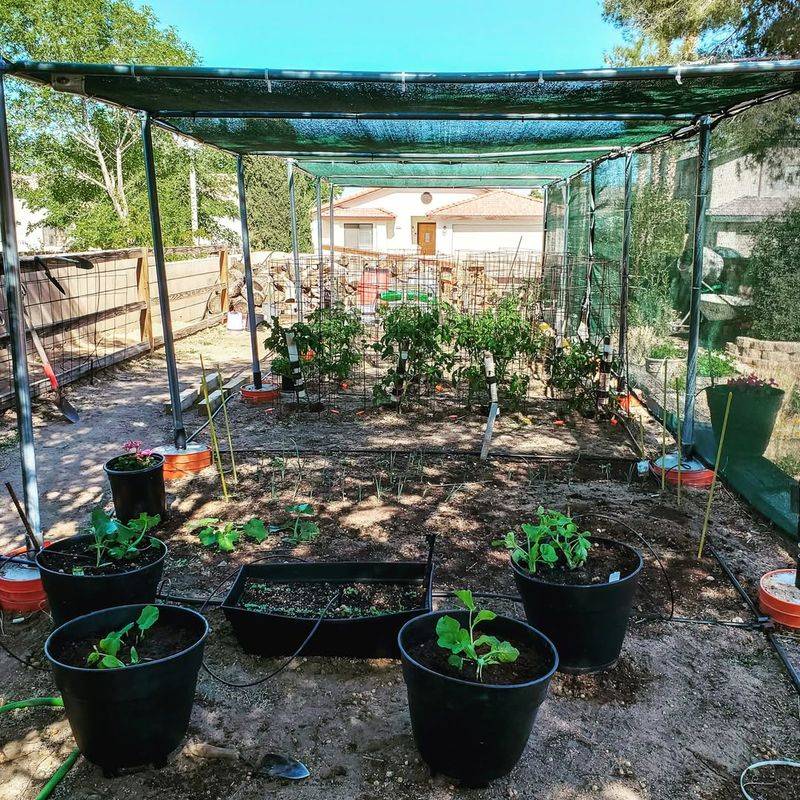
A little strategic shade goes a long way. Shade cloth is one of the easiest solutions available to Arizona gardeners.
A 30 to 50 percent shade cloth draped over a simple frame or attached to existing structures blocks the harshest afternoon rays without cutting off enough light to slow plant growth.
It’s affordable, reusable, and easy to put up or take down as the seasons shift.
Planting taller desert shrubs or trees on the west side of your garden creates natural shade that grows more effective every year.
Palo verde trees and desert willows are popular choices in Arizona because they provide dappled shade without blocking airflow — and both are naturally adapted to the region’s heat and soil conditions.
Vegetables like tomatoes, peppers, and squash often produce better in Arizona when they get morning sun and afternoon shade during peak summer months.
Tomatoes especially tend to stop setting fruit when nighttime temperatures stay above 75 degrees and daytime heat is relentless.
Shade doesn’t just protect leaves — it can actually improve your harvest during the most intense stretch of the Arizona summer season.
6. Plant In Fall Or Early Spring For Better Establishment
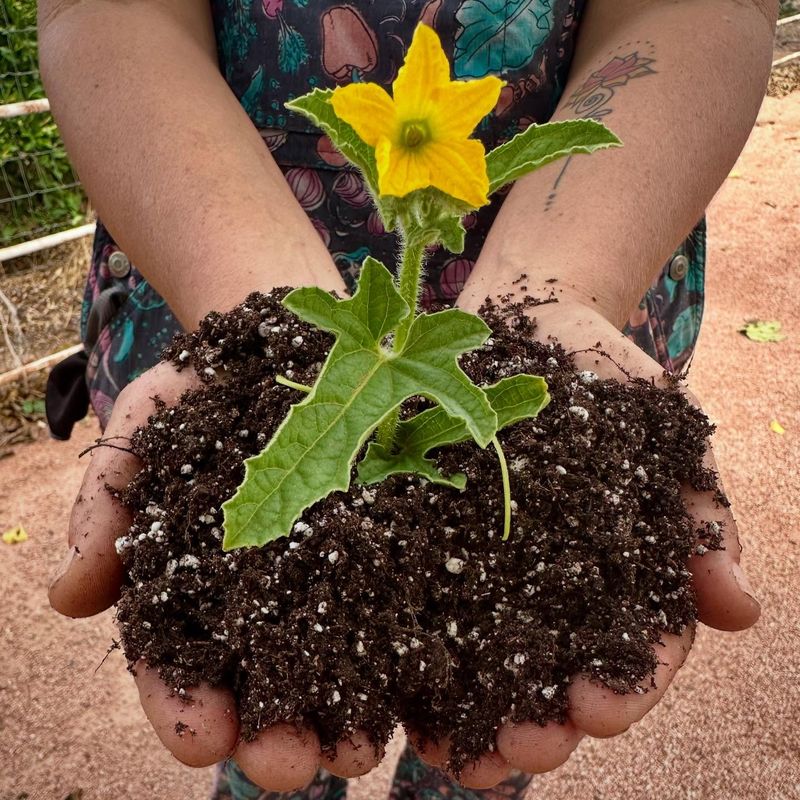
Timing is everything in Arizona gardening, and planting during the wrong window can set you back an entire season.
Putting new plants in the ground during peak summer heat puts serious stress on them right from the start, when they’re at their most vulnerable and haven’t had time to develop a stable root system yet.
Fall planting — typically September through November in most Arizona locations — gives plants a long, comfortable window to establish roots before summer arrives.
Soil temperatures are dropping, days are getting shorter, and plants spend their energy building root systems rather than trying to survive extreme heat.
By the time next summer rolls around, they’re far more prepared to handle it.
Early spring, from late February through March, is the other sweet spot for Arizona gardeners. Temperatures are mild, frost risk is dropping, and the soil is warming up in ways that encourage fast, healthy root development.
Warm-season vegetables like beans, squash, and melons planted in early spring can produce a full harvest before summer heat peaks in June and July.
Avoid the temptation to plant in June or July unless you’re working with container plants you can move around easily.
Arizona’s summer monsoon season brings humidity and some rainfall, but temperatures during that period are simply too punishing for newly transplanted seedlings.
Stick to fall and early spring planting schedules and your garden will reward you for it consistently.
7. Use Drip Irrigation To Reduce Water Waste
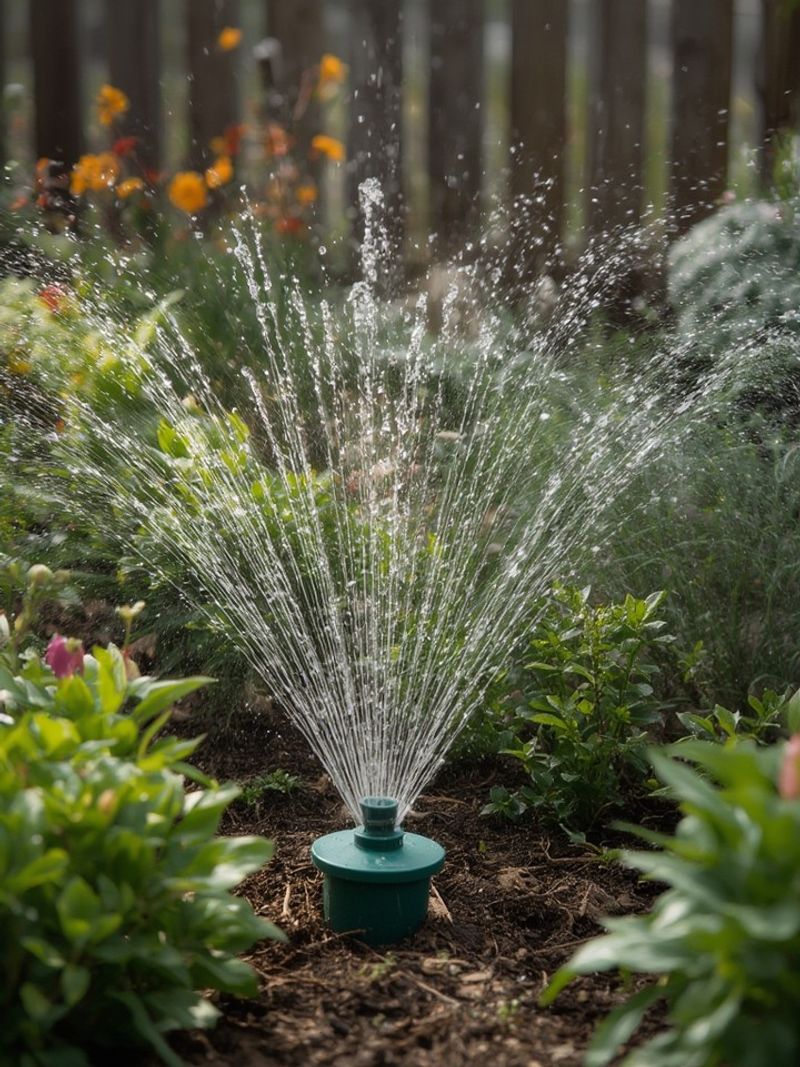
Sprinklers might work fine in wetter climates, but in Arizona they’re basically spraying water into thin air. High temperatures and low humidity cause a huge percentage of sprinkler water to evaporate before it ever reaches plant roots.
Drip irrigation changes that equation completely.
A drip system delivers water slowly and directly to the root zone of each plant, which is exactly where it needs to go.
There’s almost no evaporation loss, no water wasted on bare soil between plants, and no wet foliage that can sometimes attract pests or fungal issues in garden environments.
For water-conscious Arizona gardeners, it’s the most efficient irrigation option available.
Setting up a basic drip system doesn’t require professional help. Most home improvement stores in Arizona carry starter kits with everything you need — tubing, emitters, connectors, and a timer.
A programmable timer is especially useful because it lets you water early in the morning automatically, without having to think about it every day during the busy summer months.
Check your emitters every few weeks during the growing season. Desert dust and mineral deposits from Arizona’s hard water can clog them over time, causing uneven watering.
Flushing the lines and cleaning or replacing emitters keeps the system running efficiently.
Pairing drip irrigation with a thick layer of mulch over your garden beds creates a powerful combination that dramatically cuts your water use while keeping plants consistently hydrated.
8. Protect Plants From Occasional Winter Frost
Arizona’s reputation for year-round warmth sometimes catches gardeners off guard when January temperatures suddenly drop below freezing overnight.
Frost events in Arizona are short and relatively rare compared to northern states, but they can catch plants unprepared — especially tender succulents, citrus trees, and tropical varieties that many Arizona gardeners love to grow.
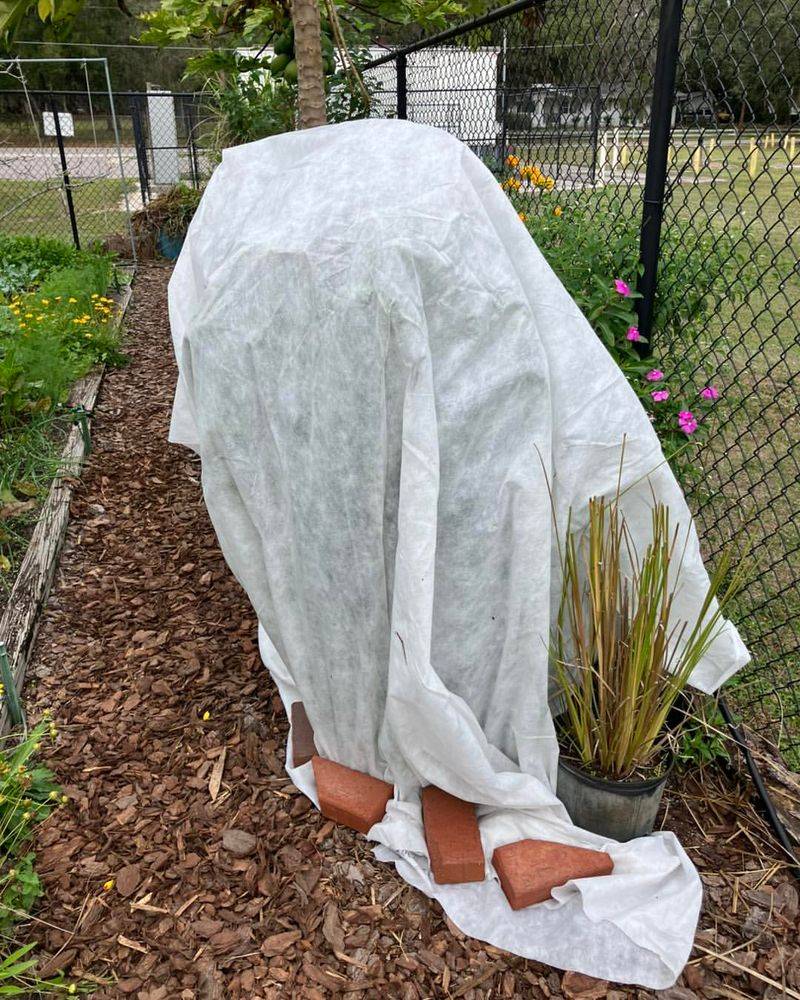
Frost cloth, also called row cover fabric, is the most reliable protection tool available. Drape it loosely over vulnerable plants before sunset on nights when temperatures are forecast to drop below 32 degrees.
The fabric traps heat radiating from the soil and keeps the air around plants a few degrees warmer — often just enough to prevent frost damage on all but the coldest Arizona nights.
Potted plants have a real advantage here because you can simply move them indoors or into a covered patio when frost is expected.
If you’re growing citrus trees in containers, this flexibility is worth a lot during Arizona’s occasional cold snaps in December and January.
Water your garden the afternoon before an expected frost. Moist soil retains heat better than dry soil, which gives plants a slightly warmer environment through the night.
Remove frost cloth in the morning once temperatures rise above freezing to prevent overheating as the day warms up.
Most Arizona frost events are short-lived, so a little preparation the evening before is usually all it takes to keep your garden protected and healthy through winter.