Essential Tips For Growing A Strong Jade Plant In Colorado
If you live in Colorado and want a houseplant that’s both beautiful and beginner-friendly, the jade plant might be just what your windowsill needs.
Known for its thick, glossy leaves and tree-like shape, the jade plant is a symbol of luck and resilience, and it’s surprisingly easy to grow with the right care.
But Colorado’s dry climate and cold winters present a few unique challenges that jade plant owners need to keep in mind.
Whether you’re a seasoned indoor gardener or just getting started, knowing how to adjust for Colorado’s conditions will make all the difference in helping your jade thrive year-round.
From choosing the right potting mix to understanding how much sunlight is too much, a few smart moves can keep your jade plant strong and healthy.
Watering correctly, especially in a state where indoor heating can dry out soil quickly, is key to avoiding root rot and stress. With proper pruning, placement, and care, your jade can grow into a long-lasting, eye-catching part of your indoor space.
Ready to unlock the secrets of jade plant success in the Centennial State? Let’s dig into the simple, science-backed tips that make all the difference.
1. Choose The Right Location With Bright, Indirect Light
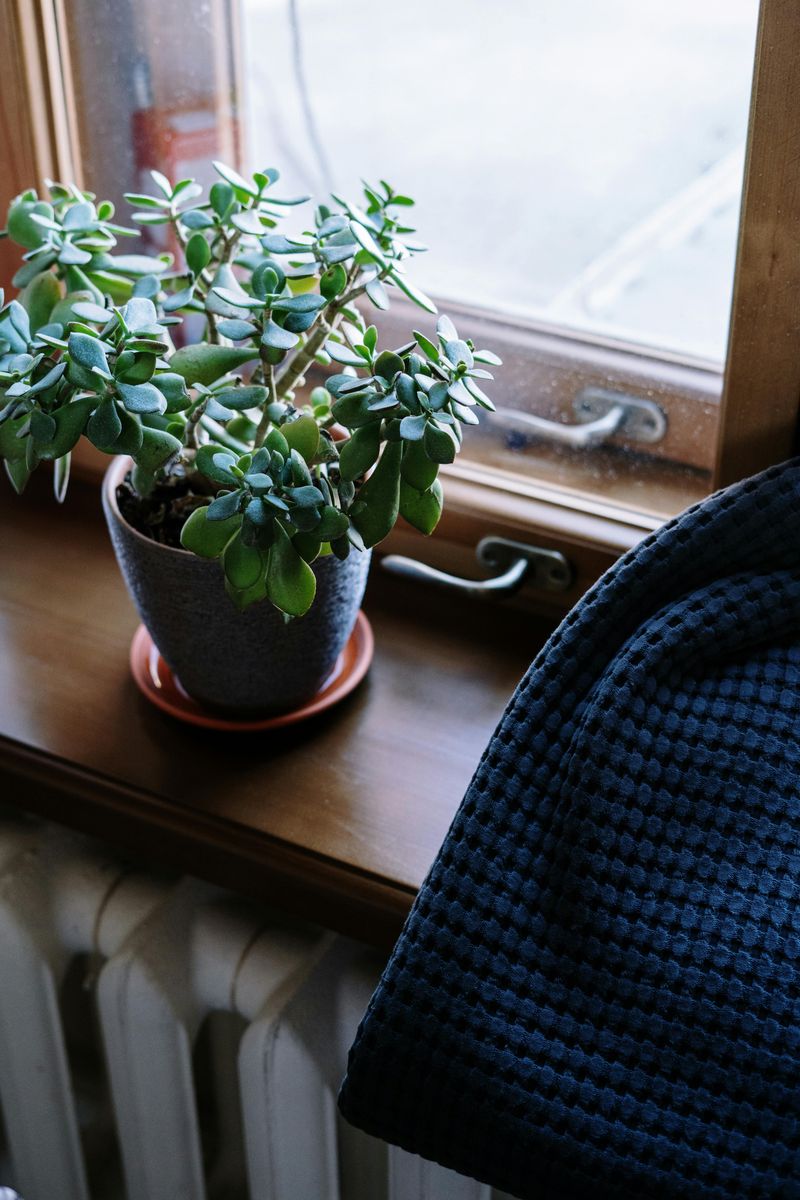
Finding the perfect spot for your jade plant in Colorado can make all the difference between a struggling plant and one that thrives with vigor.
Colorado homes receive some of the most intense sunlight in the country due to the high elevation and thin atmosphere, which means your jade plant needs protection from harsh, direct rays that can scorch its leaves.
Place your plant near a south-facing or west-facing window where it can soak up plenty of bright light without being exposed to the midday sun for extended periods.
A sheer curtain works wonders to filter the light and prevent leaf burn, which shows up as brown or white patches on the foliage. If you notice your jade plant leaning toward the light source, rotate it every few weeks to encourage even growth on all sides.
Colorado winters bring shorter days, so you might need to move your plant closer to the window during those months to ensure it gets enough light.
Indoor temperatures in Colorado can vary quite a bit, especially near windows, so keep an eye on drafts from heating vents or cold glass panes. Jade plants prefer stable conditions, and sudden temperature changes can stress them out.
A consistent spot with filtered brightness will help your plant develop thick, healthy leaves and a strong, woody stem over time. Remember that jade plants are adaptable, but they communicate their needs through their appearance.
Pale or stretched-out leaves mean they need more light, while scorched spots indicate too much direct sun. Finding that sweet spot in your Colorado home will set the foundation for a thriving jade plant.
2. Water Sparingly To Prevent Root Rot In Dry Climates
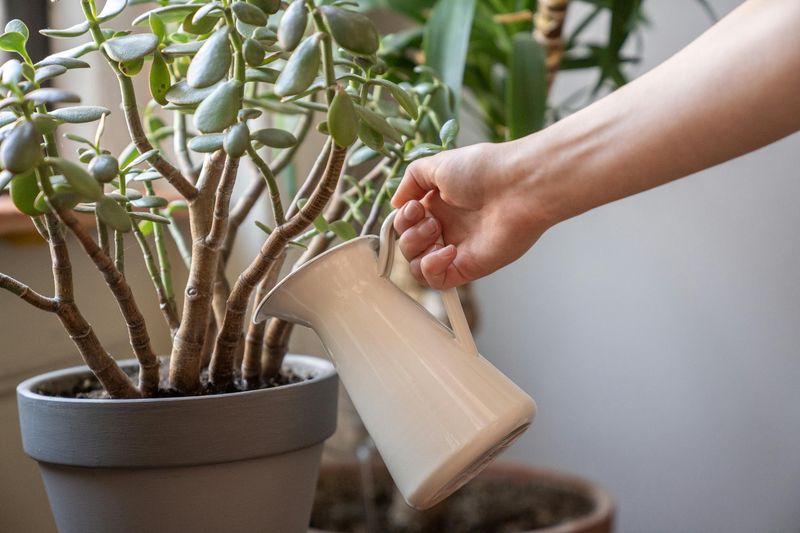
Colorado’s famously dry air might trick you into thinking your jade plant needs frequent watering, but the opposite is actually true.
Jade plants are succulents that store water in their thick leaves and stems, which means they can go surprisingly long periods without a drink.
Overwatering is the number one mistake gardeners make with jade plants, and it leads to mushy roots and drooping leaves that can ruin an otherwise healthy plant.
The key is to let the soil dry out completely between waterings. Stick your finger about two inches into the soil, and if it feels dry, then it is time to water.
During Colorado’s hot summer months, this might mean watering every two to three weeks, while in winter, you might only need to water once a month or even less.
When you do water, give the plant a thorough soak until water runs out of the drainage holes at the bottom of the pot.
This ensures the roots get enough moisture without sitting in soggy soil. Empty the saucer underneath to prevent the roots from absorbing excess water.
Colorado’s low humidity actually works in your favor here because the soil dries out faster, reducing the risk of root rot.
However, this also means you need to pay attention to your watering schedule and adjust it based on the season and your home’s heating or cooling system. A moisture meter can be a helpful tool if you are unsure about when to water.
Trust your plant to tell you what it needs. Wrinkled, shriveled leaves mean it is thirsty, while soft, mushy leaves indicate overwatering. Getting the watering balance right is crucial for growing a strong jade plant in Colorado.
3. Use Well-Draining Soil Designed For Succulents
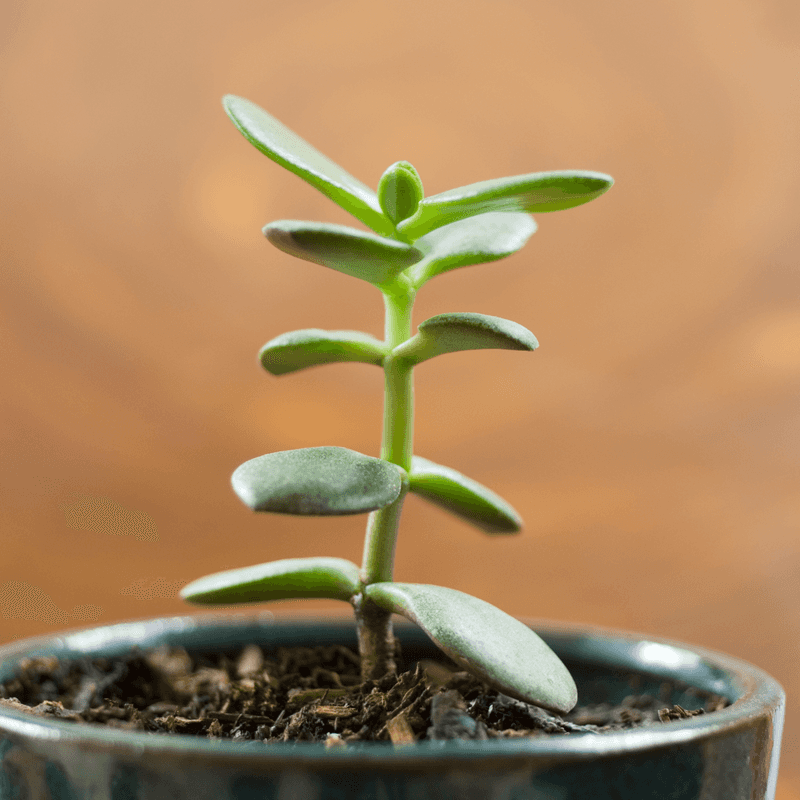
Soil choice might seem like a small detail, but it plays a huge role in the health of your jade plant, especially in Colorado where the air is dry but overwatering is still a common problem.
Regular potting soil holds too much moisture and can suffocate the roots, leading to rot and a weak plant.
Instead, opt for a well-draining succulent or cactus mix that allows water to flow through quickly while still providing the nutrients your jade plant needs.
You can find pre-mixed succulent soil at most garden centers, or you can make your own by combining regular potting soil with perlite, coarse sand, or pumice in a ratio of about one part soil to one part drainage material.
This creates a light, airy mix that mimics the natural conditions jade plants enjoy in their native habitats.
The right soil will help prevent water from pooling around the roots, which is especially important in Colorado where indoor heating during winter can create unpredictable moisture levels. Good drainage also means you can water more confidently without worrying about overdoing it.
When repotting your jade plant, choose a pot with drainage holes at the bottom to allow excess water to escape. Terracotta pots are an excellent choice because they are porous and help wick away moisture from the soil, keeping the roots healthier.
Avoid using pots without drainage, as they make it nearly impossible to control soil moisture. Refreshing the soil every couple of years also helps replenish nutrients and keeps the growing medium from becoming compacted.
Healthy soil equals healthy roots, and healthy roots are the foundation of a strong, beautiful jade plant that will thrive in your Colorado home for years to come.
4. Maintain Consistent Indoor Temperatures Between 65-75 Degrees Fahrenheit
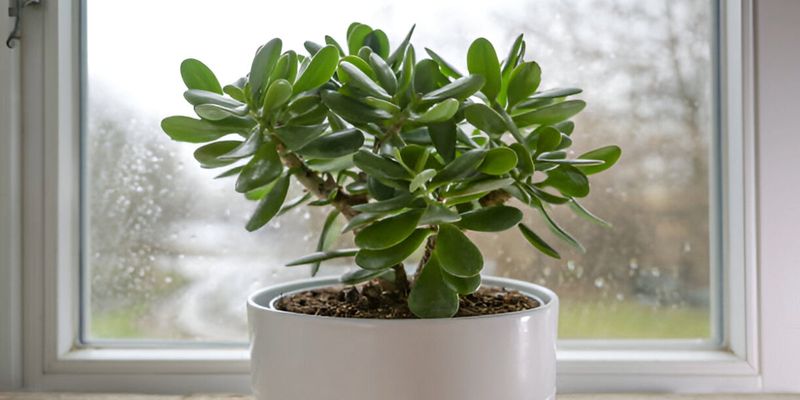
Temperature stability is something jade plants crave, and fortunately, most Colorado homes can provide that with a little attention to detail.
Jade plants do best when kept in a comfortable range between 65 and 75 degrees Fahrenheit, which is right in line with typical indoor temperatures.
However, Colorado’s climate can create some challenges, especially near windows, doorways, and heating vents where temperature swings are more common.
During winter, many Colorado homes use forced-air heating, which can create hot, dry pockets near vents and cold drafts near windows.
Jade plants do not appreciate these sudden changes, so try to keep your plant away from direct heat sources and cold glass surfaces. A stable environment helps the plant focus its energy on growth rather than adjusting to stress.
Summer in Colorado brings warm days but cool nights, especially in the mountains and foothills. If you move your jade plant outdoors during the warmer months, bring it back inside when nighttime temperatures drop below 50 degrees Fahrenheit.
Prolonged exposure to cold can damage the leaves and slow down growth. One of the benefits of growing jade plants indoors in Colorado is that you have more control over their environment compared to outdoor gardening.
Keep your plant in a room with consistent temperatures and avoid placing it in areas with frequent door traffic or drafty hallways.
If your home tends to get chilly at night, especially in older buildings or basements, consider using a small space heater to maintain warmth. Just be sure not to place the plant too close to the heater.
With the right temperature balance, your jade plant will grow strong and steady, rewarding you with thick, vibrant foliage.
5. Fertilize Lightly During The Growing Season In Spring And Summer
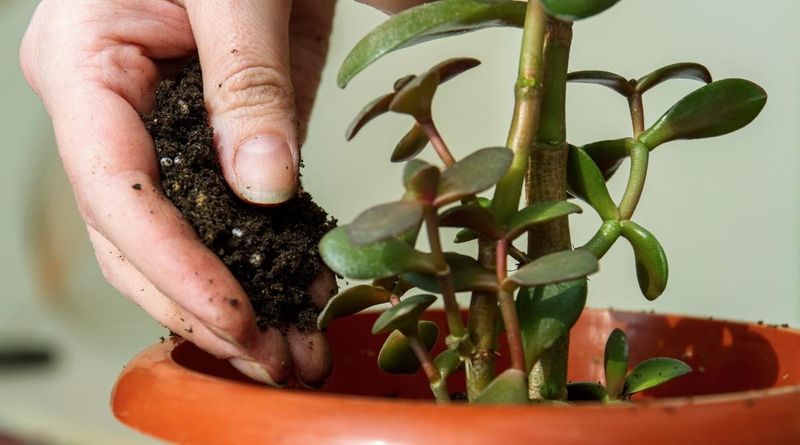
Jade plants are not heavy feeders, but a little boost of nutrients during the growing season can help them develop stronger stems and lusher leaves. In Colorado, where the growing season aligns with spring and summer, this is the perfect time to give your plant some extra care.
A balanced, water-soluble fertilizer diluted to half strength is ideal for jade plants, as full-strength formulas can be too harsh and may burn the roots.
Apply fertilizer once a month from April through September, when your jade plant is actively growing and producing new leaves. During fall and winter, jade plants enter a rest period and do not need any fertilizer at all.
Overfeeding during dormancy can lead to weak, leggy growth and salt buildup in the soil, which can harm the plant over time.
Look for a fertilizer formulated for succulents or cacti, as these products are designed to meet the specific nutritional needs of plants that store water.
Organic options like diluted compost tea or worm castings can also work well if you prefer a more natural approach. Just be sure to follow the instructions carefully and avoid overdoing it.
Colorado’s tap water can sometimes be high in minerals, so using filtered or distilled water for fertilizing can help prevent salt buildup in the soil.
If you notice a white crust forming on the soil surface, it is a sign of mineral accumulation, and you should flush the soil with plain water occasionally to rinse it away.
Healthy fertilization practices will encourage your jade plant to grow thick, sturdy branches and vibrant green leaves.
Remember, less is more when it comes to feeding succulents, and your jade plant will thrive with just a light touch of nutrients during the active growing months in Colorado.
6. Increase Humidity Levels To Combat Colorado’s Dry Air
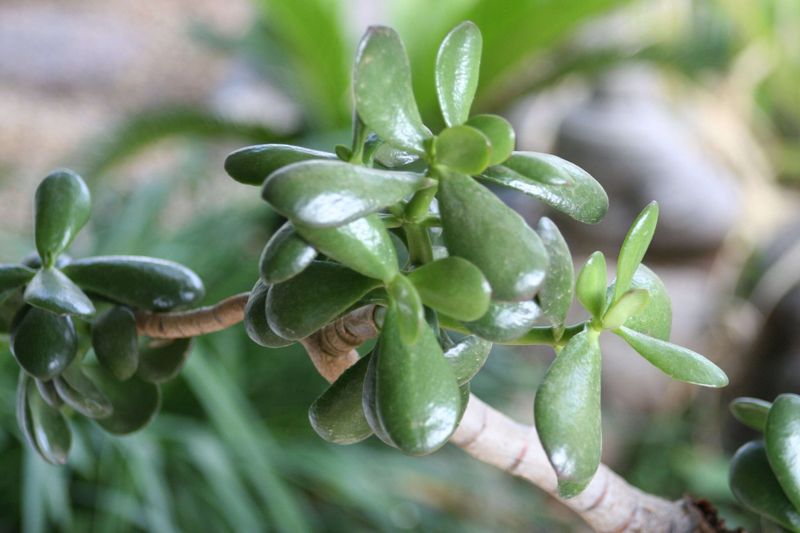
Anyone who has spent time in Colorado knows just how dry the air can be, especially during winter when indoor heating strips away even more moisture.
While jade plants are succulents and can tolerate dry conditions better than many houseplants, they still benefit from a bit of extra humidity to keep their leaves plump and healthy.
Low humidity can cause the edges of jade plant leaves to turn brown and crispy, and it can slow down overall growth.
One simple way to increase humidity around your jade plant is to place a shallow tray filled with water and pebbles near the plant.
As the water evaporates, it creates a small pocket of moisture in the air. Just make sure the pot is not sitting directly in the water, as this can lead to root rot. Grouping your jade plant with other houseplants is another effective strategy.
Plants naturally release moisture through a process called transpiration, and when they are clustered together, they create a more humid microclimate. This is especially helpful in Colorado homes where the air can feel like a desert.
If you have a humidifier, running it in the room where you keep your jade plant can make a noticeable difference.
Aim for humidity levels around 30 to 50 percent, which is comfortable for both people and plants. You can use a simple hygrometer to monitor the humidity in your home and adjust as needed.
Avoid misting your jade plant directly, as the water droplets can sit on the leaves and lead to fungal issues or sunburn if the plant is exposed to bright light.
Instead, focus on raising the ambient humidity in the room. With a little extra moisture in the air, your jade plant will look fuller and healthier throughout the year in Colorado.
7. Prune Regularly To Encourage A Strong, Bushy Shape
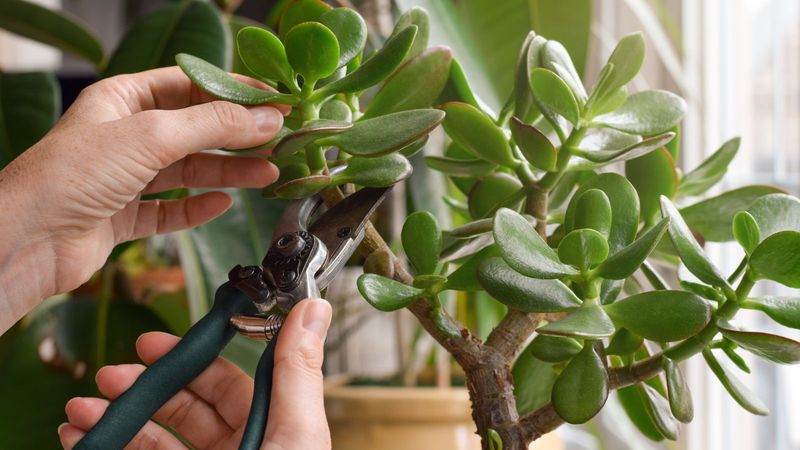
Pruning might sound intimidating, but it is actually one of the best things you can do to help your jade plant grow strong and full in Colorado. Without regular trimming, jade plants can become leggy and top-heavy, especially if they are not getting enough light.
Pruning encourages the plant to branch out and develop a thick, tree-like structure that is both beautiful and sturdy.
The best time to prune your jade plant is during the growing season in spring or early summer when the plant is actively producing new growth.
Use clean, sharp scissors or pruning shears to snip off stems just above a leaf node, which is where new branches will sprout. You can remove any damaged, or overgrown branches to shape the plant and improve air circulation.
Do not be afraid to cut back more than you think you should. Jade plants are incredibly resilient and will bounce back quickly with fresh, healthy growth.
In fact, pruning stimulates the plant to produce more branches, resulting in a fuller, bushier appearance. If you want your jade plant to look more like a miniature tree, focus on removing lower leaves and shaping the top into a rounded canopy.
Colorado’s intense sunlight and dry air can sometimes cause uneven growth, with one side of the plant growing faster than the other.
Regular pruning helps balance the shape and keeps your jade plant looking its best. Save the cuttings you remove, as they can be easily propagated in soil to grow new jade plants. Pruning is also a great opportunity to inspect your plant for any signs of pests or disease.
Healthy pruning practices will keep your jade plant compact, strong, and thriving in your Colorado home, giving you a stunning succulent that is sure to impress visitors and bring you joy for many years.