11 Evergreen Care Mistakes Minnesota Homeowners Keep Making Every Winter
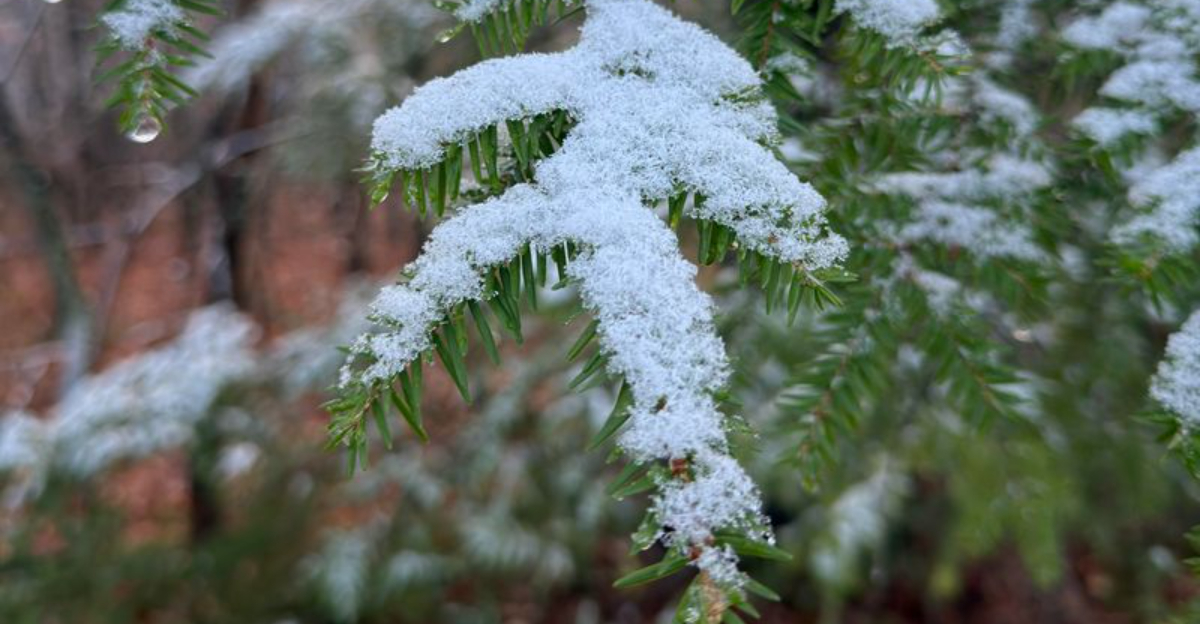
Minnesota winters can be brutal on your landscape, especially those beautiful evergreen trees and shrubs that add year-round color to your yard.
Many homeowners unknowingly harm their evergreens through simple mistakes that seem harmless at first.
Understanding what to avoid can save your trees from stress and damage, keeping them healthy and vibrant through the coldest months.
Your evergreens deserve better care, and fixing these common errors is easier than you might think.
1. Forgetting To Water Before The Ground Freezes
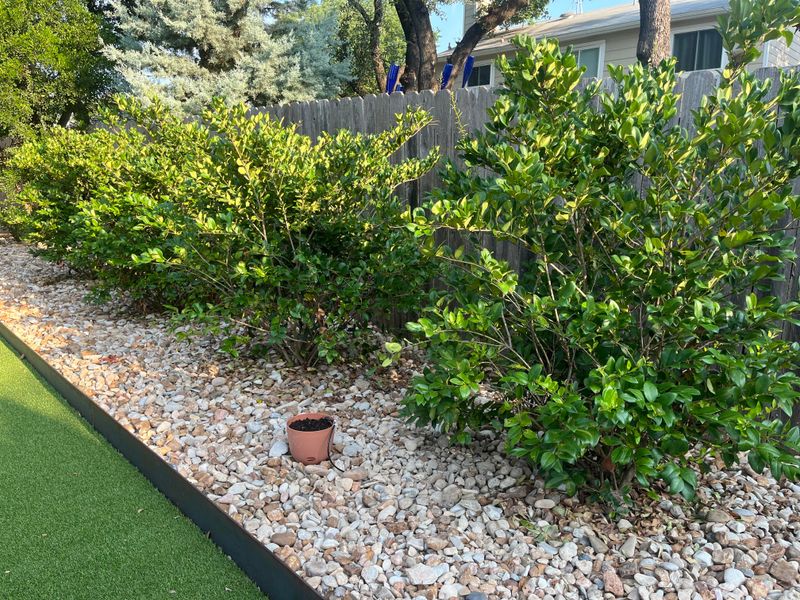
Most people assume trees go dormant and stop needing water once temperatures drop, but evergreens continue losing moisture through their needles all winter long.
Wind and sun exposure cause water to evaporate from the foliage even when it feels freezing outside.
Without adequate moisture stored in the root system, your trees face serious stress that weakens their overall health.
Before the ground freezes solid in late fall, give your evergreens a deep, thorough watering.
Focus especially on newly planted trees and those in exposed locations where wind hits hardest across Minnesota landscapes.
Aim to soak the soil about 12 inches deep around the entire root zone.
This pre-winter hydration helps trees survive the harsh months ahead when their roots cannot draw water from frozen soil.
Skipping this step leaves your evergreens vulnerable to winter burn and browning.
A well-watered tree enters winter with reserves to sustain it through the toughest conditions.
Mark your calendar for mid-to-late November as your last watering reminder before winter truly sets in across Minnesota.
2. Piling Snow Directly Against Tree Trunks
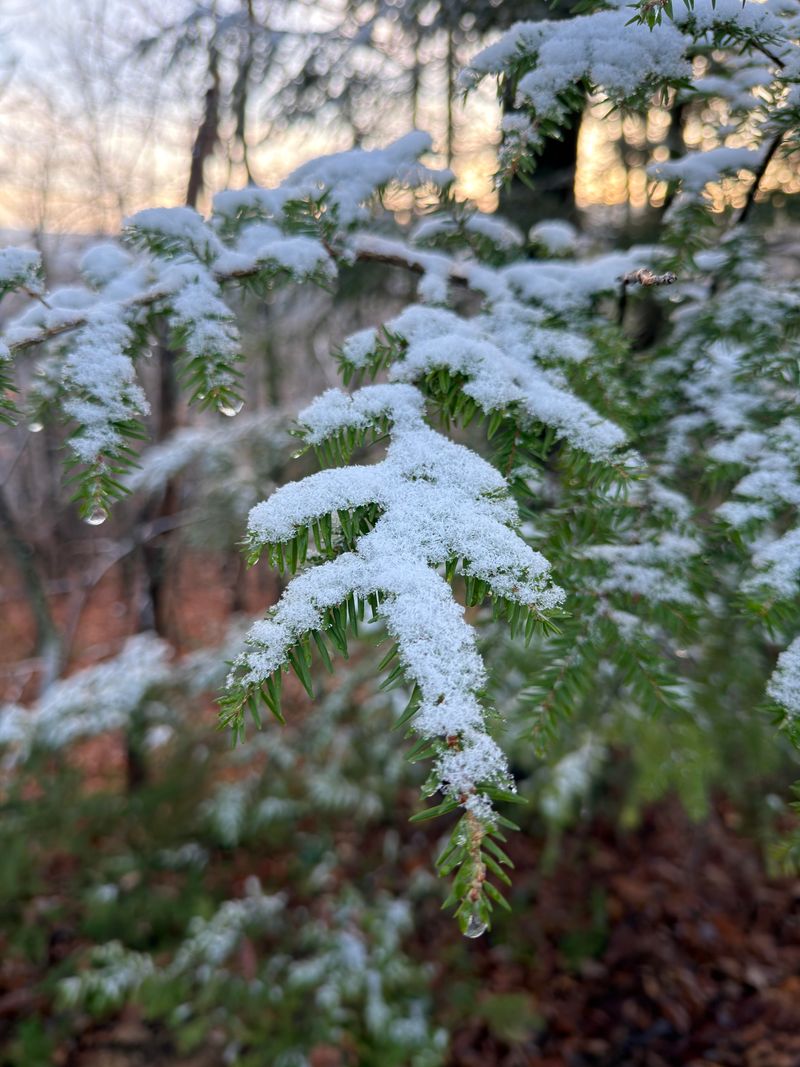
After shoveling the driveway or clearing walkways, it feels natural to toss snow wherever there is open space, often right up against tree trunks and shrubs.
However, packing heavy, wet snow against evergreen bark creates problems you might not see until spring arrives.
The constant moisture against the trunk encourages fungal growth and rot.
Salt and chemicals mixed into road snow add another layer of harm, burning delicate bark and roots.
Snow piled too high can also break lower branches under its weight, especially on smaller evergreens and young trees.
Instead of using trees as snow dump sites, spread snow evenly across your lawn or garden beds away from trunks and root zones.
If you hire a plow service, ask them to avoid pushing snow directly onto your evergreens.
Creating a barrier or marking trees with stakes helps snowplow drivers see and avoid your valuable Minnesota landscape plants.
Protecting trunks from snow piles prevents hidden damage that weakens trees over time and keeps your evergreens looking their best come springtime.
3. Applying Too Much Road Salt Near Evergreens
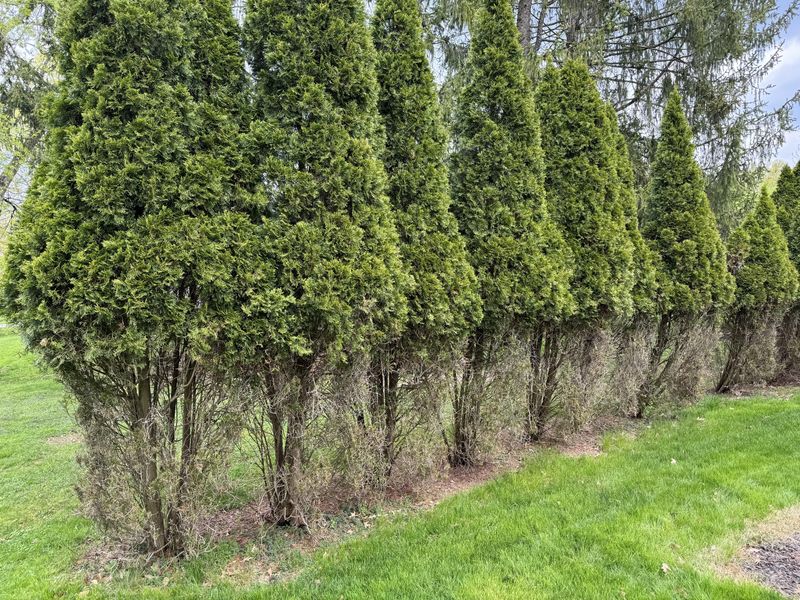
Road salt makes walkways and driveways safer during icy conditions, but it spells trouble for evergreens growing nearby.
Salt spray from passing cars and salt runoff from melting ice seep into the soil, where roots absorb the harmful chemicals.
Sodium and chloride interfere with how trees take up water and nutrients, leading to brown, scorched-looking needles by late winter.
Evergreens closest to roads and sidewalks suffer the most visible damage.
Once salt enters the soil, it takes time to flush out, meaning damage can persist even after winter ends.
Consider using sand, kitty litter, or pet-safe ice melt products instead of traditional rock salt near your Minnesota evergreens.
If you must use salt, apply it sparingly and only where absolutely necessary for safety.
Create physical barriers like burlap screens between high-traffic salted areas and your trees to block spray.
Come spring, water the soil deeply around affected evergreens to help leach salt away from the root zone.
Prevention works better than trying to repair salt damage after it happens.
4. Wrapping Trees With Non-Breathable Materials
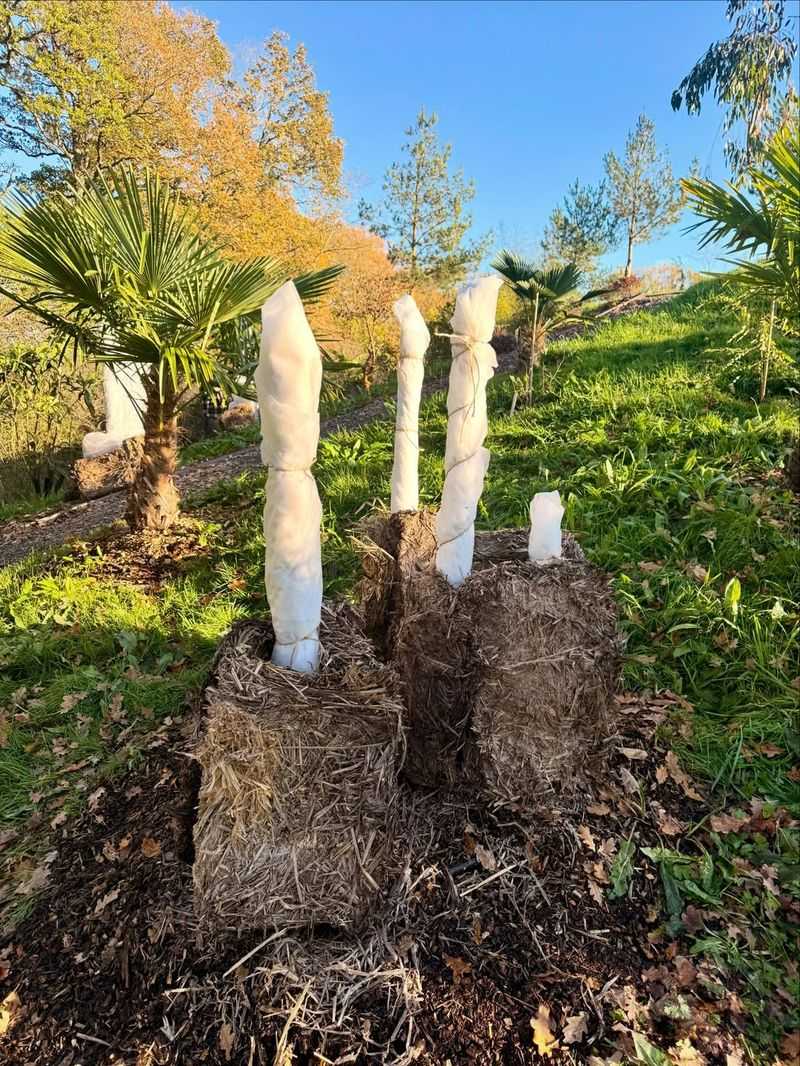
Wrapping evergreens for winter protection sounds like a caring gesture, but using the wrong materials does more harm than good.
Plastic tarps and non-breathable fabrics trap moisture against needles and branches, creating a humid environment perfect for mold and fungal diseases.
Without air circulation, condensation builds up inside the wrap, especially during temperature fluctuations common in Minnesota winters.
This trapped moisture can cause needle browning and branch rot that weakens the entire tree.
If you need to protect young or sensitive evergreens from wind and sun, choose burlap or specially designed tree wrap that allows air to flow through.
These breathable materials shield trees from harsh elements while preventing moisture buildup.
Wrap loosely, leaving space between the fabric and foliage rather than binding tightly.
Remove wraps in early spring once the harshest weather passes to prevent overheating as temperatures rise.
Proper wrapping protects without suffocating your trees.
Many established evergreens need no wrapping at all once their root systems mature, so evaluate each tree individually before deciding to wrap.
5. Ignoring Winter Burn On South-Facing Sides
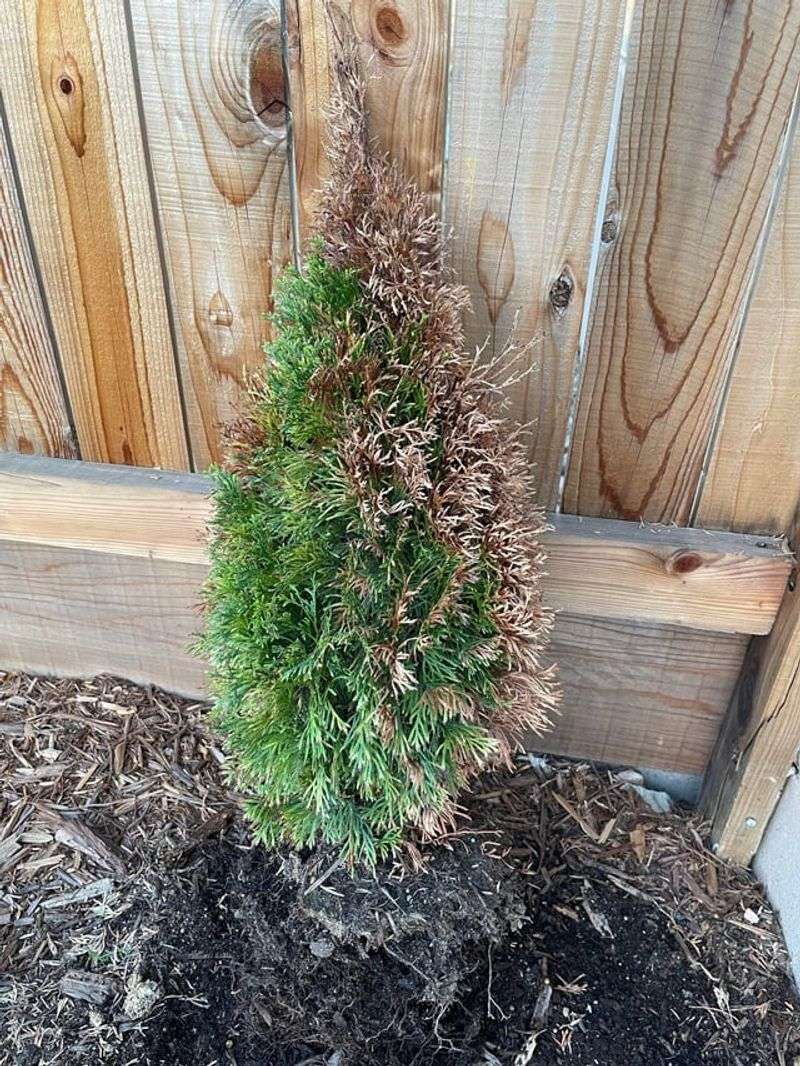
Bright winter sunshine reflecting off snow creates intense light that hits the south and southwest sides of evergreens especially hard.
Combined with cold, dry winds, this exposure causes winter burn, where needles turn brown or bronze from dehydration.
Many homeowners mistake this for disease or insect damage when it actually results from environmental stress.
Evergreens cannot replace moisture lost through their needles when the ground stays frozen for months.
Young trees, newly transplanted evergreens, and certain species like arborvitae are particularly vulnerable to winter burn.
Preventing it requires planning before winter arrives.
Apply anti-desiccant sprays in late fall to coat needles with a protective layer that reduces moisture loss.
Position burlap screens on the south and west sides of vulnerable trees to block harsh sun and wind without completely enclosing them.
Proper fall watering also helps trees enter winter with adequate moisture reserves.
Once winter burn occurs, damaged needles rarely recover their green color, though new growth typically appears healthy in spring.
Prevention saves your Minnesota evergreens from looking scorched and patchy for months.
6. Pruning Evergreens During Freezing Weather
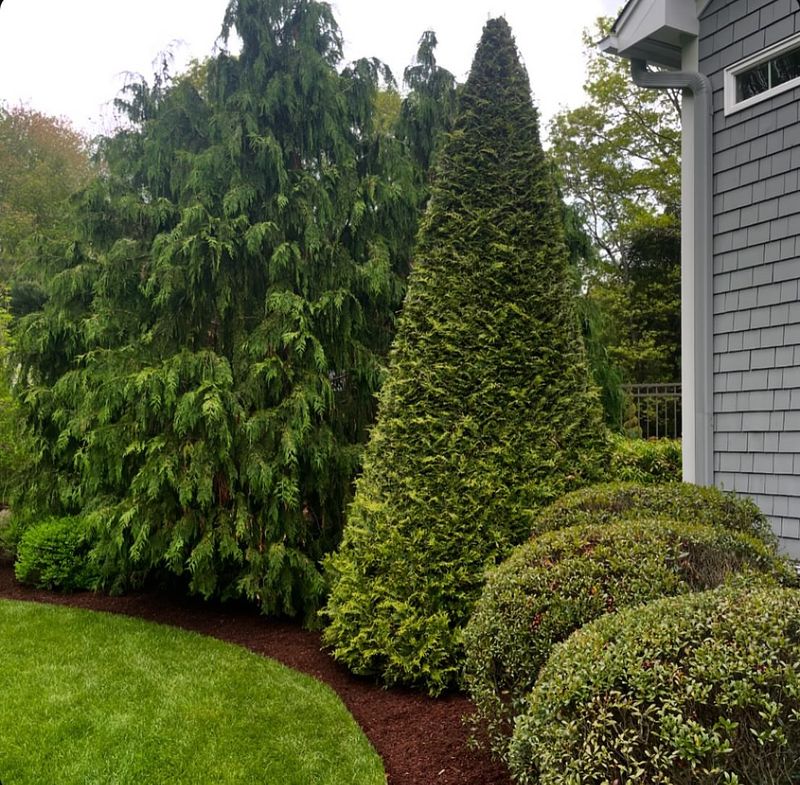
Spotting a broken branch or overgrown section on your evergreen might tempt you to grab the pruners right away, even in the middle of winter.
However, pruning during freezing temperatures stresses trees and opens fresh wounds that cannot heal properly in cold conditions.
Sap flow stops when temperatures drop, meaning cuts stay open and vulnerable to disease and pest invasion.
Frozen wood also becomes brittle, making clean cuts nearly impossible and increasing the chance of tearing bark.
Wait until late winter or early spring when temperatures moderate but before new growth begins.
This timing allows cuts to heal quickly as the growing season approaches.
The only exception is removing branches broken by heavy snow or ice, which should be cleaned up promptly to prevent further tearing.
Make clean cuts just outside the branch collar without leaving stubs.
Use sharp, sanitized tools to minimize damage and disease spread.
Most evergreens need minimal pruning anyway, so resist the urge to shape them during winter months.
Patience protects your trees from unnecessary stress and helps them maintain their natural beauty and health across Minnesota winters.
7. Letting Heavy Snow Accumulate On Branches
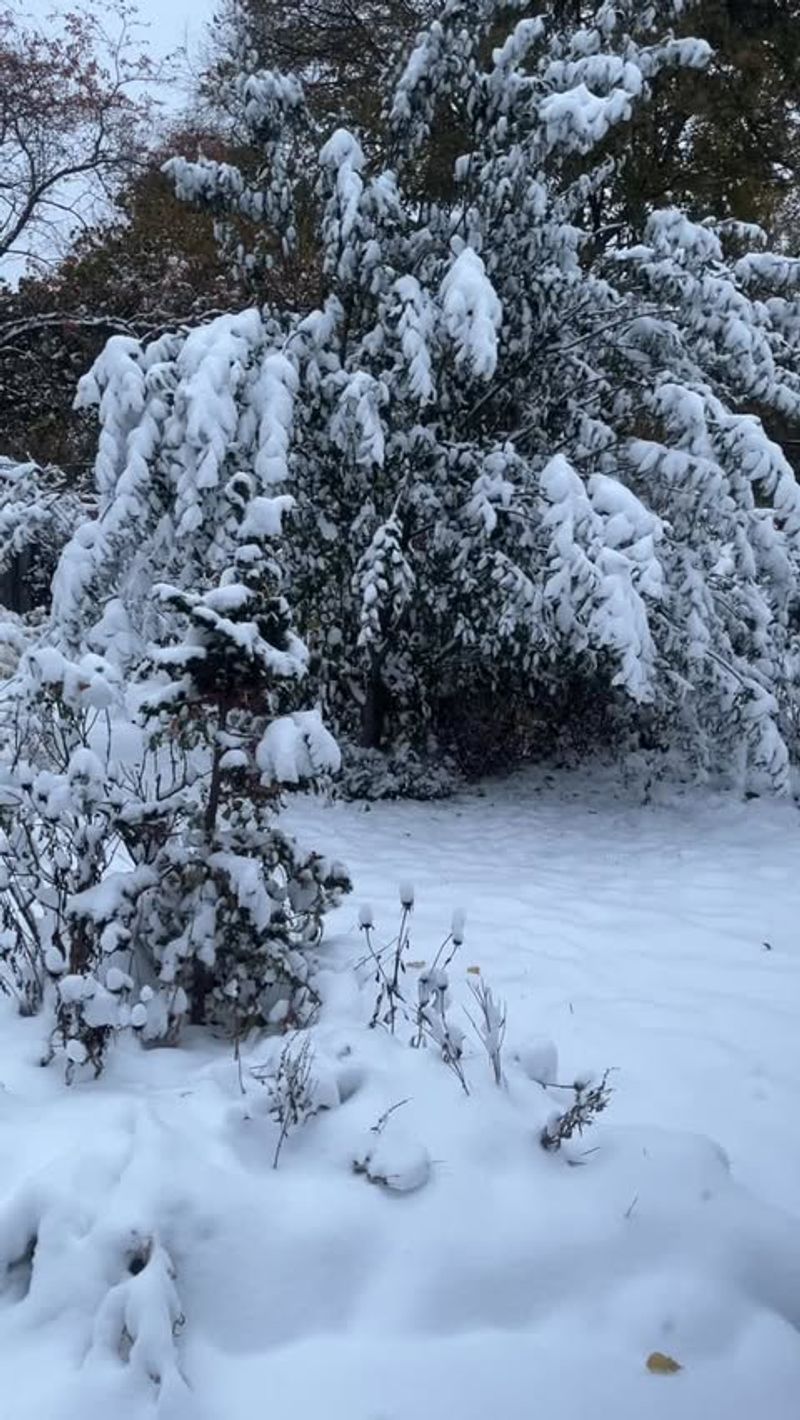
Watching snow gently pile up on evergreen branches creates a picturesque winter scene, but that beauty can turn destructive when snow gets too heavy.
Wet, heavy snow weighs down branches, bending them beyond their natural flexibility and causing splits or complete breaks.
Multi-stemmed evergreens like arborvitae and upright junipers are especially prone to damage from snow load.
Once branches split from the main trunk, they rarely recover, leaving permanent gaps in the tree’s shape.
After heavy snowfalls, gently brush snow off branches using an upward sweeping motion with a broom or your hands.
Never shake branches violently or hit them with tools, as frozen wood breaks easily under force.
Work from bottom to top, removing snow layer by layer to avoid dumping upper snow onto lower branches.
For tall trees you cannot reach safely, let nature take its course rather than risking injury on a ladder.
Installing supports or tying vulnerable multi-stemmed evergreens together loosely before winter can prevent snow from pushing branches apart.
A few minutes of careful snow removal after each storm prevents structural damage that lasts for years.
8. Planting Evergreens Too Late In Fall
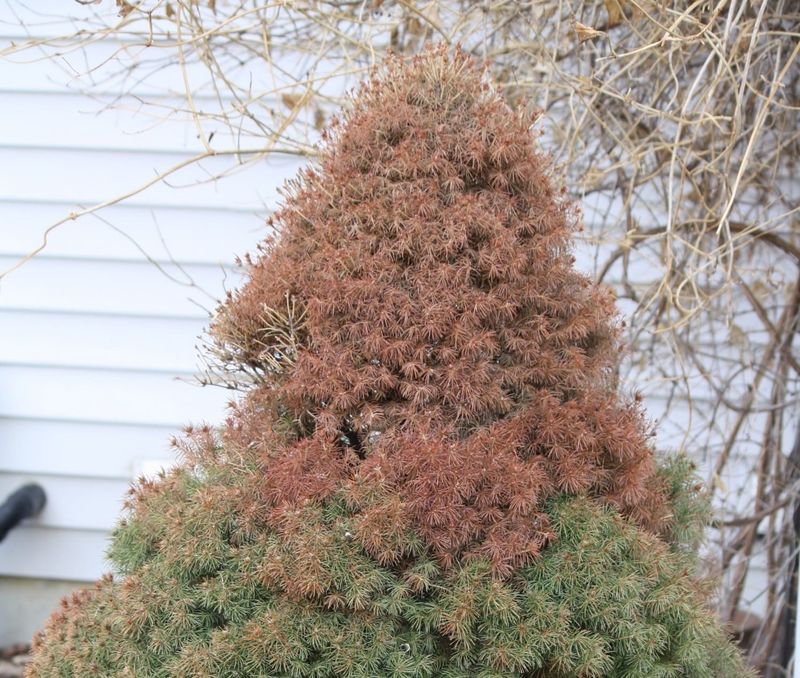
Fall planting often works well for many trees, giving roots time to establish before spring growth begins, but timing matters critically for evergreens in Minnesota.
Planting too late in autumn leaves insufficient time for root development before the ground freezes solid.
Evergreens need at least six to eight weeks of root growth in unfrozen soil to anchor properly and develop the moisture-absorbing capacity they need for winter survival.
Trees planted in late October or November face an uphill battle against winter stress.
Their limited root systems cannot supply enough water to needles that continue losing moisture throughout winter.
This often results in severe winter burn or complete failure of the tree.
Plan evergreen planting for late summer through early September in Minnesota, giving roots maximum establishment time before winter arrives.
Spring planting works even better for evergreens, allowing an entire growing season for root development before facing their first winter.
If you must plant later, provide extra protection with windbreaks, anti-desiccant sprays, and thorough watering before freeze-up.
Better yet, wait until spring rather than risking a newly planted evergreen in harsh winter conditions with an underdeveloped root system.
9. Overlooking Rodent Damage Around The Base
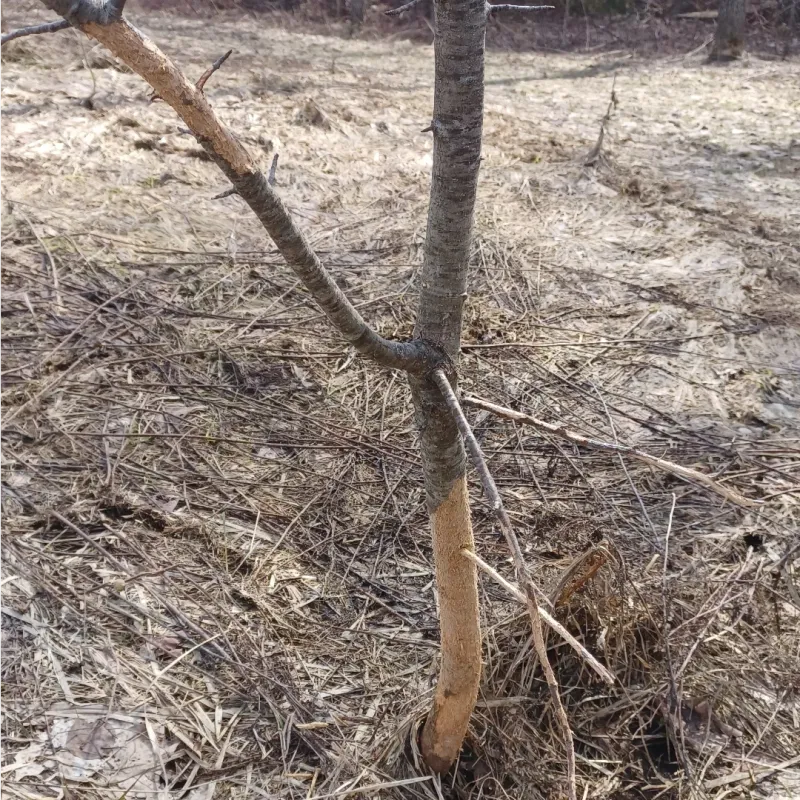
While you focus on protecting evergreens from weather, hungry rodents see your trees as a winter buffet hiding beneath the snow.
Mice, voles, and rabbits gnaw on bark at the base of evergreens when their usual food sources become scarce under snow cover.
This damage often goes unnoticed until spring when melting snow reveals chewed bark around the trunk.
Severe girdling can compromise or even end a tree’s life by cutting off nutrient and water flow.
Young evergreens with tender bark are especially attractive to hungry rodents.
Prevent damage by clearing mulch, leaves, and debris away from the base of trees before winter, eliminating cozy nesting spots for mice and voles.
Install hardware cloth or plastic tree guards around trunks, burying them slightly below soil level and extending at least 18 inches up the trunk.
Keep the area around evergreens clear of tall grass and weeds that provide rodent cover and travel routes.
Check guards periodically throughout winter to ensure they remain secure and properly positioned.
These simple preventive steps protect your investment and keep your Minnesota evergreens safe from hidden winter threats lurking beneath the snow.
10. Fertilizing Right Before Winter Arrives
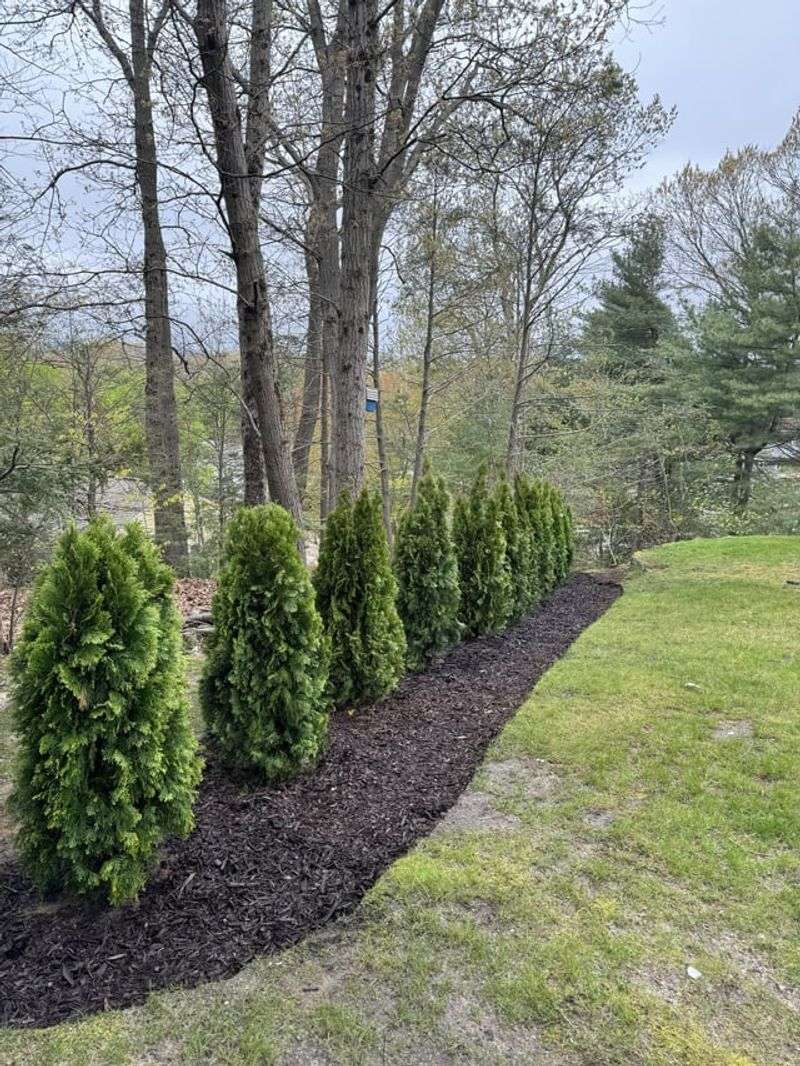
Adding fertilizer seems like a helpful way to strengthen trees before winter, but late-season feeding actually encourages tender new growth at exactly the wrong time.
Evergreens should be hardening off and preparing for dormancy in late fall, not pushing out soft new shoots that cannot withstand freezing temperatures.
Fertilizer applied in late autumn stimulates growth that will likely suffer frost damage or winter burn.
This stressed new growth weakens the entire tree and wastes energy the tree needs for winter survival.
The last feeding for evergreens should happen in early fall, ideally by early September in Minnesota, giving trees time to use nutrients before dormancy begins.
Slow-release fertilizers applied in spring or early summer work best for evergreens, supporting steady growth throughout the active season.
Most established evergreens need minimal fertilization anyway, especially if they grow in healthy soil with adequate organic matter.
If your trees show signs of nutrient deficiency like yellowing needles, address it in spring rather than trying to fix problems right before winter.
Proper timing of fertilization supports tree health without triggering risky late-season growth that compromises winter hardiness and overall tree resilience.
11. Neglecting To Check For Ice Damage After Storms
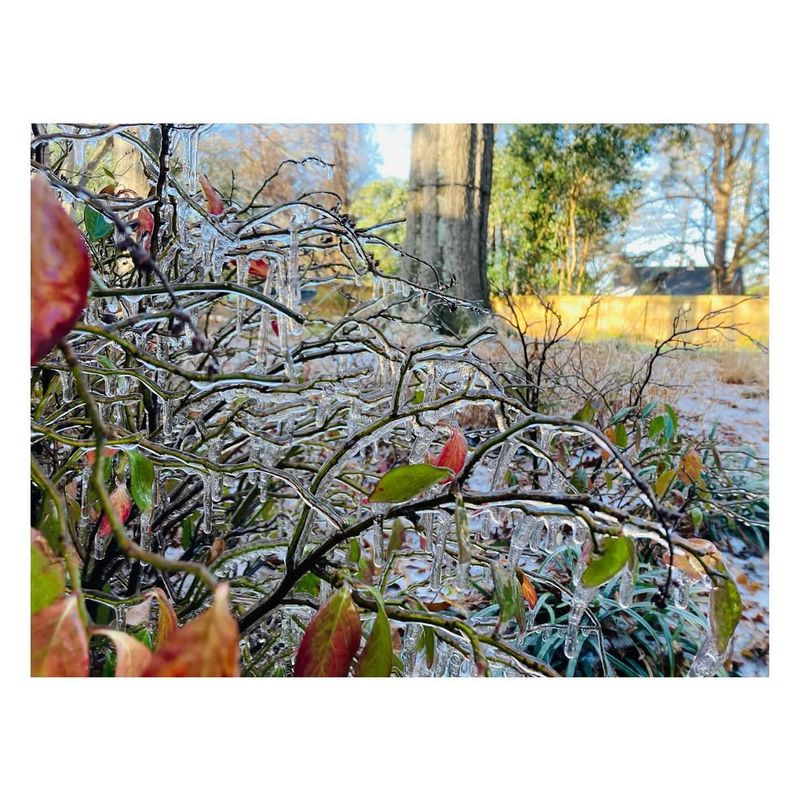
Ice storms coat evergreen branches in beautiful but dangerous layers of frozen weight that can snap limbs without warning.
After ice storms pass, many homeowners breathe a sigh of relief and go back inside without inspecting their trees for damage.
However, ice-laden branches remain at risk of breaking for hours or even days after the storm ends.
Cracks, splits, and partially broken limbs hide beneath ice coatings, ready to fail completely with the slightest additional stress.
Once ice begins melting naturally, carefully inspect your evergreens for damage, looking for bent branches, cracks in bark, and splits in the trunk or major limbs.
Never try to knock ice off branches, as this causes more harm than simply waiting for natural melting.
Document damage with photos for insurance purposes if breaks are severe.
Remove completely broken branches with clean cuts once ice melts, but leave partially damaged limbs for professional evaluation.
Arborists can assess whether damaged branches can recover or need removal.
Proactive inspection after ice storms helps you address problems before they worsen and gives your Minnesota evergreens the best chance at recovery and continued healthy growth in seasons to come.