12 Evergreen Shade Plants That Can Brighten Dark Corners In Oregon Yards
Oregon yards often have shady spots where sunlight barely reaches, making it hard to grow vibrant plants that last all year long.
Evergreen shade plants solve this problem beautifully by keeping their leaves year-round and thriving even in dim, cool conditions under trees.
Choosing the right plants for these darker areas transforms forgotten corners into lush, attractive spaces that neighbors will admire and enjoy.
This guide shares twelve excellent evergreen options perfectly suited for Oregon’s climate, helping you create beautiful gardens in even the shadiest spots.
1. Western Sword Fern
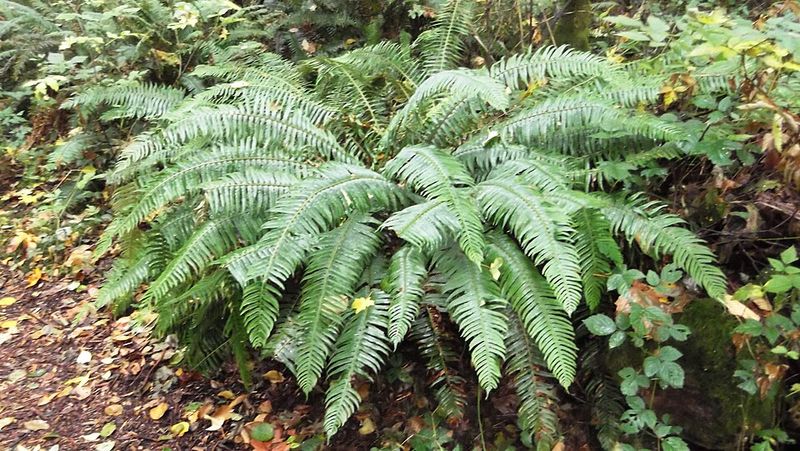
Native to Oregon forests, this fern brings authentic Pacific Northwest character to any shaded garden space you want to fill with greenery.
Sword ferns display graceful arching fronds that stay bright green throughout winter, even during Oregon’s coldest months when other plants look tired.
Growing up to four feet tall, these hardy ferns create dramatic texture against fences, under trees, or along shaded pathways beautifully.
Rainfall alone usually provides enough moisture for established plants, making them incredibly low-maintenance choices for busy Oregon homeowners seeking easy solutions.
Their tolerance for dry shade once established makes them perfect companions for thirsty tree roots that compete for water in garden beds.
Deer generally avoid munching on sword ferns, which means your investment stays protected from hungry wildlife wandering through Oregon neighborhoods at night.
Planting several together creates a lush groundcover effect that suppresses weeds naturally while adding year-round visual interest to forgotten corners everywhere.
Sword ferns thrive in Oregon’s acidic soil conditions without requiring fertilizers or amendments, saving you money and effort over the growing season.
2. Evergreen Huckleberry
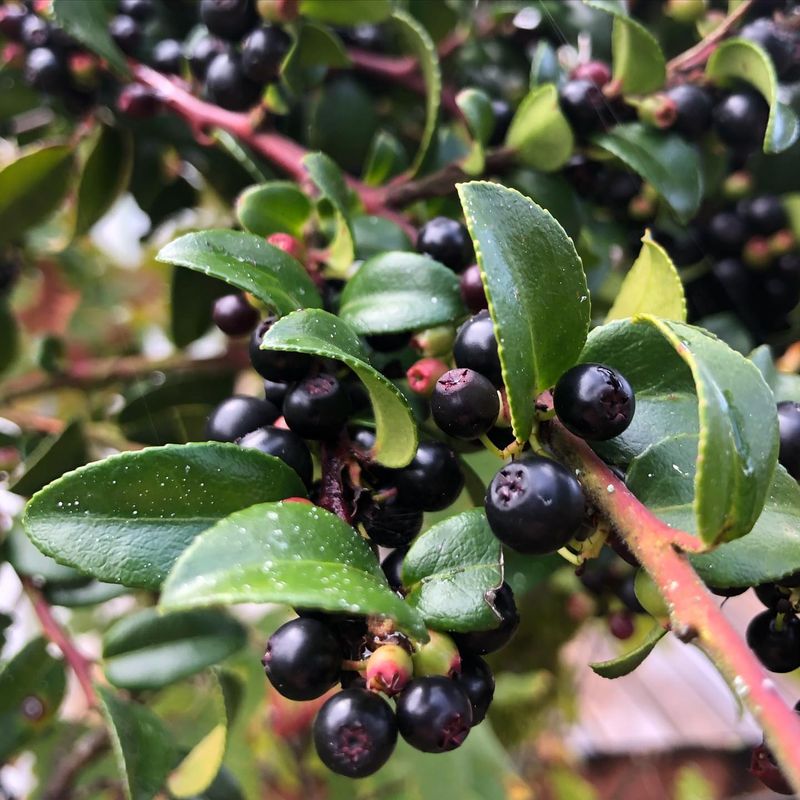
Glossy leaves catch whatever light filters through tree canopies, reflecting it beautifully to brighten up the darkest corners in your Oregon yard.
Spring brings delicate pink bell-shaped flowers that dangle charmingly from branches, adding unexpected color to shaded areas before berries arrive later on.
By late summer, edible blue-black berries appear, offering tasty treats for both gardeners and local birds who visit your yard throughout the year.
Reaching heights of three to ten feet depending on growing conditions, this versatile shrub works well as foundation planting or natural screening.
Oregon’s native huckleberry adapts wonderfully to acidic soils beneath conifers where many other ornamental plants struggle to establish themselves and grow properly.
Minimal pruning keeps plants looking tidy, though their naturally compact growth habit means you can leave them alone without worrying about maintenance.
Wildlife appreciate the berries and shelter this evergreen provides, making your garden more ecologically valuable while still looking attractive and well-designed.
Established plants handle summer dry spells surprisingly well once their roots grow deep, requiring less watering than you might initially expect.
3. Oregon Grape
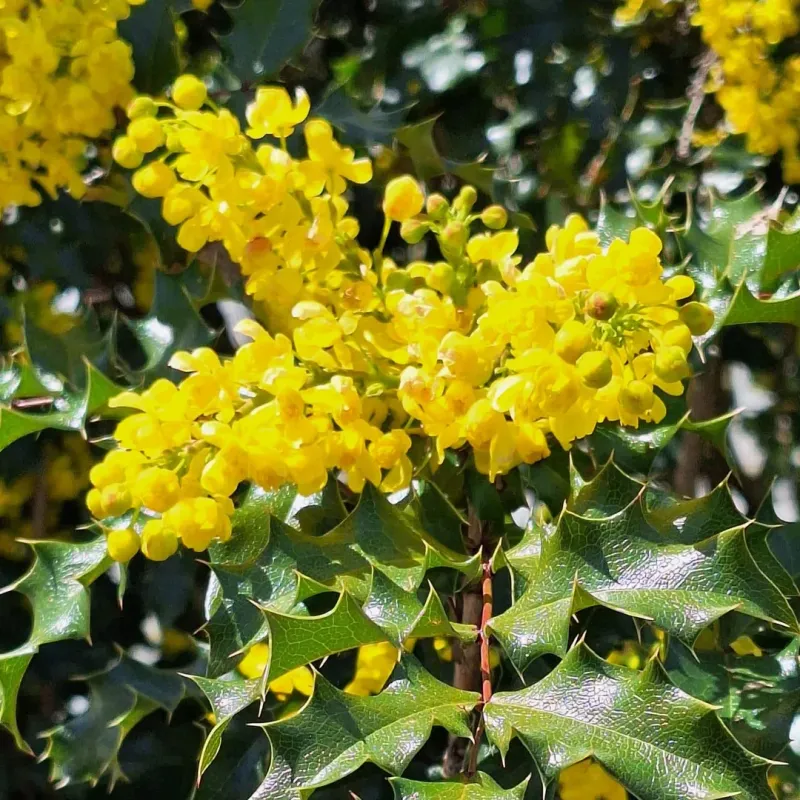
Bold, holly-like foliage adds architectural interest throughout the year, with leaves often turning attractive burgundy shades during Oregon’s chilly winter months ahead.
Bright yellow flower clusters emerge in early spring, creating stunning contrast against dark green leaves while attracting beneficial pollinators to your garden.
Blue berries follow the flowers, providing food for birds while adding another season of visual appeal to these already hardworking evergreen shrubs.
Oregon’s official state flower grows naturally in forests throughout the region, making it perfectly adapted to local climate conditions and soil types.
Heights vary from one to six feet depending on the variety chosen, giving you flexibility in designing layered shade gardens with depth.
Drought tolerance improves dramatically after the first year, meaning established plants survive dry summers without constant watering or special care from you.
Spiny leaf edges discourage foot traffic naturally, making Oregon grape an excellent choice for borders where you want to guide movement subtly.
This tough native handles neglect gracefully, thriving even in challenging spots where other ornamental plants would struggle or fail completely over time.
4. Japanese Forest Grass
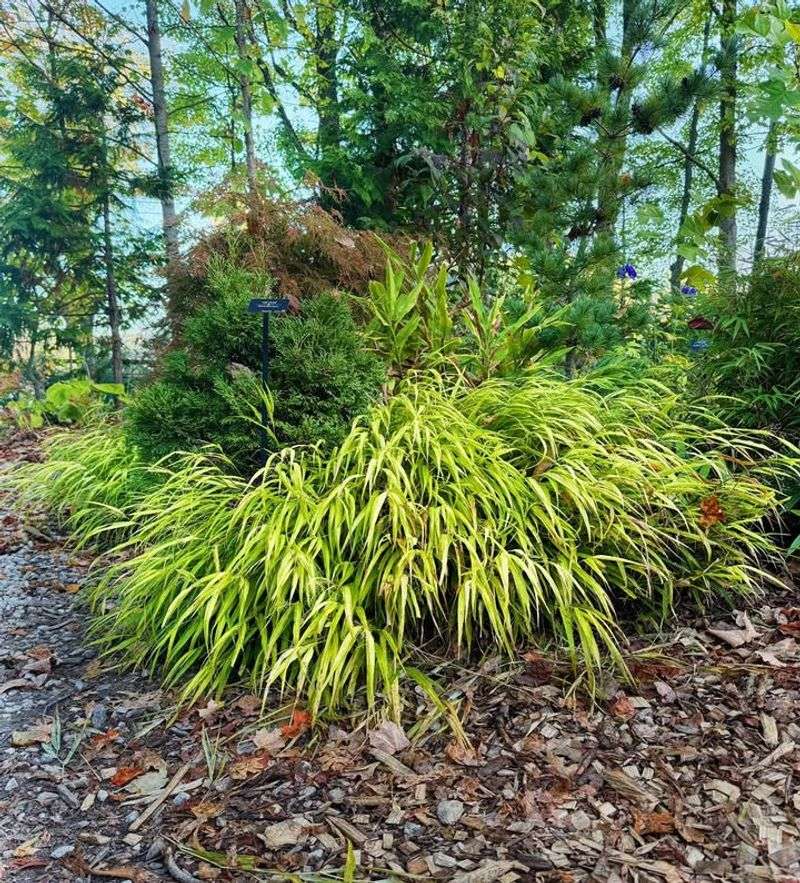
Cascading blades of golden-yellow striped foliage create a waterfall effect that seems to glow even in deep shade beneath Oregon’s towering trees.
Unlike most grasses that demand full sun, this exceptional variety actually prefers shade and develops richer colors in lower light conditions surprisingly.
Mounding growth reaches about one to two feet tall and wide, making it perfect for edging pathways or filling gaps between larger plants.
Autumn brings a transformation as foliage takes on peachy-pink tones before fading gracefully, extending the seasonal interest into Oregon’s cooler months.
Though technically deciduous, the dried foliage persists through winter, providing texture and movement when many other perennials have disappeared completely from view.
Slow spreading habit means this grass won’t become invasive or overtake neighboring plants, giving you control over your garden design for years.
Consistent moisture keeps plants looking their absolute best, though established clumps tolerate brief dry periods better than newly planted specimens can handle.
Combining Japanese forest grass with ferns and hostas creates stunning textural contrasts that make shaded areas feel intentionally designed rather than accidentally neglected.
5. Sarcococca Sweet Box
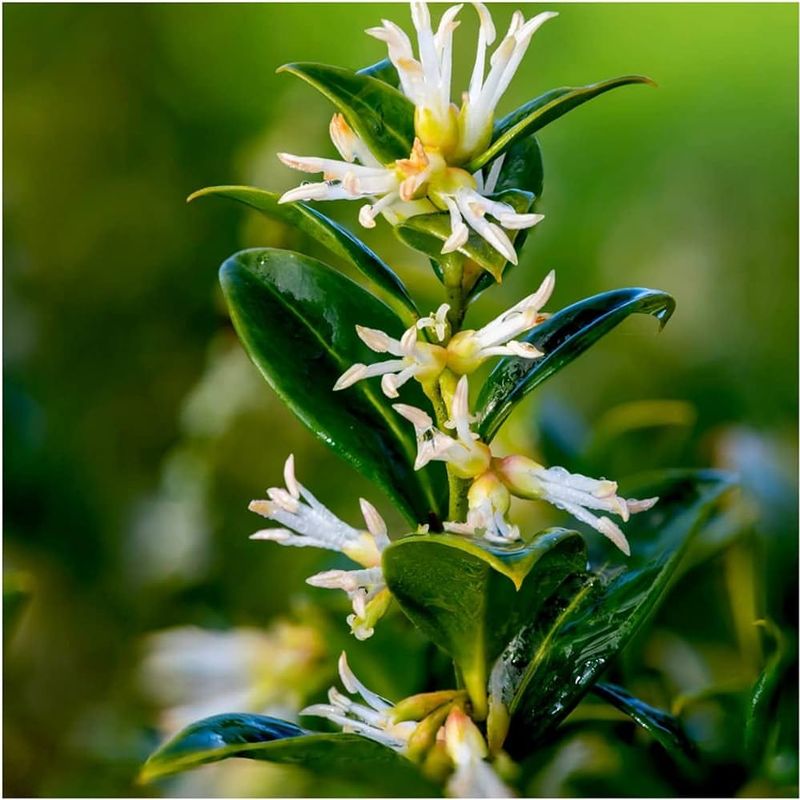
Tiny white flowers appear in late winter, releasing an incredible vanilla-like fragrance that fills shaded corners with unexpected sweetness during dreary Oregon months.
Glossy dark green leaves provide year-round structure and formality, working beautifully in both contemporary designs and traditional cottage-style gardens across the state.
Reaching only three to five feet tall, this refined shrub fits comfortably in tight spaces where larger evergreens would overwhelm the area completely.
Black berries follow the flowers, adding another decorative element while attracting birds who appreciate the food source during leaner seasons ahead for them.
Deer typically leave sweet box alone, which means your investment remains protected from browsing damage that plagues many other ornamental landscape plants unfortunately.
Dense growth creates effective low hedges or foundation plantings that hide unsightly features like utility boxes or foundation walls in shaded spots.
Slow growth rate means minimal pruning requirements, allowing you to enjoy the plant without constant maintenance tasks taking up your valuable weekend time.
Sweet box thrives in dry shade once established, making it ideal for planting under eaves or beneath mature trees with competitive root systems.
6. Hellebore Lenten Rose
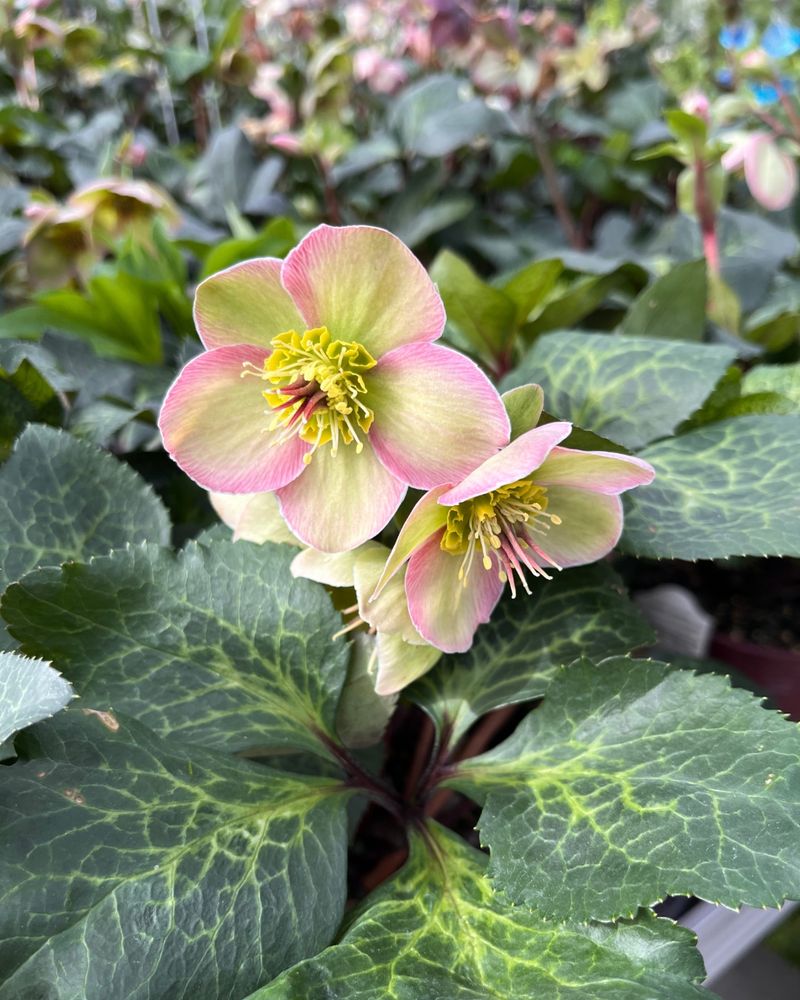
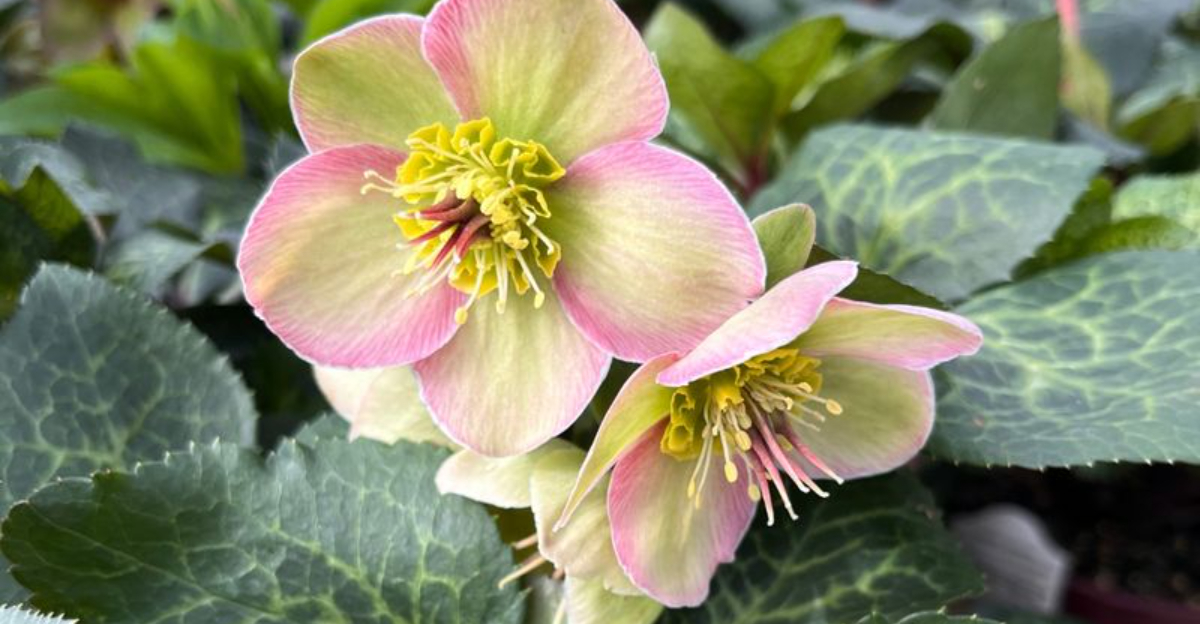
Elegant nodding flowers appear in late winter or early spring, bringing color to shaded gardens when little else dares to bloom in Oregon.
Blooms last for months rather than weeks, providing exceptional value and extended interest in colors ranging from white to deep purple shades.
Leathery evergreen foliage remains attractive year-round, forming handsome mounds that anchor shaded borders even when flowers have faded away completely by summer.
Once established, hellebores self-seed gently, creating naturalized drifts that look increasingly beautiful as colonies mature over several growing seasons in your yard.
Deer and rabbits avoid these plants due to their toxic nature, ensuring your display remains intact throughout the year without protective measures.
Drought tolerance improves significantly after the first year, meaning mature plants handle Oregon’s dry summers better than many other shade-loving perennials available.
Planting hellebores under deciduous trees takes advantage of winter sunlight when trees are bare, then provides cooling shade during hotter summer months.
Removing old foliage in late winter allows new growth and flowers to shine, though this remains the only maintenance these tough perennials require.
7. Skimmia Japonica
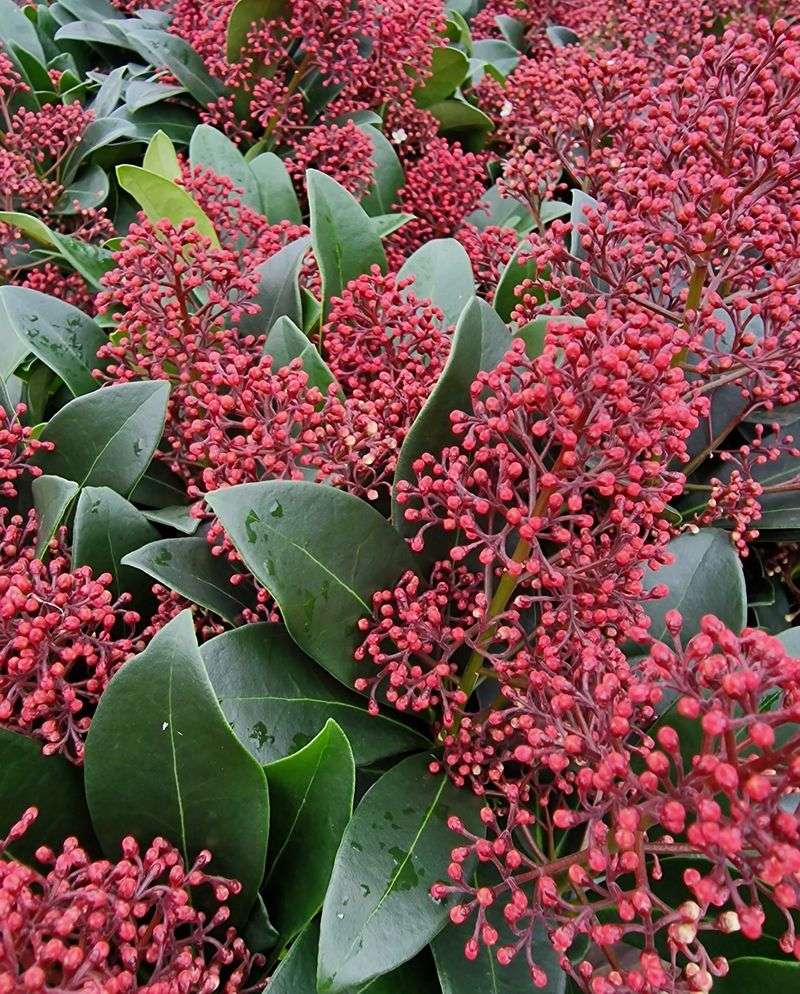
Fragrant white flower clusters appear in spring, creating a sweet-smelling display that attracts beneficial insects to your shaded Oregon garden areas beautifully.
Bright red berries develop on female plants and persist throughout winter, providing stunning color when most gardens look drab and lifeless outdoors.
Compact rounded growth reaching only three to four feet makes this Japanese native perfect for small urban gardens with limited space available for planting.
Glossy evergreen foliage provides year-round structure and interest, working well in containers on shaded patios or planted directly in garden beds everywhere.
Male and female plants are needed for berry production, so planting both ensures you get the full ornamental display these shrubs offer.
Skimmia handles pollution and urban conditions remarkably well, making it an excellent choice for city gardens where air quality challenges other sensitive plants.
Slow growth means you won’t need to prune frequently, saving time and effort while maintaining the plant’s naturally attractive shape over many years.
Combining skimmia with ferns and hostas creates layered shade gardens with varied textures, colors, and seasonal interest that captivate visitors throughout every season.
8. Pieris Japonica
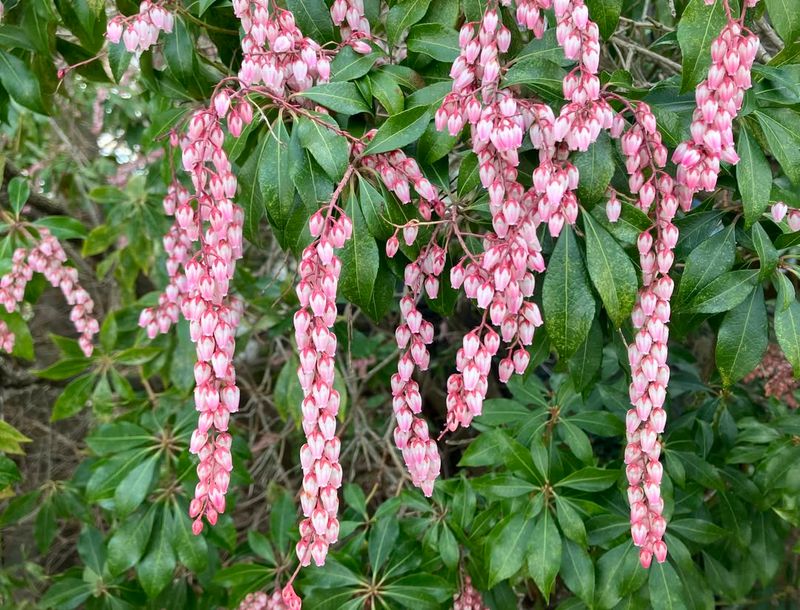
Cascading clusters of bell-shaped flowers dangle gracefully from branches in early spring, resembling tiny lily-of-the-valley blooms in white or pink.
New growth emerges in brilliant shades of red or bronze, creating a striking contrast against mature dark green foliage throughout the growing season.
This Asian native thrives in Oregon’s acidic soil conditions, particularly beneath conifers where pH levels naturally favor ericaceous plants like pieris and rhododendrons.
Reaching heights of four to eight feet depending on variety, pieris works beautifully as a specimen plant or grouped for dramatic impact together.
Deer typically avoid pieris due to its toxic properties, protecting your investment from browsing damage that devastates many other landscape shrubs unfortunately.
Consistent moisture produces the best growth and flowering, though established plants tolerate brief dry periods better than newly planted specimens can manage alone.
Pruning immediately after flowering maintains shape and encourages bushier growth, though these shrubs naturally develop attractive forms without constant intervention from gardeners.
Combining pieris with rhododendrons and azaleas creates stunning spring displays in shaded areas, with complementary bloom times extending the flowering season significantly.
9. Fatsia Japonica
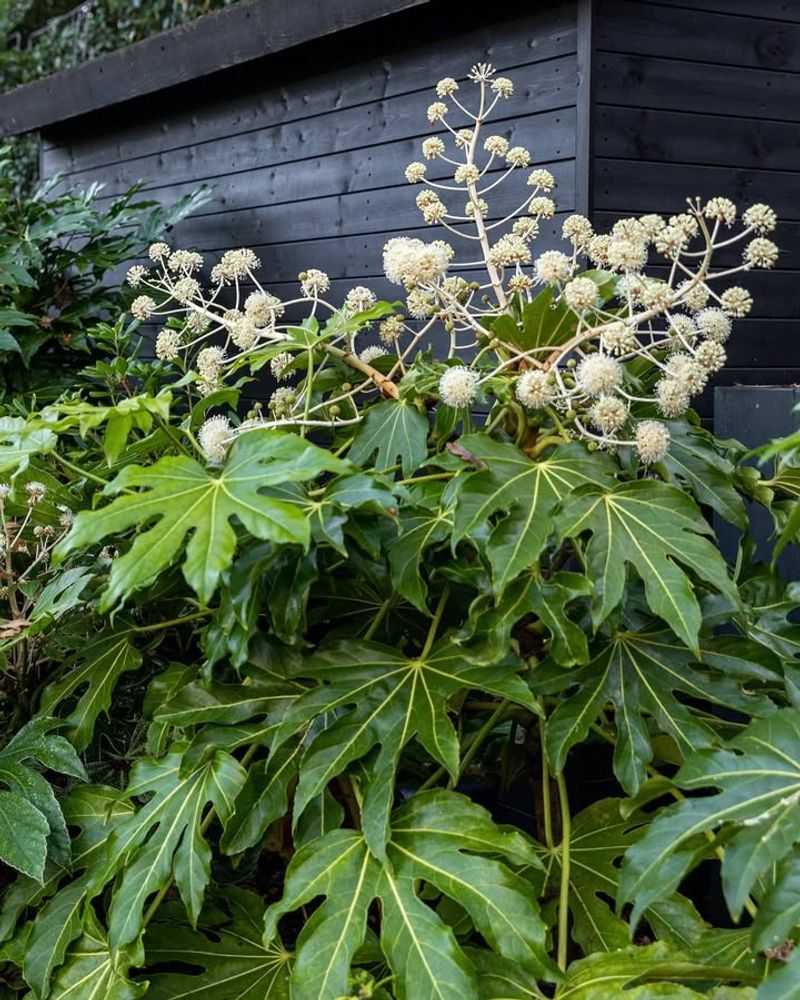
Enormous glossy leaves create instant tropical drama in shaded corners, transforming ordinary Oregon gardens into exotic-looking retreats that surprise and delight visitors.
Each leaf can reach a foot across, providing bold architectural interest that contrasts beautifully with fine-textured ferns and delicate groundcovers planted nearby.
White flower clusters appear in fall when few other plants bloom, followed by small black berries that birds appreciate during winter months ahead.
Fast growth quickly fills empty spaces in new gardens, providing immediate impact while slower-growing plants establish themselves over several seasons.
Fatsia handles deep shade remarkably well, thriving in spots where even other shade-tolerant plants struggle to produce attractive foliage and maintain health.
Protection from harsh winter winds prevents leaf damage, so planting near structures or under tree canopies provides the shelter these plants prefer.
Container growing works wonderfully for fatsia, allowing you to move plants to protected locations during particularly harsh Oregon winters if needed.
Combining this bold-leaved beauty with fine-textured companions creates stunning contrasts that make shaded gardens feel professionally designed rather than haphazardly planted.
10. Leucothoe Fontanesiana
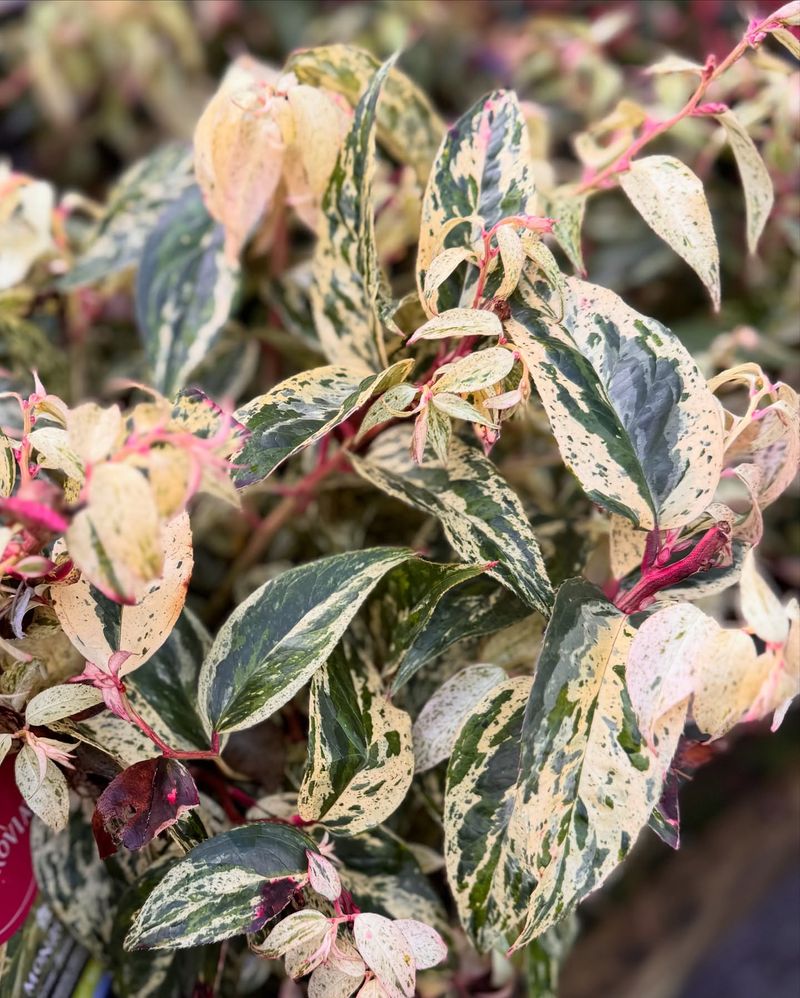
Arching branches create graceful cascading mounds that soften hard edges along pathways, foundations, or retaining walls in shaded Oregon landscapes beautifully and naturally.
Lance-shaped leaves emerge bronze-red in spring, mature to glossy green, then transform to burgundy-purple during winter, providing three-season color changes continuously.
White urn-shaped flowers dangle beneath branches in spring, adding delicate charm though the foliage remains the main attraction throughout the year.
Variegated varieties offer leaves splashed with cream and pink markings, brightening dark corners even more dramatically than solid green forms can achieve.
Growing two to four feet tall and spreading wider, leucothoe works perfectly as groundcover on shaded slopes where erosion control is needed.
Acidic soil lovers, these shrubs thrive beneath conifers and pair beautifully with rhododendrons, azaleas, and other ericaceous plants sharing similar requirements.
Pruning out oldest stems at ground level encourages fresh new growth and maintains the plant’s naturally attractive arching form without ruining shape.
Established plants tolerate dry shade reasonably well, though consistent moisture produces the most vigorous growth and best foliage color throughout growing seasons.
11. Pachysandra Terminalis
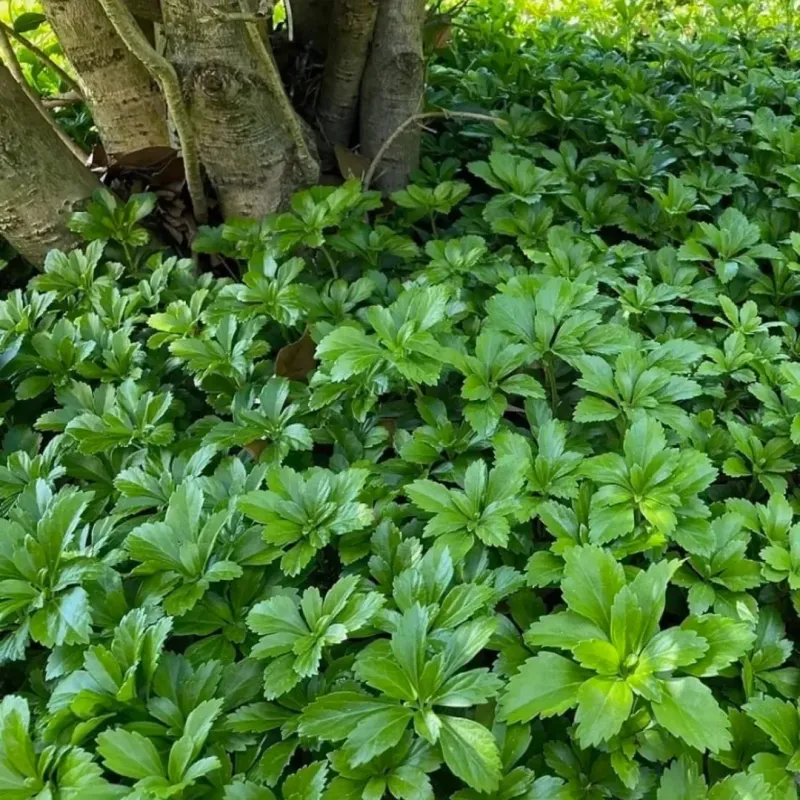
Dense evergreen groundcover spreads steadily to form thick carpets that suppress weeds naturally, reducing maintenance in shaded areas under trees and shrubs.
Glossy leaves arranged in whorls catch available light and reflect it beautifully, creating a lush green floor that brightens dark spaces effectively.
Small white flowers appear in spring, though the foliage remains the primary ornamental feature that makes this groundcover so valuable in landscapes.
Growing only six to eight inches tall, pachysandra stays low enough to walk across occasionally without damage, unlike taller groundcovers that resent foot traffic.
Spreading by underground rhizomes, plants fill in quickly once established, creating seamless coverage that looks intentional and well-maintained without constant effort.
Pachysandra tolerates dry shade beneath shallow-rooted trees where grass refuses to grow, solving one of the most frustrating challenges Oregon gardeners face.
Deer rarely bother this groundcover, ensuring your planting investment remains intact and attractive throughout the year without protective measures needed.
Combining pachysandra with spring bulbs creates beautiful seasonal displays, as the groundcover hides fading bulb foliage while providing year-round green coverage underneath.
12. Camellia Sasanqua
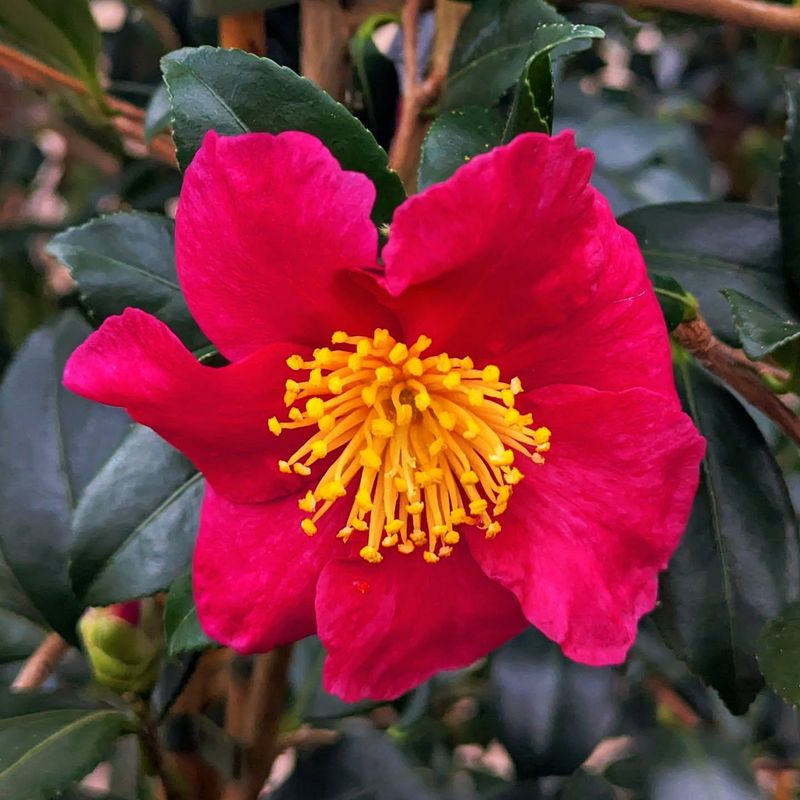
Fall-blooming flowers arrive when most gardens wind down for winter, providing unexpected color in shades of white, pink, or red across Oregon.
Glossy evergreen foliage provides year-round structure and formality, making camellias valuable even when not displaying their beautiful blooms.
More sun-tolerant than spring-blooming japonicas, sasanqua camellias still perform beautifully in partial shade with dappled light filtering through tree canopies.
Upright growth reaching six to twelve feet makes these shrubs perfect for screening unsightly views or creating privacy in shaded areas of Oregon yards.
Flowers appear lighter and more delicate than their japonica cousins, with some varieties offering lovely fragrance that fills autumn gardens with sweetness.
Acidic soil and consistent moisture produce the best growth and flowering, though established plants handle brief dry periods better than newly planted specimens.
Pruning after flowering maintains desired size and shape, though sasanqua camellias naturally develop attractive forms without constant intervention.
Combining camellias with ferns, hellebores, and other shade lovers creates layered gardens with year-round interest that transitions beautifully through every Oregon season.