8 Evergreen Shrubs To Plant In April Before Georgia Heat Hits
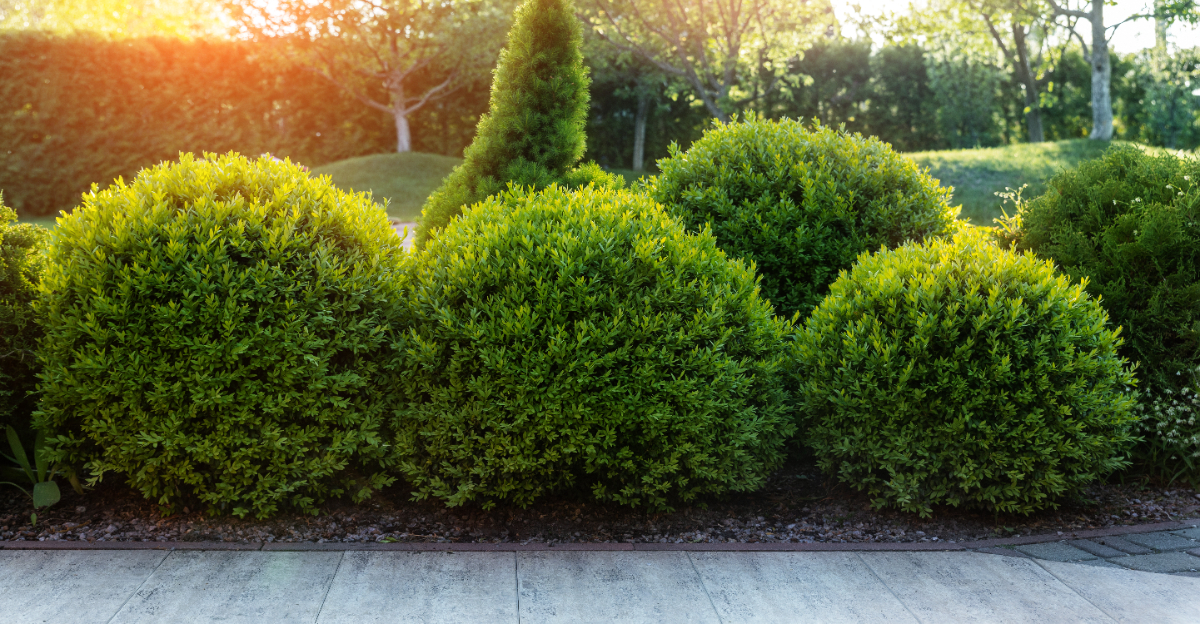
There is a short window in Georgia that can make a real difference for evergreen shrubs. Soil warmth begins to support root establishment, and plants have enough time to settle in before intense heat arrives.
What goes into the ground during this period often handles summer conditions better and keeps a more stable structure.
Not every evergreen shrub adapts well to this timing, which is where many planting choices fall short. Some establish quickly and hold up through rising temperatures, while others struggle once conditions turn harsh.
Selecting the right shrubs for this stage helps reduce stress later and supports more consistent growth. This early setup plays a big role in how well evergreen shrubs perform through the rest of the season.
1. Boxwood Establishes Well Before Heat Sets In
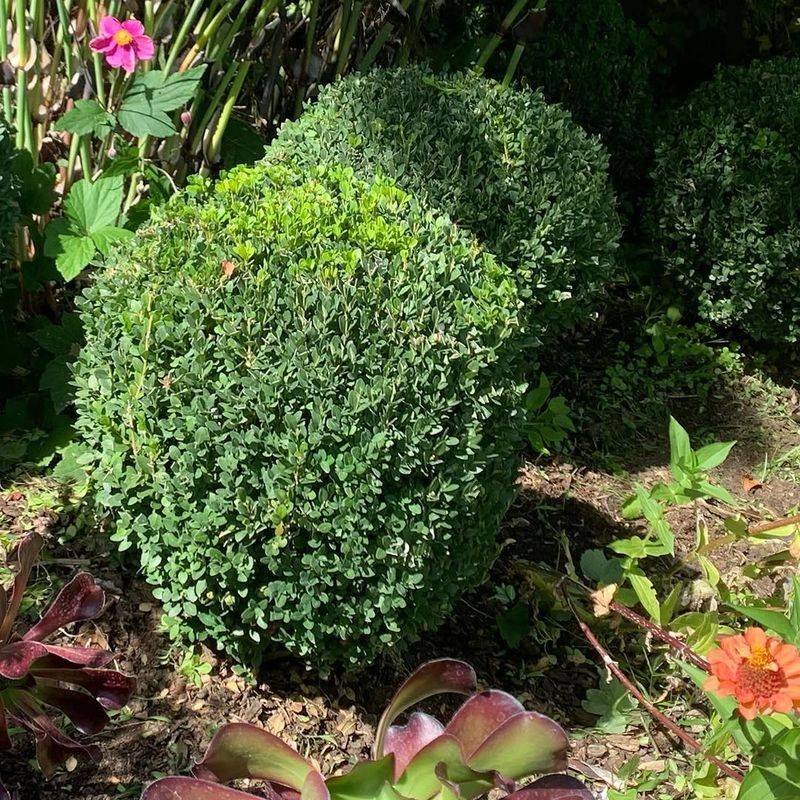
Boxwood can settle in well in April in Georgia because the soil is warming and roots have time to develop before summer heat puts extra stress on new plantings. Getting it in the ground during this window gives it a better chance to establish before conditions turn harsher.
Consistent moisture matters early on, but soggy soil can cause problems fast. Deep watering during the first few weeks helps new roots grow, and a light layer of pine straw around the base helps the soil hold moisture more evenly.
Light conditions also make a difference. Boxwood usually does better with some protection from the strongest afternoon sun, especially in Georgia, where summer heat can be hard on foliage.
A spot with morning sun and lighter afternoon exposure can help it keep a healthier color.
Spacing is just as important as planting time. Shrubs set too close together may look full at first, but they tend to crowd each other as they grow.
Leaving enough room for airflow helps reduce stress and lowers the chance of disease problems in humid weather.
Drainage is one of the biggest things to check before planting. Boxwood generally does not respond well to soil that stays wet for long periods, so heavy clay or low spots can create trouble.
Improving the soil with organic matter or planting slightly higher can help prevent excess moisture from collecting around the roots.
2. Gardenia Benefits From Warm Spring Planting
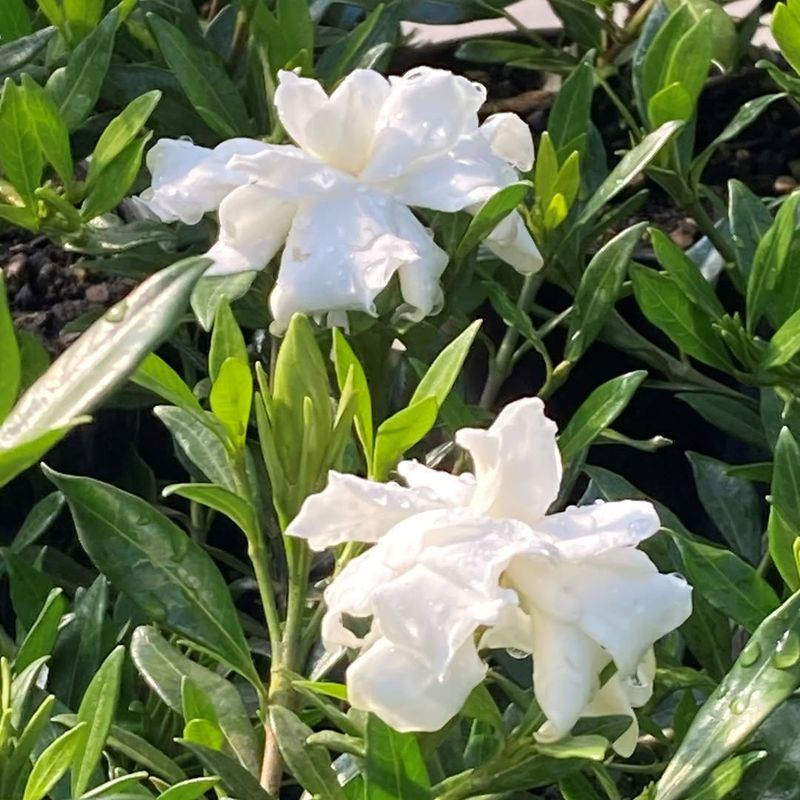
Gardenias usually benefit from being planted in April in Georgia because the soil is warming and conditions are starting to support active root growth. That matters more than a few warm afternoons, since roots respond to soil warmth more than changing air temperatures.
The planting spot can make a big difference in how well a gardenia performs. These shrubs generally do best with bright light and some protection from the harshest afternoon sun.
Morning sun with lighter shade later in the day often helps support better flowering and keeps the foliage in better shape through summer.
Soil conditions are just as important. Gardenias prefer acidic soil, so checking pH before planting can prevent problems that are harder to fix later.
Georgia soil is often somewhat acidic already, but heavier clay areas may still need adjustment for gardenias to grow well.
Planting depth also deserves attention. A wide planting hole helps roots spread more easily, but setting the shrub too deep can lead to decline over time.
Keeping the top of the root ball level with or slightly above the surrounding soil helps reduce the risk of excess moisture building up around the base.
It also helps to hold off on fertilizer right after planting. Freshly planted gardenias need time to settle in and start rooting before being pushed into extra top growth.
Waiting a little and then using a fertilizer made for acid-loving shrubs is usually a safer approach.
3. Indian Hawthorn Roots Well Before Summer Stress
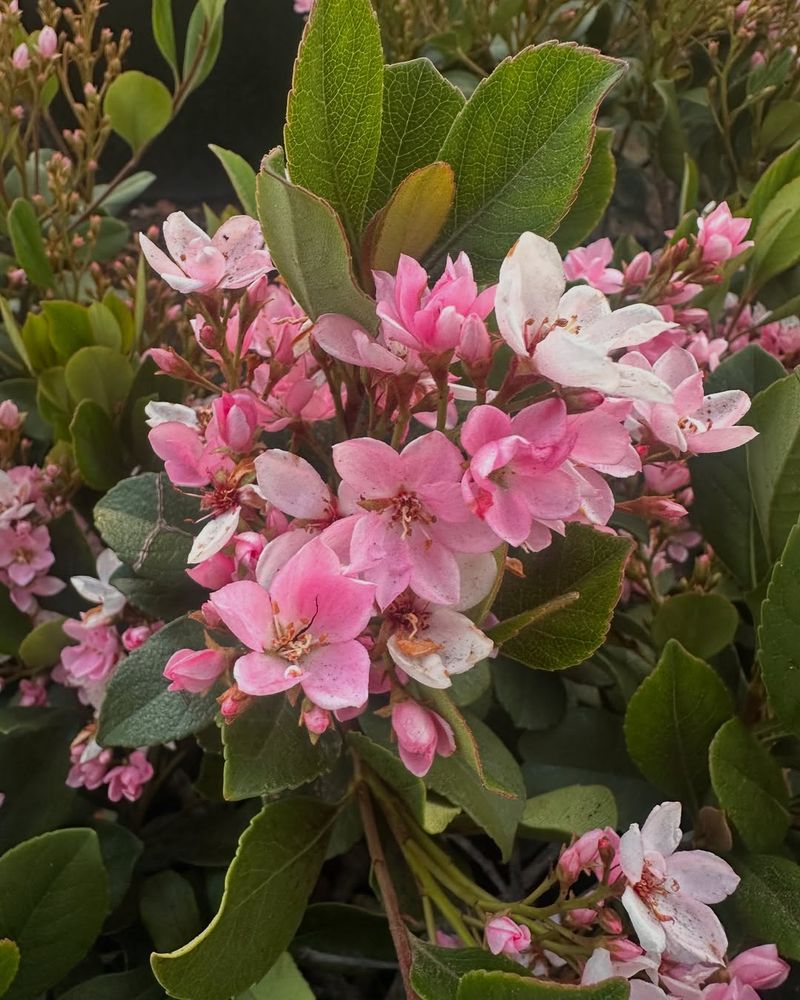
Indian hawthorn can be a good shrub to plant in April in Georgia because it is already active in spring and has time to settle in before summer conditions become harder on new plantings. That makes it easier for the shrub to start establishing while the season is still working in its favor.
Light affects flowering, but this shrub is usually more flexible than many other flowering evergreens. It tends to bloom best in fuller sun, though it can still grow and flower reasonably well with partial shade.
That gives it a little more versatility in Georgia landscapes where light shifts through the day.
Size is worth thinking about before planting. Some varieties stay compact and fit more easily near walkways or foundation beds, while others spread wider with time.
Giving it enough room from the start helps maintain better shape and keeps the center from becoming too crowded.
Watering matters most early on. Indian hawthorn becomes more tolerant once established, but recently planted shrubs still need regular moisture while roots are developing.
Letting the soil dry slightly near the surface between waterings is usually a better approach than keeping the area constantly wet.
Humidity can also bring occasional leaf spot, especially in Georgia. In most cases, it is more of a cosmetic issue than a serious threat, but good airflow and keeping water off the foliage can help reduce the problem.
Removing affected leaves when you notice them can also help keep the plant looking cleaner.
4. Loropetalum Establishes Quickly In Spring
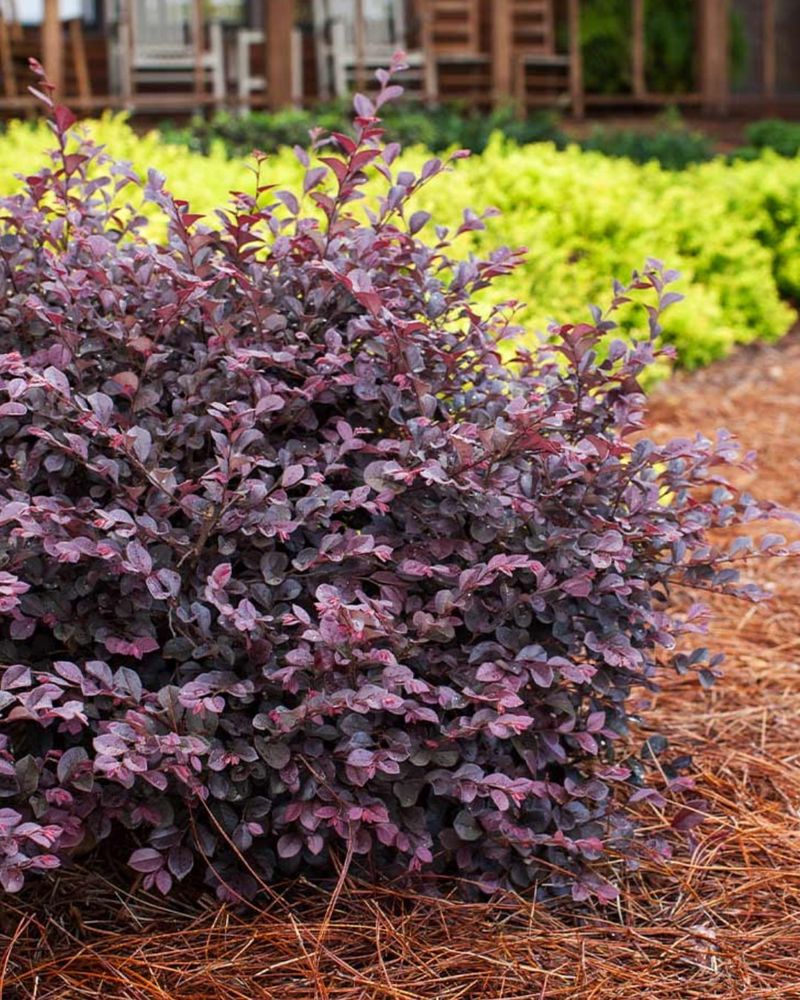
Loropetalum usually settles in well when planted in April in Georgia because spring conditions support active growth before summer stress becomes more intense. That gives new shrubs time to start establishing while temperatures are still more manageable.
One reason it is often used in Georgia landscapes is that it tends to handle heavier soil better than many other evergreen shrubs. It can tolerate clay more than some plants, though it still benefits from improved soil at planting.
Mixing in compost can help roots move more easily through dense ground and improve overall drainage.
Light exposure also affects how the foliage looks through the season. Purple varieties often develop stronger color with more sun, but intense summer exposure can sometimes fade the leaves.
In hotter parts of the season, a little afternoon shade can help the foliage hold a richer tone.
Pruning is usually best kept light and timed carefully. If shaping is needed, it makes more sense to do it after the main spring bloom period rather than later in summer, when heat can add extra stress.
Heavy pruning during hot weather is more likely to slow recovery.
The flowers are usually heaviest in spring, though loropetalum can continue to produce scattered blooms later in the season when conditions are favorable. Removing old blooms is generally not necessary, since repeat flowering tends to happen naturally without much extra work.
5. Dwarf Yaupon Holly Handles Early Planting Well
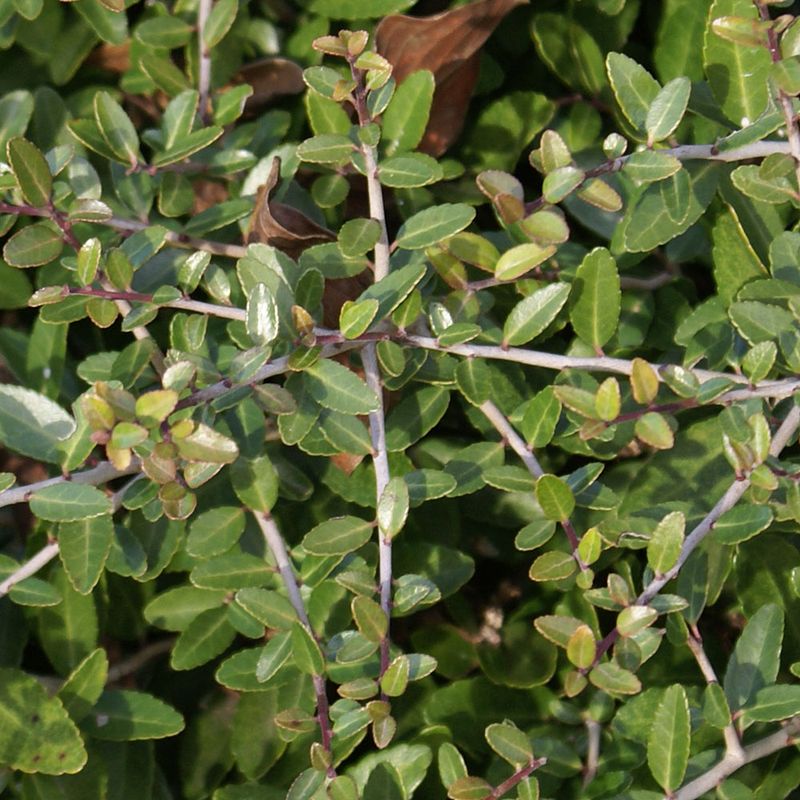
Dwarf yaupon holly is often one of the easier evergreen shrubs to plant in April in Georgia because it adapts well to a range of conditions and usually settles in without much trouble.
That flexibility makes it a practical option for gardeners who want something dependable heading into the warmer part of the season.
One of its strengths is how well it handles different light conditions. It typically grows thicker and denser with more sun, but it can also stay healthy in shadier spots where many other evergreens start to thin out.
That makes it useful in landscapes with mixed exposure throughout the day.
Plant size is also easier to manage with dwarf forms. They generally stay compact without needing constant trimming, which makes them a better fit for smaller beds or areas near walkways.
Since standard yaupon can grow much larger over time, checking the label before planting helps avoid choosing the wrong form for the space.
It is also more tolerant of difficult conditions than many shrubs commonly used in Georgia landscapes. That includes spots near driveways or sidewalks where salt runoff can sometimes affect plant health.
In those areas, yaupon holly tends to hold up better than more sensitive evergreen options.
Berry production depends on the type of plant. Female shrubs can produce red berries when a male plant is nearby, and those berries are often attractive to birds later in the year.
Even without berries, though, many gardeners grow dwarf yaupon holly for its dense foliage and reliable structure alone.
6. Wax Myrtle Adapts Fast To Rising Temperatures
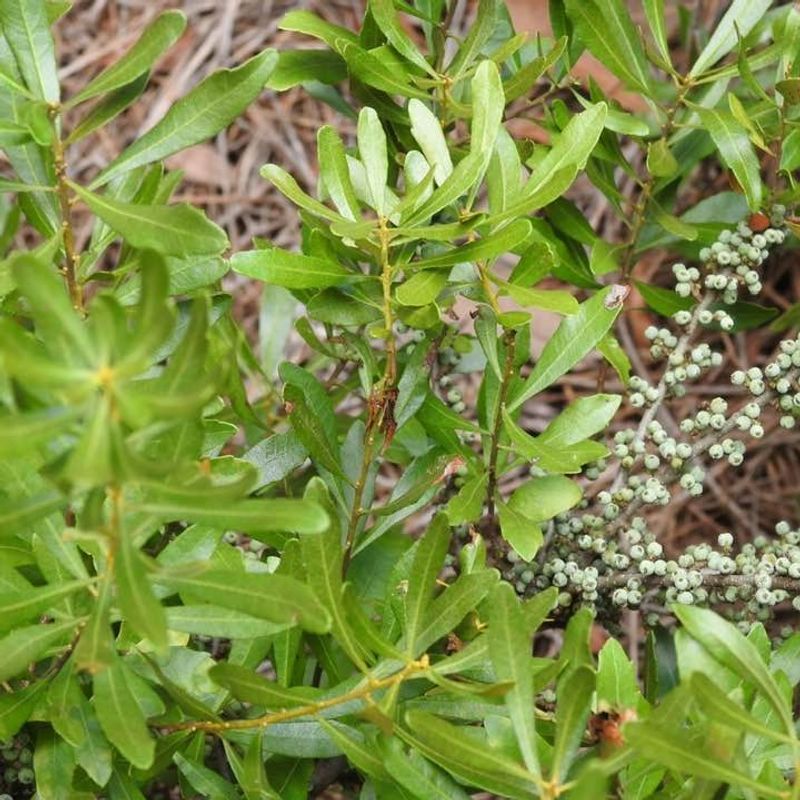
Wax myrtle is often chosen for April planting in Georgia because it establishes quickly and adapts well to changing conditions. Planting it in spring gives roots time to settle in before summer heat becomes more demanding, which can make the first season easier on new shrubs.
Another reason it works well in Georgia is its flexibility with soil. Wax myrtle can handle a wider range of conditions than many evergreen shrubs, including sites that stay fairly moist and others that dry out more quickly.
Even so, it generally performs best when the planting area drains reasonably well and is not constantly saturated.
The foliage also adds another layer of interest. Leaves release a noticeable fragrance when touched or crushed, which some people enjoy more than others.
Because of that, placement matters, especially near patios, seating areas, or entrances where the scent may be more noticeable.
This shrub can also be left mostly alone or shaped as needed over time. It naturally grows into a much larger plant if given the space, but it responds well to pruning when size control becomes necessary.
That makes it useful for gardeners who want flexibility in how it fits into the landscape.
Female plants can produce bluish berries later in the season, and those berries are often attractive to birds. Wax myrtle has also been valued historically for the waxy coating on its fruit, which is where its common name comes from.
7. Distylium Tolerates Spring Planting And Heat
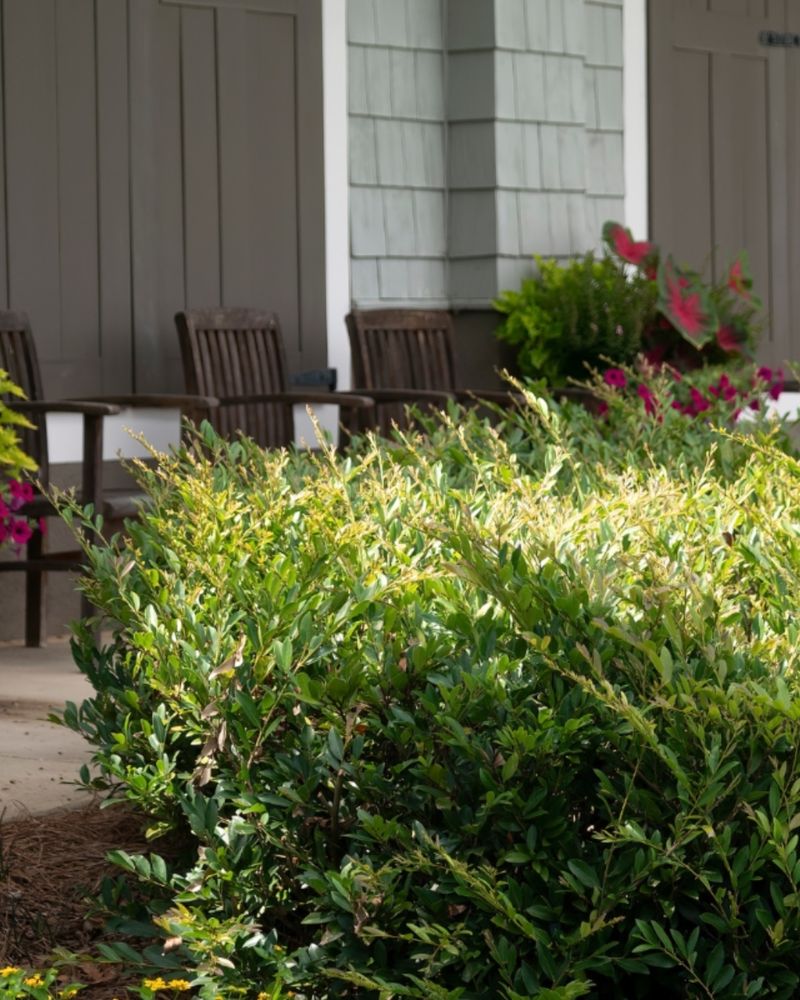
Distylium has become more common in Georgia landscapes because it handles heat and humidity well and stays dependable through the season.
Planting it in April gives it a useful window to establish roots before summer conditions become more stressful for new shrubs.
Its foliage is one of the main reasons it stands out. The blue-green color looks different from the darker greens that dominate many evergreen plantings, which can help break up a landscape filled with more familiar shrubs.
That color also tends to stay steady through the year, giving it value beyond one short season.
Most distylium varieties also stay relatively compact, which makes them easier to place in foundation beds or grouped plantings. The natural shape is usually dense and rounded, so it often keeps a neat appearance without needing much trimming.
It is also often considered a good option in areas with deer pressure.
While no shrub can be treated as completely safe from browsing in every yard, distylium is less likely than many others to show heavy damage, which makes it worth considering where deer are a recurring problem.
The flowers are easy to miss, so this is usually not a shrub grown for showy blooms.
Its main appeal is the foliage and overall habit, though the small flowers that appear early in the season can still offer some value for pollinators at a time when not much else is blooming.
8. Japanese Cleyera Settles In Well Before Summer Heat
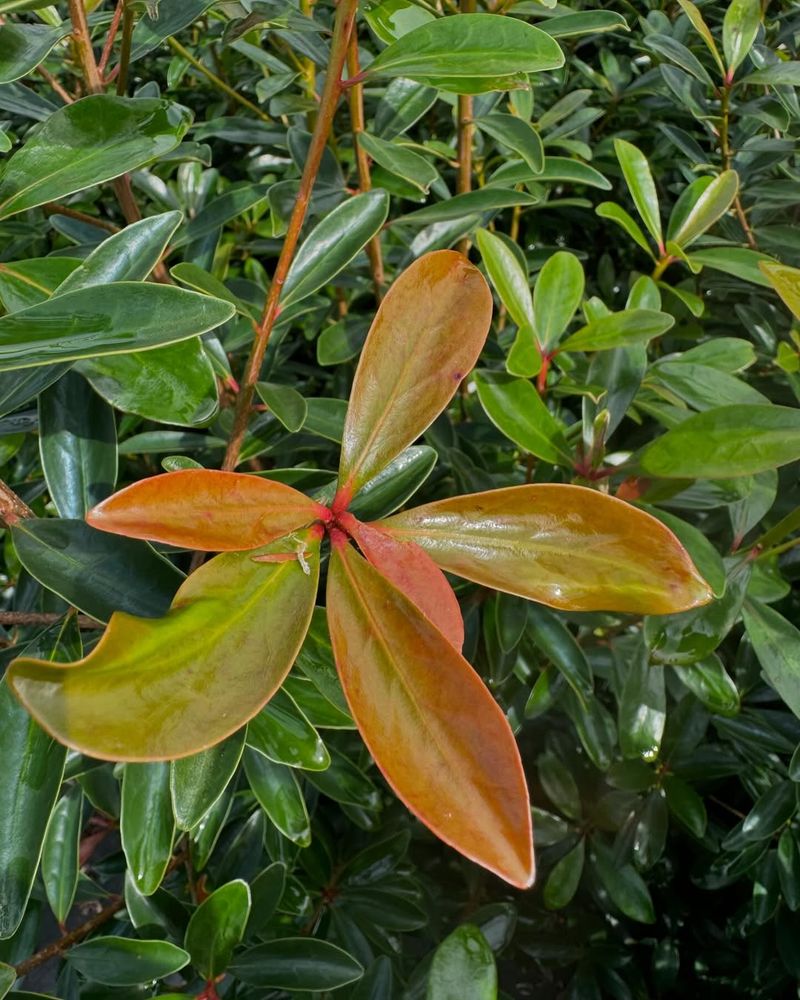
Japanese cleyera is a strong fit for April planting in Georgia because it has time to begin establishing before summer heat starts putting more pressure on new shrubs.
Spring conditions are usually easier on fresh plantings, which gives roots a better chance to settle in before the hottest part of the season arrives.
The foliage is one of the reasons this shrub stands out. New growth often appears with bronze or reddish tones before maturing to a rich green, so it brings a little variation to the landscape even when nothing is flowering.
That color shift also helps it blend well with other evergreens without looking too plain or too heavy.
Light flexibility makes it easier to place than some other shrubs used in Georgia yards. Japanese cleyera can grow well in full sun or partial shade, which helps when different parts of the landscape get different exposure throughout the day.
In hotter locations, a little relief from the strongest afternoon sun can help the foliage stay in better shape through summer.
Its natural growth habit also makes it useful in foundation beds, mixed borders, or privacy plantings. The shrub tends to keep a neat, upright form without needing constant trimming, which makes it easier to manage over time.
Drainage still matters at planting time. Like many evergreen shrubs, cleyera establishes better when the soil does not stay overly wet around the roots.