11 Expert-Backed Care Tips For Thriving Winter Houseplants In New York Apartments
Winter in New York is tough on people—and even tougher on houseplants.
Short days, dry heat, and chilly drafts can turn once-happy plants into struggling shadows of themselves.
But winter damage isn’t inevitable.
With the right care, houseplants can not only survive but thrive through the cold months.
Experts agree that winter plant care is less about doing more and more about doing things differently.
Water schedules change. Light becomes precious.
Even routine habits like misting or rotating pots can make a noticeable difference.
These eleven expert-backed tips are tailored to New York apartments, where space, light, and temperature fluctuate constantly.
Small adjustments now can prevent leaf drop, pests, and slow decline later.
When spring returns, your plants won’t be limping back to life—they’ll already be strong and ready to grow.
1. Adjust Watering Schedules For Winter Dormancy
Most houseplants slow down their growth considerably when winter arrives, entering a rest period that requires much less moisture than summer months.
Your Boston fern that needed weekly watering in July might only want a drink every two weeks now.
This happens because cooler temperatures and reduced sunlight naturally slow down photosynthesis and water uptake through roots.
Overwatering becomes the biggest threat during this season, leading to soggy soil and root problems that weaken your plants.
Check the soil before reaching for your watering can by sticking your finger about two inches deep into the potting mix.
If it feels damp or cool to the touch, wait a few more days before watering again.
Brown leaf tips, yellowing lower leaves, and musty smells from the soil signal too much moisture in your containers.
NYC apartments with radiator heat can confuse plant parents because the air feels dry while the soil stays wet longer than expected.
Keep a simple schedule written down, noting when you water each plant to avoid guessing and creating problems.
Remember that different plant types have varying needs, so observe each one individually rather than watering everything at once.
Succulents and cacti might go an entire month without water during winter dormancy.
2. Maximize Natural Light During Short Winter Days
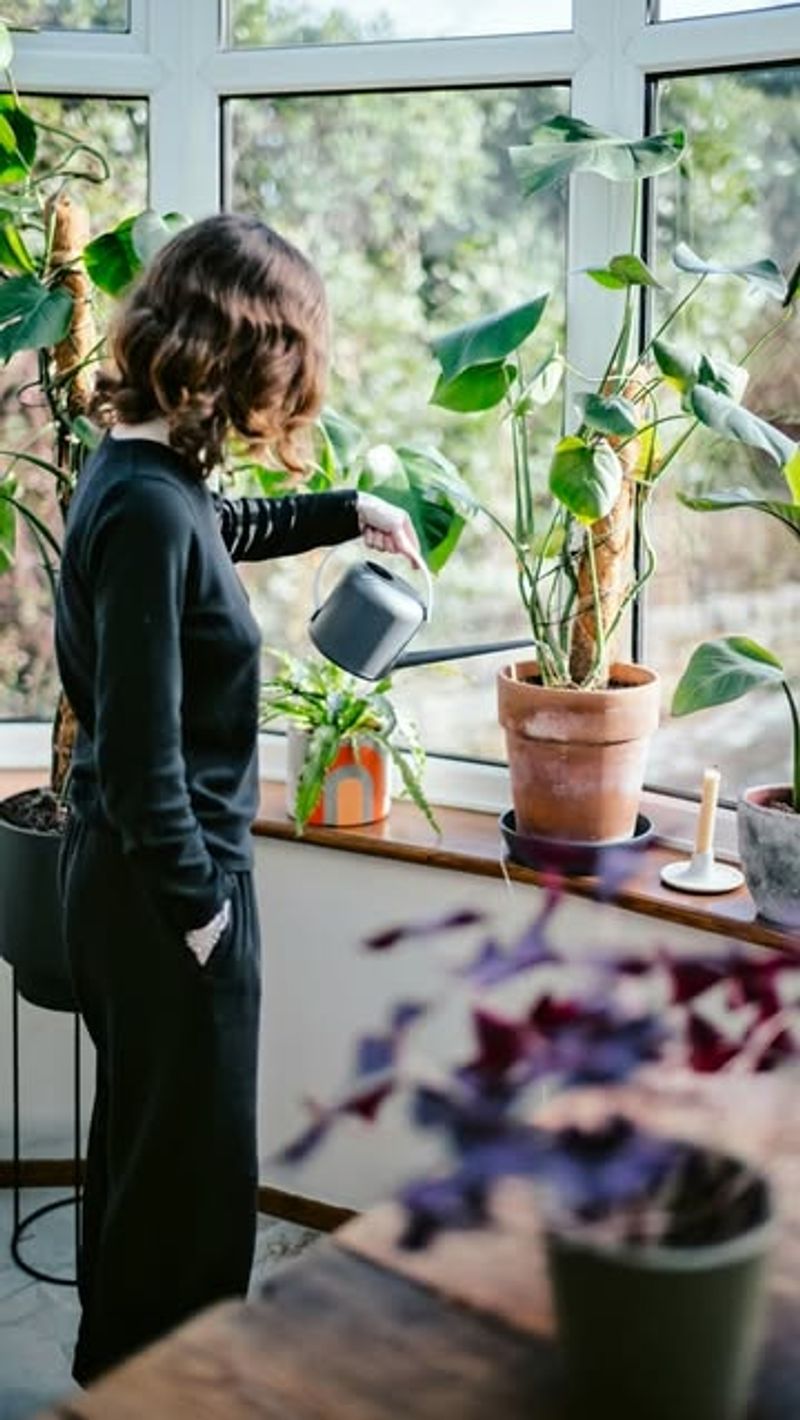
Sunlight becomes precious during winter months when daylight shrinks to barely eight hours in New York City.
Your plants that thrived three feet from a window in summer might struggle in the same spot come December.
Moving them closer to windows helps them capture every available ray of natural light during these darker days.
South-facing windows offer the strongest light throughout winter, making them prime real estate for your light-hungry tropicals and flowering plants.
East-facing windows provide gentle morning sun that works well for plants preferring moderate brightness without intense afternoon heat.
West-facing windows deliver stronger afternoon light, suitable for most foliage plants that need decent illumination.
North-facing windows offer the weakest light, best reserved for shade-tolerant varieties like pothos and snake plants.
Many New Yorkers make the mistake of leaving plants in their summer positions, not realizing the light quality has changed dramatically.
Clean your windows regularly because city grime blocks surprisingly large amounts of light from reaching your indoor garden.
Remove sheer curtains during daytime hours to maximize light transmission, replacing them only when privacy becomes necessary after dark.
Consider swapping plant positions seasonally, bringing light-lovers closer to windows while moving shade-preferring plants further back into room interiors.
3. Use Grow Lights To Supplement Weak Winter Sun
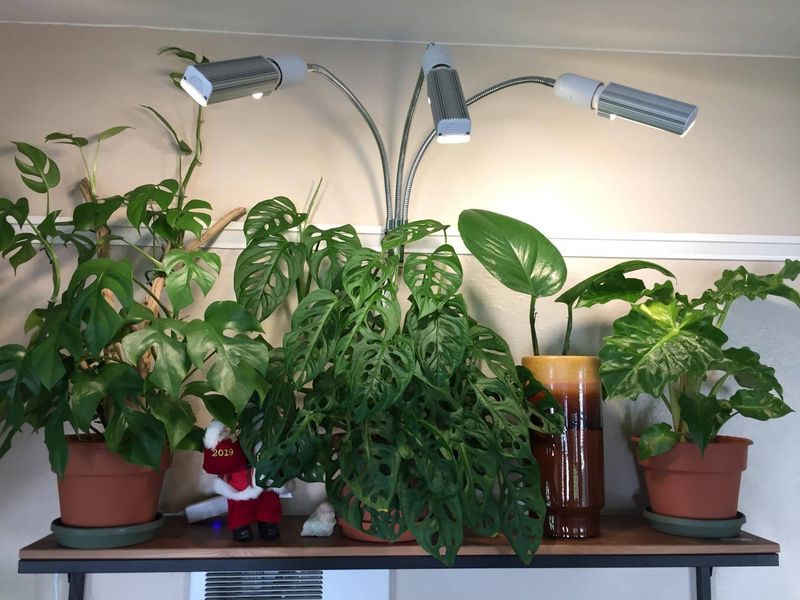
Even the sunniest window might not provide enough light for certain houseplants during New York winters when clouds dominate the sky for days.
Grow lights bridge this gap, offering consistent illumination that helps plants maintain healthy growth when natural sunlight falls short.
LED grow lights work best for apartment dwellers because they produce minimal heat, use less electricity, and last for years without replacement.
Position lights about six to twelve inches above foliage, adjusting based on plant type and light intensity requirements.
Run your grow lights for twelve to fourteen hours daily to mimic longer summer days, using an automatic timer to maintain consistency.
Full-spectrum bulbs provide the complete range of light wavelengths plants need for photosynthesis, though red and blue spectrum lights also work effectively.
Clip-on lights offer flexibility for small spaces, attaching to shelves or tables without requiring permanent installation in rental apartments.
Standing grow light fixtures with adjustable arms accommodate multiple plants at different heights, maximizing your investment.
Place lights strategically to supplement natural window light rather than replacing it entirely, combining both sources for optimal results.
Watch for signs your plants appreciate the extra illumination, like new growth, greener leaves, and stronger stems.
Avoid placing lights too close, which can cause leaf burn, or too far away, which renders them ineffective for supporting plant health.
4. Keep Plants Away From Cold Drafts And Radiators
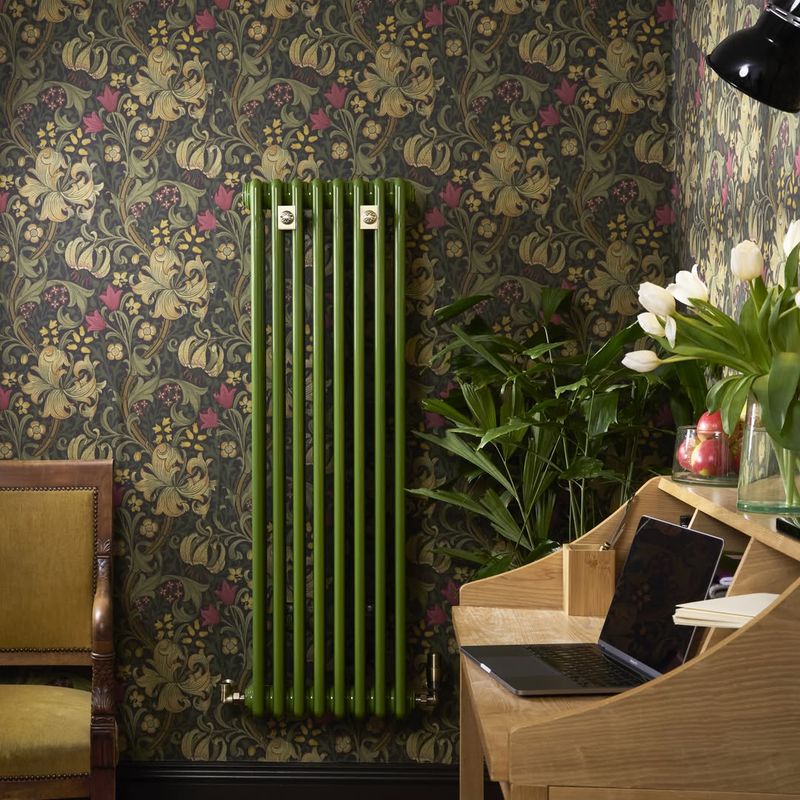
Temperature swings stress houseplants more than consistently cool or warm conditions, making placement crucial in NYC apartments with unpredictable heating.
Drafty windows leak cold air that chills plant leaves and roots, while radiators blast dry heat that scorches foliage and dries out soil rapidly.
Your plants prefer stable temperatures between 65 and 75 degrees Fahrenheit, avoiding the extremes found near heating sources or poorly sealed windows.
Old apartment buildings often have single-pane windows that radiate cold inward, creating zones several degrees cooler than room temperature just inches away.
Steam radiators and baseboard heaters create hot, dry microclimates that rapidly dehydrate plants placed too close to these heat sources.
Test different locations by placing a thermometer near your plants for a full day, checking for temperature fluctuations that might harm them.
Move plants at least three feet away from radiators and heating vents to protect them from direct blasts of hot, moisture-depleted air.
Pull plants back from windows at night when temperatures drop, or place a barrier like a curtain between the glass and your greenery.
Small apartments present challenges, but creative solutions like plant stands, hanging planters, and corner shelving help you find suitable spots.
Watch for warning signs like crispy leaf edges, sudden leaf drop, or wilting despite moist soil, indicating temperature stress.
Group plants together in stable-temperature zones where they can benefit from shared humidity while avoiding environmental extremes.
5. Increase Humidity In Dry, Heated Apartments

NYC apartment heating systems can drop indoor humidity levels to desert-like conditions, sometimes falling below 20 percent during peak winter months.
Tropical houseplants evolved in environments with 50 to 80 percent humidity, making dry apartments particularly challenging for their health.
Brown leaf tips and edges often signal insufficient moisture in the air surrounding your plants.
Electric humidifiers offer the most effective solution, adding consistent moisture to entire rooms rather than just small areas around individual plants.
Cool-mist humidifiers work better than warm-mist versions because they avoid adding extra heat to already warm apartments.
Place humidifiers near plant groupings but not directly beside them to prevent water spots on foliage.
Pebble trays provide a low-tech alternative, using evaporation to increase local humidity around plants without electricity.
Fill shallow trays with stones or pebbles, add water until it reaches just below the top of the rocks, then set pots on top without letting them sit in water.
Grouping plants together creates a microclimate where transpiration from multiple plants raises humidity for the entire collection.
Bathrooms with windows offer naturally humid environments perfect for moisture-loving ferns, orchids, and tropical varieties.
Misting provides temporary relief but evaporates quickly, requiring multiple daily applications to make any real difference in plant health.
Monitor humidity with an inexpensive hygrometer, aiming to maintain levels between 40 and 60 percent for most common houseplants.
6. Pause Fertilizing Until Spring Growth Returns
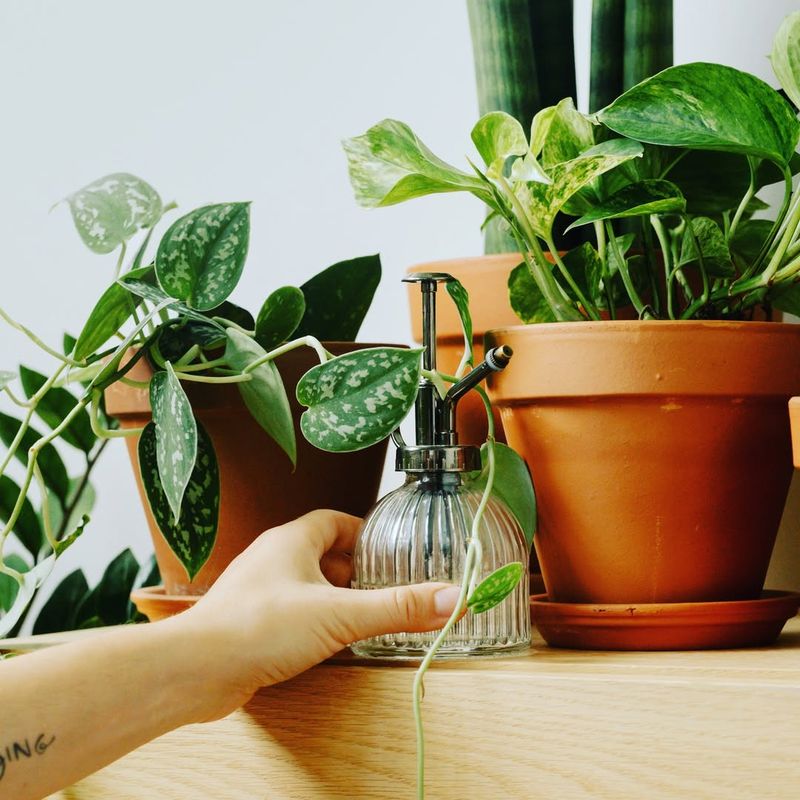
Feeding houseplants during their winter rest period pushes them to grow when they naturally want to conserve energy, creating weak, leggy growth.
Plants absorb nutrients through active root systems, but dormant roots take up very little fertilizer, leaving excess salts in the soil.
These accumulated salts can burn roots and create brown leaf tips that mimic other problems, confusing plant parents about the real issue.
Most houseplants enter dormancy between November and February, showing few signs of new growth during this period.
Look for clues like no new leaves, slower growth rates, and minimal water uptake as signals your plants have entered their rest phase.
Exceptions exist for certain winter-blooming plants like Christmas cacti and amaryllis, which need feeding during their active growth and flowering periods.
Mark your calendar to resume fertilizing in late March or early April when increasing daylight triggers new growth spurts.
Use diluted fertilizer at half the recommended strength when you restart feeding, gradually building up to full concentration over several weeks.
Organic fertilizers release nutrients slowly, creating less risk of burning roots compared to synthetic chemical options.
Some plant parents prefer to apply weak fertilizer monthly year-round, but this approach requires careful monitoring to avoid overfeeding during dormancy.
Trust that your plants know what they need, respecting their natural cycles rather than trying to force constant growth throughout the year.
Healthy soil contains some residual nutrients that sustain plants adequately through winter months without supplementation.
7. Clean Leaves To Improve Light Absorption
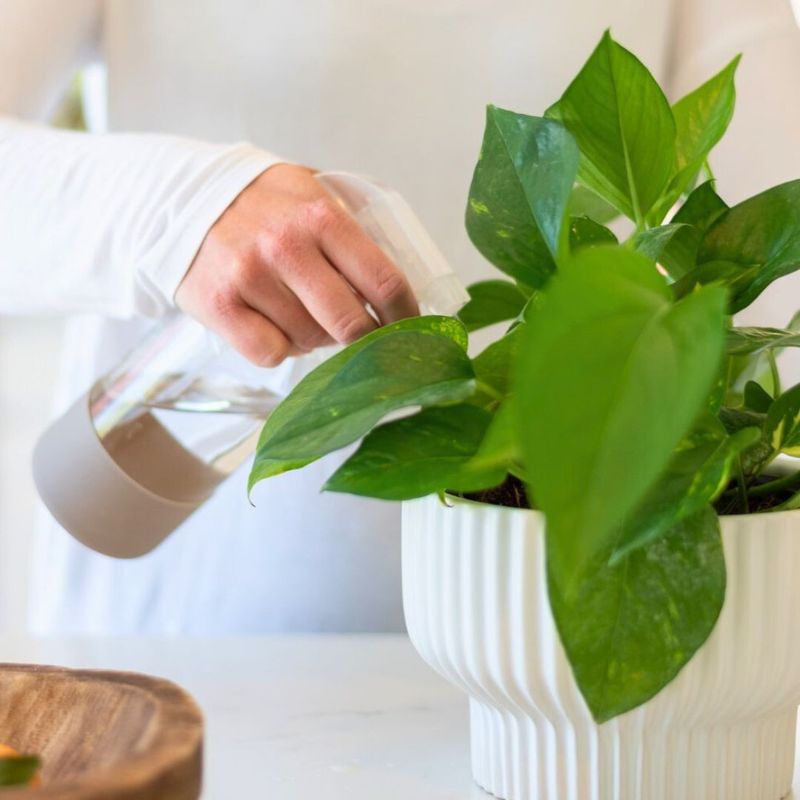
Dust accumulates quickly on houseplant leaves in NYC apartments where city grime, heating system particles, and everyday household debris settle constantly.
This coating blocks light from reaching leaf surfaces where photosynthesis occurs, reducing your plant’s ability to produce energy during already challenging winter months.
Clean leaves also help plants breathe better through tiny pores called stomata that exchange gases essential for survival.
Wipe smooth, broad leaves with a soft, damp cloth, supporting each leaf from underneath to avoid tearing or damaging delicate tissue.
Fuzzy-leaved plants like African violets need gentler treatment using a soft brush to remove dust without wetting the foliage.
Small-leaved plants benefit from a gentle shower in your bathtub or sink, using lukewarm water to rinse away accumulated dirt.
Avoid commercial leaf shine products that clog pores and create artificial-looking foliage that may harm plant health over time.
Natural oils like neem oil can clean and protect leaves while deterring pests, but use them sparingly and always dilute properly.
Inspect leaves while cleaning, looking for early signs of pest problems or disease that might need attention.
Cleaning every few weeks keeps your plants looking attractive while supporting their health during the dimmer winter season.
This simple maintenance task takes minimal time but delivers significant benefits for plant vitality and appearance.
Well-maintained foliage reflects your care and creates a more vibrant, healthy-looking indoor garden throughout the coldest months.
8. Rotate Plants To Prevent Leaning And Stress
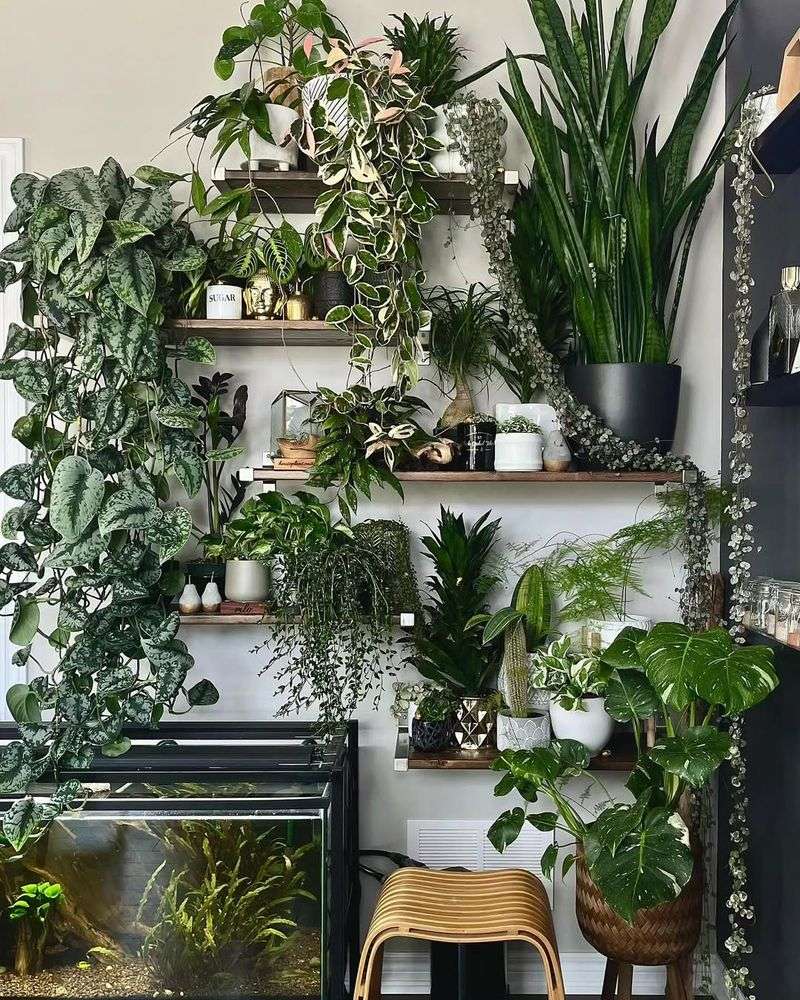
Plants naturally grow toward light sources, bending and leaning in the direction of the brightest illumination available to them.
This phototropic response creates lopsided growth patterns that look unattractive and can stress plants structurally over time.
Winter intensifies this tendency because light comes from lower angles and limited directions compared to summer’s more diffuse brightness.
Rotating your plants regularly encourages balanced growth on all sides, creating fuller, more symmetrical specimens.
Turn each plant a quarter rotation every week or two, maintaining consistency so all sides receive equal light exposure over time.
Mark your pots with a small piece of tape or marker to track which side faces the window, making rotation easier to remember.
Flowering plants need special attention because rotating them during bud formation can cause flowers to drop or develop unevenly.
Some plant parents prefer rotating on a schedule tied to other tasks like watering day, creating a routine that becomes automatic.
Hanging plants benefit from occasional rotation too, preventing the side facing away from light from becoming sparse or losing leaves.
Large floor plants require more effort to rotate, but even turning them monthly helps maintain better shape and prevents permanent leaning.
Watch how your plants respond to rotation, adjusting frequency based on growth speed and light intensity in your specific apartment.
This simple habit takes seconds per plant but dramatically improves appearance and health throughout winter’s challenging growing conditions.
9. Monitor For Winter Pests Like Spider Mites
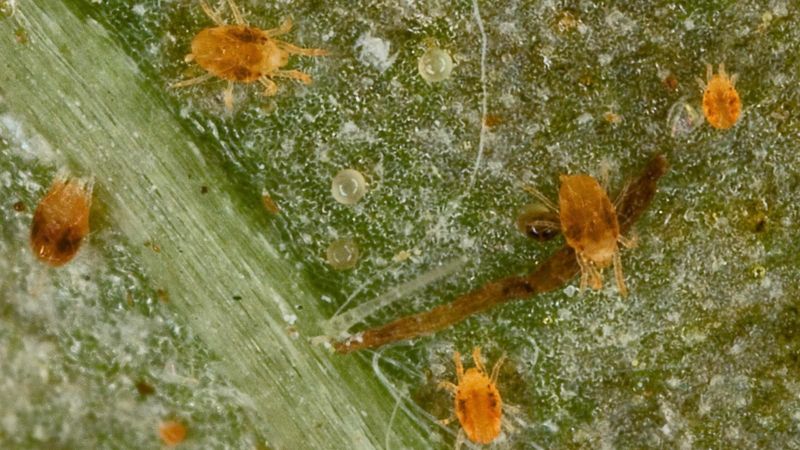
Warm, dry apartment conditions during winter create perfect environments for plant pests that thrive when humidity drops and plants become stressed.
Spider mites multiply rapidly in these conditions, creating fine webbing between leaves and causing stippled, yellowing foliage.
Check the undersides of leaves regularly where these tiny pests hide, using a magnifying glass to spot them before populations explode.
Early detection makes pest management much easier than waiting until visible damage appears across multiple plants.
Mealybugs appear as white, cottony masses in leaf joints and along stems, sucking plant juices and weakening growth.
Scale insects look like small brown bumps attached to stems and leaves, often mistaken for part of the plant itself.
Fungus gnats hover around soil surfaces, indicating overly moist conditions that support their larvae in the potting mix.
Isolate any plant showing pest signs immediately to prevent spreading problems throughout your entire collection.
Wipe affected leaves with rubbing alcohol on a cotton swab for small infestations, or spray with insecticidal soap for larger problems.
Neem oil works as both treatment and prevention, disrupting pest life cycles when applied regularly according to product directions.
Increasing humidity helps prevent spider mites, while reducing watering frequency controls fungus gnats effectively.
Quarantine new plants for several weeks before introducing them to your collection, watching for any pest activity that might have hitchhiked home from the store.
10. Repot Only When Absolutely Necessary
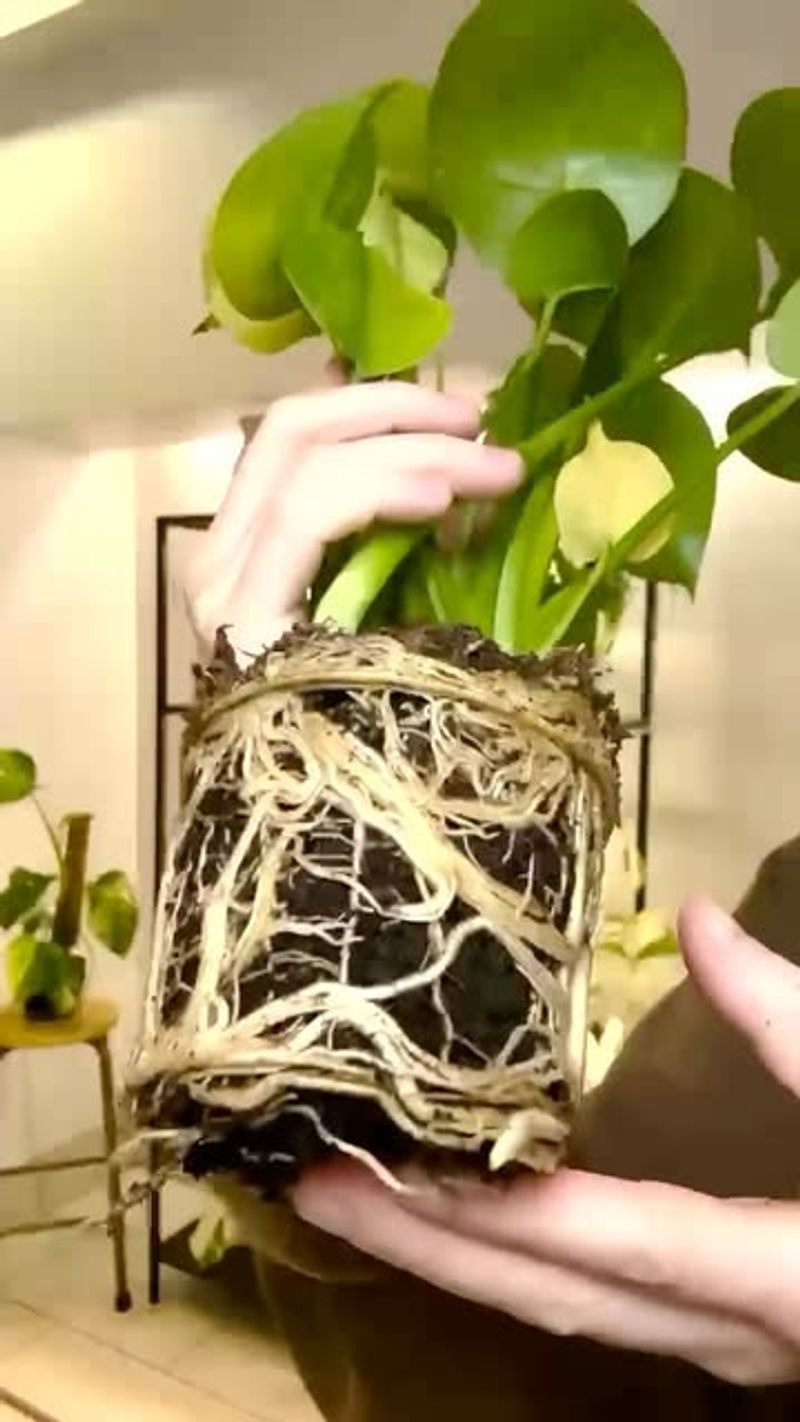
Winter represents the worst possible time to repot most houseplants because they lack the energy and active growth needed to recover from transplant stress.
Disturbing roots during dormancy shocks plants that are already conserving resources, potentially leading to decline rather than improved health.
Wait until early spring when increasing daylight triggers new growth, giving plants the vigor they need to establish in fresh containers.
Exceptions exist for emergencies like broken pots, severe root concerns, or plants that have completely outgrown their containers and show significant stress.
Signs that repotting truly cannot wait include roots growing from drainage holes, water running straight through without absorbing, or plants tipping over from top-heavy growth.
If you must repot during winter, minimize root disturbance by keeping the root ball intact rather than teasing roots apart.
Use containers only one size larger than the current pot, avoiding the temptation to provide too much extra space.
Fresh potting mix provides nutrients, but avoid fertilizing newly repotted plants for at least four to six weeks afterward.
Water sparingly after winter repotting because disturbed roots absorb moisture slowly, increasing the risk of overwatering problems.
Keep recently repotted plants in stable conditions away from temperature extremes while they adjust to their new containers.
Most plants show few signs of appreciating winter repotting, often sitting unchanged for months until spring growth resumes.
Patience pays off by waiting for appropriate timing rather than rushing to repot when conditions favor successful establishment and recovery.
11. Choose Winter-Resilient Plants For New York Homes
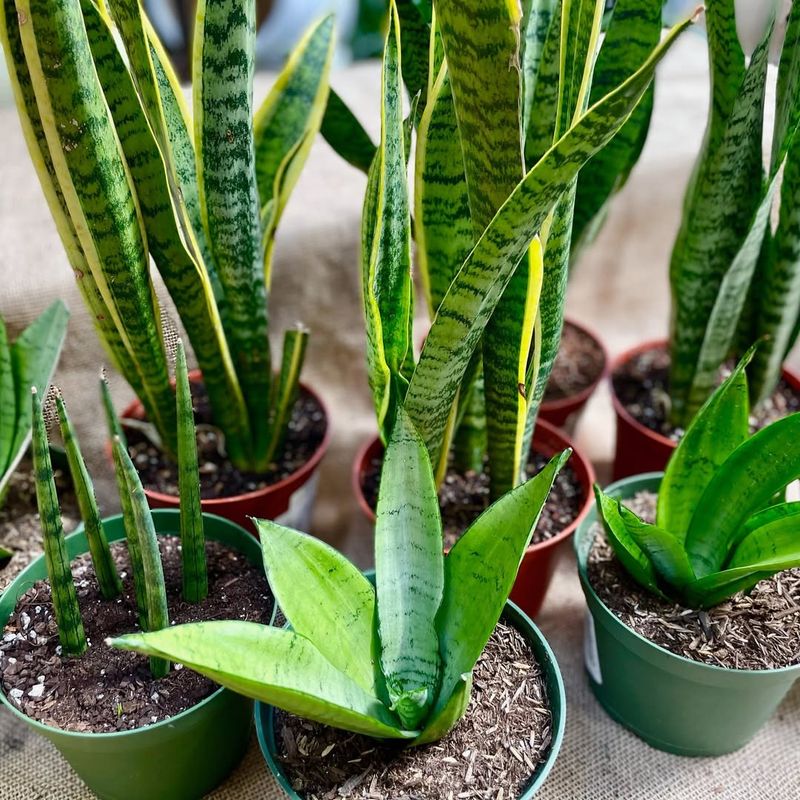
Some houseplants handle New York apartment winters far better than others, tolerating low light, dry air, and temperature fluctuations with minimal complaints.
Snake plants rank among the toughest options, surviving neglect and poor conditions while maintaining their striking upright foliage.
Pothos vines adapt to almost any situation, growing in low light and forgiving inconsistent watering that would stress more demanding species.
ZZ plants store water in thick rhizomes, handling dry soil and low humidity without developing the brown leaf tips that plague tropical varieties.
Cast iron plants earn their name by tolerating conditions that would weaken most houseplants, including deep shade and temperature swings.
Spider plants produce cascading foliage and baby plantlets even in less-than-ideal winter conditions, bouncing back quickly from occasional neglect.
Dracaena varieties offer height and drama while adapting well to typical apartment light levels and dry air from heating systems.
Philodendrons provide lush foliage with minimal fuss, growing steadily even during darker months when other plants struggle.
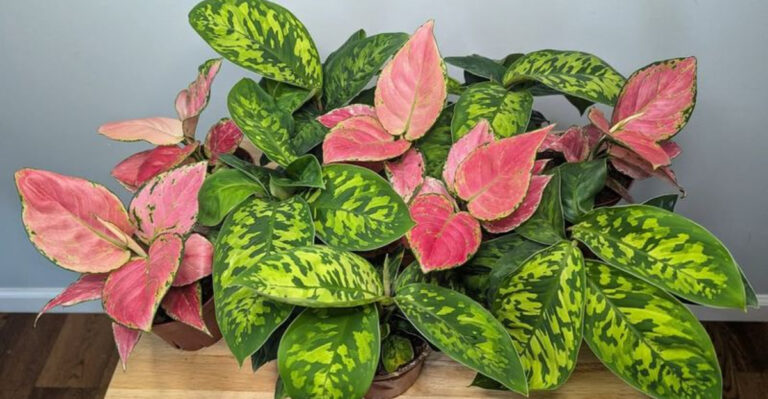
Chinese evergreens display attractive patterned leaves while tolerating the low light and dry conditions common in NYC winters.
Rubber plants develop substantial presence over time, handling moderate neglect better than their tropical cousins that demand constant attention.
Selecting appropriate species sets you up for success rather than fighting to keep unsuitable plants alive through challenging seasonal conditions.
Start with these reliable performers if you are new to houseplants or have struggled with winter losses in previous years.