10 Expert Recommended Plants That Provide Food And Nutrients For Birds In Pennsylvania
Pennsylvania’s birds are hungry—and smart gardeners know exactly how to help.
While feeders get plenty of attention, the plants in your yard often matter far more when it comes to providing real nutrition.
Experts agree that certain plants deliver the proteins, fats, and carbohydrates birds depend on year-round.
From berry-producing shrubs to insect-attracting natives, these plants support birds at every life stage.
They help fuel migration, nesting, molting, and winter survival, all while making your landscape more resilient and beautiful.
Pennsylvania homeowners who choose these plants aren’t just attracting birds—they’re building ecosystems.
The payoff is a yard that buzzes, flutters, and sings with life.
When you plant what birds actually need, nature does the rest of the work for you.
1. American Elderberry (Sambucus Canadensis)
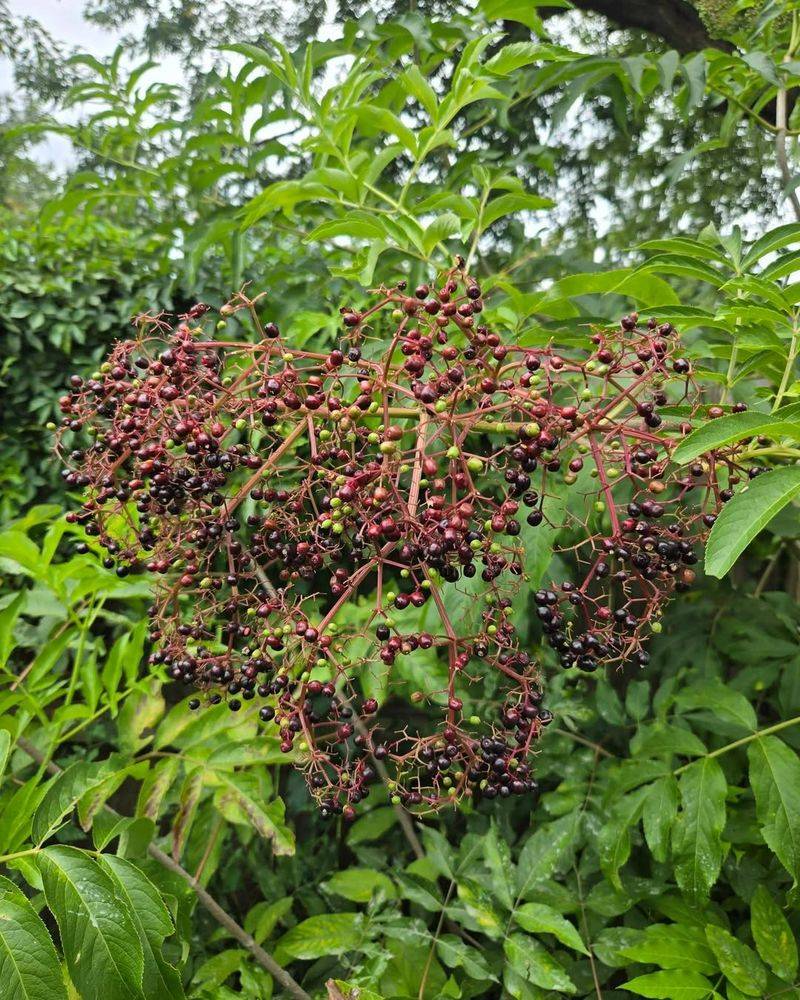
Few native shrubs pack as much nutritional punch for birds as American elderberry, with its clusters of dark purple-black berries loaded with vitamins and antioxidants.
Pennsylvania wildlife experts recommend this vigorous grower for yards of all sizes because it delivers abundant fruit production while requiring minimal care.
The large, flat-topped flower clusters bloom in early summer, attracting pollinators before transforming into heavy berry clusters by late summer.
Birds absolutely flock to elderberry when the fruits ripen, often stripping entire bushes within days.
Species like bluebirds, catbirds, woodpeckers, and thrashers consider elderberries a premium food source.
The dense branching structure provides excellent cover for nesting and roosting, adding another layer of value beyond just food production.
American elderberry thrives in moist soils and tolerates wet areas where many other fruiting shrubs struggle.
It spreads through underground runners, gradually forming thickets that create even more bird habitat over time.
Gardeners can easily control its spread through regular pruning or by planting in areas where naturalization is welcome.
This fast-growing native reaches heights of 6 to 12 feet and produces fruit within two to three years of planting.
For maximum berry production, plant multiple elderberry shrubs to encourage cross-pollination.
The combination of early flowers, nutritious fruit, and protective cover makes elderberry an all-around champion for Pennsylvania bird gardens.
2. Winterberry Holly (Ilex Verticillata)
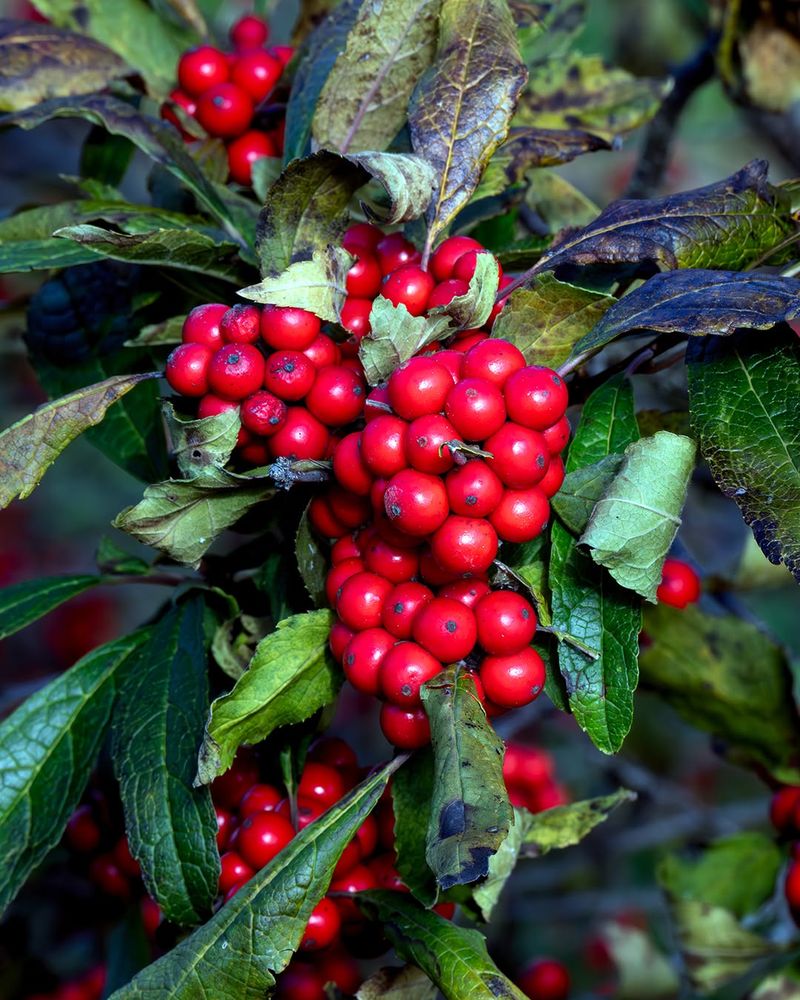
When snow blankets Pennsylvania landscapes and natural food sources become scarce, winterberry holly stands out like a beacon for hungry birds.
This deciduous holly keeps its brilliant red berries clinging to bare branches throughout the coldest months, providing critical nutrition when birds need it most.
Experts specifically recommend winterberry for its exceptional cold hardiness and reliable fruit production in Pennsylvania’s variable winter conditions.
The bright red berries aren’t just beautiful—they’re packed with fats and carbohydrates that help birds maintain body heat during freezing temperatures.
Robins, bluebirds, and cedar waxwings particularly appreciate winterberry, often arriving in flocks to feast on the persistent fruits.
Interestingly, the berries become more palatable to birds after several freeze-thaw cycles, which naturally softens them and makes them easier to digest.
Gardeners should note that winterberry requires both male and female plants for berry production.
One male plant can pollinate up to five females, so plan your planting accordingly.
These shrubs prefer moist to wet soils and perform beautifully in areas with poor drainage where other plants might struggle.
Winterberry grows 6 to 10 feet tall and adapts to full sun or partial shade conditions.
The stunning winter display created by berry-laden branches against snow provides both wildlife value and incredible visual interest.
For Pennsylvania gardeners wanting year-round bird activity, winterberry delivers exactly when other food sources have long since disappeared.
3. Eastern Red Cedar (Juniperus Virginiana)
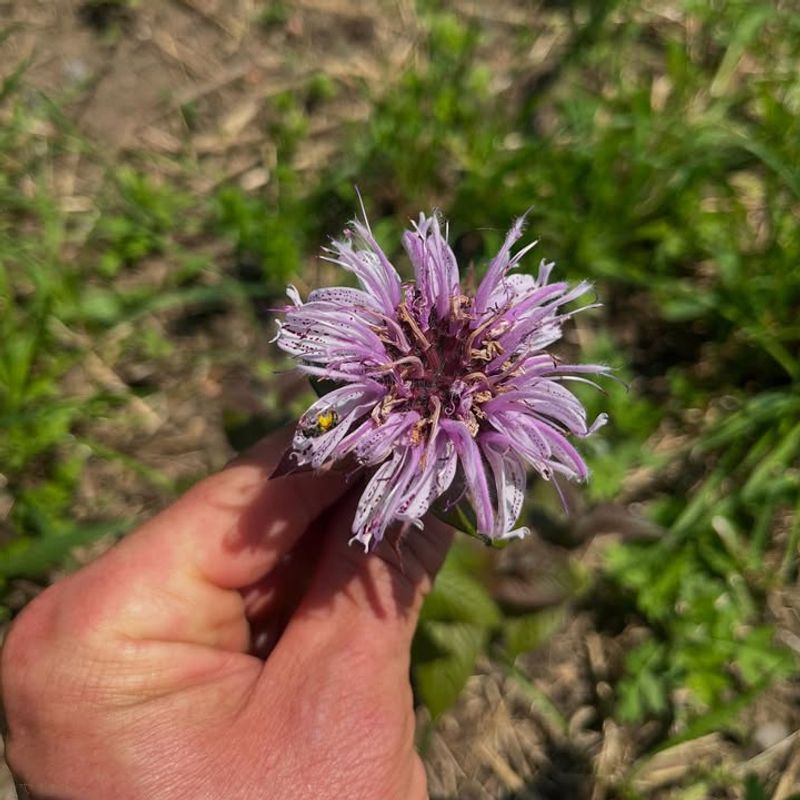
Eastern red cedar earns its place on expert recommendation lists by serving as both pantry and shelter for Pennsylvania birds during harsh winter months.
This native evergreen produces small, blue-gray berries that persist through winter, offering reliable nutrition when deciduous plants have dropped their fruits.
The dense, scale-like foliage provides unmatched protection from wind, snow, and predators, making red cedar a true winter refuge.
More than 50 bird species utilize eastern red cedar for food, including mockingbirds, bluebirds, waxwings, and various sparrow species.
The berries have a waxy coating that preserves them through freezing temperatures, and their high fat content helps birds maintain energy reserves.
Many birds roost inside the thick branches overnight, taking advantage of the windbreak and thermal protection the evergreen foliage provides.
Eastern red cedar grows slowly but steadily, eventually reaching 30 to 40 feet in height with a pyramidal or columnar form.
It tolerates poor soils, drought, and challenging sites where more finicky plants won’t establish.
This adaptability makes it perfect for naturalizing in Pennsylvania’s diverse landscapes.
Female trees produce the berry-like cones, while male trees produce pollen.
Both sexes offer shelter value, but planting females ensures maximum food production.
The year-round greenery adds structure and color to winter landscapes while supporting bird populations through the toughest season.
For Pennsylvania homeowners wanting a low-maintenance, high-impact bird plant, eastern red cedar delivers exceptional value.
4. Serviceberry (Amelanchier Species)
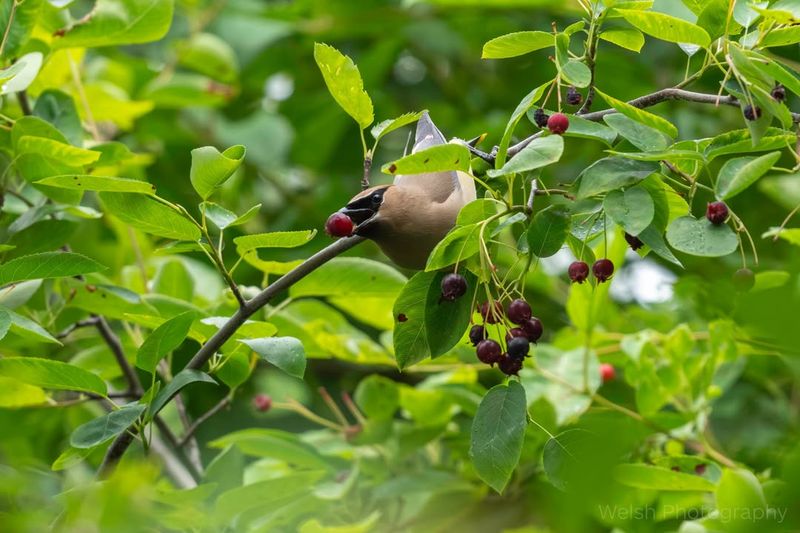
Pennsylvania extension services and ornithologists consistently place serviceberry at the top of their recommended plant lists for good reason.
This native tree or large shrub produces sweet, nutritious berries in early summer, right when many bird species are raising their young and need high-energy food sources.
The timing couldn’t be more perfect for supporting both resident breeders and migrating species passing through the state.
Beyond the berries themselves, serviceberry blooms attract numerous insects in spring, providing protein-rich meals for insect-eating birds like warblers and flycatchers.
The plant’s multi-season value extends into fall when its foliage turns brilliant shades of orange and red, adding ornamental beauty to your yard.
Serviceberry adapts well to various soil conditions and grows successfully in both full sun and partial shade.
More than 40 bird species have been documented feeding on serviceberry fruits, including robins, cedar waxwings, cardinals, and thrushes.
The berries ripen gradually over several weeks, ensuring a steady food supply rather than a brief abundance.
Planting serviceberry near your windows or patio creates excellent birdwatching opportunities while supporting local wildlife populations.
Pennsylvania gardeners will find this low-maintenance native shrub both beautiful and functional, making it an ideal foundation plant for any bird-friendly landscape.
5. Black-Eyed Susan (Rudbeckia Hirta)
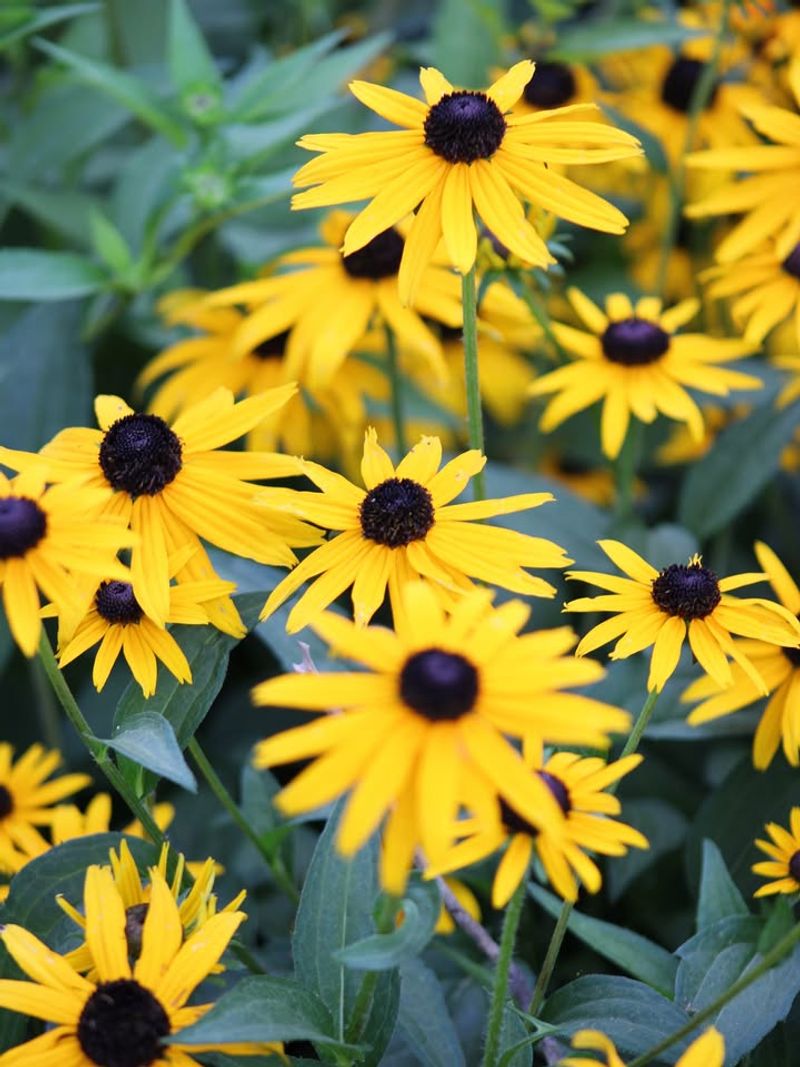
Bright golden petals surrounding dark centers make black-eyed Susan a garden favorite, but bird experts value this native wildflower for what happens after the blooms finish.
When left standing through fall and winter, the cone-shaped seed heads become feeding stations for finches, sparrows, chickadees, and other seed-eating species.
Pennsylvania extension agents specifically advise gardeners to resist the urge to deadhead or cut back these plants until spring.
Each seed head contains hundreds of tiny, oil-rich seeds that provide essential fats and proteins birds need for cold-weather survival.
American goldfinches particularly love working over black-eyed Susan seed heads, clinging to the dried stems while methodically extracting every morsel.
The seeds remain accessible even under light snow cover, extending their availability well into winter months.
Black-eyed Susan thrives in full sun and tolerates a wide range of soil conditions, including clay and rocky soils.
This tough perennial self-seeds readily, creating natural drifts that expand feeding opportunities each year.
The plants bloom from June through September, first attracting pollinators and then transitioning into bird food production.
Growing 2 to 3 feet tall, black-eyed Susan works beautifully in meadow gardens, borders, or naturalized areas.
Its drought tolerance and low maintenance requirements make it perfect for busy gardeners.
By simply leaving the spent flowers standing instead of cutting them down, you transform a pretty flower into a valuable winter bird feeder that requires no filling or cleaning.
6. Purple Coneflower (Echinacea Purpurea)
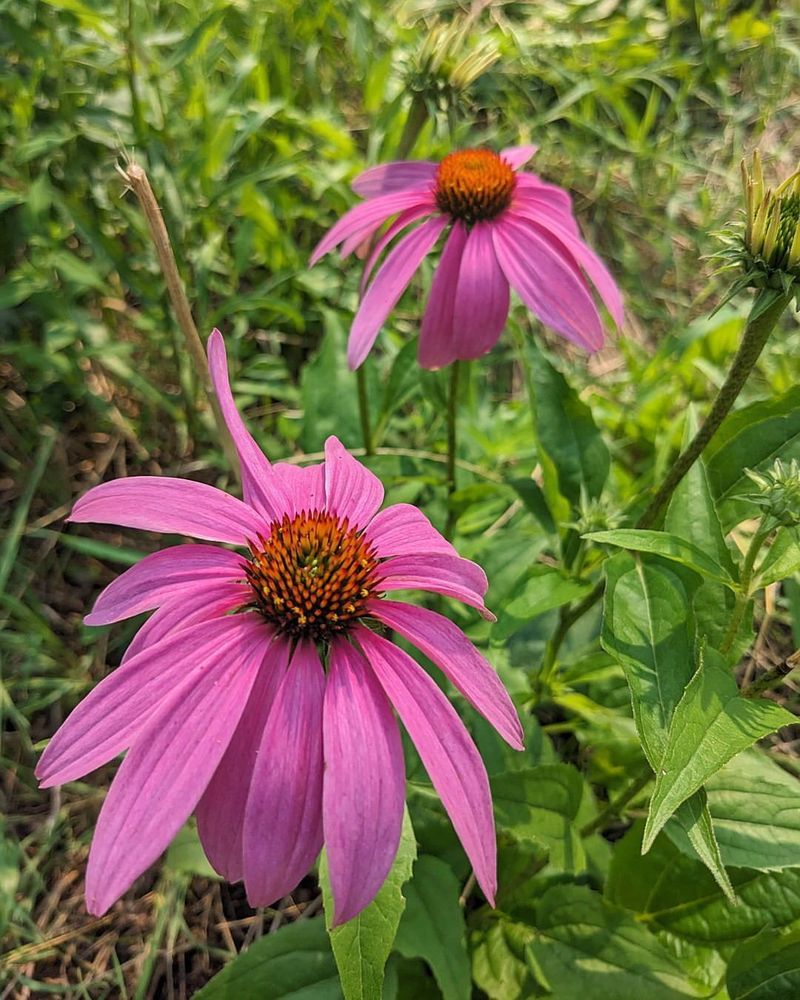
With its distinctive raised center cone and drooping purple petals, purple coneflower brings both beauty and bird-feeding functionality to Pennsylvania gardens.
Experts recommend this native perennial not just for its showy summer blooms but for the protein-packed seeds that follow.
The spiky central cone gradually fills with nutritious seeds that goldfinches, chickadees, and nuthatches eagerly harvest from late summer through winter.
Purple coneflower serves double duty by first attracting beneficial insects during its blooming period, which in turn provides food for insect-eating birds.
As flowers fade and seeds develop, a different group of seed-eating birds takes over, creating months of continuous bird activity.
The sturdy stems hold seed heads upright even under snow and ice, keeping food accessible during challenging weather.
This drought-tolerant perennial grows 2 to 4 feet tall and spreads slowly to form attractive clumps.
It prefers full sun but tolerates partial shade, adapting to various garden conditions throughout Pennsylvania.
Coneflower’s deep taproot makes it exceptionally resilient once established, requiring little water or fertilizer.
Gardeners should resist cutting back coneflower in fall, instead leaving seed heads standing until spring growth begins.
Watching goldfinches perform acrobatic feeding maneuvers while clinging to swaying coneflower stems provides endless entertainment.
The combination of long-lasting blooms, minimal care requirements, and excellent wildlife value makes purple coneflower a must-have for any Pennsylvania bird garden.
Plant them in groups for maximum visual impact and feeding opportunities.
7. Crabapple Trees (Malus Species)
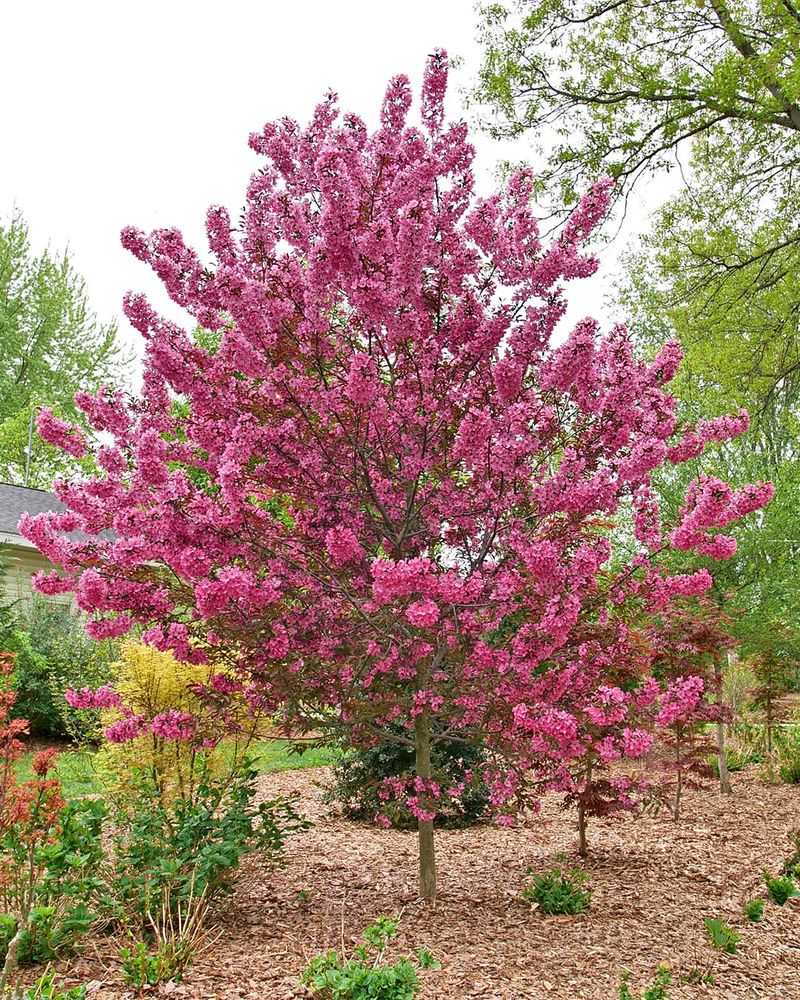
Among ornamental trees that support bird life, crabapples reign supreme according to Pennsylvania horticulturists and bird experts alike.
The small, colorful fruits persist on branches long after leaves have fallen, creating a vital winter food cache when other natural sources have been depleted.
Some crabapple varieties hold their fruits well into February or March, bridging the gap until spring abundance returns.
Cedar waxwings, robins, and thrushes particularly appreciate crabapples, often descending in large flocks to feast on the fermented fruits.
The fruits’ high sugar content provides quick energy, while their abundance means even small trees can support multiple feeding birds simultaneously.
Different crabapple cultivars ripen at different times, so planting several varieties extends the feeding season considerably.
Beyond winter nutrition, crabapples offer spring nectar through abundant blossoms that attract insects, which in turn attract insect-eating birds.
The trees also provide excellent nesting sites and summer shade.
Choose disease-resistant varieties to minimize maintenance and ensure healthy fruit production year after year.
Crabapples range from compact varieties suitable for small yards to larger trees reaching 20 feet or more.
They adapt to most Pennsylvania soil types and tolerate urban conditions better than many fruit trees.
Spring brings clouds of fragrant pink or white blossoms, summer offers shade and greenery, fall provides colorful foliage, and winter showcases persistent fruits.
This four-season interest combined with exceptional bird value makes crabapples one of the smartest landscape investments for Pennsylvania homeowners.
8. Arrowwood Viburnum (Viburnum Dentatum)
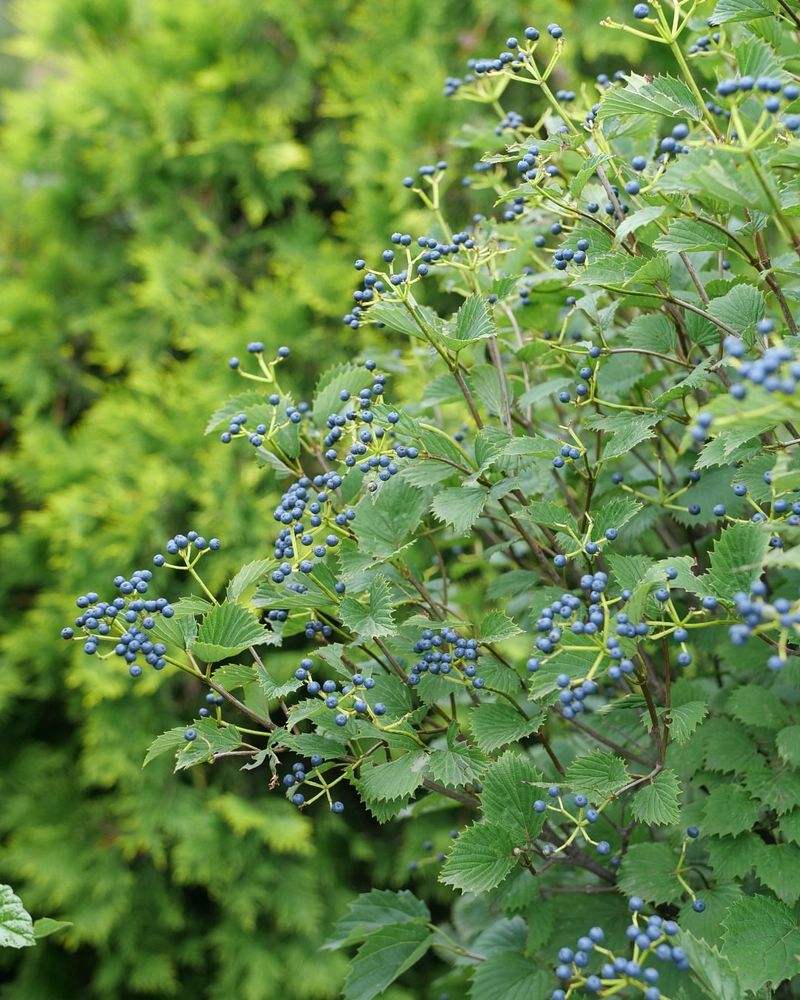
Versatility defines arrowwood viburnum, a native shrub that Pennsylvania wildlife specialists praise for supporting birds throughout multiple seasons.
The clusters of blue-black berries ripen in late summer and fall, providing high-fat nutrition exactly when migrating birds need energy for their long journeys south.
At least 35 bird species have been documented feeding on viburnum berries, including thrushes, waxwings, cardinals, and woodpeckers.
Spring brings flat-topped clusters of creamy white flowers that attract numerous pollinators and the insect-eating birds that follow them.
The dense branching structure creates ideal nesting habitat for species like catbirds and mockingbirds.
Even in winter, the multi-stemmed form provides shelter and roosting spots protected from harsh winds.
Arrowwood viburnum adapts remarkably well to various growing conditions, from wet soils to dry uplands, and from full sun to partial shade.
This adaptability makes it suitable for different areas throughout Pennsylvania’s diverse climate zones.
The shrub typically reaches 6 to 10 feet in height and width, forming a rounded, attractive shape that works well in borders or naturalized areas.
Fall foliage transforms into shades of yellow, orange, and burgundy, adding seasonal color before leaves drop.
The straight stems were historically used by Native Americans for arrow shafts, giving the plant its common name.
For Pennsylvania gardeners wanting a native shrub that truly works hard for birds while looking beautiful, arrowwood viburnum checks every box.
Plant it in groups to maximize berry production and create more substantial bird habitat.
9. Switchgrass (Panicum Virgatum)
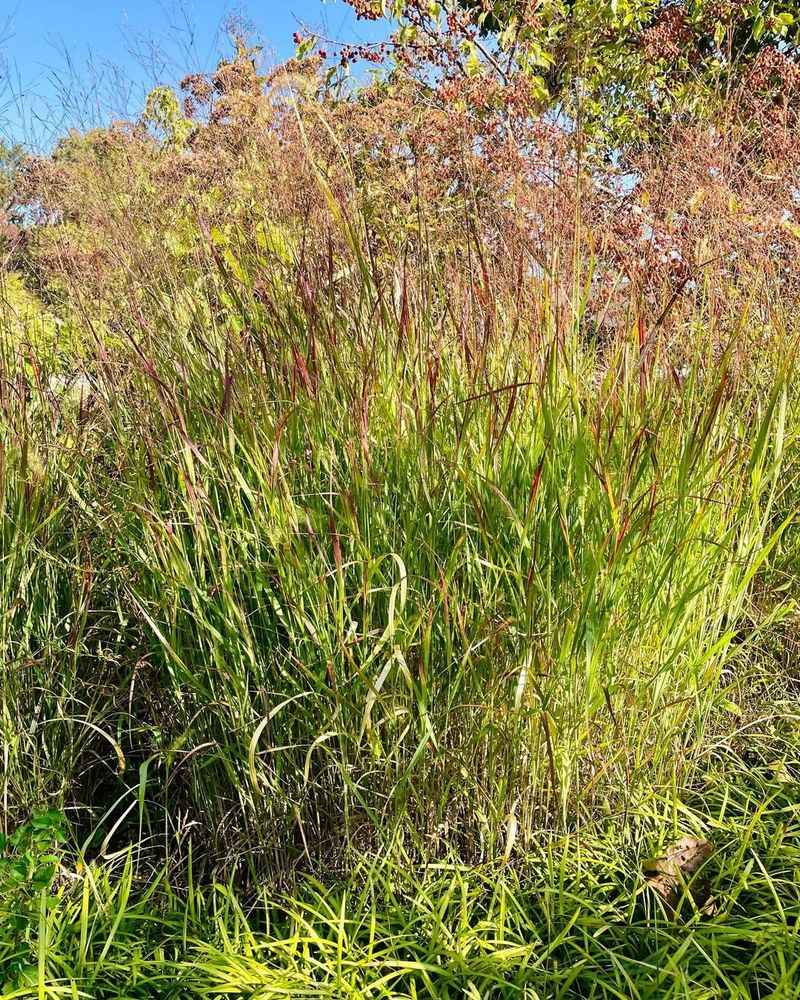
Native prairie grass might seem like an unexpected addition to a Pennsylvania bird garden, but switchgrass has earned strong expert recommendations for multiple reasons.
This warm-season grass produces abundant seeds that feed sparrows, juncos, towhees, and other ground-feeding birds from fall through winter.
The sturdy, upright clumps also provide excellent cover for ground-nesting species and shelter for birds seeking protection from predators and weather.
Switchgrass grows in attractive, fountain-like clumps that turn golden or burgundy in fall, maintaining visual interest throughout winter.
Birds use the dried blades and seed heads as nesting material in spring, extending the plant’s value beyond just food production.
The deep root system improves soil health while the above-ground growth creates habitat structure that benefits insects, which in turn feeds insect-eating birds.
This adaptable grass thrives in full sun and tolerates both drought and occasional flooding, making it suitable for challenging sites.
It grows 3 to 5 feet tall depending on variety and requires minimal maintenance once established.
Simply cut back the previous year’s growth in late winter before new growth emerges.
Pennsylvania wildlife gardeners increasingly incorporate switchgrass into meadow plantings and naturalized areas where it provides four-season structure.
The rustling sound of wind through the blades adds sensory interest to the garden.
For homeowners wanting to create authentic wildlife habitat that supports birds while reducing lawn maintenance, switchgrass offers an excellent native solution that requires little input while delivering substantial benefits throughout the year.
10. Sunflowers (Helianthus Species)
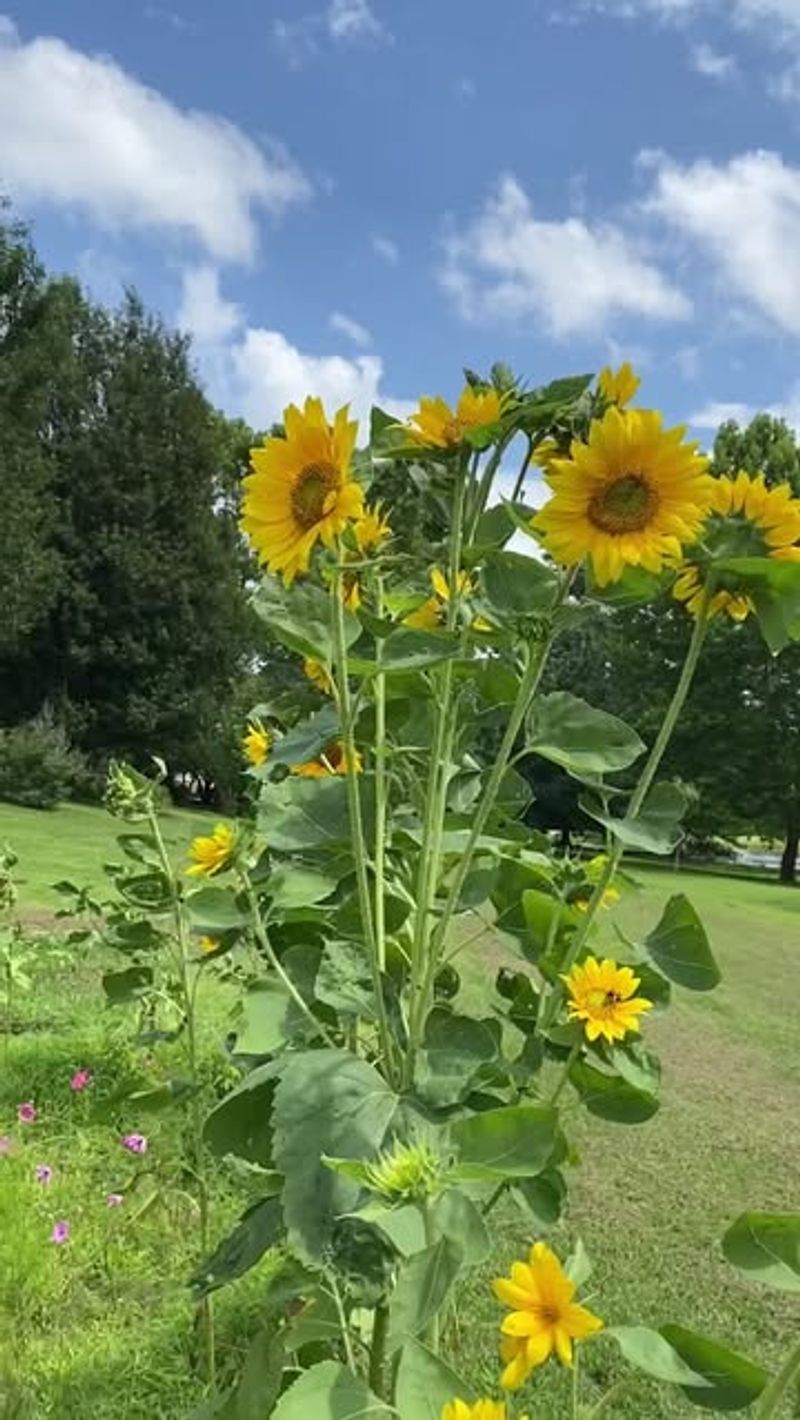
Perhaps no plant symbolizes bird feeding quite like the cheerful sunflower, and experts recommend it for excellent scientific reasons beyond its iconic status.
Sunflower seeds contain exceptionally high levels of fat and protein, making them nutritional powerhouses that help birds build fat reserves for winter survival and migration.
Leaving mature seed heads standing in the garden creates natural feeding stations that attract cardinals, chickadees, nuthatches, jays, and numerous finch species.
Both annual and perennial sunflower species work beautifully in Pennsylvania gardens, each offering slightly different benefits.
Annual sunflowers produce the largest seed heads with the biggest seeds, while perennial varieties like Maximilian sunflower provide later blooms and extended feeding opportunities.
The towering stems also serve as perches where birds can survey the area while waiting their turn at the feeder.
Growing sunflowers is remarkably simple—they tolerate poor soil, require little water once established, and grow quickly from seed.
Plant them in full sun for best results, spacing them adequately to allow air circulation.
The massive blooms first attract pollinators in summer, creating a buzzing hub of activity that draws insect-eating birds.
As seeds mature and the back of the flower head turns yellow-brown, birds begin their harvest.
Some gardeners cut a few heads to dry and store for winter feeding stations while leaving others standing in the garden.
The combination of easy cultivation, spectacular blooms, and outstanding bird nutrition makes sunflowers an essential component of every Pennsylvania bird garden, recommended by experts year after year.