15 Expert Tips For Growing A Thriving Herb Garden In Michigan
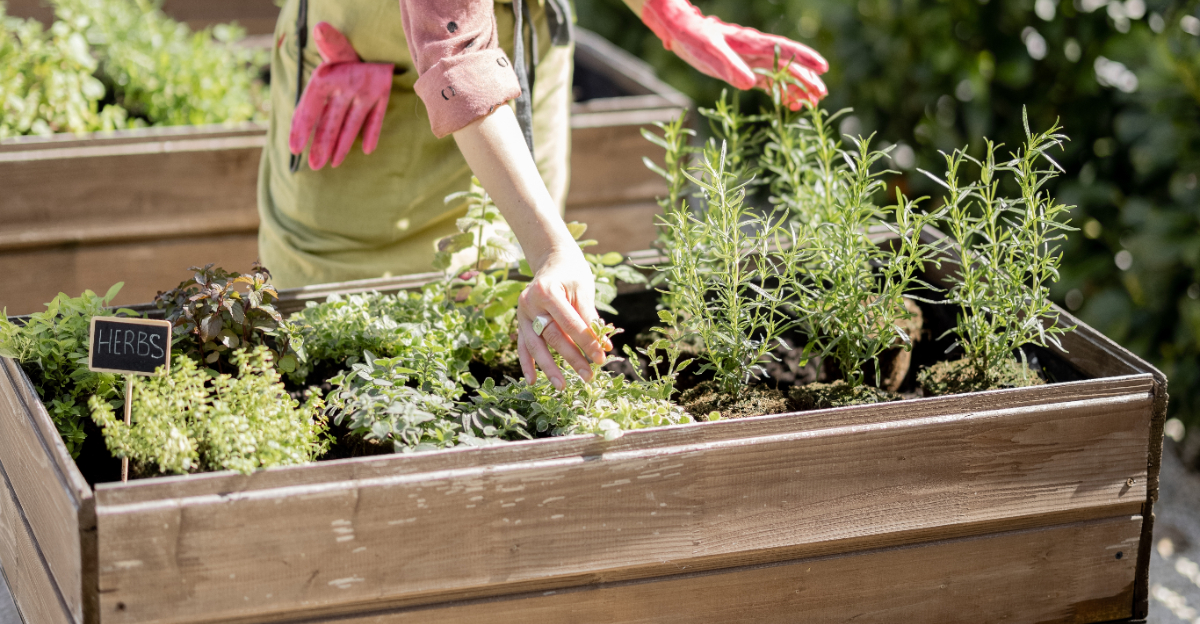
Nothing elevates a home cooked meal quite like stepping outside to snip fresh, fragrant herbs grown by your own hands. In Michigan, cultivating an herb garden offers more than flavor.
It creates a meaningful connection to the rhythms of the seasons and the unique conditions that shape the Great Lakes State.
From cool springs to warm summers and crisp autumn evenings, Michigan’s climate presents both opportunities and challenges that influence how herbs grow and flourish.
Success comes from understanding soil preparation, sunlight patterns, and proper timing tailored to local weather shifts.
With thoughtful planning and region specific strategies, even a small garden bed or container setup can produce generous harvests of basil, thyme, parsley, and more.
The reward is steady access to vibrant aromas and fresh ingredients that enhance everyday cooking.
By working with Michigan’s climate rather than against it, you can enjoy a thriving herb garden that delivers beauty, flavor, and satisfaction throughout the growing season.
1. Choose Herbs That Thrive In Michigan Climate
Michigan winters test every plant’s resilience, so selecting herbs adapted to cold temperatures sets your garden up for long-term success.
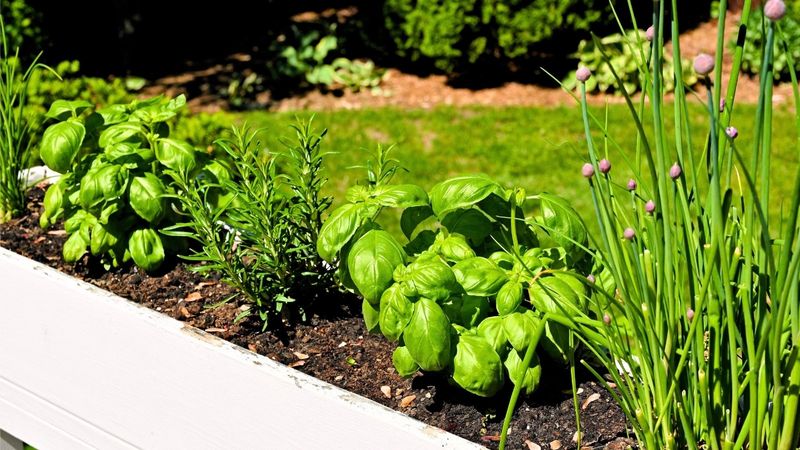
Hardy perennials like thyme, oregano, chives, and sage can survive temperatures well below freezing when properly established.
These herbs naturally tolerate Michigan’s Zone 5 and 6 conditions without requiring extensive winter protection.
Matching your plant choices to regional conditions saves time, money, and frustration down the road. Tender herbs such as basil, cilantro, and dill perform beautifully during Michigan summers but won’t survive frost.
Planning your garden with a mix of hardy perennials and warm-season annuals creates continuous harvests while reducing replanting efforts each spring.
Native and naturalized herbs often outperform exotic varieties in Michigan gardens because they’ve adapted to local soil and weather patterns. Mint, lemon balm, and catnip spread vigorously in Michigan’s climate and require minimal care once established.
Consider starting with proven performers before experimenting with less common varieties.
Cold-hardy herbs also tend to develop stronger flavors when exposed to cooler temperatures, making Michigan an ideal location for culinary gardening.
Many perennial herbs actually benefit from winter dormancy, emerging stronger and more vigorous each spring.
Choosing regionally appropriate plants transforms gardening from a constant battle into a rewarding partnership with your local environment.
2. Understand Your USDA Hardiness Zone First
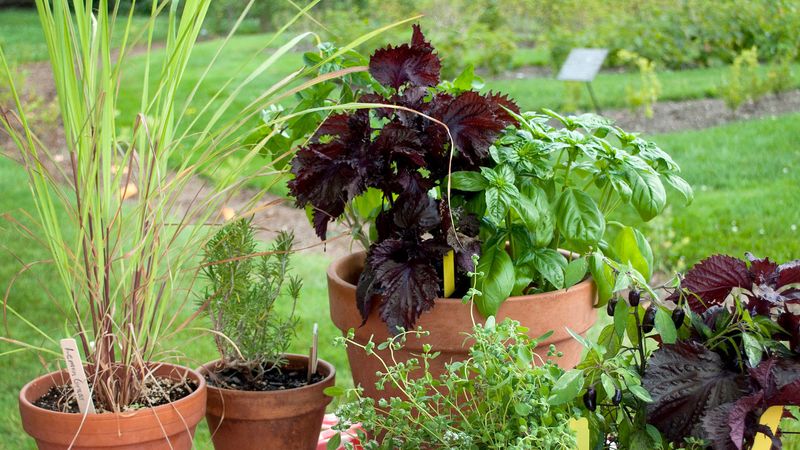
Michigan spans three USDA hardiness zones, ranging from Zone 4 in the Upper Peninsula to Zone 6 in southern counties near Detroit and along the lakeshore. Your specific zone determines which perennial herbs will reliably return year after year without replanting.
Knowing this information before purchasing plants prevents disappointment and wasted investment.
Zone information appears on most herb plant tags and seed packets, guiding you toward varieties rated for your area’s coldest average winter temperatures.
A Zone 5 rating means a plant can typically survive winter lows between negative 10 and negative 20 degrees Fahrenheit. Choosing herbs rated for at least one zone colder than yours provides extra insurance against unusually harsh winters.
Microclimates within your property can create warmer or cooler pockets that behave like different zones altogether. Areas near buildings, south-facing walls, or protected by windbreaks often stay several degrees warmer than exposed locations.
Taking advantage of these warmer spots allows you to grow slightly tender herbs that might struggle elsewhere in your yard.
Online zone maps and local extension offices provide precise zone information based on your zip code or county. Many Michigan gardeners successfully grow herbs rated one zone warmer by providing winter mulch or choosing sheltered planting sites.
Understanding your zone empowers smart plant selection and realistic expectations for your herb garden’s performance through all four seasons.
3. Plant In A Location With Full Sun Exposure
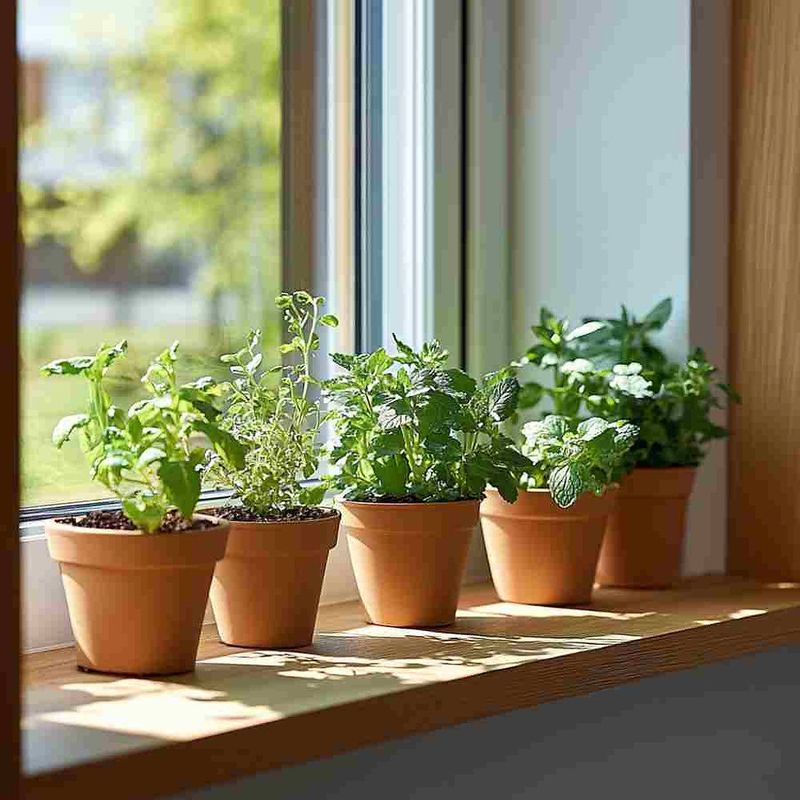
Most culinary herbs originated in Mediterranean regions where sunshine is abundant and intense throughout the growing season.
Basil, rosemary, oregano, and thyme all require at least six hours of direct sunlight daily to develop their characteristic flavors and essential oils.
Insufficient light produces weak, leggy plants with disappointing taste and reduced harvests.
Full sun means unobstructed sunlight from roughly 10 a.m. to 4 p.m. when the sun’s rays are strongest. Morning sun combined with afternoon shade qualifies as partial sun rather than full sun, which limits herb productivity.
Observing your yard throughout the day helps identify the sunniest spots before planting begins.
South-facing locations receive the most consistent sunlight in Michigan gardens, making them ideal for heat-loving herbs like basil and cilantro. East and west exposures work well for most herbs, though west-facing sites can become quite hot during summer afternoons.
North-facing areas rarely provide adequate light for sun-loving herbs and should be reserved for shade-tolerant plants.
Trees, buildings, and fences cast moving shadows that change with the seasons as the sun’s angle shifts. A spot that seems sunny in May might become shaded by July when nearby trees leaf out fully.
Planning your herb garden in the sunniest available location dramatically improves growth, flavor intensity, and overall plant health throughout the growing season.
4. Improve Drainage Before Planting
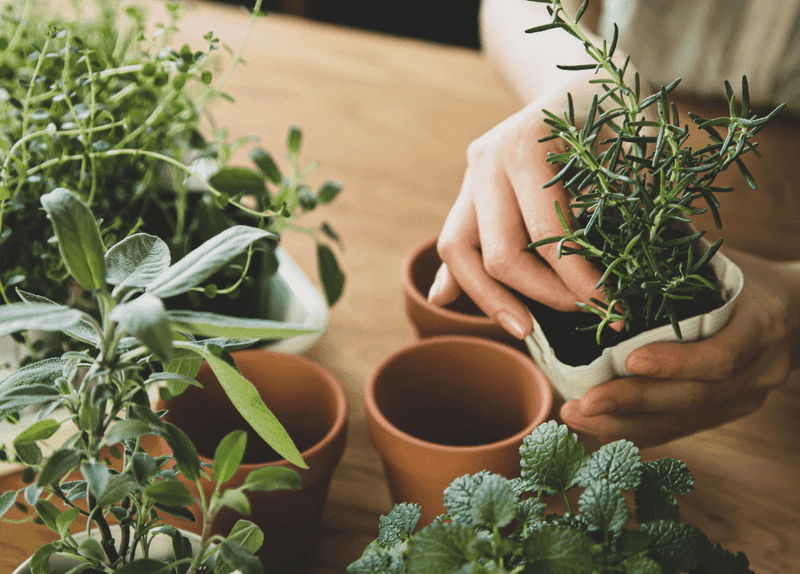
Many popular herbs evolved in rocky, fast-draining soils where water moves quickly away from roots after rain or irrigation. Lavender, rosemary, sage, and thyme particularly dislike having wet feet and quickly develop root rot in waterlogged conditions.
Michigan’s clay-heavy soils often retain moisture longer than herbs prefer, especially during cool spring and fall months.
Adding organic matter like compost or aged manure improves drainage while simultaneously boosting soil fertility and beneficial microbial activity.
Working these amendments into the top 8 to 12 inches of soil creates a looser, more porous growing medium.
Sandy loam represents the ideal texture for most herbs, allowing water to percolate through while retaining enough moisture for healthy growth.
Raised beds offer an excellent solution for gardens with poor natural drainage or heavy clay soil that’s difficult to amend. Building beds 8 to 12 inches high filled with quality garden soil creates perfect growing conditions for herbs.
The elevated planting surface warms faster in spring and drains excess water away from sensitive roots.
Testing drainage is simple: dig a hole about 12 inches deep, fill it with water, and observe how quickly it drains. Water should disappear within a few hours rather than sitting overnight.
If drainage seems slow, incorporating coarse sand along with organic matter helps create the loose, crumbly texture herbs need to thrive in Michigan’s variable climate conditions.
5. Start Some Herbs Indoors In Early Spring
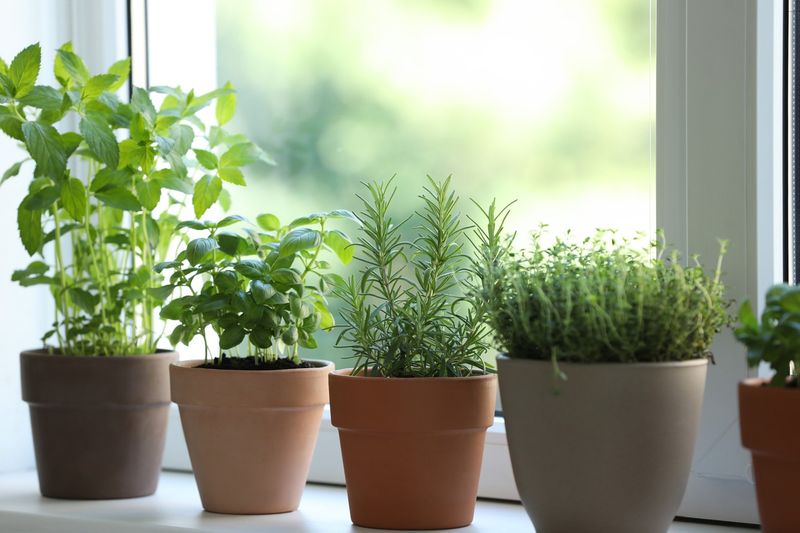
Getting a head start on Michigan’s relatively short growing season extends your harvest window and produces larger, more productive plants. Tender herbs like basil, parsley, and cilantro can be started indoors six to eight weeks before the last expected frost date.
This timing allows seedlings to develop strong root systems and several sets of true leaves before transplanting outdoors.
Indoor starting requires basic supplies including seed-starting mix, containers with drainage holes, and adequate light from a sunny window or grow lights.
Herbs germinate best in warm conditions between 65 and 75 degrees Fahrenheit, which most homes provide naturally.
Keeping soil consistently moist but not waterlogged encourages healthy germination within one to two weeks for most varieties.
Grow lights positioned just a few inches above seedlings prevent the stretched, weak growth that occurs in insufficient light. Fluorescent or LED fixtures work equally well and should run 14 to 16 hours daily for optimal growth.
Gradually moving lights higher as seedlings grow maintains proper distance and prevents burning tender foliage.
Hardening off seedlings before transplanting prevents shock and prepares plants for outdoor conditions including wind, temperature fluctuations, and direct sunlight.
Place containers outside in a sheltered spot for increasing periods over 7 to 10 days before final planting.
This gradual transition dramatically improves transplant success and reduces the stress that can stunt growth or invite pest problems in vulnerable young plants.
6. Wait Until Frost Risk Has Passed For Tender Herbs
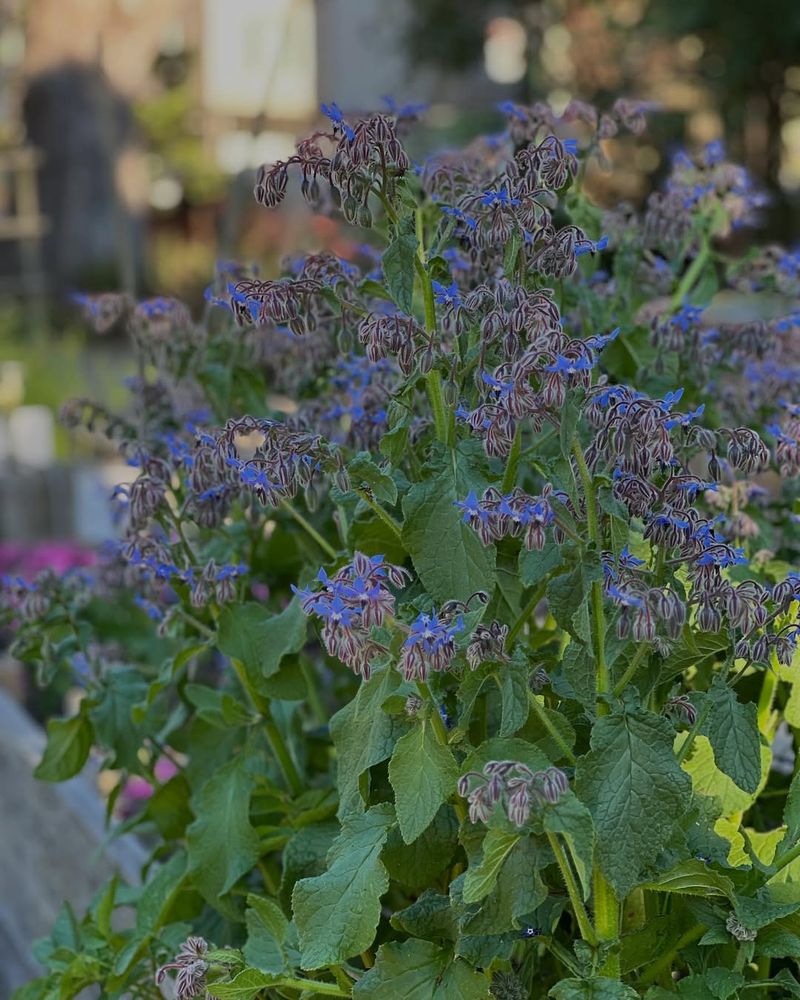
Frost-sensitive herbs like basil, cilantro, and dill suffer immediate damage when temperatures drop to 32 degrees Fahrenheit or below. Even a light frost blackens leaves and can severely set back or completely destroy tender plants.
Michigan’s last frost dates typically fall between mid-April in southern counties and late May in northern areas and the Upper Peninsula.
Rushing to plant too early often backfires when unexpected late-season cold snaps damage or destroy impatient plantings. Waiting until soil temperatures consistently reach 50 degrees Fahrenheit or warmer ensures better germination and faster establishment.
Cold soil slows growth dramatically and increases vulnerability to soilborne diseases that thrive in cool, damp conditions.
Local extension offices and experienced gardeners in your area provide the most reliable guidance about safe planting dates for your specific location.
Coastal areas near the Great Lakes often experience later frosts than inland locations due to the moderating influence of large water bodies.
Keeping track of actual frost dates in your garden over several years builds valuable knowledge for future planning.
Covering tender herbs with row covers, cloches, or even cardboard boxes provides emergency protection if unexpected frost threatens after planting. Removing covers promptly the next morning prevents overheating once temperatures rise.
While protection works for brief cold snaps, consistently warm weather produces the vigorous growth and abundant harvests that make herb gardening so rewarding throughout Michigan’s beautiful summer months.
7. Space Plants Properly For Healthy Airflow
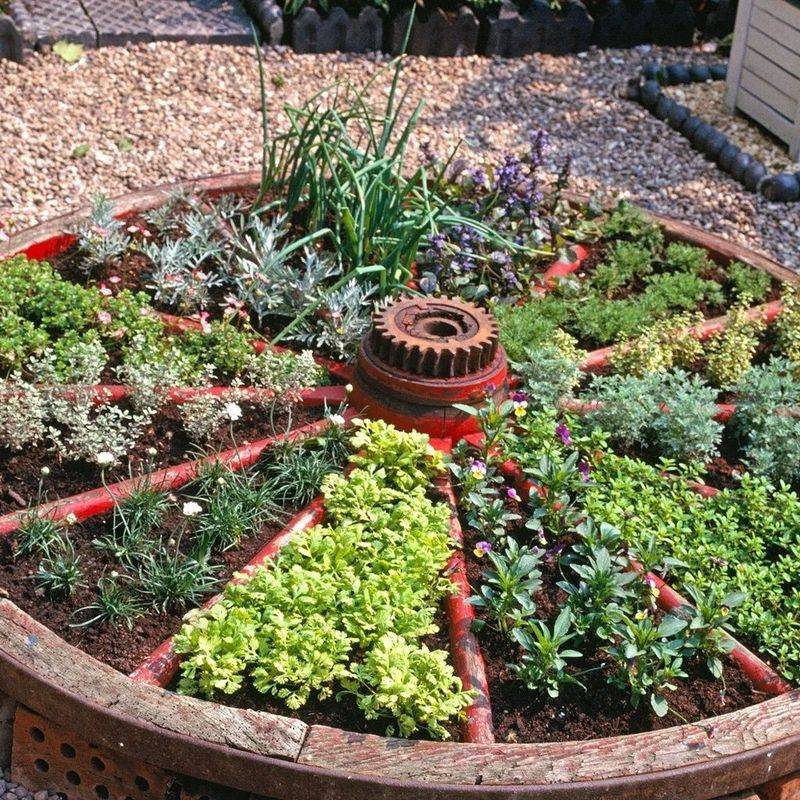
Crowding plants together might seem efficient, but inadequate spacing creates a humid microclimate where fungal diseases flourish and spread rapidly.
Good air circulation allows foliage to dry quickly after rain or watering, reducing the moist conditions that encourage powdery mildew, rust, and other common problems.
Michigan’s humid summers make proper spacing particularly important for maintaining plant health.
Each herb variety has specific spacing requirements based on its mature size and growth habit. Basil typically needs 12 to 18 inches between plants, while sprawling herbs like oregano and thyme require 18 to 24 inches.
Checking seed packets or plant tags provides guidance, though erring on the generous side rarely causes problems and often improves results.
Dense planting also increases competition for sunlight, water, and soil nutrients, causing plants to stretch and weaken as they compete for resources. Properly spaced herbs develop fuller, bushier shapes with better branching and more harvestable foliage.
The initial appearance of bare soil between young plants disappears within weeks as herbs fill their allocated space.
Pruning and harvesting help maintain good airflow even in established plantings by removing excess foliage and opening up the plant canopy.
Regular attention to spacing pays dividends in healthier plants, reduced pest pressure, and easier harvesting throughout the season.
Generous spacing might feel wasteful initially, but the improved vigor and productivity of well-spaced herbs more than compensates for any perceived loss of garden space.
8. Water Consistently But Avoid Soggy Soil
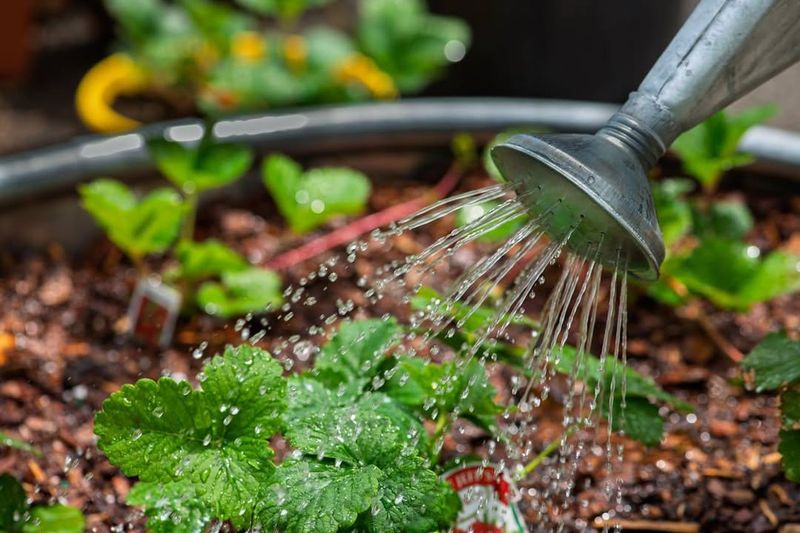
Finding the right watering balance challenges many herb gardeners because different varieties have varying moisture preferences. Most culinary herbs prefer soil that stays evenly moist but never waterlogged or completely dried out.
Consistent moisture supports steady growth and prevents the stress that makes plants vulnerable to pests and diseases.
The finger test provides a simple way to check soil moisture: stick your finger about two inches into the soil near plant roots. If it feels dry at that depth, watering is needed.
If moisture is still present, waiting another day or two prevents overwatering. Sandy soils dry faster than clay soils, requiring more frequent irrigation during hot weather.
Deep, infrequent watering encourages roots to grow deeper into the soil where moisture remains more consistent and temperatures stay cooler. Shallow, frequent watering creates shallow root systems that require constant attention and suffer quickly during dry spells.
Applying water slowly allows it to soak in rather than running off, ensuring moisture reaches the root zone where plants can actually use it.
Mulching around herbs helps maintain consistent soil moisture by reducing evaporation and moderating soil temperature fluctuations.
A two-inch layer of organic mulch like shredded bark or straw provides these benefits while gradually breaking down to improve soil quality.
Morning watering allows foliage to dry before evening, reducing disease risk while ensuring plants have adequate moisture during the warmest part of the day when water needs peak.
9. Harvest Frequently To Encourage Growth
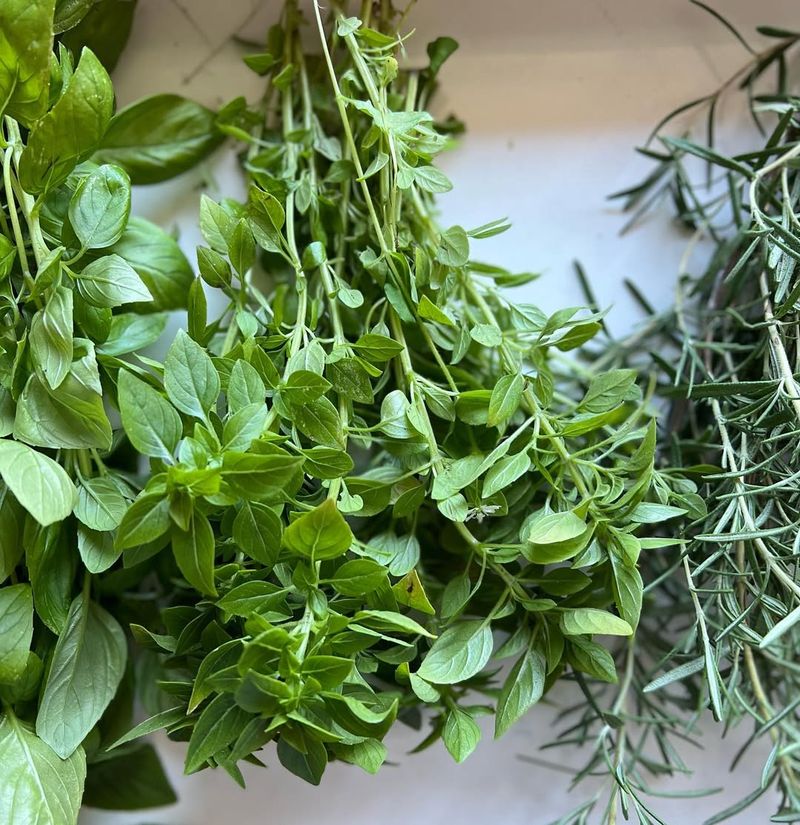
Regular harvesting actually improves herb productivity by stimulating branching and preventing plants from putting energy into flower and seed production.
Cutting stems just above a leaf node encourages two new shoots to emerge from that point, creating bushier, more productive plants.
This pinching technique works especially well with basil, mint, and other herbs that tend to grow tall and leggy without intervention.
Morning harvests after dew has dried but before the day’s heat intensifies capture herbs at peak flavor and essential oil concentration.
Aromatic compounds that give herbs their distinctive tastes and scents reach maximum levels before hot sun causes some volatilization.
Cutting no more than one-third of the plant at any single harvest maintains enough foliage for continued photosynthesis and healthy growth.
Sharp, clean scissors or pruning shears make clean cuts that heal quickly and resist disease entry better than torn or crushed stems. Harvesting from the top of plants encourages compact, bushy growth rather than bare lower stems with foliage only at the tips.
This shaping creates more attractive plants with harvestable leaves within easy reach throughout the growing season.
Removing flower buds as they appear extends the harvest window for leafy herbs like basil and cilantro that decline in quality once flowering begins.
While some gardeners enjoy herb flowers and their pollinator benefits, regular deadheading focuses plant energy on producing the flavorful foliage most cooks desire.
Frequent harvesting transforms herb gardening from passive observation into active participation that directly improves plant performance and your kitchen’s fresh herb supply.
10. Protect Perennial Herbs During Winter
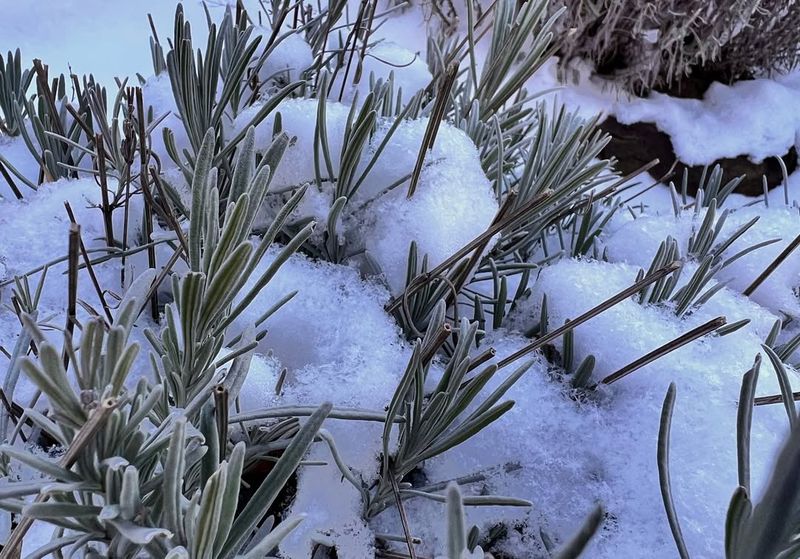
Hardy perennial herbs can survive Michigan winters, but thoughtful preparation improves their chances and ensures vigorous spring regrowth.
Applying a 3 to 4 inch layer of mulch after the ground freezes protects roots from dramatic temperature swings that cause more damage than steady cold.
Straw, shredded leaves, or evergreen boughs work well as insulating materials that allow air circulation while moderating soil temperature.
Timing matters when applying winter mulch: adding it too early keeps soil warm and delays natural dormancy, while waiting until after several hard freezes ensures plants have properly hardened off.
The goal isn’t preventing freezing but rather maintaining consistent temperatures that prevent repeated freeze-thaw cycles.
These cycles heave plants out of the ground, exposing roots to damaging cold and desiccating winds.
Cutting back dead foliage on perennial herbs in late fall removes overwintering sites for pests and diseases while tidying the garden. However, leaving 3 to 4 inches of stem above ground helps trap snow, which provides excellent insulation.
Some gardeners prefer leaving ornamental seed heads for winter interest and wildlife food, removing them only in early spring before new growth emerges.
Site selection plays a crucial role in winter survival: herbs planted on slopes or raised areas drain better and suffer less from ice accumulation than low-lying spots. Protection from harsh northwest winds significantly reduces winter damage and desiccation.
With proper preparation and site selection, perennial herbs like thyme, oregano, chives, and sage reliably return each spring, gradually expanding into productive clumps that anchor your Michigan herb garden.
11. Use Containers For Better Control In Cold Climates
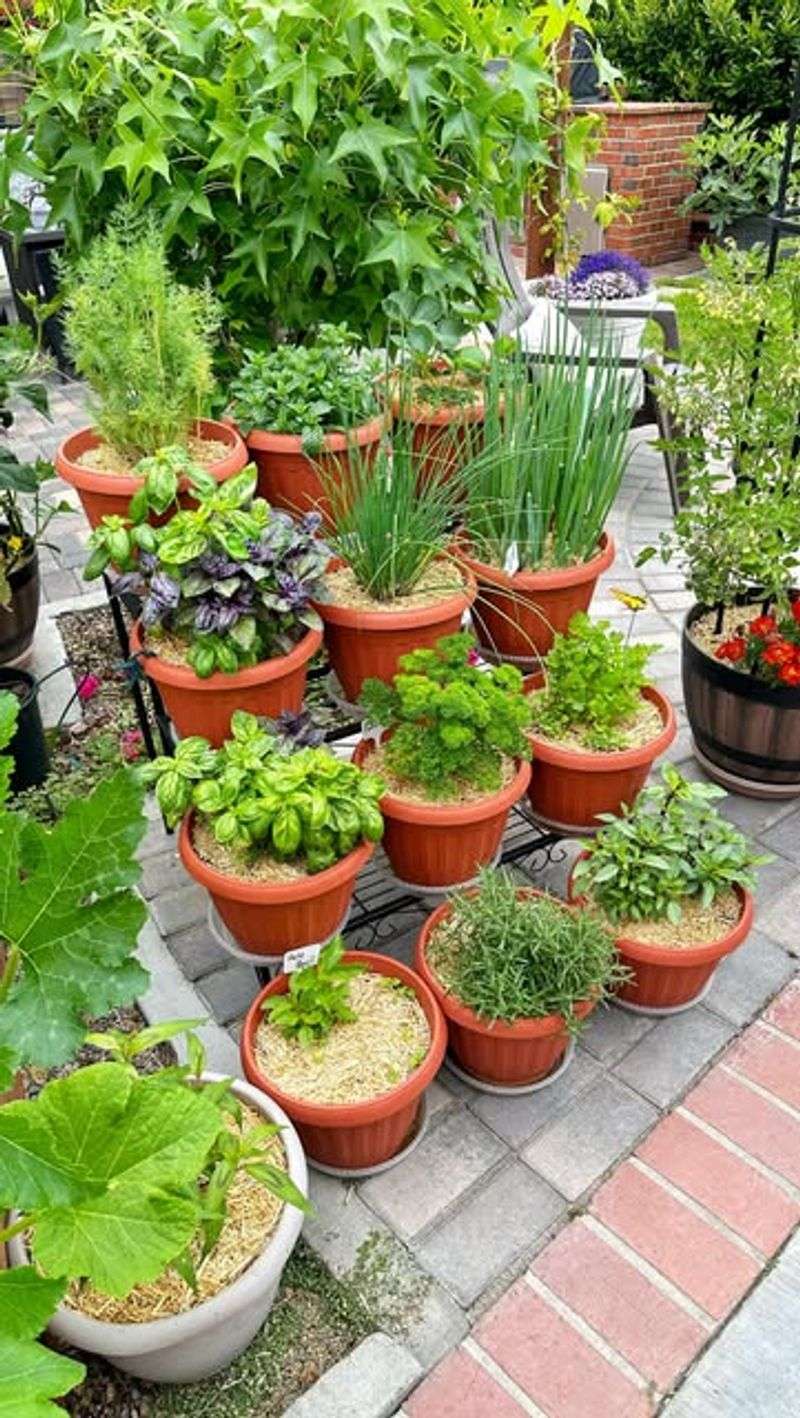
Container growing offers Michigan gardeners flexibility and control that in-ground planting can’t match, particularly for tender perennials like rosemary and bay laurel.
Pots allow you to move plants indoors before frost, extending the growing season and protecting investments in expensive herbs.
This mobility transforms herbs that would otherwise be annuals into long-lived specimens that improve with age.
Containers warm faster than garden soil in spring, giving herbs an earlier start and faster growth during cool weather. The confined root environment also makes it easier to provide the excellent drainage most herbs require without extensive soil amendment.
Choosing pots with multiple drainage holes and using quality potting mix rather than garden soil prevents the waterlogged conditions that damage herb roots.
Size matters in container selection: herbs need enough room for root development to support healthy top growth and adequate moisture retention. Most herbs thrive in containers at least 10 to 12 inches in diameter and equally deep.
Larger containers require less frequent watering and provide better insulation for roots during temperature extremes common in Michigan’s variable climate.
Grouping containers creates an attractive display while making watering and maintenance more efficient. Elevating pots on bricks or pot feet improves drainage and prevents water from pooling underneath.
Container herbs generally need more frequent fertilizing than in-ground plants because nutrients leach out with regular watering.
Using a balanced, water-soluble fertilizer every two to three weeks during active growth maintains healthy, productive plants throughout the season and simplifies bringing tender herbs indoors when cold weather approaches.
12. Rotate Annual Herbs Each Season
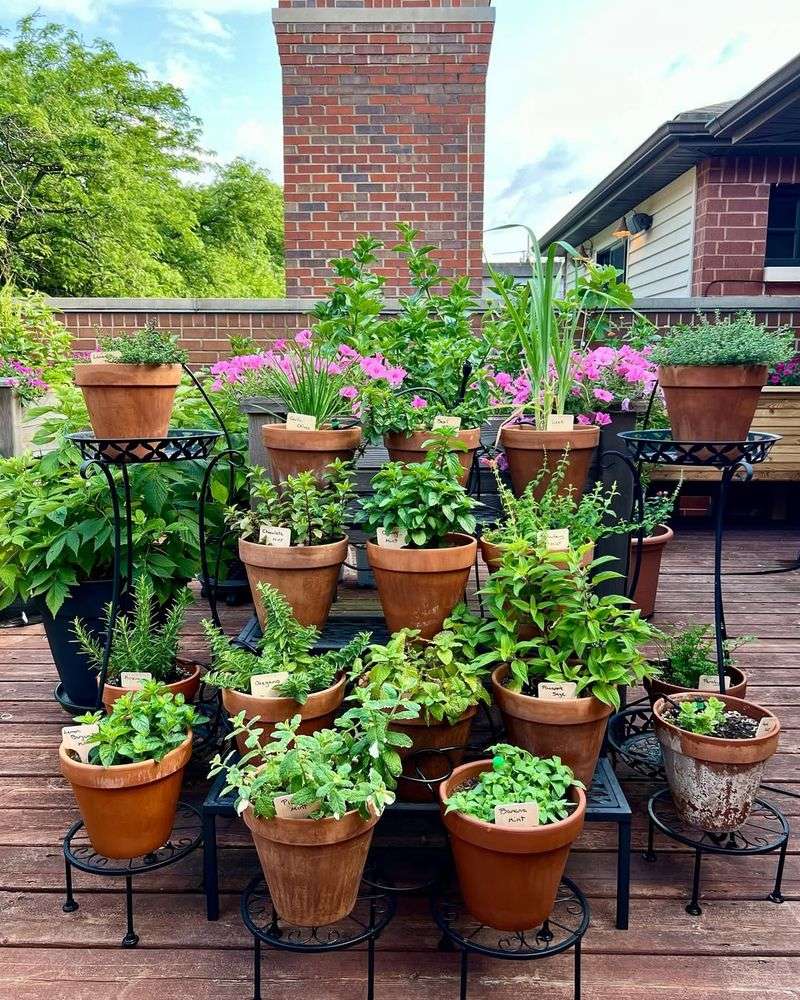
Planting the same herbs in identical locations year after year allows soilborne diseases and pests to build up, creating increasing problems over time. Rotation disrupts these cycles by moving plants to fresh soil where previous problems don’t exist.
This simple practice significantly reduces disease pressure without requiring chemical interventions or complicated management strategies.
Annual herbs like basil, cilantro, and dill benefit most from rotation since they’re replanted each year anyway. Moving them to different garden spots takes no extra effort but provides meaningful disease prevention benefits.
Even a few feet of distance from last year’s location helps break pest and pathogen cycles that depend on host plants returning to the same spot.
Different plant families have different nutrient needs and attract different pests, so rotating between unrelated crops improves soil health naturally. Following heavy feeders like basil with lighter feeders like thyme allows soil to recover without becoming depleted.
This approach mimics natural ecosystems where diversity and change create resilience and sustained productivity.
Keeping simple records of what grew where each season makes rotation planning straightforward and prevents accidentally repeating last year’s layout.
A basic garden sketch with plant locations noted provides all the information needed for effective rotation.
Dividing your herb garden into three or four sections and moving plant families through them on a three to four year cycle provides excellent disease prevention while maintaining soil fertility and structure for long-term garden health and productivity in Michigan’s growing conditions.
13. Test And Adjust Soil pH When Needed
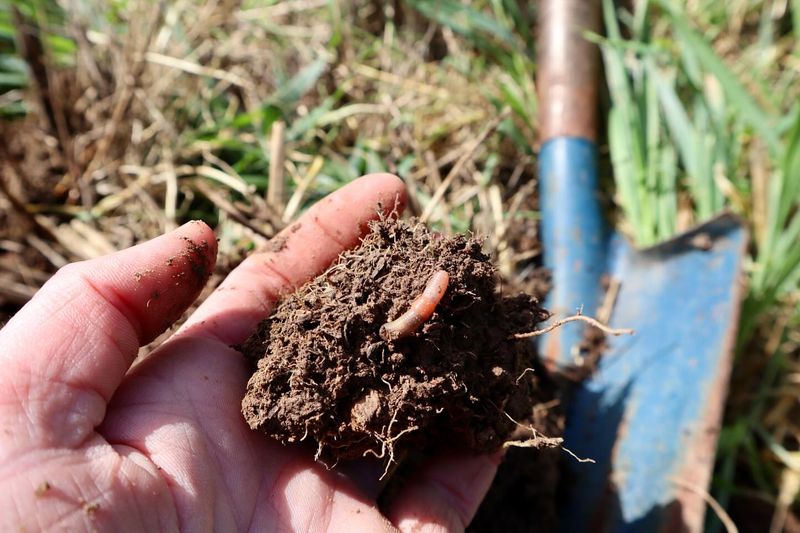
Soil pH affects nutrient availability more than most gardeners realize, and even fertile soil can’t support healthy herbs if pH levels prevent roots from accessing available nutrients.
Most culinary herbs prefer slightly acidic to neutral soil with pH between 6.0 and 7.0, though some like lavender and rosemary tolerate slightly alkaline conditions.
Michigan soils vary considerably by region, with some areas naturally acidic and others more neutral or alkaline.
Inexpensive home test kits available at garden centers provide sufficiently accurate pH readings for basic garden management.
Collecting soil samples from multiple locations and mixing them together before testing gives a representative picture of your garden’s overall pH.
Testing every two to three years monitors changes and guides amendment decisions rather than guessing about soil conditions.
Lowering pH in alkaline soil requires adding elemental sulfur or acidifying organic materials like peat moss or pine needles. Raising pH in acidic soil involves incorporating lime, with the specific amount depending on current pH and soil type.
These amendments work slowly and should be applied several months before planting to allow time for chemical reactions to occur and stabilize.
Dramatic pH adjustments aren’t always necessary or advisable since most herbs tolerate a fairly wide pH range. Focusing on building organic matter through compost additions often gradually moves pH toward neutral while improving overall soil health.
If herbs grow vigorously and produce well, pH probably falls within an acceptable range even if not perfectly ideal. Testing simply confirms assumptions and identifies potential issues before they significantly impact plant performance in your Michigan herb garden.
14. Watch For Common Garden Pests Early
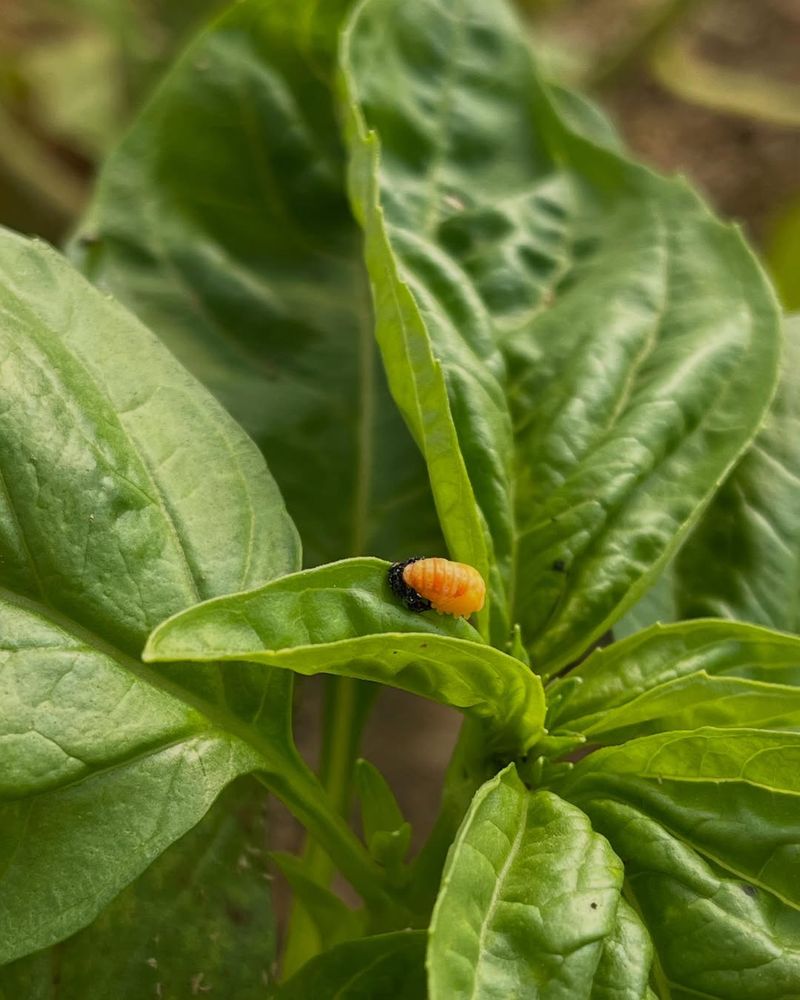
Catching pest problems early makes management much easier and prevents the extensive damage that occurs when infestations go unnoticed until populations explode.
Regular inspection of herb foliage, especially undersides where many pests hide, becomes a pleasant routine that connects you with your plants. Look for chewed leaves, sticky residue, webbing, or the pests themselves during weekly garden visits.
Aphids, spider mites, and whiteflies commonly attack herbs, particularly during hot, dry weather when plants experience stress. These soft-bodied insects reproduce rapidly but respond well to simple interventions like strong water sprays that knock them off plants.
Insecticidal soap provides effective control for heavier infestations while remaining safe for use on edible plants up to harvest day.
Encouraging beneficial insects like ladybugs, lacewings, and parasitic wasps creates natural pest control that works continuously without your intervention.
Planting flowers near your herb garden attracts these helpful predators while adding beauty and supporting pollinators.
Avoiding broad-spectrum pesticides protects beneficial insects and maintains the balanced ecosystem that prevents pest outbreaks naturally.
Healthy, vigorous plants resist pest damage better than stressed specimens struggling with poor growing conditions or inadequate care. Proper watering, spacing, and fertility create strong herbs that shrug off minor pest pressure without intervention.
When problems do appear, identifying the specific pest allows targeted responses rather than guessing at solutions.
Michigan State University Extension and local garden centers provide identification help and management recommendations suited to regional conditions and common local pest species affecting herb gardens.
15. Plan For Success With A Seasonal Herb Strategy
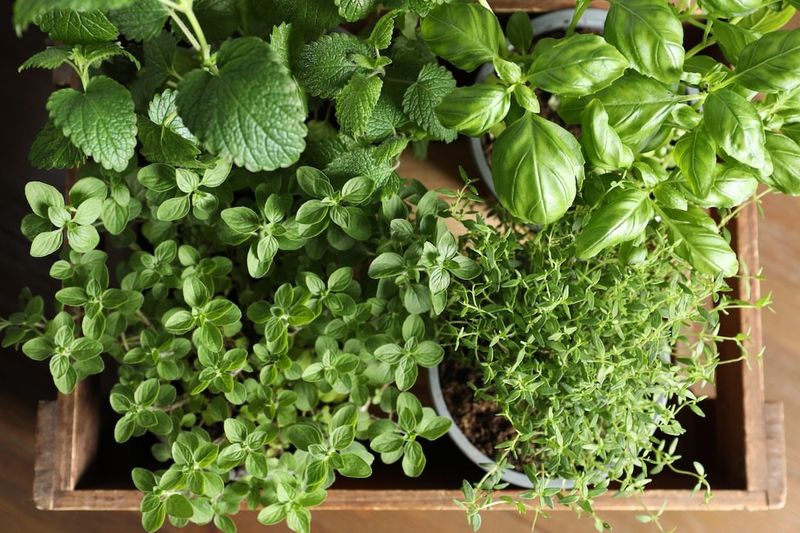
Strategic planning maximizes your herb garden’s productivity by combining cool-season and warm-season varieties that thrive during different parts of Michigan’s growing season.
Cilantro, parsley, and chives flourish in spring’s mild temperatures, providing early harvests before summer heat arrives.
As these cool-season herbs decline in hot weather, heat-loving basil, oregano, and thyme hit their stride, maintaining continuous production.
Succession planting extends harvests by sowing new crops every few weeks rather than planting everything at once. This approach works particularly well for quick-growing herbs like cilantro and dill that produce abundantly but briefly.
Staggered plantings ensure fresh herbs remain available throughout the season rather than experiencing feast or famine cycles.
Fall gardens often get overlooked, but many herbs perform beautifully in autumn’s cooler temperatures and consistent moisture. Planting cool-season varieties in late summer for fall harvest takes advantage of the season’s favorable growing conditions.
Parsley, cilantro, and chives actually taste sweeter and milder after light frosts, making fall an ideal time for these flavorful herbs.
Keeping a simple garden journal documenting what you planted, when, and how it performed builds valuable knowledge for future seasons. Notes about weather patterns, pest problems, and harvest timing help refine your approach year after year.
This accumulated wisdom transforms random gardening into an increasingly successful practice tailored specifically to your property’s unique conditions.
Planning transforms hope into realistic expectations and random efforts into purposeful actions that reliably produce the thriving, productive herb garden every Michigan gardener deserves to enjoy throughout the growing season.