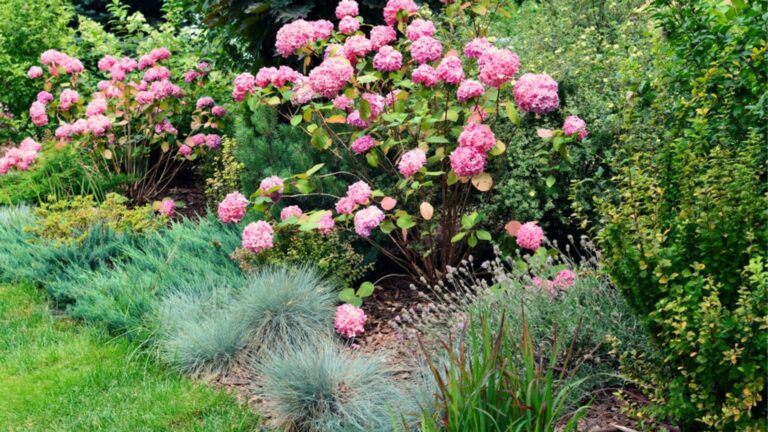
Experts Agree That These 25 Plants Are Ideal To Grow Alongside Hydrangeas (Plus Extra Companions)
Finding the perfect garden companions for your hydrangeas can elevate both their beauty and your garden’s overall harmony. This guide explores 25 exceptional plants that flourish beside hydrangeas, providing aesthetic value, ecological benefits, and growing compatibility. These expert-recommended selections ensure your garden remains a vibrant and thriving ecosystem. Prepare to discover plants that not only complement hydrangeas’ lush blooms but also add unique textures, colors, and fragrances to your outdoor space.
1. Hosta
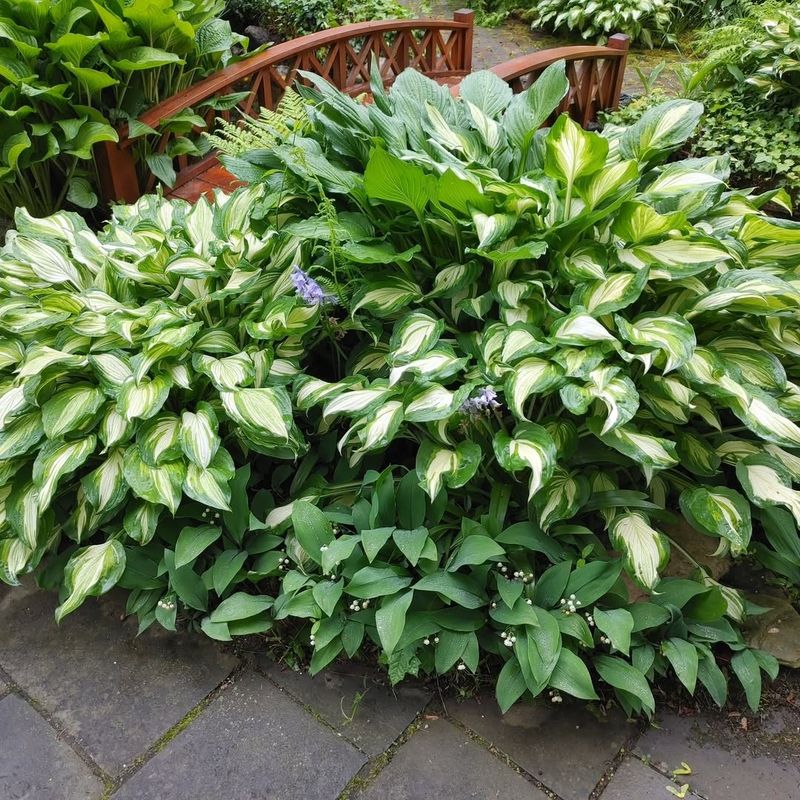
Shade-tolerant foliage offers a lush contrast to vibrant hydrangea blooms. Their large leaves create a verdant carpet that beautifully offsets colorful flowers.
Hostas thrive in similar soil conditions, making them ideal partners. Consider their varied leaf hues for added depth.
2. Ferns
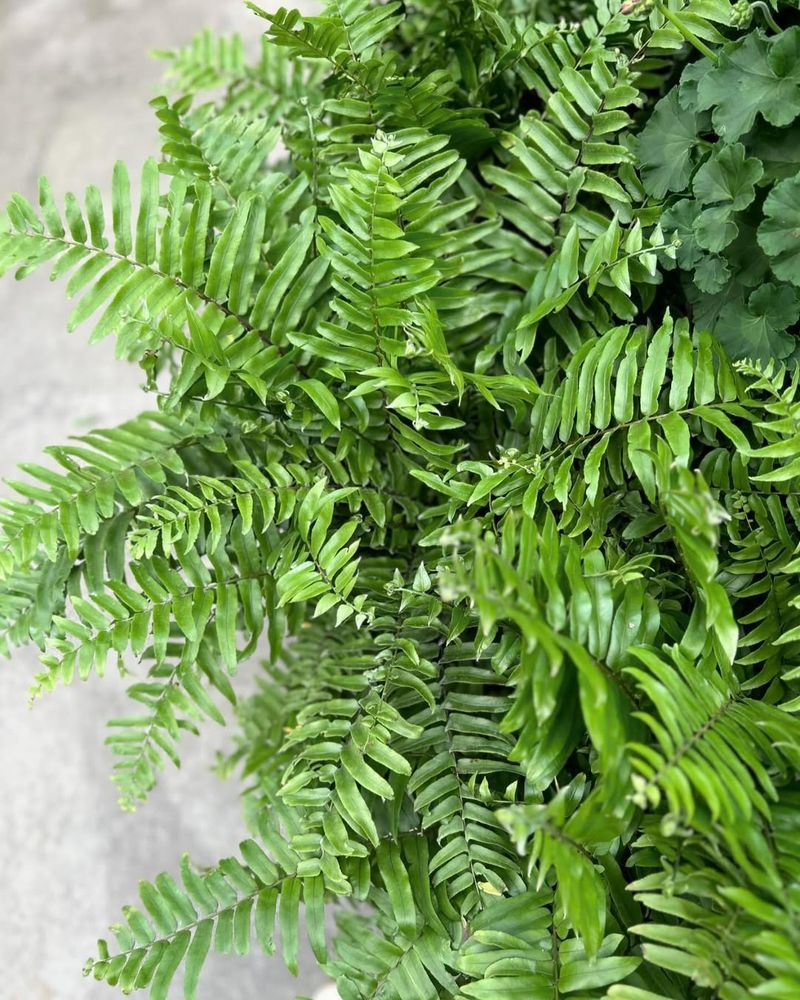
Delicate fronds introduce a graceful elegance that complements bold floral displays. These shade lovers relish the dappled light beneath hydrangeas’ canopy.
Their low-maintenance nature keeps your garden effortless and serene. Ferns’ airy texture enhances visual interest.
3. Astilbe
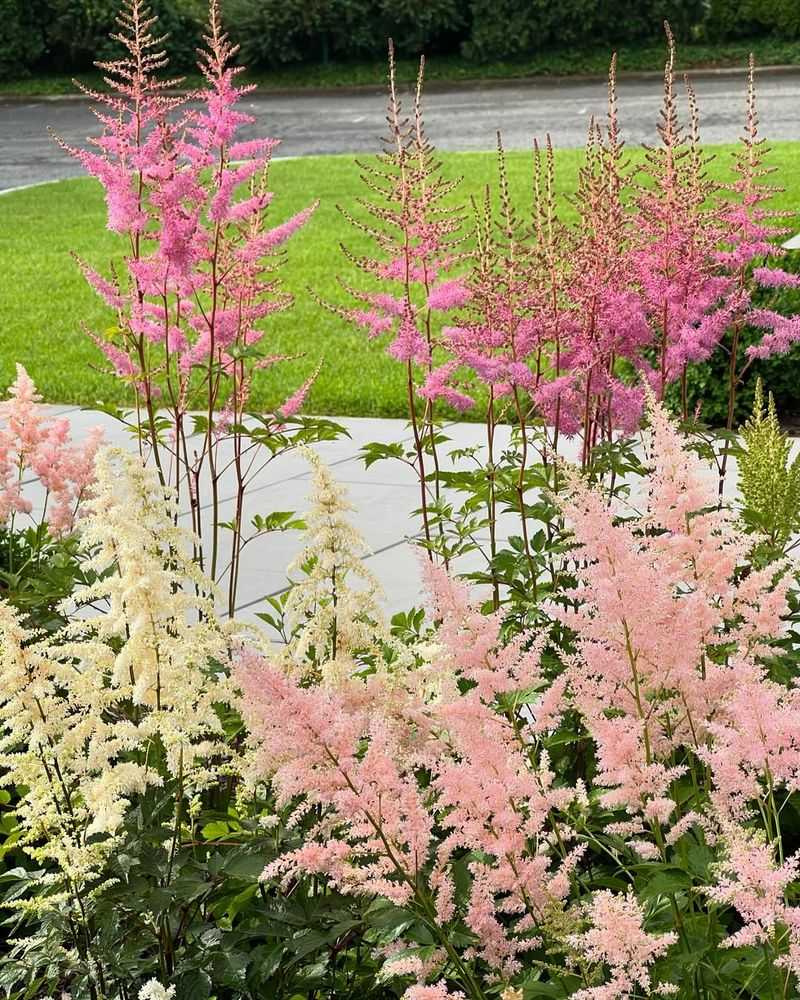
Feathery plumes add a whimsical touch to your hydrangea landscape. Astilbe’s tolerance of moist soil and partial shade mirrors hydrangeas’ preferences.
The vibrant astilbe colors can echo or contrast hydrangea hues. This combination provides a dramatic seasonal display.
4. Heuchera
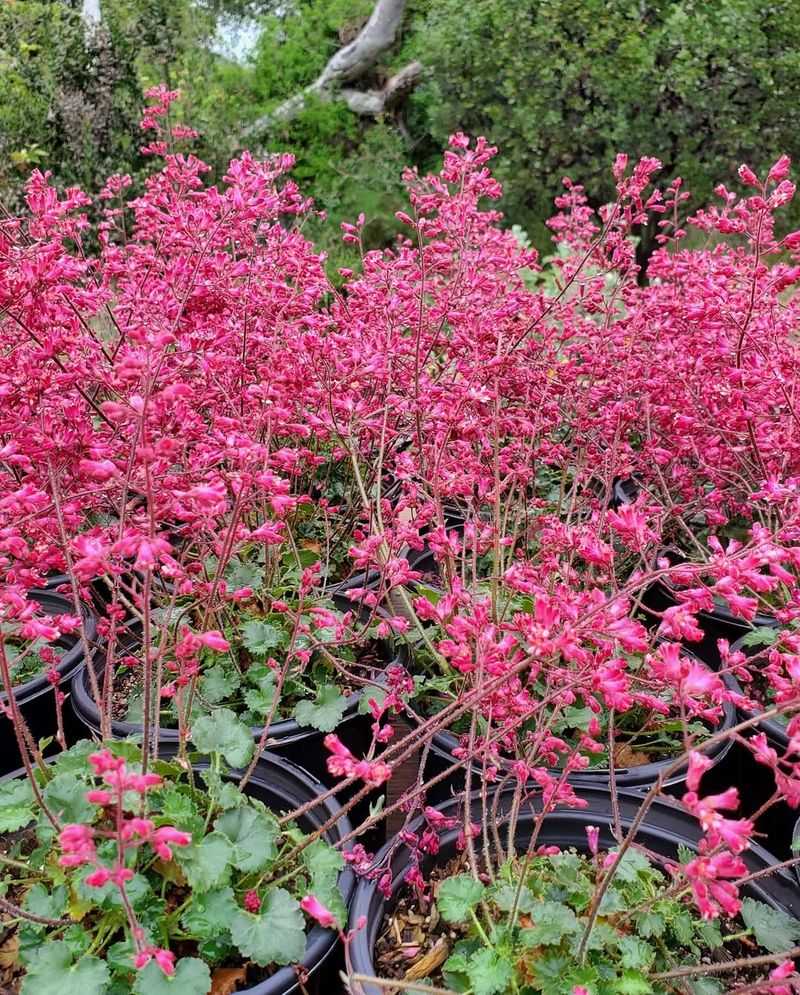
Rich foliage offers an artist’s palette of colors in your garden. Coral bells (Heuchera) thrive in similar conditions, ensuring harmonious growth.
Heuchera’s compact size makes them perfect for front-of-border planting. The varied leaf textures add interesting layers to your garden.
5. Japanese Forest Grass
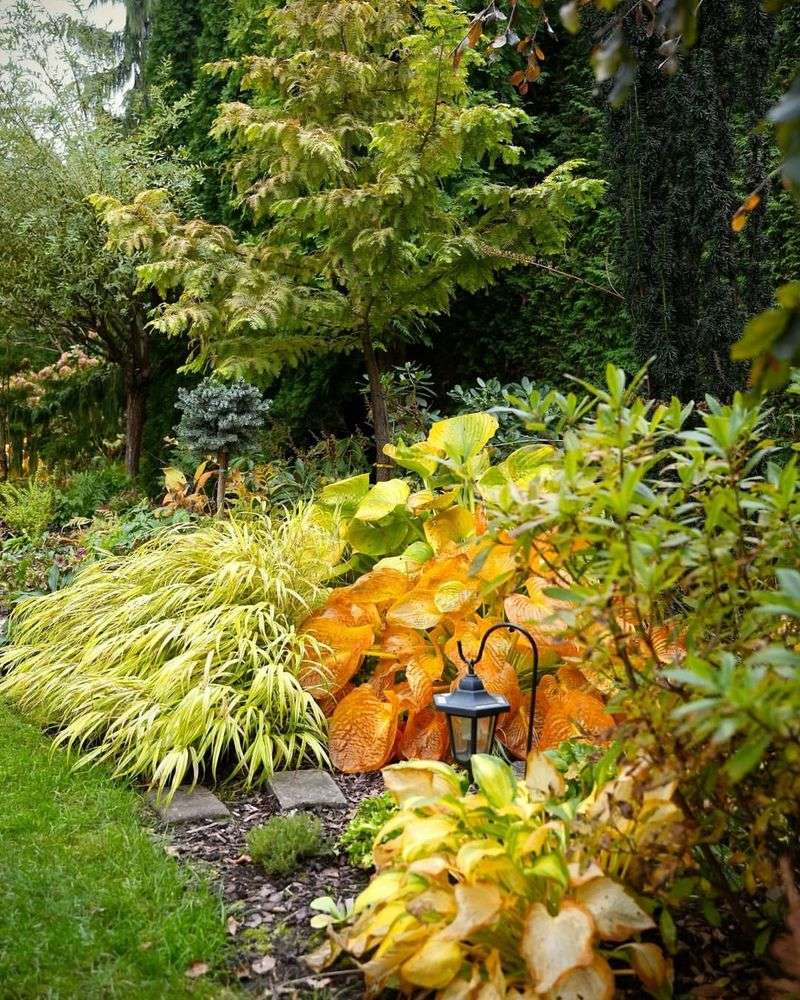
Soft, flowing blades introduce movement and grace to garden spaces. This ornamental grass thrives in partial shade, complementing hydrangeas.
Its golden hues shine against hydrangeas’ colorful blooms. The contrast between grass and flowers creates a dynamic visual appeal.
6. Lungwort
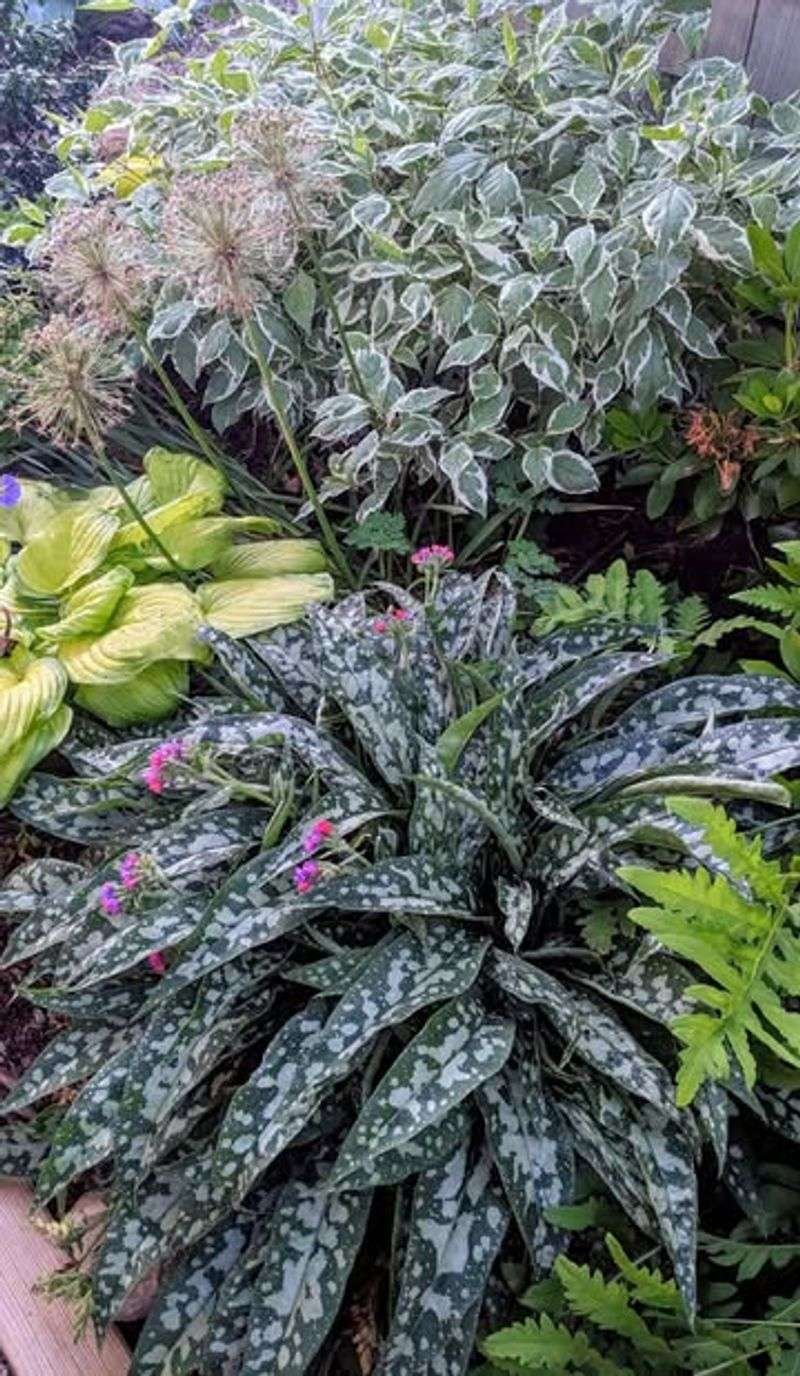
Speckled leaves provide visual interest, even when flowers aren’t blooming. Lungwort thrives in similar conditions, enjoying the same shady retreats.
The early blooms offer a prelude to hydrangeas’ showy flowers. These plants also attract beneficial pollinators.
7. Bleeding Heart
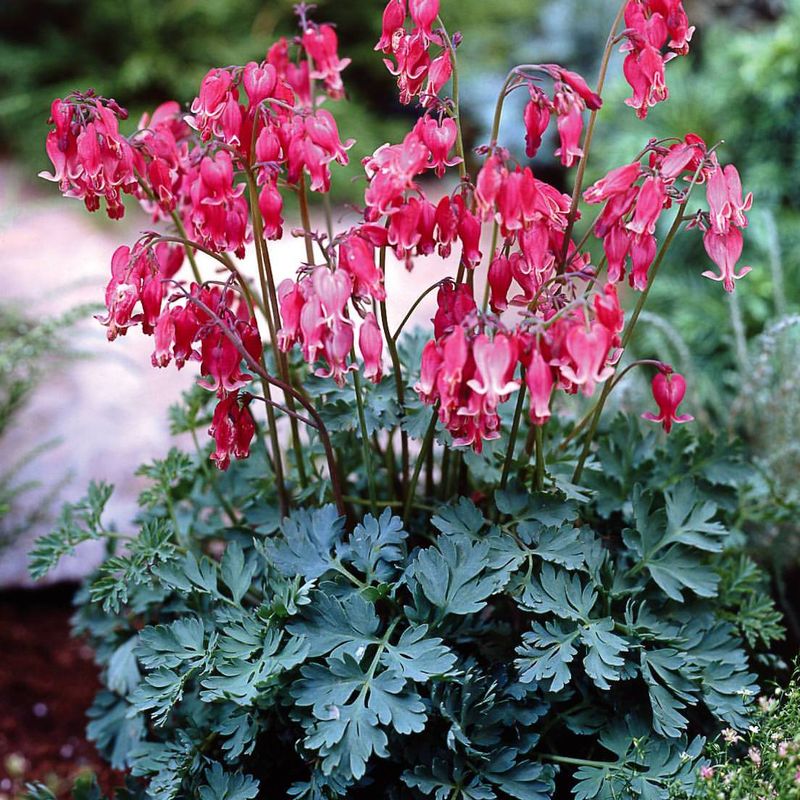
Charming heart-shaped flowers lend an air of romance to garden scenes. Bleeding hearts love the cool, shaded areas that hydrangeas prefer.
Their arching stems add architectural interest. These spring bloomers bridge the gap to summer’s hydrangea spectacle.
8. Brunnera
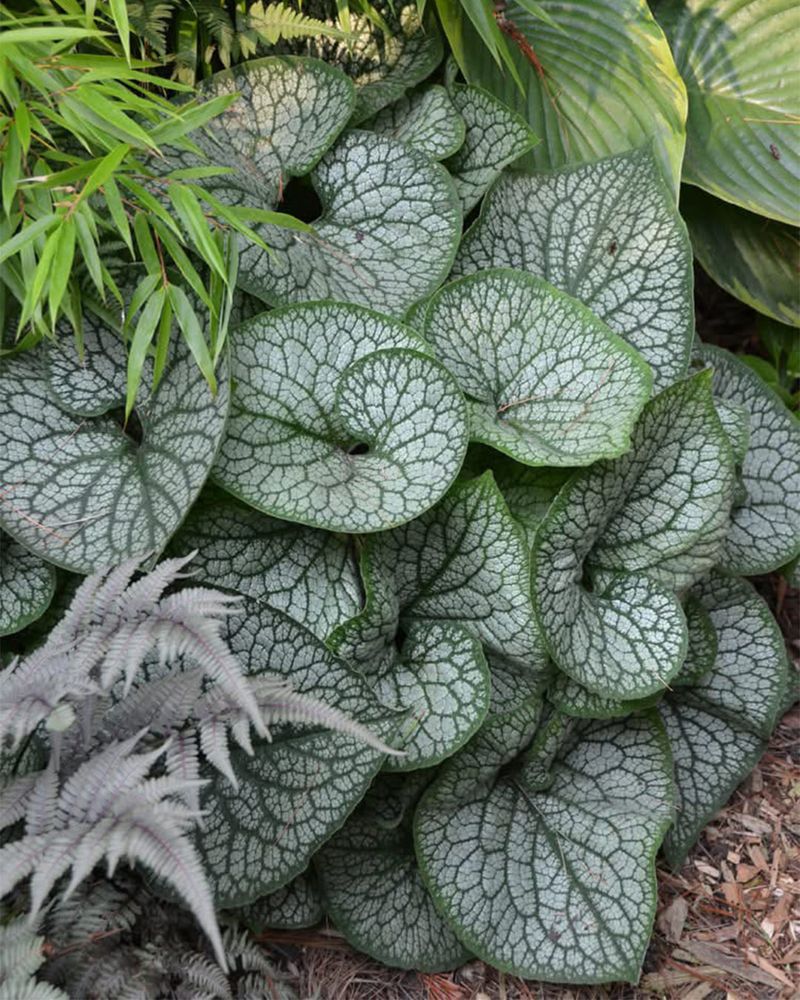
Heart-shaped leaves bring a touch of whimsy to garden beds. Brunnera flourishes in the same moist, shady environments as hydrangeas.
Brunnera’s blue flowers echo the blue hydrangea varieties beautifully. This pairing creates a cohesive and enchanting garden aesthetic.
9. Solomon’s Seal
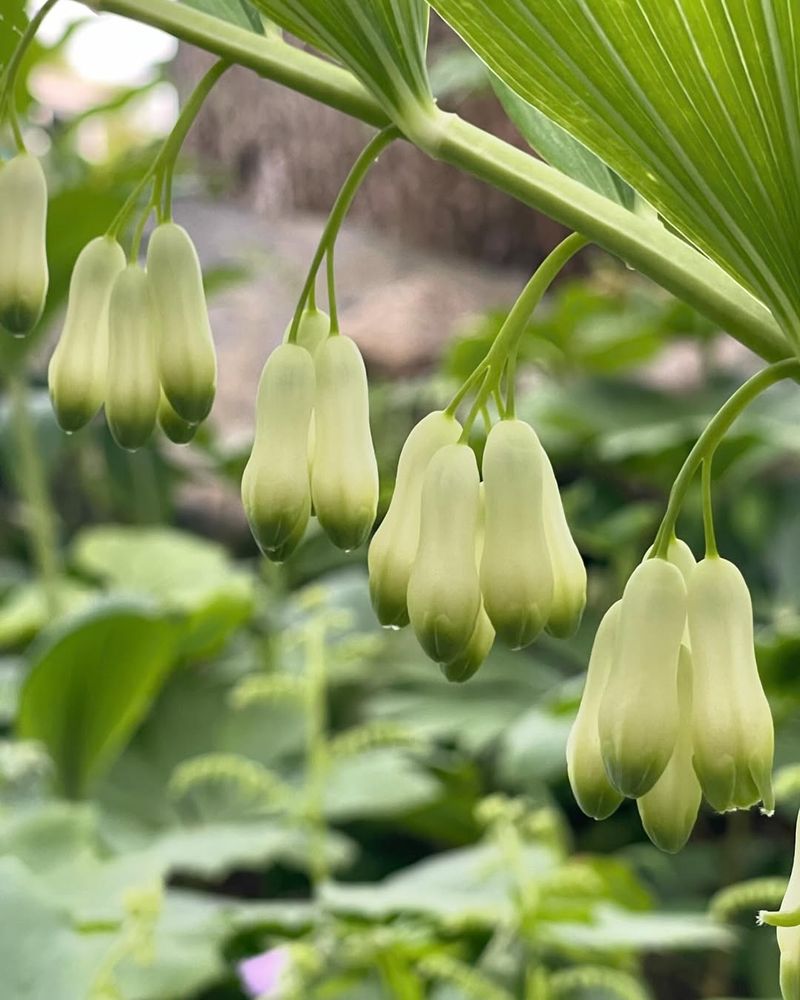
Graceful, arching stalks offer an elegant vertical element. Like hydrangeas, they prefer shaded to partially shaded locations.
The white, bell-shaped flowers add a delicate contrast. Solomon’s Seal’s foliage remains attractive throughout the season.
10. Toad Lily
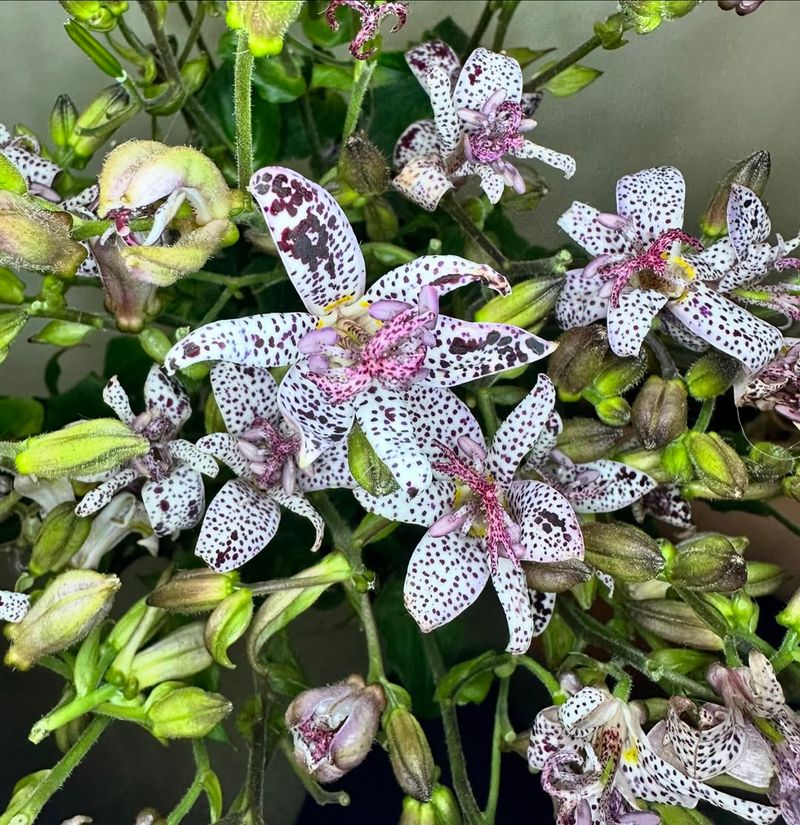
Exotic and speckled blooms add intrigue during late summer months. Toad lilies thrive in moist, rich soil similar to hydrangeas.
Liliy’s unique appearance captivates garden visitors. These late bloomers extend the visual interest of your garden.
11. Foxglove
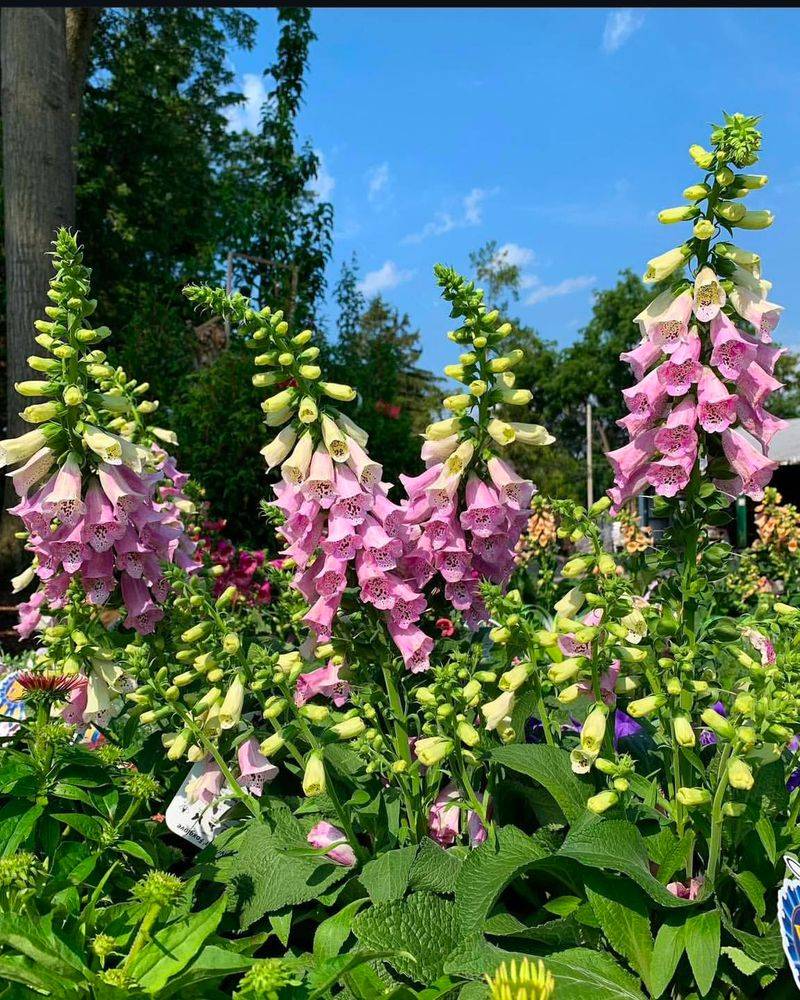
Tall spikes of bell-shaped flowers create a striking vertical accent. Foxgloves enjoy the same partial shade and rich soil as hydrangeas.
Plant’s elegant blooms attract pollinators, enhancing ecological health. With their towering presence, foxgloves complement lush landscapes.
12. Liriope
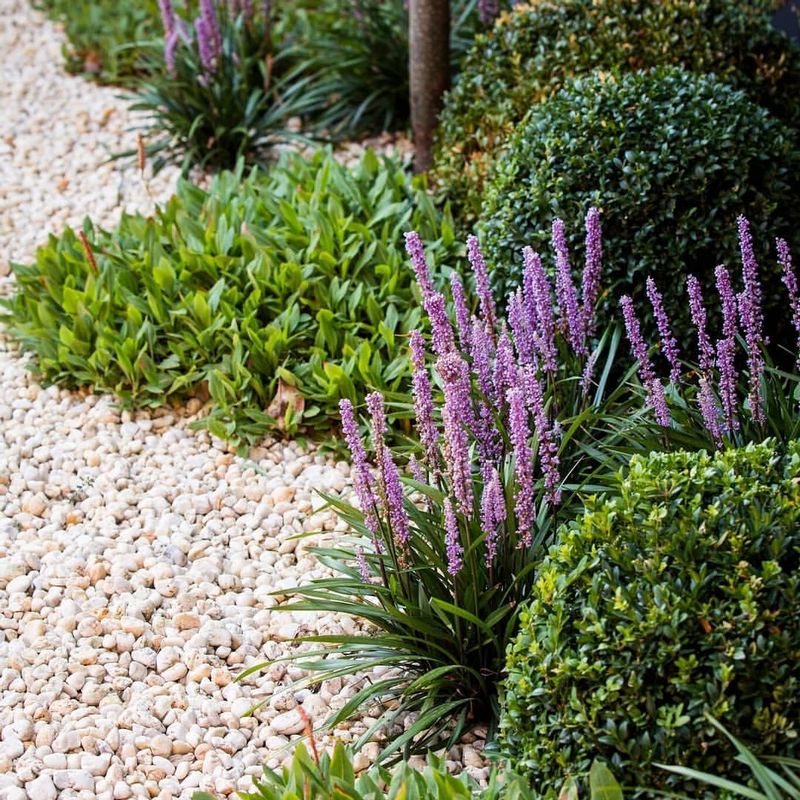
Grass-like leaves offer a neat, structured contrast to hydrangeas’ fullness. Liriope thrives in similar conditions, including partial shade.
The grass’s spikes of purple flowers add a colorful dimension. This low-maintenance plant keeps garden care simple.
13. Tiarella
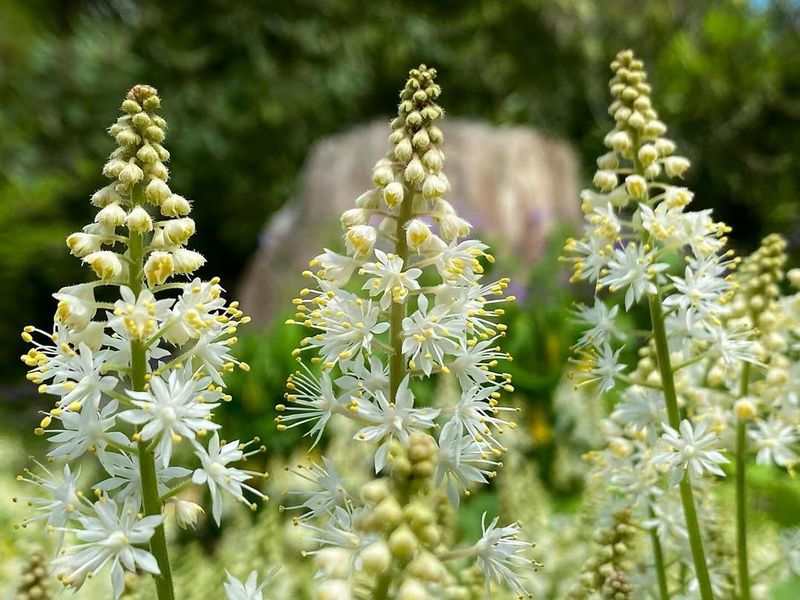
Delicate ‘foam’ blooms bring an ethereal quality to shaded areas. Tiarella thrives in the same moist, well-drained soil as hydrangeas.
Its foliage offers striking patterns, even when not in bloom. This plant enhances the textural variety of your garden.
14. Barrenwort
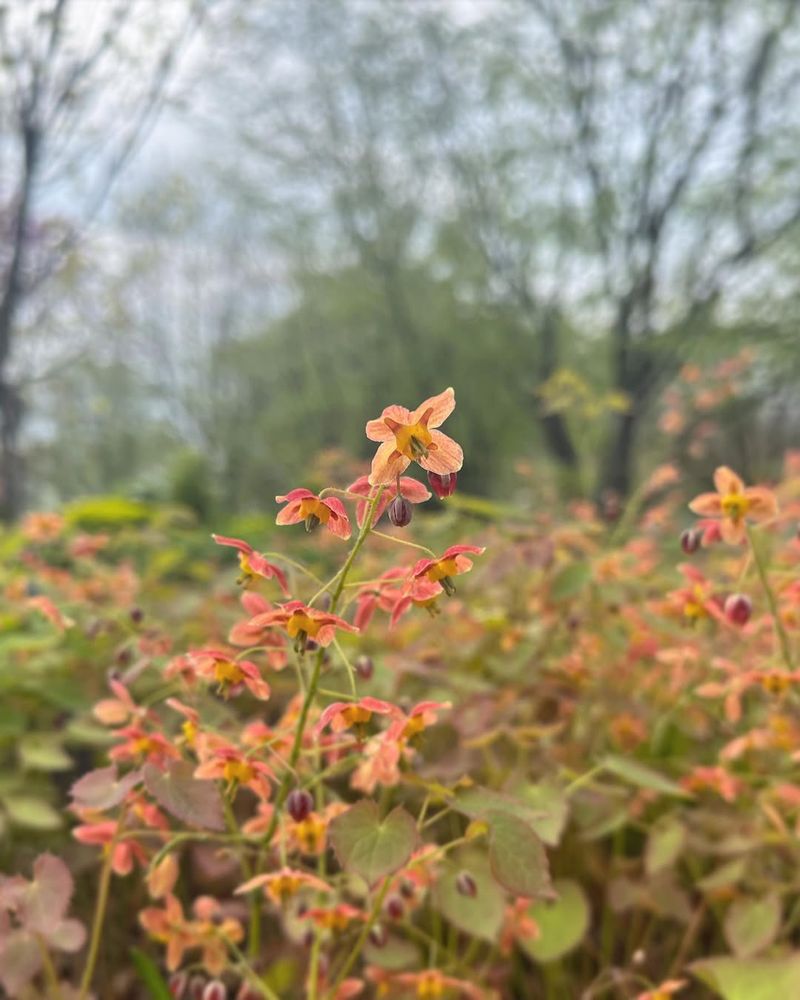
Elegant, heart-shaped leaves remain attractive through the seasons. Barrenwort thrives in the shade, offering a perfect hydrangea partnership.
Their delicate flowers add a subtle, enchanting touch. This resilient plant requires minimal maintenance.
15. Virginia Bluebells
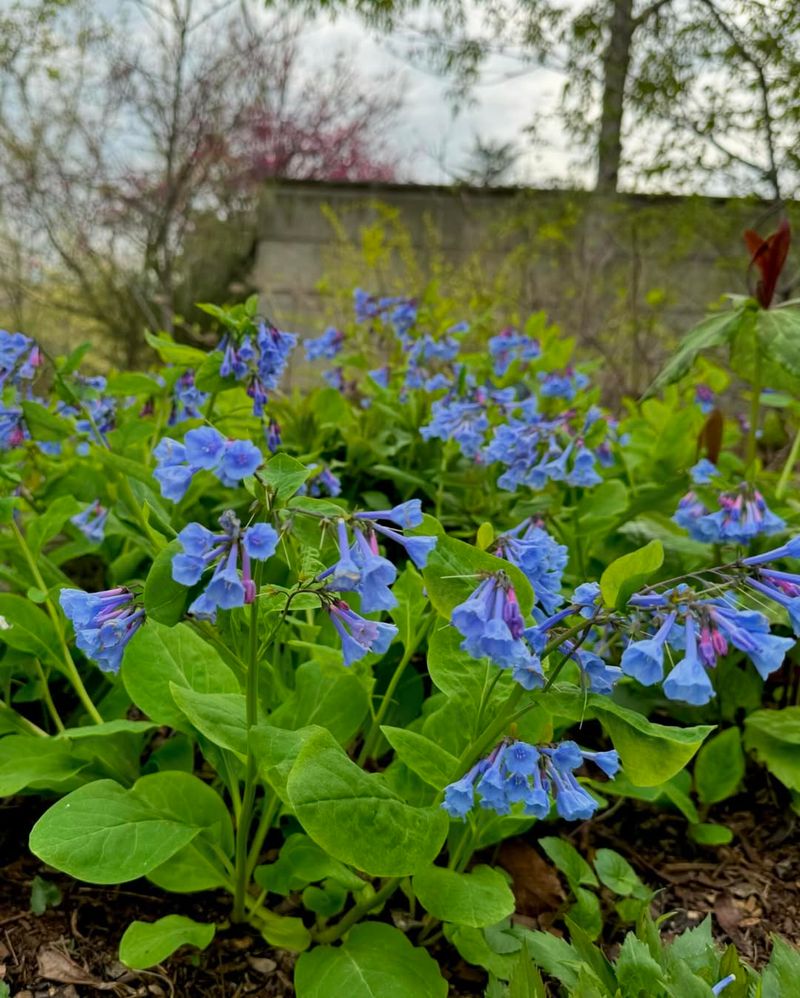
Gentle nodding blooms herald spring’s arrival with vibrant blue hues. Virginia bluebells prefer the same rich, moist soil that hydrangeas enjoy.
The early bloom time complements the later hydrangea display. This combination creates a seamless seasonal transition.
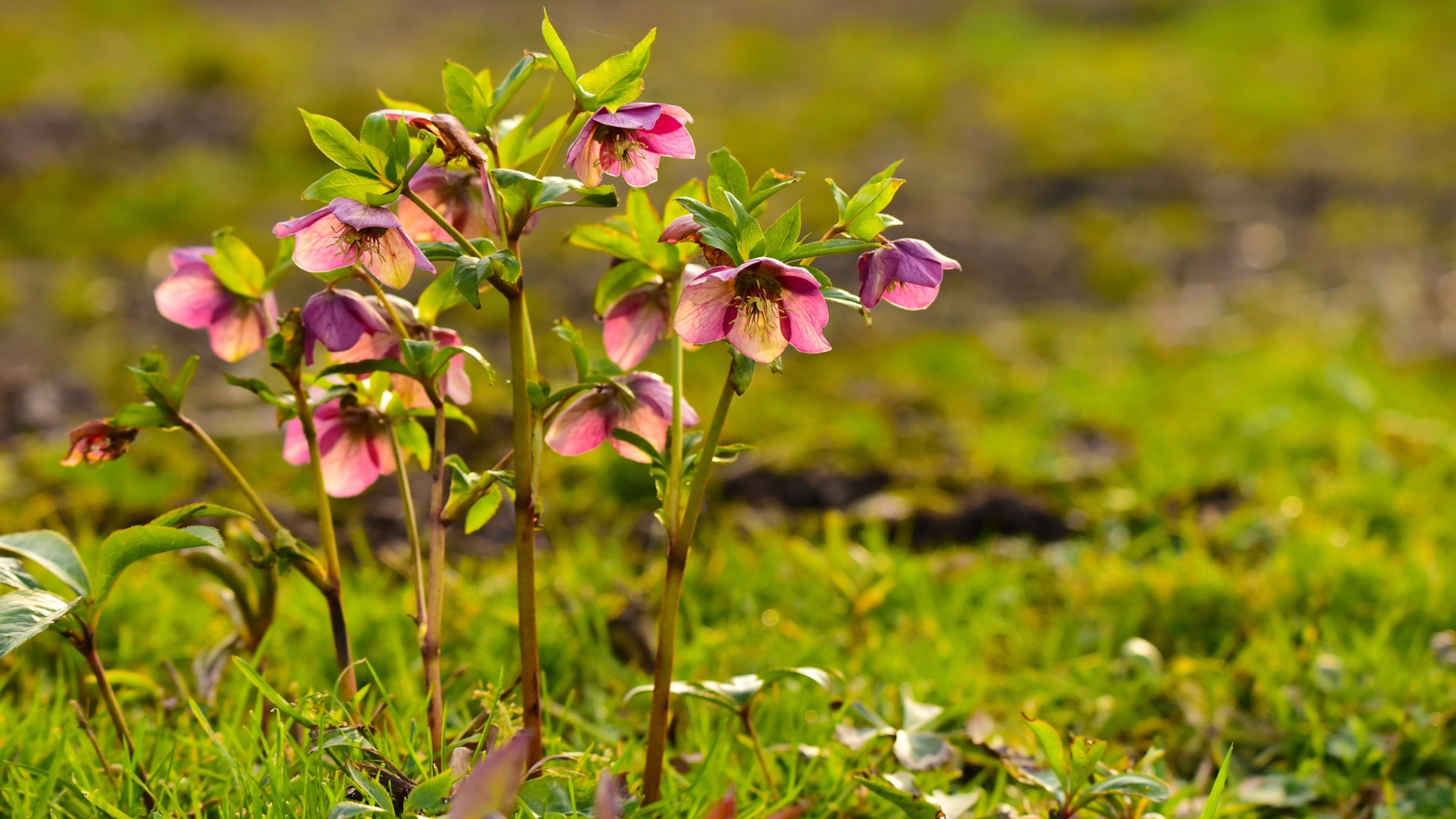
16. Hellebore
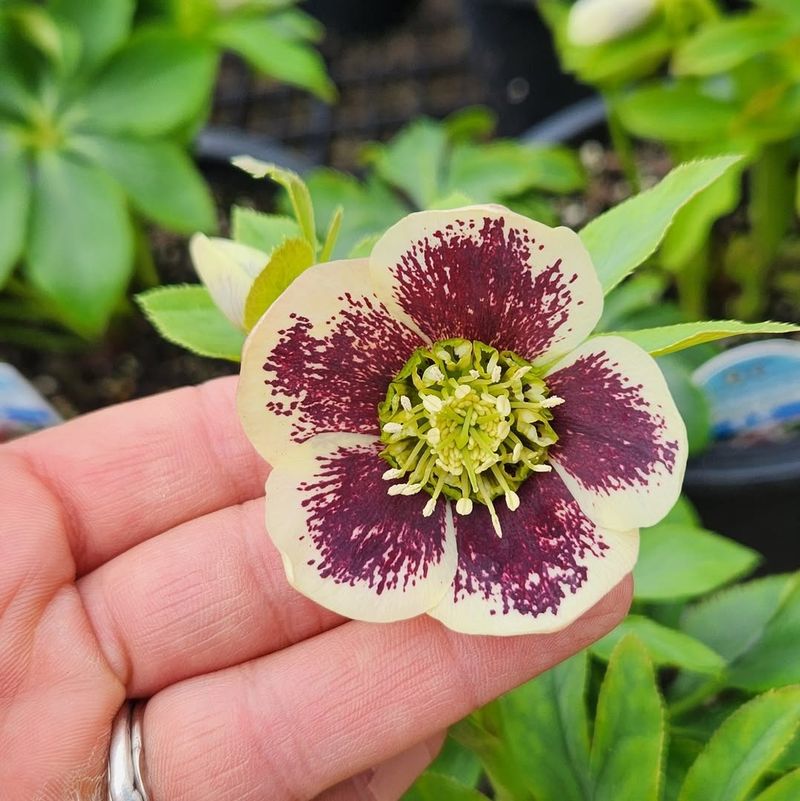
Winter-to-spring blooms offer early color in garden beds. The Lenten rose (aka Hellebore) thrive in the shade, complementing hydrangeas’ growing habits.
Hellebore’s long-lasting flowers bridge seasonal gaps. These hardy plants add depth to your garden’s palette.
17. Ajuga
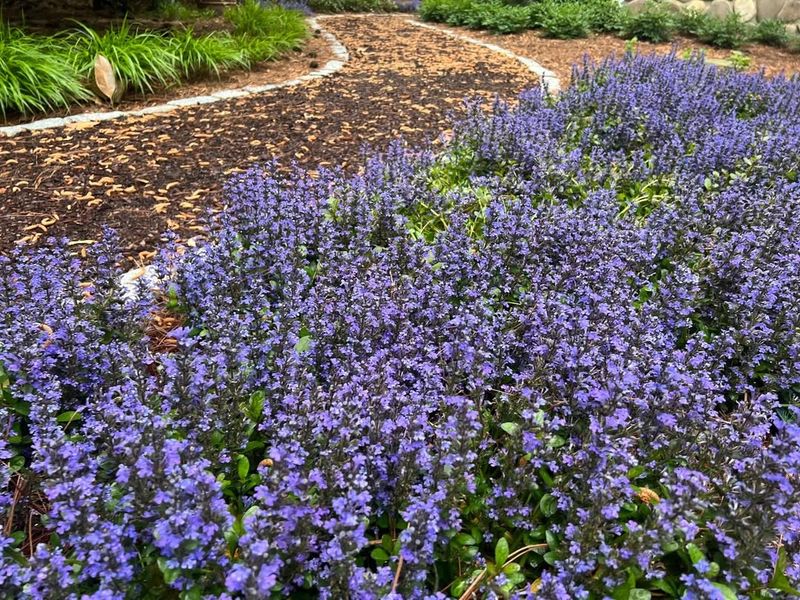
Vibrant groundcover adds a splash of color under hydrangeas. Ajuga thrives in similar shady, moist conditions, making it a carefree companion.
Its low-growing habit prevents competition for sunlight. This plant’s adaptability ensures a lush garden floor.
18. Anemone
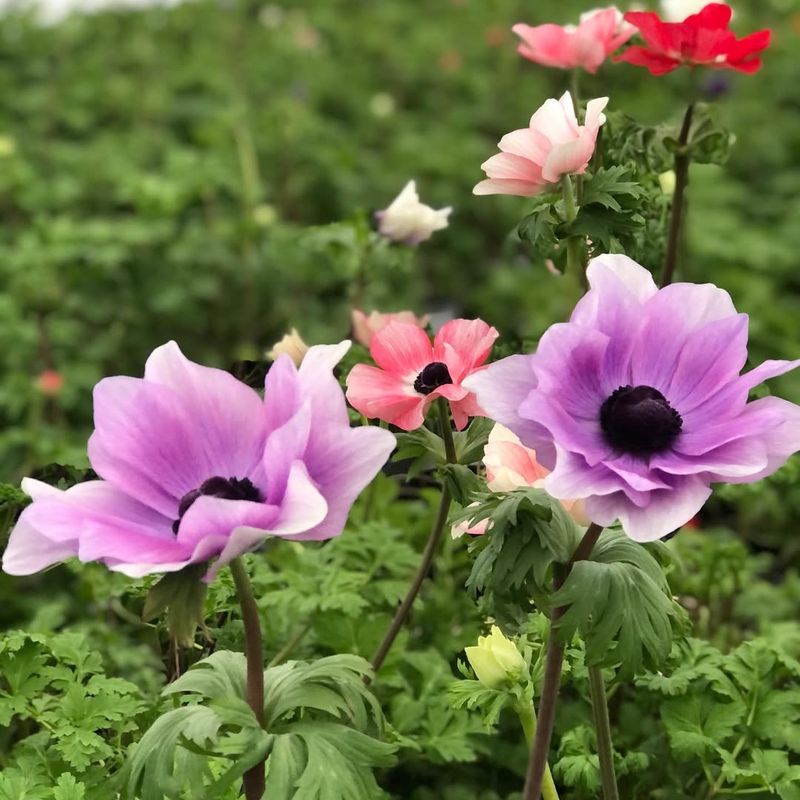
Delicate blooms sway in the slightest breeze, adding motion to the garden. Anemones prefer the rich, well-drained soil that hydrangeas love.
Anemone’s late-season flowering extends garden interest into autumn. These plants offer a dynamic and colorful display.
19. Corydalis
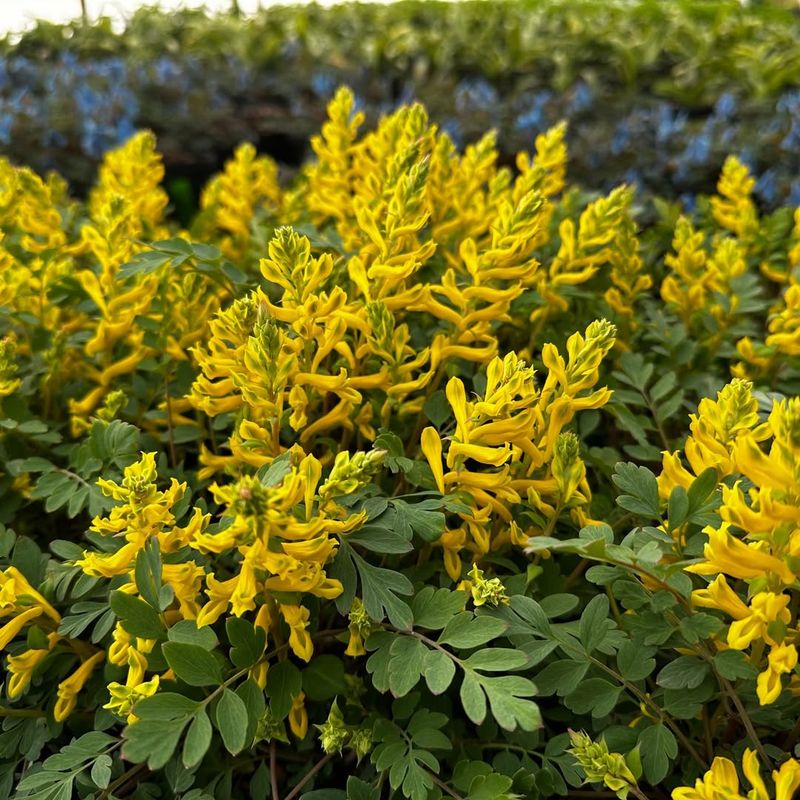
Fern-like leaves and tubular flowers introduce a unique texture. Corydalis loves partial shade, echoing hydrangeas’ own preferences.
Their continuous blooming keeps gardens vibrant over long periods. This plant’s airy appearance complements dense florals.
20. Columbine
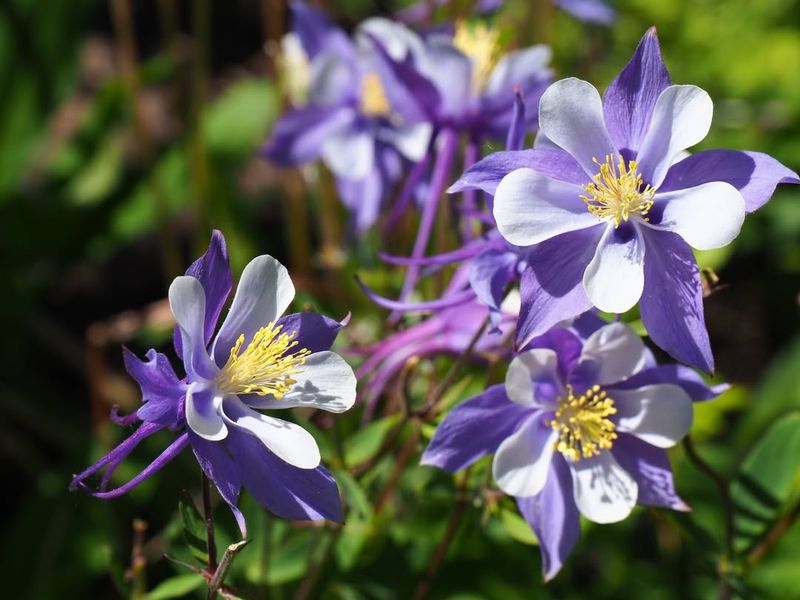
Unique, spurred flowers bring charm and whimsy to the garden. Columbine needs the same shaded, moist environment as hydrangeas.
This wildflower’s delicate blooms sway gracefully, adding movement. These flowers attract pollinators, enhancing garden biodiversity.
21. Celandine Poppy
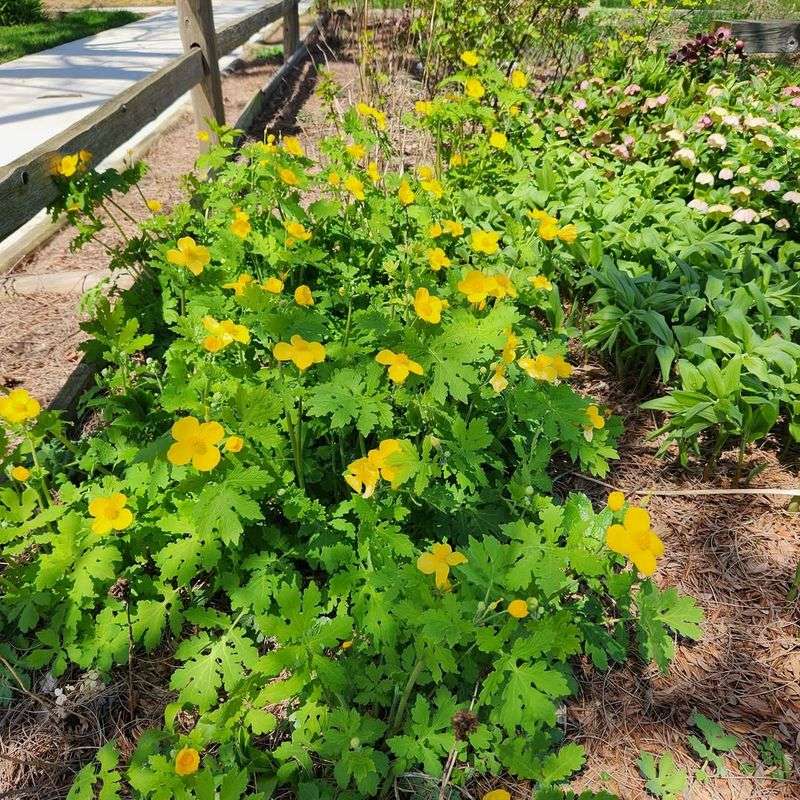
Bright yellow blooms provide a sunny contrast against hydrangeas. Celandine poppies prefer the same shaded and moist conditions.
Poppy’s cheerful flowers light up garden corners, offering visual delight. This plant’s resilience makes it a carefree choice.
22. Trillium
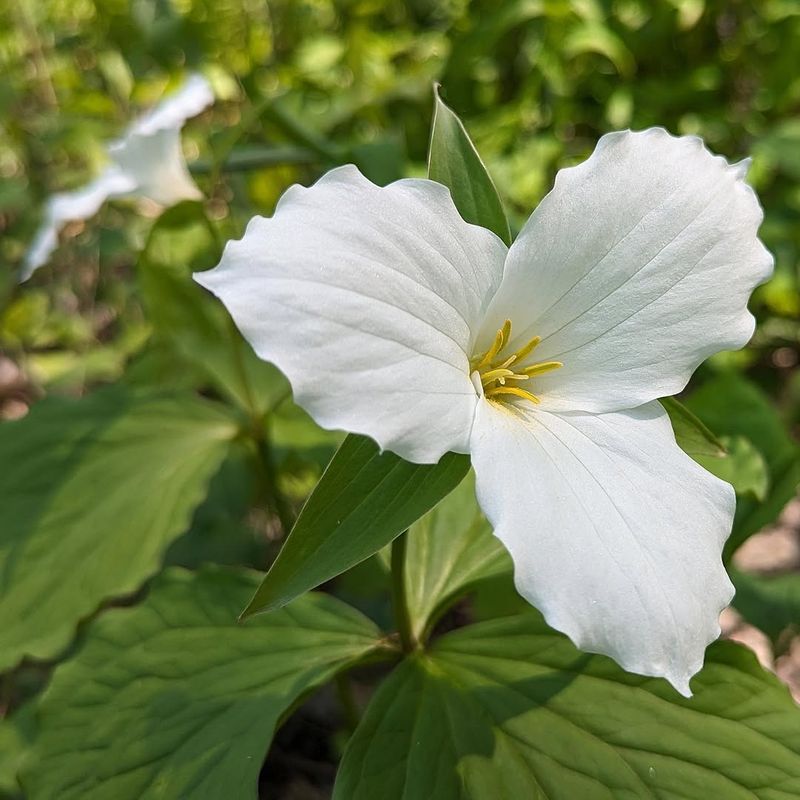
Elegant tri-petaled blooms offer understated beauty in shaded corners. Trillium requires the same moist, rich soil as hydrangeas.
Their unique structure adds architectural interest. These native plants promote ecological balance.
23. Jack-In-The-Pulpit
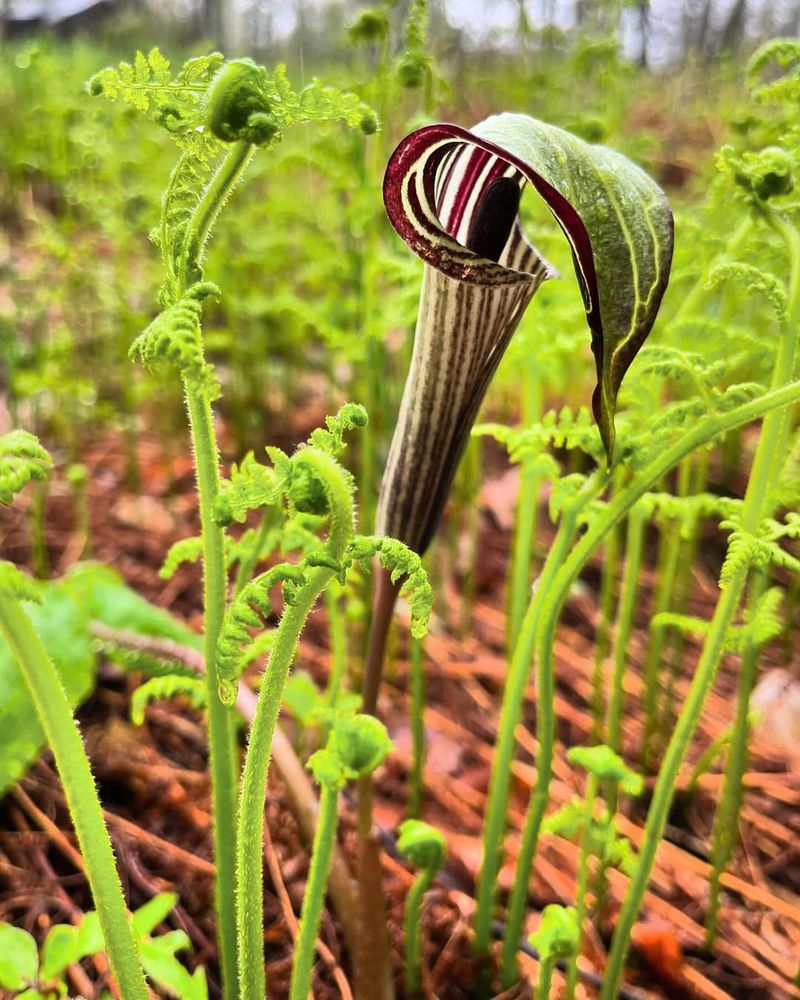
Distinctive spathes create a woodland garden focal point. Jack-in-the-pulpit enjoys similar conditions, enjoying shady, damp soil.
Jack’s unusual form piques curiosity and invites exploration. This plant’s bold presence complements hydrangea blooms.
24. Mayapple
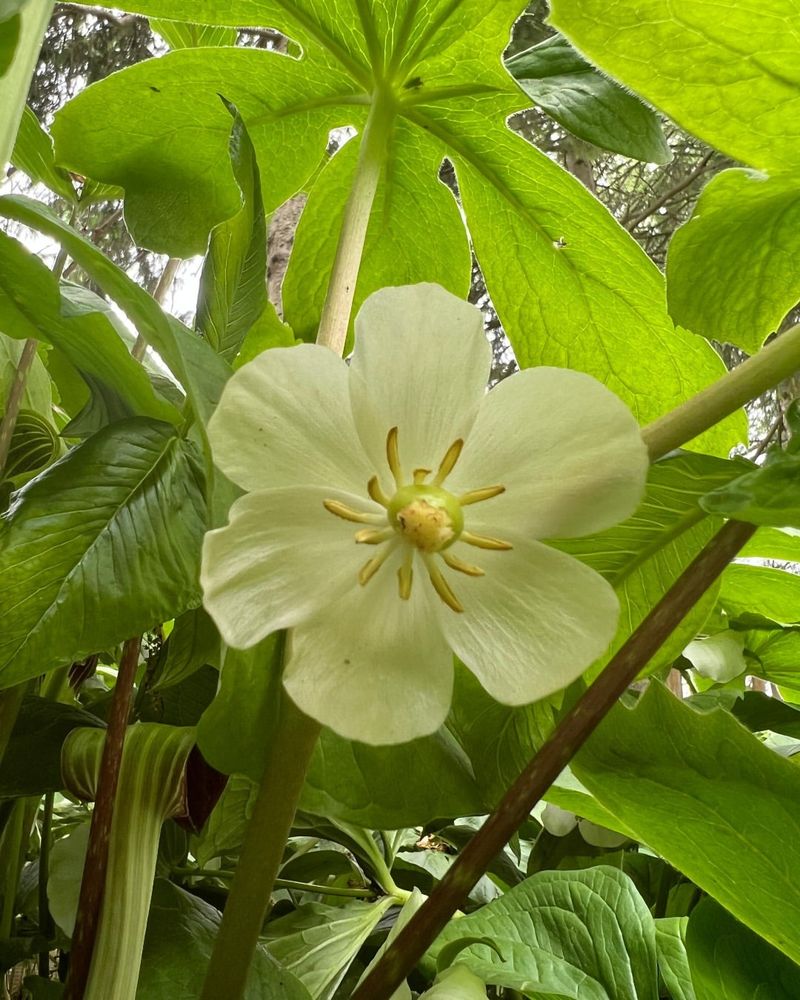
Umbrella-like leaves offer a whimsical touch to shaded areas. Mayapples flourish in moist, well-drained soil, much like hydrangeas.
The seasonal white flowers and fruit add interest, although the plant is toxic, so be careful. This plant’s unique structure enhances garden depth.
25. Lobelia
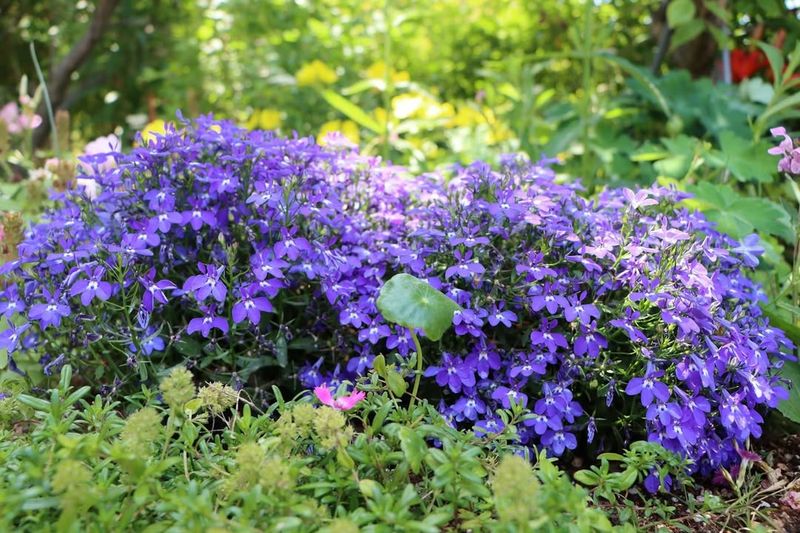
Vivid blue flowers provide a striking contrast to hydrangea hues. Lobelia thrives in partial shade and moist conditions.
Their low-growing habit keeps garden beds neat and attractive. With their vibrant color, lobelias invigorate garden scenes.