Experts Say These 10 Gardening Myths Still Mislead Oregon Gardeners

Oregon gardeners often pass down advice that sounds solid but quietly causes problems once it meets real soil, weather, and plant behavior.
Some of these long-held ideas stick around simply because they’ve been repeated for years, not because they actually help gardens thrive.
When these myths go unchallenged, they can hold back even experienced gardeners without anyone realizing why results feel off season after season.
1. Adding Sand to Clay Soil Improves Drainage
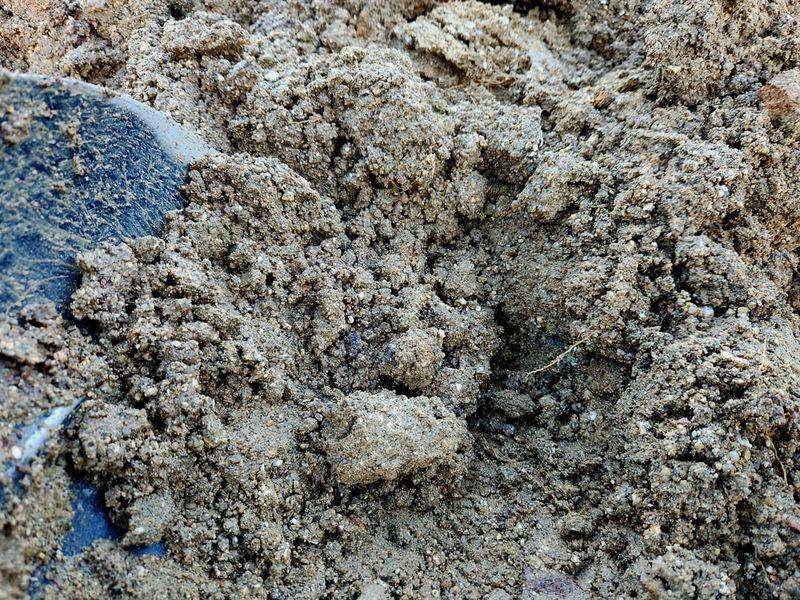
Many Oregon gardeners think mixing sand into heavy clay soil will magically create better drainage, but this approach actually makes things much worse.
When you combine clay particles with sand, you end up creating something that resembles concrete rather than the fluffy soil you were hoping for.
Clay particles are tiny and fit snugly between larger sand grains, forming a dense, rock-hard mass that roots cannot penetrate easily at all.
Instead of sand, Oregon gardeners should add generous amounts of organic compost, aged manure, or leaf mold to improve clay soil structure effectively.
These organic materials create air pockets, encourage beneficial microbes, and help clay particles clump together into larger, looser aggregates that drain water better.
Compost also feeds plants gradually over time, providing nutrients that sand simply cannot offer to your growing vegetables, flowers, or shrubs in Oregon.
Breaking up compacted clay takes patience and repeated additions of organic matter each season, but the results are worth every bit of effort.
Avoid the sand trap and focus on building healthy, living soil that supports robust plant growth throughout Oregon’s varied climate and rainfall patterns.
2. Watering Plants During Midday Burns Leaves
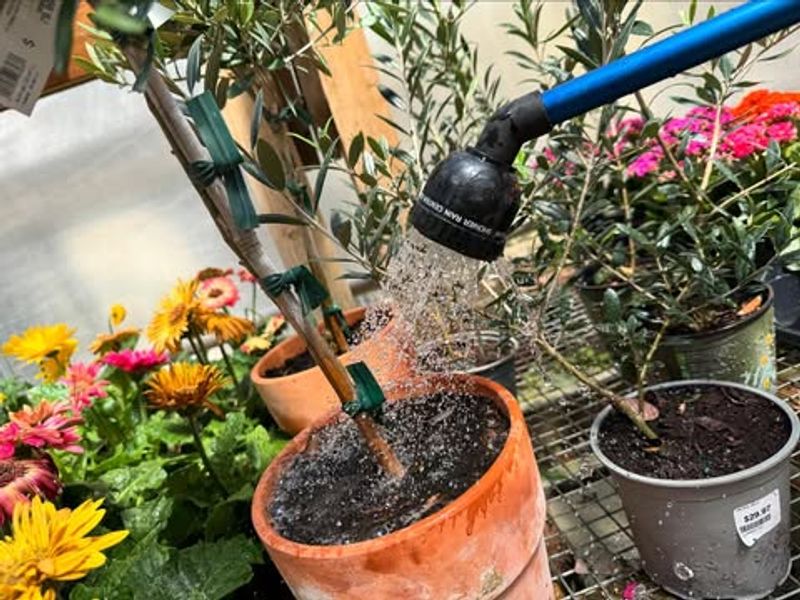
Countless gardeners across Oregon avoid watering during sunny afternoons, fearing that water droplets will act like tiny magnifying glasses and scorch their precious leaves.
This myth has persisted for decades, yet scientific studies have repeatedly shown that water droplets do not cause leaf burn in real garden conditions.
Researchers tested this theory extensively and found that droplets evaporate too quickly to focus sunlight long enough to damage healthy plant tissue underneath.
The real reason to avoid midday watering in Oregon has nothing to do with burns but rather with efficiency and water conservation efforts.
When you water during the hottest part of the day, much of that precious water evaporates before reaching plant roots deep underground.
Early morning watering allows moisture to soak into soil before temperatures rise, and it gives foliage time to dry before nightfall arrives.
Wet leaves overnight can encourage fungal diseases, which Oregon’s humid climate already promotes without any extra help from poorly timed watering schedules.
So water whenever your Oregon plants need it, but morning remains the smartest choice for maximizing water use and minimizing disease problems.
3. Native Plants Never Need Watering
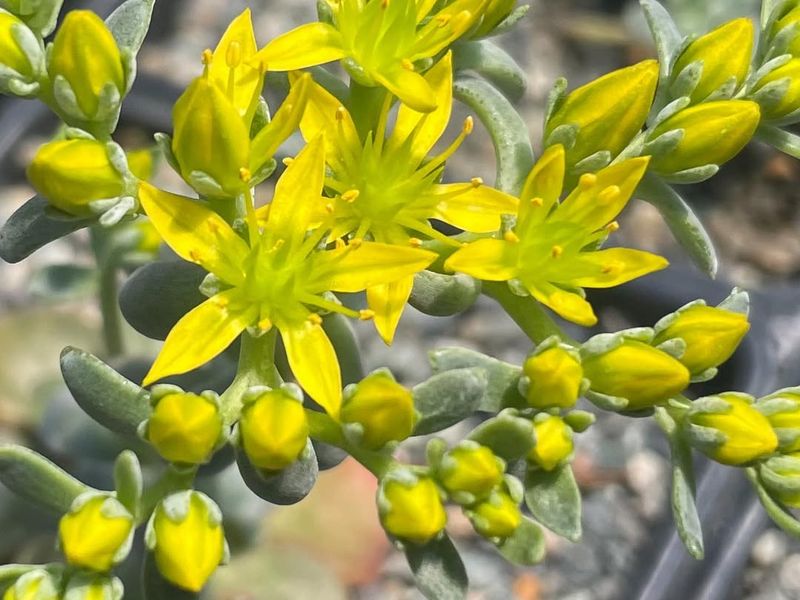
Oregon gardeners often assume that native plants are invincible once established, requiring absolutely no supplemental water even during the driest summer months ahead.
While native species are certainly adapted to local conditions, they still need regular watering during their first two growing seasons to develop strong roots.
Even mature native plants may struggle during unusually hot, dry summers that Oregon has been experiencing more frequently in recent years due to climate shifts.
Young natives planted in spring need consistent moisture to establish deep root systems that will eventually help them survive drought conditions much better.
Oregon’s natural rainfall patterns provide moisture during fall, winter, and spring, but summers are typically dry, and plants still need water to thrive.
Established natives generally require less water than non-native ornamentals, but they are not completely drought-proof, especially during extended heat waves or droughts.
Pay attention to signs of stress like wilting, leaf drop, or browning edges, and provide supplemental water when Oregon’s summer heat becomes intense.
Smart watering practices help native plants flourish and support the pollinators and wildlife that depend on them throughout Oregon’s diverse ecosystems and microclimates.
4. Organic Pesticides Are Completely Safe
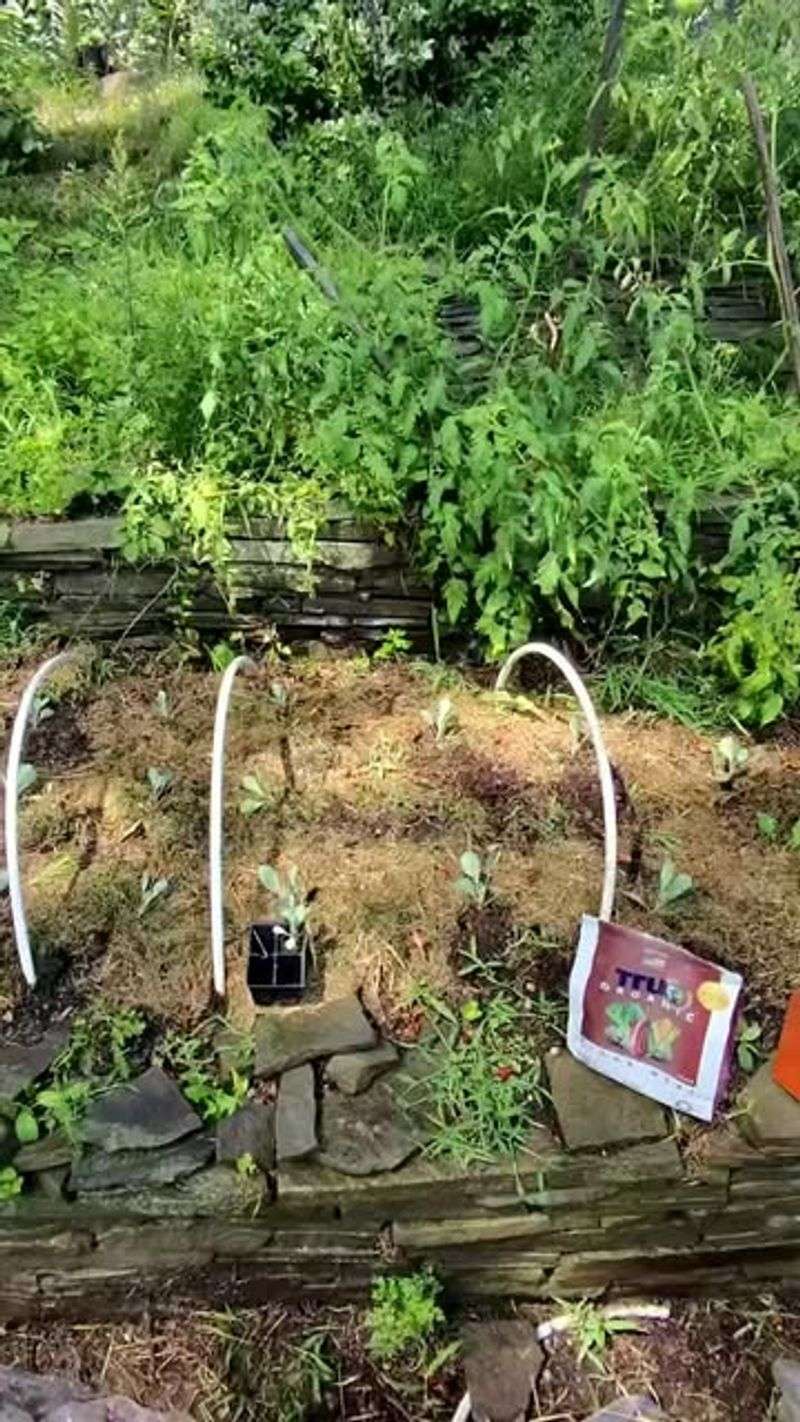
Oregon’s environmentally conscious gardeners often believe that organic pesticides are harmless simply because they come from natural sources rather than chemical laboratories or factories.
However, many organic pesticides can harm beneficial insects, pollinators, pets, and even people if used incorrectly or in excessive amounts without proper precautions.
Substances like pyrethrin, rotenone, and neem oil are organic, yet they can still cause problems for bees, ladybugs, and other helpful garden creatures.
Just because something is natural does not automatically mean it is safe or gentle on the environment, as many toxic substances occur naturally.
Oregon gardeners should always read labels carefully, follow application instructions precisely, and wear protective gear when applying any pesticide, organic or not at all.
Integrated pest management strategies, including encouraging beneficial insects and practicing crop rotation, often work better than relying heavily on any pesticide sprays alone.
Organic options can be part of a balanced approach, but they should never be your first line of defense against pests in Oregon gardens.
Think carefully before spraying anything, and consider whether the pest problem truly requires chemical intervention or if natural predators can handle it instead.
5. Pruning Paint Prevents Tree Disease
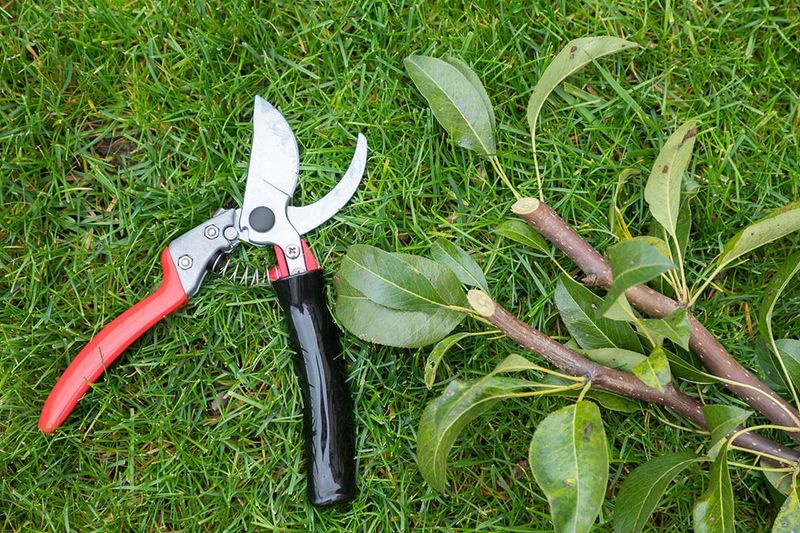
For generations, Oregon gardeners have slathered thick pruning paint or tar over fresh tree cuts, believing this practice protects wounds from disease and pests.
Modern research has proven that trees actually heal better when left alone, as they naturally form protective barriers called callus tissue around wounds themselves.
Pruning paint can trap moisture against the wound, creating the perfect environment for fungi and bacteria to thrive rather than preventing disease problems.
Trees have evolved sophisticated defense mechanisms that work best without human interference, sealing off damaged areas and compartmentalizing decay internally to prevent spread.
Oregon’s mild, wet climate means that pruning wounds dry slowly, but adding paint does not speed healing or improve the tree’s natural defenses.
The best approach is making clean cuts with sharp tools at the proper angle and time of year, then letting nature do its work.
Prune during the dormant season when possible, avoid leaving stubs, and cut just outside the branch collar for optimal healing results in Oregon trees.
Save your money and time by skipping the pruning paint entirely, and trust that your trees know how to take care of themselves effectively.
6. Coffee Grounds Lower Soil pH Significantly
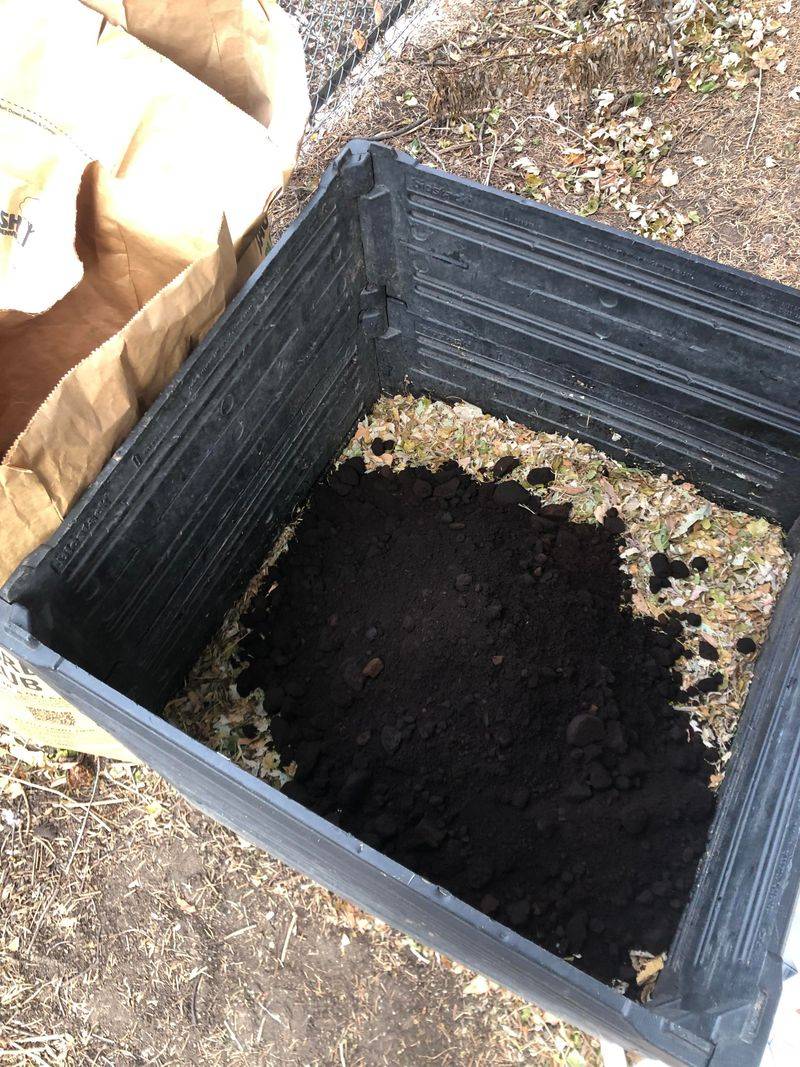
Oregon gardeners who love their morning coffee often save the grounds, thinking they will acidify soil and benefit acid-loving plants like blueberries or rhododendrons.
Surprisingly, used coffee grounds are nearly neutral in pH, as the brewing process removes most of the acidic compounds into your morning cup of joe.
Fresh, unbrewed grounds are acidic, but few gardeners have access to large quantities of unbrewed coffee to make any real difference in soil chemistry.
Adding coffee grounds to your Oregon garden provides some nitrogen and organic matter, but it will not significantly lower pH in most garden situations.
If you truly need to acidify soil for acid-loving plants, use sulfur, aluminum sulfate, or acidic mulches like pine needles for reliable results.
Coffee grounds can still be valuable in compost piles or as a light mulch, but do not expect them to transform your soil chemistry dramatically.
Oregon’s naturally acidic soils in many regions already provide the low pH that rhododendrons and other native plants prefer without any amendments needed.
Test your soil before adding amendments, and use coffee grounds for their organic matter benefits rather than counting on them to acidify your Oregon garden.
7. Gravel at Pot Bottoms Improves Drainage
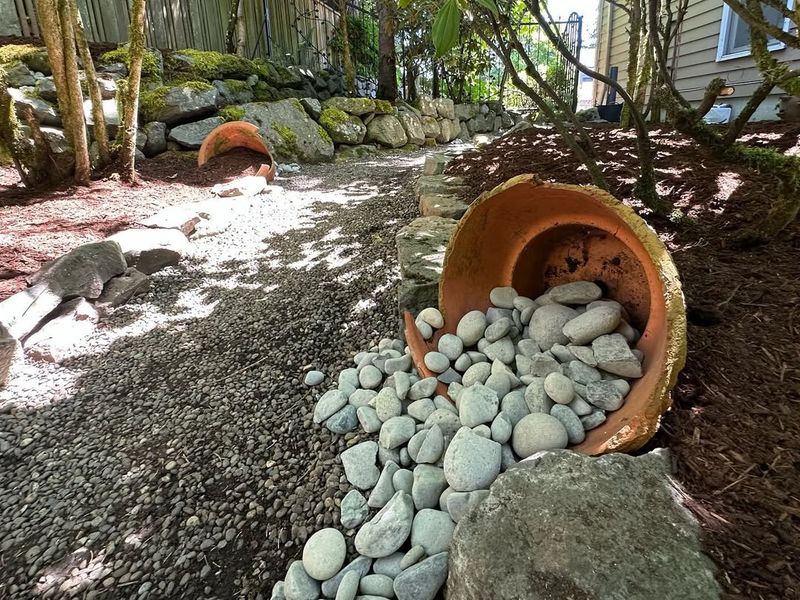
Many Oregon gardeners place rocks, gravel, or pottery shards at the bottom of containers, believing this layer will help excess water drain away from roots.
This practice actually creates a perched water table, where water accumulates in the soil just above the gravel layer instead of draining freely through.
Water moves from larger pores to smaller pores due to capillary action, and it resists moving from fine soil into coarse gravel until fully saturated.
The result is soggy soil sitting above the gravel, which keeps roots waterlogged and promotes rot rather than preventing it in Oregon container gardens.
Instead of gravel, fill containers completely with quality potting mix and ensure drainage holes are clear and unobstructed for proper water flow throughout.
Good potting soil contains perlite, vermiculite, or bark that creates drainage throughout the entire root zone, not just at the bottom of containers.
Oregon’s rainy climate means container plants often receive plenty of water, so excellent drainage becomes even more important for preventing root problems and fungal issues.
Skip the gravel layer entirely, and your container plants will reward you with healthier roots and more vigorous growth throughout the growing season.
8. Epsom Salt Is a Miracle Garden Fertilizer
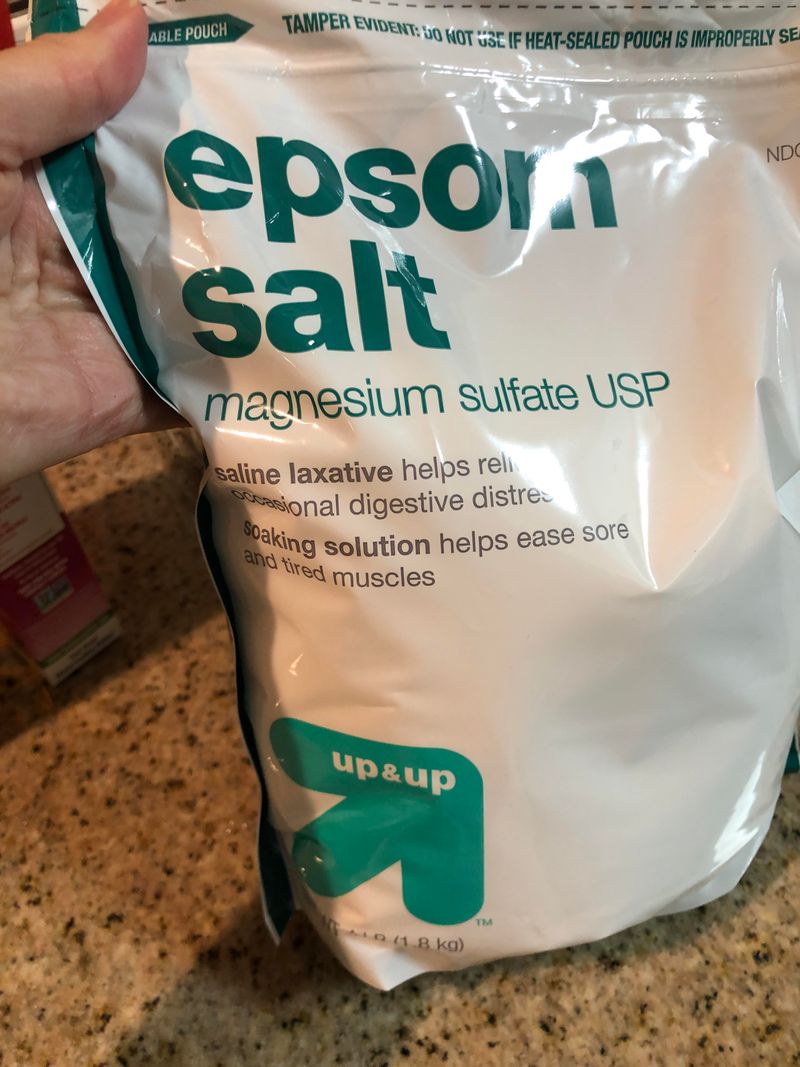
Oregon gardeners frequently sprinkle Epsom salt around tomatoes, roses, and other plants, believing it provides essential nutrients and solves all growth problems magically.
Epsom salt contains magnesium and sulfur, which plants do need, but most Oregon soils already contain adequate amounts of these nutrients without supplementation.
Adding magnesium when your soil does not need it provides no benefit and can actually interfere with the uptake of other essential nutrients like calcium.
True nutrient deficiencies should be diagnosed through soil testing before adding any amendments, including Epsom salt, to your Oregon garden beds or containers.
Magnesium deficiency symptoms include yellowing between leaf veins on older leaves, but many conditions can cause similar symptoms that magnesium will not fix at all.
Oregon’s volcanic soils in many areas are naturally rich in minerals, and adding unnecessary amendments can create imbalances that harm plants more than help.
If a soil test confirms low magnesium, Epsom salt can help, but using it blindly wastes money and may cause unexpected problems with growth.
Focus on building healthy soil with compost and balanced fertilizers rather than relying on trendy quick fixes that Oregon gardening experts do not recommend universally.
9. All Mulch Should Be Piled Against Tree Trunks
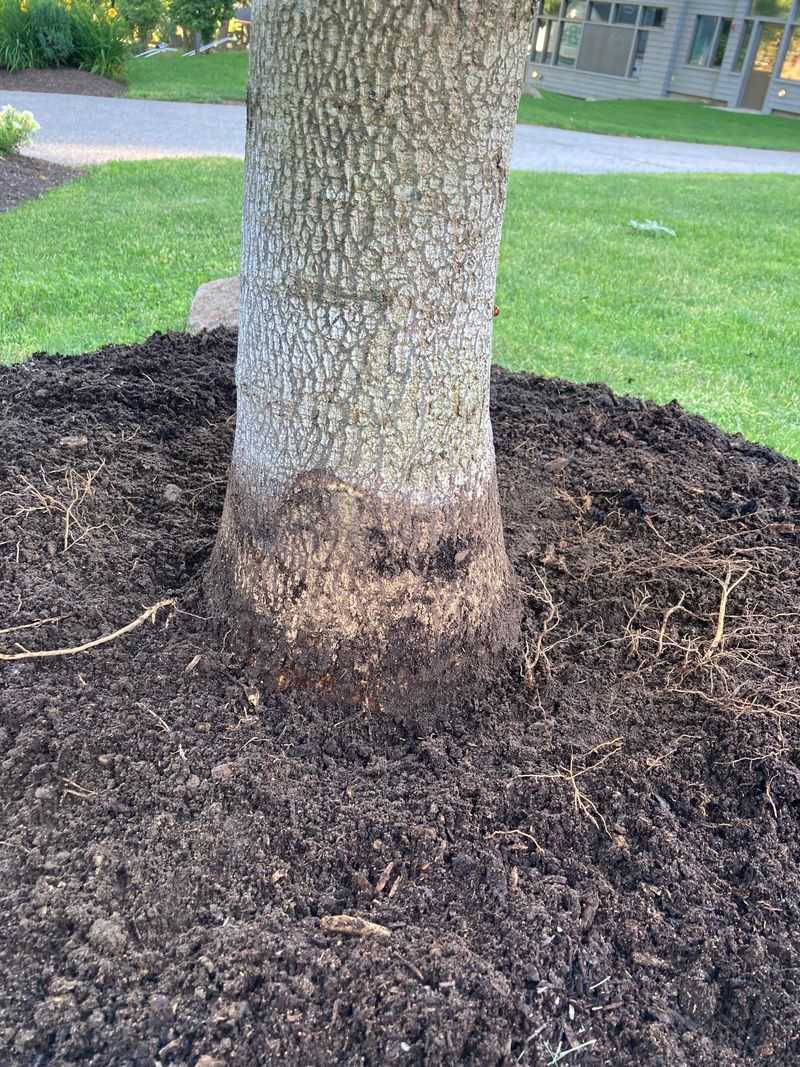
Driving through Oregon neighborhoods, you will often see mulch piled high against tree trunks in volcano-shaped mounds that look tidy but cause serious harm.
This practice traps moisture against bark, creating ideal conditions for rot, disease, and pest infestations that weaken trees over time and shorten their lifespan.
Bark is designed to protect the tree from the outside world, but constant moisture from mulch breaks down this protective barrier and invites trouble.
Rodents and insects love burrowing into mulch volcanoes, where they can easily access tender bark and damage the critical cambium layer beneath the surface.
Proper mulching in Oregon means spreading mulch in a donut shape, keeping it several inches away from the trunk while extending outward to the drip line.
A two-to-four-inch layer of mulch conserves moisture, suppresses weeds, and moderates soil temperature without suffocating roots or rotting bark in Oregon’s damp climate.
Pull mulch back from the trunk so you can see the root flare where the trunk widens at ground level, which is how trees naturally grow.
Oregon trees will live longer, healthier lives when mulched correctly, so spread the word and help end the volcano mulch epidemic in your neighborhood.
10. Fertilizing More Often Produces Better Growth
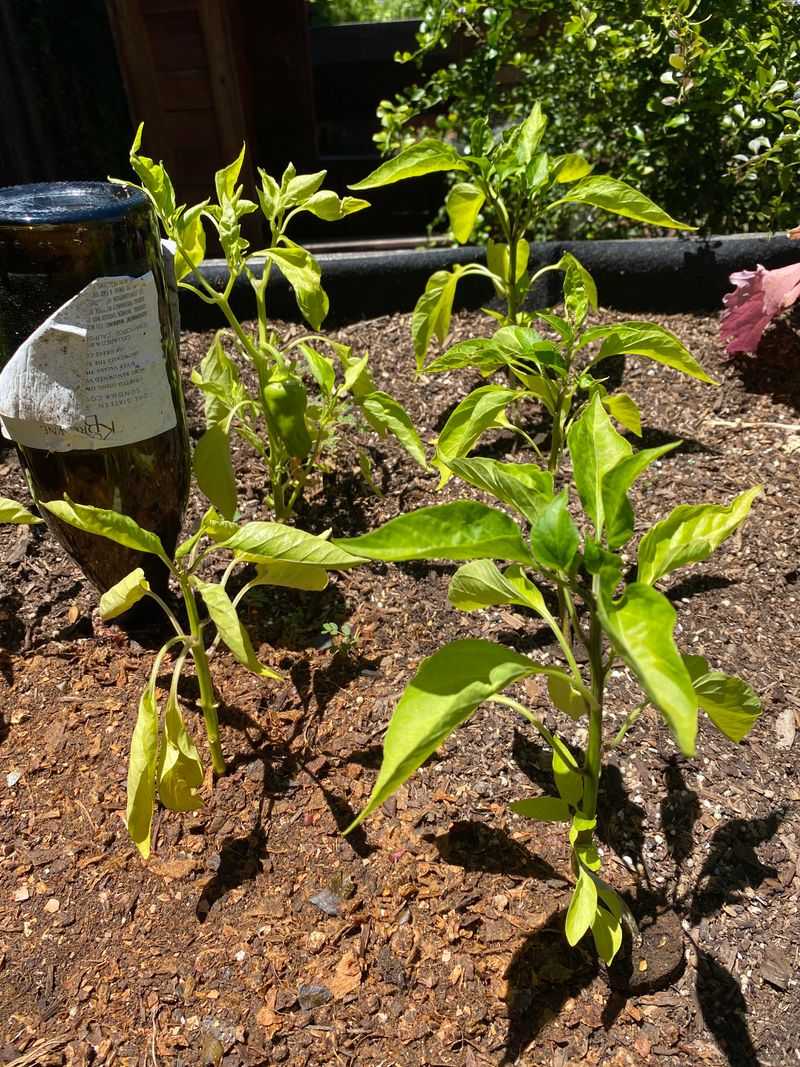
Enthusiastic Oregon gardeners sometimes think that if a little fertilizer helps plants grow, then more must be better, leading to excessive feeding schedules and problems.
Over-fertilizing causes fertilizer burn, where salts accumulate in soil and damage roots, resulting in brown leaf tips, stunted growth, and weakened plants overall.
Excess nitrogen produces lush, soft growth that attracts pests and diseases while reducing flowering and fruiting in vegetables and ornamental plants across Oregon gardens.
Plants can only absorb nutrients at certain rates, and extra fertilizer beyond their needs simply washes away, polluting Oregon’s streams, rivers, and groundwater supplies.
Following package directions and adjusting fertilizer amounts based on soil tests ensures plants receive what they need without causing environmental harm or plant damage.
Slow-release organic fertilizers work especially well in Oregon, providing steady nutrition over time without the risk of burning roots or overwhelming plants with nutrients.
Healthy soil rich in organic matter often provides most of what plants need, reducing the necessity for frequent fertilizer applications in established Oregon gardens.
Feed your plants thoughtfully and sparingly, paying attention to their actual needs rather than following a rigid schedule that may provide too much or too little.