Explore Alabama’s Huntsville Botanical Garden — A Favorite Destination For Flower Lovers
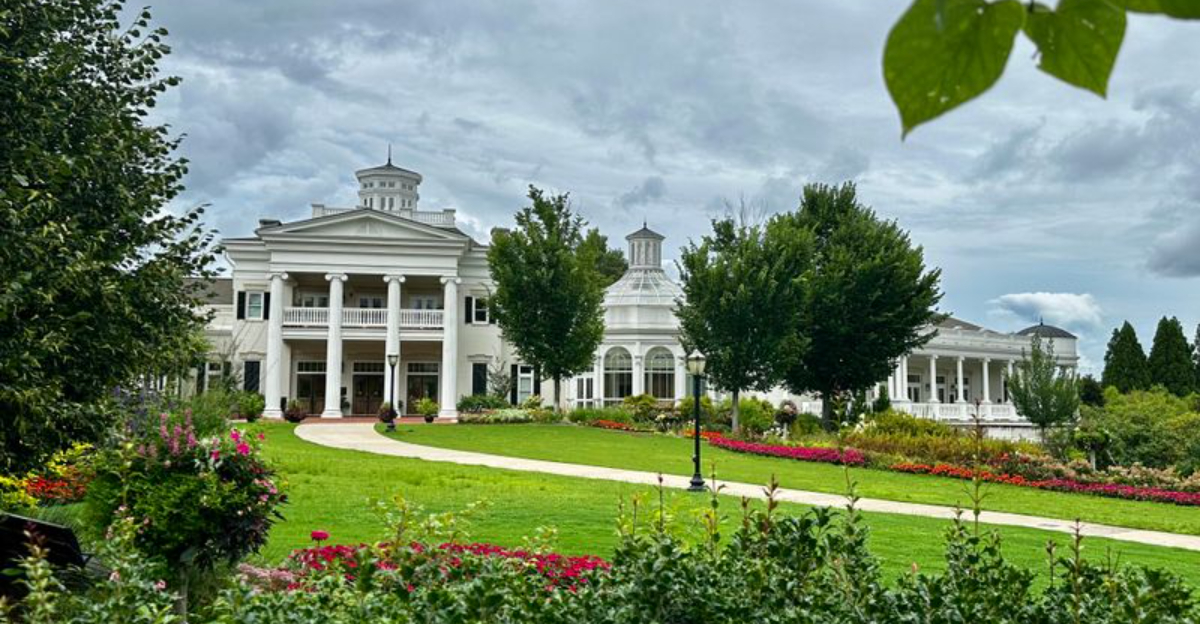
Huntsville Botanical Garden stands as one of Alabama’s most treasured natural attractions, welcoming visitors year-round with vibrant displays of flowers, plants, and seasonal beauty.
Nestled in the heart of Huntsville, this 112-acre garden offers peaceful walking trails, stunning themed gardens, and interactive exhibits that appeal to nature lovers of all ages.
Families, photographers, and garden enthusiasts flock here to experience the colorful blooms, unique plant collections, and special events that make every visit memorable.
Whether you’re seeking a quiet afternoon surrounded by nature or an educational adventure exploring diverse ecosystems, this botanical paradise delivers an unforgettable experience.
The garden showcases Alabama’s natural heritage while providing inspiration for home gardeners and a sanctuary for wildlife.
From spring tulips to fall chrysanthemums, each season brings new reasons to explore the winding pathways and discover hidden corners filled with botanical wonders.
Plan your visit to this floral haven and prepare to be amazed by the incredible variety of plants and landscapes that make Huntsville Botanical Garden a must-see destination in northern Alabama.
Annual & Perennial Garden Displays
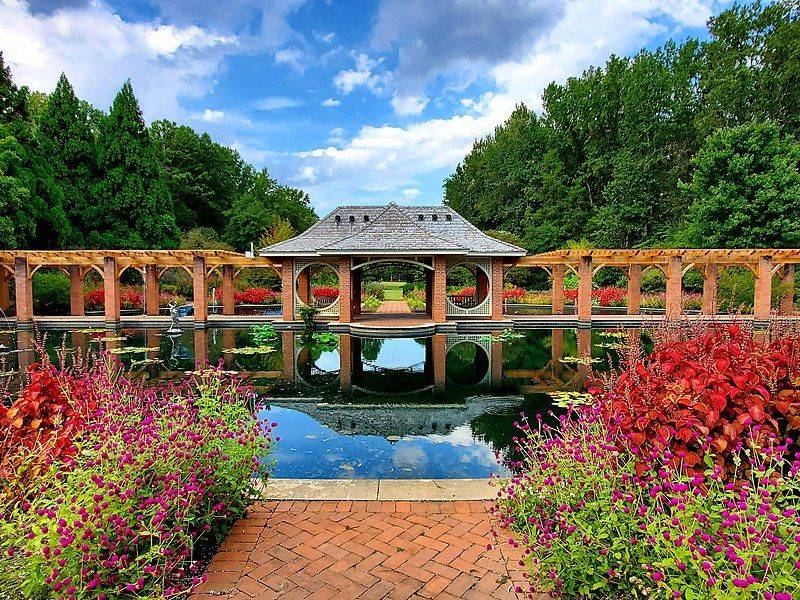
Vibrant blooms greet you at every turn in the Annual and Perennial Garden, where horticultural artistry meets natural beauty.
This spectacular collection features carefully curated plantings that change with the seasons, ensuring something new catches your eye during each visit.
Bright zinnias, cheerful marigolds, and elegant coneflowers create waves of color throughout spring and summer months.
Garden staff meticulously plan these displays to demonstrate successful plant combinations that thrive in Alabama’s climate.
You’ll find inspiration for your own backyard as you observe which varieties flourish together and how colors complement each other in professional landscape designs.
Educational signage throughout the beds identifies plant species and provides growing tips for home gardeners.
Photographers love capturing the stunning contrasts between bold annuals and the softer textures of returning perennials.
Benches positioned along the pathways invite you to pause and appreciate the fragrant blooms while butterflies and hummingbirds visit the nectar-rich flowers.
The garden is located at 4747 Bob Wallace Avenue, Huntsville, AL 35805, making it easily accessible for both locals and tourists.
Spring brings the most dramatic displays, though fall plantings offer equally impressive shows of color and texture that last until the first frost arrives.
Butterfly House Experience
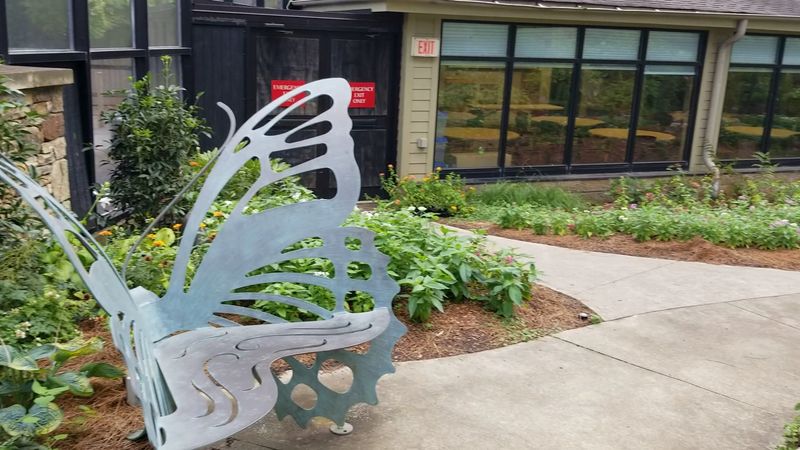
Hundreds of delicate wings flutter around you as you step into the magical Butterfly House, a climate-controlled conservatory that recreates a tropical paradise.
This enchanting space houses numerous butterfly species from around the world, allowing you to observe these graceful creatures up close as they feed, rest, and interact with their environment.
Bright blue morphos, orange monarchs, and zebra longwings create a living kaleidoscope of color and movement.
The warm, humid atmosphere mimics the butterflies’ natural habitats, filled with nectar-producing flowers and host plants necessary for their survival.
Children absolutely adore watching caterpillars transform through metamorphosis in the educational display area.
You might even have a butterfly land gently on your shoulder or hand if you remain still near the feeding stations.
Knowledgeable staff members answer questions and share fascinating facts about butterfly behavior, life cycles, and conservation efforts.
The experience typically operates seasonally from mid-May through mid-September when weather conditions allow for optimal butterfly activity.
Cameras are welcome, making this a perfect opportunity to capture stunning macro photography of these beautiful insects in a controlled setting.
Aquatic Garden And Lily Collection
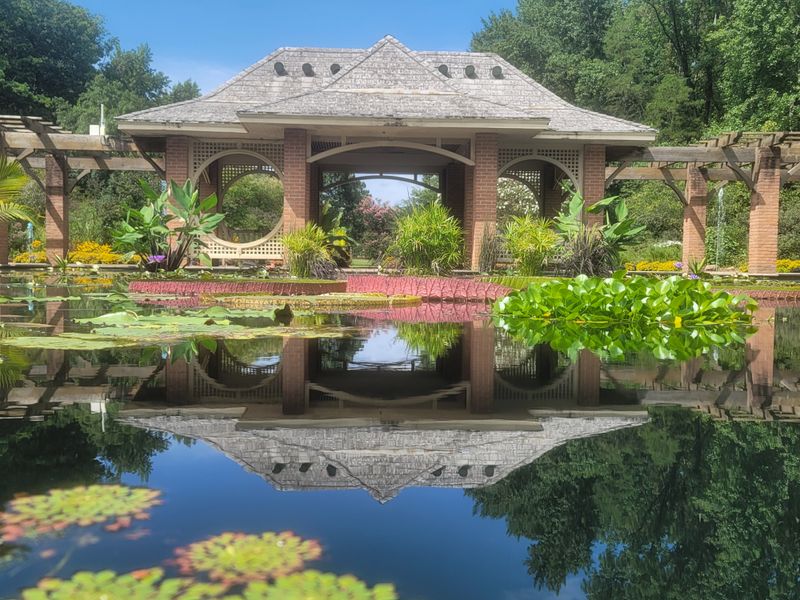
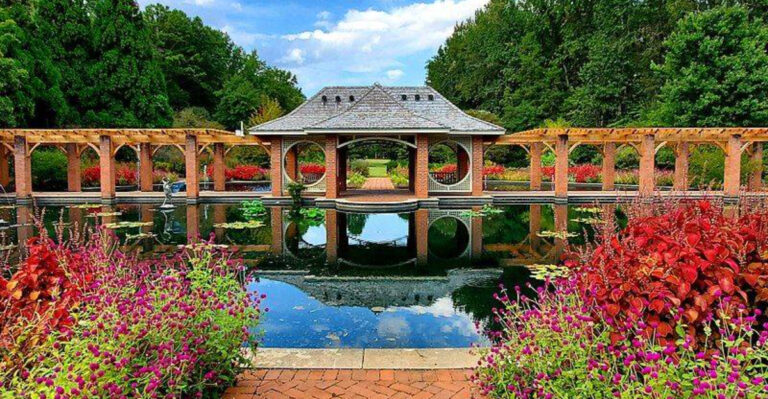
Serene water features create a tranquil atmosphere in the Aquatic Garden, where lily pads float peacefully and colorful blooms rise above the glassy surface.
This specialized collection showcases water-loving plants adapted to thrive in Alabama’s aquatic environments, from delicate lotus flowers to hardy cattails and iris varieties.
The gentle sound of water trickling through streams and fountains adds to the meditative quality of this garden area.
Koi fish glide beneath the lily pads, occasionally surfacing to investigate visitors peering into the clear pools.
Water lilies bloom prolifically during summer months, displaying spectacular flowers in shades of pink, white, yellow, and even deep red.
You’ll discover how aquatic ecosystems function as dragonflies patrol the water’s edge and frogs hide among the vegetation.
The garden demonstrates various water gardening techniques that home enthusiasts can replicate on smaller scales in backyard ponds or container gardens.
Reflections of surrounding trees and sky create stunning photo opportunities, especially during early morning or late afternoon golden hours.
The Aquatic Garden proves that water features add dimension and interest to any landscape while supporting diverse wildlife populations.
Children’s Garden Adventures
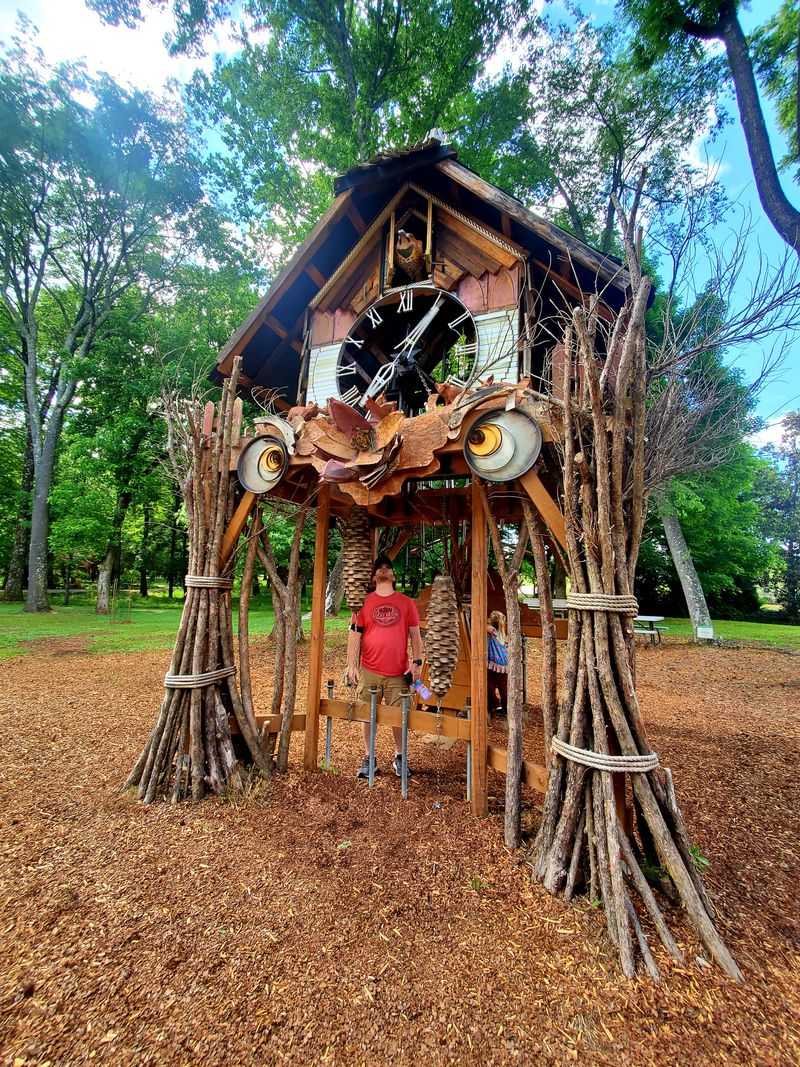
Imagination runs wild in the Children’s Garden, where young explorers discover nature through hands-on activities and whimsical play areas designed specifically for curious minds.
Oversized sculptures, musical instruments made from natural materials, and interactive water features engage children while teaching them about plants, insects, and environmental stewardship.
A fairy garden tucked into a shaded corner sparks creativity as kids search for hidden miniature houses and figurines.
The space encourages active learning through sensory experiences, from touching fuzzy lamb’s ear leaves to smelling fragrant herbs in the pizza garden.
Climbing structures shaped like giant vegetables and flowers provide physical activity while reinforcing botanical themes throughout the play environment.
Parents appreciate that their children burn energy while simultaneously developing appreciation for the natural world.
Seasonal programs and summer camps utilize this space for educational activities that align with school science curricula.
The garden demonstrates that outdoor play spaces can be both entertaining and instructional, fostering lifelong environmental awareness.
Shaded seating areas allow caregivers to supervise comfortably while children explore independently within the safe, enclosed garden.
This dedicated space recognizes that cultivating the next generation of nature lovers begins with positive childhood experiences in gardens that welcome energetic, enthusiastic young visitors.
Daylily Garden Collection
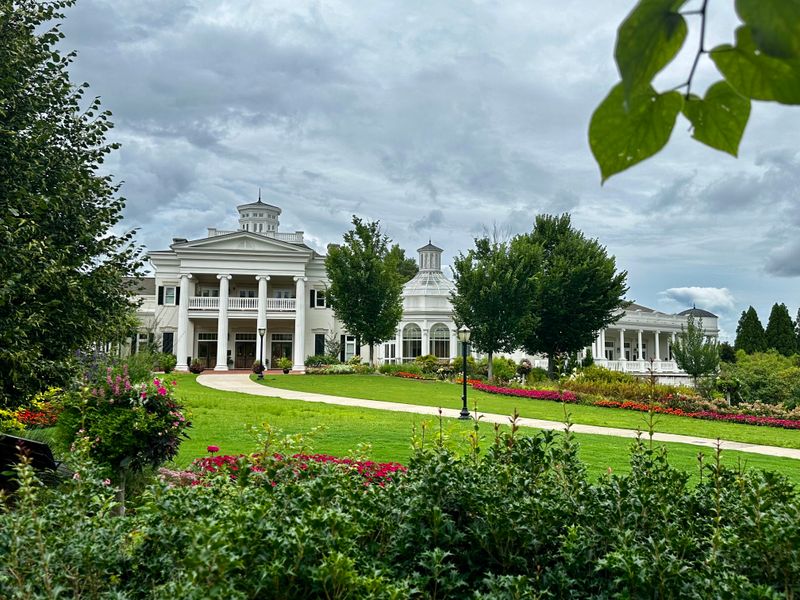
Thousands of daylily blooms create an unforgettable spectacle during peak season, showcasing why these dependable perennials remain favorites among southern gardeners.
The collection features hundreds of cultivars ranging from classic yellow and orange varieties to modern hybrids in unexpected colors like deep purple, near-white, and multicolored patterns.
Each flower lasts only one day, but prolific blooming ensures continuous color throughout the extended flowering period.
You’ll appreciate the incredible diversity plant breeders have achieved, with forms ranging from tiny miniatures to giant ruffled specimens measuring over six inches across.
Daylilies prove exceptionally well-suited to Alabama’s climate, tolerating heat, humidity, and occasional drought once established in the landscape.
The garden demonstrates effective design techniques using daylilies as focal points, border edgings, and mass plantings for maximum visual impact.
Bloom time peaks in late May and June, though reblooming varieties extend the show into fall months.
Detailed labels identify each cultivar, helping you select varieties for your own garden based on color preferences, bloom time, and plant size.
Photography enthusiasts find endless subjects among the varied forms and colors displayed throughout the extensive collection beds.
Fern Glade Natural Area
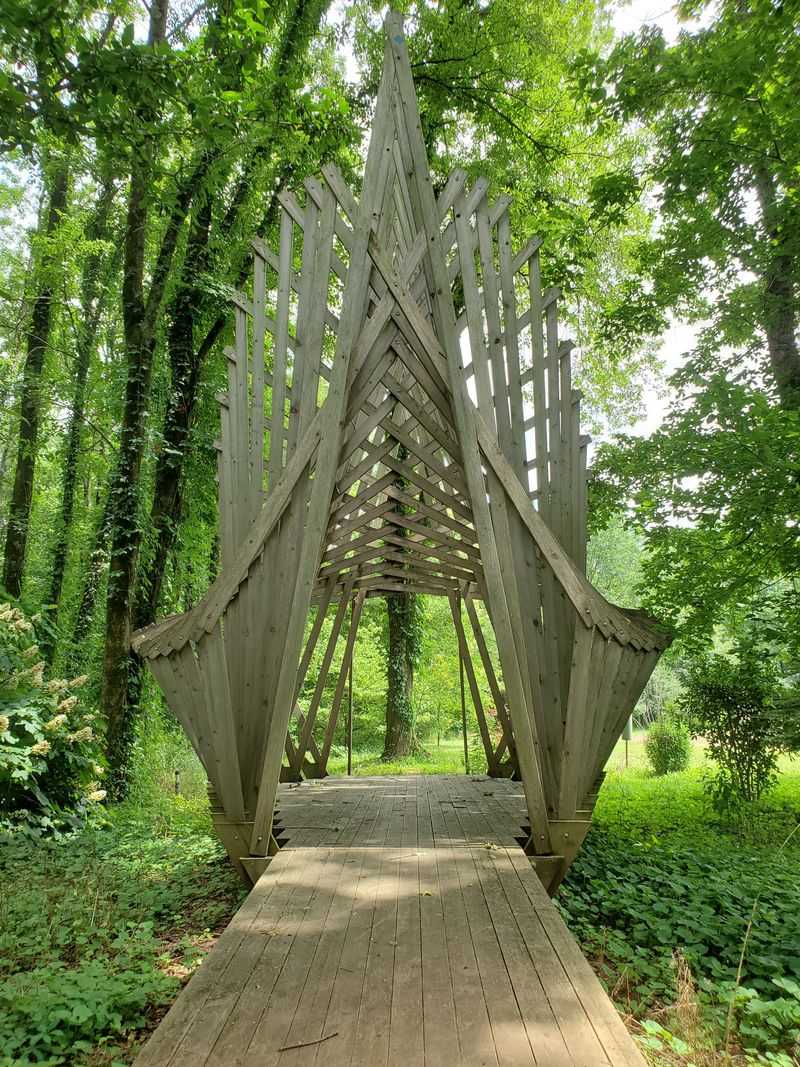
Cool shade envelops you as you wander through Fern Glade, a naturalistic woodland area celebrating Alabama’s native shade-loving plants and forest ecosystems.
Dozens of fern species carpet the forest floor, their delicate fronds creating layers of texture in varying shades of green.
Ancient trees provide a canopy overhead, filtering sunlight into dappled patterns that dance across the pathway.
This peaceful retreat demonstrates that shady garden areas offer unique beauty distinct from sunny flower borders, with subtle variations in foliage color, form, and texture creating visual interest.
Native wildflowers like trillium, bloodroot, and jack-in-the-pulpit emerge in spring before the tree canopy fully leafs out, taking advantage of temporary sunlight.
You’ll understand how forest ecosystems function as you observe the relationships between canopy trees, understory shrubs, and ground-layer plants.
The cooler microclimate provides welcome relief during hot Alabama summers, making this area particularly popular during June, July, and August.
Birdsong fills the air as woodland species find shelter and nesting sites in the mature trees.
Homeowners with shady yards gain inspiration for transforming challenging spaces into lush, low-maintenance gardens.
The Fern Glade proves that shade gardens offer tranquil beauty and biodiversity while requiring less water than sun-loving plantings.
Herb Garden And Scented Plants
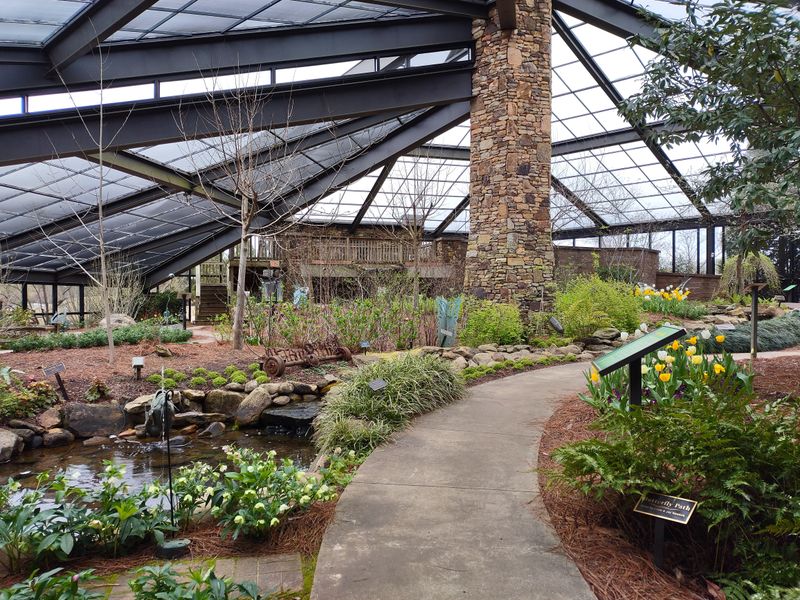
Aromatic fragrances fill the air in the Herb Garden, where culinary, medicinal, and ornamental herbs demonstrate their versatility and beauty beyond the kitchen.
Neatly organized beds display familiar favorites like basil, rosemary, and thyme alongside lesser-known varieties that thrive in southern gardens.
Purple-flowered lavender attracts bees with its sweet scent, while silvery artemisia provides striking foliage contrast.
You’re encouraged to gently touch the leaves to release essential oils, experiencing how different herbs produce distinctive aromas from minty to lemony to pungent.
Historical information accompanies many plantings, explaining how various cultures used these plants for cooking, medicine, and household purposes throughout centuries.
The garden demonstrates that herbs serve multiple purposes, providing culinary ingredients, pollinator food sources, and attractive landscape elements simultaneously.
Growing tips help home cooks establish their own kitchen gardens, whether in backyard beds or container plantings on sunny patios.
Many herbs tolerate Alabama’s heat remarkably well, making them reliable choices for summer gardens when other plants struggle.
Seasonal workshops held in this area teach preservation techniques like drying, freezing, and making herbal vinegars to extend the harvest.
The Herb Garden reminds us that practical plants can be beautiful while providing fresh flavors that enhance home cooking.
Rose Garden Classics
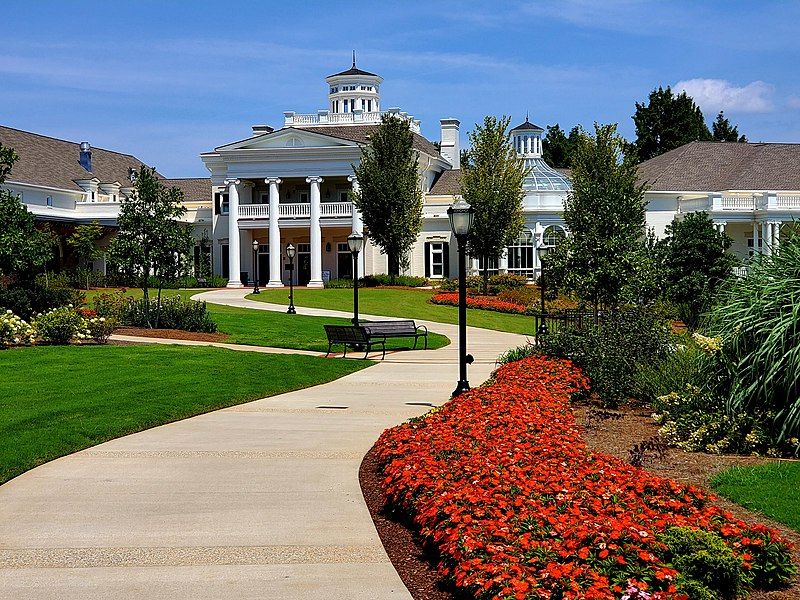
Timeless elegance defines the Rose Garden, where hundreds of rose bushes showcase both classic varieties and modern hybrids beloved by gardeners worldwide.
Formal beds arranged in traditional patterns display hybrid teas, floribundas, grandifloras, and climbing roses that blanket arches and arbors with fragrant blooms.
Colors span the spectrum from pure white and soft pastels to vibrant reds and sunset-colored blends.
Peak bloom occurs in spring and fall when temperatures moderate, though many varieties produce flowers continuously throughout the growing season.
The garden proves that roses can successfully grow in Alabama despite the challenging climate, provided proper variety selection and care practices are followed.
Disease-resistant cultivars perform especially well, requiring less chemical intervention while maintaining attractive foliage and abundant flowering.
Detailed labels identify each variety along with its classification, fragrance level, and special characteristics to guide your selection for home gardens.
Arbors and seating areas invite you to linger among the blooms, enjoying their legendary fragrances.
Educational programs teach pruning techniques, pest management, and fertilization schedules specific to growing roses in northern Alabama’s climate.
The Rose Garden celebrates why these flowers remain eternally popular despite requiring more attention than many modern landscape plants.
Wildflower Meadow And Native Plants
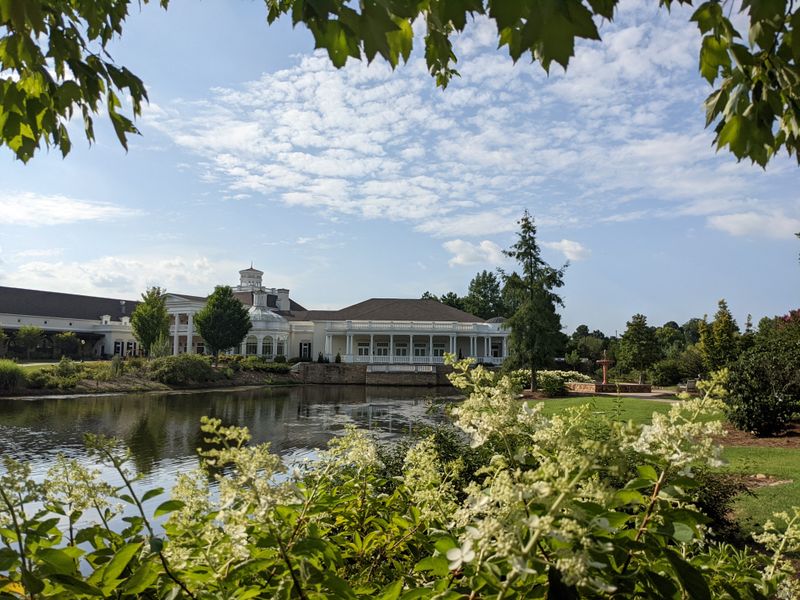
Naturalistic beauty unfolds in the Wildflower Meadow, where native Alabama plants create a low-maintenance landscape that supports wildlife while celebrating regional biodiversity.
Unlike formal garden beds, this area mimics natural prairies and meadows that once covered much of the southeastern landscape before agricultural development.
Native grasses sway among colorful wildflowers, creating movement and texture that changes with wind and light.
Spring brings early bloomers like bluebonnets and Indian paintbrush, while summer features towering sunflowers and purple liatris attracting butterflies and goldfinches.
Autumn transforms the meadow with golden goldenrod and purple asters providing crucial late-season nectar for migrating monarchs and other pollinators.
This garden demonstrates sustainable landscaping principles, showing how native plant communities require minimal water, fertilizer, and maintenance once established.
Seeds from meadow plants feed overwintering birds, while dense vegetation provides shelter for beneficial insects and small wildlife.
You’ll observe ecological relationships as predator insects hunt among the stems and spiders construct intricate webs between flower stalks.
The meadow challenges conventional notions of tidy gardens, embracing natural processes and seasonal changes that create ever-evolving beauty.
Homeowners seeking environmentally responsible landscapes find inspiration in this conservation-minded approach that reduces resource consumption while increasing habitat value for native species struggling with habitat fragmentation.