10 Eye-Catching Houseplants That Look Great In New York Apartments
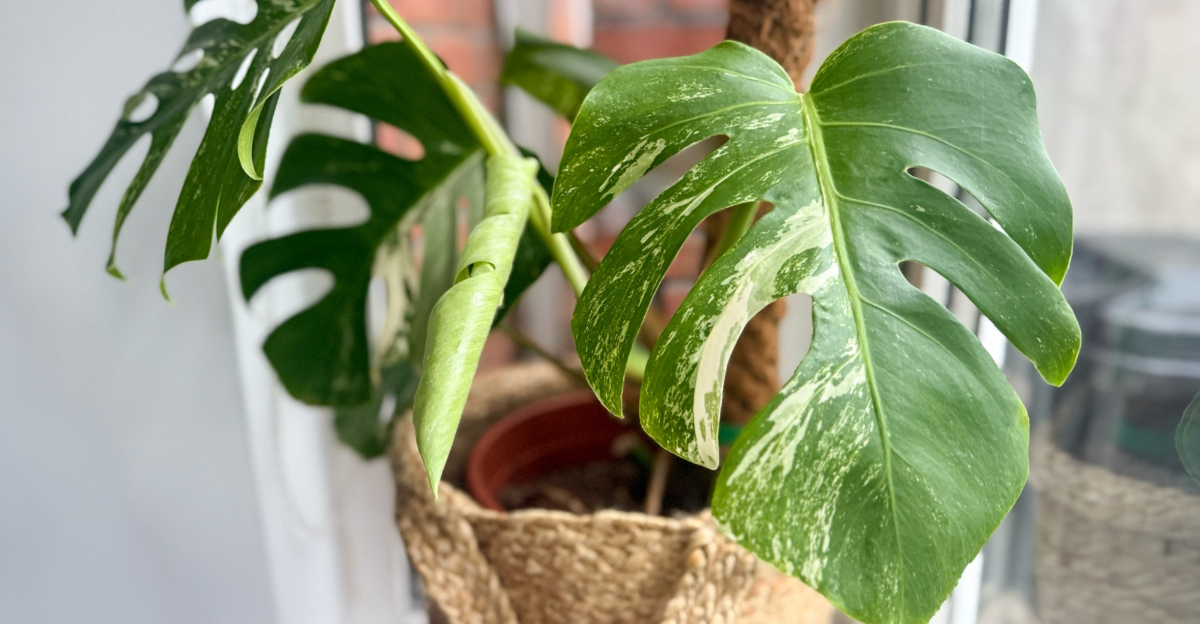
New York apartments come with their own personality, and the right houseplants can sharpen that character by adding texture, contrast, and visual interest without taking up precious floor space.
Between limited sunlight, changing temperatures, and compact layouts, plants have to work harder to look good indoors in a city setting.
Many apartment dwellers buy striking plants only to watch them decline when conditions do not match what those plants actually need.
In New York homes, the most eye-catching plants are often the ones that balance strong visual impact with adaptability to indoor life. When that balance is right, plants enhance a space instead of becoming another thing to manage.
Some houseplants stand out through bold leaf shapes, rich color, or dramatic height while staying contained and manageable.
Others rely on subtle structure or texture that quietly elevates shelves, corners, and windowsills.
Choosing plants with apartment realities in mind prevents clutter and keeps interiors looking intentional rather than overfilled.
Well-chosen houseplants can turn even a small New York apartment into a space that feels styled, lived-in, and visually confident.
1. Monstera Deliciosa
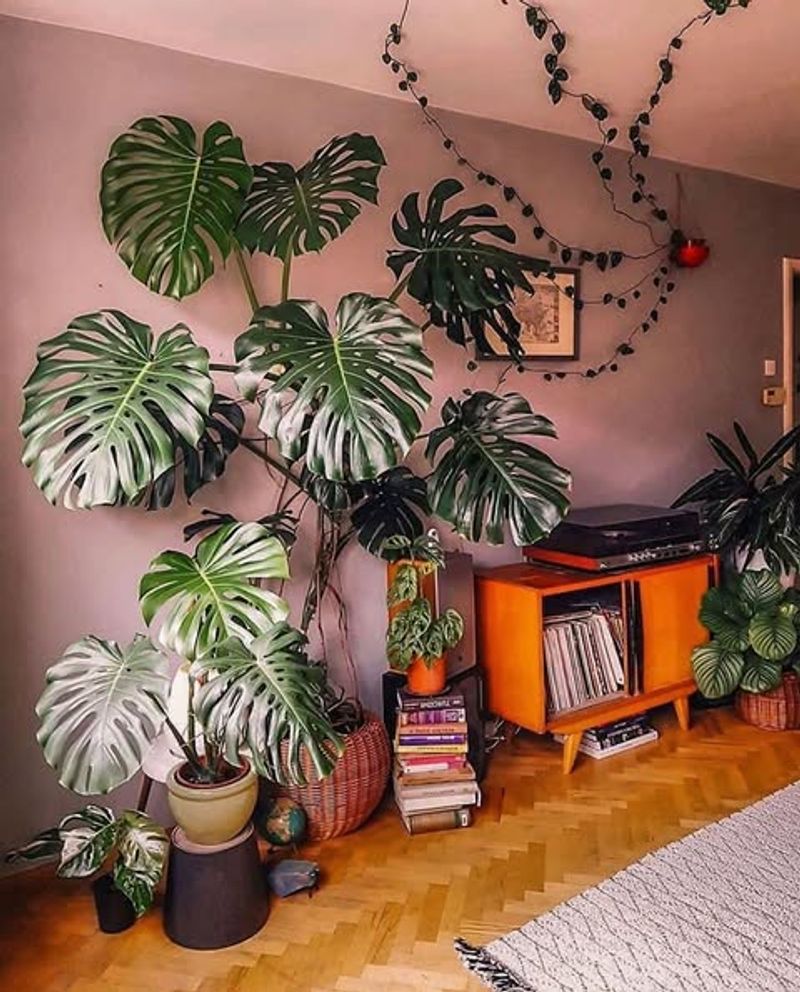
Walking into any trendy Brooklyn coffee shop, you’ll likely spot one of these beauties in the corner. Its dramatic split leaves create an instant tropical vibe that New Yorkers absolutely adore.
People often call it the Swiss cheese plant because of those iconic holes and splits in its foliage. Each leaf can grow up to three feet wide in the right conditions, making quite the statement piece.
Bright indirect light works best for this plant, though it tolerates lower light better than most tropical varieties. Your Manhattan studio’s north-facing window could be perfect.
Watering once a week during summer and every ten days in winter keeps it happy. The soil should dry out slightly between waterings to prevent root issues.
Climbing naturally in the wild, this plant appreciates a moss pole or stake for support. Without one, it tends to sprawl sideways across surfaces.
Dust accumulates on those big leaves quickly in New York apartments. Wiping them down monthly with a damp cloth keeps them glossy and photosynthesizing efficiently.
Growth can be surprisingly fast once established, adding several new leaves each growing season. Some city dwellers report their plants growing four feet in a single year.
Propagation happens easily through stem cuttings placed in water. Many New York plant lovers share cuttings with friends and neighbors.
Pet owners should know the plant contains calcium oxalate crystals that irritate if chewed. Keeping it on a high shelf prevents curious cats from nibbling.
2. Fiddle Leaf Fig
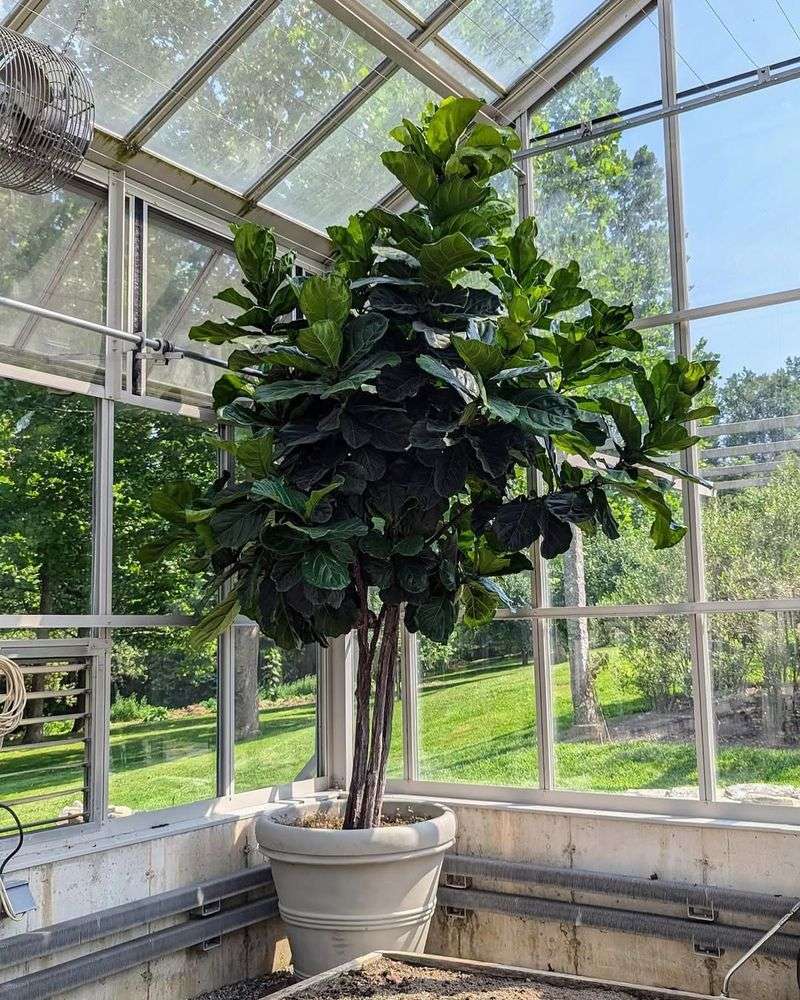
Interior designers across New York State swear by this sculptural beauty for adding height and drama. Its violin-shaped leaves command attention in any room they occupy.
Consistency matters tremendously with this somewhat finicky plant. Once you find the perfect spot in your Queens apartment, avoid moving it around.
Bright, filtered light for at least six hours daily produces the healthiest growth. South or west-facing windows with sheer curtains provide ideal conditions.
Overwatering causes more problems than underwatering with fiddle leaf figs. Check the top two inches of soil before watering, and only add moisture when it feels dry.
Brown spots on leaves often indicate watering issues or temperature fluctuations. New York apartments with inconsistent heating can stress these plants during winter months.
Rotating the pot a quarter turn weekly ensures even growth on all sides. Without rotation, one side stretches toward the light while the other stays sparse.
Fertilizing monthly during spring and summer with diluted liquid fertilizer promotes those gorgeous large leaves. Skip feeding entirely during fall and winter when growth slows.
Pruning encourages branching and creates a fuller, bushier appearance. Snip just above a leaf node to prompt new growth from that point.
Prices vary wildly depending on size and maturity. Small plants start around thirty dollars, while statement-sized specimens can cost several hundred in NYC plant shops.
3. Snake Plant
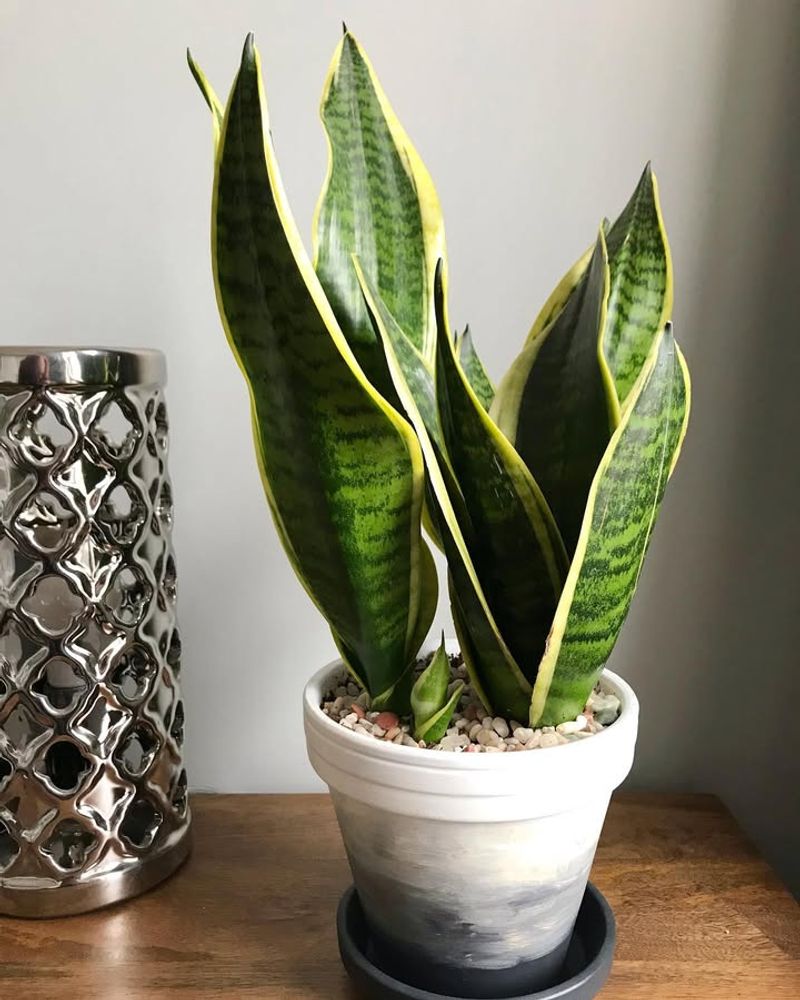
Beginners and busy New Yorkers love this nearly indestructible plant for good reason. It thrives on neglect and forgives forgotten waterings better than almost any other houseplant.
Tall, upright leaves with striking variegated patterns add modern elegance to minimalist spaces. Some varieties feature yellow edges while others display silvery-green bands.
Low light tolerance makes it perfect for basement apartments or rooms without windows. While it grows faster in bright light, it genuinely survives in dim corners.
Watering every two to three weeks during summer and monthly in winter prevents root rot. The thick leaves store water, so less is definitely more.
It removes toxins like formaldehyde and benzene from indoor air, particularly beneficial in older New York buildings.
Temperature fluctuations don’t bother snake plants much at all. They handle the drafty conditions common in pre-war apartments without complaint.
Root-bound conditions don’t stress these plants like they do others. Many thrive for years in the same pot without repotting.
Propagation through leaf cuttings or division gives you multiple plants from one. Simply cut a leaf into sections and plant them in soil.
Varieties range from compact six-inch plants to towering four-foot specimens. Choose based on your available floor or shelf space in your New York home.
4. Rubber Plant
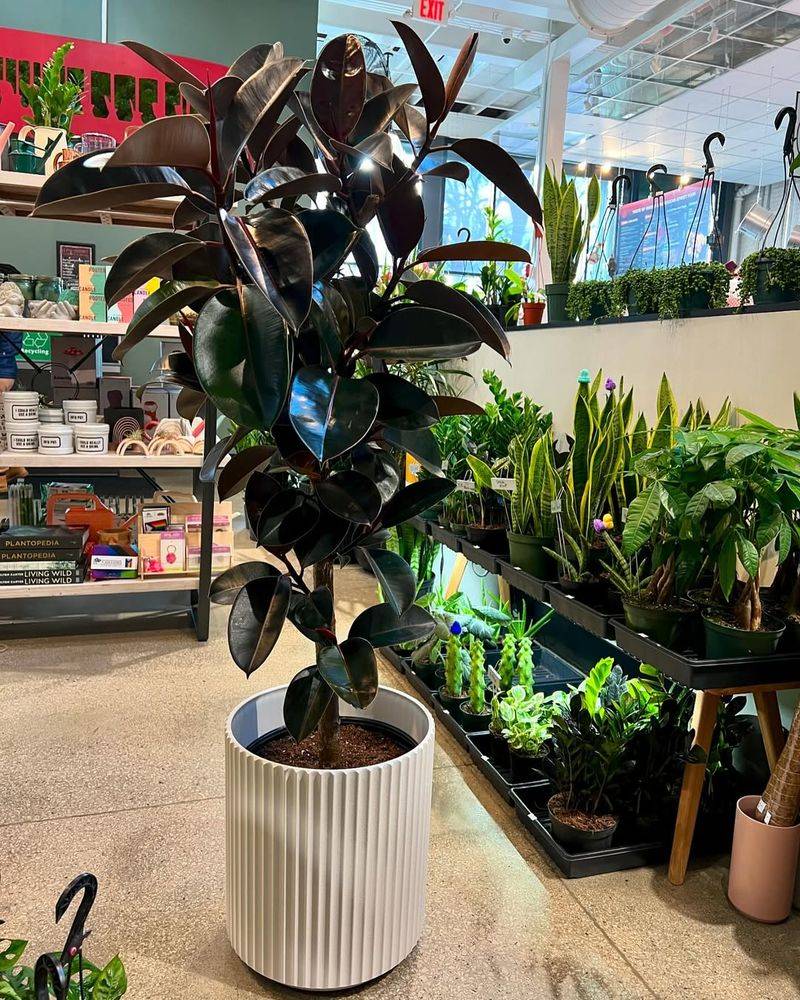
Glossy, dark green leaves with a leathery texture give this plant an elegant, sophisticated appearance. Some varieties feature burgundy or variegated foliage that adds extra visual interest to your space.
Fast growth makes it satisfying for New York plant parents who want to see progress. A healthy rubber plant can add several feet of height in a single growing season.
Bright, indirect light produces the best leaf color and growth rate. Your Upper West Side apartment’s eastern exposure would work wonderfully.
Allowing the top inch of soil to dry between waterings prevents common moisture-related issues. Stick your finger in the soil to test before reaching for the watering can.
Wiping dust from those shiny leaves keeps them looking their best. Use a soft, damp cloth every couple of weeks to maintain that gorgeous glossy appearance.
Pruning controls height and encourages bushier growth patterns. Cut just above a node, and the plant will branch out from that point.
Humidity isn’t as critical as with some tropical plants, making it suitable for heated New York apartments. Occasional misting still helps, especially during dry winter months.
Younger plants stay compact and tabletop-friendly for several years. As they mature, they transform into impressive floor plants that anchor a room.
Sap can irritate skin and stains fabric, so wear gloves when pruning. Keep paper towels handy to catch any milky latex that oozes from cut stems.
5. ZZ Plant
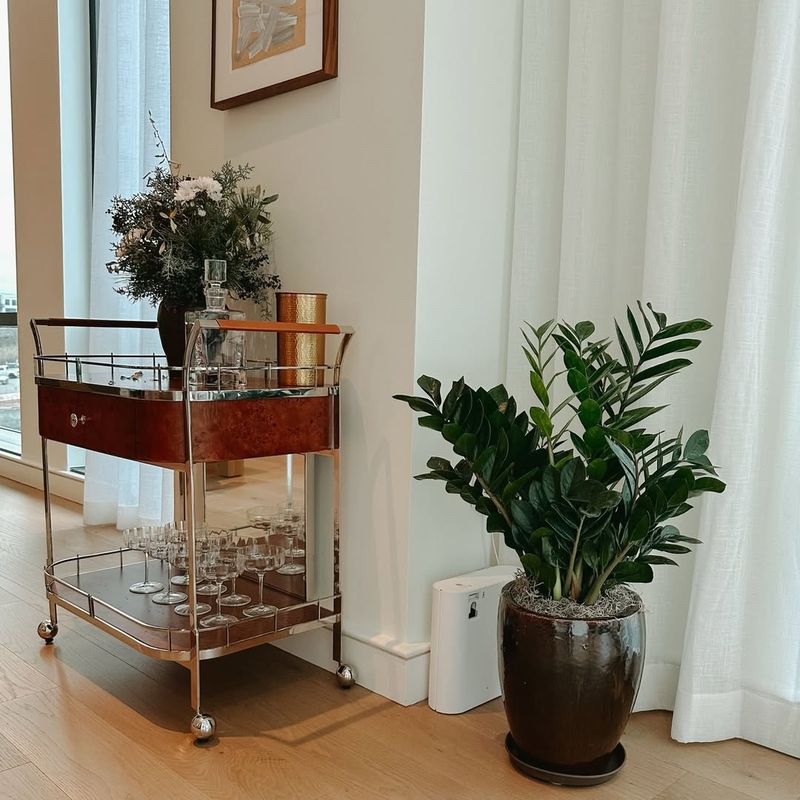
Shiny, waxy leaflets arranged along gracefully arching stems create a polished, architectural look. This plant brings sophistication to modern New York interiors without demanding much attention.
Extreme drought tolerance comes from thick underground rhizomes that store water. Forgetting to water for a month won’t harm this remarkably resilient plant.
Low to bright indirect light conditions all work fine for ZZ plants. They adapt to whatever lighting your Bronx apartment provides, from dim corners to sunny windowsills.
Slow growth means you won’t need to repot frequently or worry about it outgrowing its space. Patience pays off as new stems emerge from the soil.
Watering every three weeks during active growth and monthly in winter prevents the most common problem: overwatering. Yellow leaves usually signal too much moisture.
Pet safety concerns exist because the plant contains calcium oxalate crystals. Place it where curious dogs or cats can’t reach the tempting stems.
Pest resistance is another major advantage for urban gardeners. Spider mites and aphids rarely bother ZZ plants, unlike many other houseplants.
Cleaning leaves with a damp cloth removes city dust and helps the plant photosynthesize better. The natural shine returns immediately after a gentle wipe-down.
Propagation takes patience but works reliably through stem or leaf cuttings. Plant them in soil and wait several months for roots to develop in your New York home.
6. Bird Of Paradise
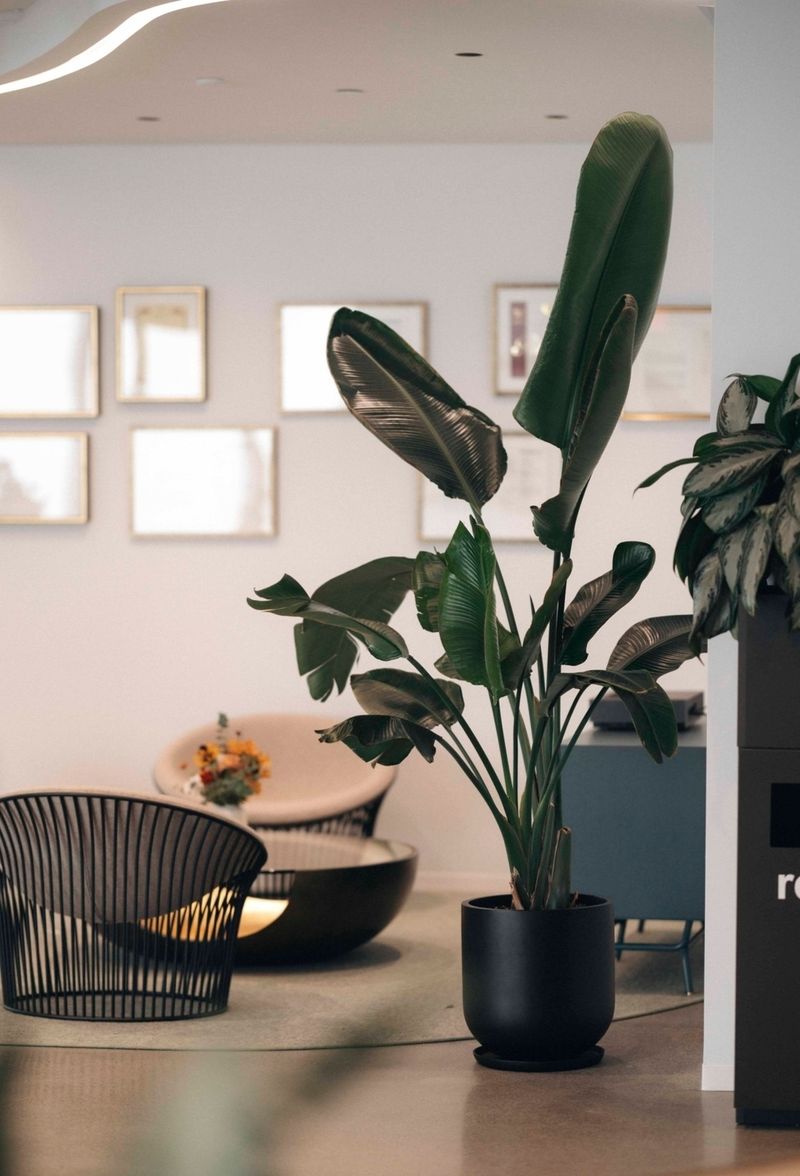
Enormous paddle-shaped leaves bring instant tropical paradise vibes to city living spaces. This showstopper makes people feel like they’ve escaped to somewhere exotic without leaving New York State.
Height potential reaches six to eight feet indoors, creating a dramatic focal point. Smaller apartments might prefer younger plants that take years to reach full size.
Bright, direct light for several hours daily produces the healthiest growth. South-facing windows in your apartment provide the intense light this sun-lover craves.
Weekly watering during warm months keeps the soil consistently moist but never soggy. Reduce frequency in winter when growth naturally slows down.
Leaves split naturally as the plant matures, which is completely normal. These splits help the plant withstand strong winds in its native habitat.
Humidity appreciation means this plant enjoys occasional misting or a nearby humidifier. Dry winter heat in New York apartments can cause brown leaf edges without extra moisture.
Fertilizing every two weeks during spring and summer fuels that impressive growth. Use a balanced liquid fertilizer diluted to half strength.
Cleaning those massive leaves becomes a regular chore but keeps them photosynthesizing efficiently. Dust accumulation is particularly noticeable on such large foliage.
Flowering indoors rarely happens without perfect conditions including years of maturity. Most people grow this plant purely for its stunning architectural foliage rather than blooms.
7. Pothos
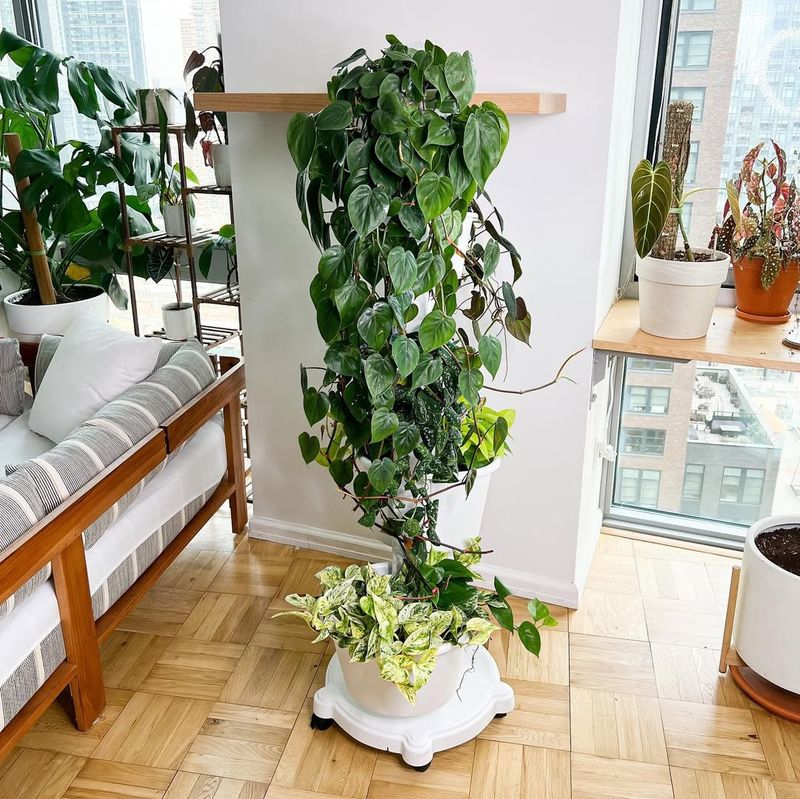
Trailing vines covered in heart-shaped leaves create beautiful cascading displays from shelves or hanging baskets. This adaptable plant works in virtually any New York apartment regardless of experience level.
Growth speed amazes new plant owners as vines extend several inches weekly during peak season. Some city dwellers train their pothos around windows or up walls using small hooks.
Light flexibility ranges from low to bright indirect, though variegated varieties need more light. Golden pothos keeps its yellow markings best near east or west-facing windows in your apartment.
Watering when the soil feels dry an inch down prevents both overwatering and underwatering. The leaves droop noticeably when thirsty, providing a helpful visual reminder.
Propagation couldn’t be simpler with this generous plant. Snip below a node, place in water, and roots appear within two weeks.
Air purifying abilities help remove indoor pollutants common in urban environments. Studies show pothos effectively filters formaldehyde, xylene, and benzene from the air.
Pruning encourages fuller growth and prevents scraggly, sparse vines. Trim back long stems and plant the cuttings in the same pot for a bushier appearance.
Varieties include marble queen, neon, jade, and Cebu blue, each with unique coloring. Collecting different types becomes addictive for many New York plant enthusiasts.
Toxicity to pets requires careful placement if you have animals. The calcium oxalate content causes irritation if ingested by curious cats or dogs in your home.
8. Calathea
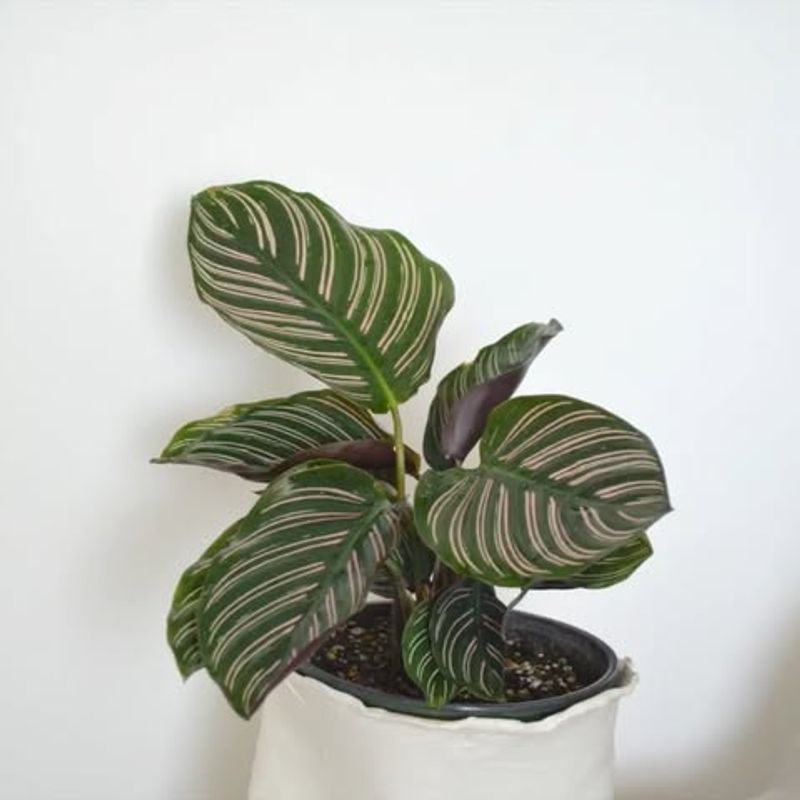
Intricate patterns and markings on the leaves make these plants living works of art. Each variety displays different designs, from pinstripes to peacock feathers, adding visual intrigue to your New York space.
Leaves fold up at night and open again in the morning, a fascinating behavior called nyctinasty. This daily movement delights plant owners who notice the changing positions.
Medium to low indirect light prevents leaf fading and scorching. Harsh direct sunlight damages those delicate, patterned leaves quickly, so avoid south-facing windowsills in your apartment.
Consistent moisture without waterlogging keeps calatheas thriving. The soil should stay lightly moist like a wrung-out sponge rather than bone dry or soaking wet.
Humidity requirements are higher than many houseplants, making them somewhat challenging in heated New York apartments. Grouping plants together or using a pebble tray helps increase ambient moisture.
Filtered or distilled water prevents brown leaf edges caused by chemicals in tap water. Letting tap water sit overnight allows chlorine to evaporate before using it.
Temperature sensitivity means keeping them away from drafty windows and heating vents. Sudden temperature changes stress these plants and cause leaf curling.
Varieties like rattlesnake plant, zebra plant, and peacock plant each offer unique patterns. Collectors in New York State often accumulate multiple types for their distinctive appearances.
Repotting every year or two in spring gives roots fresh soil and room to grow. Use a pot only slightly larger than the previous one to avoid moisture retention issues.
9. Chinese Evergreen
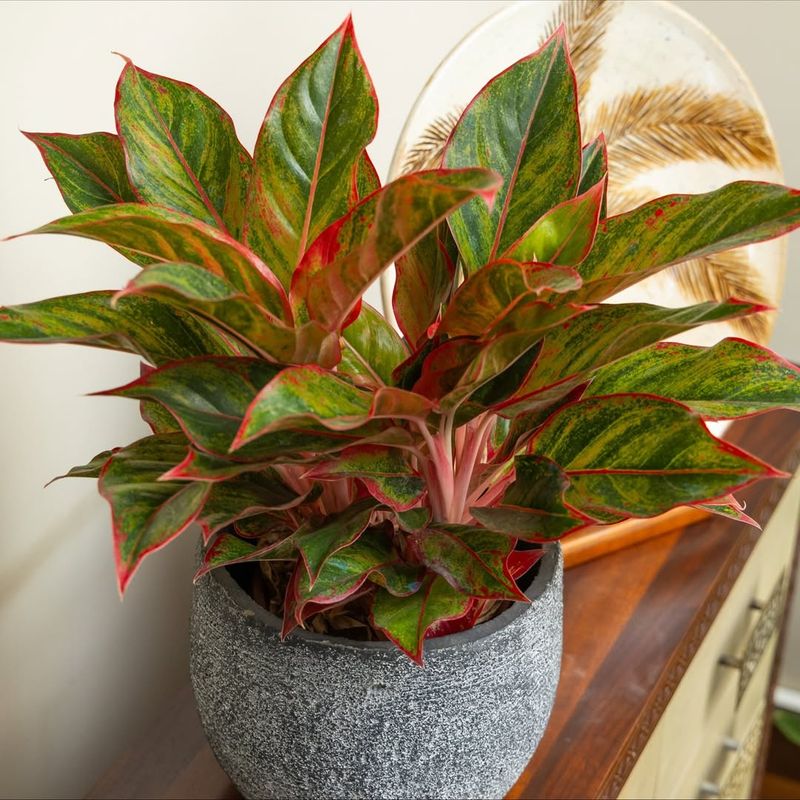
Colorful foliage in shades of green, silver, pink, and red offers something different from typical all-green plants. This diverse genus includes varieties to match virtually any decorating style in your New York home.
Low light tolerance makes it ideal for offices, bathrooms, or darker rooms without much natural light. It genuinely grows well in conditions that would stress most other tropical plants.
Slow to moderate growth rate means less maintenance and infrequent repotting. Your plant stays a manageable size for years without constant pruning or dividing.
Watering when the top inch of soil dries out maintains healthy roots. Yellowing leaves often indicate overwatering, while brown tips suggest underwatering or low humidity.
Air cleaning properties help filter toxins from indoor air according to research. This makes it particularly valuable in older New York State buildings with less ventilation.
Temperature preferences range from 60 to 75 degrees, typical of most apartments. Avoid placing it near cold drafts from windows or hot air from radiators.
Varieties like Red Siam, Silver Bay, and Maria offer different color combinations. Pink and red varieties need slightly more light to maintain their vibrant coloring.
Pest problems rarely occur, though mealybugs occasionally appear on stressed plants. Inspecting leaves regularly catches any issues before they become serious infestations.
Toxicity concerns exist for pets and children due to calcium oxalate crystals. Display it on higher surfaces if you have curious animals or small kids at home.
10. Dracaena
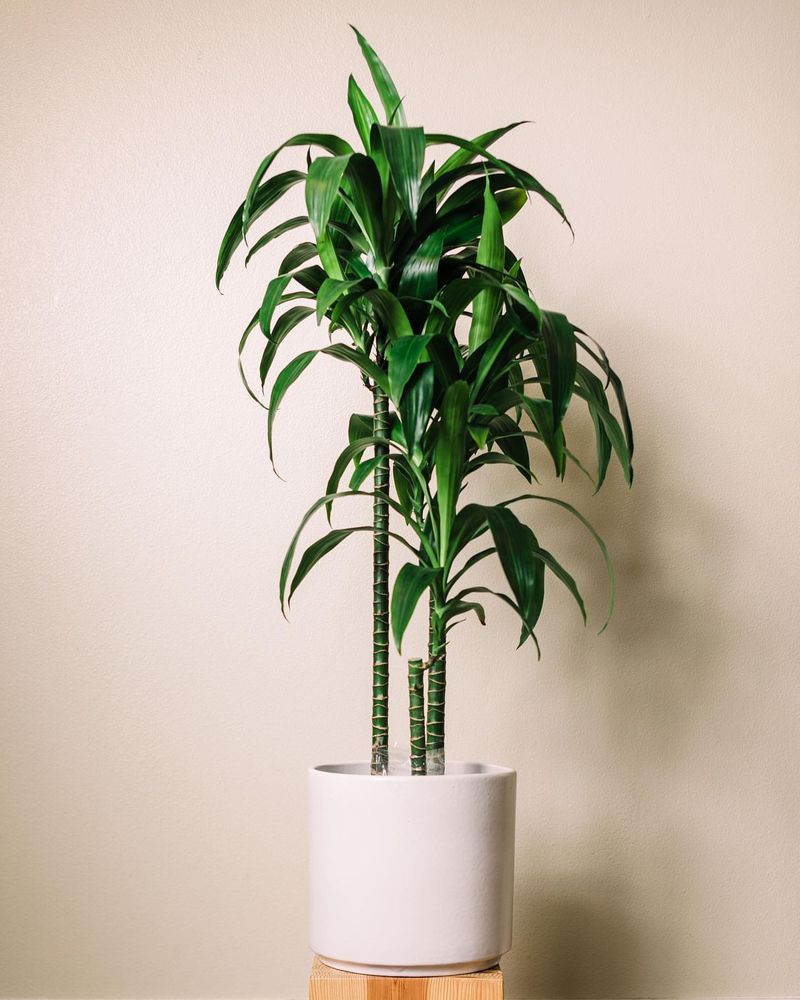
Spiky, sword-like leaves arranged in rosettes atop woody stems create striking vertical interest. Multiple varieties offer different colors and growth patterns to suit various New York apartment aesthetics.
They remove benzene, formaldehyde, trichloroethylene, and xylene from indoor environments.
Moderate light conditions work best, though they tolerate lower light reasonably well. Variegated types need brighter conditions to maintain their colorful stripes and edges.
Infrequent watering prevents root rot, the most common cause of problems. Let the soil dry out halfway down before watering again in your apartment.
Slow growth makes dracaenas low-maintenance and easy to manage long-term. They won’t quickly outgrow their space like faster-growing tropical plants.
Brown leaf tips often result from fluoride or salt buildup from tap water. Using filtered water or letting tap water sit out overnight reduces this issue in New York.
Varieties include corn plant, dragon tree, and song of India, each with distinct appearances. Corn plant features wider leaves while dragon tree has narrow, spiky foliage.
Pruning tall stems encourages branching and creates fuller, bushier plants. Cut the stem at your desired height, and new growth emerges below the cut.
Longevity impresses as these plants live for decades with proper care. Many New York residents keep the same dracaena for ten years or more, watching it slowly mature into a tree-like specimen.