11 Fast-Blooming Annual Flowers That Brighten Tennessee Yards
A splash of fast color can change the whole mood of a yard. One minute it feels flat and unfinished.
A few weeks later, it is full of movement, brightness, and flowers that make the whole space feel alive.
That is the beauty of quick-blooming annuals. They do not keep you waiting long, and when they get going, they bring serious impact.
Porch pots look fuller, front beds feel more inviting, and even the simplest patch of soil starts to look intentional.
Tennessee gives gardeners a great head start. Warm summers, mild springs, and a long growing season make it easy for many annual flowers to take off and keep the show going.
Wherever you are in Tennessee, these blooms bring fresh color, lively energy, and charm that lasts all season.
1. Zinnias
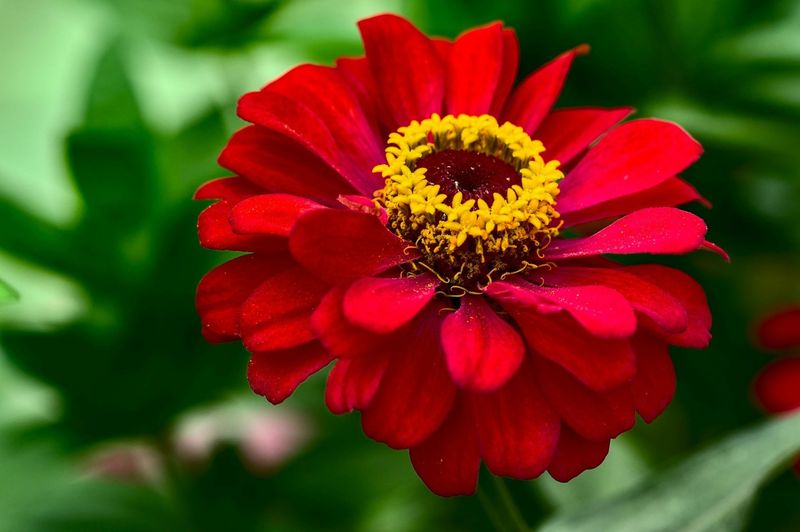
Zinnias are the workhorses of the summer garden, and once you plant them, they practically take care of themselves. Few flowers match their speed from seed to bloom, often flowering in as little as six to eight weeks.
That makes them a top pick for anyone who wants fast, reliable color without a lot of fuss.
These bold blooms come in almost every color you can imagine, from deep red to soft lavender. They grow well in the heat, which makes them perfectly suited for Tennessee summers when temperatures climb high.
Butterflies absolutely love them, so your yard becomes a little ecosystem all on its own.
Plant zinnias in a sunny spot with well-drained soil, and water at the base to keep the leaves dry. Deadheading spent blooms encourages the plant to push out even more flowers.
With just a little attention, zinnias will keep your yard colorful from early summer all the way through the first frost of fall.
2. Marigolds
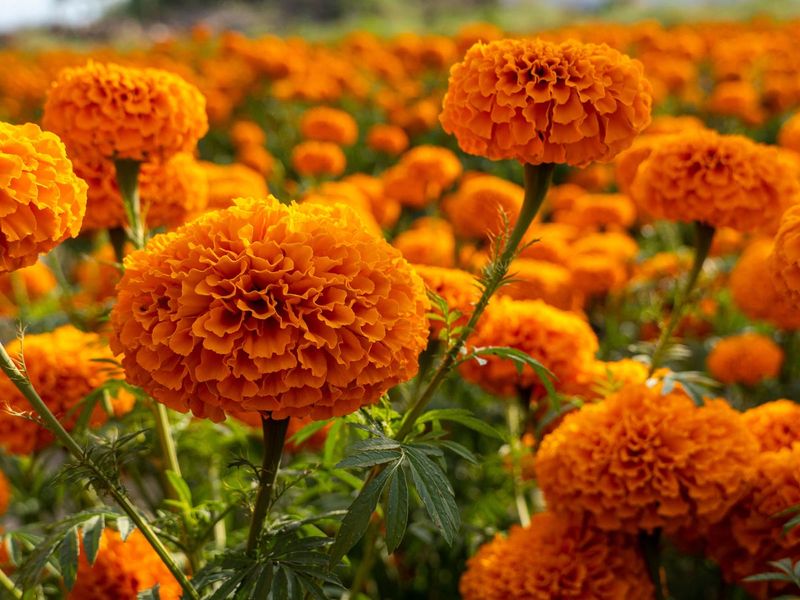
Marigolds have been a garden staple for generations, and there is a very good reason for that. They bloom fast, stay colorful for months, and ask for almost nothing in return.
Even a beginning gardener can grow a stunning patch of marigolds with minimal effort.
Many gardeners plant marigolds for their distinctive scent, which may help reduce some common pests. That makes them both beautiful and practical at the same time.
Their cheerful orange and yellow tones add a warm, sunny feel to any garden space.
Marigolds thrive in full sun and do not need rich soil to perform well. In fact, overly fertile soil can produce more leaves than flowers, so keep things simple.
Water them regularly but avoid soaking the roots, and they will reward you with non-stop blooms from spring until the cool nights of late autumn arrive and slow their growth down.
3. Petunias
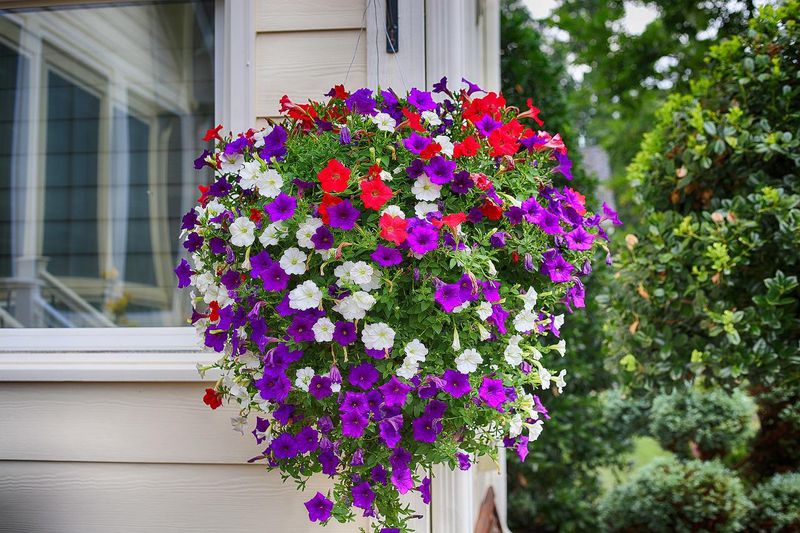
Few flowers are as cheerful and easy to love as petunias. They spill over the edges of containers and garden beds with a carefree energy that instantly makes any space feel welcoming.
Plant them once and they just keep going, week after week, without asking for much.
Petunias come in a jaw-dropping range of colors and patterns, including solids, stripes, and even ruffled varieties. Whether you want deep purple drama or soft blush pink, there is a petunia out there for your style.
They work beautifully in hanging baskets, window boxes, and flower beds alike.
Give petunias at least six hours of direct sunlight each day and they will thrive. They do appreciate regular feeding with a balanced fertilizer to keep the blooms coming strong through the heat of summer.
Pinch back leggy stems every few weeks to encourage bushier growth and more flowers, and your petunias will stay full and gorgeous.
4. Sunflowers
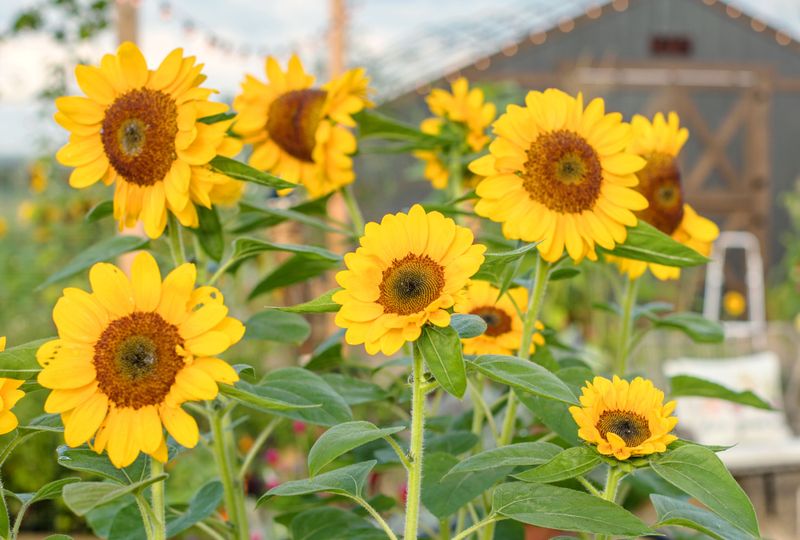
Sunflowers are basically joy on a stem. There is something about their towering height and bold golden faces that makes every yard feel more alive and cheerful.
Kids and adults alike stop and smile when they spot a row of sunflowers lining a fence or garden path.
What surprises many people is how quickly sunflowers grow from seed. Some dwarf varieties bloom in as little as 50 days, while taller types typically flower within 70 to 80 days.
Either way, you get fast, dramatic results that are hard to beat with any other annual flower.
Sunflowers love full sun and warm soil, which makes them a natural fit for Tennessee’s long, hot summers. Plant seeds directly in the ground after the last frost date has passed, and water deeply but not too often to encourage strong root development.
Once established, they are surprisingly drought-tolerant and require very little care to produce those iconic, head-turning blooms.
5. Impatiens
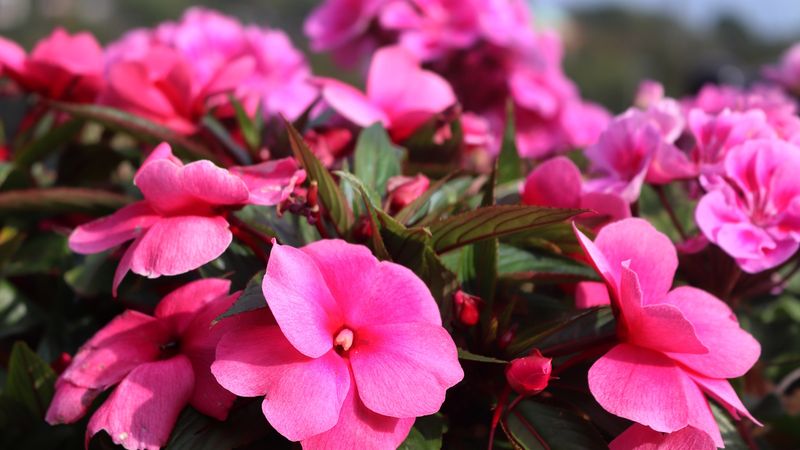
Got a shady corner in your yard that feels bare and lifeless? Impatiens are the answer you have been looking for.
They are one of the few annuals that actually prefer shade, making them invaluable for spots where other flowers simply refuse to grow.
Impatiens bloom quickly and continuously, covering themselves in small but vivid flowers from late spring through fall.
Their compact, mounding shape fills in garden beds beautifully, and they come in a wide palette of colors including coral, white, red, and lavender. They look especially stunning when planted in large groups.
Keep the soil consistently moist because impatiens do not handle drought well. They also benefit from a light application of slow-release fertilizer at planting time to fuel their non-stop blooming habit.
In Tennessee’s humid summers, impatiens can sometimes develop fungal issues, so make sure there is good air circulation around the plants and avoid overhead watering to keep them healthy and thriving.
6. Cosmos
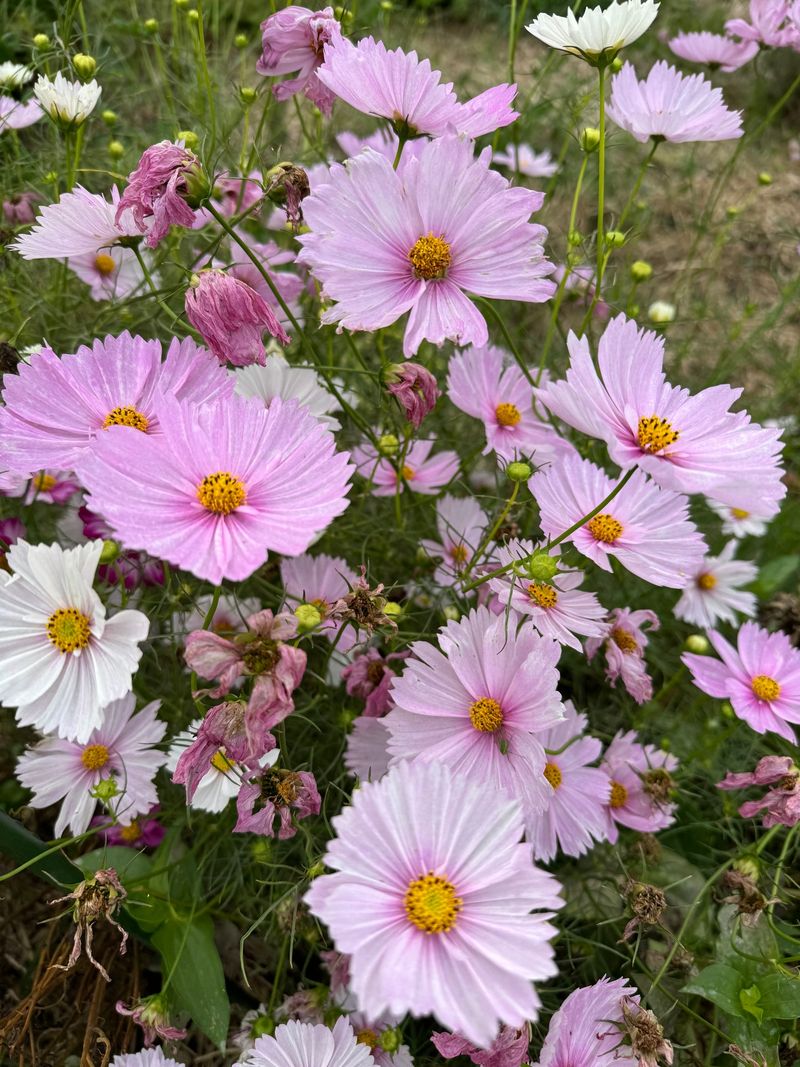
Cosmos look like something out of a fairy tale, with their feathery leaves and daisy-like flowers dancing in the breeze. They bring a wild, carefree charm to any garden that more structured plants simply cannot replicate.
Plant a handful of seeds and watch your yard transform into something magical.
One of the best things about cosmos is how little they need to succeed. Poor soil, minimal water, and full sun are basically all they ask for.
Overly rich soil actually makes them produce more leaves and fewer flowers, so resist the urge to over-fertilize these beauties.
Cosmos germinate fast, often sprouting within a week of planting, and they begin blooming in about seven to eight weeks. They self-seed readily, which means you might find them popping up again next year without any extra effort on your part.
Pollinators like bees and butterflies are drawn to cosmos flowers, making your garden a lively, buzzing hub of activity from midsummer all the way through early fall.
7. Celosia
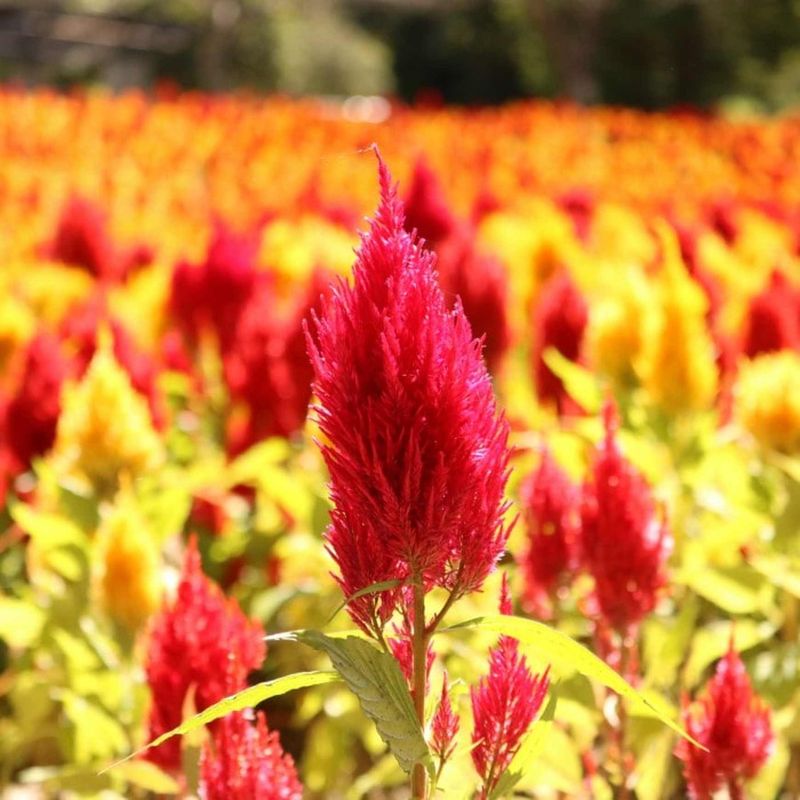
Celosia is the flower that makes people stop and ask, what is that? Its unusual velvety plumes and crested blooms look almost too interesting to be real, standing out boldly against any garden backdrop.
Once you grow it, you will want it in your yard every single year.
Beyond its striking looks, celosia is incredibly heat-tolerant, which is a major advantage during the long, steamy summers found across much of Tennessee.
It thrives in hot, dry conditions where other flowers might struggle, making it a reliable performer even during tough weather stretches. The colors range from fiery red and orange to soft pink and gold.
Celosia needs full sun and well-drained soil to look its best. Start seeds indoors about four weeks before the last frost, or transplant young plants once nighttime temperatures stay warm.
Deadheading is not strictly necessary, but removing older blooms can encourage fresh new ones to form. With minimal care, celosia delivers maximum visual impact from midsummer all the way through the first cool nights of autumn.
8. Portulaca
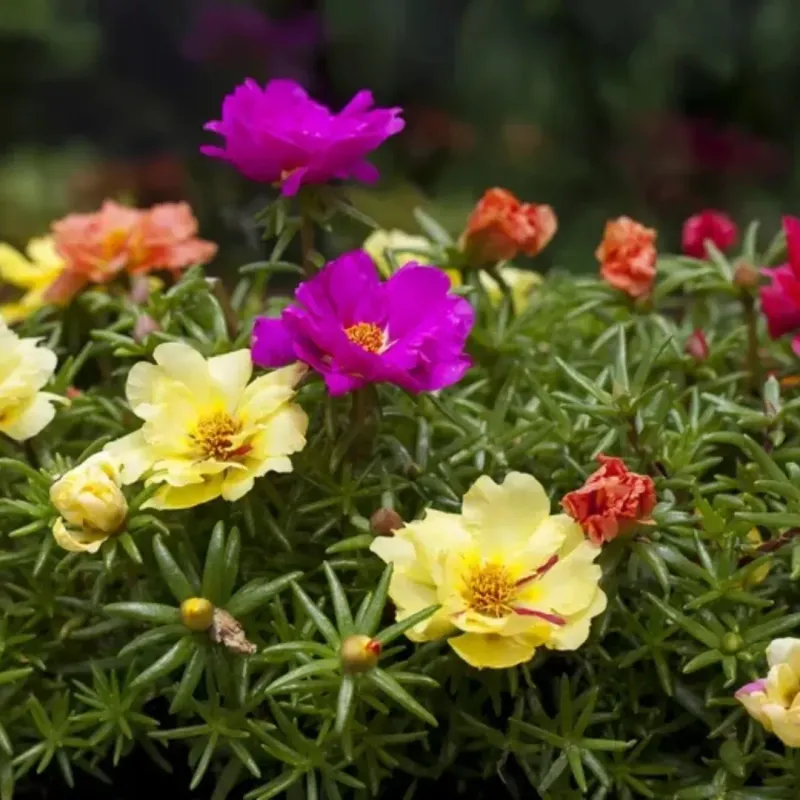
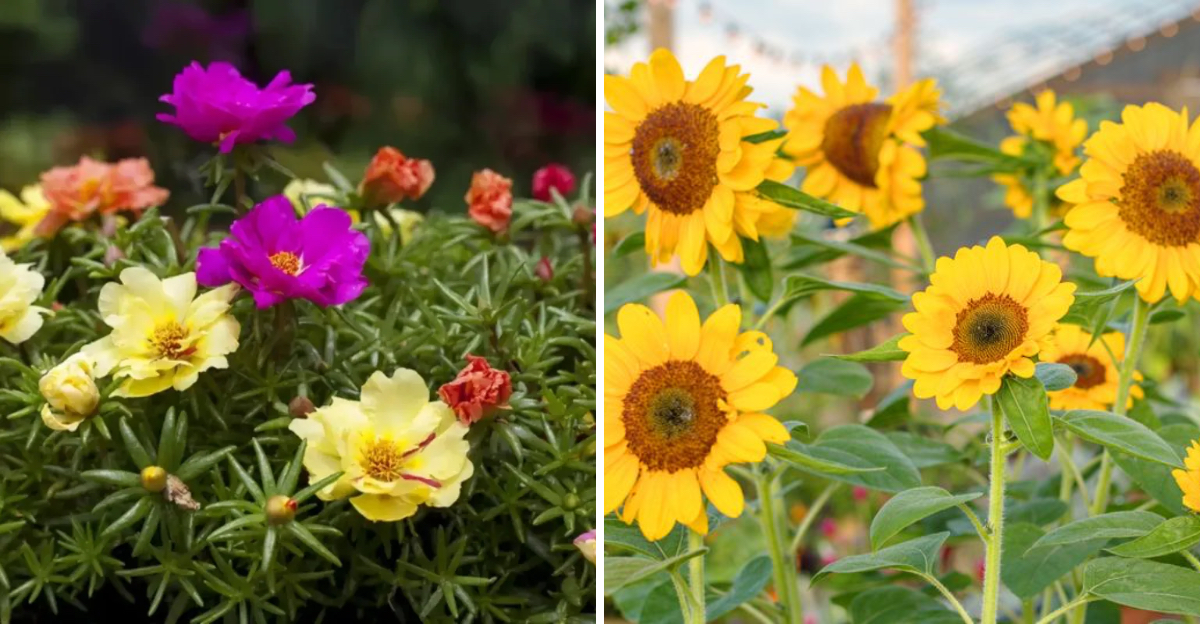
Portulaca is the ultimate low-maintenance flower for anyone who tends to forget to water their garden. Also known as moss rose, this tough little annual thrives in hot, dry conditions that would stress most other plants.
It practically laughs at drought and comes back the next day looking perfectly cheerful.
The flowers are small but absolutely brilliant, opening up in jewel-bright shades of pink, orange, yellow, and red. They close at night and on cloudy days, then pop back open when the sun comes out.
That quirky habit makes them feel almost like little living alarm clocks in your garden.
Portulaca grows best in sandy or rocky soil with excellent drainage and full sun exposure throughout the day. It spreads naturally into a low, dense mat that works wonderfully as ground cover along pathways or in rock gardens.
Once established, it needs almost no attention at all. A light watering once or twice a week during dry spells is usually enough to keep these cheerful, sun-loving bloomers looking their absolute best.
9. Vinca
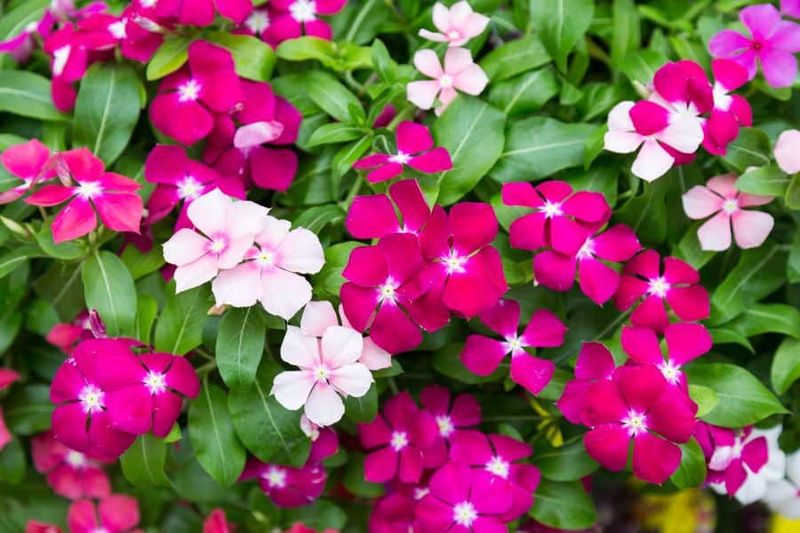
Vinca is the flower that keeps going no matter what summer throws at it. Intense heat, high humidity, and dry spells are no match for this tough annual, which makes it one of the most popular choices for yards across the southeastern United States.
It blooms consistently from spring through fall without missing a beat.
The flowers are simple and clean, with a pinwheel shape that comes in shades of white, pink, red, and lavender. Vinca forms tidy, compact mounds that look polished in garden beds, borders, and containers.
It pairs beautifully with bolder flowers like zinnias and celosia for a layered, colorful look.
Full sun is where vinca truly shines, and it prefers soil that drains well rather than staying wet. Overwatering is one of the few things that can cause problems with this otherwise forgiving plant.
Feed it with a slow-release fertilizer at planting and then let it do its thing. Very little deadheading is needed because vinca is self-cleaning, dropping its old blooms naturally and replacing them with fresh new flowers on its own schedule.
10. Lantana
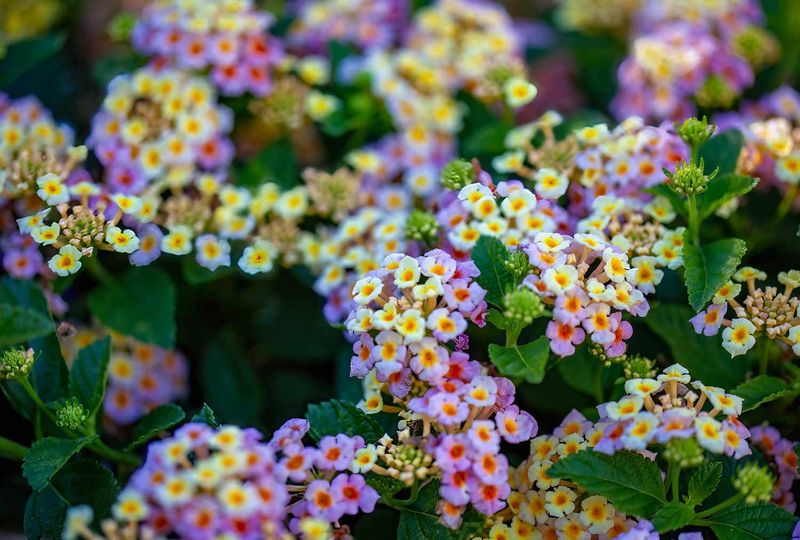
Lantana is like a party in plant form. Its clusters of tiny flowers shift color as they age, often displaying three or four shades on a single bloom cluster at the same time.
That color-changing magic makes every plant look like a living piece of art right in your yard.
Butterflies, hummingbirds, and bees are absolutely wild about lantana, so planting it means turning your garden into a wildlife hotspot.
The blooms keep coming all summer long without much encouragement, and the plant handles heat and humidity with impressive ease. It is one of the most reliable performers you can choose for a Tennessee garden.
Lantana grows best in full sun with well-drained soil and does not need frequent watering once established. It is actually more productive when kept slightly on the dry side, so resist the urge to overwater.
Trim it back occasionally to keep it tidy and to encourage fresh growth. Whether planted in containers, raised beds, or traditional garden borders, lantana delivers bold color and wildlife activity from late spring all the way through the first frost.
11. Torenia
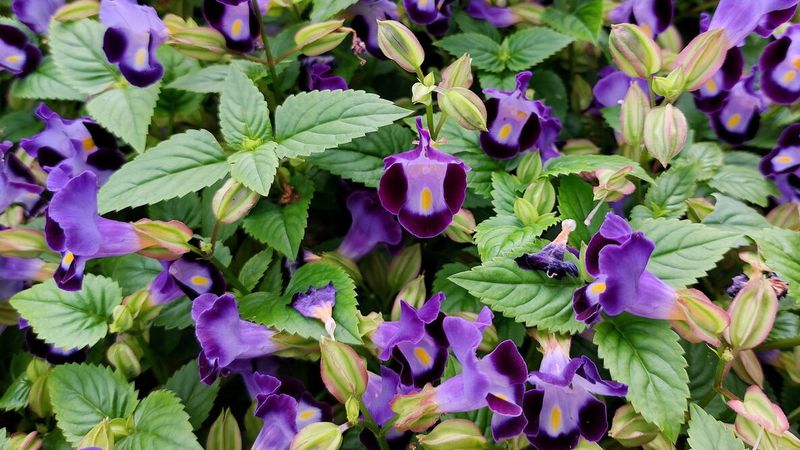
Torenia is one of those hidden gems that deserves far more attention than it usually gets.
Sometimes called the wishbone flower because of the shape of its stamens, torenia produces trumpet-shaped blooms in gorgeous combinations of purple, pink, white, and yellow.
It is charming, unique, and surprisingly easy to grow.
What sets torenia apart from many other annuals is its ability to bloom beautifully in partial shade. That makes it a fantastic partner for impatiens and begonias in spots that do not get full sun all day.
It fills containers and window boxes with a delicate, cottage-garden feel that is hard to resist.
Torenia prefers consistently moist soil and does not handle extreme heat as well as some other summer annuals. In Tennessee, planting it in a spot that gets morning sun and afternoon shade helps it stay comfortable and keep blooming strong.
Feed it with a balanced liquid fertilizer every two weeks during the growing season. With the right care and placement, torenia will reward you with a steady stream of those lovely, intricate little blooms from early summer all the way through fall.