Fast-Growing Flowering Plants For North Carolina Gardens Planted In Spring
Spring in North Carolina always seems to arrive in waves. A few warm afternoons get everyone outside, garden beds start filling up, and before long, neighbors are comparing what’s already blooming.
Many gardeners know the feeling of wanting color fast after months of bare ground, especially after a winter that seemed to stretch just a little too long.
North Carolina’s climate gives you a real advantage here. With warm days, mild nights, and a long growing season ahead, certain flowering plants take off quickly once they’re in the ground.
Choosing faster-growing varieties means you don’t have to wait deep into summer to see results, and it helps keep garden beds from looking empty early on.
A few of these flowers begin blooming earlier than expected and quickly fill open spaces as the season starts to settle into warmer, more consistent weather.
1. Marigold With Bright Heat Loving Blooms
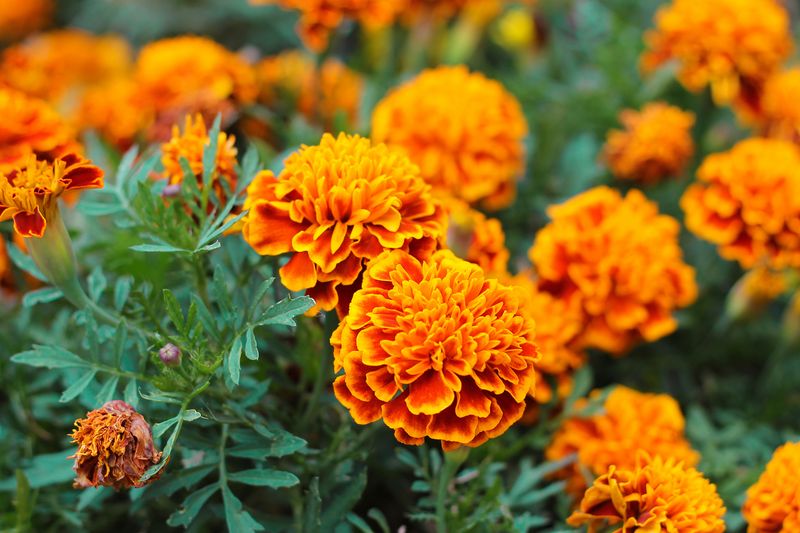
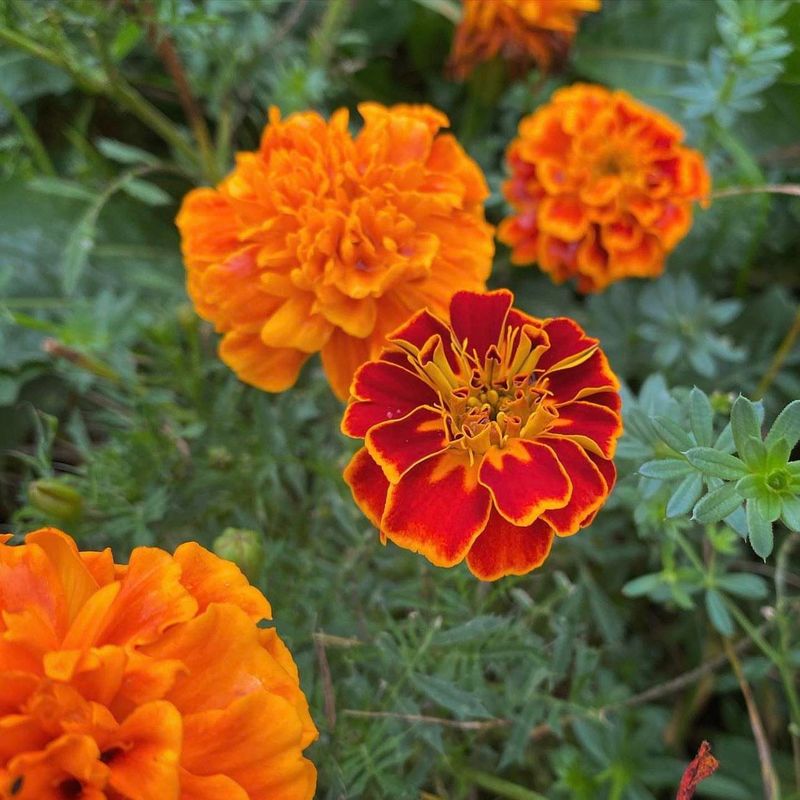
Few flowers bring as much cheerful energy to a garden as the marigold. With their bold orange, yellow, and red blooms, marigolds light up any yard from late spring all the way through summer.
North Carolina gardeners love them because they grow fast, bloom heavily, and ask for very little in return.
You can sow marigold seeds directly into your garden after the last frost, which in most parts of North Carolina falls around mid-April. They sprout quickly and start blooming in about 45 to 50 days.
Plant them in full sun and well-drained soil for the best results.
One of the reasons gardeners like marigolds is that they are often used as companion plants. They may help reduce some pest pressure in certain situations, but results vary by pest and garden conditions.
They also attract butterflies and bees, which helps pollinate everything around them. Marigolds are low-maintenance, drought-tolerant once established, and come in dozens of varieties ranging from tiny French types to large African marigolds that can grow over two feet tall.
For a North Carolina spring garden, they are a reliable, rewarding choice.
2. Cosmos Bringing Light Airy Color
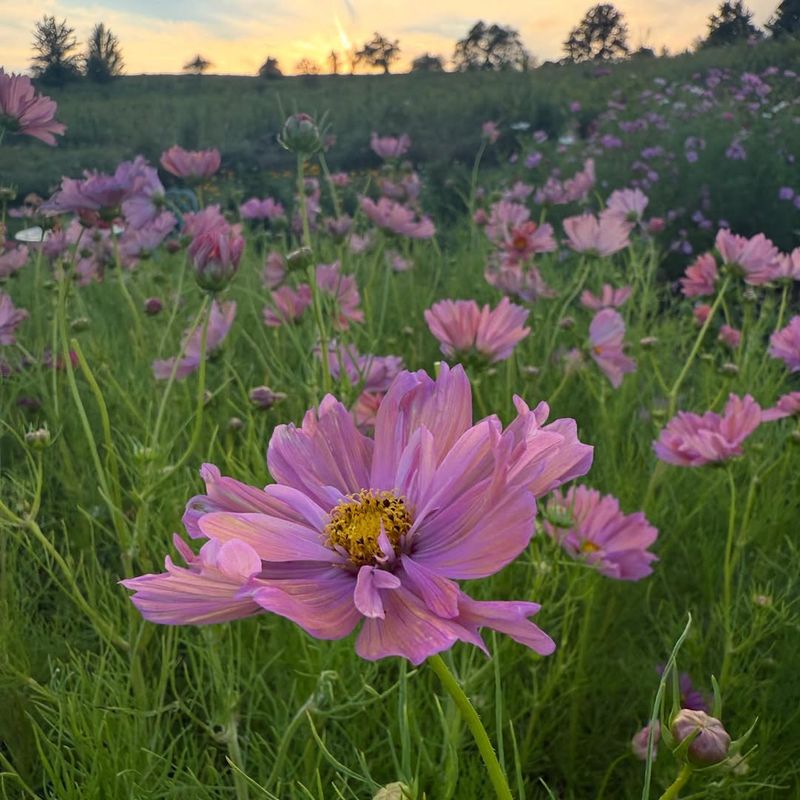
Their feathery leaves and delicate, daisy-like flowers in shades of pink, white, purple, and red create a romantic atmosphere that is hard to match. Best of all, they grow incredibly fast from seed.
Gardeners across North Carolina plant cosmos in spring because they handle the state’s warm, sometimes unpredictable weather really well. They actually prefer poor soil and need very little fertilizer, which makes them one of the easiest flowers to grow for beginners.
Sow seeds directly into the ground after the last frost, and you can expect blooms in as little as seven weeks.
Cosmos can grow anywhere from two to six feet tall, so they work beautifully as a background plant in garden beds. They bloom from summer through fall, giving you months of color from a single spring planting.
Butterflies absolutely love cosmos, and the plants self-seed readily, meaning they may come back on their own next year without any extra effort. For North Carolina gardeners looking for a bold, easy-care flower that delivers all season long, cosmos is a fantastic pick.
3. Snapdragon With Tall Playful Spikes
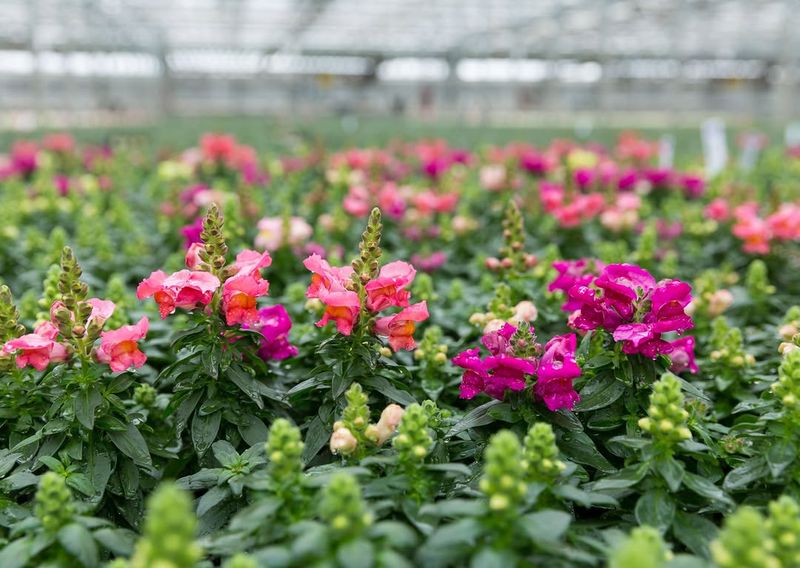
Squeeze the sides of the bloom gently and it opens like a tiny mouth, which is exactly how they got their name. Beyond the fun factor, snapdragons are stunning garden plants that thrive in North Carolina’s cool spring temperatures.
Unlike most warm-season flowers, snapdragons actually prefer cooler weather. In North Carolina, planting them in early spring gives them the ideal growing conditions before summer heat sets in.
They bloom in a rainbow of colors including red, orange, yellow, pink, white, and purple, and can grow anywhere from six inches to three feet tall depending on the variety.
Snapdragons grow best in full sun with moist, well-drained soil. They usually begin blooming in spring once established, though exact timing depends on the variety, planting method, and local growing conditions.
Deadheading spent blooms regularly encourages the plant to keep producing new flowers. They also make excellent cut flowers, lasting well in a vase indoors.
North Carolina gardeners who want a spring garden that looks professionally designed should absolutely include snapdragons in their planting plan.
4. Zinnia Blooming Fast With Bold Color
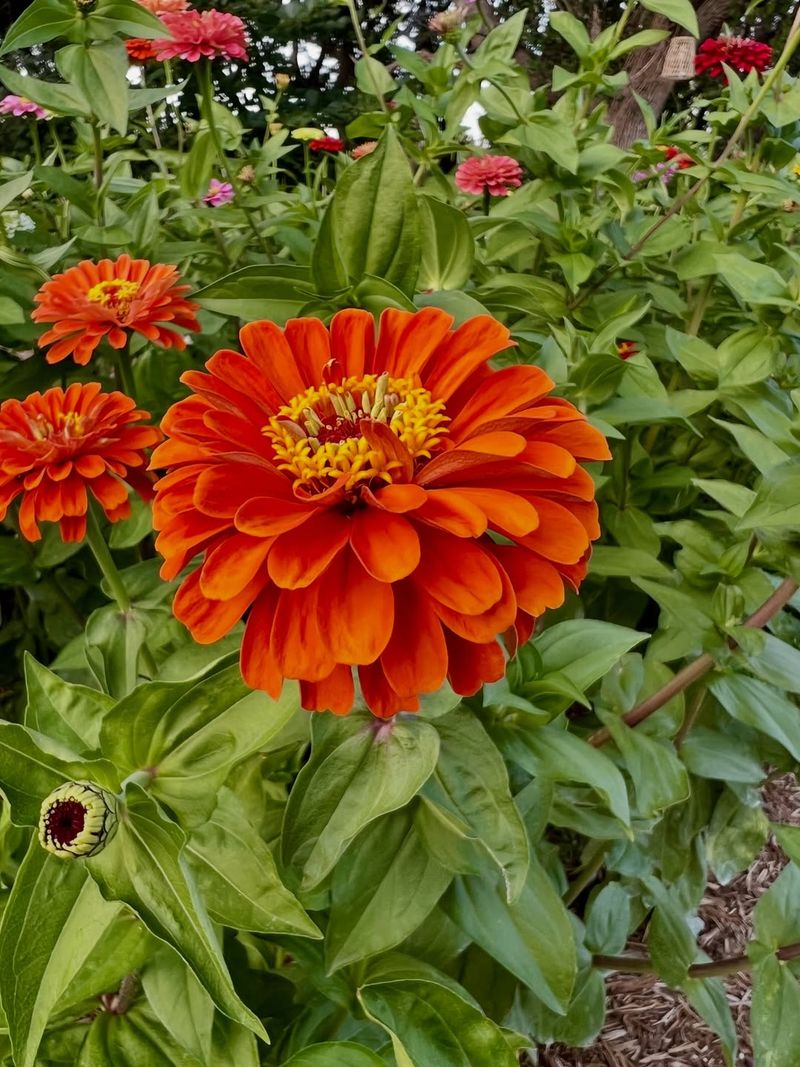
Zinnias are practically the superheroes of the flower garden. They grow fast, bloom big, and come in almost every color imaginable.
From deep red to bright orange to soft lavender, zinnias bring a burst of energy to any North Carolina garden planted in spring.
One of the biggest reasons gardeners love zinnias is their speed. From seed to full bloom takes just six to eight weeks, which means you will see results before the summer is even in full swing.
Direct sow seeds into the garden after the last frost date, give them full sun and warm soil, and watch them take off.
Zinnias are also butterfly magnets. Monarch butterflies, swallowtails, and painted ladies all flock to zinnia blooms, making them a wonderful addition for anyone interested in supporting pollinators.
They thrive in North Carolina’s hot summer sun and actually bloom more vigorously in warm weather. Taller varieties like the Benary’s Giant series can reach four feet and produce dinner-plate-sized blooms that are perfect for cutting.
Whether you line a garden path or fill an entire flower bed, zinnias deliver non-stop color with very little fuss from spring planting through the first frost.
5. Sunflower Known For Tall Sunny Blooms
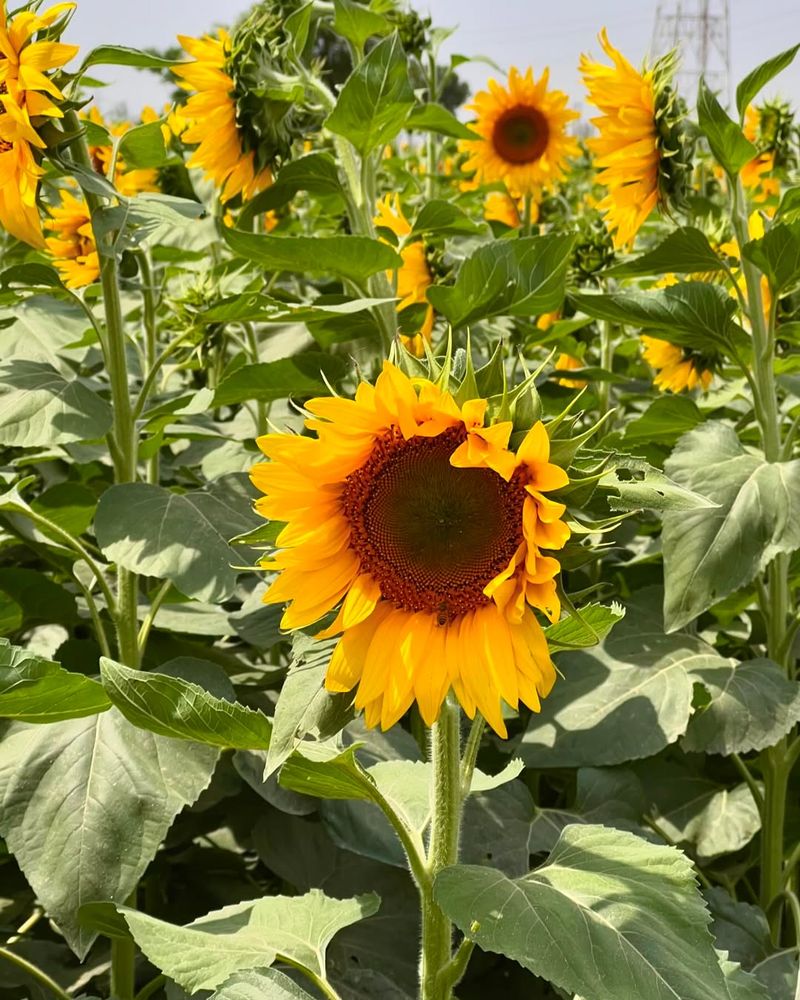
There is something undeniably joyful about a sunflower. Standing tall with their golden petals and wide, seed-packed centers, sunflowers are one of the most recognizable and beloved plants in any garden.
North Carolina’s warm spring weather and long sunny days make it an ideal place to grow them.
Plant sunflower seeds directly in the ground after the last frost, typically in April for most of North Carolina. They grow quickly, with some varieties reaching six to twelve feet tall in just a few months.
Choose a spot with full sun and well-drained soil, and give each plant enough space since they spread out as they grow.
Sunflowers are incredibly low-maintenance. They are drought-tolerant once established and do not need much fertilizing.
Birds and bees love them, and the seeds can be harvested at the end of the season for snacking or saved for next year’s planting. Dwarf varieties like Sunspot are great for smaller yards or containers, while classic tall varieties like Mammoth make a dramatic statement along fences or at the back of garden beds.
For North Carolina gardeners who want a fast-growing flower with big visual impact, sunflowers are a must-have spring planting.
6. Alyssum Forming A Soft Fragrant Carpet
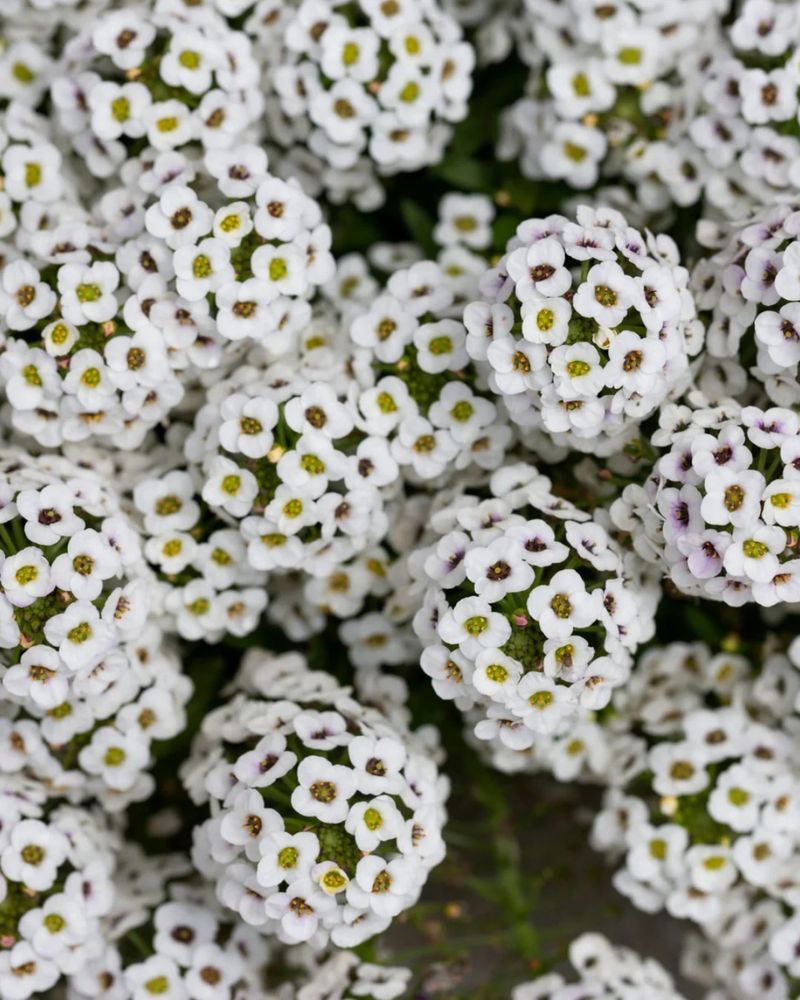
This low-growing annual forms a soft carpet of tiny, honey-scented flowers that spill over garden edges and fill the air with a sweet fragrance. It is one of those plants that works beautifully almost anywhere in a North Carolina garden.
Alyssum blooms in white, pink, and purple, and it grows quickly from seed, typically flowering within nine to twelve weeks of sowing. It does well in full sun or partial shade, which makes it versatile for different parts of the yard.
Plant it along borders, between stepping stones, or at the front of flower beds for a polished, finished look.
Beyond its beauty, alyssum is a powerhouse for attracting beneficial insects. Hoverflies and parasitic wasps, which help control garden pests naturally, are especially drawn to alyssum blooms.
It also attracts bees and butterflies, adding ecological value to your North Carolina garden. Alyssum tolerates light frost, so you can plant it a little earlier in spring than many other annuals.
It tends to slow down in peak summer heat but often rebounds beautifully in the cooler temperatures of early fall, giving you two rounds of blooming from a single spring planting.
7. Alyssum Forming A Soft Fragrant Carpet
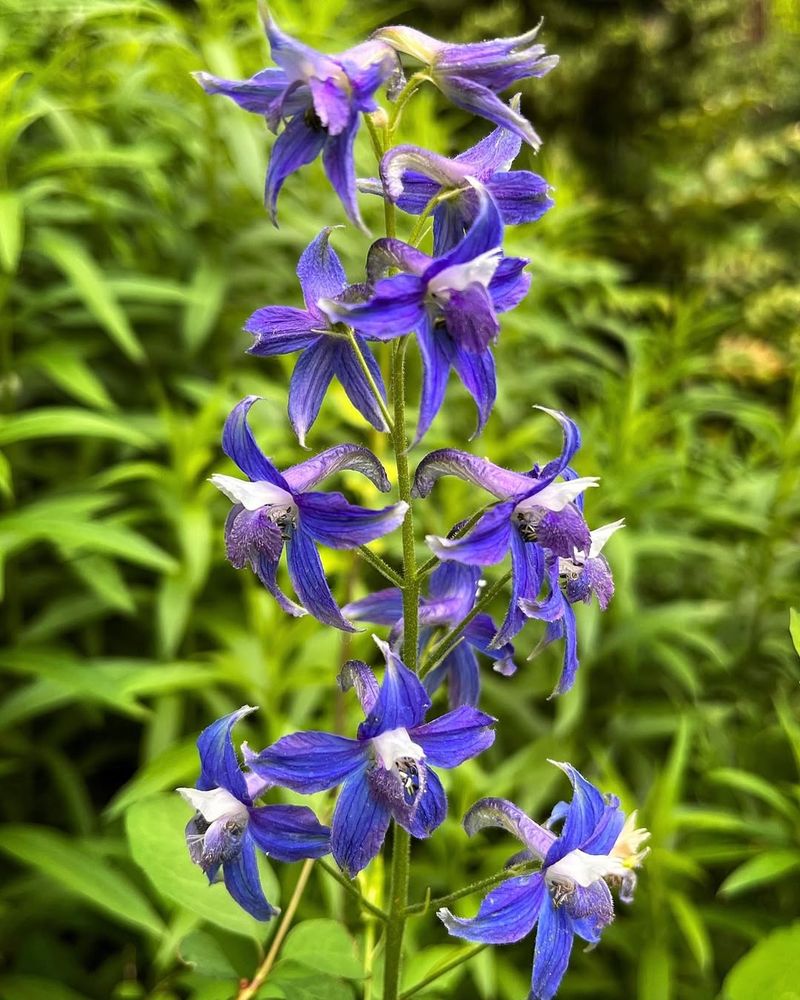
With its tall, elegant spikes loaded with delicate blooms in shades of blue, purple, pink, and white, larkspur looks like it belongs in a fancy English cottage garden. The good news is that it grows just as beautifully in North Carolina.
Unlike many spring flowers, larkspur actually prefers to be planted in early spring while the soil is still cool. In North Carolina, that means you can often sow seeds as early as late February or March.
The cold helps break dormancy and encourages strong germination. Larkspur grows quickly once it gets going and typically blooms in 8 to 12 weeks after sowing.
These plants love full sun and well-drained soil, and they grow three to four feet tall, making them excellent for the back of a flower border. Larkspur is also a wonderful cut flower that holds up beautifully in arrangements.
One charming habit of larkspur is that it self-seeds freely, so if you let a few flowers go to seed at the end of the season, you may find new plants popping up in your North Carolina garden the following spring without any extra effort on your part.
8. Calendula With Warm Golden Petals
Sometimes called pot marigold, calendula is one of the most cheerful and useful flowers you can plant in a North Carolina spring garden. Its bright orange and yellow daisy-like blooms look stunning in garden beds, and it has been used for centuries in herbal remedies, teas, and natural skin care products.
Calendula is a cool-season flower, meaning it actually thrives in the mild temperatures of early spring in North Carolina. Sow seeds directly outdoors in March or April, and you can expect blooms within 45 to 60 days.
The flowers keep coming all spring and into early summer, and if you live in the western mountains of North Carolina, they may even bloom into fall.
Deadheading calendula regularly is the secret to keeping it blooming heavily. Simply remove spent flowers and the plant responds by producing even more buds.
Calendula attracts bees and other pollinators and is often included in mixed garden plantings, though claims about repelling harmful insects can vary by situation. It grows well in containers, raised beds, or traditional garden borders.
With its warm, sunny colors and practical benefits, calendula is a spring planting that rewards North Carolina gardeners with both beauty and purpose throughout the growing season.
9. Bachelor’s Button Offering Easy Blue Color
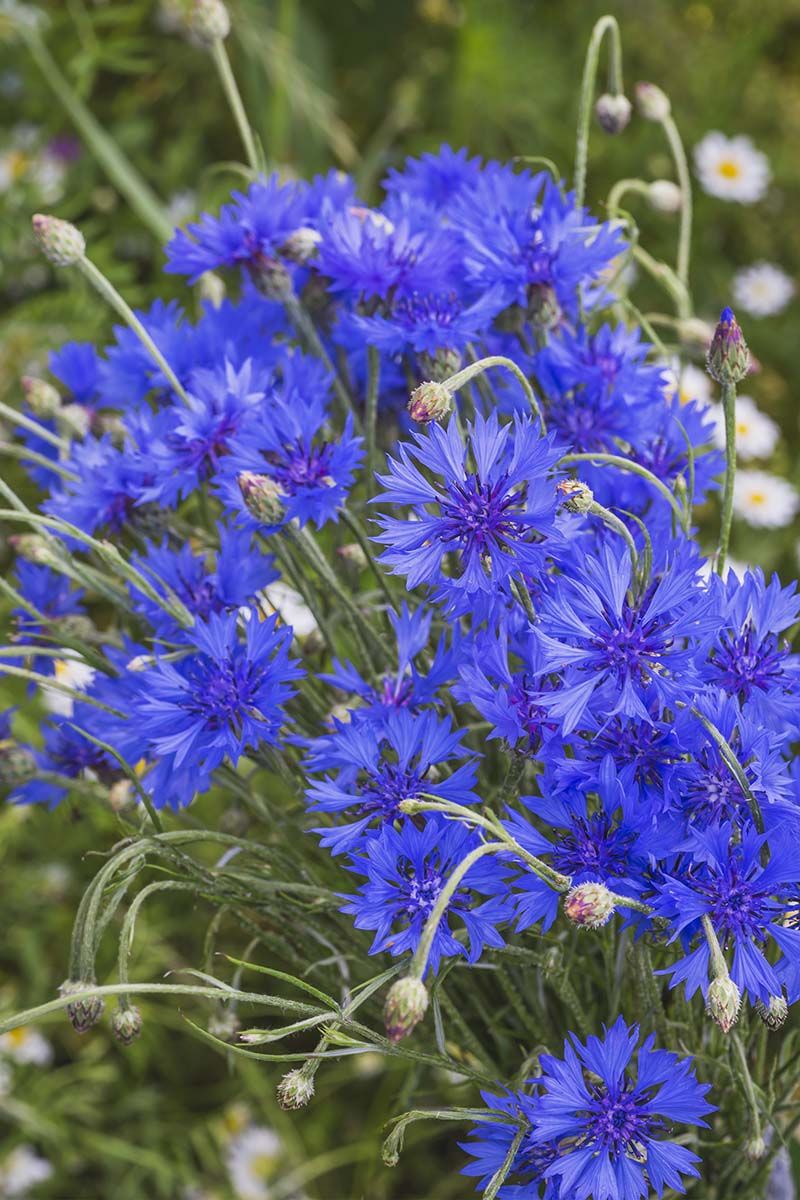
Bachelor’s button, also known as cornflower, is famous for its striking electric-blue blooms that seem almost too vivid to be real. While blue is the classic color, bachelor’s buttons also come in pink, white, burgundy, and purple.
North Carolina gardeners who want something a little unexpected in their spring garden should absolutely consider this one.
Historically, bachelor’s buttons were wildflowers of European grain fields, and they carry that free-spirited, naturalistic look into any garden setting. They grow best in cool weather, which makes them a perfect early spring planting for North Carolina.
Sow seeds directly into the soil in March or April for blooms that arrive in about 60 to 70 days.
These plants prefer full sun and average soil, and they actually perform better without heavy fertilizing. Over-fertilizing can lead to lots of leafy growth but fewer flowers.
Bachelor’s buttons grow one to three feet tall and look wonderful when planted in drifts or mixed with other spring flowers like larkspur and alyssum. They also make charming cut flowers that last well indoors.
Like larkspur, they self-seed generously, so a single planting in your North Carolina garden can keep coming back season after season with minimal work from you.
10. Poppy Bringing Delicate Spring Blooms
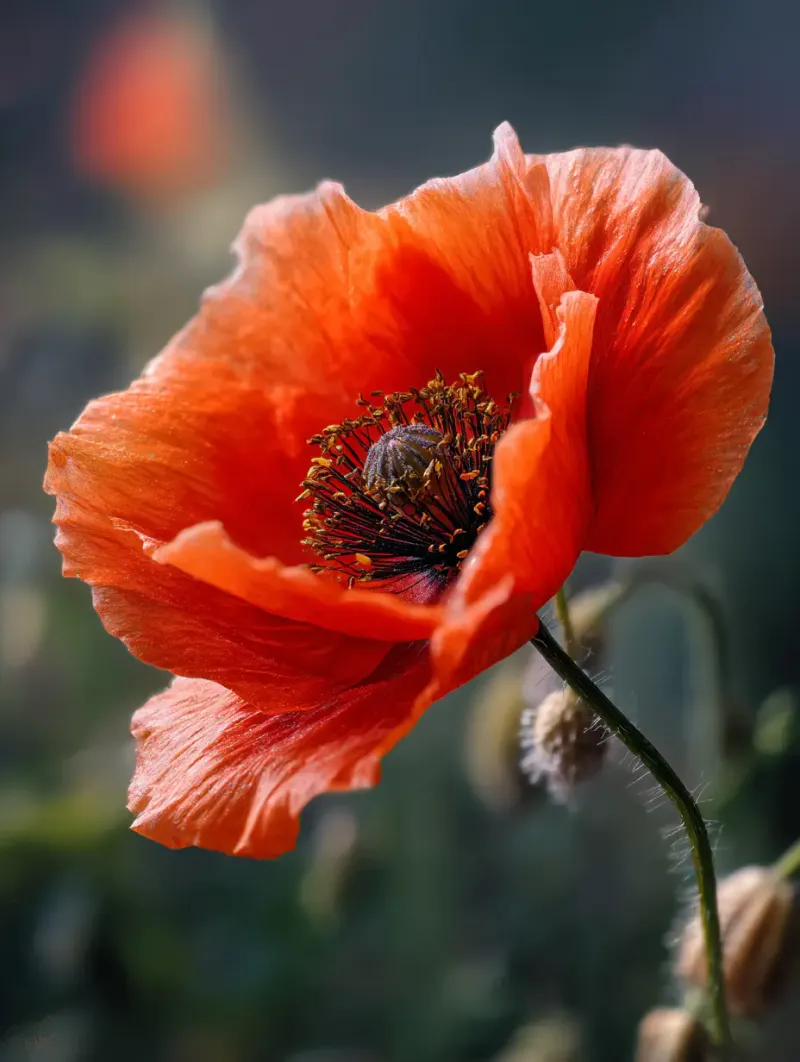
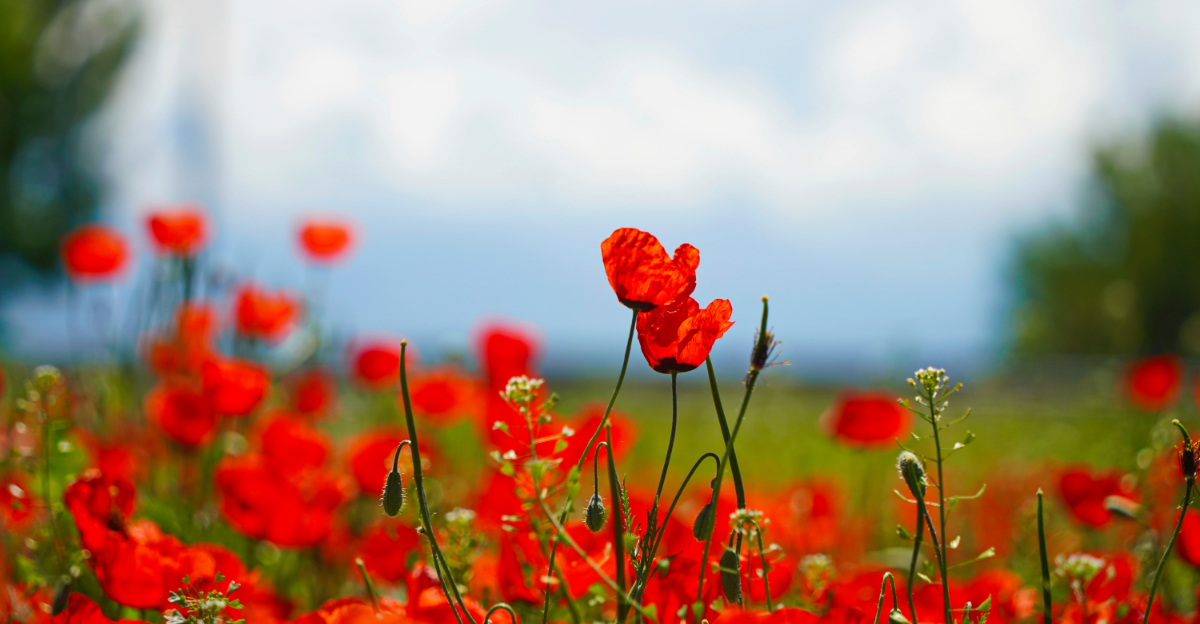
Their papery, tissue-thin petals in shades of red, orange, pink, white, and purple flutter in the breeze like tiny flags of color. Planting poppies in a North Carolina spring garden is one of the most rewarding decisions a gardener can make.
Annual poppies, including the popular Shirley poppy and Iceland poppy, grow best when sown directly into the garden in early spring. In North Carolina, late February through March is ideal, as poppies prefer cool soil and may struggle to germinate in warm conditions.
Scatter seeds lightly over prepared soil and press them in gently since they need light to sprout.
Poppies grow quickly and bloom within 60 to 70 days of sowing. They prefer full sun and well-drained soil and do not like to be transplanted, so direct sowing is always the best approach.
Once established, they are quite drought-tolerant and need minimal care. Like several other flowers on this list, poppies self-seed freely, meaning your North Carolina garden could enjoy a natural return of poppy blooms year after year.
Their fleeting but spectacular spring display makes every moment they spend in bloom feel truly special.