11 Fast-Growing Fruit Trees California Gardeners Can Easily Grow
Planting a fruit tree in the backyard has a way of changing how you look at your garden. One year it is a small tree with a few leaves, and before long you are stepping outside to check for blossoms, then fruit.
California gardeners have a real advantage when it comes to growing fruit. The long growing season and mild winters give many trees the chance to settle in quickly and start producing sooner than people expect.
Some varieties are especially known for getting established fast and rewarding gardeners earlier than most.
They grow well in many California yards and do not demand complicated care to get started.
A few of these trees begin surprising gardeners much sooner than they ever imagined.
1. Fig With Old-World Charm And California Ease
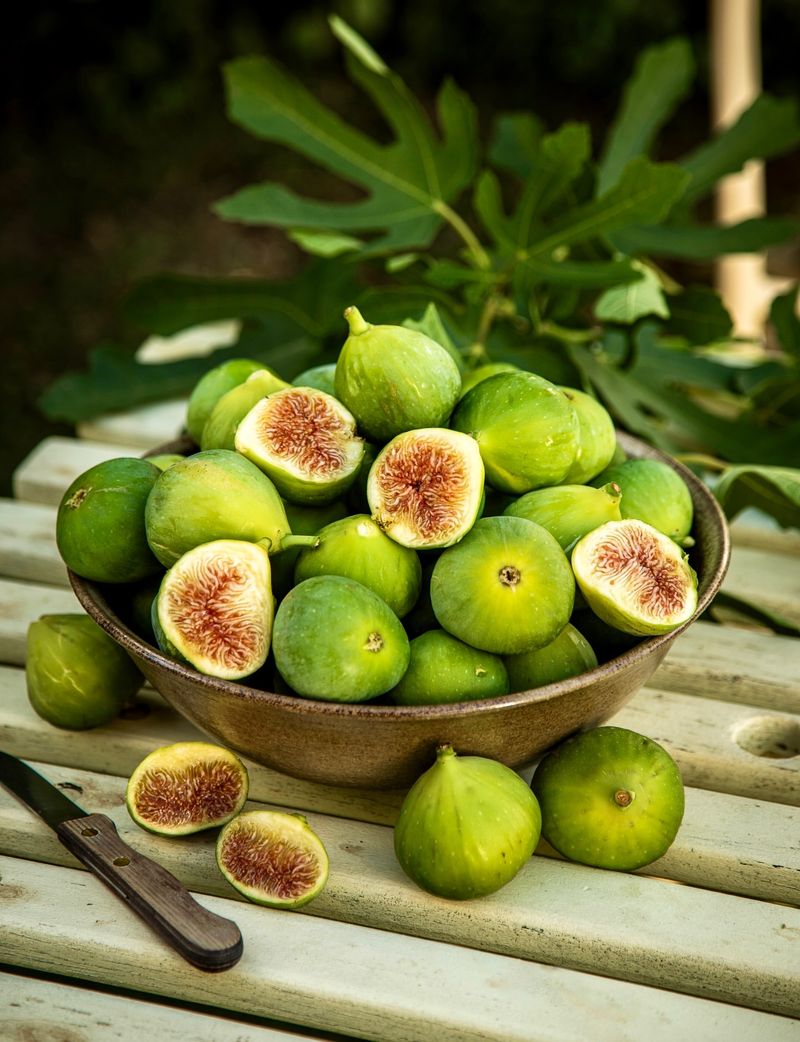
Few fruits carry the kind of old-world charm that a fresh fig does. Fig trees, known scientifically as Ficus carica, have been grown for thousands of years and remain one of the most beloved choices for California gardeners today.
Popular varieties like ‘Black Mission’ and ‘Kadota’ are especially well-suited to the warm, dry climate found throughout much of the state.
One of the biggest advantages of growing a fig tree in California is how little attention it needs once it gets established. These trees are naturally drought-tolerant, which makes them a smart pick for areas that experience dry summers.
Many fig trees begin producing relatively early, though edible fruit may take around three to five years after planting depending on variety and growing conditions.
Figs grow best in full sun and well-drained soil. Planting them near a south-facing wall can give them extra warmth during cooler months.
Pruning in late winter helps keep the tree a manageable size and encourages better fruit production. You can also grow smaller varieties in large containers on a patio or balcony.
Fresh figs taste incredible eaten straight off the tree, and they also work beautifully in salads, jams, and baked goods. For California gardeners looking for a low-maintenance, high-reward fruit tree, the fig is hard to beat.
2. Peach Bringing Backyard Summer To The Tree
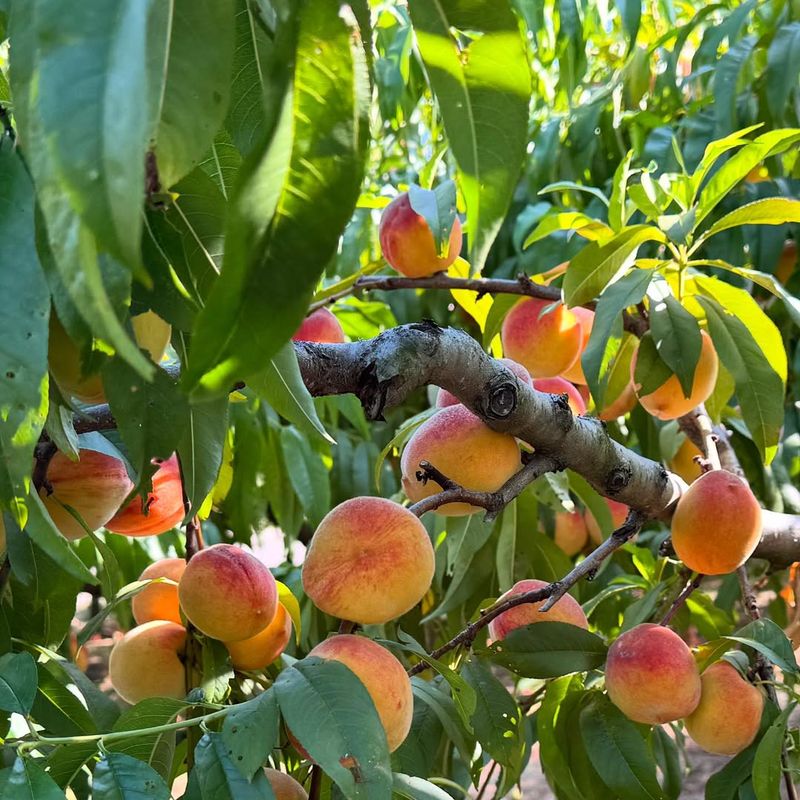
There is something magical about biting into a sun-warmed peach picked straight from your own tree. Peach trees, or Prunus persica, are a fantastic choice for California gardeners who want fast results without a lot of fuss.
These trees are well-adapted to the state’s warm summers and can produce fruit in as little as two to four years after planting.
California’s long, sunny growing season gives peaches exactly what they need to develop their signature sweetness. Dwarf varieties like ‘Garden Lady’ and ‘Flair’ are especially popular because they fit well in smaller yards and even large containers.
Standard varieties like ‘Elberta’ and ‘Redhaven’ are great options if you have more space and want a bigger crop each season.
Peach trees prefer full sun and well-drained, slightly sandy soil. Regular watering during the growing season helps the fruit develop properly, but be careful not to overwater since soggy roots can cause problems.
Light pruning each year keeps the canopy open, which allows sunlight to reach more of the fruit. Thinning the young fruit when it is about the size of a marble helps the remaining peaches grow larger and juicier.
Whether you enjoy them fresh, grilled, or baked into a classic cobbler, homegrown California peaches are absolutely worth the effort.
3. Nectarine That Delivers Smooth-Skinned Sweetness
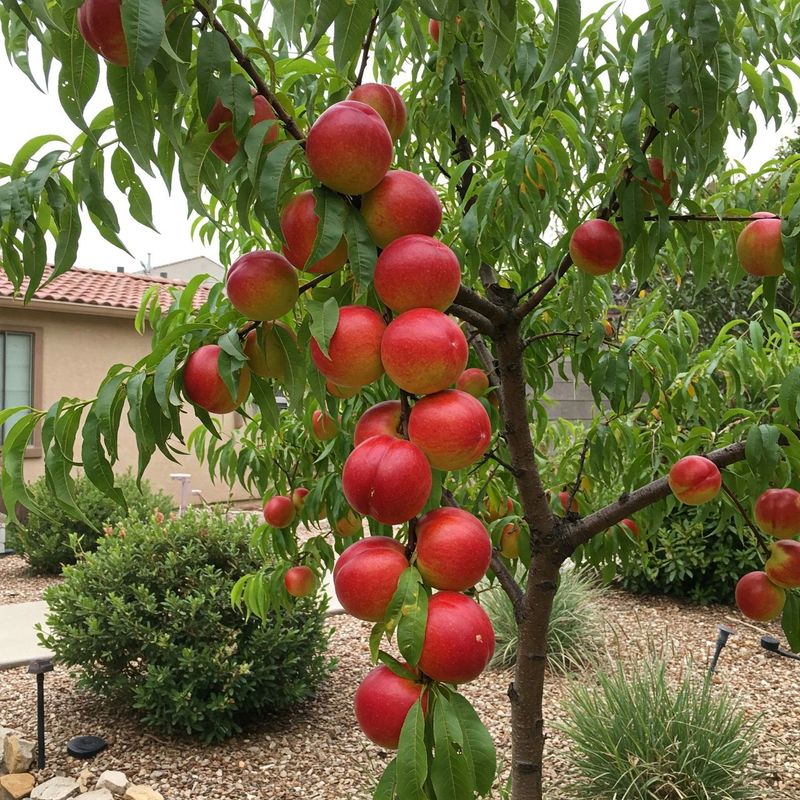
Often described as the smooth-skinned cousin of the peach, this fruit is just as delicious and easy to grow in California. Nectarines do especially well in the state’s sunny conditions and make a great choice for home gardens.
If you love peaches but prefer fruit without the fuzzy skin, a nectarine tree might be exactly what your garden needs. These trees thrive in the warm, sunny conditions that California provides so naturally, making them a popular backyard choice across the state.
Like peaches, nectarine trees typically start producing fruit within two to four years when properly cared for. Varieties such as ‘Fantasia’ and ‘Flavortop’ are widely grown in California and are known for their rich flavor and juicy texture.
Dwarf nectarine varieties are also available for gardeners working with limited space, and they grow well in large pots placed on sunny patios or decks.
Nectarines need full sun, at least six to eight hours per day, and do best in well-drained soil. Water consistently during the growing season, especially when the fruit is sizing up.
Annual pruning during late winter encourages healthy new growth and keeps the tree at a convenient height for easy harvesting. Watch out for peach leaf curl, a common fungal issue that can affect both peaches and nectarines in wetter regions of California.
A simple preventive spray in late winter can keep your tree healthy and productive season after season.
4. Apricot That Has Long Thrived In California Gardens
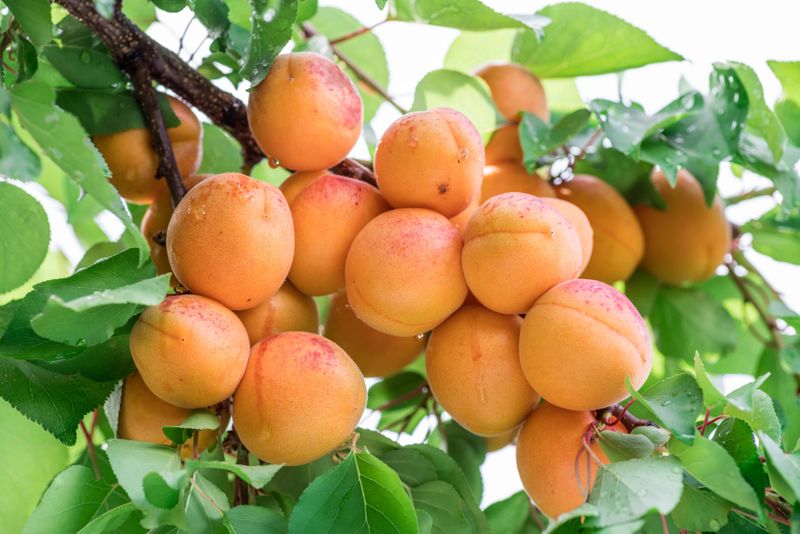
California has a long history with apricots, and for good reason. The state was once home to vast commercial apricot orchards, and the same conditions that made those orchards thrive work just as well in home gardens today.
Apricot trees, or Prunus armeniaca, are fast growers that can begin producing fruit in three to four years, sometimes even sooner with proper care.
Varieties like ‘Blenheim,’ also known as ‘Royal,’ are legendary in California for their exceptional flavor. ‘Goldstrike’ and ‘Moorpark’ are other popular choices that perform well in the state’s warm inland valleys. Apricots bloom early in the spring, so if you live in an area that occasionally gets late frosts, choosing a planting spot with good air circulation can help protect the blossoms.
These trees love full sun and need well-drained soil to perform at their best. Once established, apricots are fairly drought-tolerant, which is a big plus during California’s dry summers.
Annual pruning in late winter helps maintain a strong structure and encourages a healthy crop of fruit. Apricots are wonderful eaten fresh, and they also dry beautifully in the California sun, giving you a sweet snack that lasts for months.
Growing an apricot tree is like planting a little piece of California history right in your own backyard.
5. Plum That Starts Producing Sooner Than You Think
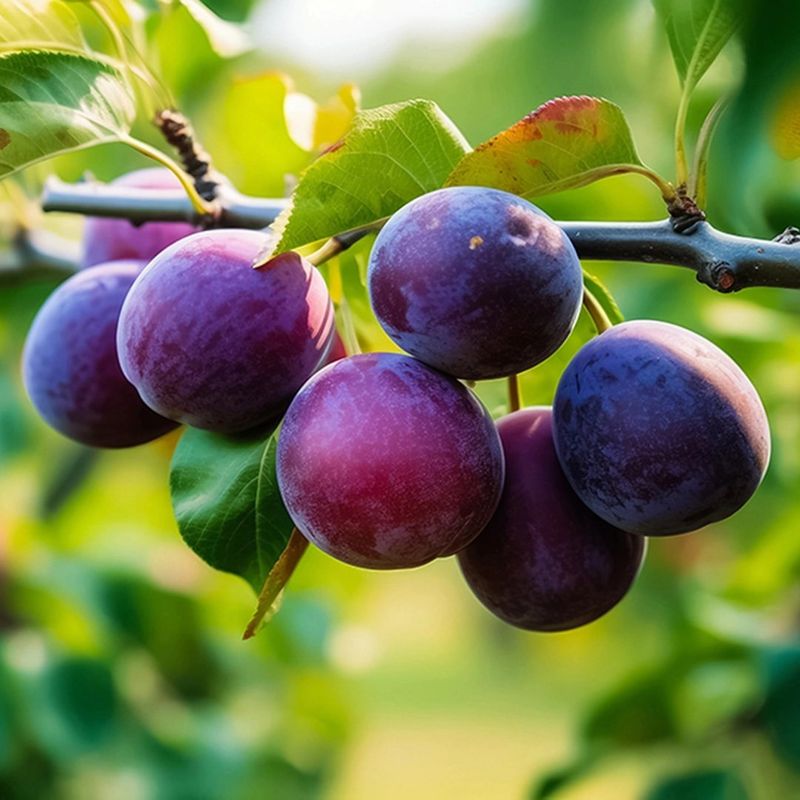
One of those classic backyard fruit trees that always seems to deliver more than expected, this favorite adapts well to a wide range of California climates. Plums are a top pick for home gardeners because they grow successfully from cooler coastal areas to hot inland valleys.
The ‘Santa Rosa’ variety, developed right here in California by famous horticulturist Luther Burbank, is one of the most popular self-pollinating plums in the world.
Self-pollinating means you only need one tree to get a good harvest, which is great news for gardeners with limited space. Plum trees typically begin producing fruit within two to three years of planting, and a healthy tree can yield an impressive amount of fruit each season.
Other excellent California varieties include ‘Elephant Heart,’ ‘Burgundy,’ and ‘Methley,’ each with its own unique flavor profile.
Plums grow best in full sun and well-drained soil. They appreciate regular watering during the growing season but can handle some drought once fully established.
Pruning in late winter keeps the tree open and allows sunlight to reach all parts of the canopy, which improves fruit quality. Thinning the fruit in spring helps the remaining plums grow larger and sweeter.
Fresh plums are wonderful on their own, but they also make outstanding jams, sauces, and desserts that showcase the best of California’s homegrown flavors.
6. Mulberry Growing Fast And Rewarding Patience Early
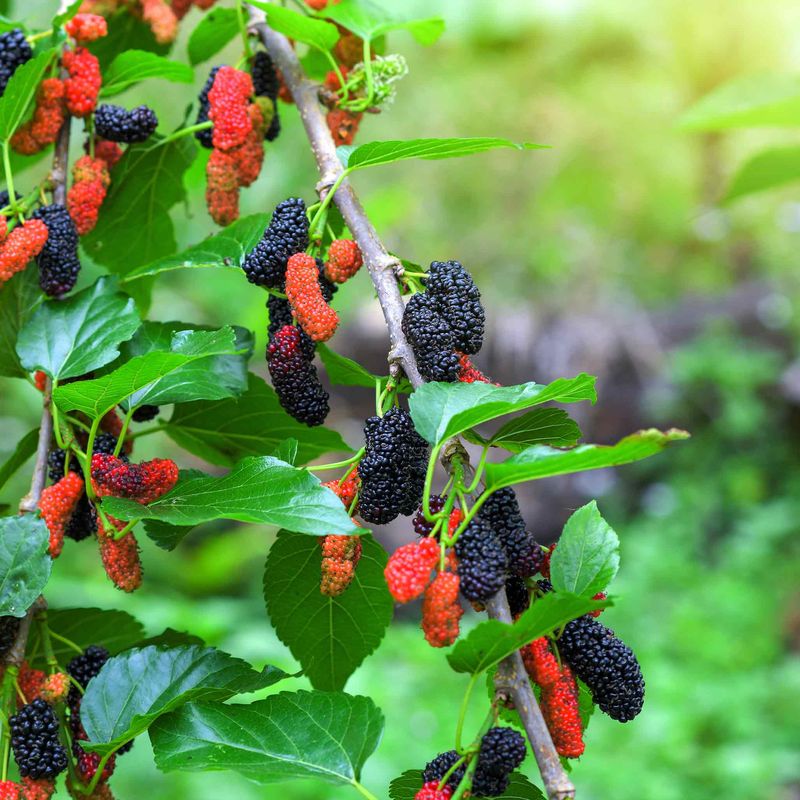
If speed is what you are after, mulberry is still one of the quicker fruit trees to reward California gardeners. Grafted or well-established trees can begin producing fairly early, though timing depends on the variety and growing conditions.
These trees grow vigorously in the state’s warm climate and can reach impressive sizes fairly quickly if left unpruned.
Mulberries look a lot like blackberries and have a sweet, slightly tangy flavor that kids and adults both tend to love. The ‘Pakistan’ mulberry is a favorite in Southern California because of its extra-long, intensely sweet fruits. ‘Illinois Everbearing’ is another mulberry often grown by home gardeners, and named edible selections are a better fit for California gardens than recommending white mulberry.
One thing to keep in mind is that ripe mulberries can stain hands, clothing, and sidewalks, so think carefully about where you plant your tree.
Mulberry trees are adaptable and can handle a range of soil types, including some heavier soils that many other fruit trees struggle with. They are also fairly drought tolerant once established, though regular care helps young trees settle in well.
Pruning helps keep the tree at a manageable height and makes harvesting much easier. Spread a tarp under the tree when the fruit is ripe and give the branches a gentle shake to collect the berries quickly.
Fresh mulberries are wonderful in smoothies, pies, and jams.
7. Loquat Brightening The Garden With An Early Harvest
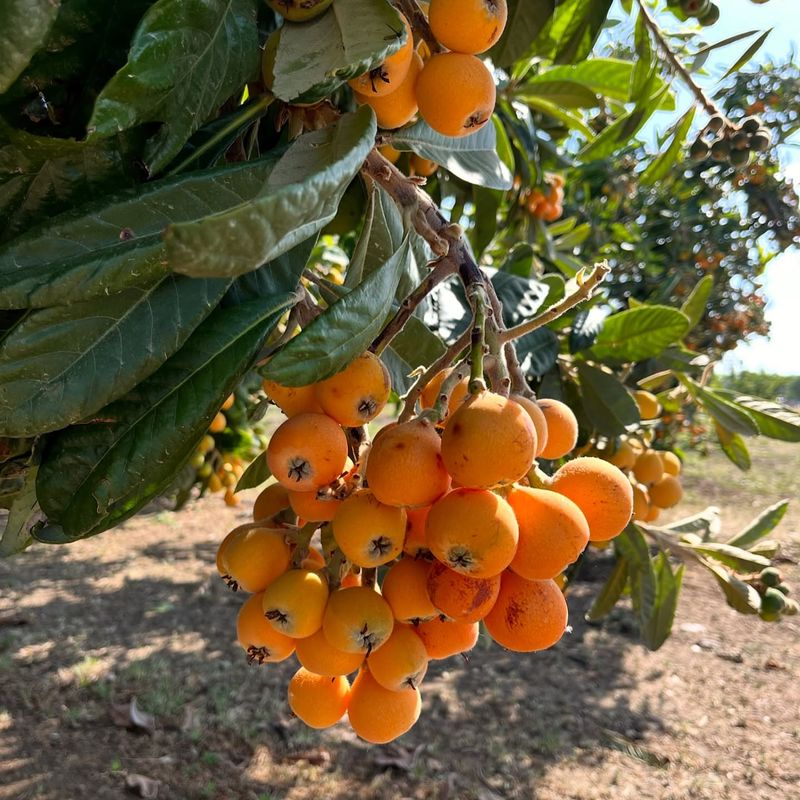
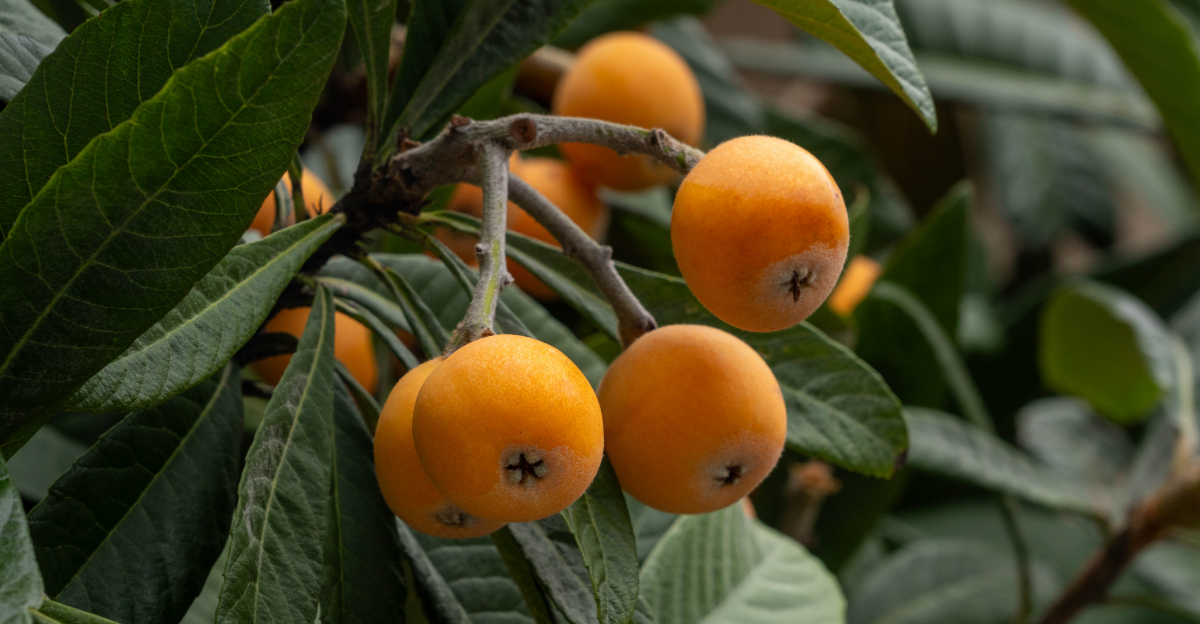
Walk through many older California neighborhoods and you will likely spot a loquat tree without even realizing it. Loquats, or Eriobotrya japonica, are evergreen trees that produce clusters of small, sweet-tart orange fruits in late winter or early spring, when most other fruit trees are still dormant.
That early harvest season is one of the things that makes loquats so special and practical for California gardeners.
Loquat trees typically begin fruiting within two to three years of planting and are remarkably low-maintenance once they get established. They thrive in California’s mild coastal and inland climates and can handle some cold, making them suitable for a wider range of growing zones than many tropical fruit trees.
Their glossy, large leaves also make them an attractive ornamental tree in the landscape.
These trees prefer full sun to partial shade and do well in a variety of well-drained soil types. They are fairly drought-tolerant once established but appreciate regular watering during dry spells to produce the best fruit.
No heavy pruning is required, just light shaping after harvest to keep the tree tidy. The small fruits have a thin skin and sweet, slightly tangy flesh that tastes like a cross between a peach, a pear, and a mango.
Loquats are delicious eaten fresh and also work beautifully in jams, jellies, and fruit salads.
8. Meyer Lemon Keeping Fresh Citrus Close At Hand
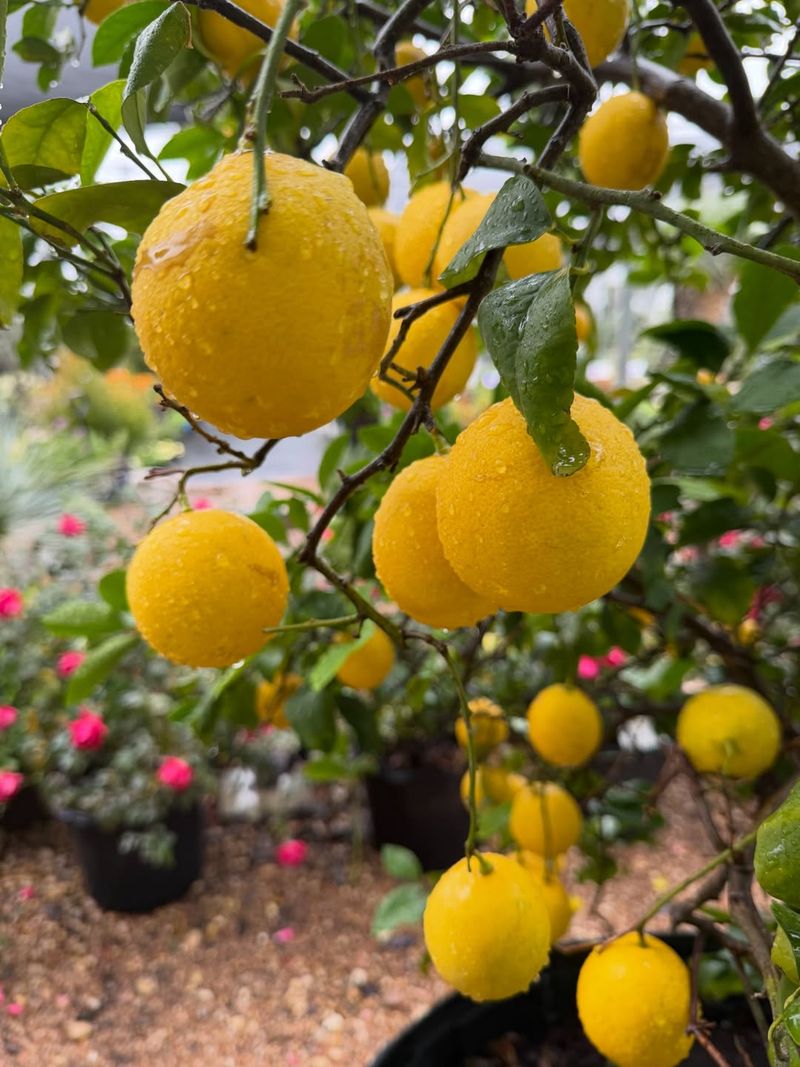
Ask any California gardener which citrus tree they would recommend for a beginner, and there is a good chance they will say Meyer lemon without hesitation. Meyer lemon trees are compact, beautiful, and incredibly productive, often beginning to produce fruit within one to two years of planting.
Their fruit is noticeably sweeter and less acidic than standard lemons, which makes them a favorite for cooking, baking, and fresh-squeezed lemonade.
Originally from China, the Meyer lemon is believed to be a natural cross between a lemon and a mandarin orange. That heritage gives the fruit its distinctive, slightly floral flavor that regular lemons simply cannot match.
In California’s sunny climate, Meyer lemon trees can produce fruit almost year-round with proper care, giving you a nearly endless supply of fresh citrus right at home.
Meyer lemons grow well in the ground or in large containers, which makes them perfect for patios, balconies, and small yards across California. They need full sun, at least six to eight hours per day, and well-drained soil.
Water deeply but allow the soil to dry out a bit between waterings to prevent root issues. Feed your tree with a citrus-specific fertilizer a few times per year to keep it healthy and productive.
Light pruning to remove any dead or crossing branches helps maintain a tidy shape and good airflow throughout the canopy.
9. Guava Adding A Tropical Twist To California Yards
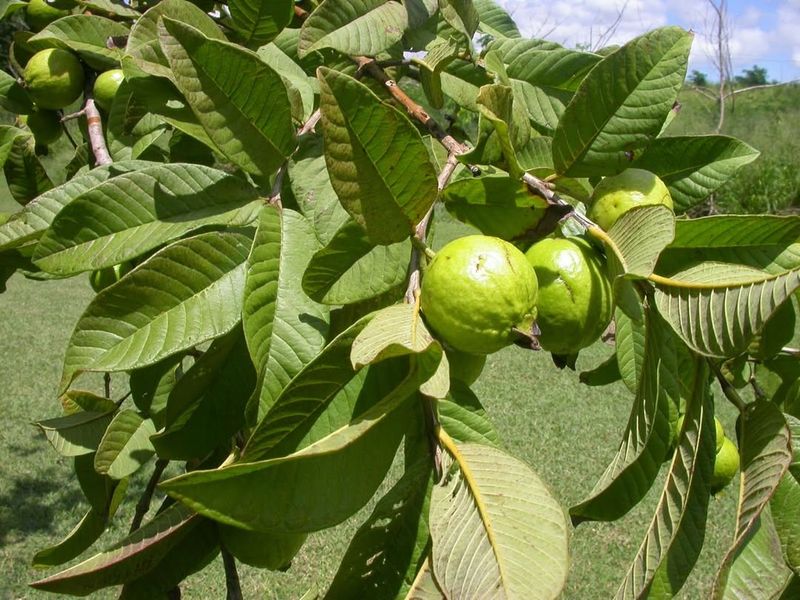
Guava trees bring a taste of the tropics to California backyards, and they do it with surprisingly little effort. These fast-growing trees thrive in the warm, frost-free areas of Southern California and other mild regions of the state.
Given the right conditions, a guava tree can begin producing fruit in just two to four years, rewarding patient gardeners with an abundance of fragrant, flavorful fruit.
There are several types of guava worth growing in California. Tropical guava, or Psidium guajava, produces large, yellow-skinned fruits with pink or white flesh that smells absolutely incredible when ripe.
Strawberry guava, or Psidium cattleianum, is a smaller variety that produces deep red fruits with a sweet, slightly tart flavor. Both types perform well in California’s warmer growing zones and can be kept to a manageable size with regular pruning.
Guava trees prefer full sun and well-drained soil. They are somewhat drought-tolerant once established but produce better fruit with consistent watering during the growing season.
In cooler parts of California, growing guava in a large container and moving it indoors during cold snaps is a smart strategy. The fruit is packed with vitamin C and makes amazing juice, smoothies, jams, and desserts.
Growing a guava tree is a fun way to add an exotic, eye-catching element to any California garden while enjoying a truly delicious harvest each year.
10. Pomegranate Made For Hot Dry California Summers
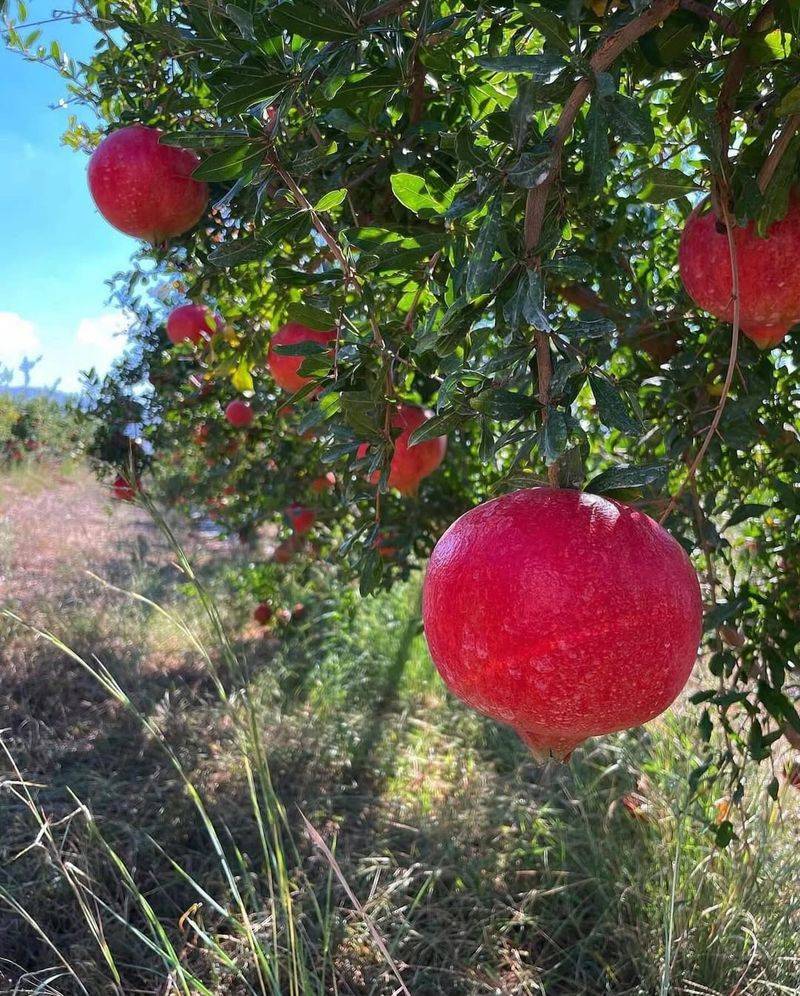
Practically made for California, these beautiful trees thrive in the state’s hot, dry summers and cool winters, which happen to be exactly the conditions that produce the sweetest, most flavorful fruit. Pomegranates are especially well suited to this climate.
The ‘Wonderful’ variety is by far the most popular choice among California gardeners and is also the variety you are most likely to find at the grocery store.
One of the best things about growing pomegranates in California is how quickly they get going. Most trees begin producing fruit within two to three years of planting, and a mature tree can produce dozens of large, jewel-red fruits each fall.
Pomegranate trees are also strikingly beautiful, with bright orange-red flowers in spring that attract hummingbirds and other pollinators to the garden.
These trees are highly drought-tolerant once established, which makes them an excellent fit for California’s water-conscious gardening community. They prefer full sun and well-drained soil and do not like sitting in soggy ground.
Water deeply but infrequently during the growing season to encourage strong root development. Light pruning in late winter helps maintain a clean shape and removes any dead or crossing branches.
Pomegranate seeds, known as arils, are packed with antioxidants and add a burst of sweet-tart flavor to salads, yogurt, oatmeal, and fresh-squeezed juice. Growing a pomegranate tree is a smart and beautiful investment for any California garden.
11. Avocado Turning The Backyard Into Guacamole Territory
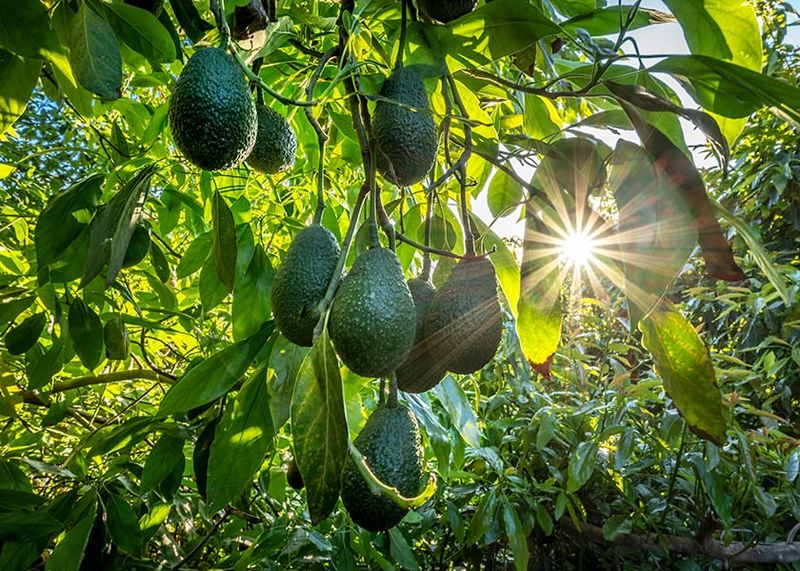
California and this fruit go together like sunshine and surf. The state is the top avocado-producing region in the entire United States, and for good reason.
The mild coastal climate and warm inland valleys of Southern California create near-perfect growing conditions for these rich, creamy fruits. Growing your own avocado tree means you can enjoy fresh guacamole, toast toppings, and salads without ever leaving your backyard.
The ‘Hass’ variety is the gold standard for home gardeners in California. Grafted Hass trees are the smart choice because they can begin producing fruit in just three to four years, compared to seed-grown trees that may take much longer.
Other varieties worth considering include ‘Fuerte,’ which produces a larger, buttery fruit, and ‘Bacon,’ which is more cold-tolerant and works well in cooler parts of the state.
Avocado trees need full sun and excellent drainage to perform well. They are sensitive to frost, so choosing a sheltered planting spot is important in areas that get occasional cold snaps.
Water deeply but allow the soil to dry out between waterings, since avocado roots are very sensitive to overwatering. Mulching around the base of the tree helps retain moisture and keeps the roots cool during hot California summers.
Feed your tree with a balanced fertilizer formulated for avocados a few times per year to support healthy growth and a generous fruit set each season.