8 Fast-Growing Fruit Trees Georgia Gardeners Can Easily Grow In Their Backyards
Spring mornings in Georgia often smell like freshly tilled soil and blooming magnolias. You might be sipping coffee on the porch, listening to birds chatter while thinking about adding something fresh and fruitful to your yard.
After years of gardening, you know the thrill of watching a tiny sapling turn into something that feeds your family and draws wildlife to your yard.
Some fruit trees grow quickly, giving you sweet rewards without decades of waiting. From peaches that ripen in summer to figs that surprise you with early harvests, the right choices can make your backyard both productive and beautiful.
If you’ve been imagining fruit-laden branches shading your patio or supplying fresh jams and pies, this guide walks through the fastest-growing trees that thrive in Georgia soil.
By the time spring deepens, you’ll be ready to plant and watch your garden come alive in record time.
1. Peach Trees Bursting With Sweet, Juicy Flavor
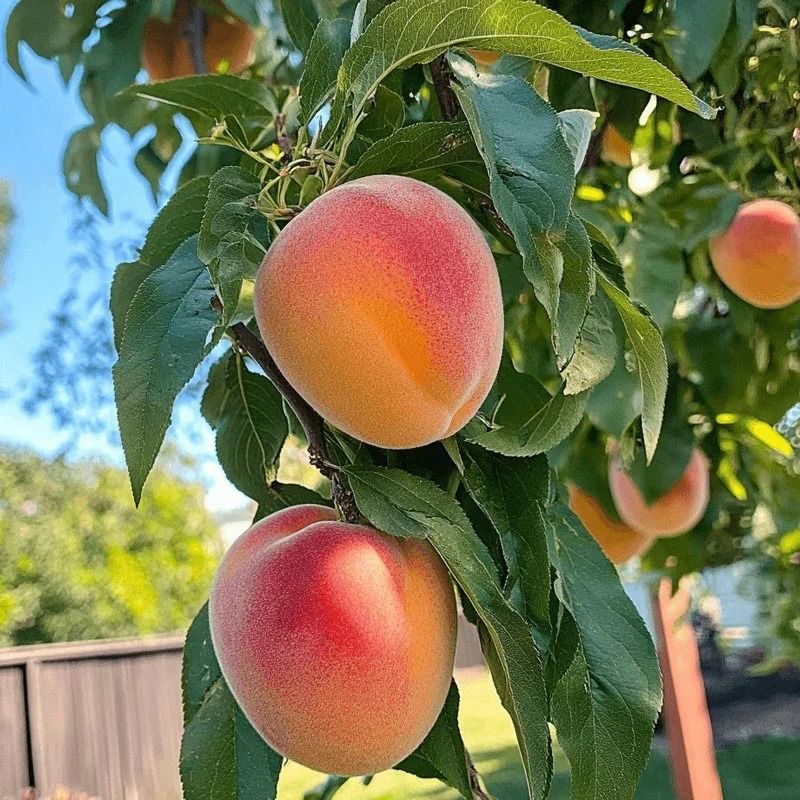
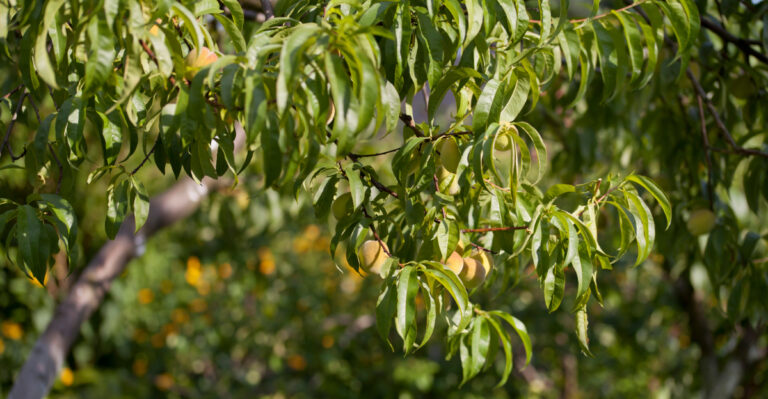
Georgia did not earn the nickname “The Peach State” by accident. Peach trees are practically made for the Georgia climate, and they are one of the fastest fruit trees you can grow in your backyard.
Popular varieties like Elberta, Georgia Belle, and Redhaven are especially well-suited to the state’s warm summers and mild winters.
Many peach trees planted in Georgia can start producing fruit in about three to four years, depending on the variety and growing conditions. That means you could be picking fresh, juicy peaches from your own yard before you know it.
They need full sun, at least six to eight hours a day, and well-drained soil to stay healthy and productive.
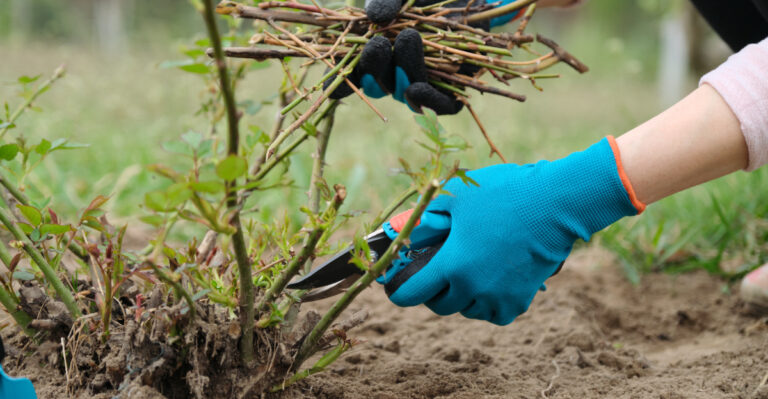
One thing Georgia gardeners should keep in mind is that peach trees benefit from regular pruning. Trimming back the branches each late winter helps the tree focus its energy on producing bigger, better fruit.
Fertilizing in early spring also gives the tree a strong boost heading into the growing season.
Peach trees can grow up to 25 feet tall if left unpruned, but most backyard gardeners keep them between eight and twelve feet for easier harvesting. Dwarf varieties are also available if space is limited.
Planting your peach tree in a spot protected from late spring frosts will help protect those precious early blooms and give you the best chance at a bumper crop every year in Georgia.
2. Fig Trees Growing Fast And Full Of Surprise Treats
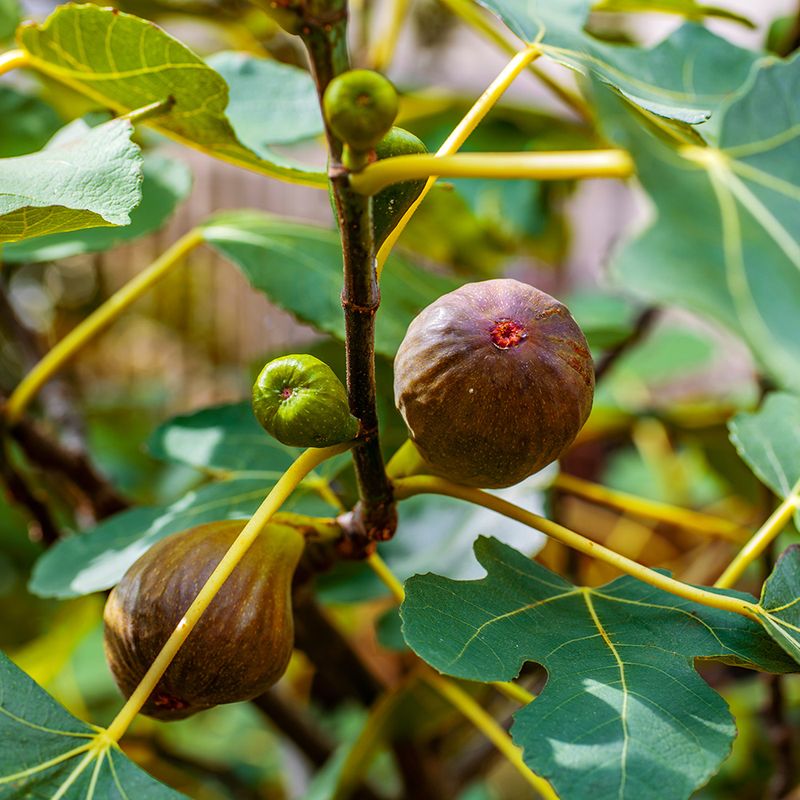
Few fruit trees are as low-maintenance and rewarding as the fig tree, and Georgia gardeners have been growing them for generations. Brown Turkey and Celeste are two of the most beloved varieties in the state, known for producing sweet, rich fruit that is perfect for eating fresh, making jam, or drying for later use.
What makes figs especially exciting for impatient gardeners is how quickly they produce. Fig trees in Georgia typically begin producing small crops in their second or third year, offering gardeners relatively quick rewards.
That is faster than almost any other fruit tree you can grow in your backyard, making it a fantastic choice for anyone who wants results quickly.
Fig trees love full sun and well-drained soil, both of which are easy to find across most of Georgia. They are also surprisingly drought-tolerant once established, meaning you will not need to water them constantly after their first growing season.
Most fig trees reach between ten and thirty feet tall, depending on the variety and how much pruning you do.
One smart tip for Georgia gardeners is to mulch around the base of the fig tree during winter. Even though Georgia winters are generally mild, a thick layer of mulch helps protect the roots during unexpected cold snaps.
With just a little attention, a fig tree can produce abundant harvests for decades, becoming a true centerpiece of any Georgia backyard garden.
3. Persimmon Trees Showing Off Golden Autumn Rewards
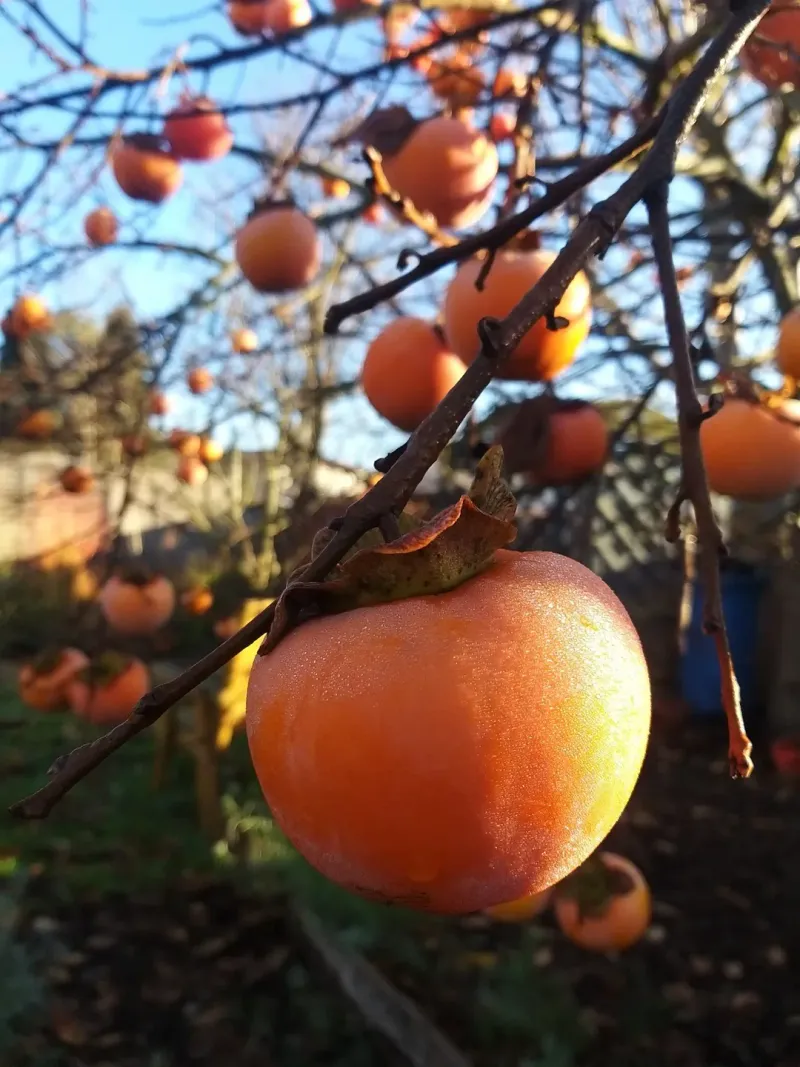
Imagine a tree that practically takes care of itself and still rewards you with gorgeous, sweet fruit every fall. That is exactly what persimmon trees offer Georgia gardeners.
Both American and Asian persimmon varieties grow beautifully in Georgia’s climate, and they are known for being some of the most low-maintenance fruit trees you can plant.
Persimmon trees typically start producing fruit within three to four years of planting. American persimmons tend to be smaller and more cold-hardy, while Asian varieties like Fuyu and Hachiya produce larger fruit and are equally at home in Georgia’s warm growing conditions.
Either way, you are looking at a tree that asks for very little and gives back a lot.
Drought tolerance is one of persimmon’s biggest strengths. Once established in Georgia’s soil, these trees can handle dry spells without much help from you.
They prefer full sun and well-drained soil, but they are more forgiving than many other fruit trees when conditions are not perfect.
The fruit itself is something special. Ripe persimmons have a honey-like sweetness that surprises first-time tasters.
They can be eaten fresh, baked into breads and cookies, or dried into chewy snacks. In fall, persimmon trees also become stunning ornamental trees in the Georgia landscape, holding their bright orange fruit long after the leaves have dropped, making them both beautiful and delicious additions to any backyard.
4. Pear Trees Delivering Crisp, Delicious Picks
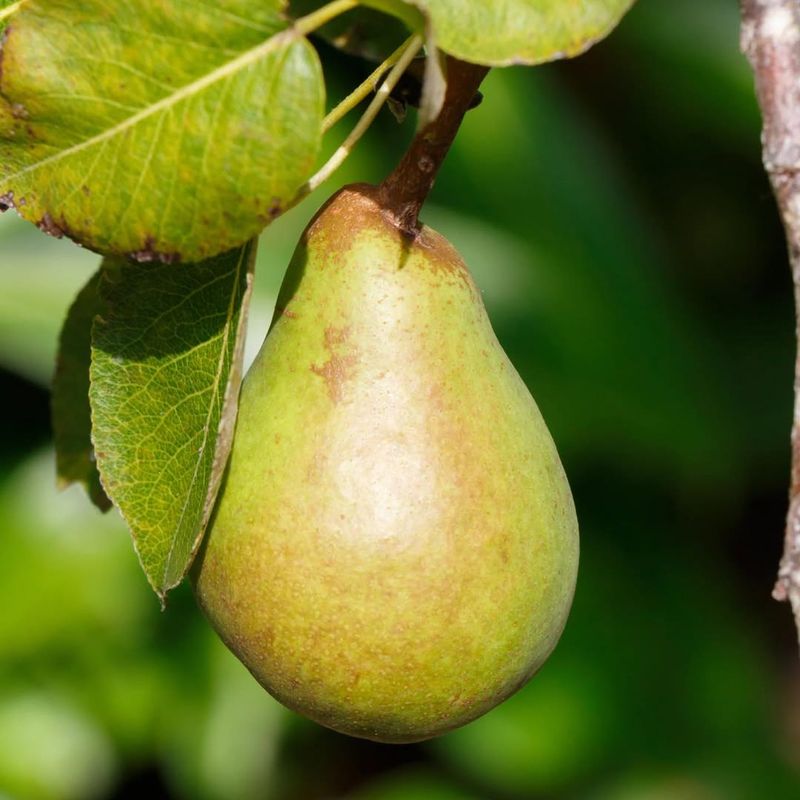
Pear trees bring a classic, old-fashioned charm to any Georgia backyard, and southern-adapted varieties make growing them easier than ever. Orient, Kieffer, and Ayers are three standout varieties that perform exceptionally well in Georgia’s climate.
These tough, reliable trees handle the state’s heat and humidity far better than many northern pear varieties.
Expect to wait about four to five years before your pear tree begins producing fruit, but the wait is absolutely worth it. Once they hit their stride, pear trees can produce heavy crops year after year with relatively little effort on your part.
They prefer full sun and well-drained soil, so choosing a good planting spot in your Georgia yard is key to long-term success.
One important detail for pear growers in Georgia is fire blight, a bacterial disease that can damage branches during warm, wet spring weather. Choosing resistant varieties like Orient and Kieffer helps reduce this risk significantly.
Pruning out any affected branches quickly and keeping the tree well-ventilated also goes a long way toward keeping your tree healthy.
Pear trees are also beautiful in spring when they burst into white blossoms before the leaves even fully open. In a Georgia backyard, that early spring bloom is a real showstopper.
Most pear trees grow between fifteen and twenty feet tall, making them a substantial but manageable addition to a home garden. Planting two different varieties nearby will improve pollination and boost your overall harvest considerably.
5. Plum Trees Ripe For Quick Harvests And Taste
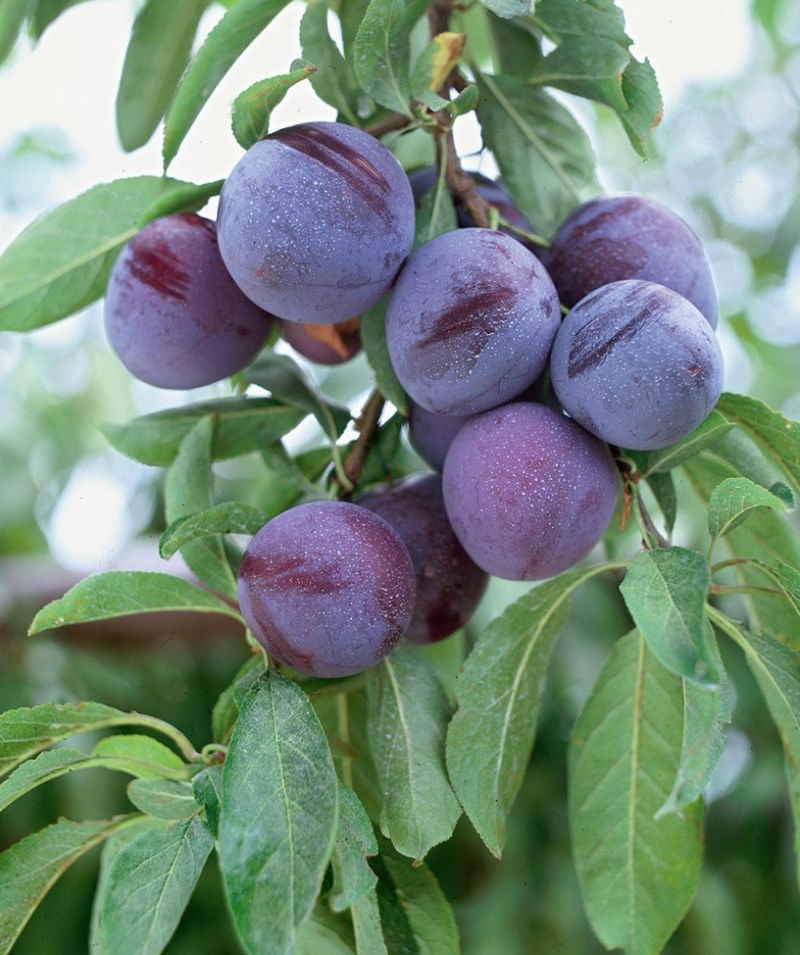
Sweet, tangy, and absolutely gorgeous when in full fruit, plum trees are a backyard favorite across Georgia. Japanese plum varieties like Methley, AU Roadside, and Bruce are especially well-matched to Georgia’s warm climate.
Methley is particularly popular because it is self-fertile, meaning you only need one tree to get a good harvest, which is a huge bonus for gardeners with limited space.
Plum trees are also among the faster-producing fruit trees you can grow in Georgia. Many gardeners see their first harvest within just two to three years of planting.
That quick turnaround makes plums a smart choice for anyone eager to enjoy homegrown fruit without a long wait.
Full sun is a must for plum trees, so pick a spot in your Georgia yard that gets at least six hours of direct sunlight each day. Well-drained soil is equally important because plum trees do not like wet feet.
If your soil tends to stay soggy, consider planting on a slight slope or raised bed to improve drainage.
Spring is the best time to plant plum trees in Georgia, giving them a full growing season to establish strong roots before winter arrives. Annual pruning in late winter helps maintain a manageable shape and encourages better fruit production.
Plum trees also put on a spectacular show of white or pink blossoms each spring, turning your Georgia backyard into a picture-perfect scene before the fruit even begins to form.
6. Satsuma Orange Trees Juicing Up Your Backyard Quickly
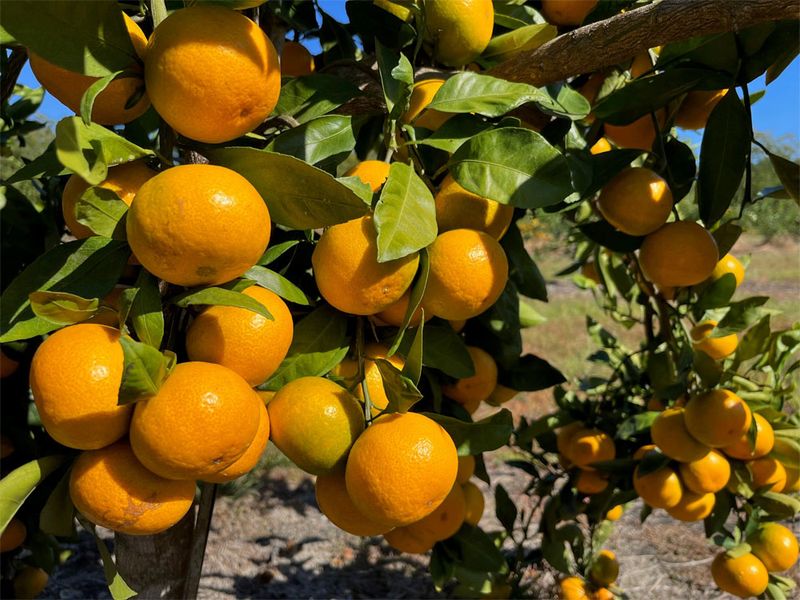
Growing citrus in Georgia might sound like a stretch, but Satsuma orange trees have been quietly thriving in the southern part of the state for years. Satsumas are one of the most cold-hardy citrus varieties available, making them a surprisingly practical choice for Georgia gardeners who want to add a little tropical flair to their backyard.
These trees produce sweet, easy-to-peel oranges that ripen in late fall, usually between October and December. That timing is wonderful because most other backyard fruits have already finished for the season, giving you a fresh harvest to look forward to right into the holiday months.
Satsumas typically begin producing fruit within two to three years of planting.
In Georgia, Satsuma trees grow best in the southern half of the state where winters are milder. Gardeners in central or northern Georgia can still grow them successfully by planting in a sheltered location, such as against a south-facing wall or fence that provides extra warmth during cold nights.
Container growing is another smart option that lets you move the tree indoors during the coldest weeks.
Satsumas prefer well-drained, slightly acidic soil and full sun, which is easy to provide across much of Georgia. Regular watering during dry spells and a citrus-specific fertilizer applied in spring and summer will keep your tree productive and vigorous.
Their glossy dark green leaves and fragrant spring blossoms make Satsuma trees as attractive as they are delicious in any Georgia backyard setting.
7. Mulberry Trees Sweet Berries Climbing Toward The Sun
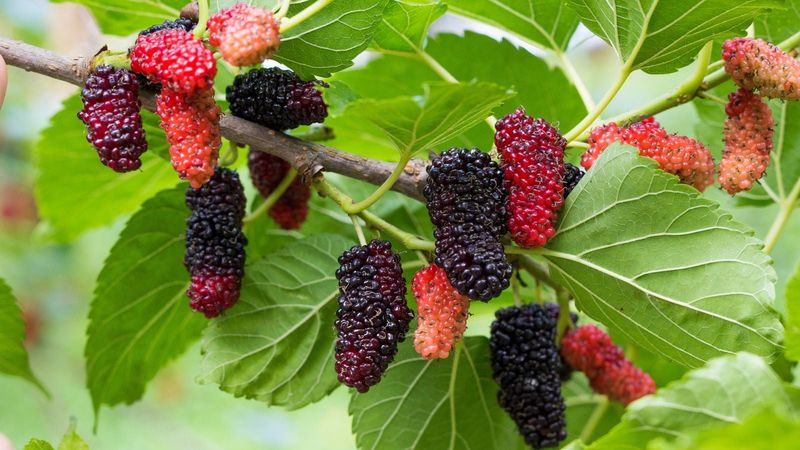
If speed is what you are after, mulberry trees might just be the most impressive fast growers on this entire list. Under favorable conditions in Georgia, a mulberry tree can grow two to three feet in a single year, making it one of the faster-growing fruit trees for home gardens.
Add to that the fact that they can start producing fruit in their very first or second year, and you have a fruit tree that is truly in a league of its own for quick results.
Illinois Everbearing is one of the most popular mulberry varieties among Georgia gardeners. As the name suggests, it produces fruit over an extended period rather than all at once, giving you a longer window to enjoy fresh mulberries from your own backyard.
The berries taste like a cross between blackberries and raspberries, sweet with just a hint of tartness.
Mulberry trees are wonderfully adaptable and will grow in a wide range of soil types found across Georgia. They prefer full sun but can tolerate partial shade better than most fruit trees.
Once established, they are quite drought-tolerant and require very little fertilizing or special care to keep producing abundantly.
One heads-up for Georgia gardeners: mulberry trees can drop a lot of fruit, which can stain patios, sidewalks, and driveways if planted too close. Position your tree thoughtfully to avoid any mess near high-traffic areas.
Birds absolutely love mulberries too, so netting the tree during peak harvest season will help you claim your fair share of the delicious crop.
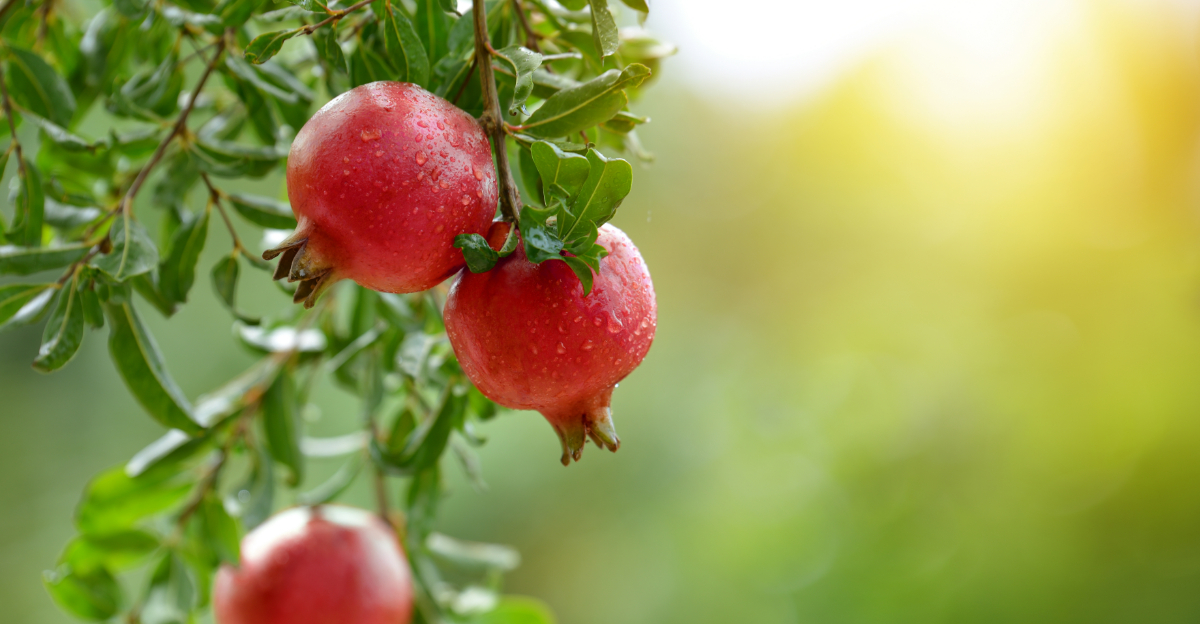
8. Pomegranate Trees Splitting Open With Jewel-Like Seeds
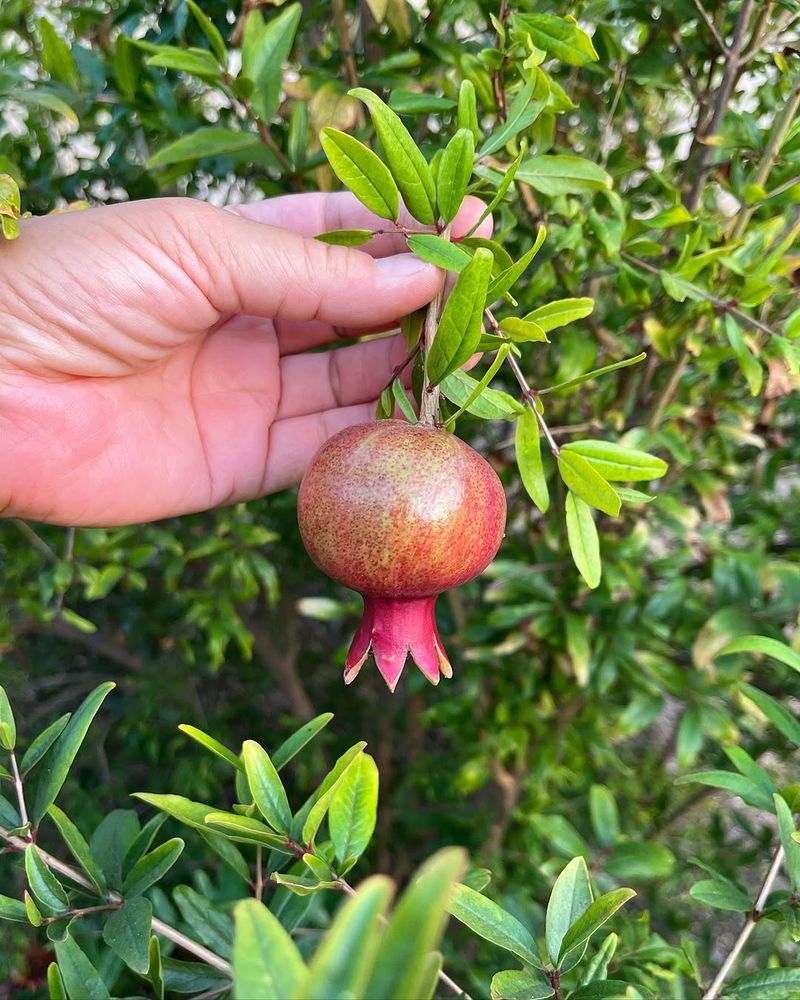
Bold, beautiful, and incredibly tough, pomegranate trees are a standout choice for Georgia gardeners who want something a little different in their backyard. The Wonderful variety is perhaps the most widely grown in the United States, and it performs exceptionally well in Georgia’s hot summers and mild winters.
Pomegranates are practically built for the kind of heat that Georgia serves up every July and August.
One of the most appealing things about pomegranate trees is how quickly they get to work. Pomegranate trees in Georgia often begin producing fruit within three to four years, with yields increasing as the tree matures..
A well-established pomegranate tree in a Georgia backyard can produce dozens of large, jewel-red fruits each fall season.
Pomegranates are highly drought-tolerant once established, which is great news for busy gardeners who cannot always keep up with watering schedules. They thrive in full sun and well-drained soil, and they actually prefer the kind of warm, dry conditions that parts of Georgia experience in late summer.
Too much water or overly rich soil can actually reduce fruit production, so less is often more with these trees.
Beyond the fruit, pomegranate trees are genuinely gorgeous landscape plants. Their brilliant orange-red flowers bloom in late spring, drawing pollinators and compliments from neighbors alike.
Fruit ripens in early to mid-fall, just in time for harvest season across Georgia. Whether you eat the seeds fresh, juice them, or use them in cooking, homegrown pomegranates from your Georgia backyard are a true treat worth celebrating.