6 Fast-Growing Fruit Trees North Carolina Gardeners Can Grow At Home
That empty sunny spot in your yard could be doing a lot more than just sitting there. In North Carolina, it might be the start of a small home orchard that gives you fresh fruit sooner than you think.
The state’s mix of mountain, Piedmont, and coastal growing conditions opens the door to more fruit tree options than many gardeners expect.
Some trees settle in faster, size up well, and begin rewarding your effort earlier than others, which makes them especially appealing when you want results without such a long wait.
The real trick is choosing a tree that fits your region, soil, sunlight, and space so your yard works with you, not against you.
1. Fig Trees Bring Quick Backyard Rewards In Warmer Parts Of North Carolina
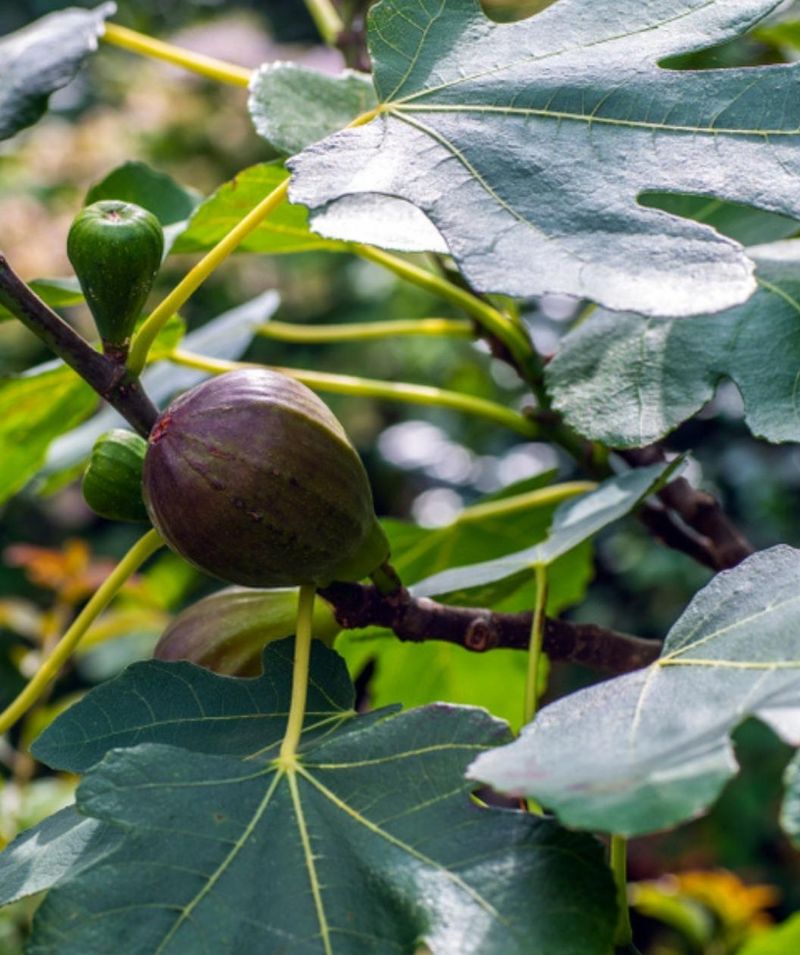
Few fruit trees settle into a home garden as comfortably as the fig, and in North Carolina’s Piedmont and coastal plain regions, they practically thrive on a little neglect once established.
Figs are known for producing fruit surprisingly early, often rewarding gardeners with a modest harvest by their second or third year in the ground.
That kind of quick turnaround makes them one of the most satisfying choices for anyone who wants homegrown fruit without a long waiting game.
Varieties like Brown Turkey and Celeste are especially well-suited to North Carolina’s warmer regions and have proven themselves in countless home gardens across the state. Both handle summer heat gracefully and bounce back reliably after mild winters.
In the mountains, figs can still grow well, but gardeners there should plan to mulch heavily around the base each fall to protect roots from hard freezes.
Figs prefer full sun, at least six to eight hours daily, and well-drained soil that does not stay waterlogged after heavy rain.
They are not particularly fussy about soil fertility, which makes them forgiving for first-time fruit tree growers.
Spacing of about ten to fifteen feet from other structures or plants gives them room to spread naturally.
Pruning is light compared to many fruit trees, mainly removing crossing branches and keeping the canopy open.
Watch for fig rust and scale insects, both of which appear occasionally in North Carolina, but neither tends to be overwhelming with basic monitoring and good air circulation around the tree.
2. Peach Trees Turn Sunny North Carolina Yards Into Summer Fruit Spots
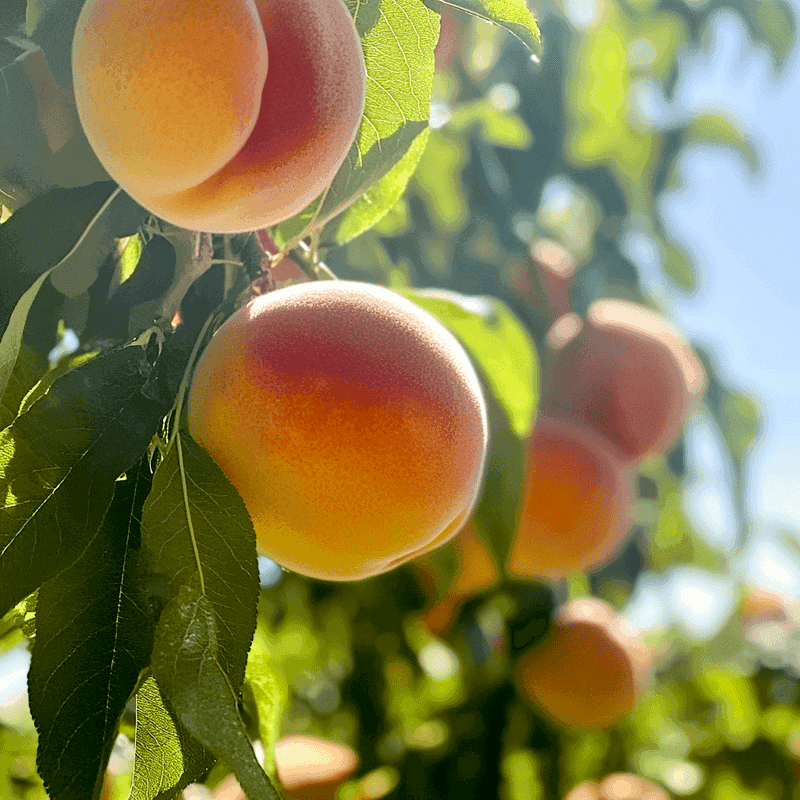
North Carolina has a long and proud history with peaches, and for good reason. The state’s warm summers and relatively mild winters across the Piedmont and coastal plain create near-perfect conditions for peach trees to thrive in a home garden setting.
Plant a healthy bare-root or container-grown tree in late winter, give it the right care, and you could be picking your first real crop within two to three years.
Choosing the right variety starts with understanding chill hours, the number of hours below 45 degrees Fahrenheit a tree needs each winter to break dormancy and set fruit properly.
Gardeners in the Piedmont typically work with 650 to 850 chill hours, while the coastal plain runs lower, around 400 to 600 hours.
Varieties like Contender, Reliance, and Redhaven are popular across multiple North Carolina regions and have earned strong reputations for reliable production at home.
Peaches need full sun, at least eight hours daily, and soil that drains well because standing water around roots leads to serious problems fast.
Thin the fruit early in the season so remaining peaches size up properly, and prune each year to maintain an open, vase-shaped canopy that lets sunlight reach the interior.
Brown rot is the most common challenge North Carolina peach growers face, particularly during humid summers, so keeping fallen fruit cleaned up and maintaining good airflow through the canopy goes a long way toward keeping trees healthy and productive season after season.
3. Plum Trees Offer Early Homegrown Fruit With Beautiful Spring Bloom
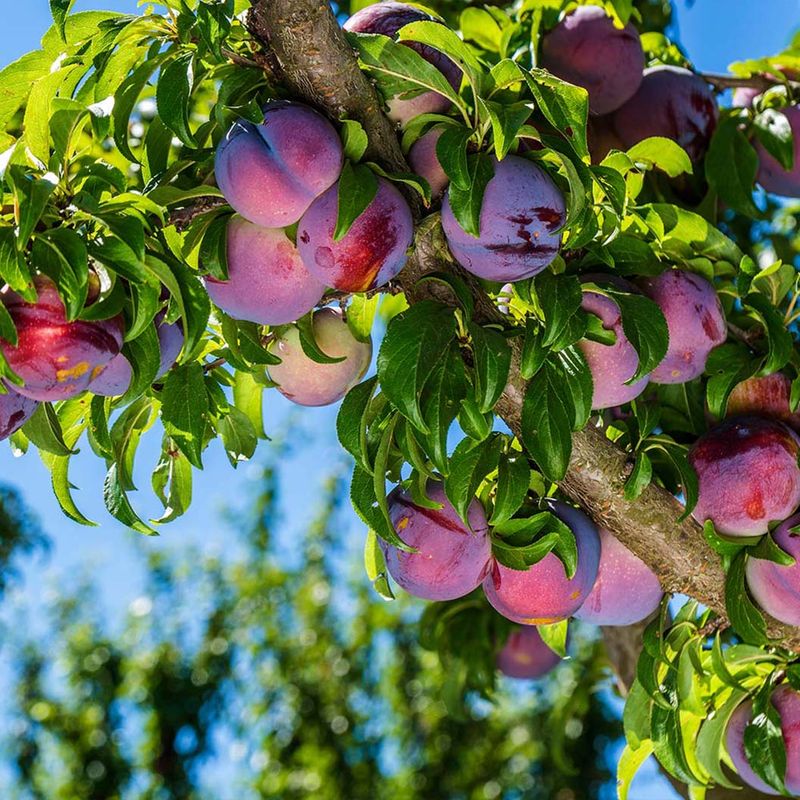
Before the first plum ever ripens on your tree, the spring bloom alone makes planting one feel worth every bit of effort.
Plum trees burst into clouds of white and pale pink flowers early in the season, often before most other trees have fully leafed out, creating a backyard moment that stops neighbors in their tracks.
That ornamental appeal is a genuine bonus on top of the practical reward of fresh fruit by midsummer.
Japanese plum varieties tend to perform best across most of North Carolina, with options like Methley, Bruce, and Byrongold well-suited to the state’s climate.
Methley is particularly popular because it is partially self-fertile, though production improves noticeably when a second compatible variety grows nearby for cross-pollination.
European plum varieties can work in the cooler mountain regions but generally need more chill hours than the Piedmont or coastal plain reliably provides.
Plum trees appreciate full sun and well-drained soil, similar to peaches, and they tend to size up and begin fruiting within three to four years of planting.
Space standard trees about twenty feet apart, or choose semi-dwarf rootstocks if your yard is smaller and you want a more manageable size.
Pruning plums to a modified open center shape keeps fruit accessible and helps sunlight penetrate the canopy.
Black knot fungus is a common issue in North Carolina plum orchards, appearing as dark, warty growths on branches.
Removing affected wood promptly and keeping the tree well-pruned reduces its spread considerably over time.
4. Asian Pear Trees Grow Crisp Fruit With A Strong Backyard Presence
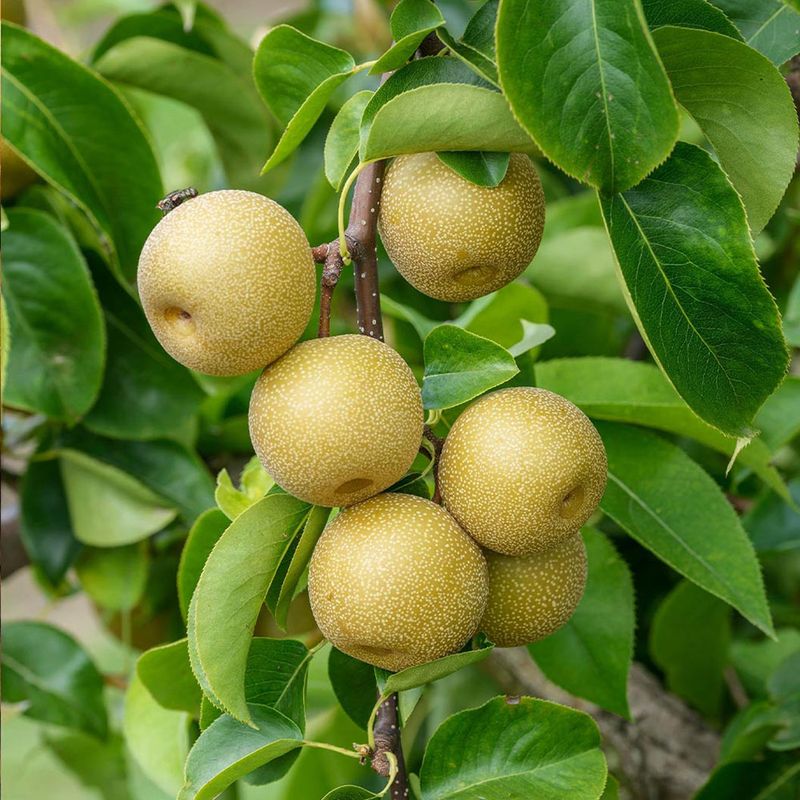
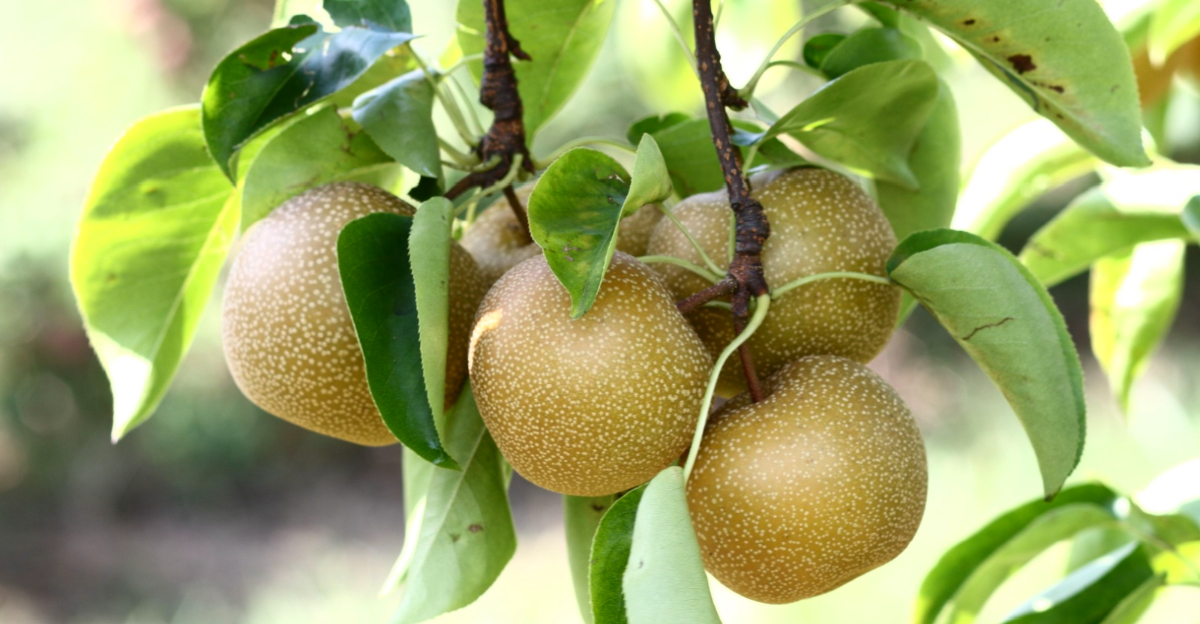
Asian pears occupy a satisfying middle ground between a crunchy apple and a juicy pear, and they bring that unique texture straight from your own backyard when grown in North Carolina.
Unlike European pears, which need time to ripen off the tree, Asian pears are ready to eat the moment you pick them, making harvest day genuinely exciting.
That ready-to-eat quality is one of the reasons more home gardeners across the state have started adding at least one to their fruit tree lineup.
Varieties like Hosui, Shinseiki, and Chojuro have performed well across North Carolina’s Piedmont and mountain regions, where chill hour requirements of roughly 400 to 700 hours are generally met each winter.
The coastal plain can be trickier for Asian pears since winters there are milder, so gardeners in eastern counties should look for lower-chill selections before planting.
Most Asian pear varieties benefit from cross-pollination, so planting two compatible varieties near each other typically improves fruit set and overall yield.
Asian pear trees grow with an upright, sturdy habit that gives them a strong visual presence in the yard even before they fruit.
They prefer full sun and well-drained soil, and they tend to be more resistant to fire blight than European pears, though the disease can still appear during wet springs.
Thin fruit clusters to one or two pears per spur early in the season so the remaining fruit develops to full size.
With good care, trees often begin producing a meaningful harvest within three to five years of planting.
5. Apple Trees Still Earn Their Place In Many North Carolina Gardens
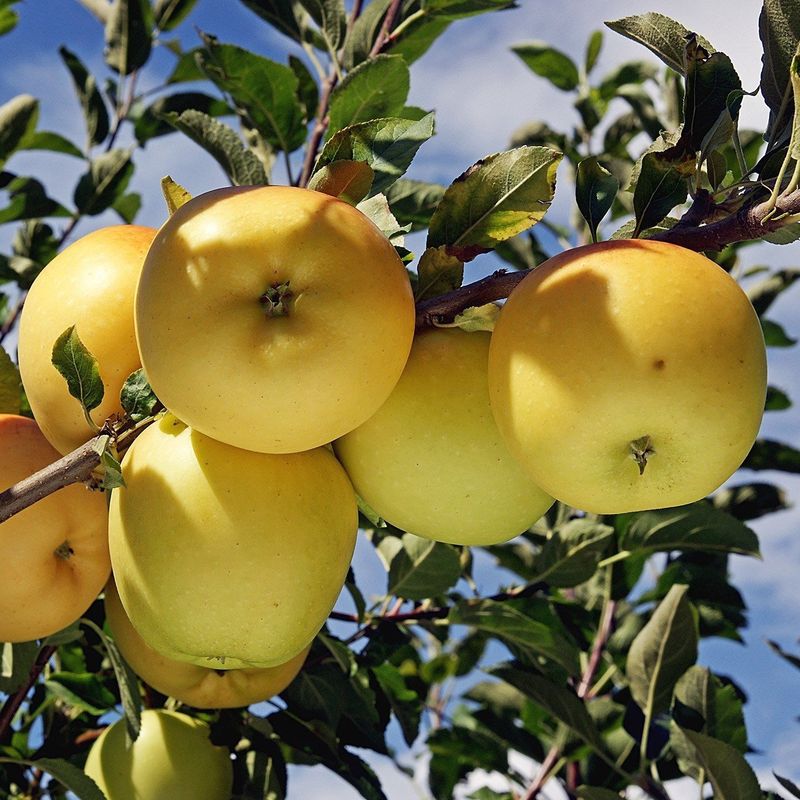
Apples have been grown in North Carolina home gardens for generations, and while they take a bit more planning than some other fruit trees, the payoff of picking a crisp apple from your own yard never gets old.
The mountains and upper Piedmont are traditionally the strongest apple-growing regions in the state, where cooler winters reliably deliver the chill hours most varieties need to set fruit properly.
That said, low-chill selections have opened up apple growing to gardeners in warmer parts of the state who once thought apples were out of reach.
Chill hour needs vary significantly by variety, ranging from around 400 hours for low-chill types like Anna and Dorsett Golden up to 1,000 or more hours for classic varieties like Granny Smith.
Gardeners in the Piedmont typically work with 600 to 900 chill hours, making varieties like Fuji, Gala, and Honeycrisp reasonable choices with the right rootstock and site.
Most apples require a second variety nearby for cross-pollination, so plan your planting with that in mind from the start.
Semi-dwarf rootstocks are a practical choice for home gardeners because they keep trees at a manageable height of twelve to fifteen feet while still producing a generous harvest.
Full sun, at least eight hours daily, and well-drained soil are non-negotiable for healthy growth and good fruit quality.
Fire blight and cedar-apple rust are the most common disease challenges in North Carolina, but selecting resistant varieties and practicing consistent sanitation around the tree reduces pressure considerably through the season.
6. Persimmon Trees Reward Patient Gardeners With Sweet Fall Fruit
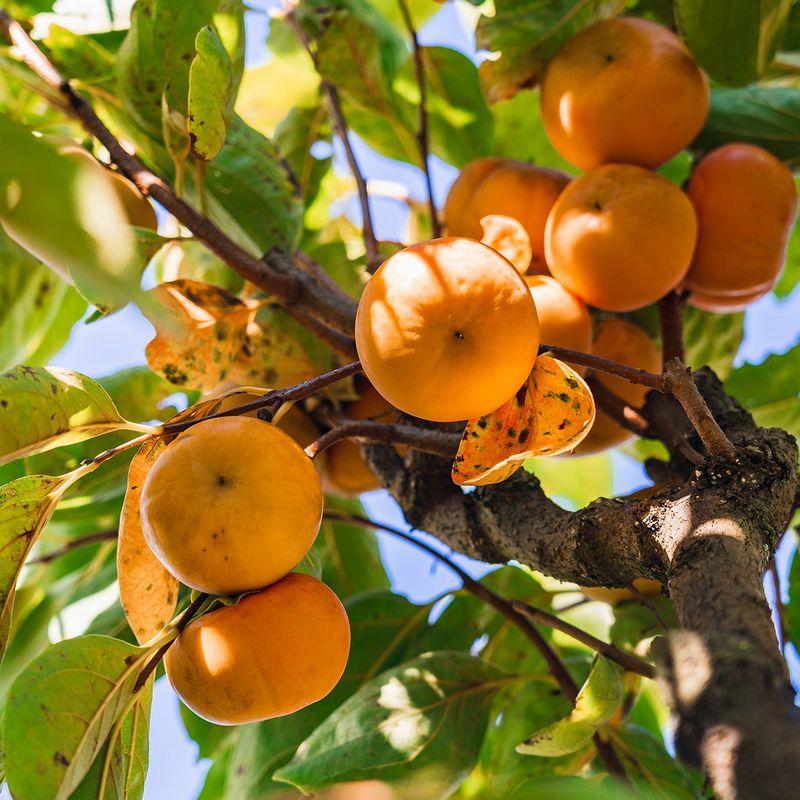
There is something almost magical about a persimmon tree in late fall, standing with its branches full of glowing orange fruit long after most other trees have gone bare.
American persimmons are native to North Carolina and grow with an easy confidence that makes them one of the most low-maintenance fruit trees a home gardener can plant.
They are extraordinarily well-adapted to the state’s soils and climate, from the Piedmont to the coastal plain and even into the foothills.
American persimmons typically begin producing fruit within four to six years from seed, though grafted trees can start bearing sooner.
The fruit is intensely sweet after the first frost softens it, and while the wait through fall feels long, that first taste straight from the tree makes it completely worthwhile.
Asian persimmon varieties, particularly Fuyu and Hachiya, also grow well across much of North Carolina and offer larger, less astringent fruit that appeals to gardeners who prefer a milder flavor without waiting for frost.
Persimmons are genuinely flexible about soil conditions and tolerate clay soils better than most fruit trees, though good drainage still improves overall performance.
They prefer full sun but manage in partial shade with reduced fruit production. American persimmons often have separate male and female trees, so planting more than one ensures reliable fruiting, while many Asian varieties are self-fertile.
Pests and diseases are rarely a serious concern with persimmons in North Carolina, making them an appealing option for gardeners who want a productive tree without a demanding spray schedule.