14 Fast-Growing Microgreens You Can Harvest Indoors In Minnesota In Weeks
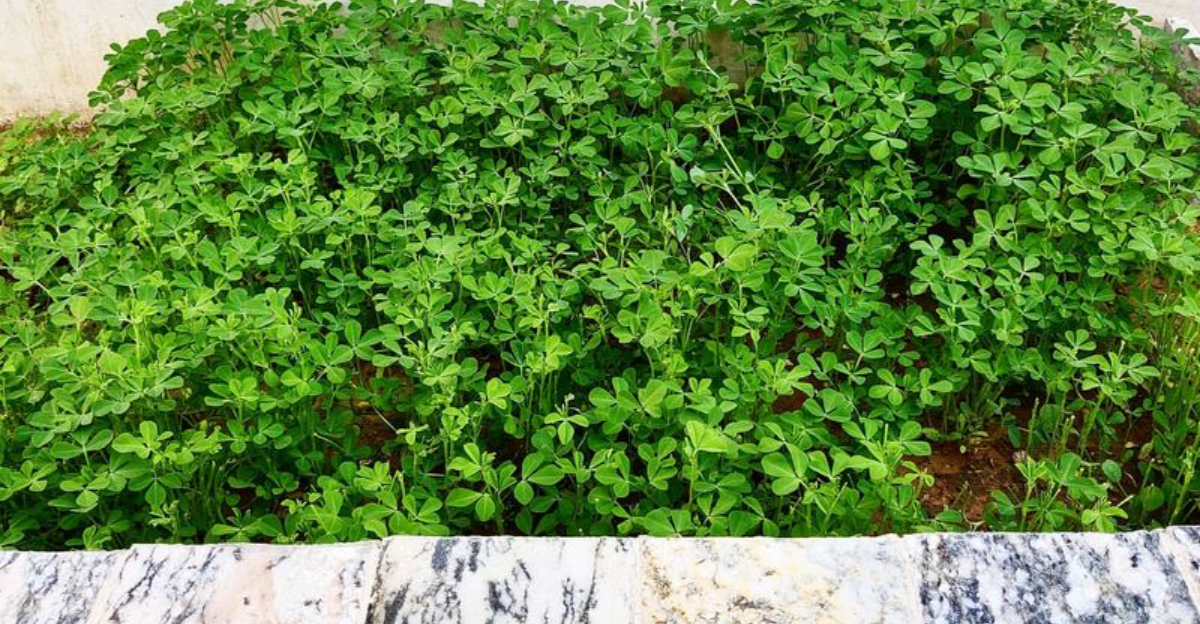
Growing fresh greens during Minnesota’s long, cold winters might sound impossible, but microgreens make it surprisingly easy.
These tiny powerhouses grow indoors in just weeks, bringing vibrant flavors and nutrients to your kitchen year-round.
Whether you’re a seasoned gardener or just starting out, these fast-growing varieties will reward you with quick harvests and endless culinary possibilities.
1. Radish Microgreens For Speedy, Spicy Harvests
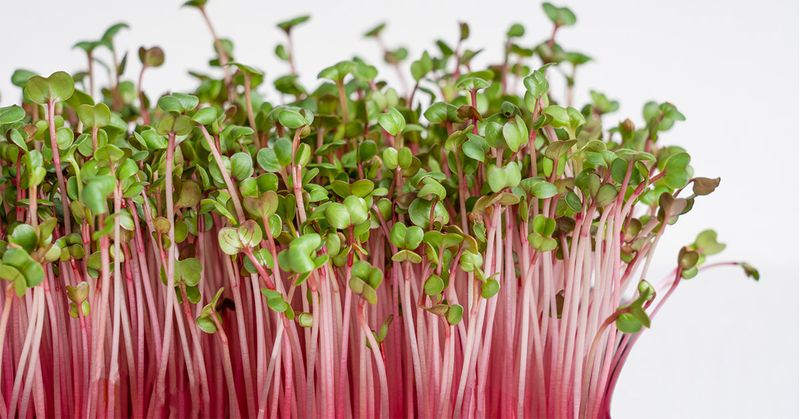
Radish microgreens pack a punch that wakes up any dish with their sharp, peppery bite.
They’re among the absolute fastest growers you’ll find, often ready to harvest in just 6 to 10 days from planting.
That lightning-quick turnaround makes them perfect for impatient gardeners or anyone craving fresh greens during Minnesota’s frigid months.
The flavor ranges from mildly spicy to intensely peppery depending on the variety you choose.
Red varieties add gorgeous color to salads and sandwiches, while green types offer a slightly milder taste.
Growing them indoors requires minimal equipment—just a shallow tray, some potting mix, and a sunny windowsill or grow light.
Seeds germinate rapidly without any soaking needed, and they tolerate cooler room temperatures beautifully.
Harvest them when the first true leaves appear, using clean scissors to snip just above the soil line.
Their crisp texture and bold flavor make them fantastic on tacos, eggs, and grain bowls.
Because they mature so quickly, you can plant new trays every few days for a continuous supply.
Radish microgreens also contain impressive amounts of vitamins C and E, plus beneficial enzymes that support digestion.
Their forgiving nature makes them ideal for beginners who want guaranteed success with their first indoor growing project.
2. Broccoli Microgreens For Nutrient-Dense Greens
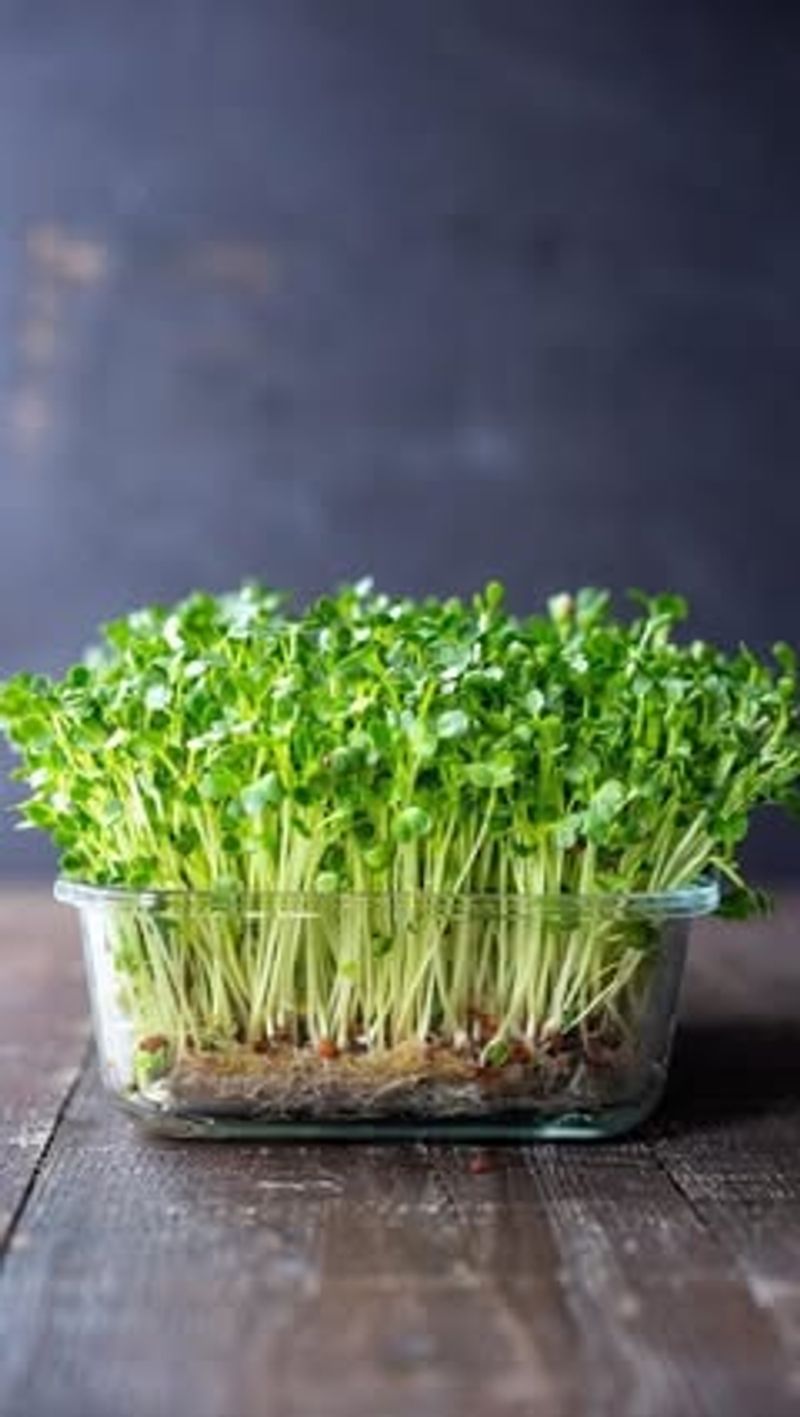
Broccoli microgreens deliver concentrated nutrition that rivals their mature counterparts in just a fraction of the time.
These little greens contain sulforaphane, a compound studied for its potential health-supporting properties.
They’re ready to harvest in about 10 to 12 days, making them one of the faster-growing options for indoor gardening.
The flavor is mild and slightly sweet with just a hint of that characteristic broccoli taste, making them appealing even to picky eaters.
Growing them indoors requires consistent moisture and good air circulation to prevent any issues with dampness.
A thin layer of soil works well, and they appreciate bright light from a south-facing window or LED grow lights.
Minnesota’s dry winter air actually helps prevent excess humidity, which can be beneficial for these greens.
Mist them gently once or twice daily to keep the soil evenly moist but never waterlogged.
Their tender leaves and crunchy stems add wonderful texture to smoothies, wraps, and stir-fries.
Beginners love broccoli microgreens because they’re incredibly forgiving and rarely present problems.
The seeds are relatively inexpensive and germinate reliably, giving you excellent value for your investment.
Harvest them when the first true leaves develop, and enjoy knowing you’re getting maximum nutrition in every bite.
3. Pea Shoots For Sweet Flavor And Fast Growth
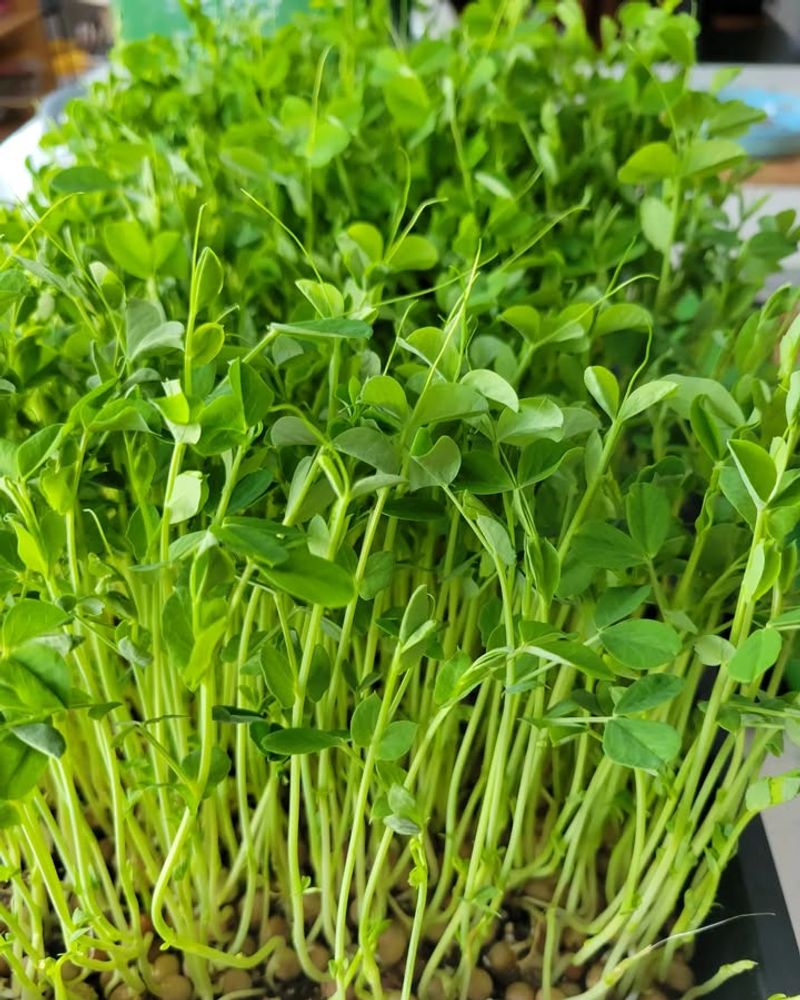
Pea shoots bring a delightful sweetness that tastes like spring, even when snow blankets your Minnesota yard.
These tender greens grow quickly, reaching harvest height in about 12 to 14 days after planting.
Their mild, sweet flavor reminds you of fresh garden peas, making them popular with kids and adults alike.
Soaking the seeds overnight before planting dramatically improves germination rates and speeds up growth.
Use larger pea seeds meant for sprouting rather than garden peas, as they’re specifically selected for microgreen production.
Pea shoots tolerate cooler temperatures beautifully, which makes them perfect for Minnesota homes that might run a bit chilly in winter.
They grow tall and produce adorable curling tendrils that add visual interest to any dish.
Harvest them when they reach 3 to 4 inches tall, cutting just above the soil line with sharp scissors.
The shoots regrow after cutting, often giving you a second harvest from the same tray.
Their crisp texture works wonderfully in salads, sandwiches, and as a garnish for soups.
Pea shoots need moderate light—not as intense as some other microgreens—making them suitable for various indoor locations.
Their forgiving nature and reliable growth pattern make them a favorite among both beginners and experienced indoor gardeners.
4. Sunflower Microgreens For Hearty Indoor Harvests
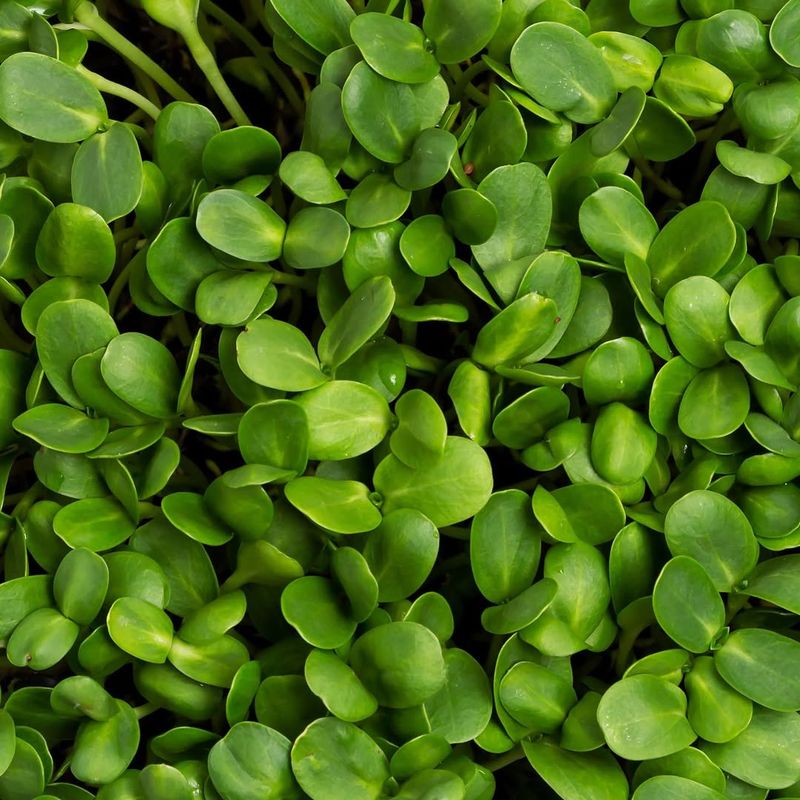
Sunflower microgreens offer a satisfying, nutty flavor that’s hearty enough to serve as the base of a meal.
These substantial greens take slightly longer than some others, ready in about 10 to 14 days from planting.
Their thick, crunchy stems and large leaves give them a meaty texture that’s incredibly filling.
The nutty taste pairs beautifully with everything from sandwiches to salads, adding both flavor and substance.
Sunflower seeds for microgreens should be the black oil variety with hulls removed, which prevents issues during growth.
Soaking them for 8 to 12 hours before planting helps soften the seeds and speeds germination.
They need good light to develop properly, so position them near your brightest window or under grow lights.
Minnesota’s winter sunlight can be limited, making supplemental lighting particularly helpful for these greens.
Sunflower microgreens are remarkably forgiving, tolerating minor mistakes that might trouble other varieties.
Their large size means you don’t need as many plants to get a substantial harvest.
Harvest them when the first true leaves appear, typically when they’re 2 to 3 inches tall.
They’re packed with protein, healthy fats, and vitamins, making them an excellent nutritional choice for winter meals.
5. Kale Microgreens For Reliable, Cold-Season Growing
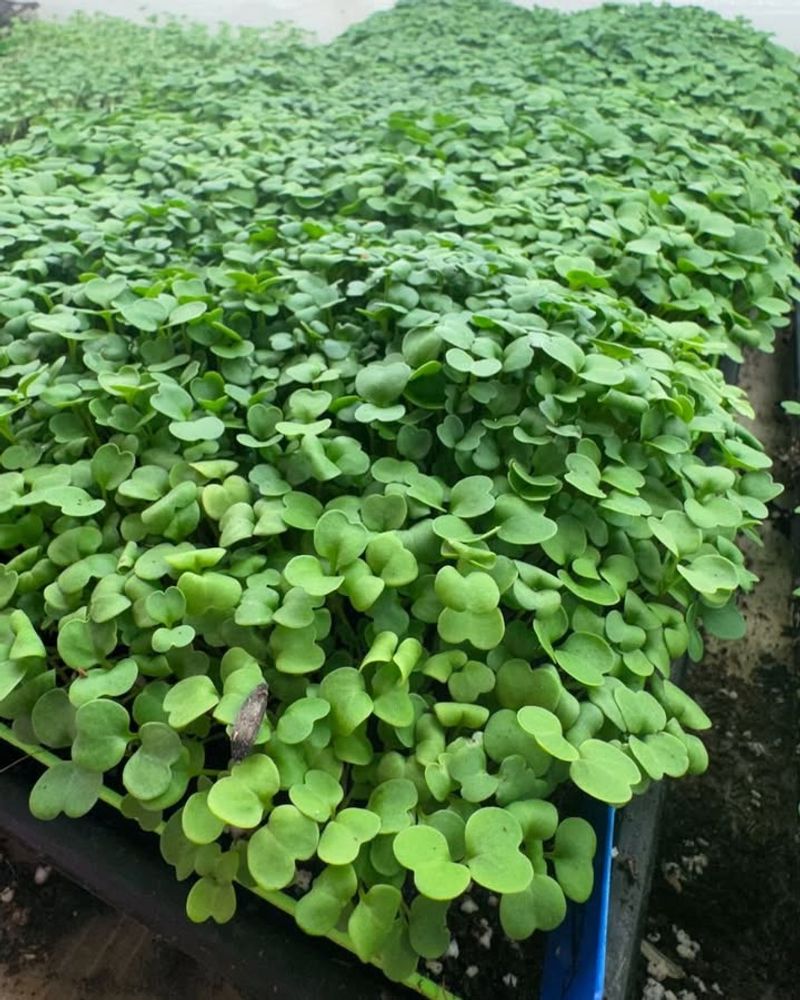
Kale microgreens bring all the nutritional power of their full-grown relatives in a much faster package.
These sturdy greens tolerate cooler temperatures exceptionally well, making them perfect for Minnesota’s winter conditions.
They’re ready to harvest in about 10 to 12 days, offering quick gratification for indoor gardeners.
The flavor is milder than mature kale, with a slightly sweet, earthy taste that appeals to more palates.
Young kale leaves lack the bitterness that sometimes turns people away from the full-grown version.
Growing them indoors requires consistent moisture and moderate light, both easily achievable in most homes.
Their compact growth pattern means you can fit plenty of plants in a small space.
Kale microgreens handle temperature fluctuations well, which is helpful if your home gets cooler at night.
The dark green leaves indicate high levels of vitamins A, C, and K, plus beneficial minerals like calcium and iron.
Harvest them when the first true leaves develop, cutting cleanly just above the soil surface.
Their slightly chewy texture adds interest to smoothies, omelets, and pasta dishes.
Beginners appreciate how reliably kale microgreens germinate and grow, rarely presenting any significant challenges during cultivation.
6. Arugula Microgreens For Peppery Greens In Days
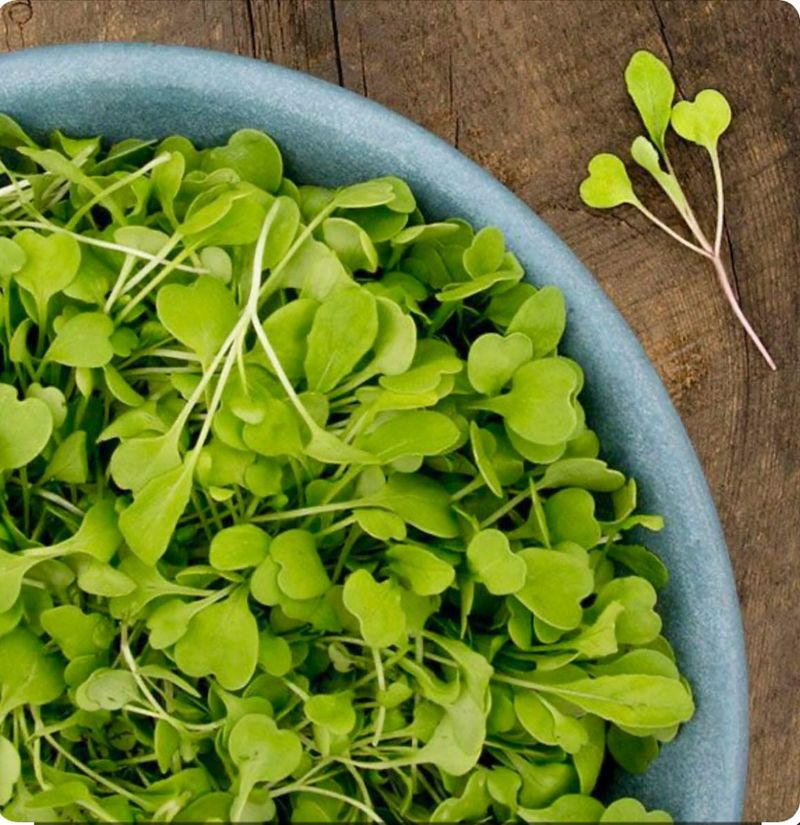
Arugula microgreens race from seed to harvest faster than almost any other variety you can grow indoors.
These zesty greens are often ready in just 7 to 10 days, perfect when you need fresh flavor immediately.
Their distinctive peppery bite adds sophisticated flavor to dishes without overwhelming other ingredients.
The taste intensifies as the plants mature, so harvest timing affects how spicy your greens will be.
Younger arugula microgreens offer milder flavor, while those left a few extra days develop more pronounced heat.
Seeds germinate rapidly without any special treatment, making them incredibly easy for beginners.
They thrive in moderate light conditions, so you don’t need the brightest spot in your home.
Minnesota’s winter humidity levels work well for arugula, as they prefer conditions that aren’t too damp.
Their delicate leaves and thin stems create an elegant appearance that elevates the presentation of any meal.
Use them to top pizzas, fold into pasta, or layer in gourmet sandwiches for an instant flavor boost.
Arugula microgreens contain vitamins A and C along with beneficial plant compounds that support overall wellness.
Their quick turnaround means you can experiment with different harvest times to find your preferred spice level.
7. Mustard Microgreens For Bold Flavor And Speed
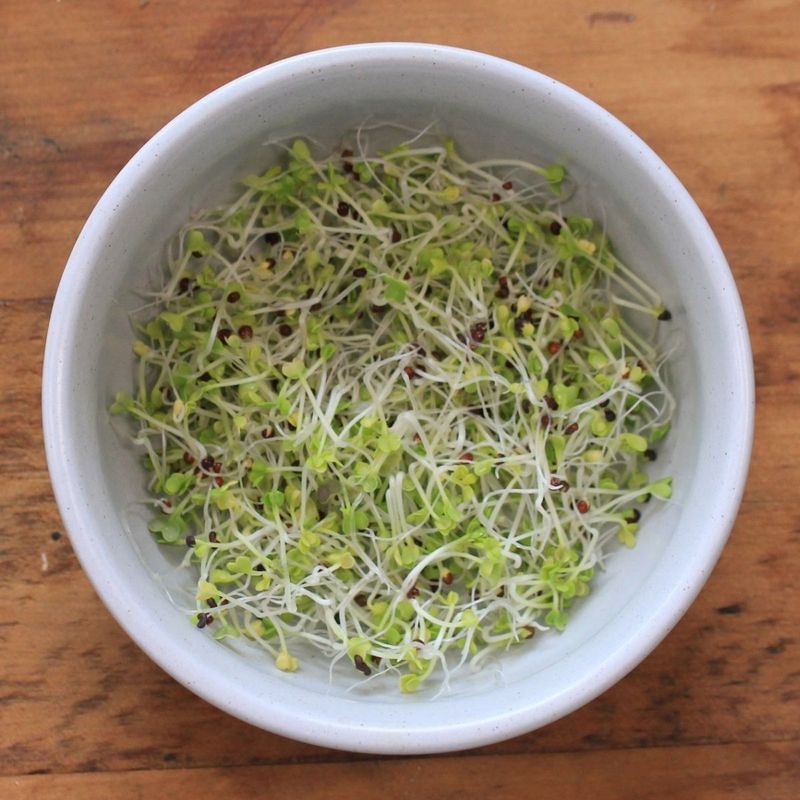
Mustard microgreens deliver a fiery kick that transforms ordinary meals into exciting culinary adventures.
These bold-flavored greens mature incredibly quickly, ready to harvest in just 7 to 10 days from planting.
The heat level varies by variety, with some offering mild warmth and others bringing serious spice.
Red mustard varieties add gorgeous color along with their characteristic pungent flavor.
Their rapid growth makes them perfect for when you need fresh greens immediately but didn’t plan ahead.
Seeds germinate reliably without soaking, and they tolerate a wide range of indoor temperatures.
Minnesota’s cooler winter homes actually help moderate their spiciness, preventing them from becoming too intense.
They need moderate light to develop properly but aren’t as demanding as some other varieties.
Harvest them when the first true leaves appear, typically when they reach about 2 inches tall.
The sharp, spicy flavor works beautifully in Asian-inspired dishes, on burgers, or mixed into egg scrambles.
Mustard microgreens contain compounds that may support healthy inflammation responses in the body.
Their bold personality makes them a favorite among adventurous eaters who enjoy experimenting with intense flavors in their cooking.
8. Beet Microgreens For Colorful Indoor Crops
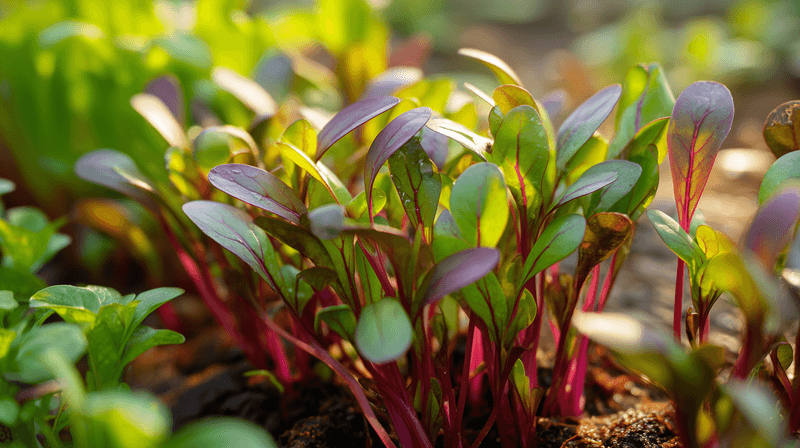
Beet microgreens transform your growing tray into a work of art with their stunning magenta stems and vibrant leaves.
These eye-catching greens take slightly longer than some others, typically ready in 12 to 15 days.
The extra wait is absolutely worth it for their gorgeous colors and earthy, slightly sweet flavor.
Their taste is milder than mature beets, offering just a hint of that characteristic earthiness.
The colorful stems add visual drama to salads, making even simple dishes look restaurant-quality.
Beet seeds have a corky coating that can slow germination, so soaking them for a few hours helps speed things up.
They need consistent moisture and moderate light to develop their best colors and flavors.
Minnesota’s winter conditions suit them well, as they tolerate cooler temperatures without any problems.
Their sturdy stems and leaves have a pleasant crunch that adds textural interest to various dishes.
Harvest them when the first true leaves develop, cutting carefully to preserve those beautiful colorful stems.
Beet microgreens contain beneficial compounds that support healthy circulation and provide antioxidant benefits.
Their unique appearance makes them perfect for impressing dinner guests or adding special touches to everyday meals.
9. Cabbage Microgreens For Mild, Crunchy Greens
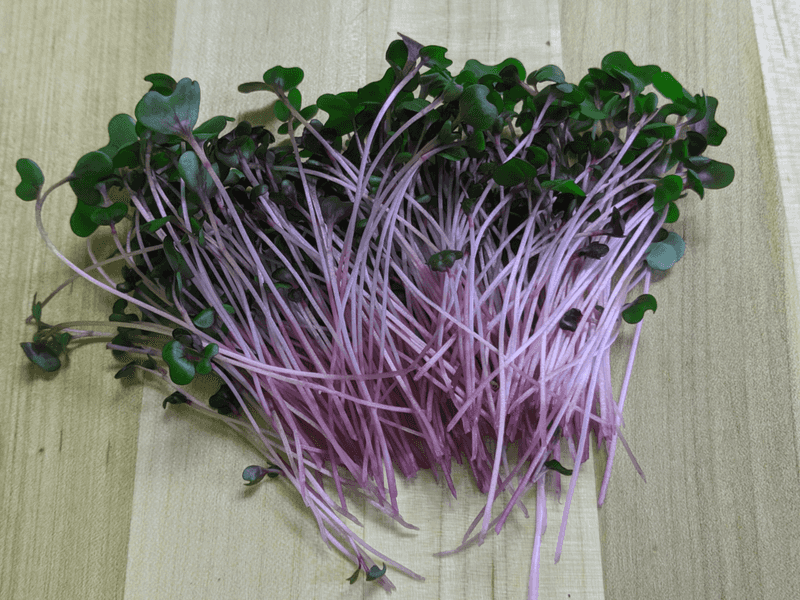
Cabbage microgreens offer gentle flavor that appeals to people who find other varieties too intense or spicy.
These mild-mannered greens grow reliably, reaching harvest size in about 10 to 12 days from planting.
Their slightly sweet, fresh taste reminds you of full-grown cabbage but without any bitterness or strong flavor.
The tender leaves and crunchy stems provide satisfying texture without overwhelming delicate dishes.
Different cabbage varieties produce microgreens in various shades of green and purple, adding visual interest.
They’re incredibly beginner-friendly, germinating consistently and tolerating minor care mistakes without complaint.
Light requirements are moderate, making them suitable for various locations throughout your Minnesota home.
They handle temperature fluctuations well, which is helpful during winter when heating systems cycle on and off.
Cabbage microgreens work beautifully in situations where you want nutrition without strong flavors that might conflict with other ingredients.
Use them in smoothies, on sandwiches, or as a bed for other foods where their mild taste won’t compete.
They contain vitamins C and K along with beneficial plant compounds that support overall health.
Their reliable growth pattern and gentle flavor make them an excellent choice for families with children who are learning to enjoy fresh greens.
10. Basil Microgreens For Fast Indoor Herb Flavor
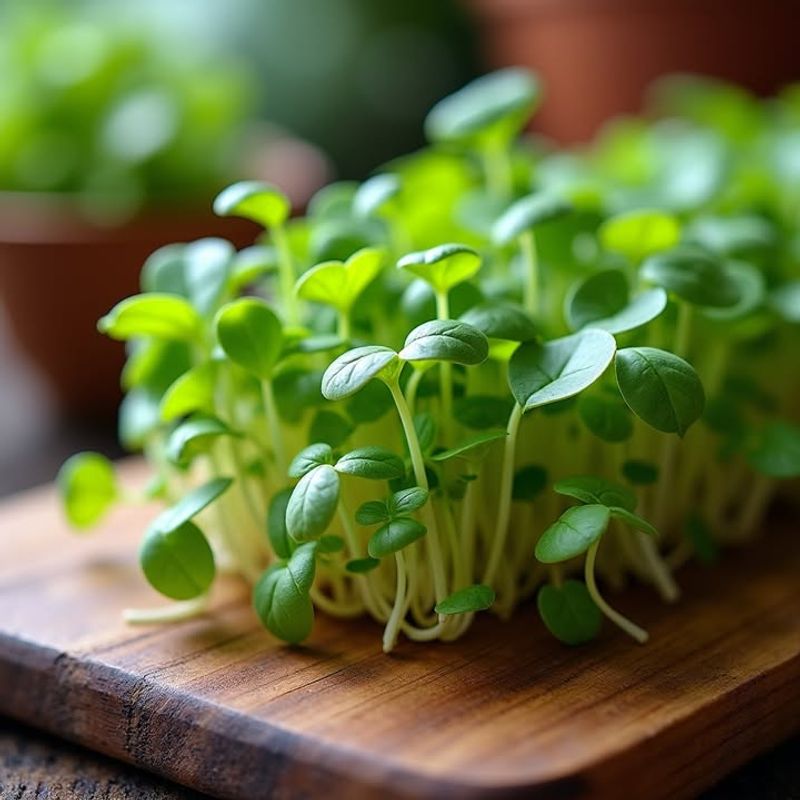
Basil microgreens bring that beloved herb flavor to your kitchen much faster than waiting for mature plants.
These aromatic greens are ready to harvest in about 10 to 14 days, offering quick access to fresh basil taste.
Their flavor is milder than mature basil but still distinctly recognizable, with that characteristic sweet, slightly spicy note.
Growing basil microgreens indoors during Minnesota winters lets you enjoy summer flavors year-round.
They need warmer conditions than many other microgreens, preferring temperatures around 70 degrees Fahrenheit.
Position them in a warm spot in your home, perhaps near a heat source but not directly on cold windowsills.
Basil microgreens also require good light to develop their best flavor and prevent them from becoming too leggy.
A south-facing window or grow lights work perfectly for providing the brightness they need.
Seeds germinate best when kept consistently moist but never waterlogged, as basil dislikes wet feet.
Harvest them when the first true leaves appear, cutting carefully to preserve their delicate structure.
Use them immediately for maximum flavor, adding them to pasta, pizza, salads, or anywhere you’d use fresh basil.
Their compact growth and quick turnaround make them perfect for small-space gardening during Minnesota’s long winter months.
11. Cilantro Microgreens For Fresh Flavor Without The Wait
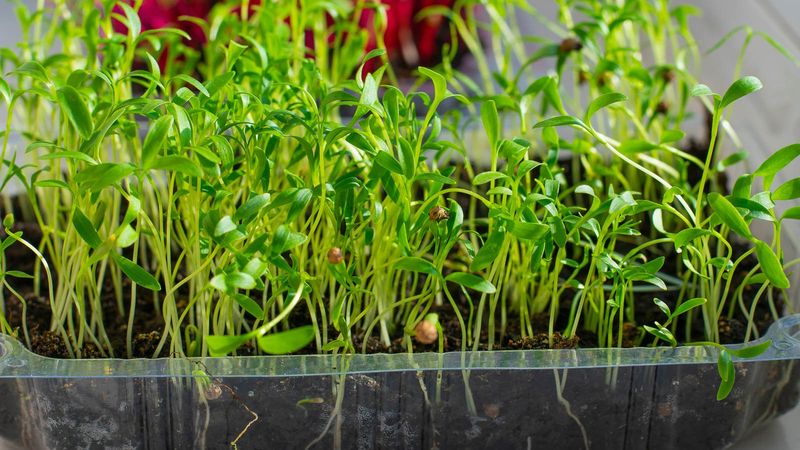
Cilantro microgreens solve the frustration of waiting months for mature cilantro plants to develop harvestable leaves.
These flavorful greens are ready in just 12 to 15 days, bringing that distinctive cilantro taste to your cooking quickly.
The flavor is milder and more delicate than mature cilantro, making it appealing even to some people who usually avoid the herb.
Cilantro seeds can be stubborn germinators, so crushing them lightly before planting helps improve success rates.
Soaking the crushed seeds overnight further speeds germination and ensures more uniform growth.
They prefer moderate temperatures and consistent moisture, both easily maintained in most Minnesota homes during winter.
Light requirements are moderate, so they don’t need the brightest spot in your house.
Cilantro microgreens grow more slowly than some varieties, but their unique flavor makes the wait worthwhile.
Harvest them when the first true leaves develop, cutting carefully to avoid crushing the delicate stems.
Their fresh, citrusy flavor enhances Mexican, Asian, and Indian dishes, adding authentic taste to your cooking.
Use them as garnishes for soups, fold them into salsas, or sprinkle them over tacos for instant flavor.
Growing cilantro microgreens indoors gives you year-round access to this beloved herb without dealing with outdoor gardening challenges.
12. Wheatgrass For Ultra-Fast Indoor Harvests
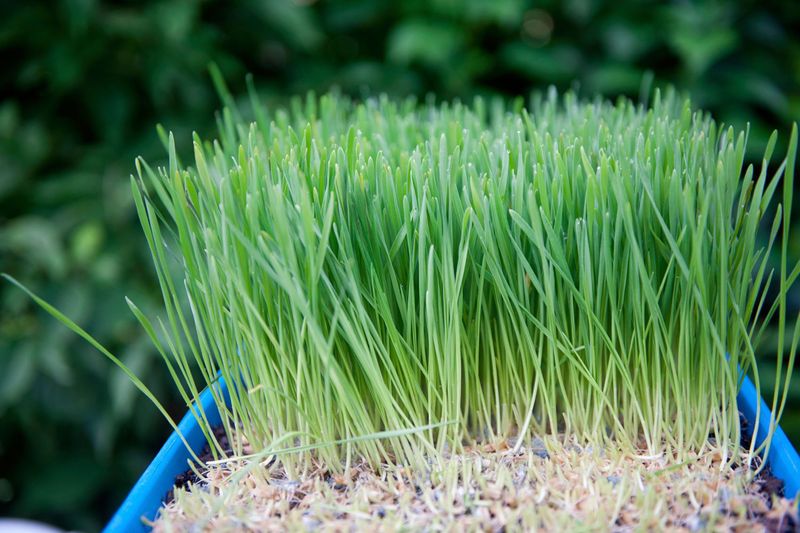
Wheatgrass races from seed to harvest faster than almost anything else you can grow indoors.
These grass-like shoots are ready to cut in just 7 to 10 days, making them perfect for impatient growers.
The bright green blades grow uniformly, creating a dense carpet that looks beautiful and productive.
Many people juice wheatgrass for its concentrated nutrients, though you can also use it as a garnish or in smoothies.
The flavor is intensely grassy and slightly sweet, definitely an acquired taste that some love and others find challenging.
Growing wheatgrass requires minimal equipment—just wheat berries, a shallow tray, and some potting mix or growing medium.
Soaking the wheat berries overnight before planting dramatically improves germination rates and growth speed.
They need moderate light and consistent moisture, both easily provided in most Minnesota homes.
Wheatgrass tolerates cooler temperatures well, making it ideal for winter growing conditions.
Harvest the grass when it reaches about 6 to 8 inches tall, cutting it close to the soil surface.
The remaining roots often produce a second, smaller harvest if you continue watering them.
Wheatgrass contains chlorophyll, vitamins, and minerals that many people seek for their wellness routines during long Minnesota winters.
13. Fenugreek Microgreens For Unique Flavor And Speed
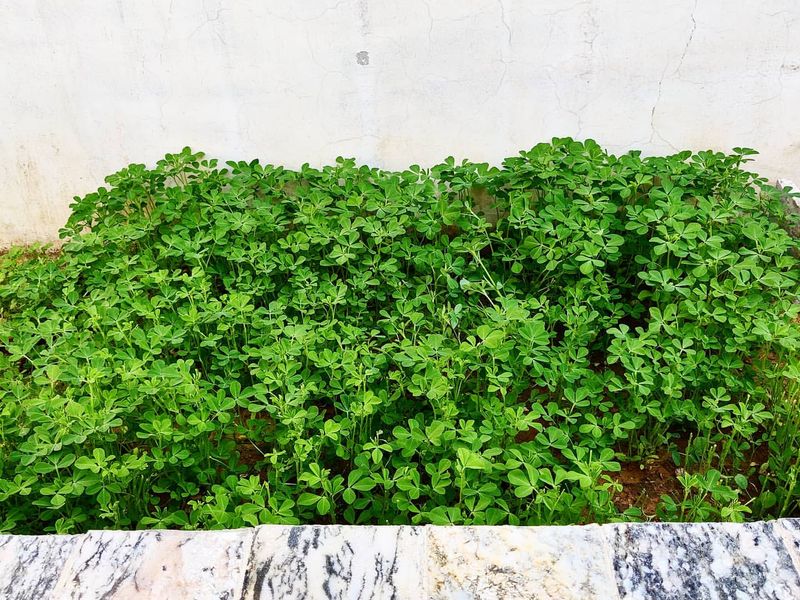
Fenugreek microgreens offer an exotic flavor profile that’s less common but absolutely worth exploring.
These unusual greens grow quickly, ready to harvest in about 10 to 12 days from planting.
Their taste is complex—slightly bitter, nutty, and reminiscent of maple syrup all at once.
The unique flavor works beautifully in Indian and Middle Eastern dishes, adding authentic taste to your cooking.
Fenugreek seeds are small and germinate reliably without any special treatment or soaking.
They grow well in moderate light conditions, making them suitable for various indoor locations.
Minnesota’s winter temperatures suit them perfectly, as they tolerate cooler conditions without any problems.
The plants produce small, clover-like leaves that look charming and add visual interest to dishes.
Harvest them when the first true leaves develop, cutting carefully to preserve their delicate structure.
Use fenugreek microgreens in curries, fold them into flatbreads, or sprinkle them over rice dishes.
They contain compounds traditionally valued in various cultures for supporting healthy digestion and overall wellness.
Their unusual flavor makes them a conversation starter and adds culinary adventure to your winter growing project during Minnesota’s coldest months.
14. How To Set Up A Fast Indoor Microgreen Station In Minnesota
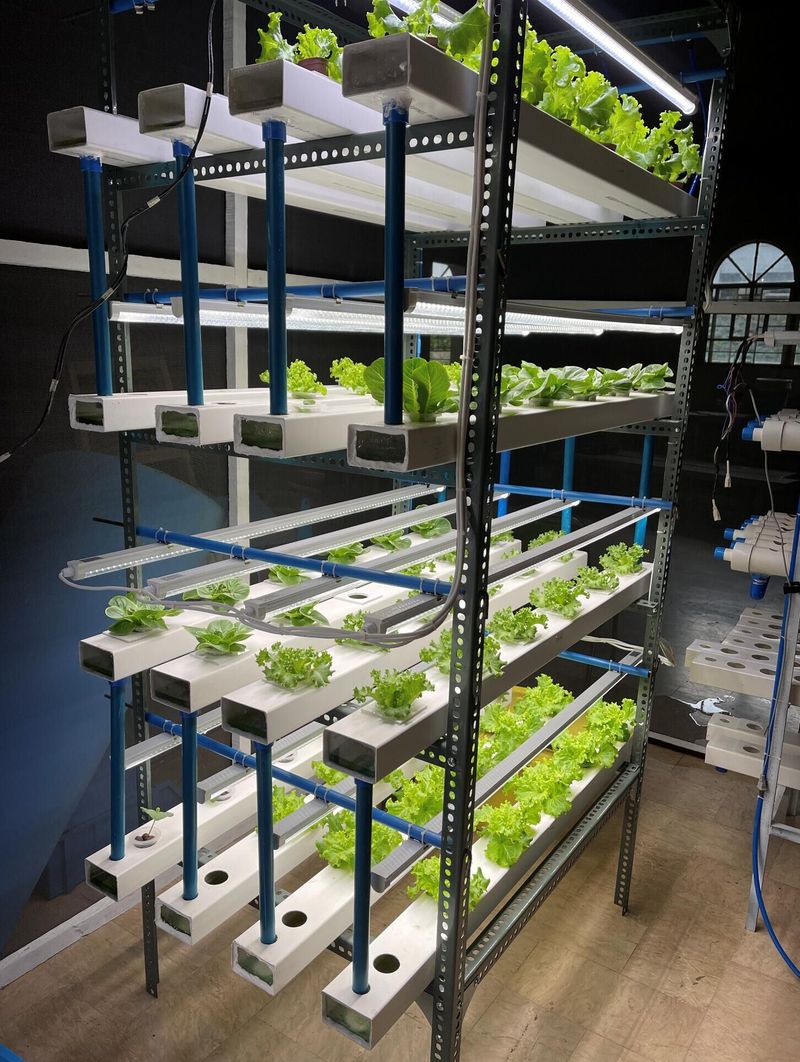
Creating a successful microgreen station indoors transforms Minnesota winters from a gardening challenge into an opportunity.
Start by choosing a location that receives good natural light or where you can easily install grow lights.
South-facing windows work well, but supplemental lighting ensures consistent results regardless of cloudy winter days.
LED grow lights are energy-efficient and don’t generate excessive heat, making them perfect for home use.
Position lights about 4 to 6 inches above your growing trays for optimal growth without burning the plants.
Temperature-wise, most microgreens thrive between 65 and 75 degrees Fahrenheit, which matches typical Minnesota home heating.
Shallow trays with drainage holes prevent waterlogging, which can cause problems with germination and growth.
Use quality potting mix or specialized microgreen growing medium for best results and healthy plants.
Water gently from below or mist from above to keep soil consistently moist but never soggy.
Stagger your planting schedule, starting new trays every few days to ensure continuous harvests throughout winter.
Most varieties reach harvest size within 7 to 14 days, meaning you’ll enjoy fresh greens constantly once your system is established.
This simple setup brings fresh, nutritious food to your table year-round, regardless of what’s happening outside your Minnesota windows.