10 Fast-Growing Plants That Establish Quickly In April In Georgia
April brings a noticeable shift in Georgia gardens. The soil starts to warm, days stretch longer, and suddenly plants begin to move with real speed.
It is the time when quick-growing crops can take advantage of these conditions and fill beds with fresh growth in a matter of weeks.
Across Georgia, gardeners look for varieties that establish fast and make the most of this early momentum before the heat of summer settles in.
Whether you are planting in raised beds, containers, or in-ground rows, choosing the right fast growers now can help your garden feel full, productive, and alive much sooner.
1. Bush Beans Fill Out Fast Once Georgia Soil Warms
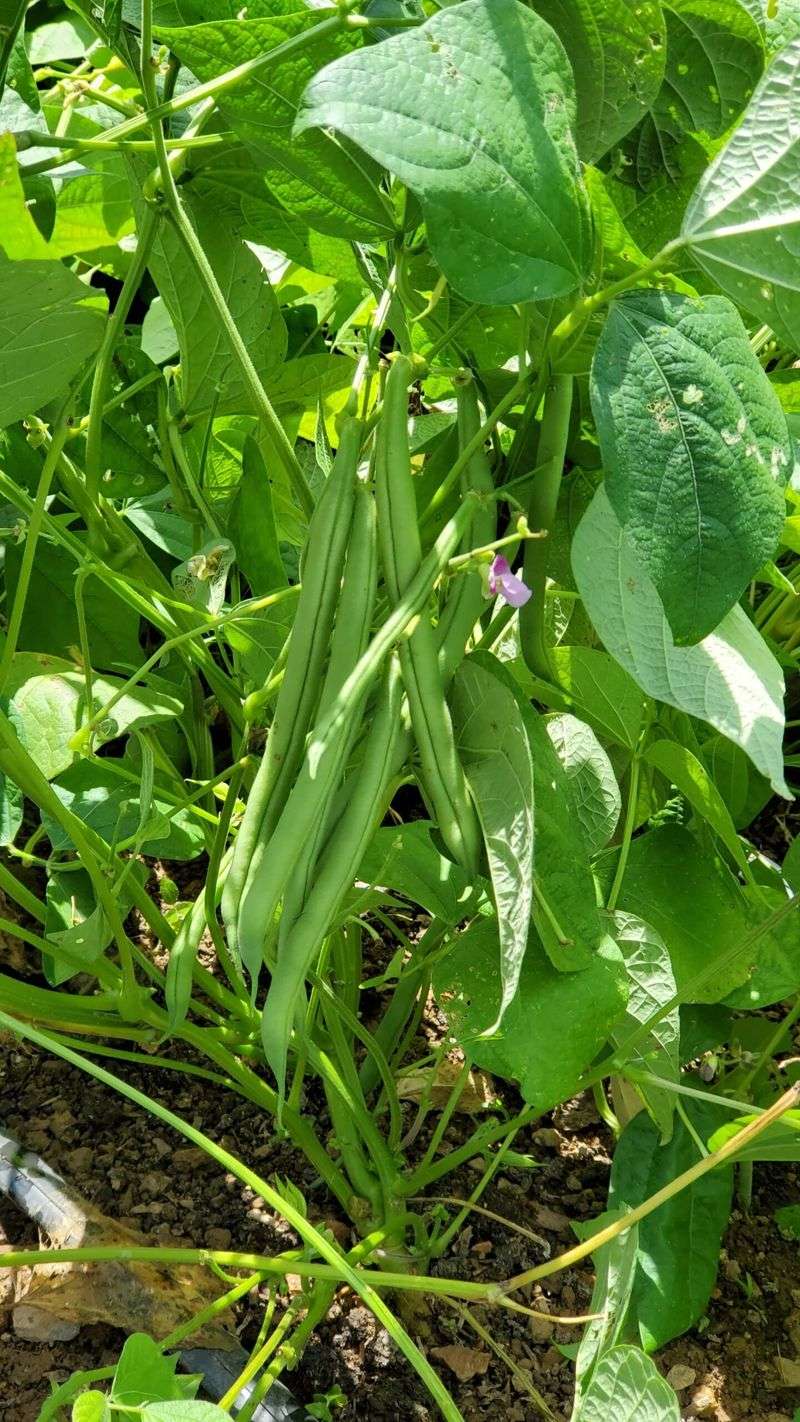
Warm soil is the real trigger for bush beans, and by mid-April across much of Georgia, that threshold is within reach.
Bush beans prefer soil temperatures of at least 60 degrees Fahrenheit before germination kicks in reliably, and Georgia’s spring conditions typically deliver that warmth right on schedule.
Once seeds are in the ground, germination often happens within 8 to 10 days under favorable conditions.
Plant seeds about one inch deep and space them roughly 3 to 4 inches apart in rows set about 18 inches apart. Bush beans do not need a trellis, which makes them a practical choice for gardeners who want a low-maintenance crop that fills in quickly.
They thrive in full sun and appreciate consistent moisture, especially while pods are forming.
Bush beans are one of the most recommended warm-season vegetables for Georgia home gardens. Expect harvestable pods in as little as 50 to 55 days from planting.
Avoid overhead watering when possible, since wet foliage can invite fungal issues. Side-dress plants lightly with fertilizer once they begin to flower, and you will likely see a solid early-summer harvest coming together fast.
2. Cucumbers Take Off With Warm Days And Steady Sun
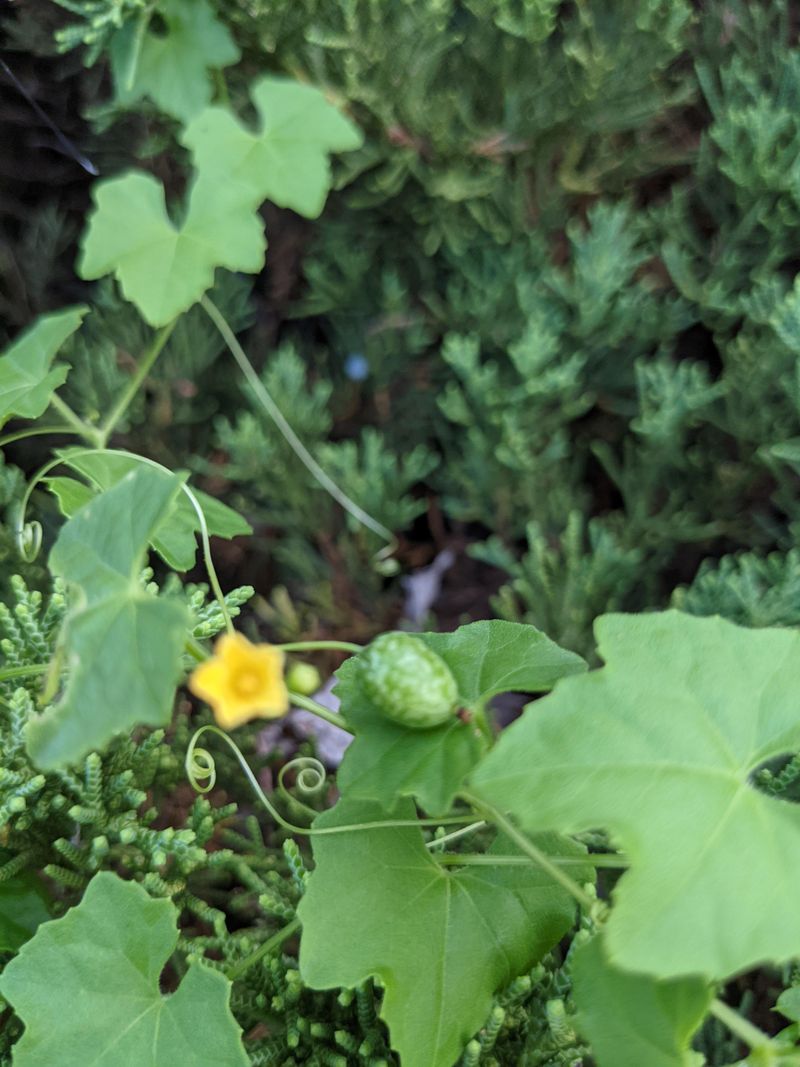
Few vegetables respond to Georgia’s spring warmth quite the way cucumbers do.
Once the soil hits around 65 degrees Fahrenheit and nighttime temperatures stay above 50, cucumber seeds germinate quickly and vines begin reaching outward with impressive speed.
In Georgia, that window often opens during the second or third week of April, depending on your region.
Direct sow seeds about half an inch to one inch deep, spacing them 6 inches apart if you plan to train vines up a trellis, or 12 inches apart for bush-type varieties spreading across the ground.
Cucumbers are sun-loving plants that need at least 6 to 8 hours of direct light each day.
Consistent moisture is important, as uneven watering can lead to bitter-tasting fruit.
The University of Georgia Extension recommends slicing varieties like Straight Eight and Ashley for home gardens in the state. Most varieties produce harvestable cucumbers within 50 to 65 days.
Mulching around the base of plants helps retain moisture and regulate soil temperature during warm Georgia afternoons.
Check vines regularly once they start producing, because cucumbers that stay on the vine too long can slow down new fruit development significantly.
3. Summer Squash Grows Quickly And Produces Early
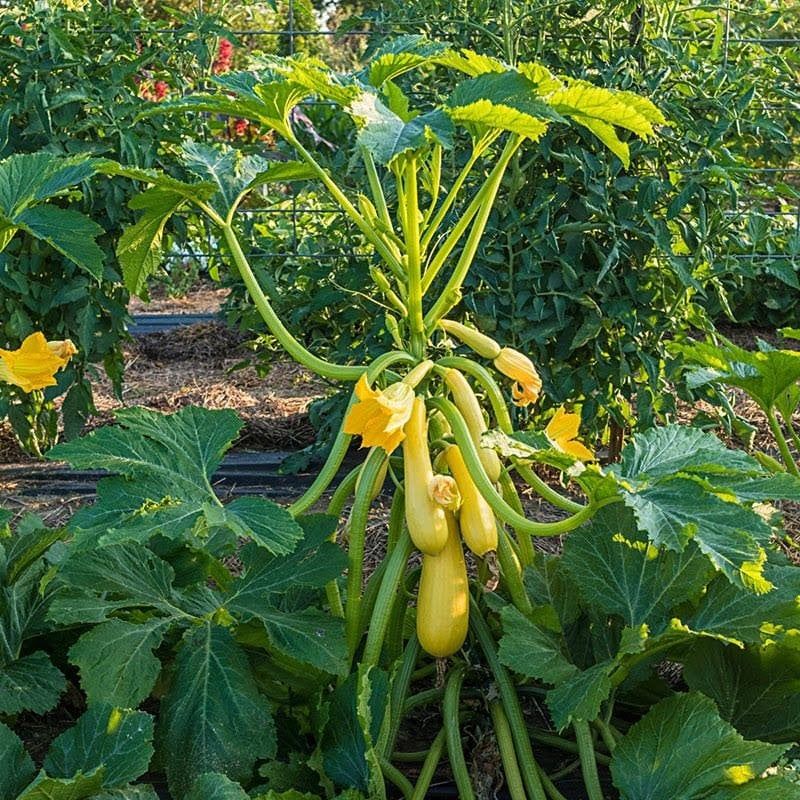
Among warm-season vegetables, summer squash has a reputation for being one of the most productive plants a Georgia gardener can put in the ground.
Seeds germinate in as few as 7 days when soil temperatures are between 70 and 95 degrees Fahrenheit, and the plants grow rapidly once they get established.
By the time late April rolls around in Georgia, conditions are typically favorable for fast, steady growth.
Sow seeds about one inch deep and space plants 24 to 36 inches apart to give leaves room to spread. Summer squash needs full sun and well-drained soil that has been enriched with compost or organic matter.
Water at the base of plants rather than overhead to reduce the chances of powdery mildew, which can show up during humid Georgia spring days.
Yellow crookneck and straightneck varieties are popular choices for Georgia home gardeners because they mature quickly and produce heavily over several weeks.
Most summer squash varieties are ready to harvest within 50 to 60 days from planting.
Picking fruit when it is small and tender, around 6 to 8 inches long, encourages the plant to keep producing. A few plants can easily supply more squash than a household expects.
4. Zucchini Keeps Up With Georgia’s Fast Spring Pace
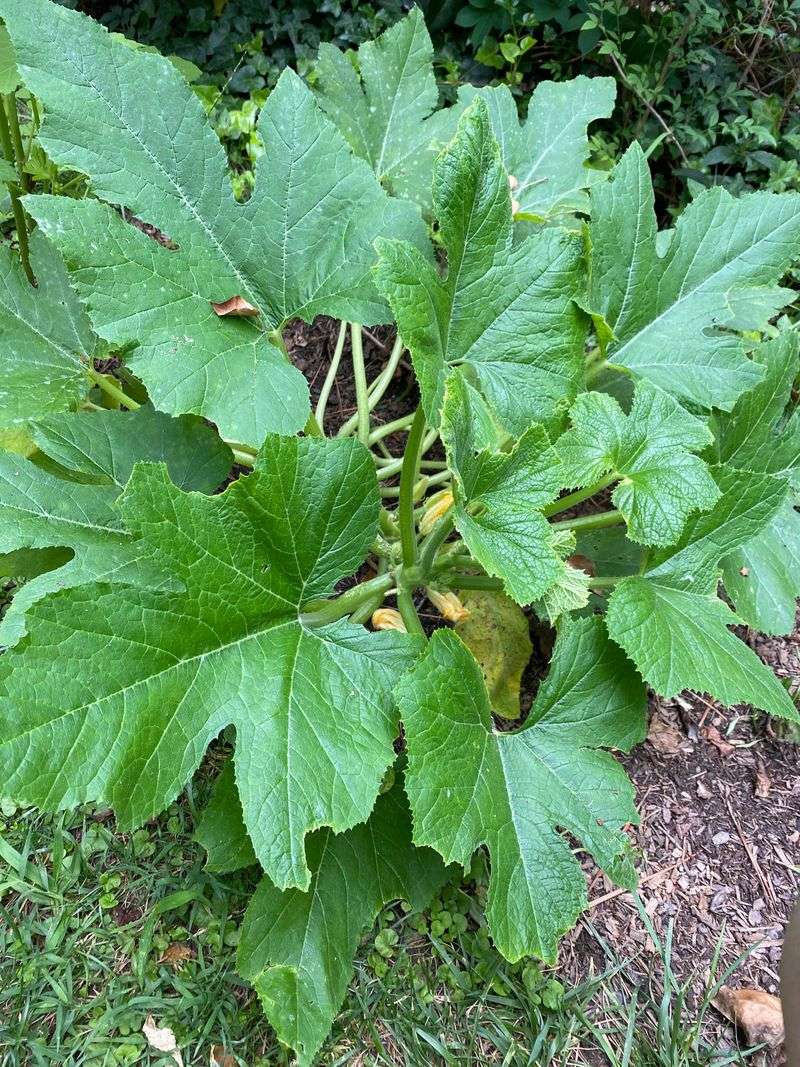
Gardeners who have grown zucchini before know it does not take long before plants are producing more than you bargained for.
In Georgia, April planting sets zucchini up for a strong early-summer harvest, with plants often going from seed to first fruit in about 50 days.
The state’s warming soil and long spring days give zucchini exactly the conditions it needs to hit the ground running.
Plant seeds one inch deep and space them at least 24 inches apart, since zucchini plants spread out considerably as they mature. Full sun is a must, and the soil should drain well to avoid root issues during Georgia’s spring rain events.
Adding a few inches of compost before planting gives the soil structure and nutrients that support early, vigorous growth.
Zucchini plants are pollinated by bees and other insects, so gardens with good pollinator activity tend to see better fruit set.
If you notice flowers dropping without forming fruit early in the season, that is often related to a lack of pollinator visits rather than a soil or watering problem.
Harvest zucchini when fruits are 6 to 8 inches long for the best texture and flavor, and check plants every couple of days once production begins in earnest.
5. Radishes Are Ready Before You Expect Them
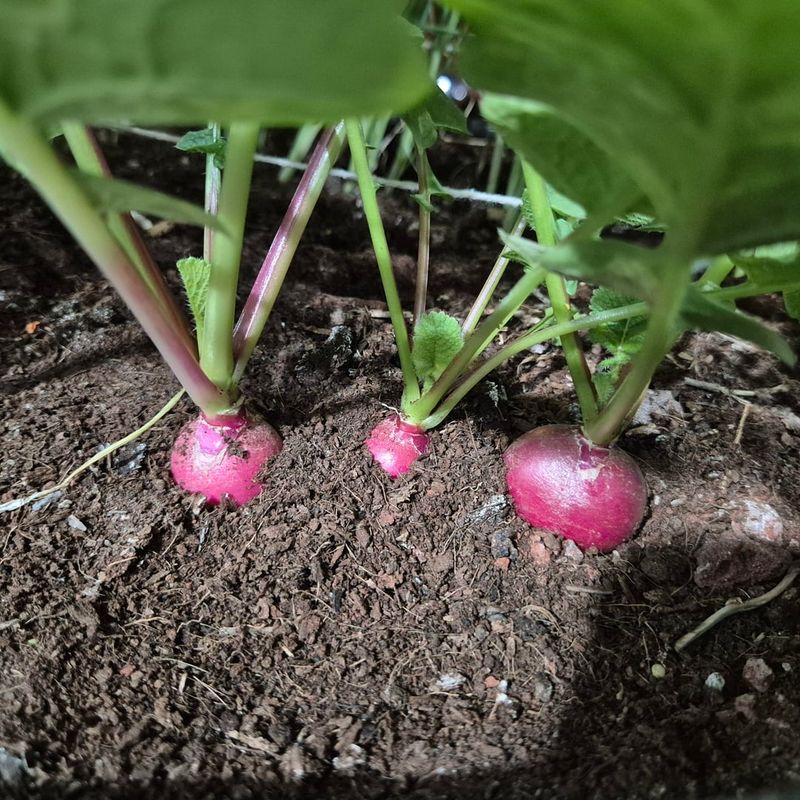
Speed is the defining quality of radishes, and no other vegetable in the spring garden moves from seed to table faster.
Certain varieties mature in as little as 22 to 25 days, making radishes one of the most satisfying crops to grow for anyone who wants quick results.
In Georgia, the cooler part of April, typically the first two weeks, is an ideal window for sowing radishes before warmer temperatures push them toward bolting.
Sow seeds directly into the soil about half an inch deep and thin seedlings to about 2 inches apart once they emerge. Radishes prefer loose, well-worked soil that allows roots to expand without resistance.
Compact or rocky soil can cause misshapen roots, so taking a few minutes to loosen the bed before planting makes a noticeable difference in the harvest.
Cherry Belle and French Breakfast are two varieties commonly recommended for Georgia spring gardens because they mature quickly and handle mild temperature swings reasonably well.
Radishes grow best in full sun to partial shade and need consistent moisture to develop smooth, mild-flavored roots.
If the soil dries out and then gets a heavy rain, roots can crack. Planting a short row every week or so stretches the harvest over several weeks rather than producing all at once.
6. Leaf Lettuce Fills Containers And Beds In Weeks
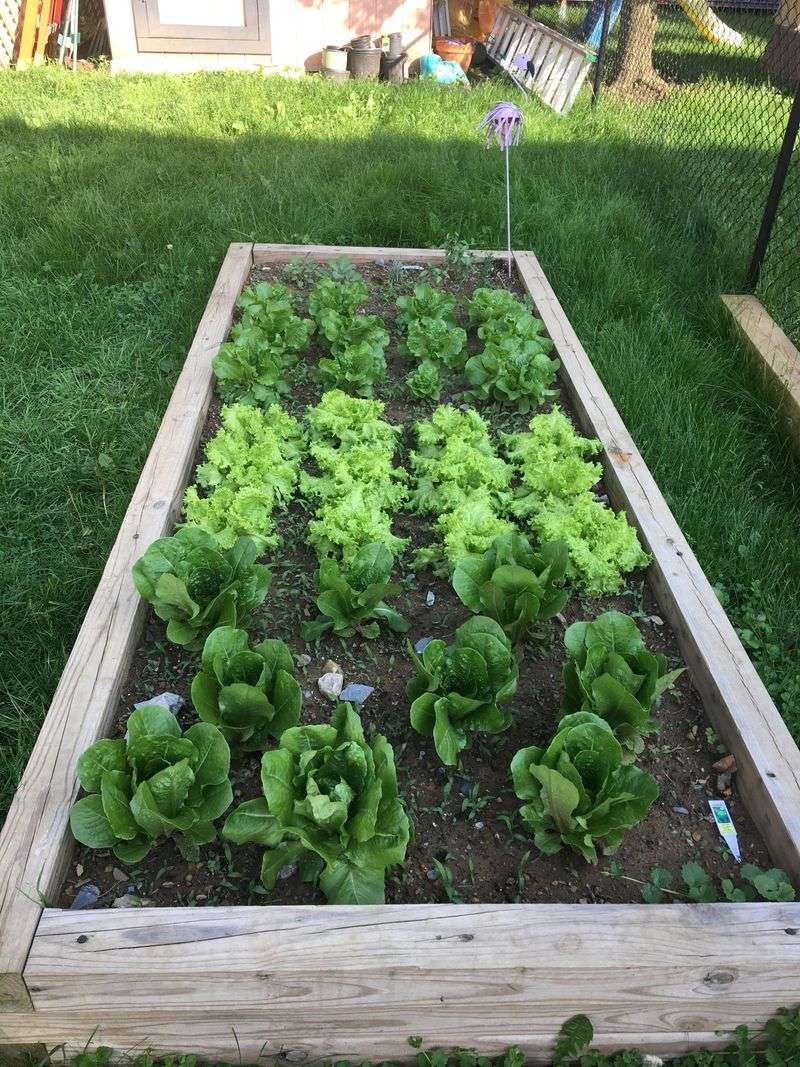
Leaf lettuce is one of those crops that rewards even the most impatient gardener with quick, visible results.
Unlike head lettuce varieties that take longer to form tight balls of leaves, loose-leaf types can be ready for a first harvest in as little as 30 to 45 days.
In Georgia, the cooler portion of April provides a sweet spot for lettuce before summer heat encourages bolting.
Scatter seeds lightly across prepared soil and press them gently into the surface, since lettuce seeds need light to germinate well. Thin seedlings to about 6 inches apart once they are a couple of inches tall.
Leaf lettuce grows well in containers, raised beds, and traditional garden rows, making it a flexible option for Georgia gardeners working with different amounts of space.
Varieties like Black Seeded Simpson, Red Sails, and Salad Bowl have performed reliably in Georgia gardens and are widely available at local nurseries and garden centers.
Partial afternoon shade can help extend the growing season as temperatures climb later in April and into May.
Water consistently but avoid saturating the soil, and harvest outer leaves regularly to encourage the plant to keep producing fresh growth from the center. A small planting can supply fresh salads for weeks.
7. Collard Greens Grow Fast With Steady, Reliable Harvests
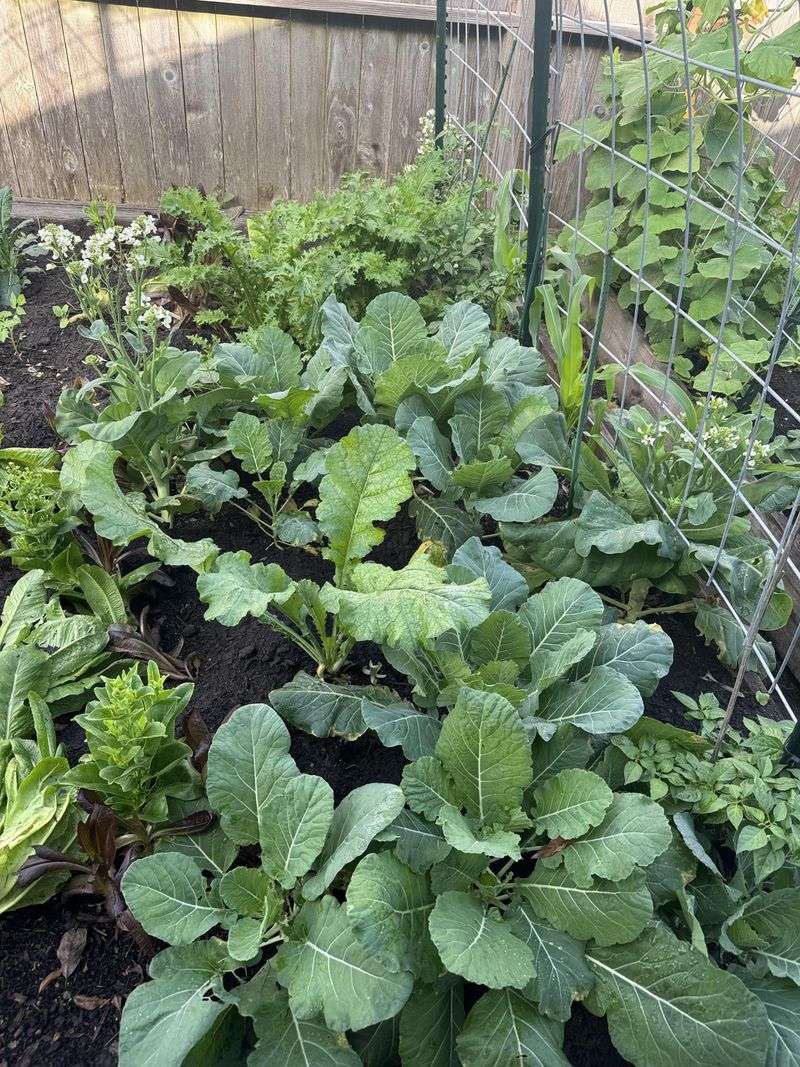
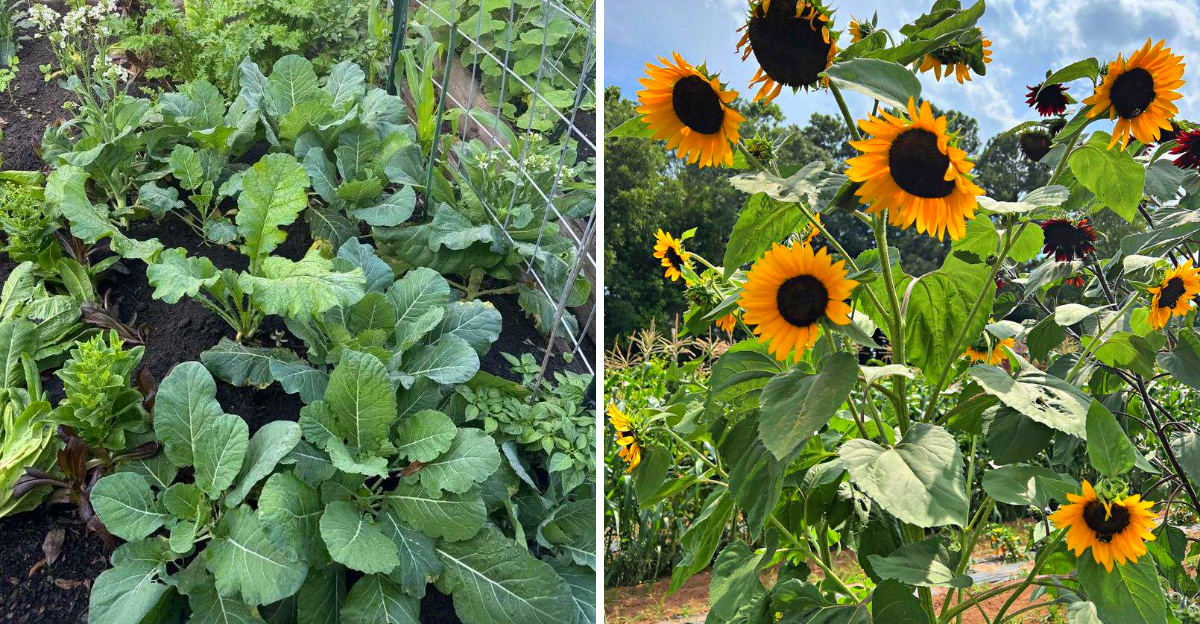
Collard greens hold a strong place in Southern gardens, and Georgia growers have relied on them for generations. April planting lines up well with their growth habits, especially as soil warms and plants begin to establish quickly.
Many varieties can be ready for light harvesting in about 40 to 60 days, with tender leaves developing steadily as the season progresses.
Cooler stretches early in April help produce milder, more tender greens that become a staple in many Georgia kitchens.
Sow seeds about a quarter to half inch deep and thin seedlings to 12 to 18 inches apart to give plants room to spread. Collards grow best in full sun but can benefit from a bit of afternoon shade as temperatures rise.
Consistent moisture and fertile, well-drained soil support steady leaf production and help keep texture pleasant.
Popular choices like Georgia Southern and Vates perform well across the state, offering dependable growth and extended harvests.
Outer leaves can be picked as they reach usable size, allowing plants to continue producing over time.
Collards are rich in vitamins A, C, and K, making them a productive and nutritious addition to spring gardens.
8. Turnips Offer Quick Roots And Tasty Greens
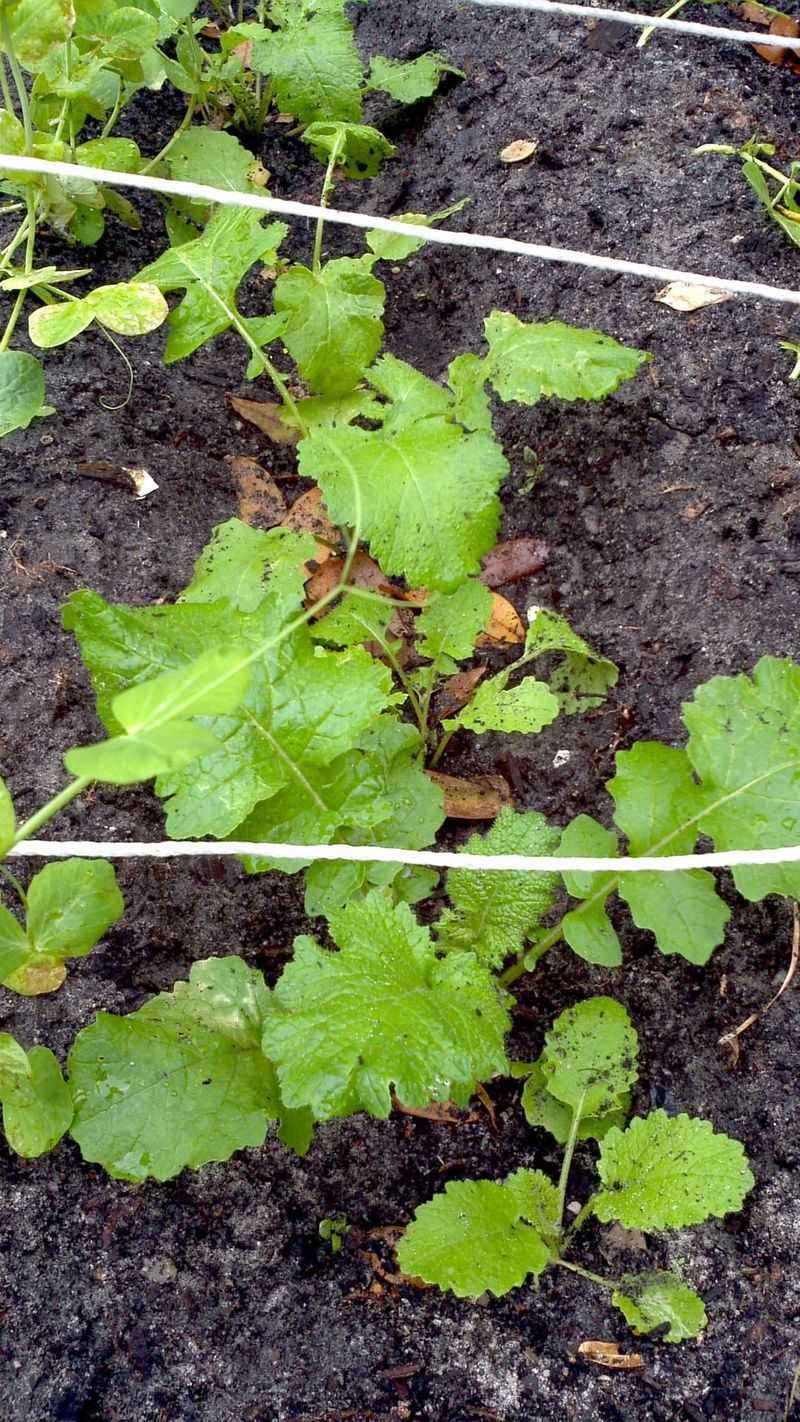
Turnips are one of those underrated spring vegetables that deliver on two fronts at once – edible roots and nutritious greens from the same plant. That double harvest makes them especially practical for Georgia gardeners working with limited space.
The tops can be harvested as early as 3 weeks after planting, while the roots typically mature in 40 to 60 days depending on the variety and growing conditions.
Sow turnip seeds directly into the garden about a quarter to half an inch deep, thinning seedlings to 4 to 6 inches apart once they are a few inches tall. Turnips grow best in full sun and prefer loose, fertile soil.
In Georgia, early to mid-April is a solid planting window, as turnips do best in cooler conditions and can handle light frosts that may still occur in northern parts of the state.
Purple Top White Globe is a classic variety that has been grown in Georgia gardens for a long time and performs reliably in spring conditions.
Keep soil evenly moist throughout the growing period, since dry spells can cause roots to become woody and strongly flavored.
Cooking the greens with a bit of seasoning is a tradition in many Georgia households, and the roots can be roasted, mashed, or added to soups for a mild, slightly sweet flavor.
9. Okra Settles In And Speeds Up With Heat
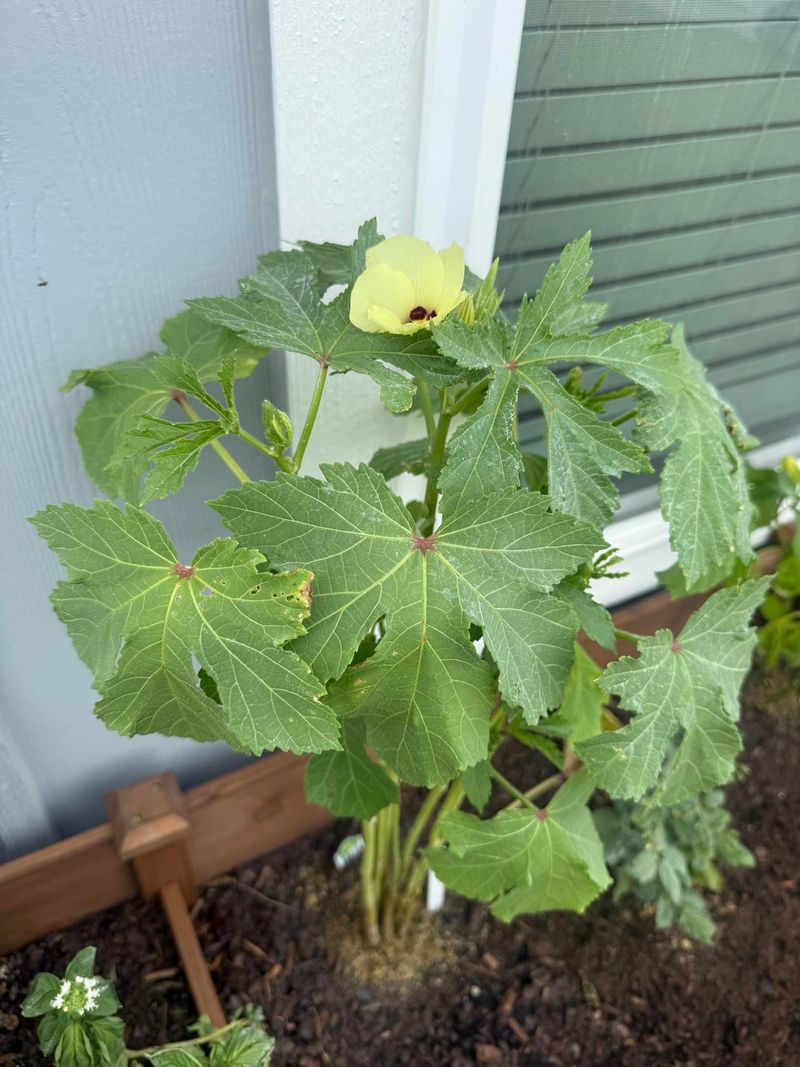
Unlike the cool-season crops that hit their stride in early April, okra is a plant that truly comes alive once Georgia’s temperatures are consistently warm.
Soil temperatures should be at least 65 degrees Fahrenheit, and ideally closer to 70, before okra seeds are planted.
In most parts of Georgia, that window arrives in the latter half of April, making it a good time to get seeds in the ground so plants can establish before the intense summer heat arrives.
Plant seeds about half an inch to one inch deep and space them 12 to 18 inches apart in rows set 3 feet apart. Okra thrives in full sun and is well-suited to Georgia’s long, hot summers.
It is relatively drought-tolerant once established, though consistent watering during the seedling stage helps plants develop strong root systems before summer sets in.
Clemson Spineless is one of the most widely recommended okra varieties for Georgia gardens, offering reliable production and easy harvesting. Plants typically begin producing pods within 50 to 65 days of planting.
Harvest pods when they are 2 to 4 inches long for the best tenderness, and check plants every couple of days since pods can grow tough quickly in Georgia’s summer warmth.
Regular harvesting also encourages the plant to keep setting new pods throughout the season.
10. Sunflowers Shoot Up And Brighten The Garden Fast
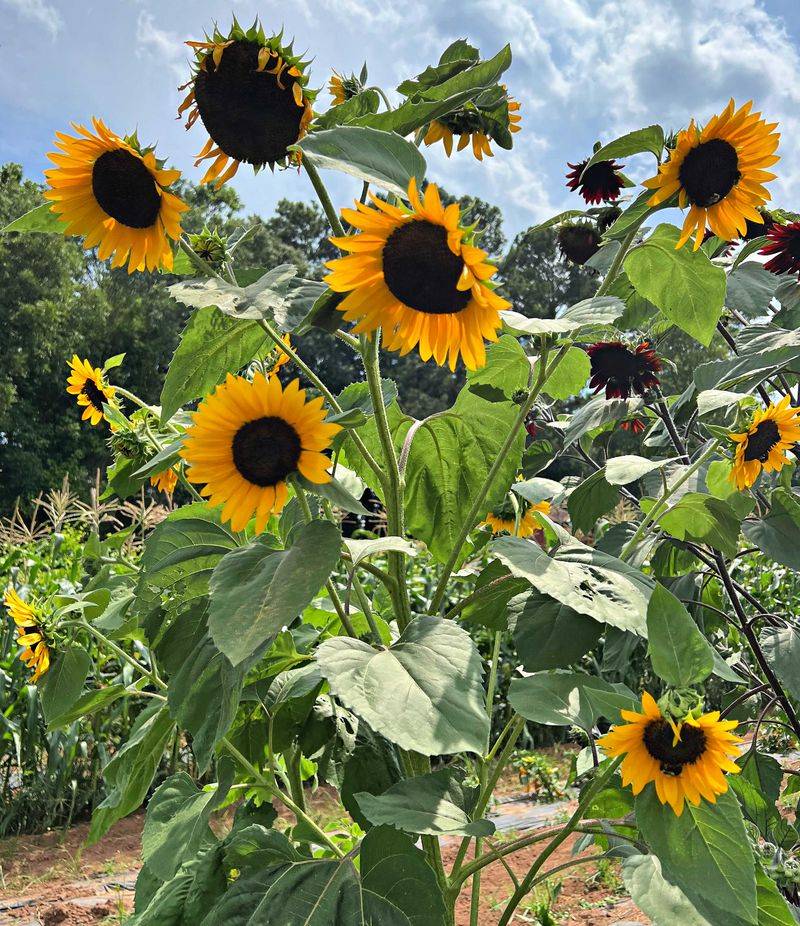
There is something genuinely satisfying about watching a sunflower go from seed to towering plant in just a matter of weeks.
In Georgia, April planting gives sunflowers a running start, with warm soil and increasing daylight hours fueling rapid upward growth.
Most standard varieties reach blooming height within 70 to 85 days from seeding, meaning an April planting in Georgia can deliver impressive flowers by late June or early July.
Sow seeds directly into the garden about one inch deep and space them 6 inches apart for smaller varieties or 12 to 24 inches apart for larger types. Sunflowers are not demanding plants – they prefer full sun, well-drained soil, and moderate watering.
Avoid over-fertilizing with nitrogen, as that can push leafy growth at the expense of flower development. Georgia’s sandy loam and clay soils both support sunflowers reasonably well when drainage is adequate.
Varieties like Mammoth Russian, Autumn Beauty, and Lemon Queen are popular choices for Georgia home gardens and establish quickly under spring conditions.
Sunflowers attract pollinators throughout their blooming period, which benefits nearby vegetable plants.
Once blooms fade, seed heads provide food for birds, making sunflowers a plant that keeps contributing to the garden even after peak bloom season has passed.