Fast-Growing, Self-Seeding Flower That Fills Your Ohio Garden With Colorful Blooms

One small handful of seeds can transform a quiet Ohio garden into a burst of color that seems to appear overnight. Thin stems rise quickly, delicate petals open in waves, and suddenly the entire space feels alive with motion and brightness.
Bees drift from bloom to bloom. Butterflies circle in slow, graceful loops.
The garden begins to look less planted and more like a wild summer meadow. The real surprise arrives the following season.
New flowers return across the beds, along pathways, and even in unexpected corners. No careful replanting, no complicated effort.
Just another explosion of cheerful color that seems to grow on its own. Many Ohio gardeners search years for a flower that brings this kind of effortless beauty.
The answer often waits in a simple, airy bloom known as cosmos.
1. A Fast Growing Flower That Quickly Fills Empty Garden Spaces
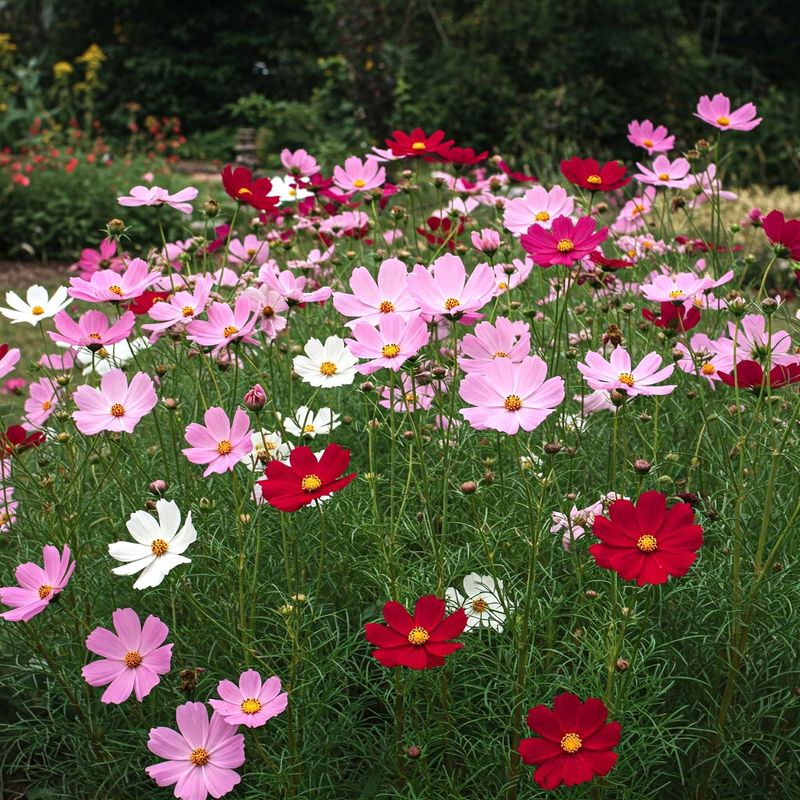
Few flowers can transform a bare patch of dirt into a colorful showstopper as quickly as Cosmos. From the moment seeds hit the soil, germination typically happens within seven to ten days under warm conditions, which is remarkably fast compared to many other garden flowers.
Ohio gardeners can direct sow seeds outdoors after the last frost, usually around mid-May in most parts of the state.
Because Cosmos grow so quickly, they are ideal for filling in new garden beds, empty borders, or those awkward bare spots that seem to appear overnight. Seedlings can reach several inches tall within just a couple of weeks, and plants often begin blooming in as little as seven to eight weeks from planting.
That kind of speed makes them one of the most satisfying flowers to grow, especially for beginners who want results fast.
No special soil preparation is required. Cosmos actually prefer lean, well-drained soil and can struggle in overly rich or heavily amended beds.
Simply loosen the top few inches of soil, scatter seeds, and lightly rake them in. Ohio’s warm summer temperatures do the rest.
Thinning seedlings to about twelve inches apart helps each plant develop strong stems and produce more blooms. For a continuous splash of color from June through fall, try sowing a second batch of seeds a few weeks after your first planting.
2. Self Seeding Plants That Return To Ohio Gardens Year After Year

One of the most magical things about Cosmos is that they essentially plant themselves. Once established in your garden, Cosmos produce hundreds of slender seeds that drop to the ground in late summer and fall.
Those seeds quietly wait through Ohio’s winter and then sprout again the following spring when soil temperatures warm up, often without any help from you.
This self-seeding habit means that after your first planting, you may never need to buy Cosmos seeds again. Gardeners across Ohio have reported finding volunteer Cosmos seedlings popping up reliably each spring, sometimes in slightly different spots than the year before, which gives the garden a naturally relaxed and charming look.
It feels less like a planned landscape and more like something that grew wild and beautiful on its own.
To encourage reseeding, simply leave some spent flower heads on the plants at the end of the season instead of deadheading everything. Let the seed heads dry out completely on the stem before any rain or wind scatters them across your bed.
Avoid heavy mulching in areas where you want seeds to germinate, since thick mulch layers can prevent seeds from making contact with the soil. According to OSU Extension guidelines on annual flowers, allowing self-seeders to naturalize is a smart, low-cost strategy for keeping Ohio gardens colorful season after season.
3. Airy Colorful Blooms That Brighten Beds And Walkways
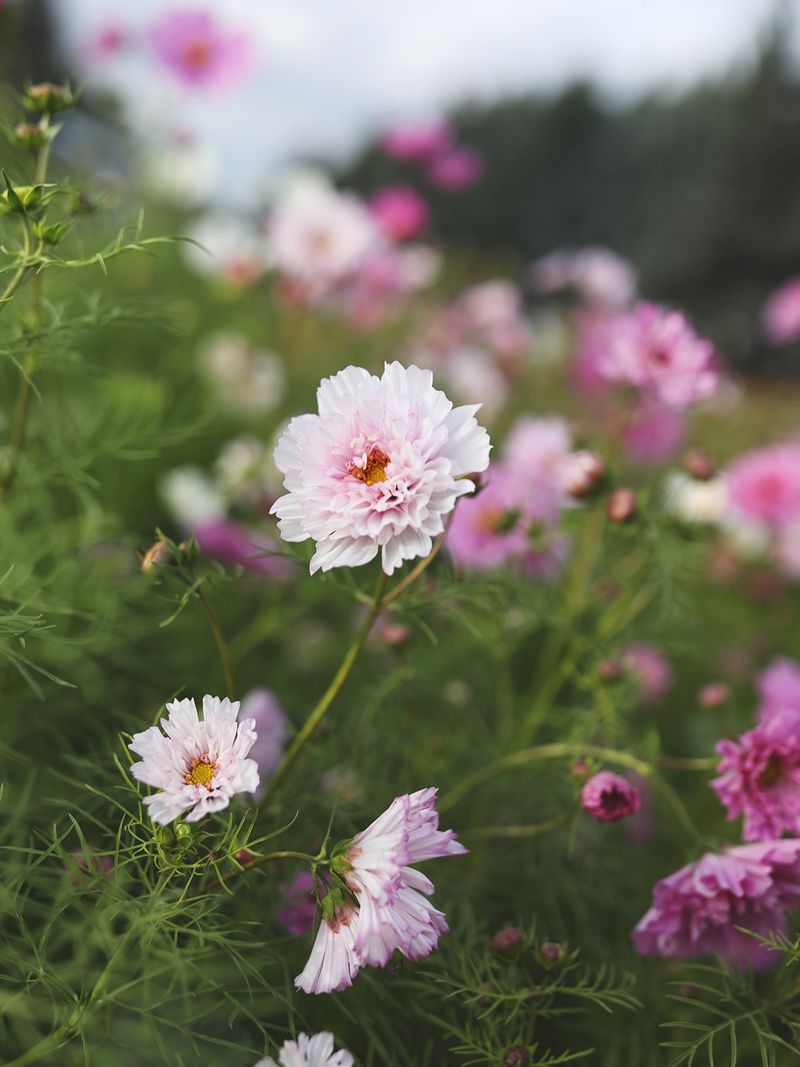
Walk past a row of Cosmos in full bloom and it is hard not to stop and stare. The flowers have a light, almost paper-thin quality to their petals, and they seem to float above the feathery foliage like colorful butterflies hovering in place.
Shades of soft pink, bold magenta, and pure white create a cheerful palette that brightens any garden bed without feeling overdone or fussy.
Along garden borders and walkways, Cosmos create a natural, flowing effect that more rigid plants simply cannot match. Their slender stems sway gently in the breeze, adding a sense of movement and life that makes the whole garden feel more dynamic.
Ohio gardeners often plant them along fence lines, at the edges of vegetable gardens, or in long drifts beside a garden path to create a welcoming, cottage-garden atmosphere.
Popular varieties like Cosmos bipinnatus ‘Sensation Mix’ offer a reliable range of those classic pink and white tones, while newer cultivars like ‘Double Click’ feature fuller, ruffled blooms that look almost like small dahlias. Taller varieties can reach four to six feet, creating a stunning floral backdrop behind shorter plants.
Whether used as a cut flower in a vase or left standing in the garden, the airy, colorful blooms of Cosmos add an effortless elegance that makes any outdoor space feel more alive and inviting throughout Ohio’s summer months.
4. A Pollinator Favorite That Brings Bees And Butterflies To Your Yard

Spend a few minutes watching a patch of Cosmos on a warm Ohio afternoon, and you will quickly notice all the buzzing and fluttering going on. Bees, butterflies, and hoverflies are drawn to the wide, open blooms because the pollen and nectar are easy to access.
Unlike flowers with complex, tubular shapes, Cosmos offer a simple landing pad that works for a wide range of beneficial insects.
Monarch butterflies are especially fond of Cosmos, and since Ohio sits along a key migration corridor for monarchs, planting Cosmos can genuinely support their journey. Swallowtail butterflies, bumblebees, and native ground-nesting bees are also frequent visitors.
Beyond the beauty they bring, these pollinators play a critical role in keeping your entire garden healthy, helping to pollinate vegetables, fruits, and other flowering plants nearby.
Research from university extension programs, including work supported by OSU Extension, consistently highlights the value of planting easy, open-faced flowers to support pollinator populations in home gardens. Cosmos rank among the top recommended plants for this purpose because they bloom over such a long season, providing a reliable food source from early summer all the way through fall.
Planting a generous cluster of Cosmos rather than just a few scattered plants will make your yard even more attractive to pollinators, creating a lively, buzzing corner of the garden that benefits the whole neighborhood ecosystem.
5. Heat Loving Flowers That Thrive In Ohio Summer Sunshine

Ohio summers can get seriously hot, with temperatures regularly climbing into the upper eighties and beyond during July and August. Many flowers struggle in that kind of heat, but Cosmos genuinely love it.
Originally from the warm, sunny highlands of Mexico, these plants are built for bright, long days and warm nights, which makes them a natural fit for Ohio’s mid-summer growing conditions.
Full sun is where Cosmos truly shine. Aim for at least six to eight hours of direct sunlight each day, and your plants will reward you with strong stems, lush foliage, and nonstop blooming.
Partial shade tends to produce leggy, weak plants that flop over and produce fewer flowers. Choosing a sunny south- or west-facing garden bed in Ohio will give your Cosmos the best possible start.
Watering needs are modest once plants are established. Deep, infrequent watering is better than shallow daily sprinkles, encouraging roots to grow deeper into the soil where moisture stays longer during dry spells.
Ohio typically receives enough summer rainfall to keep Cosmos happy, but during extended dry stretches, a good soak once or twice a week will keep plants looking their best. Avoid overhead watering late in the day to reduce the risk of fungal issues.
With the right sunny spot and a little water management, Cosmos will thrive from planting day straight through the heat of an Ohio summer without missing a beat.
6. Low Maintenance Plants That Practically Grow Themselves
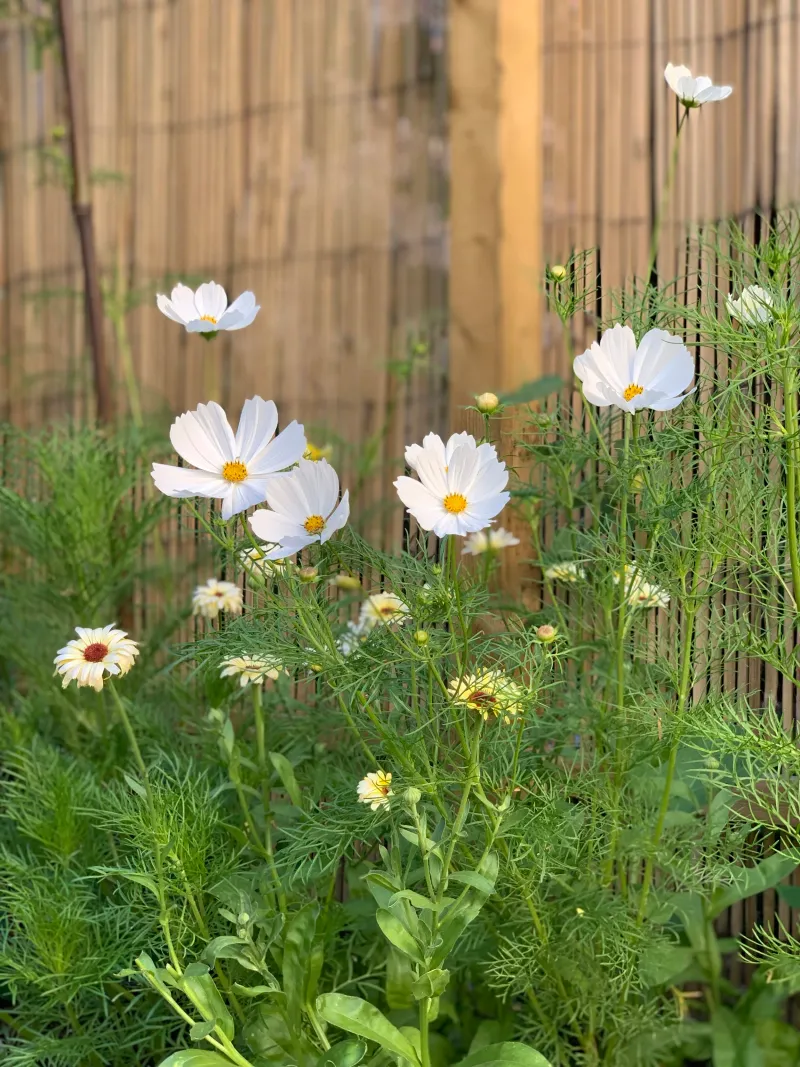
Not every gardener has hours to spend weeding, fertilizing, and fussing over flower beds. Cosmos are practically made for busy people.
Once they are in the ground and past the seedling stage, these plants ask for very little in return for all the beauty they provide. No special soil amendments, no complicated watering schedules, and no heavy feeding routines are needed.
In fact, too much fertilizer can actually work against you with Cosmos. Rich, nitrogen-heavy soil encourages lush green foliage at the expense of flowers, leaving you with tall, leafy plants that barely bloom.
Ohio gardeners are often surprised to learn that Cosmos perform better in average or even slightly poor soil than in heavily amended beds. Skip the fertilizer unless your soil is extremely depleted, and let the plants do their thing naturally.
Occasional thinning is the one task that genuinely helps. When seedlings are a few inches tall, thin them to about twelve inches apart so each plant has enough room to branch out and produce more flowers.
Beyond that, Cosmos are wonderfully self-sufficient. They rarely suffer from serious pest problems, and they are not particularly fussy about soil pH.
OSU Extension recommends Cosmos as a beginner-friendly annual for exactly these reasons. Whether you are new to gardening or simply prefer a low-effort approach to a beautiful yard, Cosmos deliver impressive results with minimal input all season long.
7. Tall Graceful Stems That Add Movement And Texture To Gardens
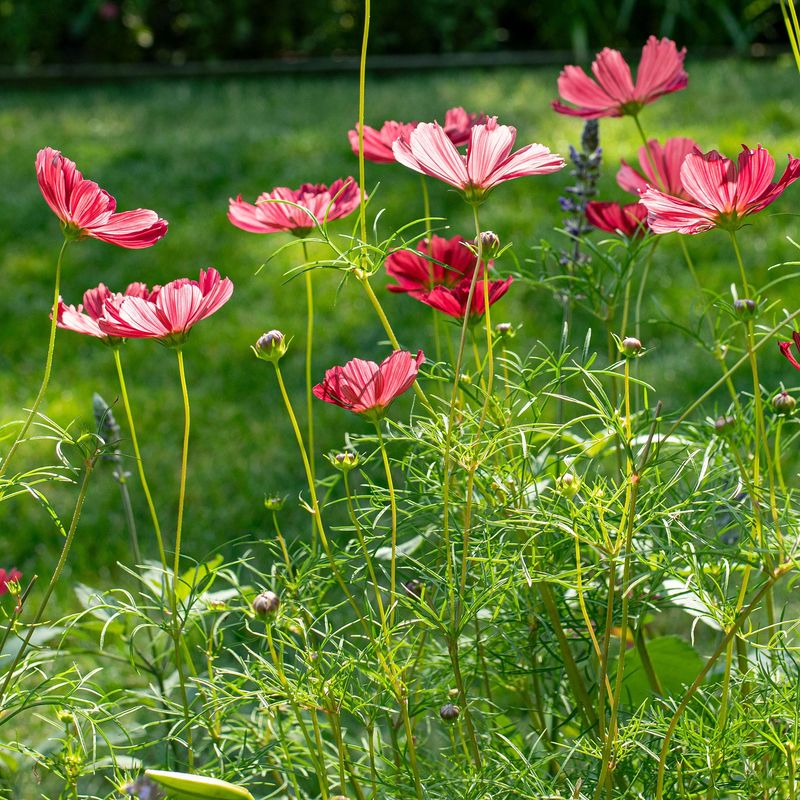
There is something undeniably graceful about the way Cosmos move. Even the lightest breeze sets those tall, slender stems swaying, and the feathery, fern-like foliage shimmers and shifts in a way that adds genuine life to a garden bed.
Most Cosmos varieties reach between three and six feet tall, giving them a presence that shorter annuals simply cannot match.
That height makes Cosmos especially useful as a back-of-border plant in mixed garden beds. Planted behind shorter flowers like marigolds, zinnias, or black-eyed Susans, Cosmos create a layered, naturalistic look that feels right at home in a cottage-style Ohio garden.
Their airy foliage never feels heavy or overpowering, so they add vertical interest without blocking light or crowding neighboring plants.
The texture of Cosmos foliage is worth appreciating on its own. The finely cut, almost thread-like leaves create a soft, wispy backdrop that makes bolder-leaved plants nearby stand out even more by contrast.
Garden designers often use Cosmos specifically for this textural quality, pairing them with broad-leafed plants like hostas or ornamental grasses to create visual contrast and depth. In Ohio gardens where summer winds are common, that constant gentle movement transforms a static planting into something that feels dynamic and alive.
Growing Cosmos along a fence, trellis, or garden wall also helps support taller stems and keeps them looking tidy through the season.
8. Long Lasting Blooms That Keep Gardens Colorful Until Fall

Most summer flowers start winding down by August, but Cosmos keep going strong well into fall. In Ohio, where the first frost typically arrives sometime in October depending on your region, Cosmos can continue producing fresh blooms for four to five months from their first flowering.
That kind of staying power is rare among annual flowers and makes them one of the best long-season performers for Ohio gardens.
Deadheading, which simply means removing spent blooms before they form seeds, is the easiest way to extend that flowering period even further. When you snip off faded flowers, the plant puts its energy into producing new buds rather than setting seed.
A quick pass through your Cosmos patch every week or so with a pair of garden scissors can dramatically increase the number of blooms you get over the course of a season. It takes just a few minutes and makes a noticeable difference.
If you want the plants to self-seed for next year, stop deadheading in late August or early September and let a good number of seed heads mature and drop naturally. You can do both, deadheading through midsummer to maximize blooms and then easing off toward the end of the season to encourage reseeding.
Ohio gardeners who follow this simple approach often find their Cosmos patches growing more full and colorful with each passing year, creating a garden tradition that practically runs itself from one season to the next.