Fast Growing Tall Indoor Plants That Fit Beautifully In Georgia Homes
Georgia homes are ideal environments for large indoor plants, thanks to warm temperatures, bright light, and naturally higher humidity.
Many tall houseplants grow faster indoors in Georgia than in cooler or drier regions, often reaching impressive heights within just a few years.
These plants don’t just fill space—they transform rooms by adding height, texture, and a sense of calm.
Fast-growing indoor plants are especially appealing for homeowners who want immediate impact without waiting a decade for results.
With proper light and consistent care, these plants quickly develop strong trunks, large leaves, and upright form.
Many also adapt well to common indoor conditions, making them both dramatic and practical.
From living rooms to entryways, tall indoor plants help balance open spaces and soften hard lines.
Choosing fast growers ensures homes feel full, fresh, and intentionally styled without constant replacement.
Fiddle Leaf Fig (Ficus Lyrata)

Warm indoor temperatures combined with bright, indirect light create the perfect recipe for fiddle leaf figs to shoot upward at remarkable speed.
Georgia homes naturally provide the cozy warmth these tropical natives crave year-round.
Within a single growing season, your fiddle leaf fig can add several feet of height, eventually reaching impressive ceiling-touching dimensions.
The secret to their rapid vertical growth lies in consistent conditions and proper placement near windows.
Bright light fuels photosynthesis, which drives those dramatic growth spurts that make this plant so popular.
Avoid moving your fiddle leaf fig around too much, as stability helps it focus energy on growing taller rather than adjusting to new environments.
Large, violin-shaped leaves unfold regularly when the plant is happy, creating a stunning architectural statement.
Each new leaf emerges tightly wrapped and gradually opens to reveal its distinctive shape and deep green color.
With adequate space and light, fiddle leaf figs develop strong, upright trunks that support their impressive height.
Regular watering when the top soil dries out keeps growth steady throughout the year.
Fertilizing during spring and summer months provides extra nutrients for those rapid growth phases.
Georgia’s naturally humid indoor air during warmer months also benefits these moisture-loving plants immensely.
Rubber Tree (Ficus Elastica)
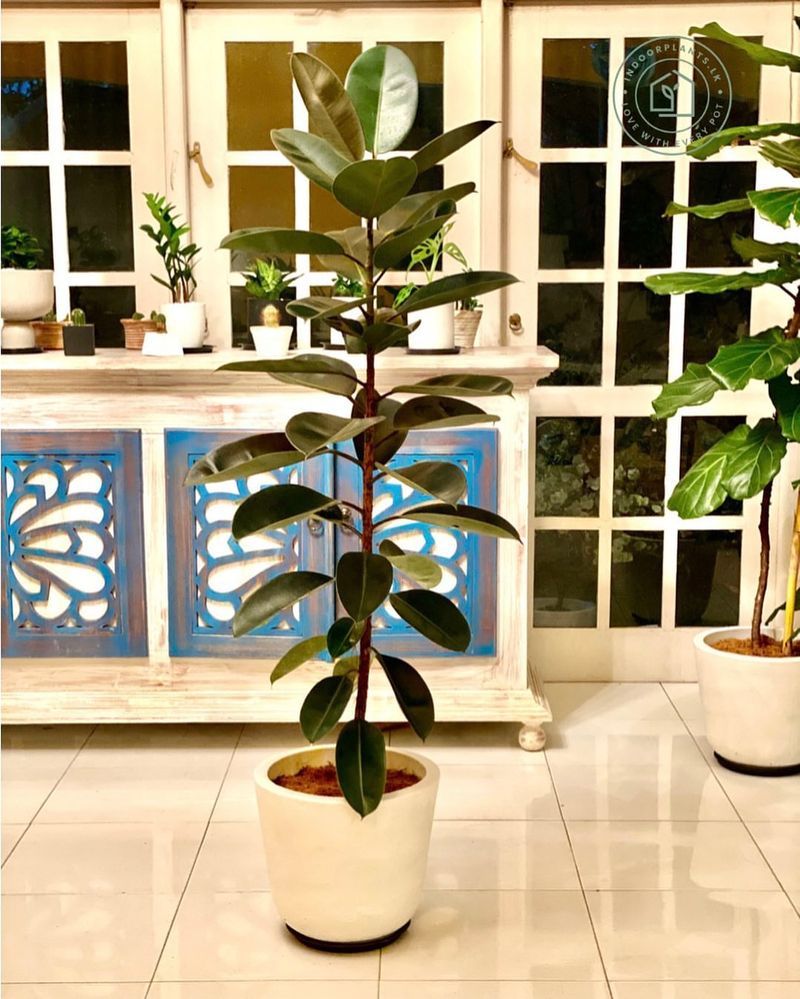
Few houseplants match the rubber tree’s ability to develop thick, sturdy trunks while simultaneously pushing upward at an impressive pace.
Those gorgeous, oversized leaves emerge regularly, each one larger and more lustrous than typical houseplant foliage.
Georgia’s indoor warmth encourages rubber trees to grow vigorously, often producing new leaves every few weeks during peak growing season.
The upright growth habit means rubber trees naturally want to reach skyward rather than spread outward.
This vertical tendency makes them perfect for narrow spaces or corners where you need height without taking up too much floor area.
Their thick stems become almost woody over time, supporting the weight of those substantial leaves effortlessly.
Glossy leaves in shades ranging from deep green to burgundy reflect light beautifully, adding visual interest to any room.
Dusting those leaves occasionally keeps them shiny and helps the plant photosynthesize more efficiently.
Healthy rubber trees can grow over a foot each year when given proper care and adequate lighting.
They adapt well to various light conditions, though brighter spots produce faster growth and more vibrant leaf colors.
Watering thoroughly when the soil surface feels dry maintains consistent growth momentum.
Pruning the top encourages bushier growth if you prefer a fuller shape rather than maximum height.
Areca Palm
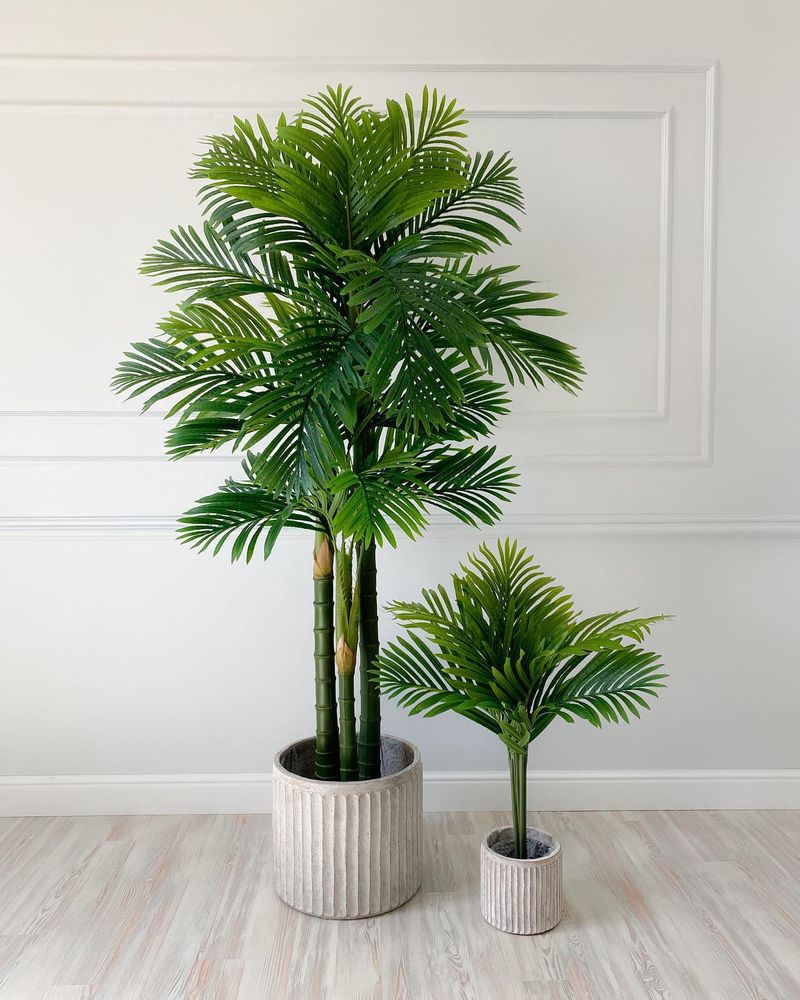
Georgia’s naturally humid indoor environment during spring and summer creates paradise for areca palms that absolutely love moisture in the air.
These graceful palms respond to humidity by producing new fronds at an accelerated rate, quickly filling vertical space with tropical elegance.
Within months, a modestly sized areca palm can transform into a towering specimen that commands attention.
Multiple stems emerge from the base, each one shooting upward and topped with feathery, arching fronds.
This clustering growth pattern creates a lush, full appearance while still maintaining an airy, light quality.
The bamboo-like stems add textural interest and give the plant a sophisticated, resort-style aesthetic.
Bright, indirect light near windows fuels rapid frond production throughout the growing season.
Each new frond unfurls from the center of a stem, gradually opening to reveal delicate leaflets arranged along a central rib.
Areca palms can easily reach six to eight feet indoors when given adequate space and consistent care.
Regular misting or placing the pot on a humidity tray enhances growth rates even further.
Keeping the soil consistently moist but never waterlogged maintains that tropical vigor.
Yellow tips on older fronds are natural and can be trimmed without harming the plant’s overall health or growth rate.
Bamboo Palm
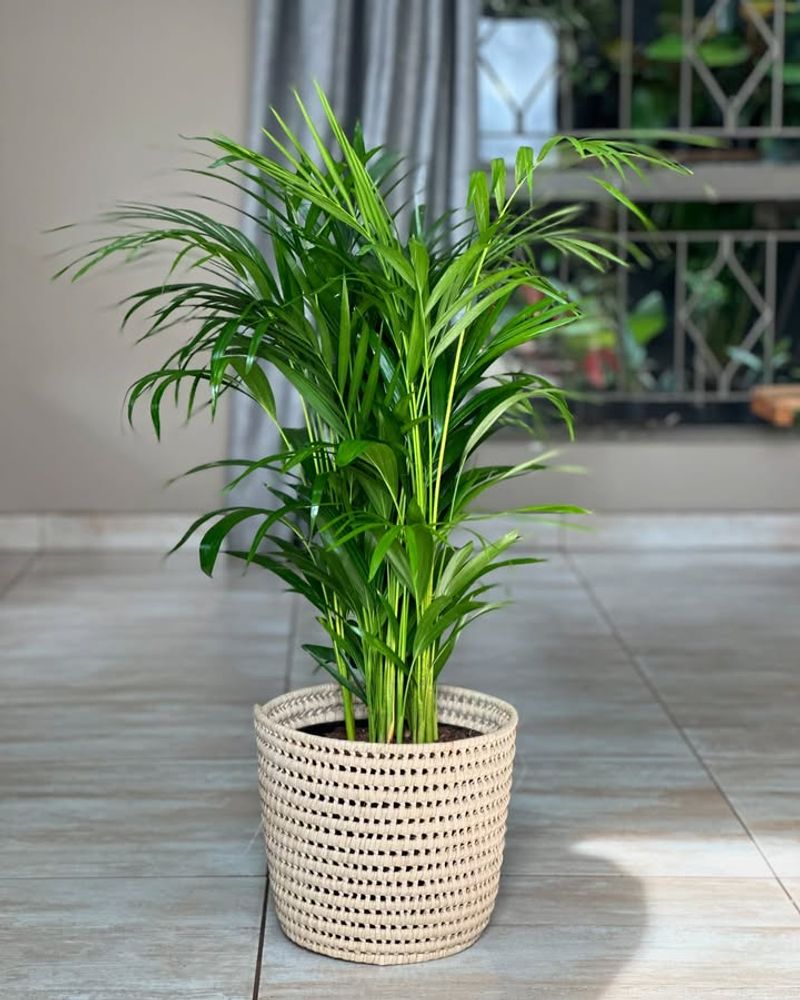
Not every tall indoor plant demands blazing bright light, and bamboo palm proves this beautifully by thriving in medium indoor lighting conditions.
This adaptability makes it perfect for Georgia homes where not every room receives direct sunlight throughout the day.
Despite moderate light, bamboo palms still manage to grow upward steadily, adding height and tropical charm to any space.
Slender, reed-like stems cluster together and rise gracefully, topped with delicate, feathery fronds that sway gently with air movement.
The overall effect is both calming and visually striking, bringing outdoor vibes indoors effortlessly.
New stems regularly emerge from the base, contributing to both height and fullness over time.
Bamboo palms naturally purify indoor air while they grow, removing common household toxins and improving overall air quality.
This dual benefit makes them especially valuable in bedrooms or home offices where you spend significant time.
Their fast growth means you’ll notice visible changes within weeks during active growing periods.
Consistent watering keeps the root system healthy and supports continuous upward growth.
Allowing the top inch of soil to dry between waterings prevents root issues while maintaining growth momentum.
Fertilizing monthly during spring and summer provides nutrients for those regular growth spurts that add impressive height.
Corn Plant (Dracaena Fragrans)
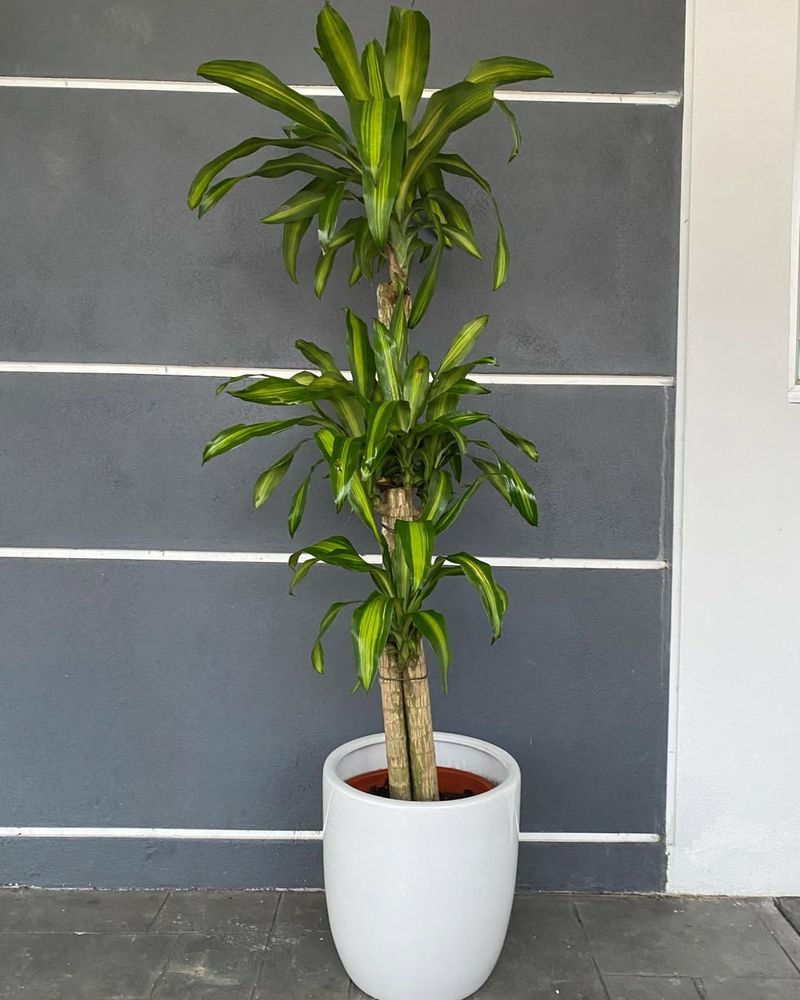
Sometimes the best indoor plants are those that grow steadily taller without demanding constant attention or perfect conditions.
Corn plants epitomize this low-maintenance approach, adapting remarkably well to typical indoor environments found throughout Georgia homes.
Their thick, cane-like stems store water and nutrients, allowing them to tolerate occasional watering lapses while still pushing upward consistently.
Arching, sword-shaped leaves emerge from the tops of those woody stems, creating dramatic rosettes that add architectural interest.
The striping on the leaves varies from subtle to bold depending on the variety, offering visual texture.
As the plant matures and grows taller, lower leaves naturally yellow and drop, revealing more of the interesting trunk structure.
This self-pruning habit means the plant focuses energy on producing new growth at the top rather than maintaining older foliage.
Corn plants can easily reach five to six feet indoors, making them perfect for filling vertical space in corners or beside furniture.
They tolerate low to medium light conditions, though brighter spots encourage slightly faster growth rates.
Watering when the soil feels dry several inches down keeps the root system healthy without risking overwatering.
Dust accumulation on those broad leaves can be wiped away easily with a damp cloth.
Minimal fertilization is needed, making this one of the most forgiving tall plants for busy households.
Weeping Fig (Ficus Benjamina)
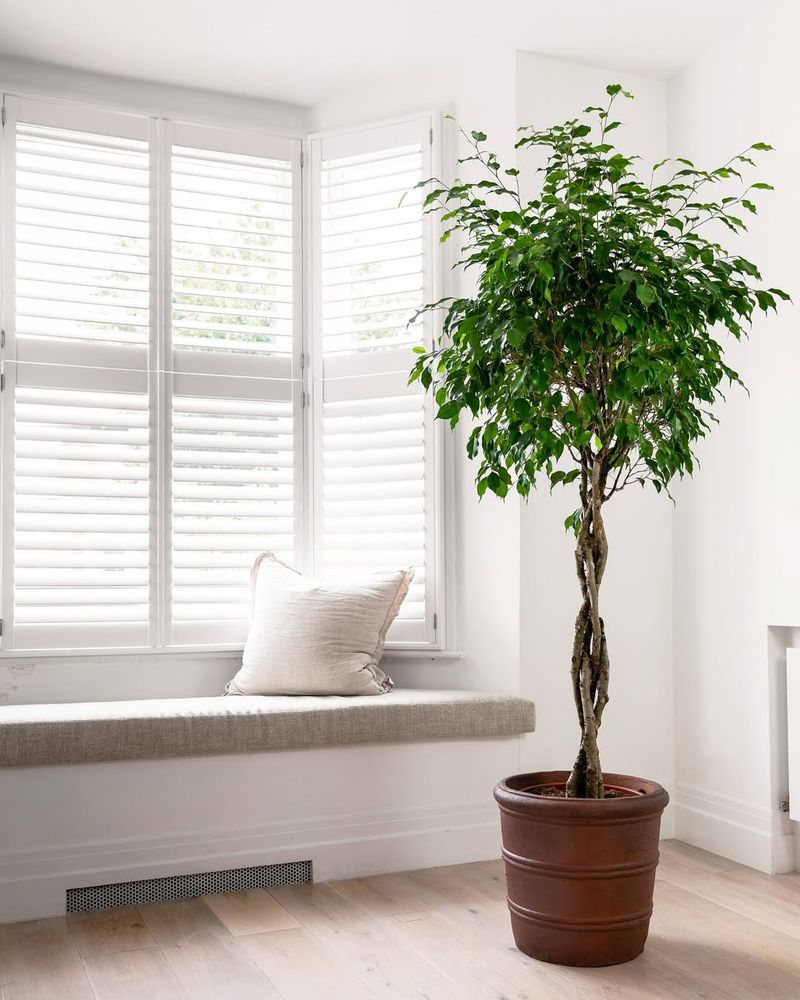
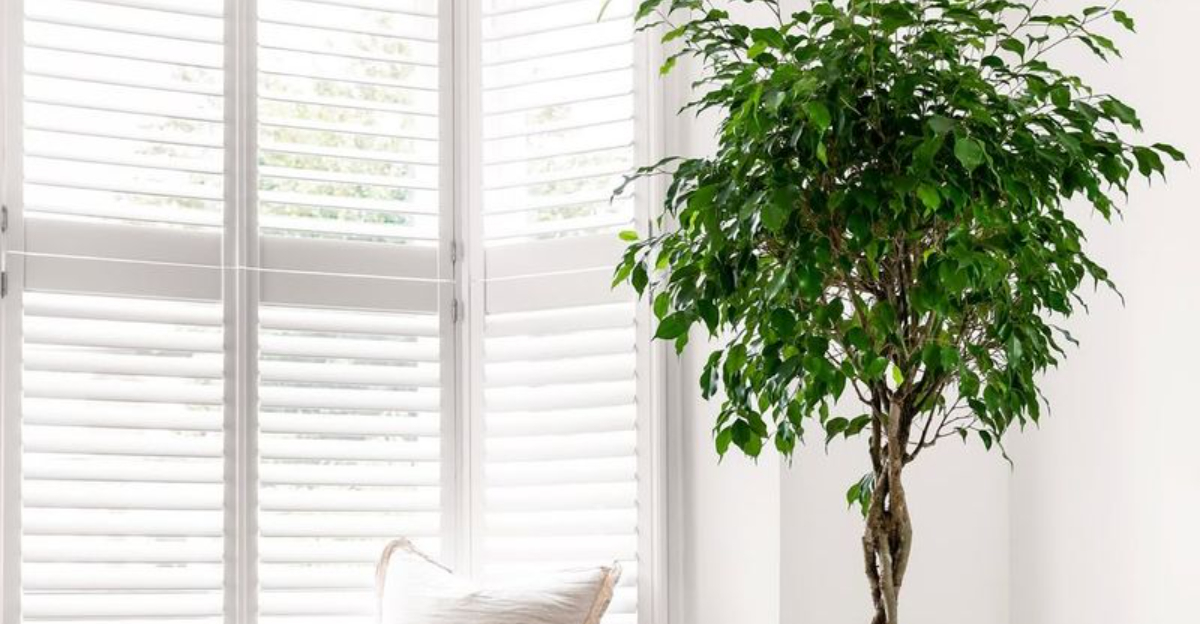
Given proper lighting and stable conditions, weeping figs transform from modest houseplants into genuine indoor trees with impressive height and presence.
Their fast vertical growth surprises many new plant owners who suddenly find themselves with a six-foot specimen within a couple of years.
Bright, indirect light near windows provides the energy these figs need to produce abundant foliage while simultaneously growing taller.
Small, glossy leaves densely cover arching branches, creating a graceful, weeping canopy that softens any interior space.
The delicate foliage contrasts beautifully with the smooth, gray bark that develops as the trunk matures and thickens.
Many growers train multiple young stems together in braided patterns, adding visual interest to the trunk as the plant gains height.
Weeping figs do appreciate consistency, so finding the right spot and leaving them there encourages the fastest growth.
Moving them frequently or dramatic changes in light can cause temporary leaf drop, though new growth quickly replaces what was lost.
Georgia’s stable indoor temperatures year-round help minimize stress and keep growth steady.
Regular watering when the top inch of soil dries maintains moisture levels without oversaturating the roots.
Pruning can shape the canopy and encourage bushier growth, though leaving the plant unpruned maximizes height potential.
With patience and proper care, weeping figs become stunning focal points that rival small outdoor trees.
Majesty Palm

Bright light combined with consistent moisture creates the ideal conditions for majesty palms to shoot upward at truly impressive speeds.
These tropical beauties respond enthusiastically to Georgia’s warm indoor climate, especially when placed near south or west-facing windows.
During peak growing season, new fronds emerge regularly from the crown, each one unfurling to add both height and dramatic tropical flair.
The fronds arch gracefully outward as they mature, creating a fountain-like silhouette that brings vacation vibes into your home.
Each frond consists of numerous leaflets arranged along a central stem, giving that classic feathery palm appearance.
Majesty palms can reach eight feet or more indoors when their moisture and light needs are consistently met.
The key to rapid growth lies in keeping the soil evenly moist without allowing it to become waterlogged or soggy.
These palms appreciate frequent watering during warm months, sometimes needing water every few days when actively growing.
Humidity also plays a crucial role, so misting the fronds or using a humidifier nearby encourages faster, healthier growth.
Yellowing fronds typically indicate underwatering or low humidity rather than any serious health issue.
Regular fertilization during the growing season provides essential nutrients for producing those large, energy-intensive fronds.
With attentive care, majesty palms reward you with rapid vertical growth that transforms any room into a tropical retreat.
Monstera Deliciosa (Staked Or Moss Pole)
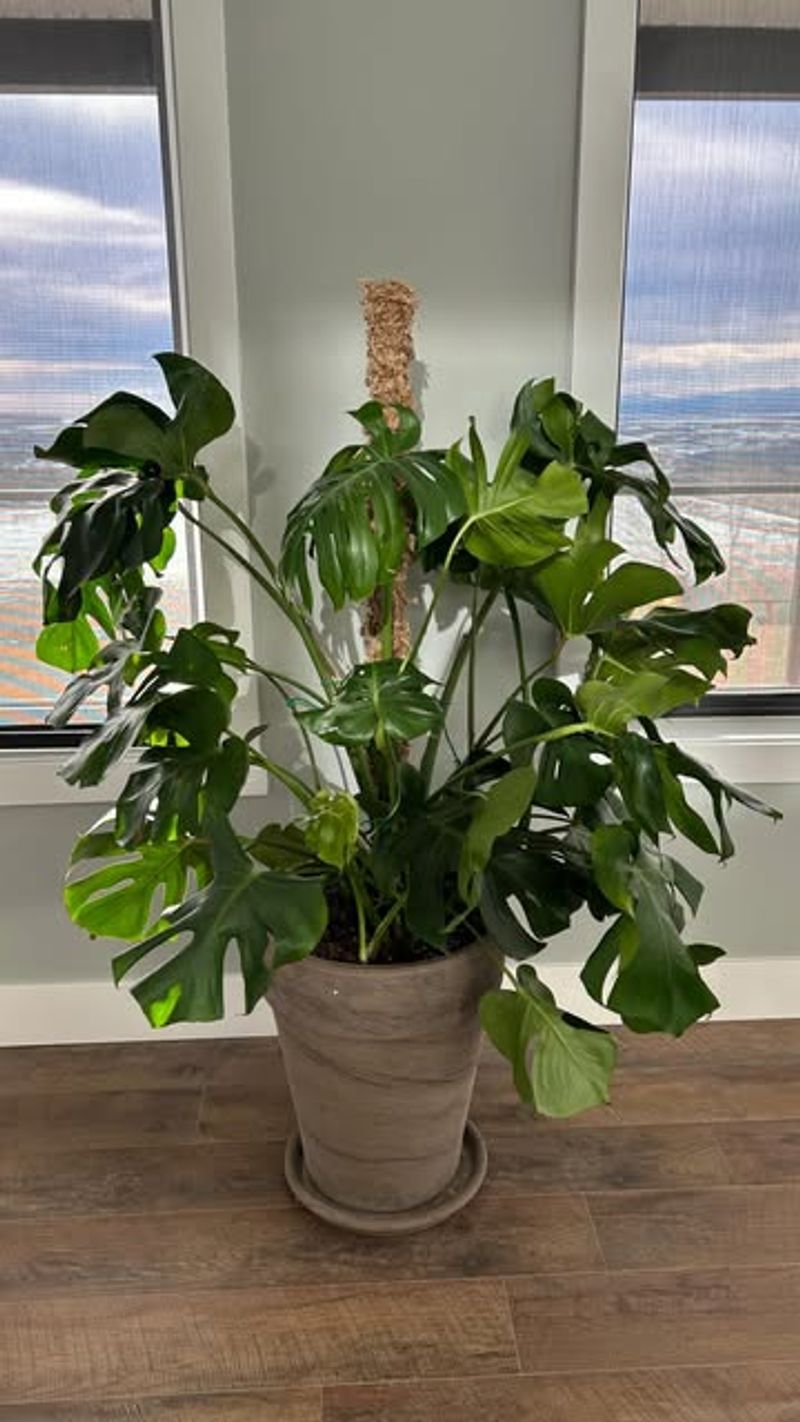
Providing vertical support unlocks the monstera’s true potential as a fast-growing climber that can reach impressive heights indoors.
A sturdy moss pole or wooden stake gives those aerial roots something to grip while the plant focuses energy on producing larger, more fenestrated leaves.
Georgia’s warm indoor temperatures encourage vigorous growth, with new leaves sometimes emerging every few weeks during spring and summer.
Each new leaf unfolds tightly wrapped and gradually opens to reveal increasingly dramatic splits and holes as the plant matures.
Those iconic fenestrations become more pronounced as the plant climbs higher and receives better light conditions.
Attaching the stem to the support with soft ties helps train the growth pattern upward rather than allowing it to sprawl sideways.
Bright, indirect light fuels rapid growth and encourages larger leaves with more impressive fenestrations.
Monstera can easily climb six to eight feet indoors when given proper support and care.
The thick, glossy leaves create bold visual impact and add a trendy, jungle-inspired aesthetic to any room.
Keeping the moss pole slightly moist encourages aerial roots to attach and absorb additional moisture from the support structure.
Regular watering when the top soil dries out maintains consistent growth momentum throughout the year.
Wiping dust from those large leaves helps them photosynthesize efficiently and maintains their stunning appearance as the plant towers upward.
Umbrella Tree (Schefflera Arboricola)
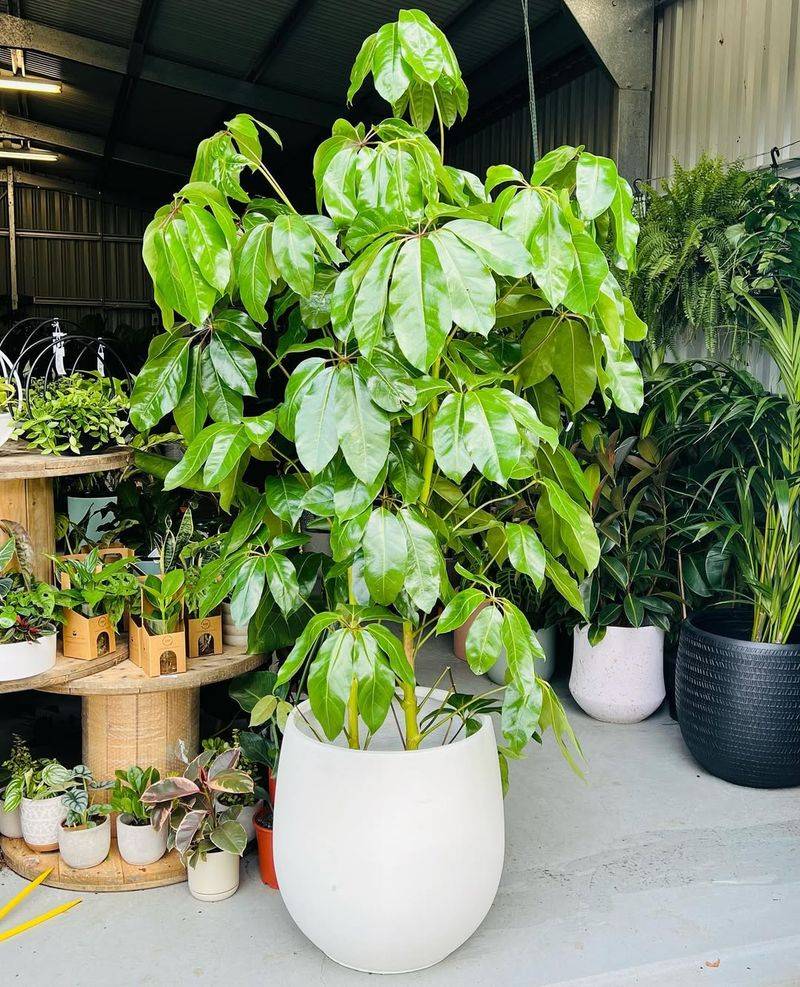
Rapid upward growth combined with natural branching creates a full, tree-like structure that makes umbrella trees standout performers among tall houseplants.
Those distinctive leaflets radiate from central points like umbrella spokes, giving the plant its common name and unique visual appeal.
Georgia’s indoor warmth encourages vigorous growth, with multiple stems often developing simultaneously and reaching for the ceiling.
The branching habit means umbrella trees naturally create fuller silhouettes compared to single-stemmed plants.
New growth points emerge along the stems, producing additional branches that add both height and width over time.
This self-branching tendency creates impressive specimens without requiring extensive pruning or training.
Glossy green leaflets catch and reflect light beautifully, adding brightness to corners and creating visual interest from multiple angles.
Some varieties feature variegated patterns with cream or yellow markings that enhance their decorative appeal.
Umbrella trees can reach six feet or taller indoors within just a few years when given adequate light and care.
They adapt well to various light conditions, though brighter spots produce faster growth and more compact branching.
Allowing soil to dry slightly between waterings prevents root issues while maintaining steady growth rates.
Pruning branch tips encourages even bushier growth, though leaving them unpruned maximizes vertical height potential for dramatic impact in your space.
Norfolk Island Pine
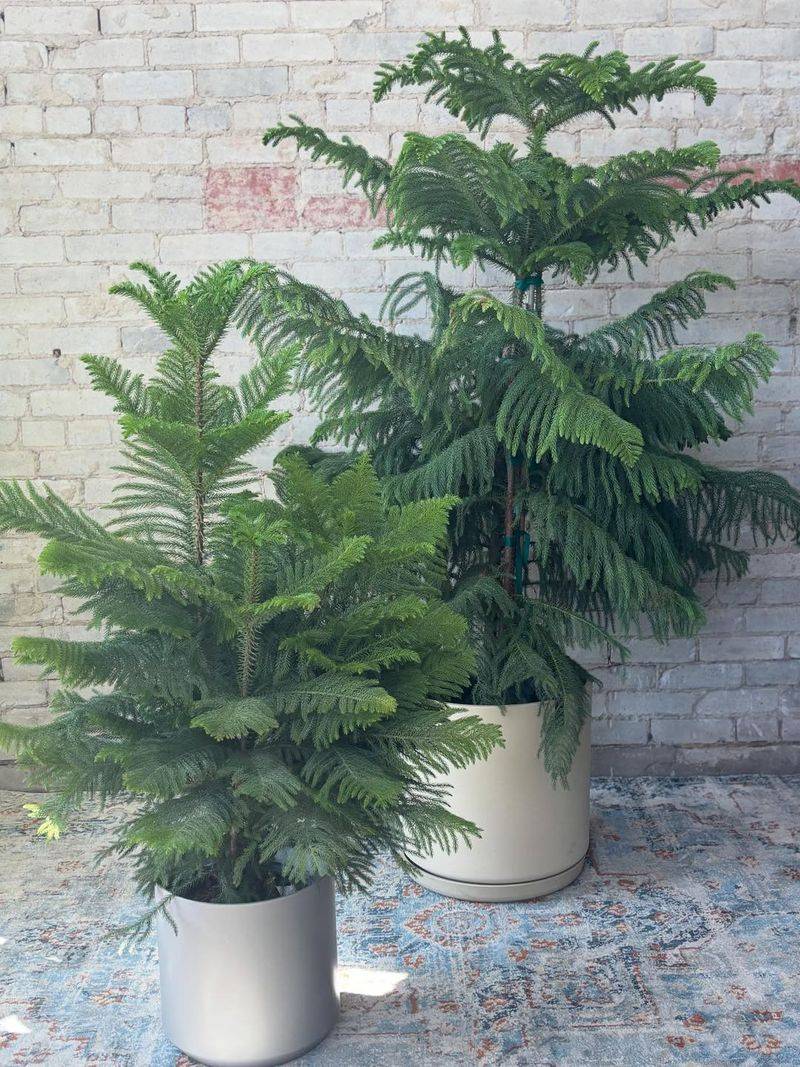
Patience pays off with Norfolk Island pines, which grow steadily upward year after year, eventually becoming stunning indoor statement trees.
Their symmetrical, tiered branching pattern creates a miniature evergreen appearance that brings outdoor charm inside.
While not the absolute fastest grower on this list, Norfolk Island pines consistently add height each year without requiring intensive care or perfect conditions.
Soft, needle-like foliage covers horizontal branches that emerge in regular whorls around the central trunk.
This orderly growth pattern creates a naturally balanced silhouette that needs no pruning or shaping to look attractive.
As the plant matures and grows taller, the lower branches gradually spread wider, creating a classic conical tree shape.
Bright, indirect light near windows provides the energy these pines need for consistent upward growth throughout the year.
They appreciate cooler temperatures than most tropical houseplants, making them perfect for rooms that stay comfortably cool.
Norfolk Island pines can reach five to eight feet indoors over several years, becoming cherished long-term residents.
Keeping soil consistently moist but not soggy supports steady growth and prevents needle browning.
Misting the foliage occasionally adds humidity that these plants appreciate, especially during Georgia’s drier winter months indoors.
Their unique appearance and reliable growth make them conversation pieces that gain character and presence with each passing year.
Bird Of Paradise (Strelitzia Reginae)
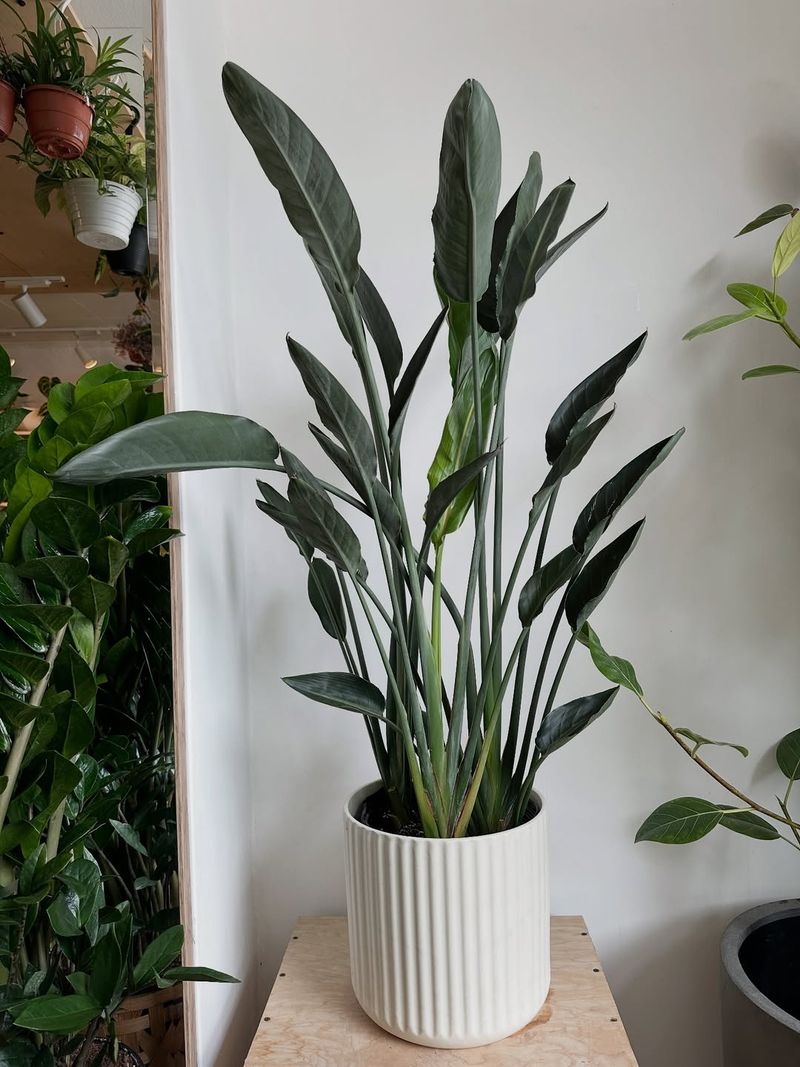
Bright light acts like rocket fuel for bird of paradise plants, which respond by producing large, banana-like leaves at an accelerated pace.
These dramatic plants can grow several feet in a single season when positioned near bright windows that provide abundant indirect sunlight.
Georgia homes with southern or western exposure offer ideal conditions for bird of paradise to reach their full impressive height potential.
Each new leaf emerges rolled tightly and gradually unfurls to reveal substantial surface area that catches light and drives photosynthesis.
The thick, upright stems support those heavy leaves as the plant pushes steadily upward toward ceiling height.
Mature specimens can easily reach six to eight feet indoors, creating bold tropical statements that dominate a room.
The large leaves naturally split along their edges as the plant matures, giving them a windswept appearance that adds character.
These splits are normal and actually help the plant withstand air movement without sustaining damage.
While famous for their exotic orange and blue flowers, bird of paradise grown indoors primarily dazzles with impressive foliage and height.
Consistent watering during the growing season keeps those large leaves hydrated and supports rapid growth rates.
Allowing the soil surface to dry slightly between waterings prevents root issues while maintaining growth momentum.
Fertilizing regularly during spring and summer provides nutrients for producing those substantial leaves that require significant energy to develop and maintain.
Yucca Cane
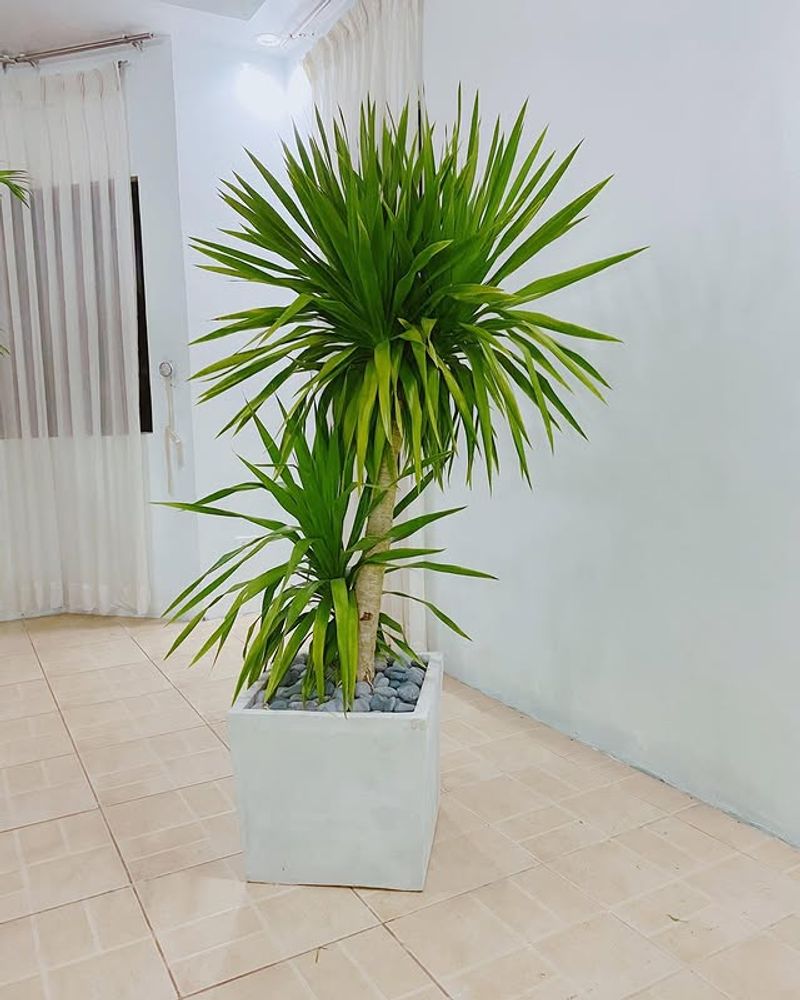
Architectural stems topped with spiky foliage make yucca cane a striking choice for modern interiors that need height without high maintenance demands.
These desert natives grow surprisingly fast indoors when given bright light, developing thick, woody trunks that add sculptural interest.
Georgia’s warm indoor temperatures suit yucca perfectly, allowing steady upward growth with minimal fussing or special care requirements.
Sharp, sword-shaped leaves radiate from the tops of those substantial stems in dramatic rosettes that command attention.
The stiff, upright foliage creates strong vertical lines that complement contemporary decor styles beautifully.
As yucca grows taller, the lower leaves naturally yellow and can be trimmed away to reveal more of the attractive trunk structure.
Bright light near windows encourages faster growth and keeps the foliage compact and healthy looking.
Yucca tolerates lower light conditions but grows more slowly and may develop looser, less attractive leaf arrangements.
These plants can reach five to eight feet indoors over time, becoming impressive specimens that anchor a room’s design.
Infrequent watering suits yucca’s drought-tolerant nature, making them perfect for busy households or forgetful plant owners.
Allowing soil to dry completely between waterings prevents root rot while still supporting steady growth.
Minimal fertilization is needed, and yucca actually prefers slightly neglectful care over constant attention, making them ideal low-maintenance options for achieving dramatic height.