9 Fast-Growing Vegetables For Your Washington Garden
If you’re eager to see results from your Washington garden, fast-growing vegetables are the key. These varieties sprout quickly, giving you fresh, homegrown produce in record time.
Why wait months when you can harvest in weeks? Washington’s cool, moist climate is perfect for certain speedy veggies that thrive without constant fuss.
More greens, more flavor, more fun. From crisp lettuces to tender radishes, these fast growers are perfect for gardeners of all experience levels. Small space? No problem.
Even containers or raised beds can yield abundant crops with the right selections. Your garden can start giving back almost immediately.
With a few smart choices and timely planting, you can enjoy a steady stream of fresh vegetables all season long. Let’s dig into the fastest-growing vegetables you can plant in Washington.
1. Radishes
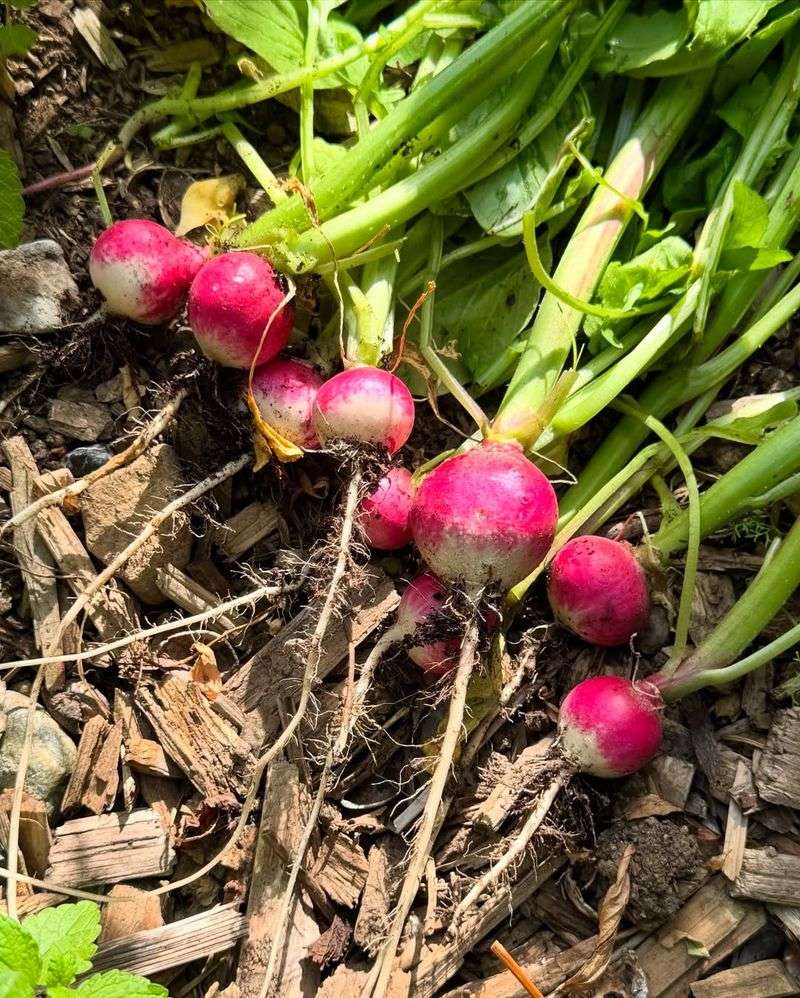
Radishes are often the first vegetable new gardeners plant because they sprout and mature faster than almost anything else you can grow. In Washington’s cool spring and fall weather, radishes can be ready to harvest in as little as 20 to 30 days from sowing seeds.
They prefer the mild temperatures found throughout much of the state, making them ideal for early spring planting or late summer succession crops.
Plant radish seeds directly into well-drained soil about half an inch deep and one inch apart. They need consistent moisture to develop crisp, mild roots without becoming woody or overly spicy.
Thin seedlings to about two inches apart once they emerge to give each radish room to grow properly.
Washington gardeners can enjoy multiple radish harvests throughout the growing season by planting new seeds every two weeks. Choose from classic red globe varieties, elongated French breakfast types, or even colorful watermelon radishes for variety.
Radishes also make excellent companion plants because they grow so quickly that they can be harvested before larger vegetables need the space.
Harvest radishes as soon as they reach a usable size, usually when the tops of the roots are about an inch in diameter. Leaving them in the ground too long can result in pithy, tough textures that are less enjoyable to eat.
2. Lettuce
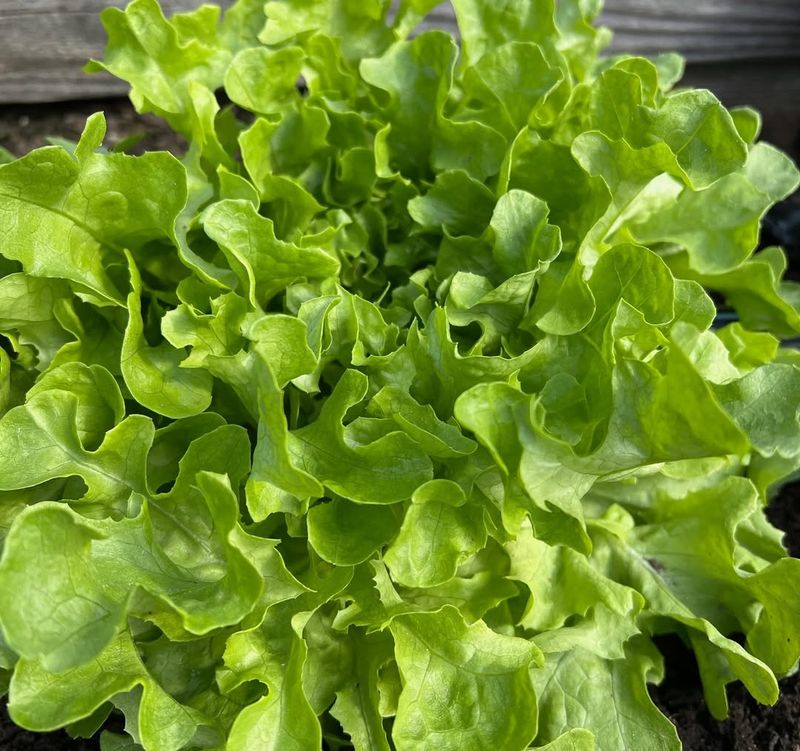
Cool-season lettuce thrives in Washington’s mild spring and autumn temperatures, producing tender leaves in just 30 to 45 days depending on the variety.
Leaf lettuce varieties mature even faster than head types, allowing you to harvest individual leaves as needed while the plant continues producing.
This cut-and-come-again method extends your harvest for weeks and gives you fresh salad greens throughout the season.
Sow lettuce seeds directly in the garden or start them indoors a few weeks before your last spring frost.
Lettuce prefers partial shade during warmer months in Washington, especially in sunnier eastern areas where afternoon shade prevents bolting. Keep the soil consistently moist but not waterlogged to encourage steady, tender growth.
Washington gardeners can grow lettuce nearly year-round in many parts of the state by using cold frames or row covers during winter months. Choose heat-tolerant varieties for summer plantings and cold-hardy types for fall and winter harvests.
Loose-leaf varieties like oak leaf, buttercrunch, and red leaf lettuce are particularly well-suited to quick harvests.
Watch for signs of bolting, which happens when lettuce sends up a flower stalk in response to heat or long days. Once bolting begins, leaves become bitter and tough.
Harvest lettuce in the morning when leaves are crisp and full of moisture for the best flavor and texture.
3. Spinach
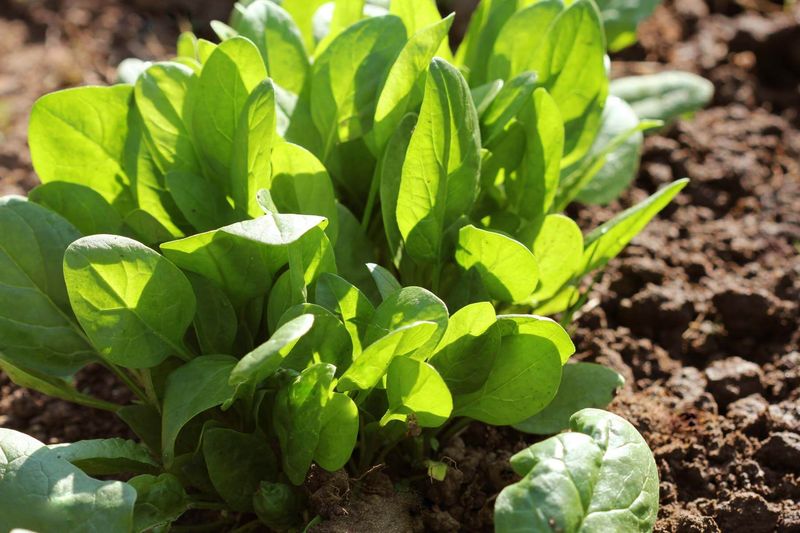
Spinach loves Washington’s cool, moist climate and can be harvested in as little as 40 days from planting. This nutrient-packed leafy green thrives in spring and fall when temperatures stay between 50 and 70 degrees Fahrenheit.
Washington’s western regions provide ideal conditions for spinach, though eastern gardeners can also succeed with proper timing and watering.
Direct sow spinach seeds about half an inch deep and two inches apart in rows spaced 12 inches apart. Spinach prefers rich, well-draining soil amended with compost or aged manure.
Water regularly to keep soil evenly moist, as dry conditions cause spinach to bolt quickly and produce bitter leaves.
For continuous harvests throughout the season, plant spinach every two to three weeks from early spring through late fall. Baby spinach can be harvested even earlier, sometimes in just 25 to 30 days, by cutting leaves when they are young and tender.
Mature spinach can be harvested by cutting the entire plant at soil level or by picking outer leaves and allowing the center to continue growing.
Spinach is remarkably cold-tolerant and can withstand light frosts, making it perfect for extending your Washington garden season. Some varieties can even overwinter in milder parts of the state with minimal protection.
Choose bolt-resistant varieties for spring plantings to maximize your harvest window before warm weather arrives.
4. Green Beans
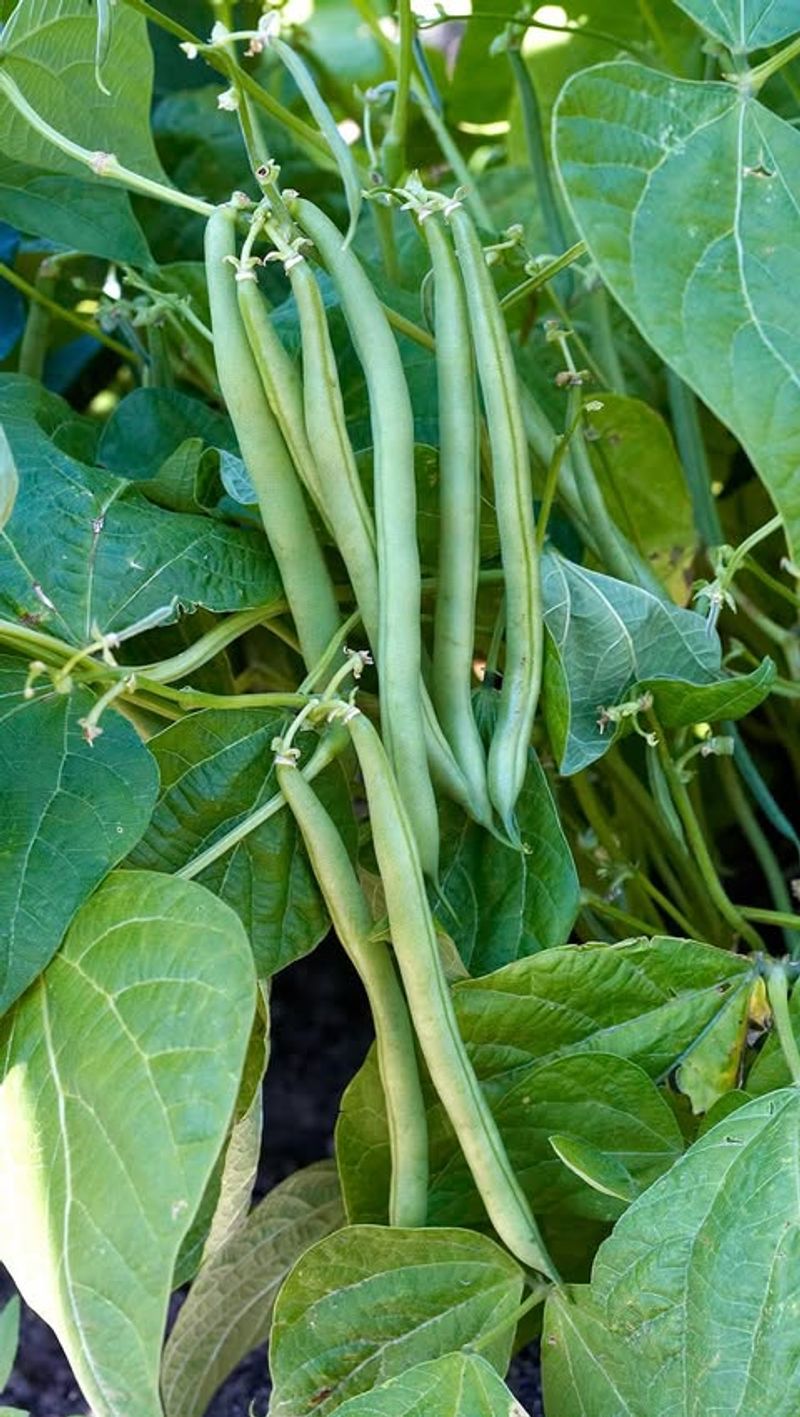
Few vegetables deliver such generous harvests so quickly as green beans, which begin producing tender pods in just 50 to 60 days after planting.
Bush bean varieties are especially fast and require no support structures, making them perfect for Washington gardeners who want easy, productive crops.
Pole beans take slightly longer but produce over a longer period and use vertical space efficiently.
Wait until soil temperatures reach at least 60 degrees Fahrenheit before planting green beans, typically late May or early June in most of Washington. Plant seeds one inch deep and three inches apart in rows or blocks.
Beans fix their own nitrogen, so they don’t need heavy fertilization and actually improve soil quality for future crops.
Washington’s warm summer months provide excellent growing conditions for green beans, though they appreciate consistent moisture during flowering and pod development.
Mulch around plants to retain soil moisture and keep roots cool during hot spells. Beans grow best in full sun with at least six to eight hours of direct sunlight daily.
Harvest beans when pods are firm and snap easily but before seeds inside become large and bulky. Regular picking encourages plants to produce more pods, extending your harvest for several weeks.
Bush beans tend to produce all at once, making them ideal for preserving, while pole beans produce continuously throughout the season for fresh eating.
5. Arugula
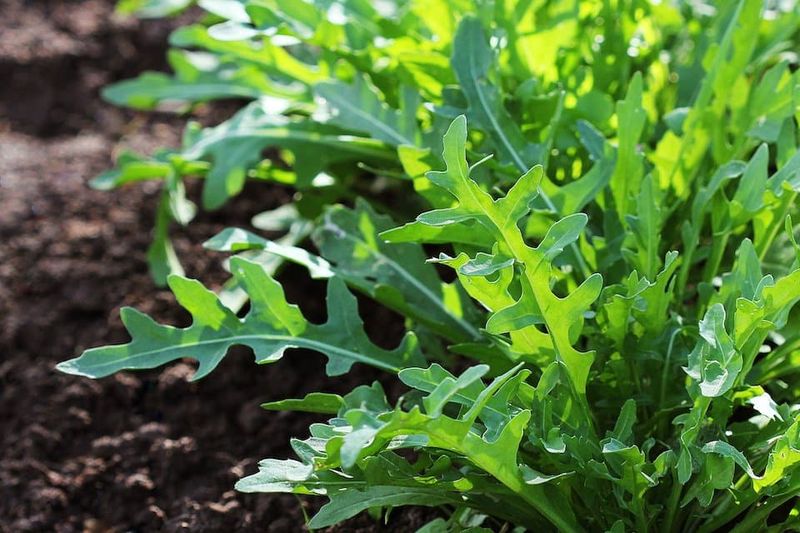
Peppery arugula is one of the fastest salad greens you can grow, ready to harvest in just 20 to 40 days depending on whether you want baby greens or full-sized leaves.
This Mediterranean green thrives in Washington’s cool spring and fall weather, though it can bolt quickly when temperatures rise above 75 degrees. The slightly spicy flavor adds wonderful complexity to salads and sandwiches.
Sow arugula seeds directly in the garden about a quarter inch deep and one inch apart. Thin seedlings to four inches apart once they have a few true leaves.
Arugula grows well in partial shade, especially during warmer months, making it versatile for different garden locations throughout Washington.
Keep soil consistently moist to encourage tender, mild-flavored leaves. Dry conditions and heat stress cause arugula to develop a much stronger, sometimes unpleasantly sharp flavor.
Harvest leaves when they are young and tender by cutting individual leaves or cutting the entire plant about an inch above soil level to encourage regrowth.
Plant arugula every two to three weeks for continuous harvests from early spring through late fall in Washington. This cool-season green can tolerate light frosts and even improves in flavor after cold weather.
Many Washington gardeners successfully grow arugula through winter in milder coastal areas using simple cold frames or row covers for protection.
6. Turnips
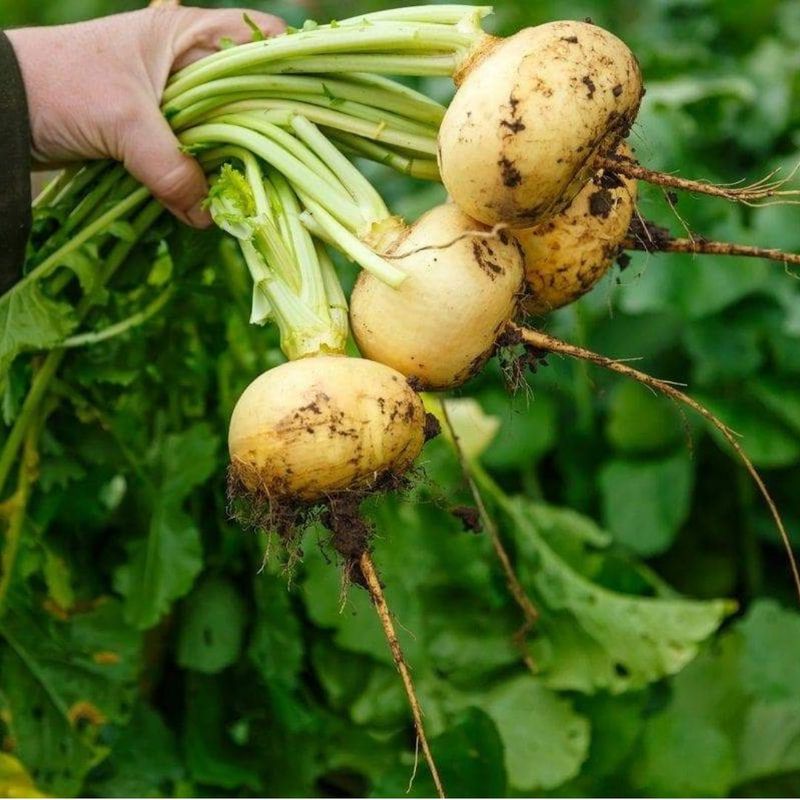
Turnips are underappreciated fast-growing vegetables that produce both edible roots and nutritious greens in just 40 to 60 days. Washington’s cool spring and fall seasons are perfect for growing sweet, tender turnips that lack the sharp bite they develop in hot weather.
Both the white-and-purple globe roots and the leafy tops are delicious when harvested young.
Plant turnip seeds directly in the garden about half an inch deep and two inches apart in rows spaced 12 to 18 inches apart. Turnips prefer loose, well-drained soil free of rocks and clumps that can cause misshapen roots.
They grow best in full sun but tolerate partial shade, especially in warmer eastern Washington locations.
Thin seedlings to four inches apart once they emerge to give roots room to develop properly. You can eat the thinned seedlings as tender salad greens.
Keep soil evenly moist throughout the growing season, as inconsistent watering can cause roots to crack or become woody and bitter.
Harvest turnip greens anytime after plants are established, taking only a few leaves from each plant to allow continued root development. Roots are best harvested when they are two to three inches in diameter, while they are still tender and sweet.
Turnips become increasingly strong-flavored and fibrous as they grow larger. Washington gardeners can plant turnips in both spring and late summer for fall harvests that extend well into autumn.
7. Bok Choy
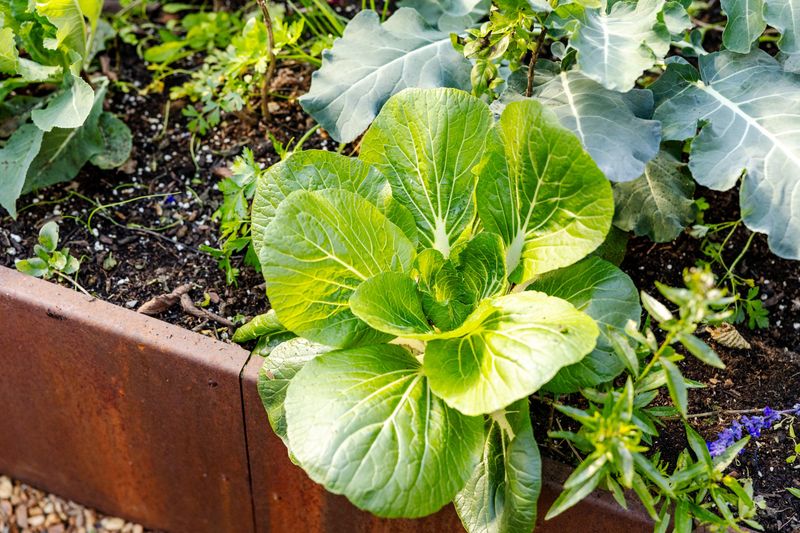
Bok choy, also known as pak choi, is a fast-growing Asian green that matures in just 45 to 60 days and thrives in Washington’s cool, moist climate.
This mild-flavored vegetable produces crisp white stems and tender dark green leaves that are delicious in stir-fries, soups, and salads.
Washington gardeners find bok choy particularly rewarding because it grows quickly and tolerates the state’s frequent spring rains.
Start bok choy from seeds sown directly in the garden or transplant seedlings started indoors three to four weeks before planting out. Space plants six to ten inches apart depending on variety, with dwarf types needing less room than full-sized varieties.
Bok choy prefers rich, well-draining soil amended with compost and consistent moisture throughout the growing season.
Plant bok choy in early spring or late summer in Washington to avoid the hottest weather, which causes plants to bolt and turn bitter.
This cool-season crop performs best when daytime temperatures stay below 75 degrees. Mulch around plants to retain moisture and keep roots cool during warmer periods.
Harvest baby bok choy when plants are six to eight inches tall, or allow them to mature fully to 12 to 18 inches for larger harvests.
Cut the entire plant at soil level or harvest outer leaves while allowing the center to continue producing. Bok choy is frost-tolerant and can extend your Washington garden season well into fall.
8. Zucchini
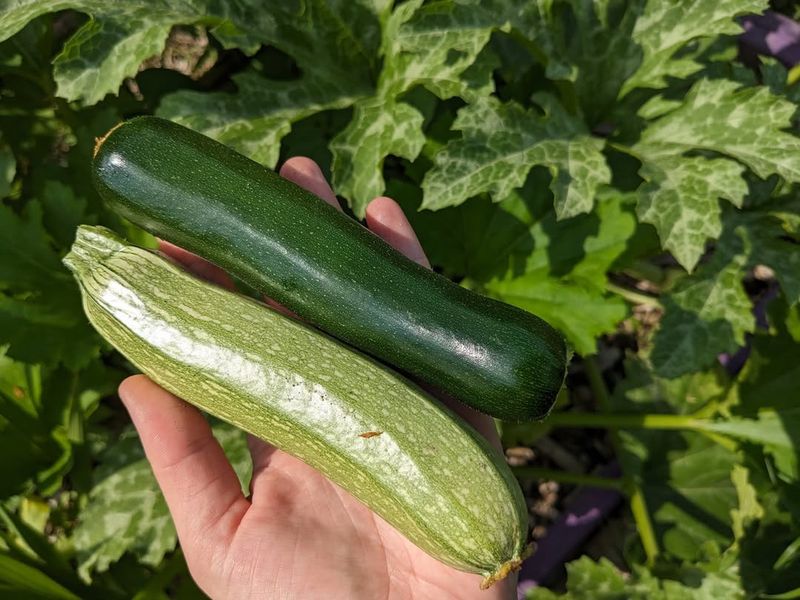
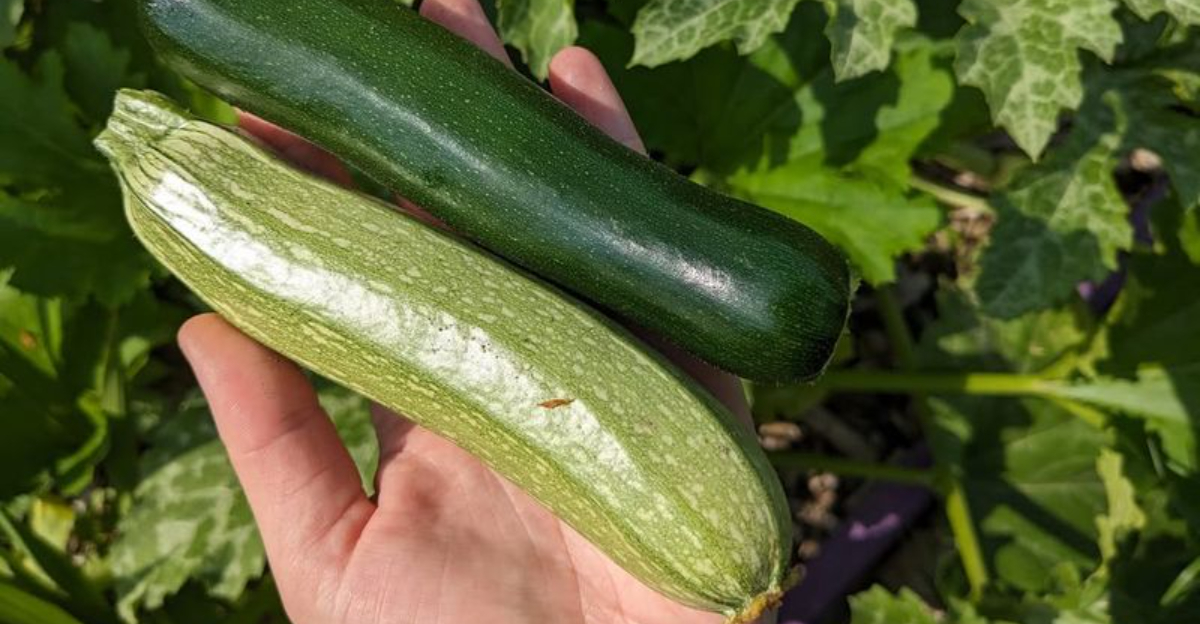
Zucchini is legendary for its productivity, often overwhelming gardeners with abundant harvests just 45 to 55 days after planting. These summer squash plants thrive in Washington’s warm summer months and produce prolifically once they start bearing fruit.
A single healthy zucchini plant can provide enough squash for an entire family throughout the season.
Plant zucchini seeds or transplants after all danger of frost has passed and soil has warmed to at least 60 degrees Fahrenheit, typically late May or June in most of Washington. Space plants three to four feet apart in full sun with rich, well-draining soil.
Zucchini are heavy feeders that benefit from compost or balanced fertilizer applications during the growing season.
Water zucchini plants deeply and consistently, keeping soil moist but not waterlogged. Drip irrigation or soaker hoses work well because they keep water off leaves, reducing disease problems.
Mulch around plants to conserve moisture and suppress weeds while keeping developing fruit clean.
Harvest zucchini when fruits are six to eight inches long for the best flavor and texture. Check plants daily during peak production because zucchini can grow from perfect size to baseball bat proportions overnight.
Regular harvesting encourages continued production throughout Washington’s summer growing season. Both the fruit and the large yellow flowers are edible, with blossoms making delicious stuffed or fried appetizers.
9. Kale
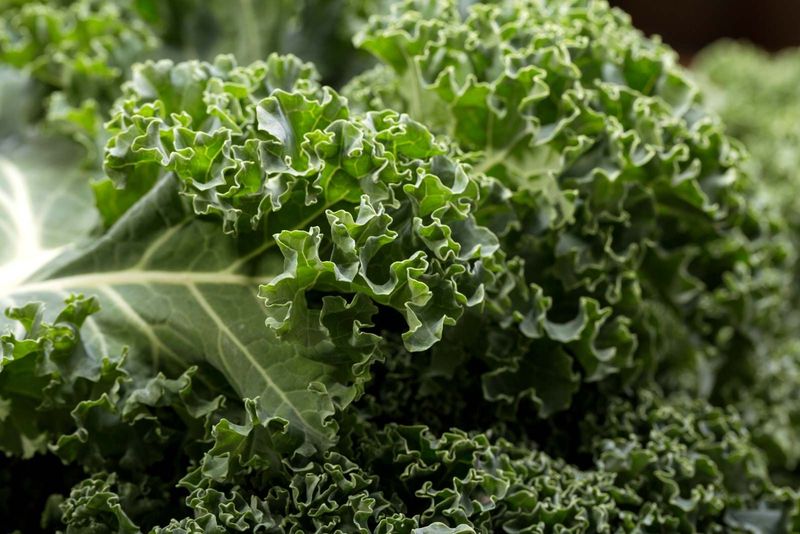
Kale is a nutritional powerhouse that matures quickly and continues producing for months, with baby leaves ready to harvest in as little as 25 days and full-sized leaves in 50 to 65 days.
This cold-hardy green actually improves in flavor after frost, making it ideal for Washington’s extended growing season.
Kale thrives in the state’s cool, moist conditions and can be grown nearly year-round in many areas.
Sow kale seeds directly in the garden or start transplants indoors four to six weeks before planting out. Space plants 12 to 18 inches apart in full sun or partial shade.
Kale grows well in Washington’s typical garden soil as long as it has good drainage and adequate organic matter.
Water kale regularly to maintain consistent soil moisture, especially during dry summer months in eastern Washington. Mulch around plants to conserve moisture and regulate soil temperature.
Kale tolerates light drought better than many leafy greens but produces the most tender leaves with regular watering.
Harvest kale by picking lower leaves first while allowing the center of the plant to continue producing new growth. This cut-and-come-again method provides fresh greens for months from a single planting.
Leaves harvested after frost are sweeter and less bitter than those picked during warm weather.
Washington gardeners can grow kale from early spring through winter in many parts of the state, making it one of the most reliable and productive vegetables for extended harvests.