15 Fast-Growing Vegetables Perfect For Short Growing Seasons In Minnesota
Minnesota gardeners face a short growing season, so selecting fast-growing vegetables is key to enjoying fresh, homegrown produce. Choosing the right varieties ensures plants mature before frost and provide abundant harvests in a limited timeframe.
Maximize your garden’s potential even with a short season. These vegetables include radishes, lettuce, spinach, bush beans, and cherry tomatoes. They mature quickly, tolerate cooler soil temperatures, and provide reliable yields.
Proper soil preparation, spacing, and consistent watering help plants reach their full potential, while staggered planting can extend the harvest even further. Quick-growing crops let you enjoy more fresh vegetables in less time.
Minnesota gardeners who plant fast-growing varieties can make the most of the short season and enjoy a productive, rewarding garden. Grow delicious, homegrown vegetables even in a brief growing window.
1. Radishes
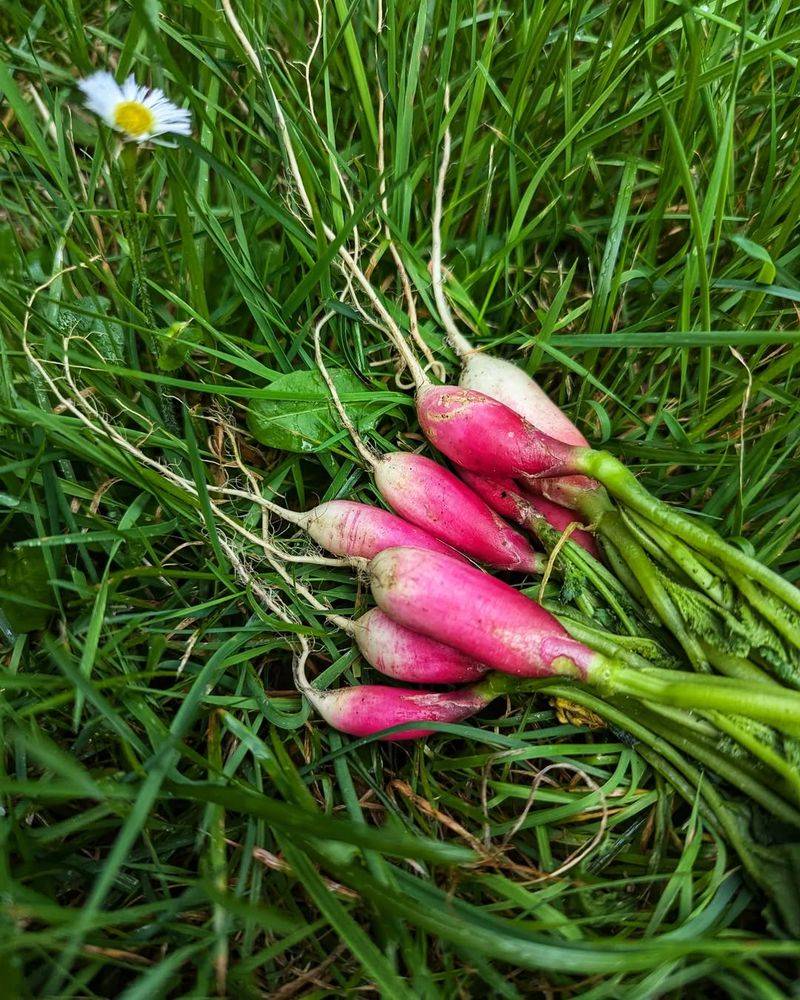
Few vegetables reward patience as quickly as radishes, which can go from seed to table in just 20 to 30 days. This lightning-fast maturity makes them ideal for Minnesota gardeners eager to see early results from their spring efforts.
Radishes flourish in cool weather, tolerating light frosts with ease and actually developing their best flavor when temperatures stay moderate.
Spring planting can begin as soon as the soil is workable, often in late April or early May in most Minnesota zones. A second planting window opens in late summer for a fall harvest, when cooler temperatures return and radishes can grow without bolting.
The key is avoiding the heat of midsummer, which can make radishes woody and overly spicy.
Proper spacing ensures plump, well-formed roots that are easy to harvest. Sow seeds about one inch apart and thin seedlings to two inches once they emerge, giving each radish room to develop.
Consistent moisture prevents splitting and keeps the flesh crisp and mild. Because they mature so quickly, radishes are excellent companions for slower-growing crops, marking rows and loosening soil as they grow.
2. Leaf Lettuce (Cut-And-Come-Again Types)
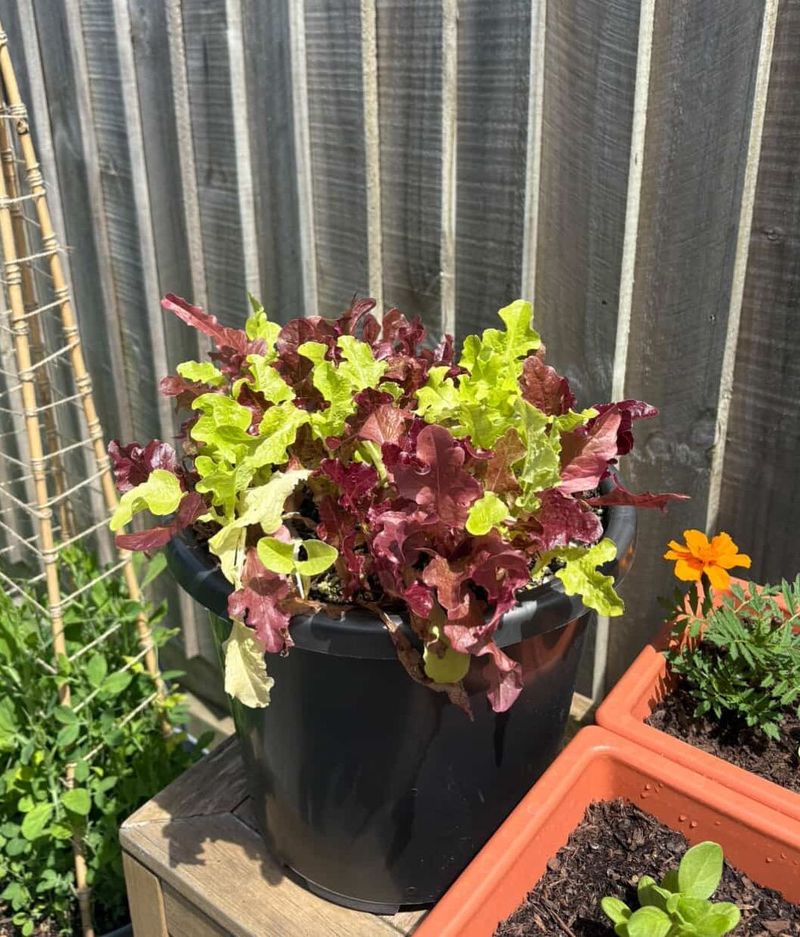
Leaf lettuce varieties offer one of the most satisfying gardening experiences, producing tender, harvestable leaves in just 30 to 40 days.
Unlike head lettuce that requires a longer growing period, loose-leaf types allow you to snip outer leaves continuously while the plant keeps producing from the center.
This cut-and-come-again method extends your harvest window significantly and makes the most of Minnesota’s short season.
Managing heat is crucial for lettuce success, as these cool-season greens tend to bolt when temperatures climb above 75 degrees. Morning shade or the use of shade cloth during warmer weeks can help extend production into early summer.
Planting in a location that receives afternoon shade naturally can also prevent premature flowering and bitter leaves.
Succession planting is the secret to enjoying fresh lettuce throughout the growing season. Sow new seeds every two weeks from early spring through early summer, then resume in late summer for fall harvests.
Each planting provides a fresh supply just as the previous one begins to decline. With minimal space requirements and shallow roots, leaf lettuce adapts beautifully to containers, raised beds, or tucked between other vegetables in traditional garden rows.
3. Spinach
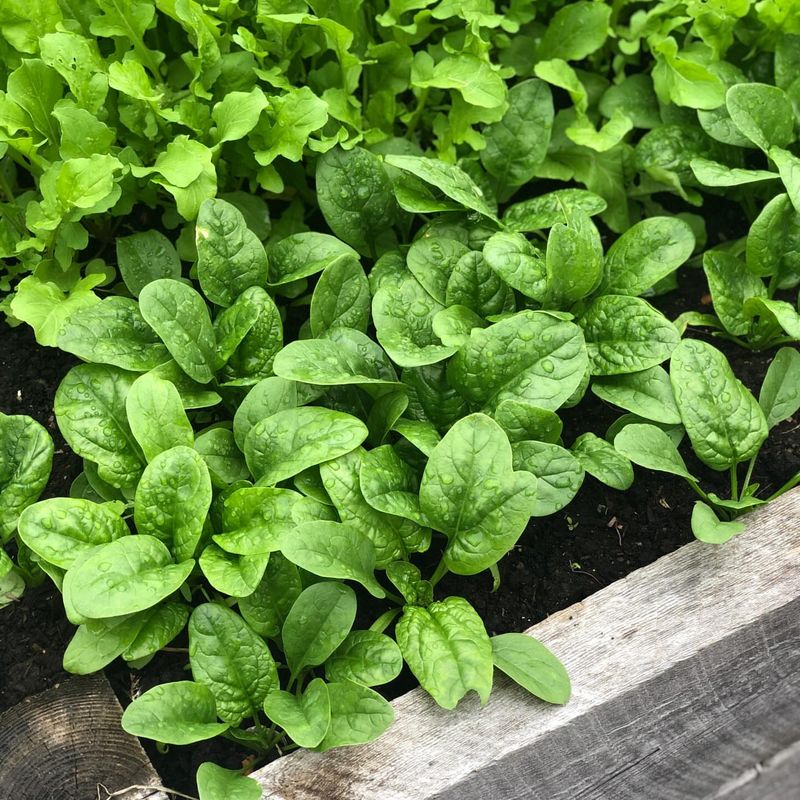
Spinach stands out as one of the most cold-tolerant vegetables you can grow, making it perfectly suited for Minnesota’s unpredictable spring weather.
This leafy green actually thrives in cool temperatures and can withstand light frosts without damage, allowing gardeners to plant earlier than most other crops. The quick early-season growth means you can harvest tender leaves within 40 to 50 days of planting.
Timing is everything when growing spinach in Minnesota, as this crop performs best when planted as soon as the ground can be worked in spring. Late April plantings take advantage of cool, moist conditions that encourage lush leaf development.
A second planting window arrives in late summer, around mid-August, for a fall harvest that often tastes even sweeter after a light frost.
The ability to tolerate light frost gives spinach a significant advantage in short-season climates. While warm-weather crops still need protection, spinach continues growing happily through chilly nights and cool days.
This frost tolerance means you can harvest fresh greens well into October or even November in many Minnesota locations. Direct seeding works well, though you can also start transplants indoors for an even earlier harvest, giving you flexibility in your planting strategy.
4. Arugula
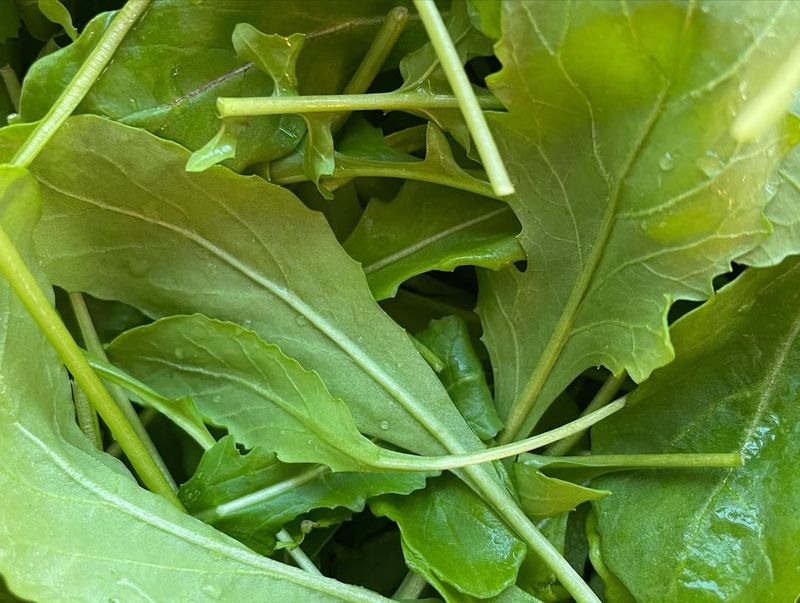
Arugula brings bold, peppery flavor to salads and sandwiches, and it does so remarkably quickly. Seeds germinate within days of planting, often sprouting in just three to five days when conditions are right.
This fast start means you can enjoy your first harvest in as little as three to four weeks, making arugula one of the speediest crops for impatient gardeners.
Cool weather brings out the best in arugula, developing its characteristic spicy flavor without the excessive bitterness that heat can cause.
Minnesota’s spring and fall temperatures create ideal growing conditions, with plants producing tender, flavorful leaves that are perfect for fresh eating.
As temperatures rise in summer, arugula tends to bolt quickly, so timing your plantings for cooler periods ensures the best quality.
One of arugula’s best features is its ability to regrow after cutting, similar to leaf lettuce. Harvest the outer leaves when they reach three to four inches long, leaving the center intact to continue producing.
This regrowth potential means a single planting can provide multiple harvests over several weeks. Succession planting every two weeks extends your arugula season even further, ensuring a steady supply of fresh greens from spring through fall in Minnesota gardens.
5. Green Onions (Scallions)
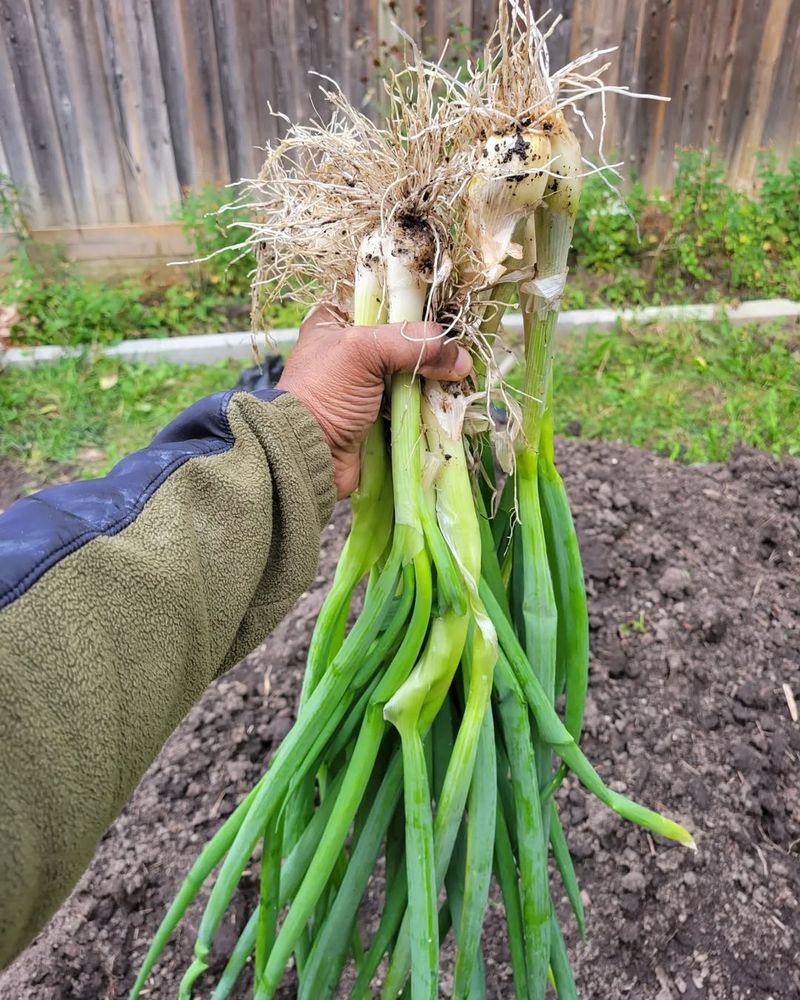
Green onions, also called scallions, offer incredible versatility in the garden and kitchen while maturing faster than their bulbing relatives. From seed, you can harvest tender green onions in about 60 days, but many gardeners plant sets or transplants for even quicker results, often ready in just 30 days.
The ability to harvest in stages means you can pull onions as needed rather than all at once, extending your fresh supply.
Dense planting works wonderfully with scallions, as they require minimal space and don’t compete aggressively with neighbors. You can sow seeds or plant sets just one inch apart in rows, creating a productive green onion patch in a surprisingly small area.
This space efficiency makes scallions ideal for intensive planting beds where every square inch counts. Container compatibility is another major advantage, especially for Minnesota gardeners with limited space or those who want to keep fresh onions close to the kitchen.
A pot at least six inches deep can support a generous cluster of scallions, and you can tuck containers onto patios, balconies, or even sunny windowsills.
The shallow root system and upright growth habit make them perfect container candidates. Plus, you can bring pots indoors before frost to extend your harvest even longer.
6. Baby Carrots
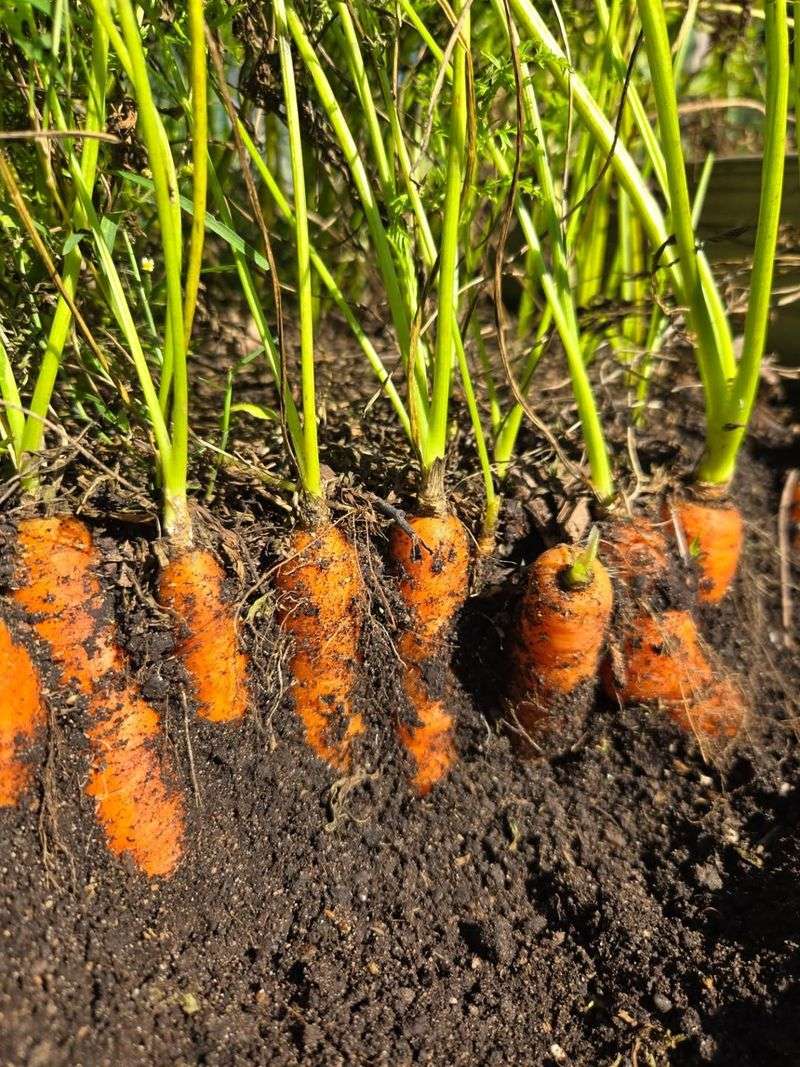
Baby carrot varieties provide all the sweet crunch of full-size carrots in roughly half the time, typically maturing in 50 to 60 days compared to 70 to 80 days for standard types.
These smaller varieties are specifically bred for quick growth and tender texture, making them perfect for Minnesota’s compressed growing season. The shorter roots also make them more forgiving in less-than-ideal soil conditions.
Soil preparation is especially important for carrots in Minnesota, where clay-heavy soils can hinder root development and cause misshapen vegetables. Working in plenty of compost or aged manure improves soil structure, creating the loose, friable texture that carrots need to grow straight and smooth.
Sand can also be incorporated to lighten heavy clay, though organic matter is generally more beneficial long-term.
Removing rocks and breaking up clumps before planting prevents forked or twisted roots that are difficult to clean and use. A raised bed filled with quality garden soil offers an excellent alternative if your native soil is particularly challenging.
Baby carrots are more tolerant of compacted or rocky conditions than full-size varieties, but they still perform best in well-prepared beds.
Consistent moisture throughout the growing season keeps roots tender and prevents splitting, while a layer of mulch helps maintain even soil moisture levels.
7. Bush Beans
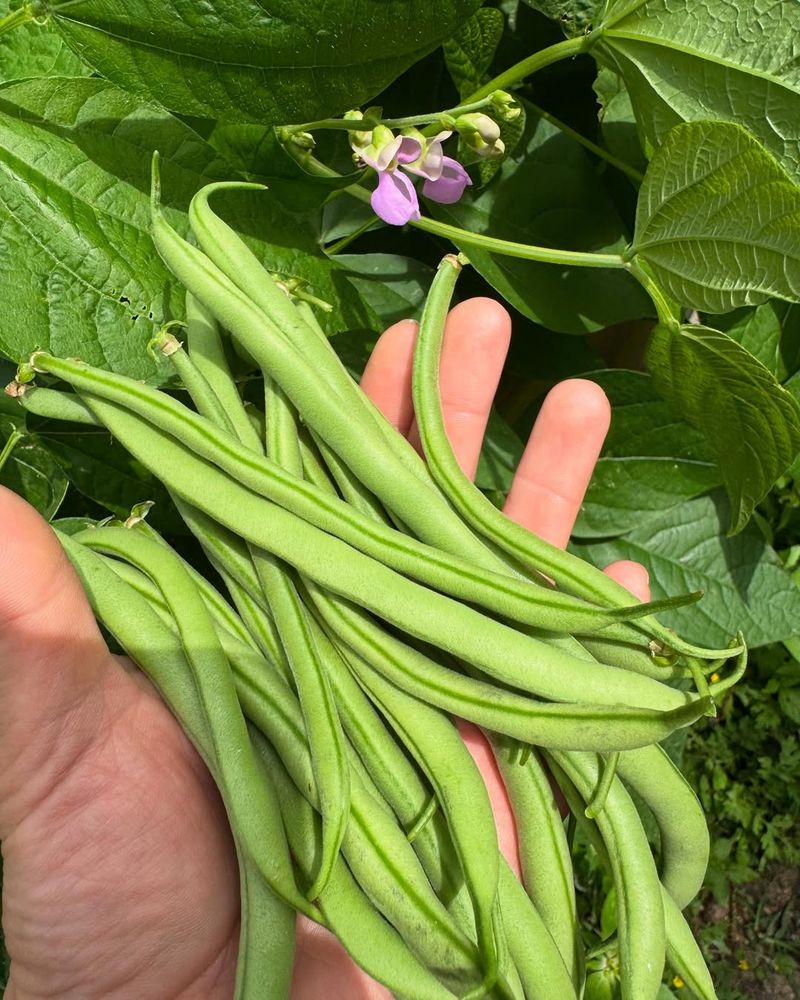
Bush beans deliver impressive harvests in just 50 to 60 days, making them a staple in Minnesota gardens where time is precious.
Unlike pole beans that require trellising and take longer to mature, bush varieties grow in compact, self-supporting plants that are perfect for smaller spaces.
Their determinate growth habit means they produce most of their crop within a concentrated period, ideal for succession planting and preserving.
Warm soil is absolutely essential for successful bean germination, as seeds planted in cold, wet soil often rot before sprouting. Wait until soil temperatures reach at least 60 degrees Fahrenheit, typically in late May across most of Minnesota.
Impatient planting rarely pays off with beans, so patience in waiting for warm conditions leads to much better results and healthier plants.
The compact growth of bush beans offers significant benefits for short-season gardeners. Plants typically reach 18 to 24 inches tall and spread about 12 inches wide, allowing for efficient use of garden space.
You can plant them in blocks or double rows for easier harvesting and better support. Their relatively short stature also makes them less vulnerable to wind damage, an important consideration in open Minnesota gardens.
Multiple succession plantings spaced two weeks apart extend your harvest window, providing fresh beans from midsummer through early fall.
8. Zucchini (Early Varieties)
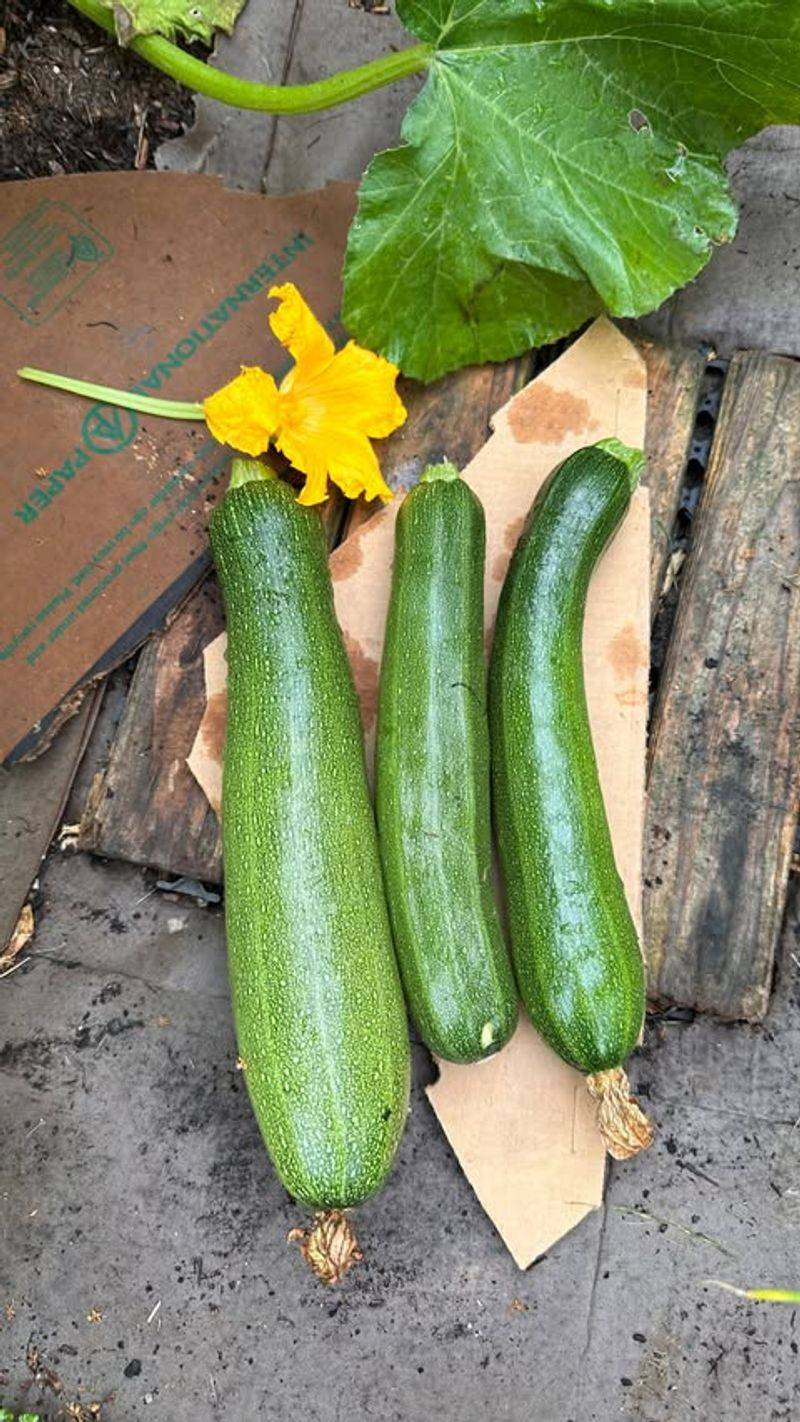
Zucchini ranks among the most productive vegetables you can grow, with early varieties beginning to produce edible fruit in just 45 to 55 days. Once production starts, a single plant can yield an astonishing amount of squash, often more than one family can easily consume.
This prolific nature makes zucchini a favorite for gardeners who want maximum output from minimal space and effort.
Fast growth characterizes zucchini from the moment seeds germinate, with plants expanding rapidly once warm weather arrives. The large leaves and vigorous vines can quickly fill their allotted space, so planning for adequate room is important.
Early varieties are specifically bred to begin flowering and fruiting sooner than standard types, giving Minnesota gardeners a longer harvest window before frost threatens.
Frost timing awareness is crucial when growing zucchini in Minnesota, as these warm-season plants are extremely sensitive to cold temperatures.
Wait until all danger of frost has passed and soil has warmed thoroughly before transplanting, typically around Memorial Day weekend in most areas. Spacing strategies matter too, as proper air circulation helps prevent powdery mildew and other fungal issues.
Allow three to four feet between plants in all directions, or grow them in hills with two plants per mound. This spacing promotes healthy growth and makes harvesting easier throughout the season.
9. Turnips
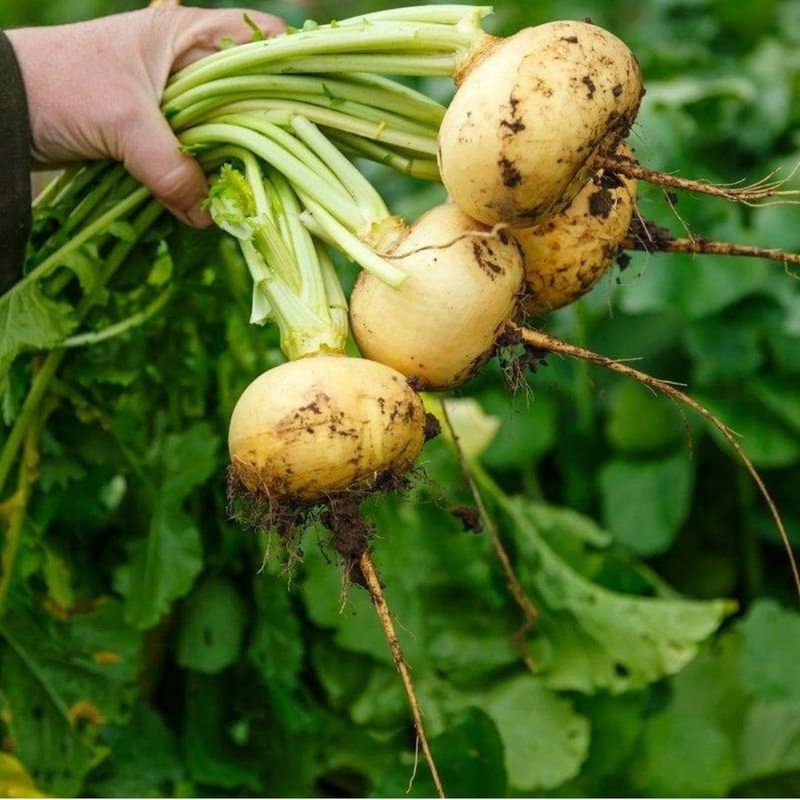
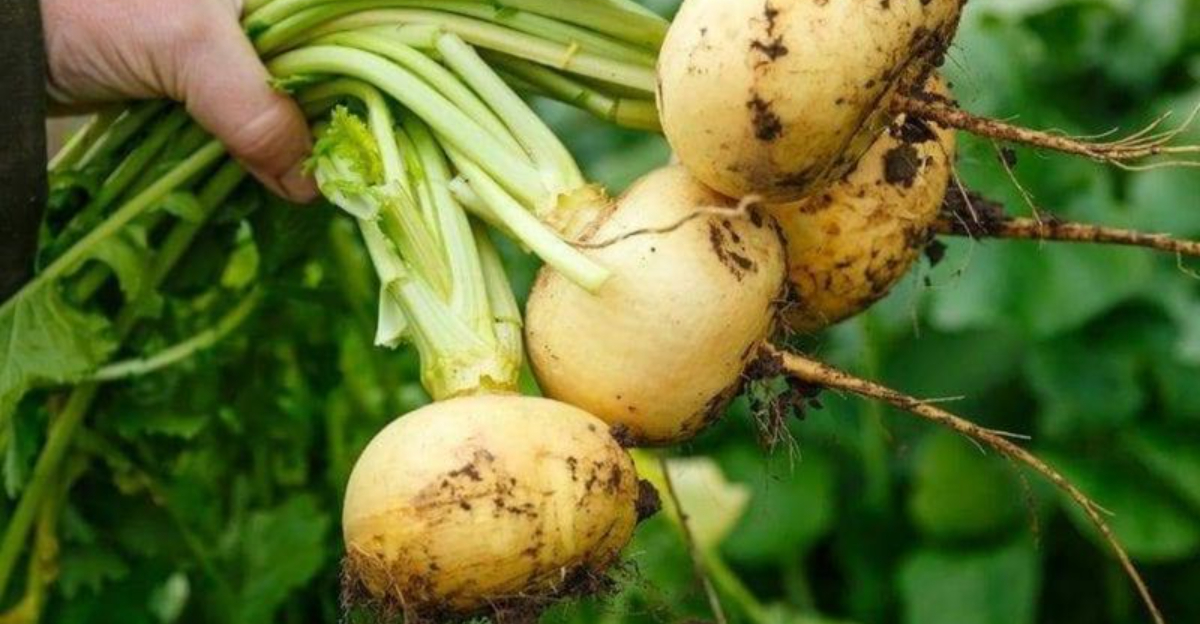
Turnips provide gardeners with a wonderful two-for-one harvest opportunity, as both the roots and greens are delicious and nutritious. The greens can be harvested when young and tender, often within 30 days of planting, while roots typically mature in 50 to 60 days.
This versatility makes turnips an efficient use of garden space, providing multiple harvests from a single planting.
Cool-season planting brings out the best flavor in turnips, as roots grown in warm weather tend to be woody and overly pungent. Spring plantings should go in as soon as soil can be worked, allowing roots to mature before summer heat arrives.
The fall planting window is even better, with seeds sown in late July or early August producing sweet, tender roots for autumn harvest.
Harvest windows are flexible with turnips, giving gardeners options based on preference and need. Small roots harvested at golf-ball size are tender and mild, perfect for eating raw or lightly cooked.
Larger roots up to three inches in diameter are excellent for roasting, mashing, or adding to soups and stews. Light frosts actually improve turnip flavor, making them sweeter and less sharp.
You can often harvest well into October or even November in Minnesota, long after more tender crops have succumbed to cold weather.
10. Kale
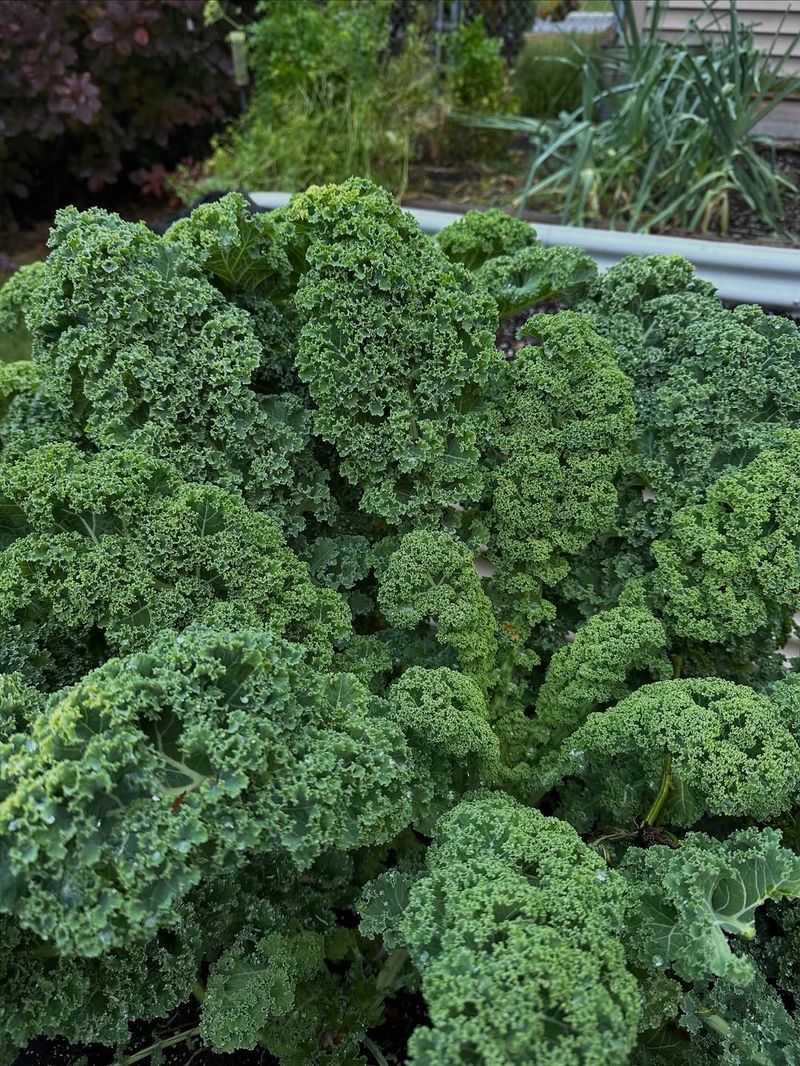
Kale has earned its reputation as a superfood, and it grows remarkably well in Minnesota’s climate. Fast leaf production begins within 30 to 40 days of planting, when you can start harvesting outer leaves while allowing the plant to continue growing.
This extended harvest period makes kale one of the most productive vegetables per square foot, providing fresh greens for months from a single planting.
Cold tolerance is one of kale’s greatest assets, as it actually tastes better after exposure to frost. The cold converts some of the starches in the leaves to sugars, creating a sweeter, less bitter flavor.
While many vegetables struggle or perish in cold weather, kale thrives, continuing to produce tender new leaves even as temperatures drop into the 20s.
Planting timing offers flexibility, with successful crops possible from spring through fall. Spring plantings can go in as soon as soil is workable, providing greens throughout summer if you keep plants well-watered.
Late summer plantings are particularly successful, as kale planted in August grows vigorously in cooling temperatures and provides harvests well into winter. Multiple harvest potential means you can return to the same plants repeatedly, picking outer leaves and allowing the center to regenerate.
Some gardeners even overwinter kale under heavy mulch or row covers, harvesting fresh greens during winter thaws.
11. Swiss Chard
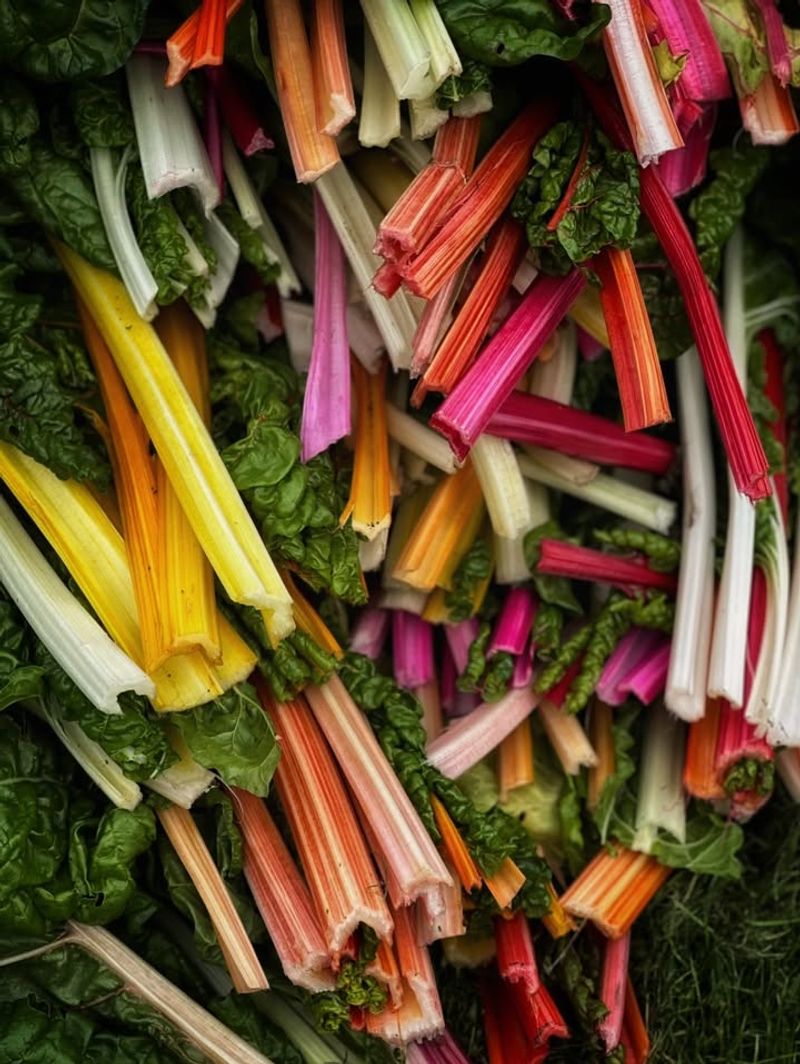
Swiss chard combines beauty and productivity in one impressive package, with colorful stems in shades of red, yellow, orange, and white adding ornamental appeal to vegetable gardens. Leaves grow quickly after planting, with the first harvest possible in just 40 to 50 days.
Once established, chard produces continuously throughout the growing season, making it one of the most reliable greens for Minnesota gardens.
The ability to grow quickly from seed or transplants gives gardeners options based on their timeline and preferences. Direct seeding works well in late spring, while starting transplants indoors allows for earlier harvests.
The large seeds are actually seed clusters, so thinning is necessary once seedlings emerge, but those thinnings make delicious microgreens.
Frost tolerance is remarkable in Swiss chard, which continues producing even after several light frosts. While not quite as cold-hardy as kale, chard withstands temperatures into the mid-20s without significant damage.
This resilience extends the harvest season considerably, allowing you to pick fresh greens well into October and sometimes November.
Long harvest season advantages make chard particularly valuable for Minnesota gardeners, as a single spring planting can provide greens from midsummer through fall.
The cut-and-come-again harvesting method works perfectly, with outer leaves removed regularly while the center continues producing fresh growth.
12. Peas (Snap And Snow Types)
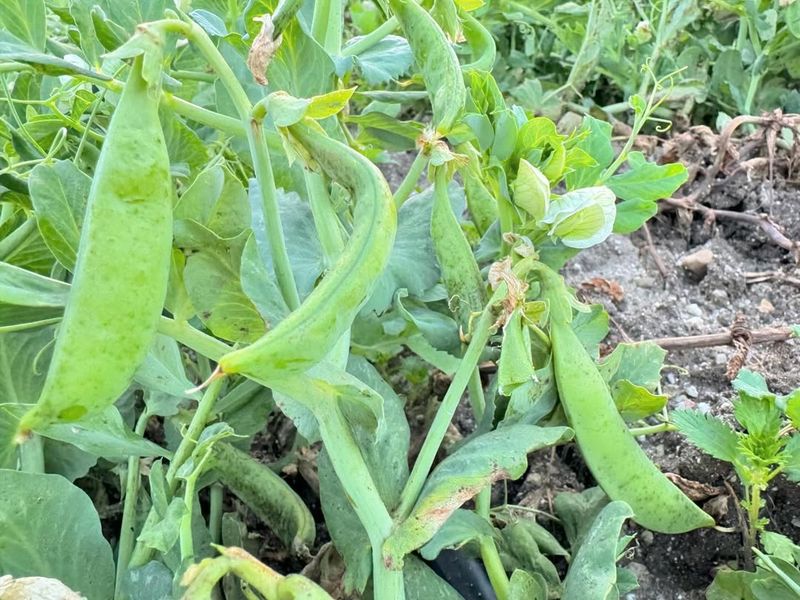
Peas represent the essence of cool-weather gardening, thriving in conditions that would stress or stunt warm-season crops.
Snap and snow peas are particularly well-suited to Minnesota’s climate, as they tolerate light frosts and actually prefer the cool temperatures of spring and fall.
Early planting suitability means you can sow seeds as soon as the ground can be worked, often in mid to late April, giving peas a head start on the growing season.
Cool-weather growth habits make peas productive when many other vegetables are still waiting for warmer conditions. Seeds germinate in cool soil that would rot bean or squash seeds, and plants grow vigorously as temperatures slowly warm.
This early start allows peas to mature before summer heat arrives, which can cause plants to stop producing and decline.
Trellis setup is important for maximizing pea production and keeping pods clean and easy to harvest. Even bush varieties benefit from some support, while vining types absolutely require it.
Install trellises or supports at planting time to avoid disturbing roots later. Simple options include bamboo stakes with string, wire fencing, or specialized pea netting.
Harvest timing is crucial for best quality, as both snap and snow peas taste best when picked young and tender, before peas inside the pods fully develop.
13. Beets
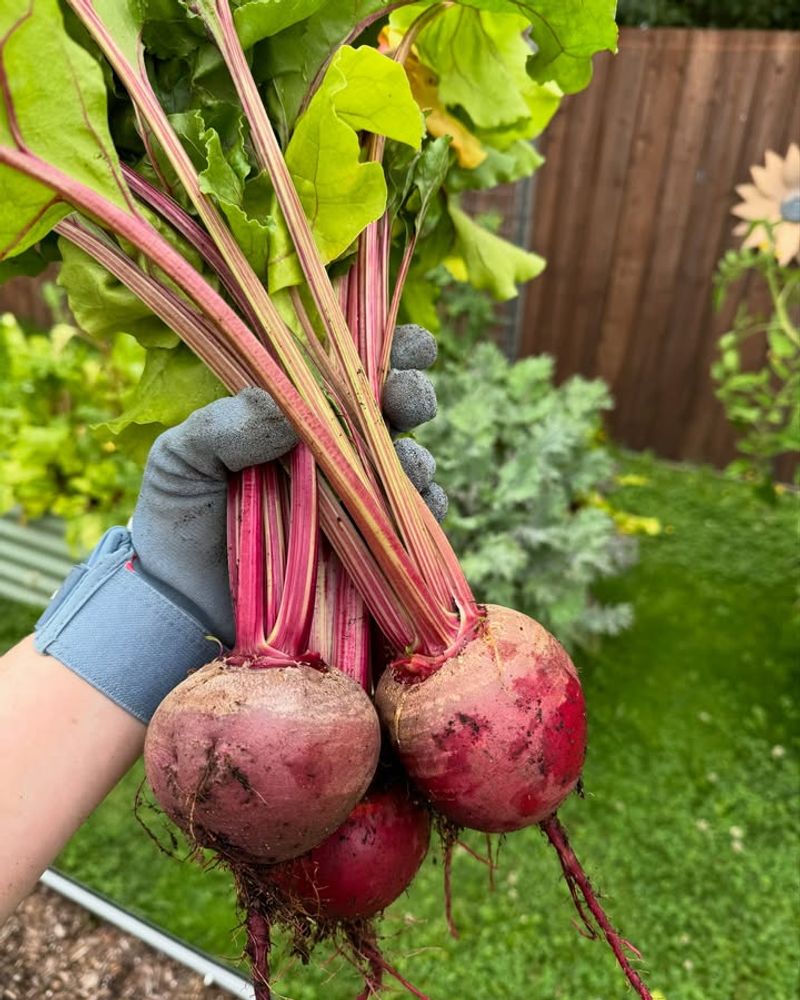
Beets offer Minnesota gardeners a relatively quick harvest with the bonus of two edible crops from one planting. Young beet greens can be harvested when leaves reach four to six inches tall, providing nutritious salad additions or cooking greens.
Meanwhile, the roots continue developing underground, typically reaching maturity in 55 to 70 days depending on the variety chosen.
Dual harvest potential makes beets an efficient choice for gardens where space is limited. You can thin seedlings for baby greens, allowing remaining plants more room to develop full-size roots.
Alternatively, harvest outer leaves from established plants throughout the season while waiting for roots to mature. This flexibility gives you options based on your immediate needs and preferences.
Spacing matters significantly for beet production, as crowded plants produce small, misshapen roots. Beet seeds are actually seed clusters that produce multiple seedlings, so thinning is essential once plants emerge.
Thin to three to four inches apart, using the thinned seedlings in salads or cooking. Soil moisture tips include maintaining consistent watering throughout the growing season, as fluctuations can cause roots to crack or develop woody rings.
Mulching helps regulate soil moisture and temperature, promoting steady growth and tender, flavorful roots perfect for roasting or pickling.
14. Bok Choy (Asian Greens)
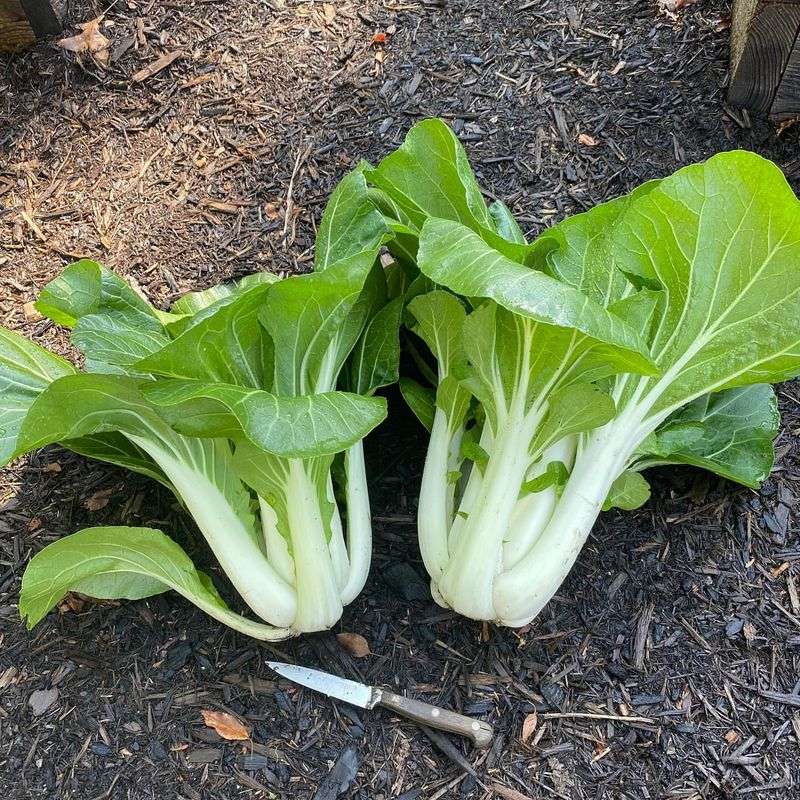
Bok choy brings Asian culinary traditions to Minnesota gardens with its crisp stalks and tender leaves that mature in just 45 to 60 days. This short maturity window makes it perfect for short-season gardening, fitting easily into spring and fall planting schedules.
The preference for cool temperatures aligns perfectly with Minnesota’s climate, as bok choy grows vigorously when many other vegetables are just getting started or winding down.
Cool temperature preference means bok choy performs best in spring and fall, similar to other brassicas like cabbage and broccoli. Spring plantings can begin as soon as soil is workable, while fall crops planted in late summer often produce the best quality.
The mild, slightly sweet flavor develops most fully in cool weather, making these planting windows ideal for maximum taste.
Bolt-prevention strategies become important as weather warms, since bok choy is quick to flower when stressed by heat. Choosing bolt-resistant varieties helps, as does providing afternoon shade during warmer periods.
Consistent watering and mulching keep roots cool and plants growing steadily rather than shifting into reproductive mode. If warm weather arrives earlier than expected, harvest bok choy slightly smaller than full size to enjoy it before flowering occurs.
The entire plant is edible, from tender leaves to crunchy stems, making it versatile in stir-fries, soups, and fresh preparations.
15. Kohlrabi
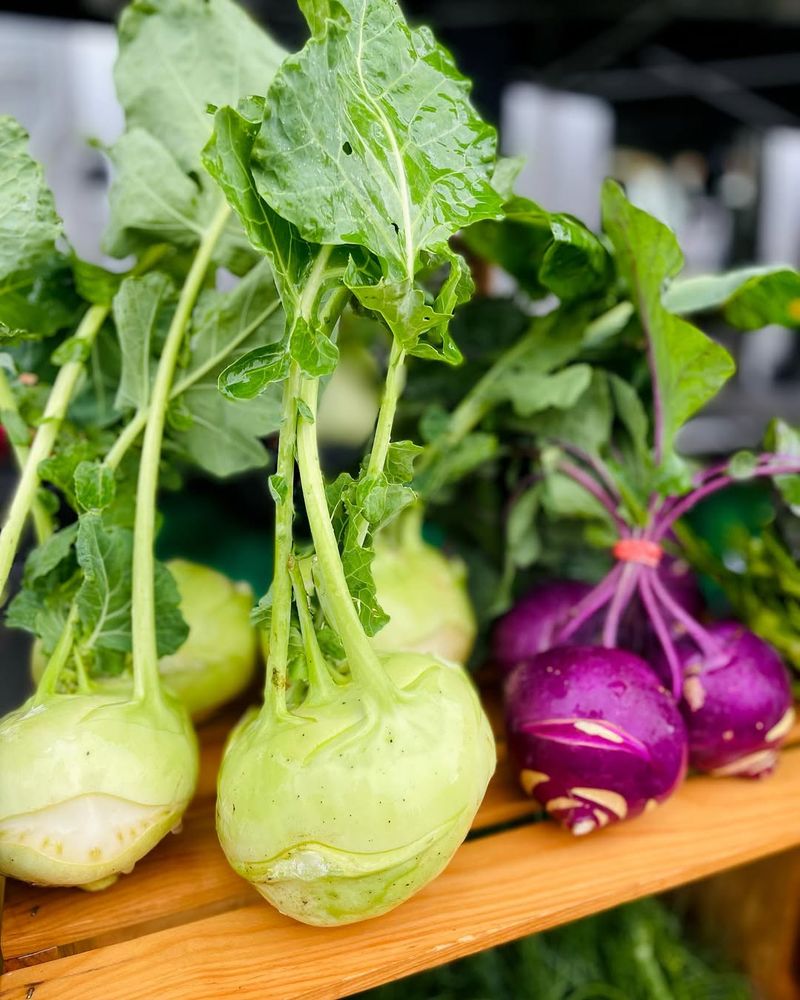
Kohlrabi might look unusual with its bulbous stem and sprouting leaves, but this quirky vegetable deserves a place in every Minnesota garden. Fast bulb development occurs in just 50 to 60 days from seed, making it perfectly suited to short growing seasons.
Cold tolerance is excellent, allowing for both spring and fall plantings that take advantage of cool weather when kohlrabi develops its best flavor and texture.
The swollen stem that forms above ground is the edible portion, offering a crisp texture and mild, slightly sweet flavor reminiscent of broccoli stems or cabbage hearts.
Both green and purple varieties are available, with purple types often showing slightly better cold tolerance. The leaves are also edible when young, though most gardeners focus on the main bulb.
Ideal harvest size is crucial for best quality, as kohlrabi becomes woody and tough if left too long. Harvest bulbs when they reach two to three inches in diameter for the most tender, flavorful results.
Larger bulbs up to four inches can still be good, but quality declines as size increases. Flavor quality tips include providing consistent moisture and avoiding stress, which can make bulbs fibrous or bitter.
Light frosts actually improve flavor, making fall-grown kohlrabi particularly delicious. The unique appearance and mild taste make kohlrabi an excellent introduction to unusual vegetables for adventurous Minnesota gardeners.